
Joseph L. Harsh (1941–2010)
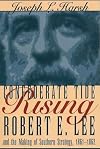
Author of Confederate Tide Rising: Robert E. Lee and the Making of Southern Strategy, 1861-1862
About the Author
Joseph L. Harsh is a professor and former chair of history at George Mason University.
Image credit: C-Span
Works by Joseph L. Harsh
Confederate Tide Rising: Robert E. Lee and the Making of Southern Strategy, 1861-1862 (1998) 91 copies, 1 review
Tagged
Common Knowledge
- Legal name
- Harsh, Joseph Lee
- Birthdate
- 1941-06-25
- Date of death
- 2010-09-13
- Gender
- male
- Education
- Rice University (PhD|History)
- Occupations
- historian
university professor - Nationality
- USA
- Birthplace
- Hagerstown, Maryland, USA
- Places of residence
- Centreville, Virginia, USA
- Place of death
- Fairfax County, Virginia, USA
- Burial location
- Rest Haven Cemetery, Hagerstown, Maryland, USA
- Associated Place (for map)
- USA
Members
Reviews
Confederate Tide Rising: Robert E. Lee and the Making of Southern Strategy, 1861-1862 by Joseph L. Harsh
Fascinating high level strategic study through the eyes of Robert E. Lee of the war from the start through the crossing into Maryland. Will be best enjoyed by those already familiar with the basic campaigns and battles.
Harsh has a lot of good things to say about Jefferson Davis and his working relationship with Lee. He disputes the claim that Lee was parochial in strategic outlook (ignoring the Western Theater). His central thesis, contrary to those who accuse Lee of losing too much blood show more through offensive tactics, is that Lee constantly sought turning movements resulting in "easy fighting and heavy victories". Lee understood that the only way for the South to win was to achieve demoralizing victories that would drain the North's support for the war.
In this context, Jackson and Stuart are seen by Harsh as often disrupting Lee's strategy with overly aggressive moves that drew him into battles prior to the conclusions of his maneuvers. For example, Jackson's lashing out at Reno's troops on the Warrenton Pike, most often portrayed by historians as a masterful move to draw Pope into an assault, was actually regretted by Lee, who wanted instead to draw Pope into the Shenandoah Valley, further from Washington, where a defeat could be more complete. Stuart, in particular comes off as a non-serious soldier, who shot up Pope's retreating wagon train for a laugh without even realizing he thereby foolishly forewarned Pope of the Confederate presence on the flank, then went off to make merry all night at a civilian friend's home.
Poor judgment by Lee is also made clear, for example, sending all of his cavalry with Jackson for the Thoroughfare Gap turning movement, leaving Longstreet with a slower approach in following Jackson. Then when Lee stopped short of the Gap for little reason, it could have been disastrous when a Union Corps blocked the Gap the next day. Just to point out that Harsh is by no means a Lee hagiographer.
This HB edition is 208 pages of text including Appendices, a smooth read even though the discussions are complex. The print is very small, however, if that is an issue for you.
An excellent insight into the calculations and command method of Lee during this time period. show less
Harsh has a lot of good things to say about Jefferson Davis and his working relationship with Lee. He disputes the claim that Lee was parochial in strategic outlook (ignoring the Western Theater). His central thesis, contrary to those who accuse Lee of losing too much blood show more through offensive tactics, is that Lee constantly sought turning movements resulting in "easy fighting and heavy victories". Lee understood that the only way for the South to win was to achieve demoralizing victories that would drain the North's support for the war.
In this context, Jackson and Stuart are seen by Harsh as often disrupting Lee's strategy with overly aggressive moves that drew him into battles prior to the conclusions of his maneuvers. For example, Jackson's lashing out at Reno's troops on the Warrenton Pike, most often portrayed by historians as a masterful move to draw Pope into an assault, was actually regretted by Lee, who wanted instead to draw Pope into the Shenandoah Valley, further from Washington, where a defeat could be more complete. Stuart, in particular comes off as a non-serious soldier, who shot up Pope's retreating wagon train for a laugh without even realizing he thereby foolishly forewarned Pope of the Confederate presence on the flank, then went off to make merry all night at a civilian friend's home.
Poor judgment by Lee is also made clear, for example, sending all of his cavalry with Jackson for the Thoroughfare Gap turning movement, leaving Longstreet with a slower approach in following Jackson. Then when Lee stopped short of the Gap for little reason, it could have been disastrous when a Union Corps blocked the Gap the next day. Just to point out that Harsh is by no means a Lee hagiographer.
This HB edition is 208 pages of text including Appendices, a smooth read even though the discussions are complex. The print is very small, however, if that is an issue for you.
An excellent insight into the calculations and command method of Lee during this time period. show less
Awards


You May Also Like


Statistics
- Works
- 6
- Members
- 205
- Popularity
- #107,801
- Rating
- 4.5
- Reviews
- 1
- ISBNs
- 13
- Favorited
- 1