
Ann Redisch Stampler
Author of Where It Began
About the Author
Image credit: via Amazon.com
Works by Ann Redisch Stampler
La Espada De Madera 1 copy
Tagged
Common Knowledge
There is no Common Knowledge data for this author yet. You can help.
Members
Reviews

Full review on Reader's Dialogue: http://readersdialogue.blogspot.com/2014/01/afterparty.html
I already knew that I love Ann Redisch Stampler's style from her book Where It Began. With Afterparty, the narrator's voice, Emma's voice, is so clear and so sharp. In fact, that sharpness becomes so important in the pivotal scene where Emma is drunk and high and who knows what else, and her voice actually loses some of that sharpness. To me, it highlighted the way that even as Emma categorized show more herself as "Bad Emma" throughout the book, she didn't even realize how not-bad she was being. Yes, she was sneaking out and disobeying her father, she was going to wild parties (kinda), she had a (gasp!) boyfriend, she lied and lied and lied - but those asides from her "conscience" and "compass" telling her that everything she was doing was so bad, all ignored the way she barely did anything really wrong or bad. Every time she sets out to do something crazy, she either backs out or does a modified version of it. That loss of sharpness is so jarring precisely because she hasn't been in a position to lose it throughout the whole book up until that point. She thinks she's wild, but if you count up and catalog her infractions, she's not that bad.
Of course, that's the point. She is no judge of what's beyond normal, what's crazy sh*t and what's only requiring secrecy because of her overprotective father. Now her father is brilliantly portrayed. He's not evil, she doesn't hate him. Actually, their relationship is pretty good and I'm kinda in love with their conversations toward the end of the book. But because she hasn't had normal experiences growing up, because she felt she had something to prove because of who her mother was, she has a totally skewed idea of normal. So first of all, when any casual observer could see that Siobhan is over the top out of control, Emma doesn't know the difference and thinks this is just normal teenager behavior. And then there's the voice telling her she's bad bad bad, which I know from experience does nothing to make you a better person and actually usually does the opposite.
All the relationships in the book, with the partial exception of Emma's father, are craaaazy. It seems like no one knows what normal even looks like. Siobhan's family, Dylan's family, Dylan himself - I'm sorry, I do like Dylan, but he is just as messed up as Siobhan and Emma in his own way. He's dark and mysterious, he seems to be holding it together, mature and aloof - and when his own crap blows up, he falls to pieces and makes every wrong decision he possibly could. It doesn't help any of this that just about every teenager is lying to at least one person about one thing at any given point.
Basically, this tells the story of repression, bad judgement, damaging friendships, and the true meaning of loyalty and trust. In a non-preachy, thoroughly enjoyable way. A great great book. show less
I already knew that I love Ann Redisch Stampler's style from her book Where It Began. With Afterparty, the narrator's voice, Emma's voice, is so clear and so sharp. In fact, that sharpness becomes so important in the pivotal scene where Emma is drunk and high and who knows what else, and her voice actually loses some of that sharpness. To me, it highlighted the way that even as Emma categorized show more herself as "Bad Emma" throughout the book, she didn't even realize how not-bad she was being. Yes, she was sneaking out and disobeying her father, she was going to wild parties (kinda), she had a (gasp!) boyfriend, she lied and lied and lied - but those asides from her "conscience" and "compass" telling her that everything she was doing was so bad, all ignored the way she barely did anything really wrong or bad. Every time she sets out to do something crazy, she either backs out or does a modified version of it. That loss of sharpness is so jarring precisely because she hasn't been in a position to lose it throughout the whole book up until that point. She thinks she's wild, but if you count up and catalog her infractions, she's not that bad.
Of course, that's the point. She is no judge of what's beyond normal, what's crazy sh*t and what's only requiring secrecy because of her overprotective father. Now her father is brilliantly portrayed. He's not evil, she doesn't hate him. Actually, their relationship is pretty good and I'm kinda in love with their conversations toward the end of the book. But because she hasn't had normal experiences growing up, because she felt she had something to prove because of who her mother was, she has a totally skewed idea of normal. So first of all, when any casual observer could see that Siobhan is over the top out of control, Emma doesn't know the difference and thinks this is just normal teenager behavior. And then there's the voice telling her she's bad bad bad, which I know from experience does nothing to make you a better person and actually usually does the opposite.
All the relationships in the book, with the partial exception of Emma's father, are craaaazy. It seems like no one knows what normal even looks like. Siobhan's family, Dylan's family, Dylan himself - I'm sorry, I do like Dylan, but he is just as messed up as Siobhan and Emma in his own way. He's dark and mysterious, he seems to be holding it together, mature and aloof - and when his own crap blows up, he falls to pieces and makes every wrong decision he possibly could. It doesn't help any of this that just about every teenager is lying to at least one person about one thing at any given point.
Basically, this tells the story of repression, bad judgement, damaging friendships, and the true meaning of loyalty and trust. In a non-preachy, thoroughly enjoyable way. A great great book. show less

Full review on Reader's Dialogue: http://readersdialogue.blogspot.com/2012/09/where-it-began.html
Gabby's voice is just confused enough to draw you in to feel sorry for her, but just strong enough to have you cheering for her when she finally takes control. It's interesting that for most of the book, she's actually behaving quite despicably, especially to the few people she can count as real friends, but as a reader, you still ache for her and want things to work out for her. Even though she show more makes plenty of mistakes of her own, she's mostly a victim, a clueless victim, first of her mother's ridiculous ideas of acceptance and then of everyone else.
I love the time element of the storytelling, the way Gabby goes back and forth between narrating what is happening now and what happened in the past. And I love that it's all in the present tense, which heightens the effect that it's all mixed up for Gabby, that she's experiencing it all at once as she tries to make sense of what's going on. Ann Stampler's writing style is so understated but so sharp, so incisive. Every word counts and packs a punch.
And speaking of packing a punch - I abso-tota-lutely love the last sentence! No, don't flip ahead and read it, it has to come after reading the entire book. It's just the perfect wrap-up to Gabby's story. It shows Gabby's growth, what she learned from this whole experience - and it says it in one line. The last chapter is a nice resolution, showing where she ended up, after she figured out where it began, but that last line is really all that's necessary to tie up the story and finish it off. show less
Gabby's voice is just confused enough to draw you in to feel sorry for her, but just strong enough to have you cheering for her when she finally takes control. It's interesting that for most of the book, she's actually behaving quite despicably, especially to the few people she can count as real friends, but as a reader, you still ache for her and want things to work out for her. Even though she show more makes plenty of mistakes of her own, she's mostly a victim, a clueless victim, first of her mother's ridiculous ideas of acceptance and then of everyone else.
I love the time element of the storytelling, the way Gabby goes back and forth between narrating what is happening now and what happened in the past. And I love that it's all in the present tense, which heightens the effect that it's all mixed up for Gabby, that she's experiencing it all at once as she tries to make sense of what's going on. Ann Stampler's writing style is so understated but so sharp, so incisive. Every word counts and packs a punch.
And speaking of packing a punch - I abso-tota-lutely love the last sentence! No, don't flip ahead and read it, it has to come after reading the entire book. It's just the perfect wrap-up to Gabby's story. It shows Gabby's growth, what she learned from this whole experience - and it says it in one line. The last chapter is a nice resolution, showing where she ended up, after she figured out where it began, but that last line is really all that's necessary to tie up the story and finish it off. show less
Gabby Gardiner has been in a terrible car accident. It has scarred her face and broken her body. Worse than that however is the fact that she can't remember a single thing about the accident or the events leading up to it. Her life seems to be falling apart as she faces potential jail time for driving under the influence, not to mention the loss of her looks, her status, and her boyfriend.
Gabby is a incredible protagonist. She is whip-smart and snarky, lending a humor to an otherwise show more horrific situation. But she's just like pretty much every other teenage girl in the world. She wants to fit in, and she wants the super cute/popular boy who was her boyfriend before the accident to want to be with her again. In fact, she'll do pretty much anything to ensure he continues to want her.
We've all done it. We've lied and told ourselves whatever we had to in order to pretend things were the way we wanted them to be. We've ignored everything else. Even common sense. But Gabby seems to take this almost to the extreme and I spent a lot of the book wondering when she was going to wise up and face the truth.
Ann Redisch Stampler's writing style is superb. It's fresh, exciting, and takes a story that could have been predictable and turns it into something unique. She perfectly captures the naivety and angst of a teenager who considers herself sub-par and unworthy, living in a world populated by the arrogant and over-privileged.
And in Where It Began she delivers a compelling story and a captivating protagonist. Gabby's story will hook you from page one and will definitely appeal to fans of the contemporary genre. show less
Gabby is a incredible protagonist. She is whip-smart and snarky, lending a humor to an otherwise show more horrific situation. But she's just like pretty much every other teenage girl in the world. She wants to fit in, and she wants the super cute/popular boy who was her boyfriend before the accident to want to be with her again. In fact, she'll do pretty much anything to ensure he continues to want her.
We've all done it. We've lied and told ourselves whatever we had to in order to pretend things were the way we wanted them to be. We've ignored everything else. Even common sense. But Gabby seems to take this almost to the extreme and I spent a lot of the book wondering when she was going to wise up and face the truth.
Ann Redisch Stampler's writing style is superb. It's fresh, exciting, and takes a story that could have been predictable and turns it into something unique. She perfectly captures the naivety and angst of a teenager who considers herself sub-par and unworthy, living in a world populated by the arrogant and over-privileged.
And in Where It Began she delivers a compelling story and a captivating protagonist. Gabby's story will hook you from page one and will definitely appeal to fans of the contemporary genre. show less
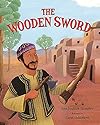
One night, the Shah decides to go out disguised as a servant to check on the state of his subjects. Wandering around Kabul he come upon the household of a poor cobbler and his wife celebrating Shabbat with a modest meal. When the Shah asks the poor tradesman why he and his wife are so content, the response he discovers is that it’s the man’s faith that God will always provide. “If one path is blocked, God leads me to another, and everything turns out just as it should,” replies the show more Jew. Impressed by his faith, but curious about its strength, the Shah decides to test the shoemaker.
In the author’s note Stampler says that she chose this Jewish Afghani version of the folktale to adapt because of the respect that the two central character have for each other despite their different religions and stations in life. The benevolent smiles that Liddiment expresses in her cheerful illustrations harmonize beautifully with the author’s sentiment. show less
In the author’s note Stampler says that she chose this Jewish Afghani version of the folktale to adapt because of the respect that the two central character have for each other despite their different religions and stations in life. The benevolent smiles that Liddiment expresses in her cheerful illustrations harmonize beautifully with the author’s sentiment. show less
Lists
Awards


You May Also Like


Associated Authors
Statistics
- Works
- 9
- Members
- 1,039
- Popularity
- #24,779
- Rating
- 3.8
- Reviews
- 52
- ISBNs
- 34