

Martin Simons
Author of Model Aircraft Aerodynamics
About the Author
Image credit: Uncredited photo at Kensington & Norwood Writers' Group website
Series
Works by Martin Simons
Tagged
Common Knowledge
There is no Common Knowledge data for this author yet. You can help.
Members
Reviews

Es ist kurz vor Weihnachten und Martin will nur noch ein paar Besorgungen machen, als ihn im Supermarkt plötzlich ein komisches Gefühl befällt, kurz danach verweigert der rechte Arm die Mitarbeit und er kann nur noch nach Hause eilen. Im Krankenhaus dann die erschreckende Gewissheit: eine Einblutung im Gehirn, die die Motorik beeinträchtigt. 48 Stunden keine Aufregung, keine Bewegung, nur um die größte Gefahr zu überleben. Untersuchung um Untersuchung, nur abgelöst und Gedanken über show more das, was im Leben war und das, was bleibt, sollte er die kritische Phase nicht überleben. Und wenn doch, wie wird er das Klinikum verlassen, was bedeutet dies für seine Frau und ihren nicht einmal zweijährigen Sohn?
Martin Simons schreibt über das, was er selbst erlebt hat, das Ereignis, das ihn unerwartet aus dem Leben gerissen und alles in Frage gestellt hat. Die ersten Stunden, die er intensiv erlebt, die Tage der Ungewissheit und dann der Versuch wieder in die Normalität zurückzukehren. Vor allem aber auch die schmerzliche Erkenntnis: während er bewegungslos im Bett liegt, geht das Leben draußen ohne ihn weiter.
Ein Bericht wie dieser kann einem als Leser nicht unberührt lassen, unweigerlich stellt man sich dieselben Fragen, die sich der Autor in dieser Ausnahmesituation auch gestellt hat. Zunächst dominiert die Angst; die Situation ist für den Patienten nicht überschaubar und schon gar nicht kontrollierbar. Nach der Annahme der Todesnähe kommen die essentiellen Fragen danach, was man erreicht hat, wie man gelebt hat, Fehler und Glücksmomente. Die Beziehungen zu Eltern, Ehefrau, Kind - wo steht er, will er so gehen? Manches rückt in ein anderes Licht. Dazwischen immer wieder widersprüchliche Erwartungen und Gefühle gegenüber den Angehörigen, die Weihnachten feiern obwohl er dem Tode nahe ist.
Genau die Dinge und Gedanken, die man im Alltag verdrängt, ausblendet, erkämpfen sich den vordersten Platz und sind können nicht mehr ignoriert werden. Martin Simons erscheint gnadenlos ehrlich gegenüber sich und seiner Familie, reflektiert sein eigenes Verhalten – sowohl im Krankenhaus wie auch davor. Trotz der Schwere der Thematik findet der Autor einen leichten Erzählton, der es leicht macht, seinen Gedanken zu folgen und sich mit ihm in die Situation begeben. Ein Buch, das weniger zum Erzähler oder Autor als viel mehr zu sich selbst als Leser führt. show less
Martin Simons schreibt über das, was er selbst erlebt hat, das Ereignis, das ihn unerwartet aus dem Leben gerissen und alles in Frage gestellt hat. Die ersten Stunden, die er intensiv erlebt, die Tage der Ungewissheit und dann der Versuch wieder in die Normalität zurückzukehren. Vor allem aber auch die schmerzliche Erkenntnis: während er bewegungslos im Bett liegt, geht das Leben draußen ohne ihn weiter.
Ein Bericht wie dieser kann einem als Leser nicht unberührt lassen, unweigerlich stellt man sich dieselben Fragen, die sich der Autor in dieser Ausnahmesituation auch gestellt hat. Zunächst dominiert die Angst; die Situation ist für den Patienten nicht überschaubar und schon gar nicht kontrollierbar. Nach der Annahme der Todesnähe kommen die essentiellen Fragen danach, was man erreicht hat, wie man gelebt hat, Fehler und Glücksmomente. Die Beziehungen zu Eltern, Ehefrau, Kind - wo steht er, will er so gehen? Manches rückt in ein anderes Licht. Dazwischen immer wieder widersprüchliche Erwartungen und Gefühle gegenüber den Angehörigen, die Weihnachten feiern obwohl er dem Tode nahe ist.
Genau die Dinge und Gedanken, die man im Alltag verdrängt, ausblendet, erkämpfen sich den vordersten Platz und sind können nicht mehr ignoriert werden. Martin Simons erscheint gnadenlos ehrlich gegenüber sich und seiner Familie, reflektiert sein eigenes Verhalten – sowohl im Krankenhaus wie auch davor. Trotz der Schwere der Thematik findet der Autor einen leichten Erzählton, der es leicht macht, seinen Gedanken zu folgen und sich mit ihm in die Situation begeben. Ein Buch, das weniger zum Erzähler oder Autor als viel mehr zu sich selbst als Leser führt. show less

Cities at Sea takes place in a future where global warming has flooded most of the continental land of the world. Several larger cities had the foresight to go to sea on large rafts that now sustain their populations and float along according to the currents. A resident on the Sydney raft, Sal wants more to life that floating on land when they are surrounded by water; so when she hears of a scientist on the Shanghai raft that is using stem cells to allow people to grow gills, Sal takes a show more chance with Jezzybaba to turn her into a new species. In a reverse tale of the Little Mermaid, Sal finds herself after being altered to live in the sea.
I really thought I would like the plot of this book, in a world after global warming where cities were now rafts in ocean and now global cooling is an issue! There are definitely many talking points about climate change brought up in this book. However, some of the plot seems to be all over the place. The main character Sal, wants to fit in with the ocean and becomes genetically altered in order to do so. This is another great discussion! However, the characters aren't quite developed enough to fall in love with. The writing also seems to be on a Young Adult level; however, the way sex is approached in this book does not make it suitable for that audience.
With some clean-up, I would be interested in a sequel to Cities at Sea since we left the characters in a precarious situation. There is definitely room to grow. show less
I really thought I would like the plot of this book, in a world after global warming where cities were now rafts in ocean and now global cooling is an issue! There are definitely many talking points about climate change brought up in this book. However, some of the plot seems to be all over the place. The main character Sal, wants to fit in with the ocean and becomes genetically altered in order to do so. This is another great discussion! However, the characters aren't quite developed enough to fall in love with. The writing also seems to be on a Young Adult level; however, the way sex is approached in this book does not make it suitable for that audience.
With some clean-up, I would be interested in a sequel to Cities at Sea since we left the characters in a precarious situation. There is definitely room to grow. show less
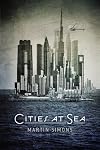
Set in the future, all of the major cities of the world are on huge rafts floating in the ocean. When Sal's raft comes near the Shanghai raft, she meets Jezzy, a scientist who has modified humans to have gills in order to explore the ocean. Intrigued, Sal signs up for the program. When a new captain takes over in Shanghai, Jezzy's team makes the choice to separate from the city.
I thought this was a very interesting world and I would be interested in reading a sequel. The author seemed to show more jump forward in time a lot, skimming over major events and developments. I would have liked to read more details about these in-between times. I also would have like the author to show more character development and interactions among characters. Overall, not a bad book. show less
I thought this was a very interesting world and I would be interested in reading a sequel. The author seemed to show more jump forward in time a lot, skimming over major events and developments. I would have liked to read more details about these in-between times. I also would have like the author to show more character development and interactions among characters. Overall, not a bad book. show less
Disclaimer: I received a free copy from NetGalley in exchange for an honest review.
Although I am not a huge fan of dystopian fiction, the initial premise of the story about living on cities at sea because you can't live on land and the possibility of genetic manipulation to help you be able to live in the water appealed to me.
But, from the beginning, this story failed to grab me. It wasn't that the dialogue was the problem (the dialect is Australian). It was everything else.
The continuity of show more the story, the flatness of the characters and the attempt at world building were a big jumble and only added to my confusion as I tried to follow the story. I do not like to be frustrated as a reader and the story frustrated me to no end.
I don't normally fail to finish a book, but in this case I couldn't force myself to read any more. show less
Although I am not a huge fan of dystopian fiction, the initial premise of the story about living on cities at sea because you can't live on land and the possibility of genetic manipulation to help you be able to live in the water appealed to me.
But, from the beginning, this story failed to grab me. It wasn't that the dialogue was the problem (the dialect is Australian). It was everything else.
The continuity of show more the story, the flatness of the characters and the attempt at world building were a big jumble and only added to my confusion as I tried to follow the story. I do not like to be frustrated as a reader and the story frustrated me to no end.
I don't normally fail to finish a book, but in this case I couldn't force myself to read any more. show less
Statistics
- Works
- 20
- Members
- 107
- Popularity
- #180,614
- Rating
- 3.5
- Reviews
- 7
- ISBNs
- 34
- Languages
- 1