
Romina Russell
Author of Zodiac
About the Author
Image credit: Publicity photo from author website.
Series
Works by Romina Russell
Associated Works
Hope Nation: YA Authors Share Personal Moments of Inspiration (2018) — Contributor — 179 copies, 7 reviews
Tagged
Common Knowledge
- Legal name
- Garber, Romina
- Birthdate
- 1984
- Gender
- female
- Education
- Harvard College
- Agent
- Laura Rennert
- Nationality
- Argentina (birth)
USA - Birthplace
- Buenos Aires, Argentina
- Places of residence
- Miami, Florida, USA
Members
Reviews
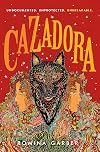
Hello and welcome to the most utterly disappointing, rage-inducing, book-chucking duology known to man. Firstly, I am beyond REASON with this book. I have no clue how this has a four-star average. Is everyone BLIND? I have never seen such a piss-poor “conclusion” to a series. The only thing preventing me from giving this one star is the fact that I LIKED and ENJOYED the first book!
In Garbers interviews, the ”Wolves of No World” series was always planned to be a duology, and she show more currently has no plans to write a third book in the series, although she has an outline for “fun”.
If your book is planned to be a duology, especially in a YA book, you should in theory try to wrap it up nicely. Instead, you’re given an ambiguous and beyond-rage-inducing ending that simply goes AGAINST everything the characters have worked on throughout two books and 800 PAGES!
I have never felt like I have burned and wasted so many hours of my life reading a series.
However, I will say that one thing Garber did right was the representation of different cultures, sexualities, and gender identities. She mirrored some of the nastier societal views through the societal hierarchy of Septimas, while reinforcing more progressive views.
“Little girls grow into brujas, and little boys grow into lobizones,” Sideburns goes on. “We don’t need someone setting the wrong example or getting our children confused. We must cut her from our genetic pool before she taints it.”
However, that is the only positive I feel that I can give this book. The ending truly feels like a slap in the face. What’s the point of all these progressive, positive viewpoints, if, in the end, you’re left with an ambiguous ending that goes against the main character's ENTIRE goals over the ENTIRE TWO BOOKS? And essentially destroys hope that they can change the system?
Once again, I am beyond regretful that I picked up this series. I’m thankful that I did a buddy read with my friend because otherwise I’m convinced I would’ve burnt this book to roast marshmallows for myself so I at least got something out of it.
Do yourself a favor, and don’t waste your time reading this series. Seriously. Don’t do it. show less
In Garbers interviews, the ”Wolves of No World” series was always planned to be a duology, and she show more currently has no plans to write a third book in the series, although she has an outline for “fun”.
If your book is planned to be a duology, especially in a YA book, you should in theory try to wrap it up nicely. Instead, you’re given an ambiguous and beyond-rage-inducing ending that simply goes AGAINST everything the characters have worked on throughout two books and 800 PAGES!
I have never felt like I have burned and wasted so many hours of my life reading a series.
However, I will say that one thing Garber did right was the representation of different cultures, sexualities, and gender identities. She mirrored some of the nastier societal views through the societal hierarchy of Septimas, while reinforcing more progressive views.
“Little girls grow into brujas, and little boys grow into lobizones,” Sideburns goes on. “We don’t need someone setting the wrong example or getting our children confused. We must cut her from our genetic pool before she taints it.”
However, that is the only positive I feel that I can give this book. The ending truly feels like a slap in the face. What’s the point of all these progressive, positive viewpoints, if, in the end, you’re left with an ambiguous ending that goes against the main character's ENTIRE goals over the ENTIRE TWO BOOKS? And essentially destroys hope that they can change the system?
Once again, I am beyond regretful that I picked up this series. I’m thankful that I did a buddy read with my friend because otherwise I’m convinced I would’ve burnt this book to roast marshmallows for myself so I at least got something out of it.
Do yourself a favor, and don’t waste your time reading this series. Seriously. Don’t do it. show less

This might just be the best YA book of 2020. It's the magic-packed, Latinx werewolf story I never knew I wanted but now am very invested in seeing where the story/series goes! The writing style is descriptive and engrossing, and Garber weaves such a rich world and mythology that is fascinating to see unfold and explored. Our main character, Manuela, is full of depth and life; seeing her deal with her family history, the threat of ICE and being deported, her place in both the human and magic show more worlds, and trying to coming to terms with who she is and her identity is a rewarding and multilayered story that really makes an impression.
I was especially impressed by the conversation Garber started about questioning the strict binaries of gender and sex with the lobizon/werewolf VS bruja/witch. In the world of the Septimus (the magic world here) all men are lobizons and all women are brujas. When that strict separation is proven false, it makes the Septimus have to begin to look at their outdated beliefs and social structures and consider the question of where someone who apparently doesn't fit in belongs - or if that person DOES belong and it's the systems that need changing.
Just because I'm now a little ways out of the target age range, it's been awhile since a YA story hit all the marks for me personally, but I totally loved "Lobizona". While there were a couple slightly weak moments (that big reveal with Fierro felt a bit out of left field), I still found myself completely falling into Manuela's world and being invested in the magic, the romance, the friendships- all of it! show less
I was especially impressed by the conversation Garber started about questioning the strict binaries of gender and sex with the lobizon/werewolf VS bruja/witch. In the world of the Septimus (the magic world here) all men are lobizons and all women are brujas. When that strict separation is proven false, it makes the Septimus have to begin to look at their outdated beliefs and social structures and consider the question of where someone who apparently doesn't fit in belongs - or if that person DOES belong and it's the systems that need changing.
Just because I'm now a little ways out of the target age range, it's been awhile since a YA story hit all the marks for me personally, but I totally loved "Lobizona". While there were a couple slightly weak moments (that big reveal with Fierro felt a bit out of left field), I still found myself completely falling into Manuela's world and being invested in the magic, the romance, the friendships- all of it! show less
This novel had a lot of new things to say about belonging partially to multiple cultures and fully to none. It also closely followed a lot of YA/teen fantasy adventure/chosen one tropes—but why not? Tropes and the hero's journey may make a story's path predictable, but they're fun. And no one seems to mind when the story is one of the exceedingly popular ones about white males. Why shouldn't an undocumented Argentinian-American girl get a turn at bat? Although Harry Potter is the series show more that kept being mentioned in its pages, the book was much more like Percy Jackson—it could easily have been one of these new "Rick Riordan presents" books, except that it was a bit more young adult than middle grade. show less
"I’ve always been a voracious reader, and this is quite the story."
(Full disclosure: I received a free e-ARC for review through NetGalley. Trigger warning for racist violence, including a scene involving an ICE raid, and violence against women, including rape.)
“Manuela de La Mancha,” says a deep voice. It sounds strange to hear such a long name, but that’s the manada I’m pretending to be from.
“Hola, Marilén,” I say to Tiago and Saysa’s great-grandmother, whom I met moments show more ago.
“No sos bruja.” You’re not a witch.
My tongue feels like sandpaper, and my mouth seals dry. Since our wolf-shadows roam outside the Citadel, and my fangs and claws are retracted, I didn’t think there would be any indicator of my identity—
“No te preocupes, no vengo a interrogarte.” Don’t worry, I’m not here to interrogate you.
She moves closer, and the way her steely eyes seem to see more than others reminds me of Perla. “Toda la vida soñé con conocerte,” she whispers. My whole life I’ve dreamt of meeting you.
Her long black hair is in a tight, elegant bun that pulls her skin, stretching it so that if there’s a single wrinkle, I don’t see it. “La primera de nosotras que nació fuera de su jaula.”
The first of us to be born outside her cage.
###
“Anything you do that’s traditional wolf territory could be challenged by some zealot, and you could wind up before the tribunal. I’ve been studying their decisions, and they tend to be led by their pragmatism. Our world is gray, and rapidly gray-ing, and the tribunal navigates it by sticking to a determinedly black-and-white approach. They rule by the book and can’t be swayed by emotion. If you don’t fit the exact letter of the law, they see you as going against it.”
“So what do I do?”
“You can’t break a law that doesn’t apply to you.”
“Meaning?”
“If you’re undocumented, you’re unwritten. Embrace that.”
“You’re saying if no one’s told my story before ... I get to tell it the way I want?”
“Exactly.”
###
"Sometimes reality strays so far from what’s rational that we can only explain it through fantasy."
###
Sixteen-year-old Manuela "Manu" Azul lives on the fringes of society, in more ways than one; in more ways than even she knows.
For starters, she and her mother Soledad are undocumented immigrants, living in Miami illegally while Ma applies for visas through her employer, a wealthy Cuban immigrant named Doña Rosa. As the story goes, Soledad was forced to flee Argentina more than a dozen years ago after she had an affair with Manu's father, the reluctant heir to a powerful criminal organization. When he tried to leave his family for his lover, they had him killed. Soledad's only saving grace? She ran before her treacherous in-laws discovered she was pregnant with Manu.
Now Manu spends most of her time in lockdown, confined to the relative safety of an apartment complex known as El Retiro, her invisible bars shaped by Ma's maxim: "Attention breeds scrutiny. Silence is your salvation. Discovery = Deportation." But it's hard to evade both ICE and the Argentinian mob when you share a rare genetic mutation with your infamous father: "Because you can’t be invisible when your irises are yellow suns and your pupils are silver stars." Barred from attending school or socializing, Manu's only friend is Perla, her ninety-year-old roommate, teacher, and surrogate grandmother.
Manu's precarious existence is upended when Perla is attacked in their apartment, and Soledad's employer is raided by ICE - all in the same afternoon. Manu discovers that so much of her life has been a lie; while in other ways, the half-truths and creeping sense of isolation have only been harbingers of things to come. The magical place she dreams of during her period - when her "lunaritis" becomes so severe that Ma has to sedate Manu for her own good - really does exist, and it's the key to finding her place in the world. Worlds, plural: her mother's and her father's. For her father's people are Septis, powerful lobizonos and brujas who move back and forth between earth and Lunaris.
There's one thing Soledad wasn't lying about, though: if the Cazadores learn of Manu's existence, she will be executed. Human-Septis hybrids are considered abominations, and Manu has yet another beautiful deviation up her sleeve: one that threatens to upend the entire patriarchal system on which Septis culture is based. She's not a bruja, as gender essentialism would dictate, but rather a powerful lobizona. The first of her kind.
Lobizona is such a great story, and I'm worried that I've already dropped too many spoilers, so I'll shut up about plot specifics. Let's just say Manu's quest involves surreptitious enrollment in a boarding school for young Septis; a search for her missing father, Fierro; a found family involving classmates Tiego, Cata, and Saysa (among others); smashing the patriarchy; and a trip to another world that's both enchanting and lethal.
Garber's world building here is simply spectacular: the twin locales of El Laberinto and Lunaris, anchored by a sentient, bigger-on-the-side, magic police box tree called Flora, are as beguiling as they are complex and detailed. There's so much to love here, from Flora's "living library" to Lunaris's rainbow colored waterfalls and wolf-shaped shadows that seem to exist apart from their owners.
And the racial and gender politics! While I was fully expecting parallels between Manu's dual "outlaw" status - as an undocumented immigrant in the United States, and as a hybrid in Lunaris - Garber's decision to throw gender into the mix made things extra deliciously complicated. And I am so here for it! The scenes where Manu's bruja sisters (and more than a few lobizono brothers - yay for allyship!) rooted for her gave me all kinds of feelings, and Diego's coaching Manu to write her own story - to own her race and gender and species membership - is inspiring AF.
There's a bit of a Handmaid's Tale meets Harry Potter vibe here, but with a much more nuanced interrogation of race on both counts. (Or interrogation of race, period.)
Like The Handmaid's Tale, I feel as though I could write an entire thesis on the themes explored in Lobizona (that's one way to pass the time until the sequel, am I right?); Garber's attention to detail is impressive, and leads to some rather interesting and unexpected reveals. The bit about brujas being required by law to birth at least two children - nevermind that doing so saps them of their magic - is particularly chilling, and sadly as relevant as ever.
http://www.easyvegan.info/2020/05/19/lobizona-by-romina-garber/ show less
(Full disclosure: I received a free e-ARC for review through NetGalley. Trigger warning for racist violence, including a scene involving an ICE raid, and violence against women, including rape.)
“Manuela de La Mancha,” says a deep voice. It sounds strange to hear such a long name, but that’s the manada I’m pretending to be from.
“Hola, Marilén,” I say to Tiago and Saysa’s great-grandmother, whom I met moments show more ago.
“No sos bruja.” You’re not a witch.
My tongue feels like sandpaper, and my mouth seals dry. Since our wolf-shadows roam outside the Citadel, and my fangs and claws are retracted, I didn’t think there would be any indicator of my identity—
“No te preocupes, no vengo a interrogarte.” Don’t worry, I’m not here to interrogate you.
She moves closer, and the way her steely eyes seem to see more than others reminds me of Perla. “Toda la vida soñé con conocerte,” she whispers. My whole life I’ve dreamt of meeting you.
Her long black hair is in a tight, elegant bun that pulls her skin, stretching it so that if there’s a single wrinkle, I don’t see it. “La primera de nosotras que nació fuera de su jaula.”
The first of us to be born outside her cage.
###
“Anything you do that’s traditional wolf territory could be challenged by some zealot, and you could wind up before the tribunal. I’ve been studying their decisions, and they tend to be led by their pragmatism. Our world is gray, and rapidly gray-ing, and the tribunal navigates it by sticking to a determinedly black-and-white approach. They rule by the book and can’t be swayed by emotion. If you don’t fit the exact letter of the law, they see you as going against it.”
“So what do I do?”
“You can’t break a law that doesn’t apply to you.”
“Meaning?”
“If you’re undocumented, you’re unwritten. Embrace that.”
“You’re saying if no one’s told my story before ... I get to tell it the way I want?”
“Exactly.”
###
"Sometimes reality strays so far from what’s rational that we can only explain it through fantasy."
###
Sixteen-year-old Manuela "Manu" Azul lives on the fringes of society, in more ways than one; in more ways than even she knows.
For starters, she and her mother Soledad are undocumented immigrants, living in Miami illegally while Ma applies for visas through her employer, a wealthy Cuban immigrant named Doña Rosa. As the story goes, Soledad was forced to flee Argentina more than a dozen years ago after she had an affair with Manu's father, the reluctant heir to a powerful criminal organization. When he tried to leave his family for his lover, they had him killed. Soledad's only saving grace? She ran before her treacherous in-laws discovered she was pregnant with Manu.
Now Manu spends most of her time in lockdown, confined to the relative safety of an apartment complex known as El Retiro, her invisible bars shaped by Ma's maxim: "Attention breeds scrutiny. Silence is your salvation. Discovery = Deportation." But it's hard to evade both ICE and the Argentinian mob when you share a rare genetic mutation with your infamous father: "Because you can’t be invisible when your irises are yellow suns and your pupils are silver stars." Barred from attending school or socializing, Manu's only friend is Perla, her ninety-year-old roommate, teacher, and surrogate grandmother.
Manu's precarious existence is upended when Perla is attacked in their apartment, and Soledad's employer is raided by ICE - all in the same afternoon. Manu discovers that so much of her life has been a lie; while in other ways, the half-truths and creeping sense of isolation have only been harbingers of things to come. The magical place she dreams of during her period - when her "lunaritis" becomes so severe that Ma has to sedate Manu for her own good - really does exist, and it's the key to finding her place in the world. Worlds, plural: her mother's and her father's. For her father's people are Septis, powerful lobizonos and brujas who move back and forth between earth and Lunaris.
There's one thing Soledad wasn't lying about, though: if the Cazadores learn of Manu's existence, she will be executed. Human-Septis hybrids are considered abominations, and Manu has yet another beautiful deviation up her sleeve: one that threatens to upend the entire patriarchal system on which Septis culture is based. She's not a bruja, as gender essentialism would dictate, but rather a powerful lobizona. The first of her kind.
Lobizona is such a great story, and I'm worried that I've already dropped too many spoilers, so I'll shut up about plot specifics. Let's just say Manu's quest involves surreptitious enrollment in a boarding school for young Septis; a search for her missing father, Fierro; a found family involving classmates Tiego, Cata, and Saysa (among others); smashing the patriarchy; and a trip to another world that's both enchanting and lethal.
Garber's world building here is simply spectacular: the twin locales of El Laberinto and Lunaris, anchored by a sentient, bigger-on-the-side, magic police box tree called Flora, are as beguiling as they are complex and detailed. There's so much to love here, from Flora's "living library" to Lunaris's rainbow colored waterfalls and wolf-shaped shadows that seem to exist apart from their owners.
And the racial and gender politics! While I was fully expecting parallels between Manu's dual "outlaw" status - as an undocumented immigrant in the United States, and as a hybrid in Lunaris - Garber's decision to throw gender into the mix made things extra deliciously complicated. And I am so here for it! The scenes where Manu's bruja sisters (and more than a few lobizono brothers - yay for allyship!) rooted for her gave me all kinds of feelings, and Diego's coaching Manu to write her own story - to own her race and gender and species membership - is inspiring AF.
There's a bit of a Handmaid's Tale meets Harry Potter vibe here, but with a much more nuanced interrogation of race on both counts. (Or interrogation of race, period.)
Like The Handmaid's Tale, I feel as though I could write an entire thesis on the themes explored in Lobizona (that's one way to pass the time until the sequel, am I right?); Garber's attention to detail is impressive, and leads to some rather interesting and unexpected reveals. The bit about brujas being required by law to birth at least two children - nevermind that doing so saps them of their magic - is particularly chilling, and sadly as relevant as ever.
http://www.easyvegan.info/2020/05/19/lobizona-by-romina-garber/ show less
Lists
Awards


You May Also Like


Associated Authors
Statistics
- Works
- 9
- Also by
- 2
- Members
- 2,718
- Popularity
- #9,453
- Rating
- 3.9
- Reviews
- 68
- ISBNs
- 73
- Languages
- 5