
Mark Beazley
Author of Dracula (Marvel Illustrated)
About the Author
Series
Works by Mark Beazley
Peter Porker, the Spectacular Spider-Ham: The Complete Collection, Vol. 1 (2019) — Editor — 10 copies
Avengers: Infinity War 1 copy
Associated Works
Marvel Masterworks, Volume 055: Golden Age All-Winners Comics Volume 1 [#1-4] (2005) — Editor — 31 copies
Marvel Masterworks, Volume 060: Golden Age Marvel Comics Volume 2 [Marvel Mystery Comics #5-8] (2006) — Editor — 27 copies
Tagged
Common Knowledge
- Birthdate
- 1977-09-03
- Gender
- male
- Nationality
- USA
- Associated Place (for map)
- USA
Members
Reviews
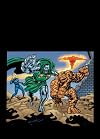
From beyond the stars shall come the Overmind and he shall crush the universe.’ So goes an ancient prophecy steeped in Stan Lee hyperbole. Super-heroes used to save America, then the world and later the galaxy from some terrible menace. Now it’s the universe. This shows that Stan didn’t know how big the universe is. A large chap with a strong brain isn’t going to conquer all of it. He wouldn’t have time.
Never mind. The overlong ‘Overmind Saga’ is preceded by a couple of issues show more in which the Thing goes amok and then fights the Hulk, who is always amok anyway. No sooner is Ben Grimm returned to normal than the Watcher arrives to warn our heroes about the Overmind. He takes up four issues of their time, some of it scripted nicely by Archie Goodwin. Then Roy Thomas delivers an interesting tale in which the Thing and the Human Torch go to an African country which practices apartheid to rescue the Black Leopard, formerly the Black Panther. He changed his name (briefly) to avoid association with certain other people. The story makes its point without preaching.
Stan Lee returns to drag out another Galactus story for four issues, bits of which were perhaps used in the film ‘Rise Of The Silver Surfer‘. It was okay really but the sense of old yarns being rehashed is hard to dispel. The creature from the black lagoon – no, the monster from the lost lagoon, sorry – returns for another go and then Stan hands the scripting chores over to ‘Rascally’ Roy Thomas. The writing phase of Mister Lee’s fantastic, industry-changing career was coming to an end as he moved on to the promotions and marketing department. He didn’t end with a whimper by any means but a fresh viewpoint was welcome.
Roy Thomas did a sort of re-launch by retelling the origin of the Fantastic Four, using the slightly contrived method of having the Thing reminiscing while wearing Reed’s new thought projector helmet so there are visuals to go with his words. Remembering the team’s first villain, Mole Man, sets Ben Grimm to thinking. His girlfriend Alicia is blind. Moles are blind. Perhaps Mole Man has a cure for Alicia! I’m being facetious. The rationale is better than that and leads into a great underground adventure which revives a couple of long-forgotten subterranean villains. As a fan of early Marvel, before he joined the team, Roy Thomas had an almost encyclopaedic knowledge of the old stuff which he often put to good use.
He’s also a liberal. Having raised the race issue, he now dallies with feminism by having Sue argue with Reed about her role and introducing a domineering lady super-villain called Thundra. From parts unknown, she has come to Earth to fight the world’s strongest man, which she believes to be the Thing. To accomplish this, she joins the Frightful Four, a team of bad guys with a name that reeks of Noel Coward to English ears. (‘Simply frightful, darling!’) or perhaps of older works by Agatha Christie. The Fantastics survive the Frightfuls and after a dalliance with the Inhumans, written by Gerry Conway, go on to face a rich man who has it in for them again. This is followed by a great two-parter in which the whole of the USA becomes a distorted vision of the fifties with Marlon Brando bikers against crew-cut jingoistic patriots. ‘Rascally’ Roy was firing on all cylinders back then, though Gerry Conway scripted the second half, to give credit where it’s due.
Apart from a couple of issues by Ross Andru and one by Ramona Fradon the art is all by John Buscema and Joe Sinnott and is therefore beautiful. Not startling, not genre changing, not especially clever, stylish, daring or anything like that; just simple, competent and lovely. This kind of illustration is too often undervalued, methinks.
All in all, this is another fine collection of stories to add to your collection of collections. Together with the first five volumes, this makes thirteen years of yarns from ‘The world’s greatest comic magazine’ and although they take up a lot of space on the bookshelf they really are frightfully good; almost, dare I say it, essential.
Eamonn Murphy
This review first appeared at https://www.sfcrowsnest.info/ show less
Never mind. The overlong ‘Overmind Saga’ is preceded by a couple of issues show more in which the Thing goes amok and then fights the Hulk, who is always amok anyway. No sooner is Ben Grimm returned to normal than the Watcher arrives to warn our heroes about the Overmind. He takes up four issues of their time, some of it scripted nicely by Archie Goodwin. Then Roy Thomas delivers an interesting tale in which the Thing and the Human Torch go to an African country which practices apartheid to rescue the Black Leopard, formerly the Black Panther. He changed his name (briefly) to avoid association with certain other people. The story makes its point without preaching.
Stan Lee returns to drag out another Galactus story for four issues, bits of which were perhaps used in the film ‘Rise Of The Silver Surfer‘. It was okay really but the sense of old yarns being rehashed is hard to dispel. The creature from the black lagoon – no, the monster from the lost lagoon, sorry – returns for another go and then Stan hands the scripting chores over to ‘Rascally’ Roy Thomas. The writing phase of Mister Lee’s fantastic, industry-changing career was coming to an end as he moved on to the promotions and marketing department. He didn’t end with a whimper by any means but a fresh viewpoint was welcome.
Roy Thomas did a sort of re-launch by retelling the origin of the Fantastic Four, using the slightly contrived method of having the Thing reminiscing while wearing Reed’s new thought projector helmet so there are visuals to go with his words. Remembering the team’s first villain, Mole Man, sets Ben Grimm to thinking. His girlfriend Alicia is blind. Moles are blind. Perhaps Mole Man has a cure for Alicia! I’m being facetious. The rationale is better than that and leads into a great underground adventure which revives a couple of long-forgotten subterranean villains. As a fan of early Marvel, before he joined the team, Roy Thomas had an almost encyclopaedic knowledge of the old stuff which he often put to good use.
He’s also a liberal. Having raised the race issue, he now dallies with feminism by having Sue argue with Reed about her role and introducing a domineering lady super-villain called Thundra. From parts unknown, she has come to Earth to fight the world’s strongest man, which she believes to be the Thing. To accomplish this, she joins the Frightful Four, a team of bad guys with a name that reeks of Noel Coward to English ears. (‘Simply frightful, darling!’) or perhaps of older works by Agatha Christie. The Fantastics survive the Frightfuls and after a dalliance with the Inhumans, written by Gerry Conway, go on to face a rich man who has it in for them again. This is followed by a great two-parter in which the whole of the USA becomes a distorted vision of the fifties with Marlon Brando bikers against crew-cut jingoistic patriots. ‘Rascally’ Roy was firing on all cylinders back then, though Gerry Conway scripted the second half, to give credit where it’s due.
Apart from a couple of issues by Ross Andru and one by Ramona Fradon the art is all by John Buscema and Joe Sinnott and is therefore beautiful. Not startling, not genre changing, not especially clever, stylish, daring or anything like that; just simple, competent and lovely. This kind of illustration is too often undervalued, methinks.
All in all, this is another fine collection of stories to add to your collection of collections. Together with the first five volumes, this makes thirteen years of yarns from ‘The world’s greatest comic magazine’ and although they take up a lot of space on the bookshelf they really are frightfully good; almost, dare I say it, essential.
Eamonn Murphy
This review first appeared at https://www.sfcrowsnest.info/ show less

I personally consider the issues contained in this volume to be the best Werewolf by Night stories written to date. They tell the story of Jack Russell (yeah, I know) an everyman that on the night of his 18th birthday discovers he has inherited the Curse of the Werewolf.
The strong points in these stories however are that the character's conflicts are a result of his disdain for his step-father, and his love and protective attitude towards his younger sister. The result is a compelling show more character story about a troubled teen that is convinced he must protect his family from his own step-father while desperately searching for a cure for Lycanthropy. However, Jack searches for this cure not so he can save himself. He seeks the cure so that he can save his sister from sharing his fate on her own quickly approaching eighteenth birthday.
As for the artwork, I find that the black and white reprinting that is a staple of the Essentials series actually compliments the Werewolf by Night comics mood and tone in a way that the garishly colored 1970's originals did not.
The downside to these stories is that they contain some of the same cheesy "hellspawned" antagonists shared by Marvels other anti-hero "horror" comics of the 1970s. Fortunately, these antagonists only appear as plot devices that allow the Werewolf by Night to battle bad-guys. This is a Marvel comic after all. show less
The strong points in these stories however are that the character's conflicts are a result of his disdain for his step-father, and his love and protective attitude towards his younger sister. The result is a compelling show more character story about a troubled teen that is convinced he must protect his family from his own step-father while desperately searching for a cure for Lycanthropy. However, Jack searches for this cure not so he can save himself. He seeks the cure so that he can save his sister from sharing his fate on her own quickly approaching eighteenth birthday.
As for the artwork, I find that the black and white reprinting that is a staple of the Essentials series actually compliments the Werewolf by Night comics mood and tone in a way that the garishly colored 1970's originals did not.
The downside to these stories is that they contain some of the same cheesy "hellspawned" antagonists shared by Marvels other anti-hero "horror" comics of the 1970s. Fortunately, these antagonists only appear as plot devices that allow the Werewolf by Night to battle bad-guys. This is a Marvel comic after all. show less
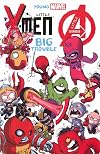
The first story in this book was fantastic, wonderful, amazing. In short, I loved it. Cyclops has stolen Cap’s Bucky Bear and he assembles the Avengers to rescue him. This story was such a delight with all the characters as baby versions of the regular ones. Though obviously toned down from the real AVX crossover, there is still a lot of sly adult humor that made me laugh aloud. Unfortunately, everything after that went downhill fast.
The rest of the stories involve kid versions (though not show more the babies from the first story) of the heroes being manipulated by some villain called Mojo; and it was a piping hot mess. The panels are unbelievably crowded, both visually and with lots and lots of text boxes, most of which are not dialog. It’s actually a chore trying to read what is happening. As another reviewer pointed out, there’s a lot of mumbo jumbo about ratings and tv that just kinda blended together. The best thing about the book is the names for the X-Babies (Wolvie, Shower, Sugah, Cyke, etc). But that is literally the only redeeming thing. The “plots” were unclear, babbling nonsense. I ended up skimming most of the material.
The books ends on a high note with an entire gallery of Skottie Young’s beautiful hero baby cover art. Overall, other than the gallery, this book was a total waste for me since I got the first story in the AVX hardcover collection anyway. Though, I will say, the amount of material is well worth the price. Too bad the same can’t be said of the quality. Sadly, not recommended. Pick up the one-shot of the first story and skip this. show less
The rest of the stories involve kid versions (though not show more the babies from the first story) of the heroes being manipulated by some villain called Mojo; and it was a piping hot mess. The panels are unbelievably crowded, both visually and with lots and lots of text boxes, most of which are not dialog. It’s actually a chore trying to read what is happening. As another reviewer pointed out, there’s a lot of mumbo jumbo about ratings and tv that just kinda blended together. The best thing about the book is the names for the X-Babies (Wolvie, Shower, Sugah, Cyke, etc). But that is literally the only redeeming thing. The “plots” were unclear, babbling nonsense. I ended up skimming most of the material.
The books ends on a high note with an entire gallery of Skottie Young’s beautiful hero baby cover art. Overall, other than the gallery, this book was a total waste for me since I got the first story in the AVX hardcover collection anyway. Though, I will say, the amount of material is well worth the price. Too bad the same can’t be said of the quality. Sadly, not recommended. Pick up the one-shot of the first story and skip this. show less
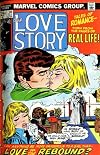
Some great artwork in here. Colan, Romita, Buscema, Kirby, Steranko, Giordano, and Brodsky. Stories are short and dated. The Patsy Walker story was probably the only one that made me want more. Historically interesting.
Lists
You May Also Like


Associated Authors
Statistics
- Works
- 17
- Also by
- 7
- Members
- 568
- Popularity
- #44,050
- Rating
- 3.7
- Reviews
- 10
- ISBNs
- 27
- Languages
- 2