
One R. Pagan
Author of Strange Survivors: How Organisms Attack and Defend in the Game of Life
Works by One R. Pagan
Drunk Flies and Stoned Dolphins: A Trip Through the World of Animal Intoxication (2021) 21 copies, 1 review
Tagged
Common Knowledge
There is no Common Knowledge data for this author yet. You can help.
Members
Reviews
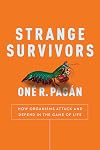
Strange Survivors is a top line ode to the unmeasured variety of life on Earth. Dr. Oné Pagán absolutely loves the variety, and continually seems thrilled to point out different species and how they approach survival. There are wonders galore. We have only just begun to examine (let alone understand) the blizzard of life forms on this planet. Pagan gives us glimpses:
-There are flatworms that can regenerate an entirely new , whole flatworm if just a scrap of it is left over.
-Electric eels show more can generate 800 volts from muscles arranged like a battery. We have yet to determine how and why they don’t shock themselves to death in the water.
-There is a jellyfish that when stressed, reverts to its birth size and state, and begins its life all over again.
-Certain newts can poke their ribs out through their skin, coating them with venom hidden there. As a good as any sci-fi special effects.
-200 species of spider fire their webs at prey, like Spider-Man. Some of the webs shrink and harden, some contain toxins. Or both.
-A hornet can kill 40 bees in a minute, but up to 500 bees can surround a hornet and generate so much heat and humidity that the hornet dies.
-Co-operative and collective ant colonies have been measured as high as 300 million ants in 45,000 connected nests.
Pagán fairly gushes over these tactics. He is as enthusiastic as anyone can be without losing credibility. But the book really doesn’t dig deep – the topic is way too broad for that. It seems to be an intro for say, high schoolers ,to get hooked in the magic of biology.
David Wineberg show less
-There are flatworms that can regenerate an entirely new , whole flatworm if just a scrap of it is left over.
-Electric eels show more can generate 800 volts from muscles arranged like a battery. We have yet to determine how and why they don’t shock themselves to death in the water.
-There is a jellyfish that when stressed, reverts to its birth size and state, and begins its life all over again.
-Certain newts can poke their ribs out through their skin, coating them with venom hidden there. As a good as any sci-fi special effects.
-200 species of spider fire their webs at prey, like Spider-Man. Some of the webs shrink and harden, some contain toxins. Or both.
-A hornet can kill 40 bees in a minute, but up to 500 bees can surround a hornet and generate so much heat and humidity that the hornet dies.
-Co-operative and collective ant colonies have been measured as high as 300 million ants in 45,000 connected nests.
Pagán fairly gushes over these tactics. He is as enthusiastic as anyone can be without losing credibility. But the book really doesn’t dig deep – the topic is way too broad for that. It seems to be an intro for say, high schoolers ,to get hooked in the magic of biology.
David Wineberg show less
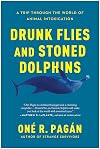
There is an old joke about certain kinds of people: if you ask them the time, they’ll tell you how to make a watch. In Drunk Flies and Stoned Dolphins, Oné Pagàn poses the question about animals behaving badly, but then spends two thirds of his book laying groundwork, talking pharmacology. It’s a bait and switch that becomes more and frustrating as readers search in vain for the beef.
Pagàn is pharmacologist, proudly so. He adores chemical structure, and the book is filled with his show more drawings of them. He expends a great deal of energy on how plants develop their poisons, why they do it, what the poisons attract that might aid the cause, and on and on. There is particular emphasis on Neanderthals and how they might have discovered alcohol and enjoyed its effects. He describes the fermentation process, and how that makes alcohol available to many species not normally associated with intoxication. He profiles endless drugs, from nicotine and caffeine to ecstasy and LSD, how they work and what they damage. There is also far too much on the mating rituals of various insects and birds. All of it is interesting if that’s the kind of book the reader sought, but almost none of it tells the story of what animals do to get high, when they do it, why they do it, and the effects. Which is presumably why any reader would be attracted to this title at all.
Unfortunately, this background lecture goes on for an incredible 160 pages. There are instances of the dreaded words “But first…”, as Pagàn takes a u-turn and goes further backwards or sideways, avoiding the alleged topic at hand. After this intensive and extensive groundwork prepares (or beats up) the reader, the reward is just 80 pages of stories of animals getting high. And far too many of the stories are simply scientists feeding them drugs (mainly LSD, which does not even occur in nature) just to see what happens. Which is not so much fascinating as criminal.
All the reader actually needs to know is that overly ripe fruit ferments, right on the plant, creating ethanol, which we know as alcohol. Various insects, birds and animals enjoy it. Meanwhile, numerous plants from weeds to trees produce toxins that can kill damaging insects, or attract their enemies. Some can be considered intoxicants to them. “In many instances, the compounds that plants make are not about brute force but finesse. In other words, you do not always have to kill your enemies; sometimes it is enough just to confuse them,” he says. Drunkenness is confusion in the animal world, and that is of value to some lifeforms somewhere.
Finally, around page 165, Pagàn turns to the animal world full time. At this point the reader is starving for any scrap or crumb at all relevant, and I could at long last start making notes. Here is what I learned:
-Honeybees are mentally sharper after drinking caffeine. They can also hold their liquor better than humans. A man would have to drink four gallons of wine or beer in ten seconds to equal the drinking prowess of a honeybee.
-Bumble bees on the other hand, can get drunk, erratic and woozy. There are some reports that guard bees keep them away from the colony, which runs on tight performance rules.
-Chimpanzees scarf down fermenting fruit like there’s no tomorrow. They love to get high. Hangovers nothwithstanding.
-Drunk horses lose their poise and balance and fall over. Cows take longer to get drunk, not that they make a habit of it; they’re grass eaters.
-With ethanol, male fruit flies get hyperactive, but females get sedated. In the absence of active females, drunken males will try to mate with each other in long “conga lines”. It doesn’t work well.
-Male birds turned down for mating like to hit the bottle and drown their sorrows.
-Elephants are cheap dates. They lack the genes that provide tolerance to intoxicants. So even though they can be a massive 13000 pounds, a little ethanol goes a long way to getting them out of control drunk, roaring, swaying, and stumbling.
-Giving an elephant LSD can result in it being unable to cope with freaking out, and it will die, either in spite of or because of efforts to revive it.
-Giving dolphins LSD is pointless. It has no effect. They do not seek LSD, and it is not available underwater.
-Flatworms twist and contort when given alcohol. Because, let’s face it, that’s all they can do.
-Octopi become more sociable when Ecstasy is added to their water tank. But octopi do not seek intoxicants.
-Cedar waxwings will gorge on the fermenting fruit of pepper trees until their livers burst, and drop dead on the spot or drunkenly fly into windows or walls with the same result.
-Zebra finches sound drunk when they consume ethanol, slurring syllables in their songs.
-Coating dead insects with toxins and hanging them on webs will result in the spider getting, if not drunk, at least erratic. But they don’t feed on intoxicants on their own, being carnivores.
Not much of a payoff for all the prep involved.
Then after all this, the conclusion, which would be very hard to imagine from the preceding pages, is simply avoided. Instead, there are three paragraphs that basically say thank you and good night.
Pagàn is very chatty. He tosses in corny (Dad) jokes repeatedly, often the same ones, in attempts to make this book of science more accessible and informal. The book is loaded with footnotes of his side remarks, and they’re in the text itself as well. He comes to the point of apologizing for being silly. His goal was to make the book a “conversation”, he says. There are also numerous sidebars with not really relevant facts or stories, often referencing pop culture, like Star Trek and Nemo, a favorite of his.
The book is just all over the place, which is sad for two reasons. One, Pagàn is a genuine and sincere scientist who knows better, and two, I am a fan who expects much better than what he presents in Drunk Flies and Stoned Dolphins.
David Wineberg show less
Pagàn is pharmacologist, proudly so. He adores chemical structure, and the book is filled with his show more drawings of them. He expends a great deal of energy on how plants develop their poisons, why they do it, what the poisons attract that might aid the cause, and on and on. There is particular emphasis on Neanderthals and how they might have discovered alcohol and enjoyed its effects. He describes the fermentation process, and how that makes alcohol available to many species not normally associated with intoxication. He profiles endless drugs, from nicotine and caffeine to ecstasy and LSD, how they work and what they damage. There is also far too much on the mating rituals of various insects and birds. All of it is interesting if that’s the kind of book the reader sought, but almost none of it tells the story of what animals do to get high, when they do it, why they do it, and the effects. Which is presumably why any reader would be attracted to this title at all.
Unfortunately, this background lecture goes on for an incredible 160 pages. There are instances of the dreaded words “But first…”, as Pagàn takes a u-turn and goes further backwards or sideways, avoiding the alleged topic at hand. After this intensive and extensive groundwork prepares (or beats up) the reader, the reward is just 80 pages of stories of animals getting high. And far too many of the stories are simply scientists feeding them drugs (mainly LSD, which does not even occur in nature) just to see what happens. Which is not so much fascinating as criminal.
All the reader actually needs to know is that overly ripe fruit ferments, right on the plant, creating ethanol, which we know as alcohol. Various insects, birds and animals enjoy it. Meanwhile, numerous plants from weeds to trees produce toxins that can kill damaging insects, or attract their enemies. Some can be considered intoxicants to them. “In many instances, the compounds that plants make are not about brute force but finesse. In other words, you do not always have to kill your enemies; sometimes it is enough just to confuse them,” he says. Drunkenness is confusion in the animal world, and that is of value to some lifeforms somewhere.
Finally, around page 165, Pagàn turns to the animal world full time. At this point the reader is starving for any scrap or crumb at all relevant, and I could at long last start making notes. Here is what I learned:
-Honeybees are mentally sharper after drinking caffeine. They can also hold their liquor better than humans. A man would have to drink four gallons of wine or beer in ten seconds to equal the drinking prowess of a honeybee.
-Bumble bees on the other hand, can get drunk, erratic and woozy. There are some reports that guard bees keep them away from the colony, which runs on tight performance rules.
-Chimpanzees scarf down fermenting fruit like there’s no tomorrow. They love to get high. Hangovers nothwithstanding.
-Drunk horses lose their poise and balance and fall over. Cows take longer to get drunk, not that they make a habit of it; they’re grass eaters.
-With ethanol, male fruit flies get hyperactive, but females get sedated. In the absence of active females, drunken males will try to mate with each other in long “conga lines”. It doesn’t work well.
-Male birds turned down for mating like to hit the bottle and drown their sorrows.
-Elephants are cheap dates. They lack the genes that provide tolerance to intoxicants. So even though they can be a massive 13000 pounds, a little ethanol goes a long way to getting them out of control drunk, roaring, swaying, and stumbling.
-Giving an elephant LSD can result in it being unable to cope with freaking out, and it will die, either in spite of or because of efforts to revive it.
-Giving dolphins LSD is pointless. It has no effect. They do not seek LSD, and it is not available underwater.
-Flatworms twist and contort when given alcohol. Because, let’s face it, that’s all they can do.
-Octopi become more sociable when Ecstasy is added to their water tank. But octopi do not seek intoxicants.
-Cedar waxwings will gorge on the fermenting fruit of pepper trees until their livers burst, and drop dead on the spot or drunkenly fly into windows or walls with the same result.
-Zebra finches sound drunk when they consume ethanol, slurring syllables in their songs.
-Coating dead insects with toxins and hanging them on webs will result in the spider getting, if not drunk, at least erratic. But they don’t feed on intoxicants on their own, being carnivores.
Not much of a payoff for all the prep involved.
Then after all this, the conclusion, which would be very hard to imagine from the preceding pages, is simply avoided. Instead, there are three paragraphs that basically say thank you and good night.
Pagàn is very chatty. He tosses in corny (Dad) jokes repeatedly, often the same ones, in attempts to make this book of science more accessible and informal. The book is loaded with footnotes of his side remarks, and they’re in the text itself as well. He comes to the point of apologizing for being silly. His goal was to make the book a “conversation”, he says. There are also numerous sidebars with not really relevant facts or stories, often referencing pop culture, like Star Trek and Nemo, a favorite of his.
The book is just all over the place, which is sad for two reasons. One, Pagàn is a genuine and sincere scientist who knows better, and two, I am a fan who expects much better than what he presents in Drunk Flies and Stoned Dolphins.
David Wineberg show less
Lists
Statistics
- Works
- 3
- Members
- 53
- Popularity
- #303,172
- Rating
- 3.3
- Reviews
- 2
- ISBNs
- 6