
F. Scott Spencer
Author of Journeying Through Acts: A Literary-Cultural Reading
About the Author
F. Scott Spencer (PhD, University of Durham) is the author of numerous books, including Salty Wives, Spirited Mothers, and Savvy Widows and commentaries on Luke, Acts, and the Song of Songs.
Works by F. Scott Spencer
Seven Challenges That Shaped the New Testament: Understanding the Inherent Tensions of Early Christian Faith (2024) 39 copies
Salty Wives, Spirited Mothers, and Savvy Widows: Capable Women of Purpose and Persistence in Luke's Gospel (2012) 28 copies
Dancing Girls, Loose Ladies, and Women of the Cloth: The Women in Jesus' Life (New Testament Guides) (2004) 20 copies
Mixed Feelings and Vexed Passions: Exploring Emotions in Biblical Literature (Resources for Biblical Study 90) (2017) 8 copies
Associated Works
Hearing the New Testament: Strategies for Interpretation (1995) — Contributor, some editions — 391 copies, 3 reviews
The Book of Acts in Its Ancient Literary Setting (Book of Acts in Its First Century Setting) (1993) — Contributor — 115 copies
Tagged
Common Knowledge
There is no Common Knowledge data for this author yet. You can help.
Members
Reviews
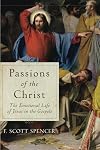
Summary: A study of the emotional life of Jesus in the gospels, drawing upon both classical thought and emotions theory.
Sometimes, Jesus is presented to us as without passion, always in control. Some of this arises from belief in the impassibility of God. Yet what does the incarnation mean if the fully human as well as divine Jesus is emotionless. F. Scott Spencer presents a very different picture of the emotional life of Jesus. He observes a range of emotions in Jesus from anger and disgust show more to anguish to surprise, deep compassion, and joy. Often, in the same episode, there will be a complex mix of emotions. Not unlike us.
Spencer’s approach is a combination of exegesis, word study and cultural backgrounds, a consideration of classic philosophy concerning the emotions and contemporary psychology. This results in a deep, probing study of the emotions of Jesus, surprising and unsettling at times, particularly the instances of his anger or disgust, and yet consistent in his passion for the full human flourishing of those to whom he came to minister.
After two chapters laying out the basis for his study, Spencer explores in eight chapters key emotions of Jesus evident in the gospels: anger, anguish both during his ministry and in his final hours, disgust, surprise, compassion, and joy. One of the most interesting episodes is the resuscitation of Lazarus where anger, anguish, disgust (Jesus “snort”), and compassion all come together in one narrative.
Perhaps the most interesting chapter was that on the amazement or surprise of Jesus. We see this both in response to the unbelief of his own people, and the unexpected belief of the Roman centurion. Spencer proposes that there is a kind of “enlargement” of Jesus on perspective in these episodes. Likewise, we may wonder about the anger of Jesus at times, for example with the leper in Mark 1. Spencer contends that the leper’s “if you choose,” questions the life-giving mission of Jesus, a form of unbelief deeply disturbing, sufficiently explanation for the anger of Jesus.
Spencer makes us take a fresh look at these emotional expressions in Jesus’s life. Whether one agrees with his exploration of these emotions, it is unavoidable that Jesus manifests the full range of emotions we all do. He is not the incarnate God in appearance only. Yet anger, disgust, surprise, compassion and joy also make sense in light of a singular passion for human flourishing in relation with God. And in all this, the saving God is revealed.
________________________________
Disclosure of Material Connection: I received a complimentary review copy of this book from the publisher. The opinions I have expressed are my own. show less
Sometimes, Jesus is presented to us as without passion, always in control. Some of this arises from belief in the impassibility of God. Yet what does the incarnation mean if the fully human as well as divine Jesus is emotionless. F. Scott Spencer presents a very different picture of the emotional life of Jesus. He observes a range of emotions in Jesus from anger and disgust show more to anguish to surprise, deep compassion, and joy. Often, in the same episode, there will be a complex mix of emotions. Not unlike us.
Spencer’s approach is a combination of exegesis, word study and cultural backgrounds, a consideration of classic philosophy concerning the emotions and contemporary psychology. This results in a deep, probing study of the emotions of Jesus, surprising and unsettling at times, particularly the instances of his anger or disgust, and yet consistent in his passion for the full human flourishing of those to whom he came to minister.
After two chapters laying out the basis for his study, Spencer explores in eight chapters key emotions of Jesus evident in the gospels: anger, anguish both during his ministry and in his final hours, disgust, surprise, compassion, and joy. One of the most interesting episodes is the resuscitation of Lazarus where anger, anguish, disgust (Jesus “snort”), and compassion all come together in one narrative.
Perhaps the most interesting chapter was that on the amazement or surprise of Jesus. We see this both in response to the unbelief of his own people, and the unexpected belief of the Roman centurion. Spencer proposes that there is a kind of “enlargement” of Jesus on perspective in these episodes. Likewise, we may wonder about the anger of Jesus at times, for example with the leper in Mark 1. Spencer contends that the leper’s “if you choose,” questions the life-giving mission of Jesus, a form of unbelief deeply disturbing, sufficiently explanation for the anger of Jesus.
Spencer makes us take a fresh look at these emotional expressions in Jesus’s life. Whether one agrees with his exploration of these emotions, it is unavoidable that Jesus manifests the full range of emotions we all do. He is not the incarnate God in appearance only. Yet anger, disgust, surprise, compassion and joy also make sense in light of a singular passion for human flourishing in relation with God. And in all this, the saving God is revealed.
________________________________
Disclosure of Material Connection: I received a complimentary review copy of this book from the publisher. The opinions I have expressed are my own. show less
You May Also Like


Associated Authors
Statistics
- Works
- 16
- Also by
- 7
- Members
- 303
- Popularity
- #77,623
- Rating
- 4.0
- Reviews
- 1
- ISBNs
- 33