
Richard Lange
Author of Dead Boys: Stories
About the Author
Richard Lange is an American writer born in Oakland, CA. After receiving a degree in film from the University of Southern California, he traveled to Europe and taught English for Berlitz in Barcelona, Spain. Returning to Los Angeles, he was hired as a copy editor at Larry Flynt Publications and show more eventually became managing editor of RIP, a heavy-metal music magazine. He later edited textbooks before becoming managing editor of Radio & Records, a radio-industry trade magazine. Lange is the author of the novels Angel Baby, which is a finalist for the 2014 Hammett Prize and made Hachette's List of Summer Titles for 2014. He also wroteThis Wicked World and the short story collection Dead Boys. A new collection, Sweet Nothing, will be out in February 2015. He has published short stories in various literary journals. "Bank of America" was selected for Best American Mystery Stories of 2004 and "Baby Killer" for Best American Mystery Stories of 2011. Lange was the 2008 recipient of the Rosenthal Family Foundation Award for Fiction from the American Academy of Arts and Letters and a finalist for the 2008 William Saroyan International Prize for Writing. He was awarded a Guggenheim Fellowship in 2009. (Bowker Author Biography) show less
Works by Richard Lange
Associated Works
Tagged
Common Knowledge
Members
Reviews

Boone is keeping his nose clean. He's got a not-great job as a bartender, but he has a job. He has an apartment where he's also the handyman and he's intent on not going back to prison. Then a friend asks him to come along with him as he looks into the death of an undocumented immigrant for the man's uncle. The search leads him into some bad places, gets him saddled with a dog and puts his tentative relationship with an ex-cop in jeopardy.
This is just about everything I want in a crime show more novel. The setting is gritty, the characters are all well-developed and feel like people, the plot is well paced and holds together right through the final moments. Boone is an easy man to like, even as he tries hard not to make connections or care about the people around him. I'm eager to read more by this author. show less
This is just about everything I want in a crime show more novel. The setting is gritty, the characters are all well-developed and feel like people, the plot is well paced and holds together right through the final moments. Boone is an easy man to like, even as he tries hard not to make connections or care about the people around him. I'm eager to read more by this author. show less
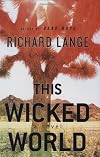
"Los Angeles was not its haughty self in the rain. It was like a wet cat: humiliated, confused. People stepped gingerly on suddenly slippery sidewalks, looking like they'd been lied to. The gutters, clogged with garbage,overflowed, and water puddled in busy intersections."
This sentence appears on page nine of Richard Lange's new novel This Wicked World. It is about this point that Raymond Chandler came to the forefront of my mind. Richard Lange, like Raymond Chandler, can really write. I show more admired his first collection of short stories, Dead Boys, published in 2007 very much. So I was on the lookout for his next book. And it is a good thing, because I basically read literary fiction, subscribing to Edmund Wilson's point "Who cares who killed Roger Ackroyd" and I nearly had to ask for directions to the Crime/Mystery section of my local bookstore. However, Richard Lange, as did Raymond Chandler, transcends the genre.
The story evolves around ex-marine Jimmy Boone. Only four years ago Jimmy was a body guard for the rich and famous, living the Southern California dream. A house in the Hollywood Hills, a Porsche 996 Turbo, and a bevy of beautiful women. Only 30 years old and he couldn't imagine much more to ask for. But now, he's an ex-con, tending bar, somewhere on Hollywood Boulevard and trying to stay out of trouble.
Well, guess who can't stay out of trouble? He actually tries to do the right thing but ends up involved with a ex-police officer, involved in a dog fighting ring, involved in a counterfeit double-cross shakedown scheme, and much, much more. I suppose, the particulars of the story are basic, traditional crime novel fare, but his language and particularly his character development is all first rate. For example, one of his primary female characters is driving across the desert in a broken down van to join her former boyfriend where she plans to double cross him and steal $150,000.00 of his money. She spots an casino off the highway and imagines what would happen if she stopped. She only had a few dollars in her pocket, so she thought she would probably lose that rather quickly and she would be flat broke walking across the parking lot which was filled with parked long haul truckers. Mr.Lange takes it from here, "One of them will ask if she's working,and if she's drunk and desperate enough, she'll turn a trick, then pass out in the van until she wakes up sweaty and hungover to a sun so bright it shows every secret." The initial image is quite vivid, but the important thing is how it completes itself. That to me is writing.
His characters are even more stunning. The most ancillary character is interesting to the extreme. Characters like punk bass player Eton Dogfood, parole officer Dee Andra Cummings, and the unnamed homeless man in the epilogue. None of these characters, except maybe Eton, has more than twenty words dedicated to them. Yet each character is crafted with such extreme precision that I quite possibly will never forget them.
I don't have the colors vivid enough in my vocabulary to adequately express my admiration for this novel. It is simply wonderful in all aspects. To paraphrase from the novel, we may not hear from Richard Lange for a couple of years of more. But I will like to think of him now and then, and I'll be happy just knowing he is somewhere out there in the world writing another anxiously awaited book for us all. show less
This sentence appears on page nine of Richard Lange's new novel This Wicked World. It is about this point that Raymond Chandler came to the forefront of my mind. Richard Lange, like Raymond Chandler, can really write. I show more admired his first collection of short stories, Dead Boys, published in 2007 very much. So I was on the lookout for his next book. And it is a good thing, because I basically read literary fiction, subscribing to Edmund Wilson's point "Who cares who killed Roger Ackroyd" and I nearly had to ask for directions to the Crime/Mystery section of my local bookstore. However, Richard Lange, as did Raymond Chandler, transcends the genre.
The story evolves around ex-marine Jimmy Boone. Only four years ago Jimmy was a body guard for the rich and famous, living the Southern California dream. A house in the Hollywood Hills, a Porsche 996 Turbo, and a bevy of beautiful women. Only 30 years old and he couldn't imagine much more to ask for. But now, he's an ex-con, tending bar, somewhere on Hollywood Boulevard and trying to stay out of trouble.
Well, guess who can't stay out of trouble? He actually tries to do the right thing but ends up involved with a ex-police officer, involved in a dog fighting ring, involved in a counterfeit double-cross shakedown scheme, and much, much more. I suppose, the particulars of the story are basic, traditional crime novel fare, but his language and particularly his character development is all first rate. For example, one of his primary female characters is driving across the desert in a broken down van to join her former boyfriend where she plans to double cross him and steal $150,000.00 of his money. She spots an casino off the highway and imagines what would happen if she stopped. She only had a few dollars in her pocket, so she thought she would probably lose that rather quickly and she would be flat broke walking across the parking lot which was filled with parked long haul truckers. Mr.Lange takes it from here, "One of them will ask if she's working,and if she's drunk and desperate enough, she'll turn a trick, then pass out in the van until she wakes up sweaty and hungover to a sun so bright it shows every secret." The initial image is quite vivid, but the important thing is how it completes itself. That to me is writing.
His characters are even more stunning. The most ancillary character is interesting to the extreme. Characters like punk bass player Eton Dogfood, parole officer Dee Andra Cummings, and the unnamed homeless man in the epilogue. None of these characters, except maybe Eton, has more than twenty words dedicated to them. Yet each character is crafted with such extreme precision that I quite possibly will never forget them.
I don't have the colors vivid enough in my vocabulary to adequately express my admiration for this novel. It is simply wonderful in all aspects. To paraphrase from the novel, we may not hear from Richard Lange for a couple of years of more. But I will like to think of him now and then, and I'll be happy just knowing he is somewhere out there in the world writing another anxiously awaited book for us all. show less
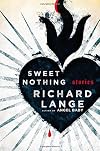
Wear your darkest aviator shades. Richard Lange’s collection of short stories in Sweet Nothing Stories are set under the glare of the California sun, mostly in the concrete jungle of L.A. and surrounding areas.
There’s something about L.A. Must be the cognitive dissonance of smog and heat and the Pacific Ocean and the bullet-riddled ghetto and the golden hills. I went to school in NYC and yet nothing terrified me more than that summer I lived and worked in L.A. The neon-lit freeways, the show more traffic, the morass of cars and the specter of road rage. There’s something about L.A. I never liked the city on principle. The strip mall feel of it and the car culture have always been a little off-putting. The beautiful people, everywhere, heavily contoured and buffed. Too much lip liner and mascara and sculpted eyebrows and tight yoga pants. L.A. is harder and grittier in a way than New York City ever was. But I respected that. I grew up in SoCal, so L.A. was always orbiting my cultural imagination.
Sweet Nothings is a fantastic distillation of L.A. in all its cultural shorthand. Lange has a wonderful ear for L.A.’s special brand of urban vernacular, especially the thought patterns of its denizens—a motley cast of characters from an ex-con security guard and a recovering drug addict, to a grandmother who witnessed a drive-by shooting and a prison guard. The settings are mostly in L.A. but not all; there are a few stories scattered in the surrounding desert (“To Ashes”) or in a different time (“The Wolf of Bordeaux”).
Lange drew me in—drew me in hard—with this short story collection. There’s something daring about Lange’s unfussy portrayals, too. You won’t find gimmicks or tricks here, just real storytelling. Real writing. Lange sounds like he’s writing from the gutter, from the ground littered with bullet casings and cigarette butts; he writes like he’s been there. So many authors strain to be gritty in order to be edgy in their narrative style, to affect a certain tone and voice, but you can always see the fakery; the words and stories feel too cosseted, seem too much like a facade. Sweet Nothings is old-fashioned and honest, but not safe—it's far from safe. Lange writes with precision, and he writes with a tenderness for his characters but also with a fury, too, that feels authentic. There's a veracity there that feels almost Frontline.
In “Apocrypha,” Lange captures the raw feelings of invincibility and invisibility convincingly: “I go back and stand next to my chair. I cross my arms over my chest and stare up at the clock on the wall. In prison, there’s a way of being, of making yourself invisible while still holding down your place. I feel like I’m on the yard again or in line for chow. You walk out that gate, but you’re never free. What your time has taught you is a chain that hobbles you for the rest of your days.”
In the title story, Lange conveys the poignancy of a meaculpa epiphany and gets into the bones of the character’s regret and remorse:
“My wife? Okay, we married too young and hung on too long. We were casually cruel to each other, and torment became a game for us. But that’s nothing unusual. You see it on TV every day. I can’t blame the kids either, although when they came along I had to divide what love I had in me into smaller portions, and it sounds selfish, but you know who got shorted? Me. […]
“So what, then, spun me out, sent me sliding across the track and into the wall? Maybe I’m not meant to know. Maybe if all of us were suddenly able to peer into our hearts and see all the wildness there, the wanting, the fire and black smoke, we’d forget how to fake it, and the whole rotten world would jerk to a halt. There’s something to be said for the truth, sure, but the truth is, it’s lies that keep us going.”
“But he lived on, and so did I. Jesus fuck, it’s a mystery, all of it. Smoke a cigarette, change the channel, stare into space. Then go to sleep, go to work, and come home again, over and over and over, until all your questions are answered or you forget you ever wondered.”
In the “Ashes,” a character regards the sad aftermath of a brush fire and the death of migrants crossing the border: “The fire burned hot here. Not even the blackened bones of the trees are still standing. It’s as if a bomb exploded, leaving only scorched sand and bare rock. Brewer concentrates on this, the destruction, the smoke still billowing in the distance. He’ll not pause to lament the cruelty of man. Better to keep running with that as a given.”
Sweet Nothings is far from cookie-cutter crime pulp or hard-boiled noir. In many ways, it’s much more nuanced. Echoes of Raymond Carver abound here; it has the same quiet humanity. Stories like these about the urban underclass could devolve into cynical portraits meant to shock and disarm, but Lange steers his short stories with real, visceral empathy.
[Disclaimer: I received this book from the publisher via NetGalley for an honest and candid review.] show less
There’s something about L.A. Must be the cognitive dissonance of smog and heat and the Pacific Ocean and the bullet-riddled ghetto and the golden hills. I went to school in NYC and yet nothing terrified me more than that summer I lived and worked in L.A. The neon-lit freeways, the show more traffic, the morass of cars and the specter of road rage. There’s something about L.A. I never liked the city on principle. The strip mall feel of it and the car culture have always been a little off-putting. The beautiful people, everywhere, heavily contoured and buffed. Too much lip liner and mascara and sculpted eyebrows and tight yoga pants. L.A. is harder and grittier in a way than New York City ever was. But I respected that. I grew up in SoCal, so L.A. was always orbiting my cultural imagination.
Sweet Nothings is a fantastic distillation of L.A. in all its cultural shorthand. Lange has a wonderful ear for L.A.’s special brand of urban vernacular, especially the thought patterns of its denizens—a motley cast of characters from an ex-con security guard and a recovering drug addict, to a grandmother who witnessed a drive-by shooting and a prison guard. The settings are mostly in L.A. but not all; there are a few stories scattered in the surrounding desert (“To Ashes”) or in a different time (“The Wolf of Bordeaux”).
Lange drew me in—drew me in hard—with this short story collection. There’s something daring about Lange’s unfussy portrayals, too. You won’t find gimmicks or tricks here, just real storytelling. Real writing. Lange sounds like he’s writing from the gutter, from the ground littered with bullet casings and cigarette butts; he writes like he’s been there. So many authors strain to be gritty in order to be edgy in their narrative style, to affect a certain tone and voice, but you can always see the fakery; the words and stories feel too cosseted, seem too much like a facade. Sweet Nothings is old-fashioned and honest, but not safe—it's far from safe. Lange writes with precision, and he writes with a tenderness for his characters but also with a fury, too, that feels authentic. There's a veracity there that feels almost Frontline.
In “Apocrypha,” Lange captures the raw feelings of invincibility and invisibility convincingly: “I go back and stand next to my chair. I cross my arms over my chest and stare up at the clock on the wall. In prison, there’s a way of being, of making yourself invisible while still holding down your place. I feel like I’m on the yard again or in line for chow. You walk out that gate, but you’re never free. What your time has taught you is a chain that hobbles you for the rest of your days.”
In the title story, Lange conveys the poignancy of a meaculpa epiphany and gets into the bones of the character’s regret and remorse:
“My wife? Okay, we married too young and hung on too long. We were casually cruel to each other, and torment became a game for us. But that’s nothing unusual. You see it on TV every day. I can’t blame the kids either, although when they came along I had to divide what love I had in me into smaller portions, and it sounds selfish, but you know who got shorted? Me. […]
“So what, then, spun me out, sent me sliding across the track and into the wall? Maybe I’m not meant to know. Maybe if all of us were suddenly able to peer into our hearts and see all the wildness there, the wanting, the fire and black smoke, we’d forget how to fake it, and the whole rotten world would jerk to a halt. There’s something to be said for the truth, sure, but the truth is, it’s lies that keep us going.”
“But he lived on, and so did I. Jesus fuck, it’s a mystery, all of it. Smoke a cigarette, change the channel, stare into space. Then go to sleep, go to work, and come home again, over and over and over, until all your questions are answered or you forget you ever wondered.”
In the “Ashes,” a character regards the sad aftermath of a brush fire and the death of migrants crossing the border: “The fire burned hot here. Not even the blackened bones of the trees are still standing. It’s as if a bomb exploded, leaving only scorched sand and bare rock. Brewer concentrates on this, the destruction, the smoke still billowing in the distance. He’ll not pause to lament the cruelty of man. Better to keep running with that as a given.”
Sweet Nothings is far from cookie-cutter crime pulp or hard-boiled noir. In many ways, it’s much more nuanced. Echoes of Raymond Carver abound here; it has the same quiet humanity. Stories like these about the urban underclass could devolve into cynical portraits meant to shock and disarm, but Lange steers his short stories with real, visceral empathy.
[Disclaimer: I received this book from the publisher via NetGalley for an honest and candid review.] show less

From the very first page it is clear that Richard Lange’s “Angel Baby” is going to be a dark, gritty, tough, and violent tale. Moving the reader through a tension-filled, relentlessly brutal story at a dizzying pace, Lange populates his book with characters the reader will come to care about, empathize with, and understand.
The consequences of poverty, bad choices, and despair play out against a tapestry woven from the love of parents for their children. With the lines between show more “good” and “bad” blurred grey, the reader will discover that sometimes there simply are no true winners.
Recommended show less
The consequences of poverty, bad choices, and despair play out against a tapestry woven from the love of parents for their children. With the lines between show more “good” and “bad” blurred grey, the reader will discover that sometimes there simply are no true winners.
Recommended show less
Lists
Awards


You May Also Like


Associated Authors
Statistics
- Works
- 15
- Also by
- 5
- Members
- 550
- Popularity
- #45,354
- Rating
- 3.8
- Reviews
- 37
- ISBNs
- 52
- Languages
- 4
- Favorited
- 1

