

Olav H. Hauge (1908–1994)
Author of Dikt i samling
About the Author
Image credit: Olav H. Hauge, circa 1940 [source: Oslo Museum: image no. OB.Ø61/4771]
Works by Olav H. Hauge
The Dream We Carry: Selected and Last Poems of Olav Hauge (Norwegian and English Edition) (2008) 41 copies, 2 reviews
På ørnetuva : dikt 3 copies
Dikt i utval. Dogg og dagar 1 copy
Dagbok 1924-1994. I utval 1 copy
Glør i oska 1 copy
Under bergfallet : dikt 1 copy
Associated Works
World Poetry: An Anthology of Verse from Antiquity to Our Time (1998) — Contributor — 499 copies, 2 reviews
Tagged
Common Knowledge
- Legal name
- Hauge, Olav Håkonson
- Birthdate
- 1908-08-18
- Date of death
- 1994-05-23
- Gender
- male
- Occupations
- poet
- Awards and honors
- Aschehougprisen (1978)
Dobloug Prize (1969) - Nationality
- Norway
- Birthplace
- Ulvik, Norway
- Places of residence
- Ulvik, Norway
- Associated Place (for map)
- Ulvik, Norway
Members
Reviews
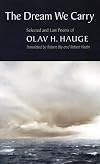
Norwegian poet Olav H. Hauge (1908–1994) was born in the small settlement of Ulvik, where he lived for the rest of his life, working his own farm and orchard. In his twenties, he spent periods of time in mental institutions, and in other areas of his life he was a ‘late bloomer,’ not publishing his first book of poetry until age thirty-eight and marrying artist Bodil Cappelen when he was sixty-five.
His wide-ranging interest in literature and the inspiration of classical Chinese poetry show more and haiku is apparent everywhere in his spare and subtle work. He nods to other writers known for their love of solitude or use of nature like Basho, Emily Dickinson and Robert Frost. The isolation of rural life and beauty of the natural world are major themes in his work, which is written in clear, stripped down and direct language: “A good poem//should smell of tea. // Or of raw earth and freshly cut wood.” (“I Have Three Poems”).Even when writing about love, Hague uses familiar, everyday metaphors, for example urging his lover journey into sleep with him like “two bits//Of raw dough into the//Good oven//That we call night.” (“The Dream”)
Poets Robert Bly and Robert Hedin who have both translated Hague into English before, in three separate volumes, successfully join forces here, introducing readers to a range of Hauge’s work. Although Hague demurs in “Leaf Huts and Snow Houses,” “These poems don’t amount // to much, just// some words thrown together//at random,” his sharp observations, attention to detail, and ability to reveal the miraculous under the surface of the everyday make this quiet, subtle work a rich and rewarding experience. show less
His wide-ranging interest in literature and the inspiration of classical Chinese poetry show more and haiku is apparent everywhere in his spare and subtle work. He nods to other writers known for their love of solitude or use of nature like Basho, Emily Dickinson and Robert Frost. The isolation of rural life and beauty of the natural world are major themes in his work, which is written in clear, stripped down and direct language: “A good poem//should smell of tea. // Or of raw earth and freshly cut wood.” (“I Have Three Poems”).Even when writing about love, Hague uses familiar, everyday metaphors, for example urging his lover journey into sleep with him like “two bits//Of raw dough into the//Good oven//That we call night.” (“The Dream”)
Poets Robert Bly and Robert Hedin who have both translated Hague into English before, in three separate volumes, successfully join forces here, introducing readers to a range of Hauge’s work. Although Hague demurs in “Leaf Huts and Snow Houses,” “These poems don’t amount // to much, just// some words thrown together//at random,” his sharp observations, attention to detail, and ability to reveal the miraculous under the surface of the everyday make this quiet, subtle work a rich and rewarding experience. show less
A bilingual edition with a cross section of Hauge's work from throughout his career. Small and considered poems, mostly concerning writing and the poet's surroundings. The introduction puts it well when it says: "everywhere in the daylight of his work, you see tiny experiences being valued."
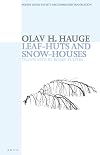
A broad selection of Hauge's poetry. The poems are mostly short and concern everyday nature, writing and language. They well evoke the poet's home among the orchards by the fjord in western Norway.

Awards


You May Also Like


Associated Authors
Statistics
- Works
- 40
- Also by
- 3
- Members
- 290
- Popularity
- #80,655
- Rating
- 4.1
- Reviews
- 4
- ISBNs
- 59
- Languages
- 8
- Favorited
- 2
