
Isaac Millman
Author of Moses Goes to a Concert
About the Author
Series
Works by Isaac Millman
Primary sign language recipe for fun 5 copies
Associated Works
Tagged
Common Knowledge
There is no Common Knowledge data for this author yet. You can help.
Members
Reviews
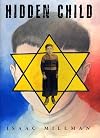
In the introduction to his outstanding Holocaust memoir for young people, author and illustrator Isaac Millman (born Isaac Sztrymfan) states that approximately 1,200,000 Jewish children were deported and murderd by the Nazis and their collaborators. Almost all children who managed to survive had been sent into hiding, sometimes in convents and monasteries, other times on the farms or in the homes of non-Jewish families. Millman doesn’t provide an estimate of the number of Jewish hidden show more children, and, as I discovered, it’s very hard to find out. A website for middle and high school teachers, Echoes & Reflections, estimates that “tens of thousands [of Jewish children] were rescued during the Holocaust by non-Jewish people.” But how many tens of thousands, exactly? . . . What we do know is that Isaac was one of them. In his case an entirely fortuitous—even miraculous—encounter in Paris with an older Jewish woman, a grandmother originally from Poland, would make all the difference.
Millman’s book is well-organized and accessible to older children and young adults. The chapters are short and chronologically ordered. Typically, the reader gets two chapters at a time followed by a spread of images which provides a visual summary of the preceding pages. Most images are wonderful illustrations—some truly poignant— rendered from memory, with a few photos included as well.
The memoir begins with the author’s early life in Paris before the war. Isaac’s parents were immigrants from Poland, who appear to have left Eastern Europe for political reasons. The author’s father, Moishé, an idealistic communist, had spent a year in a Polish jail. The appeal of France was that a person didn’t have to hide his politics or identity there. And that was true . . . for a time.
In early childhood, Isaac had a Sunday routine with his beloved Papa, a tailor. The family lived at 60, rue de la Fontaine au Roi in a six-storey building in a Jewish neighbourhood. Their apartment did not have an oven, so on Sunday mornings, Moishé and Isaac took Mama’s chicken to be roasted at the corner bakery. While it cooked, the two socialized with Moishé’s customers and friends at a local café. Like the Strymfmans, everyone present spoke Yiddish. At lunchtime, father and son would pick up the chicken and make their way home for the big midday meal.
In 1940, when Isaac was only seven, the Germans invaded. France quickly surrendered, and the country was divided in two: the German-controlled North Zone (ostensibly run by the Vichy government) and the Free Zone in the South. It wasn’t long before restrictions were imposed on Jews and Moishé began to announce that friends were being arrested. Soon he himself had to report to the police station. He was then sent to an internment camp at Pithiviers, roughly 90 km south of Paris. Isaac and his mother were able to see him only once. Some of the most touching illustrations in the book depict this visit. The last letter received from Moishé was dated June 1942.After the war, the author would learn that on June 25, 1942, his father was transported to Auschwitz along with 998 other men between the ages of 31 and 42. Only 51 of that group survived; Moishé was not among them.
For a time Isaac and his mother, Rivelé, remained in the family apartment, but it became increasingly dangerous to do so. The police were regularly coming around, banging on the door. Mother and son often hid in Papa’s workshop.
Rivelé wanted to go south, into the Free Zone, and a friend linked her up with a guide, who, for a fee, would take them and other Jews there. They reached the demarcation line, but were captured before they could cross, and spent some time in prison. Isaac was subsequently separated from his mother; she used what money and jewelry she had to save her son’s life. Taken to a hospital, where the doctors and nurses were evidently engaged in more than medical work, Isaac was instructed to act as though he were sick. He was to stay in bed and or be moved around in a wheelchair. The Germans regularly monitored the hospital.
Eventually, Isaac was returned to Paris to the address of one of his mother’s friends. The frightened woman wouldn’t take him, so the guardian escorting him left him with the concièrge. That woman refused to have a Jew in her house and chased the child onto the street. And then . . . along came someone who spoke to the crying child in the same thickly accented French as his mother. This was Héna, a Polish Jew whose own grandchildren were in hiding. She took Isaac home with her and that made all the difference. She found placements for the boy in the village of Pontault-Combault, roughly 30 km from Paris, where her sister and brother-in-law lived.
The rest of Millman’s book details his time in hiding, including his first terrible placement with the Merciers, a couple looking for some extra income. In their home, he was ill-treated and regularly locked up. When this came to light, he was moved to the house of a Belgian widow, Madame Devolder, who treated him like a son. He was known in the village as Jean Devolder. Another very touching illustration is the one with the caption “Madame Devolder shaves my head and scrubs and washes me.” Such was his sorry condition when he was first brought to her house.
The concluding chapters of the book focus on the town’s liberation by the Americans, Isaac’s time at Les Buissons (a temporary home for Jewish children—orphans or those separated from their families), and his eventual adoption at the age of 15 by the Millmans, an American family.
Throughout his life, Isaac maintained contact with Héna. He ended up marrying her granddaughter! He was also able to visit Mme Devolder. As for his mother: on August 26, 1942, she had been transported from Pithiviers to Auschwitz together with 947 other deportees, 23 of whom survived. Rivelé was not among them, but it was her love in action which started the chain of events that ultimately saved her beloved son.
Recommended. show less
Millman’s book is well-organized and accessible to older children and young adults. The chapters are short and chronologically ordered. Typically, the reader gets two chapters at a time followed by a spread of images which provides a visual summary of the preceding pages. Most images are wonderful illustrations—some truly poignant— rendered from memory, with a few photos included as well.
The memoir begins with the author’s early life in Paris before the war. Isaac’s parents were immigrants from Poland, who appear to have left Eastern Europe for political reasons. The author’s father, Moishé, an idealistic communist, had spent a year in a Polish jail. The appeal of France was that a person didn’t have to hide his politics or identity there. And that was true . . . for a time.
In early childhood, Isaac had a Sunday routine with his beloved Papa, a tailor. The family lived at 60, rue de la Fontaine au Roi in a six-storey building in a Jewish neighbourhood. Their apartment did not have an oven, so on Sunday mornings, Moishé and Isaac took Mama’s chicken to be roasted at the corner bakery. While it cooked, the two socialized with Moishé’s customers and friends at a local café. Like the Strymfmans, everyone present spoke Yiddish. At lunchtime, father and son would pick up the chicken and make their way home for the big midday meal.
In 1940, when Isaac was only seven, the Germans invaded. France quickly surrendered, and the country was divided in two: the German-controlled North Zone (ostensibly run by the Vichy government) and the Free Zone in the South. It wasn’t long before restrictions were imposed on Jews and Moishé began to announce that friends were being arrested. Soon he himself had to report to the police station. He was then sent to an internment camp at Pithiviers, roughly 90 km south of Paris. Isaac and his mother were able to see him only once. Some of the most touching illustrations in the book depict this visit. The last letter received from Moishé was dated June 1942.
For a time Isaac and his mother, Rivelé, remained in the family apartment, but it became increasingly dangerous to do so. The police were regularly coming around, banging on the door. Mother and son often hid in Papa’s workshop.
Rivelé wanted to go south, into the Free Zone, and a friend linked her up with a guide, who, for a fee, would take them and other Jews there. They reached the demarcation line, but were captured before they could cross, and spent some time in prison. Isaac was subsequently separated from his mother; she used what money and jewelry she had to save her son’s life. Taken to a hospital, where the doctors and nurses were evidently engaged in more than medical work, Isaac was instructed to act as though he were sick. He was to stay in bed and or be moved around in a wheelchair. The Germans regularly monitored the hospital.
Eventually, Isaac was returned to Paris to the address of one of his mother’s friends. The frightened woman wouldn’t take him, so the guardian escorting him left him with the concièrge. That woman refused to have a Jew in her house and chased the child onto the street. And then . . . along came someone who spoke to the crying child in the same thickly accented French as his mother. This was Héna, a Polish Jew whose own grandchildren were in hiding. She took Isaac home with her and that made all the difference. She found placements for the boy in the village of Pontault-Combault, roughly 30 km from Paris, where her sister and brother-in-law lived.
The rest of Millman’s book details his time in hiding, including his first terrible placement with the Merciers, a couple looking for some extra income. In their home, he was ill-treated and regularly locked up. When this came to light, he was moved to the house of a Belgian widow, Madame Devolder, who treated him like a son. He was known in the village as Jean Devolder. Another very touching illustration is the one with the caption “Madame Devolder shaves my head and scrubs and washes me.” Such was his sorry condition when he was first brought to her house.
The concluding chapters of the book focus on the town’s liberation by the Americans, Isaac’s time at Les Buissons (a temporary home for Jewish children—orphans or those separated from their families), and his eventual adoption at the age of 15 by the Millmans, an American family.
Throughout his life, Isaac maintained contact with Héna. He ended up marrying her granddaughter! He was also able to visit Mme Devolder. As for his mother: on August 26, 1942, she had been transported from Pithiviers to Auschwitz together with 947 other deportees, 23 of whom survived. Rivelé was not among them, but it was her love in action which started the chain of events that ultimately saved her beloved son.
Recommended. show less
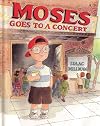
I really enjoyed this book because from the first page on, it captured my attention using unique ways to portray information. Even though this book is a children’s book showcasing a normal fieldtrip, it goes into great lengths to accurately portray the community the author Is representing. Moses is a member of the deaf community and he goes to an all deaf-school. Instead of the author just telling his readers about the community, he goes into deeper lengths to portray different styles of show more communication skills. I loved how after each page, American Sign language was included with steps on how to complete the signs and what they mean. By bringing awareness into a new community and language, it helped to promote inclusion and a better understanding of community. The author used his story to promote inclusivity and diversity through images, pictures and symbols. Overall, the main idea is to understand that even though we are all different in terms of identity, we are all in common in terms of our interests. This book impacted my life in a personal way, as I used to work with a young boy who was on the autism spectrum and non-verbal. Often, I felt frustrated as I did not have a way to communicate with him. By being able to learn basic sign language from this book I felt better prepared to try and communicate with people in different ways. show less

"Moses Goes to School" is about a little boy named Moses who is starting his first day of school at a public school for the deaf. All of the students and teachers communicate through sign language. At school, they come together and practice how to read and write in English, write emails to pen pals, and sign and dance along to songs. This book shows that just because a child has a disability, it doesn't mean they don't learn or do the same activities as a child who does not have one. show more Overall, I really enjoyed this book and now feel more informed on this disability. While this book shows a day in Moses' life, it also shows the diversity in his classroom by showing the different ways his classmates handle their deafness and communicate with each other. This book also includes sections in the book that teach the reader some sentences in sign language: inviting them to be a part of Moses' world. I would definitely read this book with my own students to introduce them to sign language and to inform them of this disability. show less
This is one of the greatest books I have ever read! Moses goes to school for the first time. All of his classmates are hard of hearing or deaf. They do things just as a kid that could hear does. They communicate using ASL. My favorite page in the book is when they are signing "Take Me Out to the Ball Game" it made my heart full of joy. I love that this book shows the signing of words and phrases. I love how it doesn't focus on disabilities, it focuses on their abilities.
Lists
Youth: DEI (1)
Awards


You May Also Like


Associated Authors
Statistics
- Works
- 7
- Also by
- 2
- Members
- 896
- Popularity
- #28,592
- Rating
- 4.4
- Reviews
- 172
- ISBNs
- 19
- Languages
- 2