
Nat Cassidy
Author of Mary
About the Author
Image credit: via Macmillan Publishers
Works by Nat Cassidy
Associated Works
Tagged
Common Knowledge
- Birthdate
- 1981-09-25
- Gender
- male
- Nationality
- USA
- Birthplace
- Raleigh, North Carolina, USA
- Places of residence
- Phoenix, Arizona, USA
New York, New York, USA - Associated Place (for map)
- USA
Members
Reviews
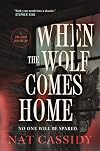
Nat Cassidy's When the Wolf Comes Home is an unsettling, deeply emotional, and powerfully written exploration of identity, memory, and monstrosity, all wrapped in a genre-bending narrative that refuses to be neatly categorized. Seamlessly blending horror, fantasy, and psychological drama, Cassidy delivers a novel that is both thought-provoking and chilling.
Atmosphere & Tone
From the first page, Cassidy immerses the reader in a moody, dreamlike world where reality constantly shifts underfoot. show more The atmosphere is dense with dread—not always loud or gory, but insidiously creeping. This is not horror for shock value, but horror with purpose, using its supernatural elements to investigate very real human experiences.
Cassidy’s prose is lyrical yet razor-sharp, often poetic but never flowery. There’s a tightness to the writing that keeps the tension palpable, but also enough breathing room for reflective moments that feel genuinely earned.
Themes & Depth
At its core, When the Wolf Comes Home is a book about transformation, both physical and psychological. The novel explores what it means to lose and reclaim parts of oneself—body, memory, identity—and how trauma can distort that journey. Without giving anything away, the novel tackles topics like gender, mental health, societal roles, and the body in nuanced, often metaphorical ways. Cassidy doesn't provide easy answers, but instead invites the reader to sit in discomfort and examine it.
This is a novel where the monstrous is both literal and symbolic. The “wolf” in the title is more than a creature—it’s a representation of instinct, repression, desire, and rage. Cassidy explores how those forces operate in both individuals and society, and how they can be both destructive and liberating.
Characters
The protagonist is richly drawn—complex, flawed, relatable, and unflinchingly human. Cassidy crafts internal struggles with surgical precision, and much of the horror stems not from outside forces, but from within. Supporting characters, while sometimes enigmatic, serve important functions in building the protagonist’s arc and the emotional stakes of the story.
The character development is slow-burn but deliberate, which pays off tremendously in the second half of the novel. Cassidy has a gift for showing how personal history can be both a weapon and a salvation.
Pacing & Structure
The novel’s pacing is deliberate, especially in the first act, where Cassidy builds emotional and psychological depth before fully diving into the more supernatural and horror-driven elements. Readers looking for fast-paced action from page one may find the build-up slow, but the payoff is well worth the investment.
Structurally, the book plays with timelines, memory, and perspective in subtle ways that enhance the narrative. It rewards attentive reading but never becomes confusing or alienating.
Final Thoughts
When the Wolf Comes Home is not your average horror novel. It is elegant, painful, smart, and strange—in all the best ways. Nat Cassidy has written something that transcends genre conventions, crafting a story that is both feral and tender, terrifying and illuminating.
This is a book for readers who appreciate horror that cuts close to the bone—emotionally, intellectually, and metaphorically. It lingers long after the final page, not because of a jump scare or a twist, but because it confronts truths that are hard to look at but impossible to ignore. show less
Atmosphere & Tone
From the first page, Cassidy immerses the reader in a moody, dreamlike world where reality constantly shifts underfoot. show more The atmosphere is dense with dread—not always loud or gory, but insidiously creeping. This is not horror for shock value, but horror with purpose, using its supernatural elements to investigate very real human experiences.
Cassidy’s prose is lyrical yet razor-sharp, often poetic but never flowery. There’s a tightness to the writing that keeps the tension palpable, but also enough breathing room for reflective moments that feel genuinely earned.
Themes & Depth
At its core, When the Wolf Comes Home is a book about transformation, both physical and psychological. The novel explores what it means to lose and reclaim parts of oneself—body, memory, identity—and how trauma can distort that journey. Without giving anything away, the novel tackles topics like gender, mental health, societal roles, and the body in nuanced, often metaphorical ways. Cassidy doesn't provide easy answers, but instead invites the reader to sit in discomfort and examine it.
This is a novel where the monstrous is both literal and symbolic. The “wolf” in the title is more than a creature—it’s a representation of instinct, repression, desire, and rage. Cassidy explores how those forces operate in both individuals and society, and how they can be both destructive and liberating.
Characters
The protagonist is richly drawn—complex, flawed, relatable, and unflinchingly human. Cassidy crafts internal struggles with surgical precision, and much of the horror stems not from outside forces, but from within. Supporting characters, while sometimes enigmatic, serve important functions in building the protagonist’s arc and the emotional stakes of the story.
The character development is slow-burn but deliberate, which pays off tremendously in the second half of the novel. Cassidy has a gift for showing how personal history can be both a weapon and a salvation.
Pacing & Structure
The novel’s pacing is deliberate, especially in the first act, where Cassidy builds emotional and psychological depth before fully diving into the more supernatural and horror-driven elements. Readers looking for fast-paced action from page one may find the build-up slow, but the payoff is well worth the investment.
Structurally, the book plays with timelines, memory, and perspective in subtle ways that enhance the narrative. It rewards attentive reading but never becomes confusing or alienating.
Final Thoughts
When the Wolf Comes Home is not your average horror novel. It is elegant, painful, smart, and strange—in all the best ways. Nat Cassidy has written something that transcends genre conventions, crafting a story that is both feral and tender, terrifying and illuminating.
This is a book for readers who appreciate horror that cuts close to the bone—emotionally, intellectually, and metaphorically. It lingers long after the final page, not because of a jump scare or a twist, but because it confronts truths that are hard to look at but impossible to ignore. show less
The story follows Jess, an out-of-work actress barely scraping by when she stumbles across a five-year-old runaway hiding near her place. What should be a sweet hallmark moment becomes quickly violent when the kid's dad shows up, and turns Jess's life into a nightmare. Then Jess and the boy have to go on the run when his fears start manifesting for real. Jess's relationship with the boy becomes intriguing, is she protecting him for the boy's sake or for her own?
This is such a good slow-burn, show more constantly tension-filled horror novel. You really are made to sit with the discomfort. There have been so many werewolf stories but this one was just so unique and well-written.
I loved the audiobook experience, would definitely recommend. I also really enjoyed the afterword that talked about the inspiration for this book involving the author's "shapeshifting" father.
Overall Nat Cassidy is quickly becoming one of my go to authors. Publishes April 22! show less
This is such a good slow-burn, show more constantly tension-filled horror novel. You really are made to sit with the discomfort. There have been so many werewolf stories but this one was just so unique and well-written.
I loved the audiobook experience, would definitely recommend. I also really enjoyed the afterword that talked about the inspiration for this book involving the author's "shapeshifting" father.
Overall Nat Cassidy is quickly becoming one of my go to authors. Publishes April 22! show less
Wasn't this a Twilight Zone episode? It tweaked a vague memory for me as I read. The kid in the old television show was a nasty piece of work. The kid in When the Wolf Comes Home isn't, so my heart broke for him. Actually, my heart broke for everyone.
There were a surprising number of ethical dilemmas involved in the horror, which I enjoyed. Cassidy's writing is excellent.
There were a surprising number of ethical dilemmas involved in the horror, which I enjoyed. Cassidy's writing is excellent.
Mary by Nat Cassidy
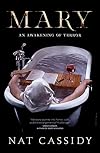
"Mary is a passive, middle-aged woman doing her best to be unremarkable. She cannot remember her childhood, but between the hot flashes and the body aches there are voices in her head urging her to do unspeakable things...perhaps the echoes of an infamous serial killer."
Mary suffers from critically low self-esteem, social meekness, and a suppressive inner voice that reminds her to "Be Good." She would be frustratingly pitiful if not for her simmering rage. But when she is fired from her show more quiet bookstore job for being too old and is called back to Arroyo, Arizona by her vulgar, domineering, dying Aunt Nadine, it's a mid-life crisis she can't buy her way out of. "𝘛𝘩𝘦 𝘰𝘯𝘭𝘺 𝘸𝘢𝘺 𝘵𝘰 𝘱𝘳𝘰𝘷𝘦 𝘺𝘰𝘶 𝘩𝘢𝘷𝘦𝘯'𝘵 𝘴𝘦𝘳𝘷𝘦𝘥 𝘺𝘰𝘶𝘳 𝘶𝘴𝘦 𝘪𝘴 𝘵𝘰 𝘦𝘯𝘥𝘦𝘢𝘷𝘰𝘳 𝘵𝘰 𝘴𝘵𝘢𝘺 𝘢𝘴 𝘶𝘴𝘦𝘧𝘶𝘭 𝘢𝘴 𝘱𝘰𝘴𝘴𝘪𝘣𝘭𝘦, 𝘦𝘷𝘦𝘯 𝘵𝘰 𝘢 𝘴𝘺𝘴𝘵𝘦𝘮 𝘵𝘩𝘢𝘵 𝘩𝘢𝘵𝘦𝘴 𝘺𝘰𝘶." But the mind can only take so much abuse, and when Mary starts to slip, a number of silent, bloody clawed, faceless ghosts reveal themselves. Already questioning her own sanity, to dig deeper might unlock dark childhood memories and horrifying small town secrets.
I don't know if other folks pay attention to author blurbs, but I do. When I saw that this book was praised by veteran horror authors Brian Keene ("The Rising") and Sarah Langan ("The Missing"), I knew I had to read it. The structure is lean, the pacing never slows down and it's a perfect mix of foul, horrid and cursed visuals to haunt your imagination. Who knew a murder mansion turned hospital could be so claustrophobic, and I'm certainly never looking at ants the same way again! There is no romantic subplot and no man to come to the rescue, and I am grateful for that. The back cover states that the book is akin to American Psycho, but I think of Shirley Jackson's "The Bird's Nest." It's a phenomenal commentary on generational violence and society's treatment of aged, "useless" women. show less
Mary suffers from critically low self-esteem, social meekness, and a suppressive inner voice that reminds her to "Be Good." She would be frustratingly pitiful if not for her simmering rage. But when she is fired from her show more quiet bookstore job for being too old and is called back to Arroyo, Arizona by her vulgar, domineering, dying Aunt Nadine, it's a mid-life crisis she can't buy her way out of. "𝘛𝘩𝘦 𝘰𝘯𝘭𝘺 𝘸𝘢𝘺 𝘵𝘰 𝘱𝘳𝘰𝘷𝘦 𝘺𝘰𝘶 𝘩𝘢𝘷𝘦𝘯'𝘵 𝘴𝘦𝘳𝘷𝘦𝘥 𝘺𝘰𝘶𝘳 𝘶𝘴𝘦 𝘪𝘴 𝘵𝘰 𝘦𝘯𝘥𝘦𝘢𝘷𝘰𝘳 𝘵𝘰 𝘴𝘵𝘢𝘺 𝘢𝘴 𝘶𝘴𝘦𝘧𝘶𝘭 𝘢𝘴 𝘱𝘰𝘴𝘴𝘪𝘣𝘭𝘦, 𝘦𝘷𝘦𝘯 𝘵𝘰 𝘢 𝘴𝘺𝘴𝘵𝘦𝘮 𝘵𝘩𝘢𝘵 𝘩𝘢𝘵𝘦𝘴 𝘺𝘰𝘶." But the mind can only take so much abuse, and when Mary starts to slip, a number of silent, bloody clawed, faceless ghosts reveal themselves. Already questioning her own sanity, to dig deeper might unlock dark childhood memories and horrifying small town secrets.
I don't know if other folks pay attention to author blurbs, but I do. When I saw that this book was praised by veteran horror authors Brian Keene ("The Rising") and Sarah Langan ("The Missing"), I knew I had to read it. The structure is lean, the pacing never slows down and it's a perfect mix of foul, horrid and cursed visuals to haunt your imagination. Who knew a murder mansion turned hospital could be so claustrophobic, and I'm certainly never looking at ants the same way again! There is no romantic subplot and no man to come to the rescue, and I am grateful for that. The back cover states that the book is akin to American Psycho, but I think of Shirley Jackson's "The Bird's Nest." It's a phenomenal commentary on generational violence and society's treatment of aged, "useless" women. show less
Lists
Awards


You May Also Like
Associated Authors
Statistics
- Works
- 11
- Also by
- 3
- Members
- 1,949
- Popularity
- #13,205
- Rating
- 3.9
- Reviews
- 71
- ISBNs
- 23
- Languages
- 2
- Favorited
- 2