
St. Symeon the New Theologian (949–1022)
Author of Symeon, the New Theologian: The Discourses
About the Author
Image credit: Icon of St. Symeon the New Theologian, St. Sophia Greek Orthodox Cathedral, Washington D.C. Photo taken by Rick Gutleber / Flickr, edited by LT uploader.
Works by St. Symeon the New Theologian
On the Mystical Life: The Ethical Discourses, Vol. 1: The Church and the Last Things (1995) 169 copies
On the Mystical Life: The Ethical Discourses, Vol. 2: On Virtue and Christian Life (Popular Patristics) (1996) 117 copies
On the Mystical Life: The Ethical Discourses, Vol. 3: Life, Times and Theology (1998) 71 copies, 1 review
Chapitres theologiques, gnostiques et pratiques. Introduction, texte critique, traduction et notes de J. Darrouzes. (1996) 5 copies
Сабране Беседе 2 copies
Hymnes. 1, 1 - 15 / introd., texte critique et notes par Johannes Koder. Trad. par Joseph Paramelle 1 copy
Химни 1 copy
Catecheses: I: Introduction, Texte Critique et Notes par Mgr Basile Krivocheine. Traduction par Joseph Paramelle, S.J. (1963) 1 copy
Двенадцать слов 1 copy
Три слова 1 copy
Divine Eros 1 copy
Associated Works
God Makes the Rivers To Flow: Sacred Literature of the World (1982) — Contributor — 231 copies, 2 reviews
Tagged
Common Knowledge
- Legal name
- Simeon Neotheologus
- Birthdate
- 949
- Date of death
- 1022
- Gender
- male
- Nationality
- Byzantium
- Associated Place (for map)
- Byzantium
Members
Reviews

The man was intense!
One the eve of a rebellion, when the monks under his supervision ran to the Patriarch of the city to get relief from their severe Abbot, Symeon spoke to them:
"I cannot endure to be silent about the things I have seen, about the wonders of God I have known by fact and experience. Rather, I testify of them to all others as in God's presence, and say with a loud voice, 'Run, all of you, before the door of repentance is closed to you by death. Run, that you may take hold of show more it before you depart this life; make haste that you may receive it, knock, that your Master may open to you before you die, and that He may show himself to you.' (349).
Symeon was not only severe. In a compassionate moment towards those who insufficiently fasted during Lent, he said:
"[God] it is who in great generosity gives crowns to the zealous and duly rewards their labors, and also in mercy and loving-kindness grants forgiveness to the weaker" (181).
Symeon was driven by a vision of God that would not let him relax. Having experienced the inexpressible light of God, he was compelled to urge the people around him to press on towards that light.
My biggest struggle with Symeon (and all the ancient Orthodox saints) is their spirit-flesh dualism and extreme asceticism. They are constantly preoccupied with escaping the material world which God deemed "very good" and validated by becoming incarnate. That said, Symeon's passion and insight into the spiritual condition made the struggle worthwhile!
Symeon's Discourses are deep devotional material. Written for those in a monastic life, they are still relevant today for those with a passionate commitment to Christ. show less
One the eve of a rebellion, when the monks under his supervision ran to the Patriarch of the city to get relief from their severe Abbot, Symeon spoke to them:
"I cannot endure to be silent about the things I have seen, about the wonders of God I have known by fact and experience. Rather, I testify of them to all others as in God's presence, and say with a loud voice, 'Run, all of you, before the door of repentance is closed to you by death. Run, that you may take hold of show more it before you depart this life; make haste that you may receive it, knock, that your Master may open to you before you die, and that He may show himself to you.' (349).
Symeon was not only severe. In a compassionate moment towards those who insufficiently fasted during Lent, he said:
"[God] it is who in great generosity gives crowns to the zealous and duly rewards their labors, and also in mercy and loving-kindness grants forgiveness to the weaker" (181).
Symeon was driven by a vision of God that would not let him relax. Having experienced the inexpressible light of God, he was compelled to urge the people around him to press on towards that light.
My biggest struggle with Symeon (and all the ancient Orthodox saints) is their spirit-flesh dualism and extreme asceticism. They are constantly preoccupied with escaping the material world which God deemed "very good" and validated by becoming incarnate. That said, Symeon's passion and insight into the spiritual condition made the struggle worthwhile!
Symeon's Discourses are deep devotional material. Written for those in a monastic life, they are still relevant today for those with a passionate commitment to Christ. show less

Saint Symeon the New Theologian lived in and around Constantinople in the tenth and eleventh centuries. In the Popular Patristics Series volumes 14-15 Alexander Golitzin translates Symeon’s Ethical Discourses. In this sixteenth volume, Golitzin delivers a biography of the Saint.
It is difficult to write about the life of Symeon because we only have two sources to go by:
1. The Vita his prodigee wrote. This is a hagiography, or biography of a saint, intended to praise the subject.
2. The show more autobiographical details in Symeon’s own writing.
Golitzin does a good job at sorting out the inherent biases in the sources. He outlines Symeon’s life before diving into his theology. This is where the book really shines. Golitzin uses his thorough understanding of Eastern Orthodoxy to situate Symeon in the Orthodox tradition. Despite controversy over his epistemology (he believed that alongside scripture and tradition, the Holy Spirit was a source of inspiration), Golitzin demonstrates how Symeon’s theology was thoroughly orthodox.
On the Mystical Life is a good biography and an excellent study of the theology of Saint Symeon the New Theologian. show less
It is difficult to write about the life of Symeon because we only have two sources to go by:
1. The Vita his prodigee wrote. This is a hagiography, or biography of a saint, intended to praise the subject.
2. The show more autobiographical details in Symeon’s own writing.
Golitzin does a good job at sorting out the inherent biases in the sources. He outlines Symeon’s life before diving into his theology. This is where the book really shines. Golitzin uses his thorough understanding of Eastern Orthodoxy to situate Symeon in the Orthodox tradition. Despite controversy over his epistemology (he believed that alongside scripture and tradition, the Holy Spirit was a source of inspiration), Golitzin demonstrates how Symeon’s theology was thoroughly orthodox.
On the Mystical Life is a good biography and an excellent study of the theology of Saint Symeon the New Theologian. show less
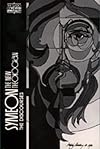
Symeon the New Theologian: The Discourses (Classics of Western Spirituality (Paperback)) (English and Ancient Greek Edition) by Saint the New Theologian Symeon
He is favorably mentioned by St. Porphyrios, see "Wounded By Love". I don't have much to add to Mr Barkley's review, except:
"My biggest struggle with Symeon (and all the ancient Orthodox saints) is their spirit-flesh dualism and extreme asceticism. They are constantly preoccupied with escaping the material world which God deemed "very good" and validated by becoming incarnate. That said, Symeon's passion and insight into the spiritual condition made the struggle worthwhile"
It was deemed show more "very good" before the Fall. After all, God will destroy the earth and make everything new. Which was a problem for some theologians, but it is what it is. Further, Christ Himself teaches that we should not get too entangled with worldly matters, which is repeated in the Apostles's epistles. Celibacy and fasting, for example, were favorably mentioned by Christ, if done out of love for God and a pure heart. show less
"My biggest struggle with Symeon (and all the ancient Orthodox saints) is their spirit-flesh dualism and extreme asceticism. They are constantly preoccupied with escaping the material world which God deemed "very good" and validated by becoming incarnate. That said, Symeon's passion and insight into the spiritual condition made the struggle worthwhile"
It was deemed show more "very good" before the Fall. After all, God will destroy the earth and make everything new. Which was a problem for some theologians, but it is what it is. Further, Christ Himself teaches that we should not get too entangled with worldly matters, which is repeated in the Apostles's epistles. Celibacy and fasting, for example, were favorably mentioned by Christ, if done out of love for God and a pure heart. show less

You May Also Like


Associated Authors
Statistics
- Works
- 28
- Also by
- 1
- Members
- 861
- Popularity
- #29,720
- Rating
- 4.5
- Reviews
- 4
- ISBNs
- 25
- Languages
- 8
- Favorited
- 1