
John E. Thiel
Author of Nonfoundationalism (Guides to Theological Inquiry)
About the Author
John E. Thiel is professor of religious studies at Fairfield University and past president of the Catholic Theological Society of America. He is the author of several books, among which are Senses of Tradition: Continuity and Development in Catholic Faith and God, Evil, and Innocent Suffering: A show more Theological Reflection. show less
Works by John E. Thiel
Associated Works
Tagged
Common Knowledge
There is no Common Knowledge data for this author yet. You can help.
Members
Reviews
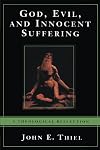
God, Evil, and Innocent Suffering: A Theological Reflection by John E. Thiel. Thiel, professor of Religious Studies at Fairfield University, offers a new look at a classic problem, a theological alternative to traditional theodicies. In the book he is critical of the classic Augustinian tradition and how most major theodicies deny the reality of innocent suffering, by arguing that no one truly suffers innocently, or suffering is part of the divine plan, etc.
On the other hand, Thiel argues show more that people can truly suffer innocently and such suffering is a moral fact before God while at the same time God is all-powerful, all-good, and all-knowing. Thiel shatters Hume’s famous question, “If God is willing to prevent evil, and unable, then He is impotent; if God is able to prevent evil, and unwilling, then He is malevolent; if God is able and willing to prevent evil, whence evil?” by arguing that God does not will suffering or death at all as God is the Author of life and eternally life-creating.
However, in order to do this Thiel makes a significant theological concession. Thiel states that the injustice of innocent suffering is an undeniable and tragic moral fact of life. He rejects the view that God is the cause of suffering either by permitting the evil victimization of some or by willing suffering by natural means. God neither permits, nor wills, nor causes any kind of suffering or death at all since God is self-restrictive in this world according to Thiel. Even though I find many of his ideas disagreeable Thiel’s treatise is a fresh, crisp, gently orthodox approach to a longstanding issue. A recommended read indeed. show less
On the other hand, Thiel argues show more that people can truly suffer innocently and such suffering is a moral fact before God while at the same time God is all-powerful, all-good, and all-knowing. Thiel shatters Hume’s famous question, “If God is willing to prevent evil, and unable, then He is impotent; if God is able to prevent evil, and unwilling, then He is malevolent; if God is able and willing to prevent evil, whence evil?” by arguing that God does not will suffering or death at all as God is the Author of life and eternally life-creating.
However, in order to do this Thiel makes a significant theological concession. Thiel states that the injustice of innocent suffering is an undeniable and tragic moral fact of life. He rejects the view that God is the cause of suffering either by permitting the evil victimization of some or by willing suffering by natural means. God neither permits, nor wills, nor causes any kind of suffering or death at all since God is self-restrictive in this world according to Thiel. Even though I find many of his ideas disagreeable Thiel’s treatise is a fresh, crisp, gently orthodox approach to a longstanding issue. A recommended read indeed. show less
You May Also Like
Associated Authors
Statistics
- Works
- 6
- Also by
- 1
- Members
- 115
- Popularity
- #170,829
- Rating
- 3.3
- Reviews
- 1
- ISBNs
- 11