
Susan Buchan, Baroness Tweedsmuir (1882–1977)
Author of John Buchan: By His Wife and Friends
About the Author
Image credit: archivescanada/yousufkarsh
Works by Susan Buchan, Baroness Tweedsmuir
Associated Works
Tagged
Common Knowledge
- Canonical name
- Baroness Tweedsmuir, Susan Buchan,
- Legal name
- Tweedsmuir, Susan Buchan, Baroness
- Birthdate
- 1882-04-20
- Date of death
- 1977-03-21
- Gender
- female
- Occupations
- novelist
playwright
children's book author
aristocrat - Relationships
- Buchan, John (husband)
Buchan, Anna (sister-in-law)
Buchan, John Norman Stuart (son)
Buchan, James (grandson)
Buchan, William James de l'Aigle (son)
Buchan, Ursula (granddaughter) - Short biography
- Susan Buchan, née Grosvenor, was born in London, England, a daughter of The Hon. Norman de L'Aigle Grosvenor and his wife Caroline Susan Theodora Stuart-Wortley, and was a cousin of the Dukes of Westminster. In 1907, she married John Buchan, a novelist and politician, with whom she had four children. She became Baroness Tweedsmuir when he was created 1st Baron Tweedsmuir in 1935 and appointed Governor General of Canada. She wrote more than a dozen books and plays, including biographies of Lord Wellington and a memoir of her husband. Her works for children included Cousin Harriet (1957), about a pregnant unmarried girl in Victorian England. Other books included The Scent of Water (1937) and a book of essays, The Lilac and the Rose (1952).
- Nationality
- UK
- Birthplace
- London, England, UK
- Places of residence
- London, England, UK
Ottawa, Ontario, Canada
Oxford, Oxfordshire, England, UK - Place of death
- Burford, Oxfordshire, England, UK
- Associated Place (for map)
- England, UK
Members
Reviews
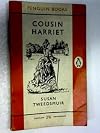
Alternative title: Pride (of Pride and Prejudice). Cousin Harriet is essentially a spinster Mr Darcy of a large country estate and also the older loving Emma Woodhouse daughter of her doting wheelchair-bound father, with the setting true to the nature and etiquette of the Victorian era.
Events occur to challenge and broaden Harriet's lack of experience in the socially complex and licentious world beyond her naïve country lifestyle. Misunderstandings of potential love affairs arise and show more resolve gratifyingly, guided by the expert deus-ex hand of ex-governess/mentor Miss Miller.
Tweedsmuir had masterfully subtly peppered innocuous behaviours into scenes that upon the ending and immediate second reading become afresh with new meaning (just like P&P!) Even without the glaze of social satire of P&P, Cousin Harriet is a perfect social period novel in its own right. show less
Events occur to challenge and broaden Harriet's lack of experience in the socially complex and licentious world beyond her naïve country lifestyle. Misunderstandings of potential love affairs arise and show more resolve gratifyingly, guided by the expert deus-ex hand of ex-governess/mentor Miss Miller.
Tweedsmuir had masterfully subtly peppered innocuous behaviours into scenes that upon the ending and immediate second reading become afresh with new meaning (just like P&P!) Even without the glaze of social satire of P&P, Cousin Harriet is a perfect social period novel in its own right. show less
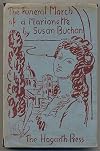
An easy evening's read. Susan Buchan was the aristocratic English wife of the celebrated Scottish writer, John Buchan. He was both Presbyterian and a Jacobite sympathiser (a position his Scottish forebears would probably have found puzzling). I therefore suspect that Susan Buchan may have been passing some sort of test in writing a book about Charlotte Stuart, the unfortunate daughter of Clementina Walkinshaw and Bonnie Prince Charlie. Charlotte was put in a series of impossible situations, show more but it is easier to sympathise with her than empathise, the sterling qualities of her grandmother Katherine Patterson (Lady Walkinshaw, and sadly not mentioned in the book) and her mother less evident in Charlotte. The Prince's behaviour after his defeat at Culloden has struck me as possibly the consequence of post traumatic stress disorder (PTSD) and this is suggested by the account of his collapse when questioned about that period. The writer is perhaps a bit too credulous: people writing to ask for money, then as now, will write what they think will further their aims, and the information they muster needs to be treated with caution. show less
You May Also Like
Associated Authors
Statistics
- Works
- 16
- Also by
- 2
- Members
- 120
- Popularity
- #165,355
- Rating
- 3.5
- Reviews
- 2
- ISBNs
- 5
- Favorited
- 1