
Rosamunde Pilcher (1924–2019)
Author of The Shell Seekers
About the Author
Rosamunde Pilcher was born Rosamunde Scott on September 22, 1924 in Lelant, Cornwall, England. When World War II broke out, she left school and went to work for the Foreign Office. In 1944, she joined the Women's Royal Naval Service and was stationed in Ceylon when the war ended. Her first short show more story was published while she was serving in Ceylon. She married Graham Pilcher in 1946. Her first novel, Half-Way to the Moon, was published in 1949 under the penname Jane Fraser. She continued writing books under that penname into the early 1960s, but in 1955 she also published her first book under her own name entitled A Secret to Tell. Her best-known novel, The Shell Seekers, was published in 1987. Her other novels included Sleeping Tiger, The End of the Summer, Wild Mountain Thyme, Voices in Summer, September, Coming Home, and Winter Solstice. She also wrote short stories. She died after a short illness on February 6, 2019 at the age of 94. (Bowker Author Biography) show less
Series
Works by Rosamunde Pilcher
Reader's Digest Auswahlbücher 194 : September. Favoritensturz. Der Flug des Kondors. Der grosse Bellheim (1994) 4 copies
Cinco relatos para mujeres 3 copies
Rosamunde Pilcher Collection 1: Die besten Filme aus 10 Jahren Rosamunde Pilcher [3 DVDs] (2004) 2 copies
El jardín de las caléndulas 2 copies
The Shell Seekers 2 2 copies
Golden Harlequin Library, Volume VI: Never to Love / A Long Way From Home / The Golden Rose (1970) — Contributor — 2 copies
Liebe, Diebe, Diamanten 1 copy
Ostatnie dni lata 1 copy
Φωνές το καλοκαίρι 1 copy
Cirkels in het zand 1 copy
The Guilty 1 copy
Flowers In the Rain & Others 1 copy
Карусель : [16+] 1 copy
Golgota intoarcerii acasa 1 copy
Vollkommen unerwartet (film) 1 copy
SEPTEMBER: #1 SEPTEMBER 1 copy
Argentine Tango [film] 1 copy
Rundum glücklich (film) 1 copy
Associated Works
Reader's Digest Condensed Books 1996 v02: Coming Home / Come to Grief / That Camden Summer / Blaze (1996) — Author — 160 copies
Reader's Digest Select Editions 2000 v06 #252: Before I Say Good-Bye / Winter Solstice / Demolition Angel / Julie and Romeo (2001) 37 copies
Reader's Digest Condensed Books 1991 v01: Trial / September / The White Puma / Mrs Pollifax and the Whirling Dervish (1991) — Contributor — 30 copies, 1 review
Reader's Digest Condensed Books: Code to Zero • Winter Solstice • High Risk • Beneath the Skin (2000) — Author — 11 copies
Australian Reader's Digest Select Editions: The Visitor • Winter Solstice • The White House Connection • Follow the Stars Home (2001) 4 copies
Livros Condensados: Solstício de Inverno | Refém | O Melhor da Vida | Vento Uivante (2002) — Author — 4 copies
Reader's Digest Condensed Books: Come to Grief • Coming Home • Oscar: The True Story of a Husky • That Camden Summer (1996) 4 copies
Det Bästas bokval, vol. 219 3 copies
Válogatott könyvek 2001/5 Ken Follett - Visszaszámlálás; Rosamunde Pilcher - Téli napforduló; Michael Palmer - A beteg; Douglas Preston és Lincoln Child - Viharfelhő (2001) — Contributor — 2 copies
Reader's Digest : libros selectos : Visita Mortal : Mutuo rescate : Solsticio de invierno : El espejo — Author — 1 copy
Urlaubsträume. Geschichten für die schönste Zeit des Jahres — Author — 1 copy
Tagged
Common Knowledge
- Legal name
- Scott Pilcher, Rosamunde
- Other names
- Fraser, Jane (pseudonym)
- Birthdate
- 1924-09-22
- Date of death
- 2019-02-06
- Gender
- female
- Education
- St. Clare's, Polwithen
Howell's School, Llandaff
Miss Kerr-Sanders' Secretarial College - Occupations
- romance novelist
- Organizations
- Women's Royal Naval Service (WWII)
- Awards and honors
- Order of the British Empire (Officer, 2002)
- Agent
- Felicity Bryan
- Relationships
- Pilcher, Robin (son)
- Short biography
- Rosamunde Scott was born on 22 September 1924 in Lelant, Cornwall, England, UK, daughter of Helen and Charles Scott, a British commander. Just before her birth her father was posted in Burma, her mother remained in England. She attended St. Clare's Polwithen and Howell's School Llandaff before going on to Miss Kerr-Sanders' Secretarial College. She began writing when she was seven, and published her first short story when she was 18. From 1943 through 1946, Pilcher served with the Women's Naval Service. On 7 December 1946, she married Graham Hope Pilcher, a war hero and jute industry executive who died in March 2009. They moved to Dundee, Scotland, where she still lives today with a dog in Perthshire. They had two daughters and two sons, and fourteen grandchildren. Her son, Robin Pilcher, is also a novelist.
In 1949, her first book, a romance novel, was published by Mills & Boon, under the pseudonym Jane Fraser. She published a further ten novels under that name. In 1955, she also began writing under her married name Rosamunde Pilcher, by 1965 she her own name to all of her novels. In 1996, her novel Coming Home won the Romantic Novel of the Year Award by Romantic Novelists' Association. She retired from writing in 2000. Two years later, she was named an Officer of the Order of the British Empire (OBE). - Nationality
- UK
- Birthplace
- Lelant, Cornwall, England, UK
- Places of residence
- Lelant, Cornwall, England, UK
Dundee, Angus, Scotland, UK - Place of death
- Longforgan, Perth and Kinross, Scotland, UK
- Map Location
- England, UK
Members
Reviews
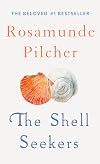
When I heard this was one of my grandma’s favorite books I put off reading it. I assumed it would be dated, but instead I found a wonderful novel about the complicated relationship between mothers and their children. It's a story that spans WWII and an artist’s studio in Cornwall, and a life-altering vacation in Ibiza. There were so many lines that I loved and the characters of Penelope and her daughter Olivia will stay with me forever.
“She enjoyed train journeys. The telephone could show more not ring, you could sit down, you didn’t have to think.”
“Like a vessel that has been empty for too long, she felt herself filled with peace.”
“Solving problems and making decisions invariably revitalized Olivia, and all at once she felt better.”
“Your children never stopped being your children. Even when they were 38 and successful career women. You could bear anything for yourself, but seeing your children hurt was unendurable.”
“Were you lonely?” “I was alone. But that is not the same as being lonely.”
“Seeing her turn from infant to toddler was like watching a bud open into a flower–a slow process, but delightful.”
“He sent you his dearest lone, and says he’s writing you a long letter. Not a bread-and-butter letter, a toast-and-marmalade one.”
“She had not cried for Mumma when she died but she wept now. Privately, with no person to jeer at her weakness, she allowed the tears to fall unchecked.” show less
“She enjoyed train journeys. The telephone could show more not ring, you could sit down, you didn’t have to think.”
“Like a vessel that has been empty for too long, she felt herself filled with peace.”
“Solving problems and making decisions invariably revitalized Olivia, and all at once she felt better.”
“Your children never stopped being your children. Even when they were 38 and successful career women. You could bear anything for yourself, but seeing your children hurt was unendurable.”
“Were you lonely?” “I was alone. But that is not the same as being lonely.”
“Seeing her turn from infant to toddler was like watching a bud open into a flower–a slow process, but delightful.”
“He sent you his dearest lone, and says he’s writing you a long letter. Not a bread-and-butter letter, a toast-and-marmalade one.”
“She had not cried for Mumma when she died but she wept now. Privately, with no person to jeer at her weakness, she allowed the tears to fall unchecked.” show less
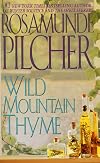
What a lovely book this is, mixing delight and tragedy, gentle humour and deeply moving moments. The main protagonist, who tells the story, is a bit naive but it doesn't matter at all.
Rosamunde Pilcher's main gift is in her characterisation. The people feel so real, that even unlikely situations become believable. Even reading for the third or fourth time, I felt caught up in the situations and emotions of those concerned.
Inevitably it's a bit dated with a great deal of drinking and show more smoking, and attitudes to class even from the nicest of people that seem rather snobby. But those are the only slight jars in a wonderful, thoughtful novel. show less
Rosamunde Pilcher's main gift is in her characterisation. The people feel so real, that even unlikely situations become believable. Even reading for the third or fourth time, I felt caught up in the situations and emotions of those concerned.
Inevitably it's a bit dated with a great deal of drinking and show more smoking, and attitudes to class even from the nicest of people that seem rather snobby. But those are the only slight jars in a wonderful, thoughtful novel. show less
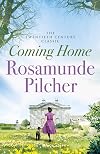
Rosamunde, darling, your novels are my guilty pleasure, but a thousand pages of middle class bleating is rather trying on the old sensibilities. I really only bought a second hand copy of this weighty tome because I could have sworn that I'd abandoned the story midway through, many years back, only to keep remember rather more and more as I read on. I think I must have given up with only the last two hundred pages to go. That'll teach me.
Anyway. While I raved about The Shell Seekers, I found show more myself rather more critical of Coming Home. I do love the Carey-Lewises, cliché ridden ensemble of romantic stereotypes though they are, and their beautiful Du Maurier style house in Cornwall, Nancherrow, but I could cheerfully throttle hearty heroine Judith, and the jolly hockey-sticks dialogue spouted by each and every character doesn't help. Judith is a horrid combination of Austen's Fanny Price and Gaskell's Margaret Hale, insufferably noble and beloved by all (she also has a curious combination of blonde hair and dark eyelashes, but at least she doesn't have violet eyes, like her friend Loveday). Packed off to boarding school at fourteen, Judith is plagued by a series of unfortunate events which leave her 'independent', not to mention 'pretty' (Pilcher's highest accolade for her female characters) and smart. She is assimilated by the aforementioned upper class Carey-Lewises, who drift through life on a cloud of liberal lifestyles and idyllic Cornish landscapes, bestowing the fairy dust of charm and patronage on assorted hangers-on. Daughter Loveday is at school with Judith, but there is also golden boy Edward and - wait for it - Athena, plus parents Diana and the Colonel, in the family of posh eccentrics. Everything is too this and frightfully that, and everyone is a darling or a dear. I think I might have found them all too, too amusing if Judith was more of an antidote, but she simply drips with the same ridiculous phrases. Did people really talk like that in real life, and if they did, please tell me that nobody this side of the 1950s still does? And the period-accurate, but still grating, insistence that all 'pretty' young women must ultimately wish to get married and have babies, also sets my teeth on edge - Judith/Rosamunde refers to a senior female officer in the WRNS during the War as an 'embittered old hag of a spinster' and a 'prune-faced woman with a power complex' because she puts duty before giving Judith the weekend off to lunch with Diana and Loveday!
The author is more of a storyteller than a wordsmith, granted, but writing 'her knees literally turned to water' (are you sure about that?) and starting sentence after sentence (after sentence) with 'as well' are not easily overlooked after the first five hundred pages. In fact, the whole novel could have been comfortably reduced to five hundred pages, because bar a handful of unlikely plot twists and hackneyed romantic devices, nothing much really happens. Rosamunde Pilcher could learn a lot from Daphne Du Maurier!
An epic aga saga for readers who suffer from rose-tinted nostalgia. show less
Anyway. While I raved about The Shell Seekers, I found show more myself rather more critical of Coming Home. I do love the Carey-Lewises, cliché ridden ensemble of romantic stereotypes though they are, and their beautiful Du Maurier style house in Cornwall, Nancherrow, but I could cheerfully throttle hearty heroine Judith, and the jolly hockey-sticks dialogue spouted by each and every character doesn't help. Judith is a horrid combination of Austen's Fanny Price and Gaskell's Margaret Hale, insufferably noble and beloved by all (she also has a curious combination of blonde hair and dark eyelashes, but at least she doesn't have violet eyes, like her friend Loveday). Packed off to boarding school at fourteen, Judith is plagued by a series of unfortunate events which leave her 'independent', not to mention 'pretty' (Pilcher's highest accolade for her female characters) and smart. She is assimilated by the aforementioned upper class Carey-Lewises, who drift through life on a cloud of liberal lifestyles and idyllic Cornish landscapes, bestowing the fairy dust of charm and patronage on assorted hangers-on. Daughter Loveday is at school with Judith, but there is also golden boy Edward and - wait for it - Athena, plus parents Diana and the Colonel, in the family of posh eccentrics. Everything is too this and frightfully that, and everyone is a darling or a dear. I think I might have found them all too, too amusing if Judith was more of an antidote, but she simply drips with the same ridiculous phrases. Did people really talk like that in real life, and if they did, please tell me that nobody this side of the 1950s still does? And the period-accurate, but still grating, insistence that all 'pretty' young women must ultimately wish to get married and have babies, also sets my teeth on edge - Judith/Rosamunde refers to a senior female officer in the WRNS during the War as an 'embittered old hag of a spinster' and a 'prune-faced woman with a power complex' because she puts duty before giving Judith the weekend off to lunch with Diana and Loveday!
The author is more of a storyteller than a wordsmith, granted, but writing 'her knees literally turned to water' (are you sure about that?) and starting sentence after sentence (after sentence) with 'as well' are not easily overlooked after the first five hundred pages. In fact, the whole novel could have been comfortably reduced to five hundred pages, because bar a handful of unlikely plot twists and hackneyed romantic devices, nothing much really happens. Rosamunde Pilcher could learn a lot from Daphne Du Maurier!
An epic aga saga for readers who suffer from rose-tinted nostalgia. show less
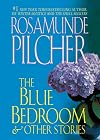
Short Stories:
📘Toby – The loss of neighbor and friend Mr. Sawcombe teaches 8-year-old Toby another side of life.
📘Home for the Day – On the day James Harner works from home, he learns what his wife Louisa has meant all the times she answered, “Nothing much” to his inquiry of “What have you been doing today?”
📘Spanish Ladies – A grandfather’s favorite song is played at a most unexpected time in remembrance of a grandfather.
📘Miss Cameron at Christmas – Miss Cameron show more will have the company of a 14-year-old neighbor on Christmas Eve and Christmas morning.
📘Tea With the Professor – Unbeknownst to Veronica, her son James arranged a surprise visit with the neighbor before he returned to school.
📘Amita – Laura remembers the day she met Amita and the differences between what she was told as a child and what she felt in her heart that stayed with her throughout her life.
📘The Blue Bedroom – Emily didn’t know if she’d ever feel a bond with her stepmother, Stephanie until they shared an experience in the blue bedroom.
📘Gilbert – Bill is the stepfather to Emily and Anna, and their relationship changed the day Gilbert, the goldfish, surprised them all.
📘The Before-Christmas Present – Ellen Parry discovered that her kind visit to Ruth Sanderford would become a gift to herself.
📘The White Birds – Eve Douglas and her grandson Jamie have a unique experience on a walk along the foreshore.
📘The Tree – Ian, Jill, and Robbie’s weekend plans are changed by the need to invite Ian’s uncle for dinner and a quiet evening together, not realizing their hospitality would change everything.
📘The House on the Hill – Oliver is recuperating from surgery at his sister and her husband’s home but will need to overcome several fears to help his pregnant sister.
📘An Evening to Remember – Mr. and Mrs. Fairhurst are invited to dinner at Henry and Alison’s home, but what do you do when the boss and his wife show up an evening earlier than planned?
The treasure of reading a story by Rosamunde Pilcher is the enchantment one feels through her characterizations and descriptive writing. Reading one of her stories is like wrapping yourself in a cozy blanket of warmth. The stories are of everyday experiences that happen during a lifetime, from ordinary days to holidays – friendships, pregnancies, marriages, blending families, career choices, retirement, and loss of friends and loved ones. Within the characterizations, emotions become transparent with an understanding of how they may change through experiences from childhood to adulthood, that kindness, thoughtfulness, and encouragement are gifts to one another, and that generosity of time shared is priceless. show less
📘Toby – The loss of neighbor and friend Mr. Sawcombe teaches 8-year-old Toby another side of life.
📘Home for the Day – On the day James Harner works from home, he learns what his wife Louisa has meant all the times she answered, “Nothing much” to his inquiry of “What have you been doing today?”
📘Spanish Ladies – A grandfather’s favorite song is played at a most unexpected time in remembrance of a grandfather.
📘Miss Cameron at Christmas – Miss Cameron show more will have the company of a 14-year-old neighbor on Christmas Eve and Christmas morning.
📘Tea With the Professor – Unbeknownst to Veronica, her son James arranged a surprise visit with the neighbor before he returned to school.
📘Amita – Laura remembers the day she met Amita and the differences between what she was told as a child and what she felt in her heart that stayed with her throughout her life.
📘The Blue Bedroom – Emily didn’t know if she’d ever feel a bond with her stepmother, Stephanie until they shared an experience in the blue bedroom.
📘Gilbert – Bill is the stepfather to Emily and Anna, and their relationship changed the day Gilbert, the goldfish, surprised them all.
📘The Before-Christmas Present – Ellen Parry discovered that her kind visit to Ruth Sanderford would become a gift to herself.
📘The White Birds – Eve Douglas and her grandson Jamie have a unique experience on a walk along the foreshore.
📘The Tree – Ian, Jill, and Robbie’s weekend plans are changed by the need to invite Ian’s uncle for dinner and a quiet evening together, not realizing their hospitality would change everything.
📘The House on the Hill – Oliver is recuperating from surgery at his sister and her husband’s home but will need to overcome several fears to help his pregnant sister.
📘An Evening to Remember – Mr. and Mrs. Fairhurst are invited to dinner at Henry and Alison’s home, but what do you do when the boss and his wife show up an evening earlier than planned?
The treasure of reading a story by Rosamunde Pilcher is the enchantment one feels through her characterizations and descriptive writing. Reading one of her stories is like wrapping yourself in a cozy blanket of warmth. The stories are of everyday experiences that happen during a lifetime, from ordinary days to holidays – friendships, pregnancies, marriages, blending families, career choices, retirement, and loss of friends and loved ones. Within the characterizations, emotions become transparent with an understanding of how they may change through experiences from childhood to adulthood, that kindness, thoughtfulness, and encouragement are gifts to one another, and that generosity of time shared is priceless. show less
Lists
Books Read in 2021 (10)
Carole's List (1)
Read in 2008 (1)
1970s (1)
Best Beach Reads (1)
Found Family (1)
BBC Big Read (1)
Awards


You May Also Like


Associated Authors
Statistics
- Works
- 138
- Also by
- 19
- Members
- 18,746
- Popularity
- #1,164
- Rating
- 3.8
- Reviews
- 430
- ISBNs
- 1,224
- Languages
- 21
- Favorited
- 64