
Richard Slotkin
Author of Regeneration Through Violence: The Mythology of the American Frontier, 1600-1860
About the Author
Richar Slotkin is the Olin Professor of American Studies at Wesleyan University. He is the author of Gunfighter Nation and Regeneration Through Violence, both National Book Award Finalists, and The Crater. (Bowker Author Biography)
Series
Works by Richard Slotkin
Regeneration Through Violence: The Mythology of the American Frontier, 1600-1860 (1973) 289 copies, 1 review
Gunfighter Nation: The Myth of the Frontier in Twentieth-Century America (1992) 278 copies, 2 reviews
The Fatal Environment: The Myth of the Frontier in the Age of Industrialization, 1800-1890 (1985) 218 copies, 1 review
Associated Works
The Lincoln Anthology: Great Writers on His Life and Legacy from 1860 to Now (2008) — Contributor — 172 copies, 1 review
Tagged
Common Knowledge
- Birthdate
- 1942
- Gender
- male
- Education
- Brooklyn College (B.A.)
Wesleyan University (M.A.)
Brown University (Ph.D.) - Occupations
- professor (English and American Studies)
- Organizations
- Wesleyan University (professor)
American Academy of Arts and Sciences (Member) - Agent
- Carl Brandt
- Nationality
- USA
- Places of residence
- Middleton, Connecicut
- Associated Place (for map)
- Middleton, Connecicut
Members
Reviews
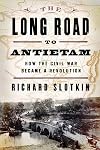
For those who think politics and war do not or should not mix will find their attitudes corrected and enlightened by Slotkin's scholarly and readable book . It is amazing that with such disharmony and growing lack of trust and cooperation between President Lincoln and his most important general, McClellan, that the North was able to get anything done. McClellan is shown to have a robust antagonism and paranoia greater towards his President, the Republican Radicals, and policies than his show more disregard for the South. What brought Davis and Lee to Antietam is largely motivated by the timing of events around them that provoked the need to bring the war to the North. How this translated onto the battlefield is done masterfully in very understandable way by Slotkin.
QUOTES: (pages 402-403) “Lincoln, like Lee, risked what he could not afford to lose, to gain objectives that were, as he saw them, essential to winning the war. His appointment of McClellan, after Pope's disaster, outraged nearly all of his cabinet and the most powerful leaders of his party in Congress. His issuance of the Emancipation Proclamation, and the subsequent firing of McClellan threatened to split the coalition of War Democrats, moderate and Radical Republicans that sustained his administration and the war effort, at a time when his own prestige and public standing were at a low point. Lincoln also ran the risk of an open breach with General McClellan, at a moment when the general's prestige was enhanced by victory, while his civilian partisans were calling for a 'dictatorship' and his staff muttering threats of a military coup. Even if those threats were just talk, a public declaration by McClellan that he opposed the president's policy would have created a constitutional crisis and undermined the president's authority as commander in chief while the nation was in the midst of revolution and civil war.
Like Lee, Lincoln judged his opponents accurately enough to escape actual defeat.”
(page 414) “Ultimately, Then, The Emancipation Proclamation and the strategic program that went with it would lead to Union victory. But only with benefit of hindsight does Antietam mark the turning point of the Civil War. The Proclamation's military benefits would not be felt for many months, it's political effect was problematic, and it's influence on diplomacy helpful but not decisive.
After the crisis of the summer---after the Confederate offenses were checked at Antietam, Corinth, and Perryville; after emancipation was proclaimed and habeas corpus suspended, after the fall election ended without a complete reversal of Lincoln's political fortunes---after all that nothing was really settled. All that was accomplished by the Battle of Antietam and the Emancipation Proclamation was to explode the illusion and the hope of compromise that had hitherto limited the violence and social disruption of the conflict, and push the Civil War past the point of no return. The crucial battles were still to be fought and the ultimate result was still very much in doubt.” show less
QUOTES: (pages 402-403) “Lincoln, like Lee, risked what he could not afford to lose, to gain objectives that were, as he saw them, essential to winning the war. His appointment of McClellan, after Pope's disaster, outraged nearly all of his cabinet and the most powerful leaders of his party in Congress. His issuance of the Emancipation Proclamation, and the subsequent firing of McClellan threatened to split the coalition of War Democrats, moderate and Radical Republicans that sustained his administration and the war effort, at a time when his own prestige and public standing were at a low point. Lincoln also ran the risk of an open breach with General McClellan, at a moment when the general's prestige was enhanced by victory, while his civilian partisans were calling for a 'dictatorship' and his staff muttering threats of a military coup. Even if those threats were just talk, a public declaration by McClellan that he opposed the president's policy would have created a constitutional crisis and undermined the president's authority as commander in chief while the nation was in the midst of revolution and civil war.
Like Lee, Lincoln judged his opponents accurately enough to escape actual defeat.”
(page 414) “Ultimately, Then, The Emancipation Proclamation and the strategic program that went with it would lead to Union victory. But only with benefit of hindsight does Antietam mark the turning point of the Civil War. The Proclamation's military benefits would not be felt for many months, it's political effect was problematic, and it's influence on diplomacy helpful but not decisive.
After the crisis of the summer---after the Confederate offenses were checked at Antietam, Corinth, and Perryville; after emancipation was proclaimed and habeas corpus suspended, after the fall election ended without a complete reversal of Lincoln's political fortunes---after all that nothing was really settled. All that was accomplished by the Battle of Antietam and the Emancipation Proclamation was to explode the illusion and the hope of compromise that had hitherto limited the violence and social disruption of the conflict, and push the Civil War past the point of no return. The crucial battles were still to be fought and the ultimate result was still very much in doubt.” show less
This book is a very good analysis of the events surrounding the Battle of Antietam which is much more than just a military history of the battle. The author's analysis of this event includes an extensive account of the political events surrounding the battle and also tells the story of the career of George B. McClellan as the commander of the Army of the Potomac.
George B. McClellan was named commander of the newly formed Army of the Potomac in August of 1861 after the disastrous Union show more defeat in the First Battle of Bull Run. The author begins the book shortly after the end of the Peninsular campaign in August of 1862. The Army of the Potomac had been defeated by Robert E. Lee and John Pope was appointed to command the Army of Virginia. McClellan's troops were slowly being transferred to Pope leaving McClellan a general without an army. McClellan was typically slow in getting his troops to Pope which contributed to Pope's defeat in the Second Battle of Bull Run. Pope was removed and Lincoln reluctantly placed McClellan back in command of Pope's troops which were united with the Army of the Potomac.
During this time McClellan had been making efforts to gain control of the Union's political policy. Working with members of the Democratic party he opposed Republican members of Congress who had passed legislation freeing the slaves in the District of Columbia and the Second Confiscation Act which provided for the liberation of slaves owned by "convicted rebels". McClellan wanted to leave slavery as it was and seek a negotiated peace with the South. This argument is backed up by the author's inclusion in the book of some of McClellan's correspondence which was not previously available. Members of his staff advocated a military coup to make McClellan a dictator. Lincoln in July of 1862 had presented the Preliminary Emancipation Proclamation to the Cabinet and was waiting for a Union military victory to issue it to the country.
In August of 1862 Jefferson Davis made a decision to change the Confederacy's defensive military policy and invade the North. In the west the troops of Braxton Bragg and Kirby Smith were sent into Kentucky. In the east Lee's Army of Northern Virginia began an invasion of Maryland. As Lee moved his army into Maryland he split his forces and sent Stonewall Jackson to capture Harper's Ferry. The plans for movements of Lee's army were written up and distributed in what was called Special Order 191. On September 13 a copy of the order was found wrapped around three cigars in an abandoned camp by Union soldiers. It was delivered to McClellan that day and he then possessed the battle plans of his enemy.
The author does an excellent job in describing the military action which took place leading up to the Battle of Antietam. He begins each chapter with the time and place of the events described and makes what is a rather complex series of events easy to follow. His description of the Battle of Antietam follows this pattern going hour by hour over the different areas of the battlefield. The battle was one of the most hard fought of the war. Lee was outnumbered and forced to fight on the defensive. McClellan's attack was not well coordinated and late in the afternoon Confederate reinforcements arrived saving Lee's army from destruction. The battle is well known for the largest number of casualties suffered by American soldiers in one day.
After the battle Lee's army retreated back to Virginia. McClellan was convinced that this victory was his moment to assume control of Union military and political strategy. Instead five days after the battle Lincoln issued the Preliminary Emancipation Proclamation. This event marked the moment when the Civil War became a war of revolution which resulted in the destruction of slavery and the subjugation of the South. McClellan was removed from command on November 5 and ordered to report for further orders which never came.
This review is a cursory description of a book filled with details that create a panorama in time. I found this to be an excellent work of history. The author went beyond the usual narrative to describe the basis for some of the monumental changes that occurred during the Civil War. He was able to portray the interaction of events and personalities and give the reader an understanding of how historical change happens. show less
George B. McClellan was named commander of the newly formed Army of the Potomac in August of 1861 after the disastrous Union show more defeat in the First Battle of Bull Run. The author begins the book shortly after the end of the Peninsular campaign in August of 1862. The Army of the Potomac had been defeated by Robert E. Lee and John Pope was appointed to command the Army of Virginia. McClellan's troops were slowly being transferred to Pope leaving McClellan a general without an army. McClellan was typically slow in getting his troops to Pope which contributed to Pope's defeat in the Second Battle of Bull Run. Pope was removed and Lincoln reluctantly placed McClellan back in command of Pope's troops which were united with the Army of the Potomac.
During this time McClellan had been making efforts to gain control of the Union's political policy. Working with members of the Democratic party he opposed Republican members of Congress who had passed legislation freeing the slaves in the District of Columbia and the Second Confiscation Act which provided for the liberation of slaves owned by "convicted rebels". McClellan wanted to leave slavery as it was and seek a negotiated peace with the South. This argument is backed up by the author's inclusion in the book of some of McClellan's correspondence which was not previously available. Members of his staff advocated a military coup to make McClellan a dictator. Lincoln in July of 1862 had presented the Preliminary Emancipation Proclamation to the Cabinet and was waiting for a Union military victory to issue it to the country.
In August of 1862 Jefferson Davis made a decision to change the Confederacy's defensive military policy and invade the North. In the west the troops of Braxton Bragg and Kirby Smith were sent into Kentucky. In the east Lee's Army of Northern Virginia began an invasion of Maryland. As Lee moved his army into Maryland he split his forces and sent Stonewall Jackson to capture Harper's Ferry. The plans for movements of Lee's army were written up and distributed in what was called Special Order 191. On September 13 a copy of the order was found wrapped around three cigars in an abandoned camp by Union soldiers. It was delivered to McClellan that day and he then possessed the battle plans of his enemy.
The author does an excellent job in describing the military action which took place leading up to the Battle of Antietam. He begins each chapter with the time and place of the events described and makes what is a rather complex series of events easy to follow. His description of the Battle of Antietam follows this pattern going hour by hour over the different areas of the battlefield. The battle was one of the most hard fought of the war. Lee was outnumbered and forced to fight on the defensive. McClellan's attack was not well coordinated and late in the afternoon Confederate reinforcements arrived saving Lee's army from destruction. The battle is well known for the largest number of casualties suffered by American soldiers in one day.
After the battle Lee's army retreated back to Virginia. McClellan was convinced that this victory was his moment to assume control of Union military and political strategy. Instead five days after the battle Lincoln issued the Preliminary Emancipation Proclamation. This event marked the moment when the Civil War became a war of revolution which resulted in the destruction of slavery and the subjugation of the South. McClellan was removed from command on November 5 and ordered to report for further orders which never came.
This review is a cursory description of a book filled with details that create a panorama in time. I found this to be an excellent work of history. The author went beyond the usual narrative to describe the basis for some of the monumental changes that occurred during the Civil War. He was able to portray the interaction of events and personalities and give the reader an understanding of how historical change happens. show less
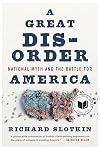
In 1938 the American literary critic Howard Mumford Jones published an article in The Atlantic titled ‘Patriotism – but How?’ As Europe teetered on the brink of war, Jones observed how fascist dictators were skilfully manipulating their nation’s myths to rally their populations. By contrast, the United States seemed culturally adrift – its mythic heroes discredited by a generation of cynical writers and ‘debunking biographers’. Bemoaning this trend, Jones called for a show more ‘patriotic renaissance’, encouraging its writers and historians to unearth ‘thrilling anecdotes’ from their nation’s past. ‘The only way to conquer an alien mythology’, Jones wrote, ‘is to have a better mythology of your own.’
A response came, fittingly enough, from Hollywood, America’s myth-making capital. Yet while Gone with the Wind (1939) was hugely popular, critics worried that the myths it promoted were more likely to encourage American-style fascism than fortify democracy. Drenched in nostalgia for the slave-owning South, the film invoked the ‘Lost Cause’ myth of the Civil War, romanticising the Confederacy’s role as a noble effort to preserve a virtuous way of life rather than a violent rebellion to maintain slavery. Many implored the film’s producer, David O. Selznick, not to make it. The Jewish actor Hyman Meyer wrote that such a film would ‘be welcomed by the Fascists ... of this country’, including the Ku Klux Klan. Sure enough, it quickly became a favourite among Germany’s Nazi elite.
It was also popular with southern segregationists (and, it should be said, the filmgoing public). During the 1950s, Gone with the Wind’s Lost Cause mythology was invoked to energise a ‘massive resistance’ to the civil rights movement. More recently, as Richard Slotkin notes in A Great Disorder, the Lost Cause myth has been embraced by Donald Trump’s MAGA movement. When insurrectionists stormed the Capitol on 6 January, many did so waving Confederate flags. At a 2020 campaign rally in Colorado, Trump criticised that year’s Academy Awards by asking his supporters: ‘Can we get, like, Gone with the Wind back, please?’
Read the full review at https://www.historytoday.com/archive/review/great-disorder-richard-slotkin-revie...
Sam Collings-Wells is Junior Research Fellow in American History at the University of Cambridge. show less
A response came, fittingly enough, from Hollywood, America’s myth-making capital. Yet while Gone with the Wind (1939) was hugely popular, critics worried that the myths it promoted were more likely to encourage American-style fascism than fortify democracy. Drenched in nostalgia for the slave-owning South, the film invoked the ‘Lost Cause’ myth of the Civil War, romanticising the Confederacy’s role as a noble effort to preserve a virtuous way of life rather than a violent rebellion to maintain slavery. Many implored the film’s producer, David O. Selznick, not to make it. The Jewish actor Hyman Meyer wrote that such a film would ‘be welcomed by the Fascists ... of this country’, including the Ku Klux Klan. Sure enough, it quickly became a favourite among Germany’s Nazi elite.
It was also popular with southern segregationists (and, it should be said, the filmgoing public). During the 1950s, Gone with the Wind’s Lost Cause mythology was invoked to energise a ‘massive resistance’ to the civil rights movement. More recently, as Richard Slotkin notes in A Great Disorder, the Lost Cause myth has been embraced by Donald Trump’s MAGA movement. When insurrectionists stormed the Capitol on 6 January, many did so waving Confederate flags. At a 2020 campaign rally in Colorado, Trump criticised that year’s Academy Awards by asking his supporters: ‘Can we get, like, Gone with the Wind back, please?’
Read the full review at https://www.historytoday.com/archive/review/great-disorder-richard-slotkin-revie...
Sam Collings-Wells is Junior Research Fellow in American History at the University of Cambridge. show less
A really thought provoking American History book that studies the roots of our current divisions in politics today. It is based on the different interpretation of several historical myths including the founding myth, the frontier myth, the lost cause myth and others that MAGA folks and the right are in my opinion are reading incorrectly. In a sense MAGA has taken up the South's side we are still fighting the Civil War.
Lists
Awards


You May Also Like


Associated Authors
Statistics
- Works
- 13
- Also by
- 3
- Members
- 1,501
- Popularity
- #17,120
- Rating
- 3.5
- Reviews
- 18
- ISBNs
- 39
- Languages
- 1