
Anna Porter
Author of Kasztner's Train: The True Story of an Unknown Hero of the Holocaust
About the Author
Anna Porter was born in Hungary and personally experienced the Hungarian Revolution in 1956. A celebrated former publisher in Canada, she is the author of five previous books, including The Storyteller, a memoir of her family through seven centuries of Hungarian history. She lives in Toronto.
Image credit: Portrait on "Profile" page of author's official website
Series
Works by Anna Porter
"The Production of a Female Pen": Anna Larpent's Account of the Duchess of Kingston's Bigamy Trial of 1776 (2004) 6 copies
Island Homes 2 copies
Our Favourite Food 2 copies
Some Things Keep Changing 1 copy
Los ojos 1 copy
Hormigas asesinas 1 copy
Lobos-paired books 1 copy
For my family 1 copy
A Moscow Diary 1 copy
Cuidando A Chispa 1 copy
Ants - Paired Books 1 copy
Wolves-paired books 1 copy
Unas Cosas Siguen Cambiando 1 copy
Hoe Do Plants Grow Here? 1 copy
Tagged
Common Knowledge
- Other names
- Szigethy, Anna (nee)
- Birthdate
- 19--
- Gender
- female
- Education
- University of Christchurch, New Zealand
- Occupations
- publisher
- Organizations
- York University, Toronto, Ontario, Canada
Key Porter Book Publishers - Relationships
- Porter, Julian (husband)
- Nationality
- Canada
Hungary (birth) - Birthplace
- Budapest, Hungary
- Places of residence
- Toronto, Ontario, Canada
- Associated Place (for map)
- Toronto, Ontario, Canada
Members
Reviews
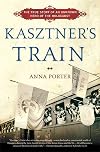
Reading this book was painful; my soul was torn into bits. I could read only small portions at a time to allow myself to process the nightmare that was Hungary in WWII.
While providing a detailed description of the plight of Hungary's Jews against the backdrop of history, Porter highlights rescue efforts throughout the world, specifically those of Rezso Kasztner, Joel and Hansi Brand, Otto Komoly and others. Rezso, a Jewish lawyer from Transylvania, was confident and bright. Living in show more Budapest, he worked with local and International rescue groups hoping to save many thousands of Jews but as the situation worsened every day, he was forced to modify his goals which would only occur if aggressive measures were taken. It was suggested he attempt negotiating directly with the Nazis through bribery, and that is what he did. He became very good at acting fearless when meeting with Eichmann, and Kurt Becher, pretending he had authority and backing from World Jewry. While he managed to get 2 trains with Jews out of harm's way, and into Switzerland, and to slow the deportations of thousands of other Jews by paying bribes, promising to obtain hard-to-get items, and maintaining a tough exterior, he couldn't save everyone.
We know now, of course, that it was the Nazis, and local anti-semitic greed, violence, lack of humanity and propaganda that were responsible for the murder of millions of Jews. Bureaucrats like Moshe Krausz caught up in their own delusional I-am-a-very-important-cog-in-this-process lost precious time and may have cost lives while differences in philosophy or politics gave some groups and individuals a rationale for not doing more. Many Jews in their naivete or terror could not accept or handle the truth of the deportations and large-scale exterminations even after learning of the Auschwitz Protocols. It is easy to say if they knew they could have done more. What could a peaceful people without weapons, training, or military experience have done?
Years later in Israel Kasztner was accused of being a Nazi collaborator by various groups of people: relatives of victims who felt he could have saved more people, but chose not to; some of the bureacrats in the rescue organizations who were jealous of him, and felt Kasztner was too arrogant, and a number of Israeli Sabras, politically motivated, who were outraged that anyone could consider negotiating with Nazis at all. These Sabras who did not live in Hungary when insanity ruled, judged their fellow Jews who suffered inhuman treatment and death, because, they, the Israeli-born were ASHAMED of the Jews who had lived in Europe and allowed themselves to be victimized, deported and killed! I had never known this before reading this book, and was stunned at their arrogance and insensitvity. It is one of the saddest take-aways from my reading. Kasztner, shockingly and inappropriately, becomes their scape-goat.
The trial does not go well. Witnesses for Kasztner weren't permitted to testify, others whose lives he saved, were too embarrassed to admit they needed saving, they refused to testify. Kasztner doesn't communicate clearly during the trial, and most of the press write critical, sensationaliistic articles about Kasztner, the trial and what he had actually done in Hungary. He loses the case, and soon he and his family are verbally attacked. He decides to appeal but it is too late.
Through extensive research, and many, many interviews, Anna Porter clearly shows us why Kasztner is a hero. He was guilty of being arrogant but that was exactly what was needed at that time to save lives.
I recommend this book but prepare yourself emotionally. show less
While providing a detailed description of the plight of Hungary's Jews against the backdrop of history, Porter highlights rescue efforts throughout the world, specifically those of Rezso Kasztner, Joel and Hansi Brand, Otto Komoly and others. Rezso, a Jewish lawyer from Transylvania, was confident and bright. Living in show more Budapest, he worked with local and International rescue groups hoping to save many thousands of Jews but as the situation worsened every day, he was forced to modify his goals which would only occur if aggressive measures were taken. It was suggested he attempt negotiating directly with the Nazis through bribery, and that is what he did. He became very good at acting fearless when meeting with Eichmann, and Kurt Becher, pretending he had authority and backing from World Jewry. While he managed to get 2 trains with Jews out of harm's way, and into Switzerland, and to slow the deportations of thousands of other Jews by paying bribes, promising to obtain hard-to-get items, and maintaining a tough exterior, he couldn't save everyone.
We know now, of course, that it was the Nazis, and local anti-semitic greed, violence, lack of humanity and propaganda that were responsible for the murder of millions of Jews. Bureaucrats like Moshe Krausz caught up in their own delusional I-am-a-very-important-cog-in-this-process lost precious time and may have cost lives while differences in philosophy or politics gave some groups and individuals a rationale for not doing more. Many Jews in their naivete or terror could not accept or handle the truth of the deportations and large-scale exterminations even after learning of the Auschwitz Protocols. It is easy to say if they knew they could have done more. What could a peaceful people without weapons, training, or military experience have done?
Years later in Israel Kasztner was accused of being a Nazi collaborator by various groups of people: relatives of victims who felt he could have saved more people, but chose not to; some of the bureacrats in the rescue organizations who were jealous of him, and felt Kasztner was too arrogant, and a number of Israeli Sabras, politically motivated, who were outraged that anyone could consider negotiating with Nazis at all. These Sabras who did not live in Hungary when insanity ruled, judged their fellow Jews who suffered inhuman treatment and death, because, they, the Israeli-born were ASHAMED of the Jews who had lived in Europe and allowed themselves to be victimized, deported and killed! I had never known this before reading this book, and was stunned at their arrogance and insensitvity. It is one of the saddest take-aways from my reading. Kasztner, shockingly and inappropriately, becomes their scape-goat.
The trial does not go well. Witnesses for Kasztner weren't permitted to testify, others whose lives he saved, were too embarrassed to admit they needed saving, they refused to testify. Kasztner doesn't communicate clearly during the trial, and most of the press write critical, sensationaliistic articles about Kasztner, the trial and what he had actually done in Hungary. He loses the case, and soon he and his family are verbally attacked. He decides to appeal but it is too late.
Through extensive research, and many, many interviews, Anna Porter clearly shows us why Kasztner is a hero. He was guilty of being arrogant but that was exactly what was needed at that time to save lives.
I recommend this book but prepare yourself emotionally. show less
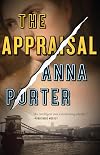
Premise & setting were both unique compared to what I normally read, which I appreciated. Story itself was intriguing & made me want to continue reading more. However, the writing style & quantity of characters made the story difficult to follow at times. Ending also seemed a bit rushed. However, I enjoyed this book overall.

This a haunting psychological thriller that will scare the pants off you. Jude is an almost 40 year old woman who has never lived a full and pleasant life. She has far too many family buried secrets and unresolved family issues. She has made a name for herself as a popular YA novelist. She has been asked by her mother who has dementia, Work to go to their family summer cottage on Gull Island to find her missing father’s will. While there, in an alcoholic haze, Jude finds many family show more secrets and one huge secret about herself. Jude thinks she’s alone in the island, but is bothered by strange sounds, sights and visions. She finds much more than her missing disreputable father’s will, about her own history and handles it all in the best way she can. This is a different take on the unreliable narrator genre. A little predictable with the ending, but the book kept my interest throughout. show less
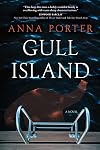
Gull Island is Anna Porter's new novel.
Jude's father has not been seen in almost a month. Him disappearing is not unusual, but Jude's mother wants her to look anyway. One of the last places left to look is Gull Island, a private island and home to the family cottages. It's early in the season still with snow still on the ground. She doesn't think he'll be there, but her mother has also asked her to look for some documents.
The lead characters is of course Jude. Everything we see and hear is show more from her view and perceptions. With every new picture she finds or a treasure found from her younger days, memories of her childhood are remembered and inspected.
Is what she remembers the truth? Has she covered up the ugliness and hidden it away all these years? As a reader, can I believe what she is saying and seeing? Why? Well, Jude is a (very) unreliable narrator, for a number of reasons. She's a raging alcoholic for one. But what about the noises she's hearing? This uncertainty kept me turning pages to the final chapter. I had to know what the truth was. Porter teases the reader, dropping foreshadowing many times and alluding to what happened in the past.
"My dreams were leeching into my consciousness, making it hard to know what was real. That's all. I had to focus."
Porter has given us a detailed setting for the novel. I was able to easily build the island in my mind.
Gull Island is a slow burning read, one that takes the reader through a disturbing exploration of a dysfunctional family show less
Jude's father has not been seen in almost a month. Him disappearing is not unusual, but Jude's mother wants her to look anyway. One of the last places left to look is Gull Island, a private island and home to the family cottages. It's early in the season still with snow still on the ground. She doesn't think he'll be there, but her mother has also asked her to look for some documents.
The lead characters is of course Jude. Everything we see and hear is show more from her view and perceptions. With every new picture she finds or a treasure found from her younger days, memories of her childhood are remembered and inspected.
Is what she remembers the truth? Has she covered up the ugliness and hidden it away all these years? As a reader, can I believe what she is saying and seeing? Why? Well, Jude is a (very) unreliable narrator, for a number of reasons. She's a raging alcoholic for one. But what about the noises she's hearing? This uncertainty kept me turning pages to the final chapter. I had to know what the truth was. Porter teases the reader, dropping foreshadowing many times and alluding to what happened in the past.
"My dreams were leeching into my consciousness, making it hard to know what was real. That's all. I had to focus."
Porter has given us a detailed setting for the novel. I was able to easily build the island in my mind.
Gull Island is a slow burning read, one that takes the reader through a disturbing exploration of a dysfunctional family show less
Awards


You May Also Like


Associated Authors
Statistics
- Works
- 44
- Members
- 551
- Popularity
- #45,289
- Rating
- 3.4
- Reviews
- 12
- ISBNs
- 116
- Languages
- 7
