
J. C. Nelson
Author of Free Agent
Series
Works by J. C. Nelson
Tagged
Common Knowledge
- Gender
- male
Members
Reviews
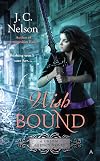
Marissa, through various adventures, has found herself in the awkward position of being the handmaiden of the Black Queen, one of the most powerful and dangerous beings in history. Even as someone who started (and stopped) the apocalypse, that’s a tall order to stop.
She has enough to deal with what with cursed birthday parties, lethal cursed cheeses and a whole postgnome cult. She doesn’t need evil Black Queens – or evil dead enemies being pulled out the very vault of hell.
Marissa show more faces the hardest test of all – does she let her friends save her even if it may be at great cost to themselves? Can she live with being saved.
This is a major turning point book – one so full of answers and revelations that it has changed the course of the entire series. In fact, it’s so dramatically ended, so dramatically changed course that I don’t even know if the book series is going to continue after this – because this feels like an ending and a dramatic conclusion of everything that the book has been leading towards.
We have all the answers of Marissa’s heritage. We have all the answers of Marissa’s origin but also her relationship towards Grimm which has always been complicated and far more than an employee or even a mentor. It, coupled with his relationship with the Black Queen, brings it all together with wonderful complexity and makes it all emotionally involved and twisty and fun.
The story itself is epic – literally world controlling with lots of amazing twists. So very very twisty – as Marissa fights the delicate balance of being a Handmaiden of the Dark queen and also trying to oppose her. There’s a lot of battling the different kinds of magic and finding all the nifty little loop holes to get around things. It’s a very delicate balance and I really liked it. I know I’ve used the word a lot – but there’s a lot of complexity and a lot of different angles.
The tone of the book strikes a very careful balance – and a very well done one. On the one hand it’s a dark world. After all this is a world with the end of the world at risk, there’s a terrifying appalling war coming and the grimness of that is clear. We have the abominations of flesh, the desperate fight to survive and, of course, a desperate loss for Marissa as well as the traumatic feel of the lost she suffers in the battle and the life changing revelation of what she is. Her friends make extreme sacrifices on her behalf
Then there’s the army of demonic poodles and gnomes. There’s a vicious, terrifying lethal werewolf cheese. There’s a princess who cannot cannot drive to an almost magical degree because there has to be balance – and that driving can be weaponised. There’s a lot of really joyful little one liners – little asides like “angels were the only creature I could imagine being dumb enough to mount an attack on hell itself.” Or Marissa’s terribly cursed parties. Or the absolutely classic and amazing take of the Sleeping Beauty story. Or the hilarious singing followers in the High Kingsom. They’re just all so very excellent and made me laugh out loud repeatedly.
And it works. It’s funny and hilarious and grim and dark. Under it all is still a very real, very powerful world – with the seal bearing royal houses and the dark queen actually having a plan and strategy to take over that is well thought out and actually real. It doesn’t let the occasional silliness mean that there’s no need for a well developed and meaningful world building as well.
I can’t stress enough how all these elements work because… well, they shouldn’t. It shouldn’t be funny and grim and dark and silly and so often epic. Extremely epic – the massive confrontations over and over again are really well done even when poodles are involved. All these things at once shouldn’t work – but they do.
It has some really good characters and quirks as well – Ari, and Marissa, even Rosa and Liam. Marissa and Liam’s relationship is excellent – I really love what happened when Marissa stumbles into a beauty spell and they then clumsily try to have sex when her body is so very different – it’s laughably awful and it works so well to make it clear that beauty is far from everything, especially when it is a lie. I just love that whole storyline, the beauty curse the wrongness of it, how it is a lie, is one of the best storylines I’ve seen for a while.
Read More show less
She has enough to deal with what with cursed birthday parties, lethal cursed cheeses and a whole postgnome cult. She doesn’t need evil Black Queens – or evil dead enemies being pulled out the very vault of hell.
Marissa show more faces the hardest test of all – does she let her friends save her even if it may be at great cost to themselves? Can she live with being saved.
This is a major turning point book – one so full of answers and revelations that it has changed the course of the entire series. In fact, it’s so dramatically ended, so dramatically changed course that I don’t even know if the book series is going to continue after this – because this feels like an ending and a dramatic conclusion of everything that the book has been leading towards.
We have all the answers of Marissa’s heritage. We have all the answers of Marissa’s origin but also her relationship towards Grimm which has always been complicated and far more than an employee or even a mentor. It, coupled with his relationship with the Black Queen, brings it all together with wonderful complexity and makes it all emotionally involved and twisty and fun.
The story itself is epic – literally world controlling with lots of amazing twists. So very very twisty – as Marissa fights the delicate balance of being a Handmaiden of the Dark queen and also trying to oppose her. There’s a lot of battling the different kinds of magic and finding all the nifty little loop holes to get around things. It’s a very delicate balance and I really liked it. I know I’ve used the word a lot – but there’s a lot of complexity and a lot of different angles.
The tone of the book strikes a very careful balance – and a very well done one. On the one hand it’s a dark world. After all this is a world with the end of the world at risk, there’s a terrifying appalling war coming and the grimness of that is clear. We have the abominations of flesh, the desperate fight to survive and, of course, a desperate loss for Marissa as well as the traumatic feel of the lost she suffers in the battle and the life changing revelation of what she is. Her friends make extreme sacrifices on her behalf
Then there’s the army of demonic poodles and gnomes. There’s a vicious, terrifying lethal werewolf cheese. There’s a princess who cannot cannot drive to an almost magical degree because there has to be balance – and that driving can be weaponised. There’s a lot of really joyful little one liners – little asides like “angels were the only creature I could imagine being dumb enough to mount an attack on hell itself.” Or Marissa’s terribly cursed parties. Or the absolutely classic and amazing take of the Sleeping Beauty story. Or the hilarious singing followers in the High Kingsom. They’re just all so very excellent and made me laugh out loud repeatedly.
And it works. It’s funny and hilarious and grim and dark. Under it all is still a very real, very powerful world – with the seal bearing royal houses and the dark queen actually having a plan and strategy to take over that is well thought out and actually real. It doesn’t let the occasional silliness mean that there’s no need for a well developed and meaningful world building as well.
I can’t stress enough how all these elements work because… well, they shouldn’t. It shouldn’t be funny and grim and dark and silly and so often epic. Extremely epic – the massive confrontations over and over again are really well done even when poodles are involved. All these things at once shouldn’t work – but they do.
It has some really good characters and quirks as well – Ari, and Marissa, even Rosa and Liam. Marissa and Liam’s relationship is excellent – I really love what happened when Marissa stumbles into a beauty spell and they then clumsily try to have sex when her body is so very different – it’s laughably awful and it works so well to make it clear that beauty is far from everything, especially when it is a lie. I just love that whole storyline, the beauty curse the wrongness of it, how it is a lie, is one of the best storylines I’ve seen for a while.
Read More show less
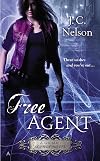
Marissa works for Grimm who runs the Agency. He’s a fairy and he grants wishes – your happily ever after can be yours!
For a price – a price paid in hard earned Glitter, the essence of magic. It’s the high cost of glitter and the desperate need for a wish that led Marissa’s parents to sell her to Grimm in the first place. Now she works saving kids from wolves, ensuring princesses and princes fall in love (dumping the princes and letting the princess pick up the pieces is show more surprisingly effective) and generally counting the glitter until she earns her freedom.
But her latest routine job, matchmaking a prince and princess, goes terribly wrong – and it just escalates from there. A prince has gone missing, the fae are set to invade the Kingdom and Marissa has caught the attention of a fae queen and the big bad from every fairy tale ever. And there’s a new fairy godmother in town, maliciously granting Marissa’s heart’s desire and Grimm doesn’t appreciate people muscling in on his turf.
In the past I have seen books with gritty fairy tales and, I have to say, they haven’t really worked. The silly tone and the dark tone together just haven’t really worked, it’s been a strain and it’s been a stretch and the conflicting elements didn’t work well together
This one worked
It worked because it didn’t try to push an idea of the silly, lightness that fairy tale depictions often try for. This may be silly at times, but it’s not light and it keeps the grim going. This has a woman running off with Glass Slippers that try to possess her. This is a world where Red Riding Hood is so named because she dipped her cloak in the blood of the wolves she slaughtered. This is a world where mirror-living fairy godparents are vastly powerful beings that hand out magical wishes at exorbitant fees (paid for in the ever precious “Glitter”) and that includes parents selling children into indentured servitude to pay for desperate wishes.
This is a world where the high magic and wonder of fairy tales is included but without any jarring elements. The Disney is pushed back, the contrasts used for jarring contrast and amusement more than jolly little giggles. The whole theme and tone works, it really works with none of the ill-fitting elements I’m used to. When there’s comic relief it’s more because of things added like the Gnomish postal service hating Marissa because she ran one of them over. It doesn’t rely on fairy tales made dark to make us laugh. It has fairy tales and it has humour but it isn’t FLUFFY
The world always keeps that magical fairy tale touch and the re-imagining really works; we have royal houses with Princes and Princesses with all the fairy tale elements in the Kingdom – which is a wonderful mash up of castles, swords and sorcery and skyscrapers and CEOs. It has some delightful moments like a princess converting a hellhound (because princesses and animals!) and some deep edgy moments like the origin of witches.
Which brings us to our protagonist, Marissa – and excellent mix of hope, cynicism, youth, experience, confidence and doubt. She’s the indentured servant to Grimm, a fairy (and therefore ultimate power) because her parents sold her. She has a lot of desperate hope for the future and because of that she isn’t really living her life – but nor does she have any solid plans for her future either beyond some nebulous hope. She matures a lot over the process of the book, realising she’s not as good as she thinks she is in some cases while also discovering new confidence in other. She also takes direction in her life – as an indentured servant, an effective slave, she’s had very little in the way of choice about which way her life goes or what she does and she finds her agency, her choices and her power over the course of this book. And all of that while being the mundane person in a sea of people with woo-woo.
Read More show less
For a price – a price paid in hard earned Glitter, the essence of magic. It’s the high cost of glitter and the desperate need for a wish that led Marissa’s parents to sell her to Grimm in the first place. Now she works saving kids from wolves, ensuring princesses and princes fall in love (dumping the princes and letting the princess pick up the pieces is show more surprisingly effective) and generally counting the glitter until she earns her freedom.
But her latest routine job, matchmaking a prince and princess, goes terribly wrong – and it just escalates from there. A prince has gone missing, the fae are set to invade the Kingdom and Marissa has caught the attention of a fae queen and the big bad from every fairy tale ever. And there’s a new fairy godmother in town, maliciously granting Marissa’s heart’s desire and Grimm doesn’t appreciate people muscling in on his turf.
In the past I have seen books with gritty fairy tales and, I have to say, they haven’t really worked. The silly tone and the dark tone together just haven’t really worked, it’s been a strain and it’s been a stretch and the conflicting elements didn’t work well together
This one worked
It worked because it didn’t try to push an idea of the silly, lightness that fairy tale depictions often try for. This may be silly at times, but it’s not light and it keeps the grim going. This has a woman running off with Glass Slippers that try to possess her. This is a world where Red Riding Hood is so named because she dipped her cloak in the blood of the wolves she slaughtered. This is a world where mirror-living fairy godparents are vastly powerful beings that hand out magical wishes at exorbitant fees (paid for in the ever precious “Glitter”) and that includes parents selling children into indentured servitude to pay for desperate wishes.
This is a world where the high magic and wonder of fairy tales is included but without any jarring elements. The Disney is pushed back, the contrasts used for jarring contrast and amusement more than jolly little giggles. The whole theme and tone works, it really works with none of the ill-fitting elements I’m used to. When there’s comic relief it’s more because of things added like the Gnomish postal service hating Marissa because she ran one of them over. It doesn’t rely on fairy tales made dark to make us laugh. It has fairy tales and it has humour but it isn’t FLUFFY
The world always keeps that magical fairy tale touch and the re-imagining really works; we have royal houses with Princes and Princesses with all the fairy tale elements in the Kingdom – which is a wonderful mash up of castles, swords and sorcery and skyscrapers and CEOs. It has some delightful moments like a princess converting a hellhound (because princesses and animals!) and some deep edgy moments like the origin of witches.
Which brings us to our protagonist, Marissa – and excellent mix of hope, cynicism, youth, experience, confidence and doubt. She’s the indentured servant to Grimm, a fairy (and therefore ultimate power) because her parents sold her. She has a lot of desperate hope for the future and because of that she isn’t really living her life – but nor does she have any solid plans for her future either beyond some nebulous hope. She matures a lot over the process of the book, realising she’s not as good as she thinks she is in some cases while also discovering new confidence in other. She also takes direction in her life – as an indentured servant, an effective slave, she’s had very little in the way of choice about which way her life goes or what she does and she finds her agency, her choices and her power over the course of this book. And all of that while being the mundane person in a sea of people with woo-woo.
Read More show less
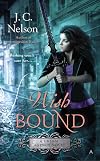
Amazing!!! A series that ends at three!!!
My only quibble is...they really brought out the big guns. Death, War, Pestilence, and Famine were in the last book for good reason: they were the warm-up act. The archangel Michelle (Michael was a misprint), the Adversary, and then the supreme being all make appearances.
This whole series has been well crafted. Lunacy and hi jinks combined with danger and death. Everybody from the earlier books gets a moment or mention. Most long standing questions show more are answered.
And warrior gnomes ride attack poodles into battle against Giants.
For that alone, I will pre-order the next book J C Nelson writes.
This is the third book. Read them in order, otherwise you will be playing catch-up. show less
My only quibble is...they really brought out the big guns. Death, War, Pestilence, and Famine were in the last book for good reason: they were the warm-up act. The archangel Michelle (Michael was a misprint), the Adversary, and then the supreme being all make appearances.
This whole series has been well crafted. Lunacy and hi jinks combined with danger and death. Everybody from the earlier books gets a moment or mention. Most long standing questions show more are answered.
And warrior gnomes ride attack poodles into battle against Giants.
For that alone, I will pre-order the next book J C Nelson writes.
This is the third book. Read them in order, otherwise you will be playing catch-up. show less
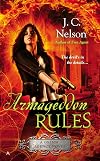
Marissa has a new wonderful life. She’s Grimm’s partner, fully involved in running the agency with all its wonders and petty annoyances. Her best friend Arianna has put her princess past behind her and is settling in as an agent. And her boyfriend Liam is still with her and it’s wonderful –barring some singeing from the half-dragon
But she made enemies – and those enemies have a lot of resources and a lot of patience. When they come for her Marissa finds herself alone, her friends show more endangered, absent or depowered and her juggling saving them and keeping the agency going
Also, she kind of started the apocalypse…
This book is exponentially more silly than the first one. And it works
It works in a way it wouldn’t with the first book because Marissa is now Grimm’s partner, not his indentured servant. By putting her in charge, by making her an equal, the book has more scope to be fun and silly than dark and gritty and angsty. There were certainly elements of the silly in the first book, but the darker undertones pulled us away from it and stopped it going too far
The darkness has been dispersed, Marissa has moved on from her previous wishes, her laments of the life she is forced into and her general moping. She now has a career she’s embraced, power and agency, a man she loves and some very good friends. She even has a new intern to shoot. She’s happy. She’s in a good place and it really changes the entire tone of the series
So we have gnomish monster-truck death cults! We have infernal energy manifesting as plagues of murderous poodles! We have princesses blessed with so many positive attributes so there has to be balance – and they cannot drive. We have a love sick wraith of pure hatred dancing attendance on Arianna. We have a prince and true love’s kiss bearer with a phobia of physical contact. We have a zany apocalypse complete with plagues of encyclopaedia salesmen, we have the need to kill golden-egg-laying geese before they destroy the market and a weekly gig of turning frogs back into princes (finding which are which because princes are far lazier and more entitled than frogs) and dwarves digging up balrogs (“nothing says ‘you shall not pass’ like a howitzer.”)
It’s fun, it’s hilarious and it works. Sometimes you just need a book that’s fun.
We have Marissa being awesome and competent and long suffering and holding everything together as the new co-head of the agency. Liam, her new dragon boyfriend, has been shipped out of the book for most of it which is good – because we can focus on Marissa and Arianna. Arianna may be my favourite character - she has grown leaps and bounds, she’s a powerful magical princess, has a great big gun and really really hates the fact she’s a princess despite the magical bonuses she gets. While both she and Marissa are contemptuous of normal princess behaviour (“flail helplessly and wait for a man”) it’s also wonderfully clear that Queens and princesses are the real powers in this world. Marissa’s contempt for princesses isn’t carried over into reality and we see Marissa’s envy shining through.
If it can be said to be anyone’s book than Marissa’s, it’s Arianna’s as well
Now the problem. This book suffers from a lack of focus and a huge twist in the storyline half way through which I felt was jarring and resulted in neither storyline being developed as much as it could be
For the first half of the book the focus is on Queen Mihail and her desire for vengeance on Marissa and all her friends and contacts after the events of book one. This is a fun, dramatic storyline because Marissa did promise vengeance, is an extremely powerful being and has the resources to make it stick. We see Marissa reeling from multiple attacks but also having to handle more and more things on her own as her support network grumbles. It was an excellent chance for Marissa to shine without Grimm’s power and knowledge and even without Arianna’s magic or Liam’s new dragon nature. It allowed Marissa to remind us of her competence (even if there are meta-plot hints of her being manipulated) and her capabilities despite being the only non-magical human in the cast. She’s still powerful, she still leads the story, she’s still pretty awesome and this bit of the book shows her off and the world to an excellent degree
Then half way through Marissa accidentally becomes the harbinger of the apocalypse (which could be a fun little mistake to make, but the whole rules around it and how she is duped are implausible to say the least – yes I know it’s a book all about the implausible but this pushes it further than I can run with). Now we have another major storyline and it all kind of mooshes together clumsily. Despite putting all this effort into squishing Marissa, Queen Mihail seems to take a break while Marissa runs around trying to save her friends from their various predicaments. The brewing apocalypse requires nothing more than a few, brief, delaying moves from Marissa which are definitely funny (she has to provide mounts for the 4 horsemen. But her contract doesn’t specify what constitutes a mount) but it generally feels like Marissa is just putting off the apocalypse. An apocalypse, I feel, generally demands more of one’s attention.
Read More show less
But she made enemies – and those enemies have a lot of resources and a lot of patience. When they come for her Marissa finds herself alone, her friends show more endangered, absent or depowered and her juggling saving them and keeping the agency going
Also, she kind of started the apocalypse…
This book is exponentially more silly than the first one. And it works
It works in a way it wouldn’t with the first book because Marissa is now Grimm’s partner, not his indentured servant. By putting her in charge, by making her an equal, the book has more scope to be fun and silly than dark and gritty and angsty. There were certainly elements of the silly in the first book, but the darker undertones pulled us away from it and stopped it going too far
The darkness has been dispersed, Marissa has moved on from her previous wishes, her laments of the life she is forced into and her general moping. She now has a career she’s embraced, power and agency, a man she loves and some very good friends. She even has a new intern to shoot. She’s happy. She’s in a good place and it really changes the entire tone of the series
So we have gnomish monster-truck death cults! We have infernal energy manifesting as plagues of murderous poodles! We have princesses blessed with so many positive attributes so there has to be balance – and they cannot drive. We have a love sick wraith of pure hatred dancing attendance on Arianna. We have a prince and true love’s kiss bearer with a phobia of physical contact. We have a zany apocalypse complete with plagues of encyclopaedia salesmen, we have the need to kill golden-egg-laying geese before they destroy the market and a weekly gig of turning frogs back into princes (finding which are which because princes are far lazier and more entitled than frogs) and dwarves digging up balrogs (“nothing says ‘you shall not pass’ like a howitzer.”)
It’s fun, it’s hilarious and it works. Sometimes you just need a book that’s fun.
We have Marissa being awesome and competent and long suffering and holding everything together as the new co-head of the agency. Liam, her new dragon boyfriend, has been shipped out of the book for most of it which is good – because we can focus on Marissa and Arianna. Arianna may be my favourite character - she has grown leaps and bounds, she’s a powerful magical princess, has a great big gun and really really hates the fact she’s a princess despite the magical bonuses she gets. While both she and Marissa are contemptuous of normal princess behaviour (“flail helplessly and wait for a man”) it’s also wonderfully clear that Queens and princesses are the real powers in this world. Marissa’s contempt for princesses isn’t carried over into reality and we see Marissa’s envy shining through.
If it can be said to be anyone’s book than Marissa’s, it’s Arianna’s as well
Now the problem. This book suffers from a lack of focus and a huge twist in the storyline half way through which I felt was jarring and resulted in neither storyline being developed as much as it could be
For the first half of the book the focus is on Queen Mihail and her desire for vengeance on Marissa and all her friends and contacts after the events of book one. This is a fun, dramatic storyline because Marissa did promise vengeance, is an extremely powerful being and has the resources to make it stick. We see Marissa reeling from multiple attacks but also having to handle more and more things on her own as her support network grumbles. It was an excellent chance for Marissa to shine without Grimm’s power and knowledge and even without Arianna’s magic or Liam’s new dragon nature. It allowed Marissa to remind us of her competence (even if there are meta-plot hints of her being manipulated) and her capabilities despite being the only non-magical human in the cast. She’s still powerful, she still leads the story, she’s still pretty awesome and this bit of the book shows her off and the world to an excellent degree
Then half way through Marissa accidentally becomes the harbinger of the apocalypse (which could be a fun little mistake to make, but the whole rules around it and how she is duped are implausible to say the least – yes I know it’s a book all about the implausible but this pushes it further than I can run with). Now we have another major storyline and it all kind of mooshes together clumsily. Despite putting all this effort into squishing Marissa, Queen Mihail seems to take a break while Marissa runs around trying to save her friends from their various predicaments. The brewing apocalypse requires nothing more than a few, brief, delaying moves from Marissa which are definitely funny (she has to provide mounts for the 4 horsemen. But her contract doesn’t specify what constitutes a mount) but it generally feels like Marissa is just putting off the apocalypse. An apocalypse, I feel, generally demands more of one’s attention.
Read More show less
Lists
You May Also Like


Statistics
- Works
- 12
- Members
- 325
- Popularity
- #72,883
- Rating
- 3.8
- Reviews
- 26
- ISBNs
- 17