
This review is for the ARC version of this title provided to me as an ebook by the publisher and LibraryThing for the LT Early Reviewer's program. Thank you to both for the opportunity to read this title early; all opinions are my own.
First off, I want to preface that I really, really wanted to like this book. The concept was promising; stories about love and life, falling in and out of love, love through loss and death, and love in forms outside of romance. The premise was so very strong, but fell so very flat for me. The writing style also often felt like it didn't know if it wanted to be prose or poetry or a narrative. This was probably my biggest issue, paired with the fact that the plots had so little context they were nearly impossible to hold onto with how short they were. I found myself struggling to recognize the connections through the anthology that were there because it was so simple to forget who was a character previously introduced and who was new, since there was so little time to get to learn the characters. I understand this is hard with short stories/anthologies, but even still, it felt that the authors clearly know far more context and worldbuilding than we do in a way that hurts the reader's ability to connect the pieces and/or follow a story or stories, rather than in the usual sense of worldbuilding and writing. I say all this as a lover and writer of prose and poetry and short stories.
Most stories felt very similar and hard to follow. Unfortunately show more I have no clue if it lies in the editing or the writing itself, and since the co-author Renley Nicolas Chu had passed away, I'm not sure how it would best be fixed or addressed.
The connecting tales in Reveria were rough, outside of the stories near the end with Mira and Lethe. I could have read a whole novel about them. This is where the anthology really shone, in my opinion, outside of a few of the short stories at the end. The only stories I enjoyed enough to note here including the ones with Mira and Lethe were Unraveled Strings, Her Name is Beloved, Stardust in Your Veins, The World Dies First, The Ones Left Behind, and Equinox.
My biggest hurdle was how unsettled I was reading the introductory text when I remembered that the authors were an adopted parent-child duo and not romantic partners. I can gather from what was written that both went through a lot of trauma and likely bonded from it, and I know that familial or even platonic love can be described in grand ways but often isn't, but this did not feel like one of those moments. I'm a writer who loves grand and flowery prose myself, especially for writing emotions, but I think the introduction/foreword about how this anthology and the author duo came to be should be toned down or reworded to make it clearer about their familial relationship.
I'm well aware of ARCs being uncorrected proofs as someone who has read and owns many, but this had some very bizarre formatting and editing issues even as an ARC. What I felt were unnecessary paragraph separations, an inconsistent use of commas/em-dashes/semicolons, etc. There was also a whole chapter in the ebook that was just a blank page with "Memory and Shadow" as a header in the ebook's chapter header (but not on the page itself).
I honestly think this is the kind of book that is better as a gift between authors or transformed into a proper novel with the help of a seasoned editor instead of its current form. I don't say this lightly knowing what it was borne out of. show less
First off, I want to preface that I really, really wanted to like this book. The concept was promising; stories about love and life, falling in and out of love, love through loss and death, and love in forms outside of romance. The premise was so very strong, but fell so very flat for me. The writing style also often felt like it didn't know if it wanted to be prose or poetry or a narrative. This was probably my biggest issue, paired with the fact that the plots had so little context they were nearly impossible to hold onto with how short they were. I found myself struggling to recognize the connections through the anthology that were there because it was so simple to forget who was a character previously introduced and who was new, since there was so little time to get to learn the characters. I understand this is hard with short stories/anthologies, but even still, it felt that the authors clearly know far more context and worldbuilding than we do in a way that hurts the reader's ability to connect the pieces and/or follow a story or stories, rather than in the usual sense of worldbuilding and writing. I say all this as a lover and writer of prose and poetry and short stories.
Most stories felt very similar and hard to follow. Unfortunately show more I have no clue if it lies in the editing or the writing itself, and since the co-author Renley Nicolas Chu had passed away, I'm not sure how it would best be fixed or addressed.
The connecting tales in Reveria were rough, outside of the stories near the end with Mira and Lethe. I could have read a whole novel about them. This is where the anthology really shone, in my opinion, outside of a few of the short stories at the end. The only stories I enjoyed enough to note here including the ones with Mira and Lethe were Unraveled Strings, Her Name is Beloved, Stardust in Your Veins, The World Dies First, The Ones Left Behind, and Equinox.
My biggest hurdle was how unsettled I was reading the introductory text when I remembered that the authors were an adopted parent-child duo and not romantic partners. I can gather from what was written that both went through a lot of trauma and likely bonded from it, and I know that familial or even platonic love can be described in grand ways but often isn't, but this did not feel like one of those moments. I'm a writer who loves grand and flowery prose myself, especially for writing emotions, but I think the introduction/foreword about how this anthology and the author duo came to be should be toned down or reworded to make it clearer about their familial relationship.
I'm well aware of ARCs being uncorrected proofs as someone who has read and owns many, but this had some very bizarre formatting and editing issues even as an ARC. What I felt were unnecessary paragraph separations, an inconsistent use of commas/em-dashes/semicolons, etc. There was also a whole chapter in the ebook that was just a blank page with "Memory and Shadow" as a header in the ebook's chapter header (but not on the page itself).
I honestly think this is the kind of book that is better as a gift between authors or transformed into a proper novel with the help of a seasoned editor instead of its current form. I don't say this lightly knowing what it was borne out of. show less
 This review was written for LibraryThing Early Reviewers.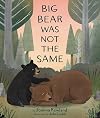
Big Bear Was Not the Same is an accessible and (in my opinion) accurate read about what happens when a great big scary Big Bear survives a devastating forest fire. While the story itself never mentions the words trauma or PTSD, the author's note in the back mentions both. Even without labeling Big Bear's experience or giving a diagnosis, readers can still easily understand the feelings and confusion for all parties that come with trauma and/or PTSD.
As someone who has dealt with a very traumatic string of health events that have led professionals to wonder if I have some sort of PTSD, I can pretty confidently say that this is very accurate to what my trauma looks like. I felt so seen in this book which is why I love picture books for all ages. Particularly the part where Big Bear is said to have good days for quite a while before something as simple as a smell can bring him back to the fire hit very close to home for me. As of writing this, it's been 11 years since my traumatic health events, but I still find myself upset and frustrated when a single trigger brings me back to that dark point in life. Reading this book reminded me (and will certainly teach/remind others) that healing is not linear, and that trauma does not let go easily.
However, with the help of close friends and loved ones like Little Bear, us Big Bears of the world can grow and heal and know that we are not alone, and we are not broken. This book would be a fantastic read for children who either have show more trauma or have loved ones with trauma, and has great info in the back to lead gentle discussion about it. show less
As someone who has dealt with a very traumatic string of health events that have led professionals to wonder if I have some sort of PTSD, I can pretty confidently say that this is very accurate to what my trauma looks like. I felt so seen in this book which is why I love picture books for all ages. Particularly the part where Big Bear is said to have good days for quite a while before something as simple as a smell can bring him back to the fire hit very close to home for me. As of writing this, it's been 11 years since my traumatic health events, but I still find myself upset and frustrated when a single trigger brings me back to that dark point in life. Reading this book reminded me (and will certainly teach/remind others) that healing is not linear, and that trauma does not let go easily.
However, with the help of close friends and loved ones like Little Bear, us Big Bears of the world can grow and heal and know that we are not alone, and we are not broken. This book would be a fantastic read for children who either have show more trauma or have loved ones with trauma, and has great info in the back to lead gentle discussion about it. show less
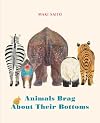
Easy and silly read about exactly what it says in the title. A nice book to bring up the topic about body positivity or start a conversation about it with kids, but certainly not a book that goes into much detail about the topic. Still, a great funny and lighthearted read that introduces young readers to the idea and to animals in a beautifully illustrated picture book!
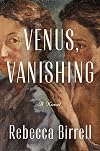
This review is for the ARC provided by the publisher Henry & Holt through LibraryThing's Early Reviewer program. Thank you to both for the opportunity to read this book early!
I'm a huge sucker for anything queer history and art, so I'm very grateful that I came across this book when I did. Venus, Vanishing by Rebecca Birrell is a fantastic and strong debut that, while dark, focuses more on Jewish and queer joy in spite of the rise of the Third Reich, rather than being yet another story focused completely on Jewish and queer suffering.
Hannah Sherman is a protagonist who embodies the risks we make and reckless abandon we have in our young adult years–but rather than groaning in frustration at her decisions, I found myself empathizing a lot with her choices while reading–something that takes a lot of skill in writing and character building to pull off. We could so clearly see into her inner thoughts and notice her infatuation and rose-tinted glasses that caused her to make the decisions we did. Later, we saw how her infatuation turned to desperation and survival instincts. Who amongst us hasn't made a dumb decision (or decisions) that way? The characters also have dialogue that seems very appropriate given the time period, which I very much enjoyed and that can easily take me out of a suspension of disbelief when reading historical fiction.
Birrell clearly writes with a knowledge and passion for art and history that beautifully weaves its way through her work, with show more references to various paintings throughout the novel. She provides information on said references and on the real-life historical inspirations for her characters at the end, which I had a great appreciation for and thought was a great way to honor the lives and contributions to art tragically and hatefully cut short by the Holocaust and events leading up to it. I only wish she would have included any sort of historical insight into the queer scene in Berlin around that time, especially considering many queer lives were also lost in the Holocaust.
My only gripes were a sudden increase in pace in Part 4 that settled back into a good pace in Part 5 (which in retrospect, may be to minimize the time spent focusing on suffering); and that despite the whole novel being in 3rd person, the end switched which characters we see the thoughts of after focusing only on Hannah previously in a way that was jarring to me. Perhaps there's a smoother way to write or format that?
Lastly, but certainly not least-ly, I absolutely loved the bisexual and polyamorous representation in this novel as a bi person in a relationship with someone who is polyam. The casualness in which this was written made me extremely happy and seen, especially given the time period.
Venus, Vanishing is definitely a worthy read to pick up, written with a great deal of care and respect, and Rebecca Birrell is definitely an author to keep an eye on.
I don't usually include quotes in my review, but this book had so many great ones–so some of my favorite passages are below in spoilers aside from one out of context that I felt really hit home in today's events in the US and with the rise of GenAI imagery.
Dearest Hannah,
You might be wondering about what you saw at the Resi last night. I was never sure how much about my own life to share with you. I am sorry for the shock it likely caused. Joe is a friend of mine and has been for some years. I cannot think of an elegant way to express the heart of the situation, which is that I love you both. I hope you can see why I did not share this with you. Some are intolerant of such feelings existing between men. My own colleagues, my family. Women I have grown close to. No doubt you have heard it described as a form of vice and criminality. As sexual degeneracy. [Here something had been written and crossed out forcefully.] All the recent furore around Paragraph 175. I confess that I thought the way you spoken of this–perhaps you remember our conversation, only a few weeks ago–was more than usually compassionate. Perhaps it was shame, above all, that prevented me from telling you. But I do not wish to make excuses. I have been dishonest, if only by omission. Would you come to my apartment tomorrow, so I might explain myself?
Saul (page 47)
His cologne was still on my skin when Charlotte undressed me in the apartment that night. I moved between their rooms as I did the different selves their love summoned. There was nothing unusual about living like this, split in two. I could see the beauty in the arrangement. My life was like a diptych, painted scenes intrinsically linked through wooden nodes and hinges but separated by their own frames. I often wondered whether the action of one side was supposed to be visible from the other, if the figures could see through the structures that enclosed them out onto these adjacent worlds. How much real space were we to assume existed between one panel and another? (page 68)
"Do you think you will marry that man? The one who came to the apartment. Charlotte says he's very sincere, whatever that means."
"I don't know," I say honestly. "If I could still see Charlotte, maybe."
"He doesn't mind about Charlotte?"
I shook my head.
"That's a funny arrangement," she replied naughtily.
"That's not how it feels. I like them both. And they like each other most of the time." (page 158)
"It's badly painted," I said weakly.
"Propaganda has different criteria, I suppose." (page 77) show less
I'm a huge sucker for anything queer history and art, so I'm very grateful that I came across this book when I did. Venus, Vanishing by Rebecca Birrell is a fantastic and strong debut that, while dark, focuses more on Jewish and queer joy in spite of the rise of the Third Reich, rather than being yet another story focused completely on Jewish and queer suffering.
Hannah Sherman is a protagonist who embodies the risks we make and reckless abandon we have in our young adult years–but rather than groaning in frustration at her decisions, I found myself empathizing a lot with her choices while reading–something that takes a lot of skill in writing and character building to pull off. We could so clearly see into her inner thoughts and notice her infatuation and rose-tinted glasses that caused her to make the decisions we did. Later, we saw how her infatuation turned to desperation and survival instincts. Who amongst us hasn't made a dumb decision (or decisions) that way? The characters also have dialogue that seems very appropriate given the time period, which I very much enjoyed and that can easily take me out of a suspension of disbelief when reading historical fiction.
Birrell clearly writes with a knowledge and passion for art and history that beautifully weaves its way through her work, with show more references to various paintings throughout the novel. She provides information on said references and on the real-life historical inspirations for her characters at the end, which I had a great appreciation for and thought was a great way to honor the lives and contributions to art tragically and hatefully cut short by the Holocaust and events leading up to it. I only wish she would have included any sort of historical insight into the queer scene in Berlin around that time, especially considering many queer lives were also lost in the Holocaust.
My only gripes were a sudden increase in pace in Part 4 that settled back into a good pace in Part 5 (which in retrospect, may be to minimize the time spent focusing on suffering); and that despite the whole novel being in 3rd person, the end switched which characters we see the thoughts of after focusing only on Hannah previously in a way that was jarring to me. Perhaps there's a smoother way to write or format that?
Lastly, but certainly not least-ly, I absolutely loved the bisexual and polyamorous representation in this novel as a bi person in a relationship with someone who is polyam. The casualness in which this was written made me extremely happy and seen, especially given the time period.
Venus, Vanishing is definitely a worthy read to pick up, written with a great deal of care and respect, and Rebecca Birrell is definitely an author to keep an eye on.
I don't usually include quotes in my review, but this book had so many great ones–so some of my favorite passages are below in spoilers aside from one out of context that I felt really hit home in today's events in the US and with the rise of GenAI imagery.
You might be wondering about what you saw at the Resi last night. I was never sure how much about my own life to share with you. I am sorry for the shock it likely caused. Joe is a friend of mine and has been for some years. I cannot think of an elegant way to express the heart of the situation, which is that I love you both. I hope you can see why I did not share this with you. Some are intolerant of such feelings existing between men. My own colleagues, my family. Women I have grown close to. No doubt you have heard it described as a form of vice and criminality. As sexual degeneracy. [Here something had been written and crossed out forcefully.] All the recent furore around Paragraph 175. I confess that I thought the way you spoken of this–perhaps you remember our conversation, only a few weeks ago–was more than usually compassionate. Perhaps it was shame, above all, that prevented me from telling you. But I do not wish to make excuses. I have been dishonest, if only by omission. Would you come to my apartment tomorrow, so I might explain myself?
Saul (page 47)
"I don't know," I say honestly. "If I could still see Charlotte, maybe."
"He doesn't mind about Charlotte?"
I shook my head.
"That's a funny arrangement," she replied naughtily.
"That's not how it feels. I like them both. And they like each other most of the time." (page 158)
"It's badly painted," I said weakly.
"Propaganda has different criteria, I suppose." (page 77) show less
This review was written for LibraryThing Early Reviewers.The Memoirs of Miss Chief Eagle Testickle: Vol. Two: A True and Exact Accounting of the History of Turtle Island by Kent Monkman

Volume 1 of this series was fun and playful, Volume 2 will break your heart and make your soul ache for the world we could have shared in harmony.
Highly informative of atrocities that colonizers committed aside from just residential "schools", this book truly changed my perspective on how deep racism and hatred runs and how far back it has actually been creating power imbalances and genocide all in the name of Christianity and White Supremacy. Obviously I knew it was bad, but I lacked the knowledge of how systemic it's been for centuries now.
I don't have anything else to comment on other than the fact it seemed a few words were missing translations, and that if anything, the dark subject material makes me realize that what the US is struggling through right now is nothing that Indigenous folks haven't already faced, and that it's only new to some of us who aren't oppressed due to our race. There will be damage and trauma, but we too can work together to heal from this and do better.
Highly informative of atrocities that colonizers committed aside from just residential "schools", this book truly changed my perspective on how deep racism and hatred runs and how far back it has actually been creating power imbalances and genocide all in the name of Christianity and White Supremacy. Obviously I knew it was bad, but I lacked the knowledge of how systemic it's been for centuries now.
I don't have anything else to comment on other than the fact it seemed a few words were missing translations, and that if anything, the dark subject material makes me realize that what the US is struggling through right now is nothing that Indigenous folks haven't already faced, and that it's only new to some of us who aren't oppressed due to our race. There will be damage and trauma, but we too can work together to heal from this and do better.
The Memoirs of Miss Chief Eagle Testickle: Vol. One : A True and Exact Accounting of the History of Turtle Island by Kent Monkman

Originally rated a 4.75 rounded down to 4.5 for LibraryThing
I could hardly put this book down! The first of two volumes in Monkman and Gordon's True History of Turtle Island series, I felt so strongly informed and amused and outraged and hopeful alongside Miss Chief every step of the way.
I think the world could heal a lot from literature from those who have been oppressed, especially Native and Indigenous literature. I felt even in just 250 pages (and the story itself is even less than that), Monkman, Gisele, and everyone who had a hand in making this book happen gave me so much knowledge of miskinâhk-oministik/Turtle Island. I highly suggest looking through all the glossary before reading (I made photocopies when flipping got tiring) as well as checking the supporting notes either alongside the story or after depending how you prefer to learn info. Skipping the notes at the end robs readers of so much extra context and history that was fascinating to learn.
I also think readers should note that most terms are translated on the page, but the book does expect you to memorize some of the basic or common terms in Plains Cree Y Dialect such as nêhiyaw/nêhiyawak (Cree people), miskinâhk-oministik (Turtle Island [the continent of North America]), askiy (earth, the world), etc. I was delighted looking through the glossary again how easy it seemed to pick up different word structures and grammar concepts and would love to learn more about the history and structure of the show more nêhiyawêwin/language of the Plains Cree people if they share with outsiders.
I only bumped off a half star rating because there were a few instances of tropes I can never get past easily;that of age gaps between a mortal/immortal or long-lived creature, between humans/animals even though the animals are sentient/consenting (or the human can shape-shift into said animal), and one painting with the word "rape" in the title in regards to the mortal/immortal age-gap. I don't think by any means Miss Chief or the others with her actually raped anyone, I imagine the title was a bit satirical as it was referencing Miss Chief and the others teaching a white young adult 18 year-old the joys of sex, but it still made me uncomfortable. There was also comments made by older women about wanting young "meat" that felt uncomfortable again with the age-gap implications, but outside of those instances I still absolutely loved this book and I can definitely understand a lot of cultures do this in various folklore.
Outside of that, Miss Chief was such a loveable character and I loved the way that Monkman's art and the Plains Cree language was blended into the story. Checking translations I'd forgotten took quite a bit of time which made the pace slower, but I think this is certainly a book to take your time with and absorb at a slow pace so that everything really sinks in and hits you hard. Be prepared for quite a bit of sexual content and a heaping dose of the best history lesson of Turtle Island you never knew you needed in this amazingly powerful, genre-bending series. I can't wait to start Vol. 2! show less
I could hardly put this book down! The first of two volumes in Monkman and Gordon's True History of Turtle Island series, I felt so strongly informed and amused and outraged and hopeful alongside Miss Chief every step of the way.
I think the world could heal a lot from literature from those who have been oppressed, especially Native and Indigenous literature. I felt even in just 250 pages (and the story itself is even less than that), Monkman, Gisele, and everyone who had a hand in making this book happen gave me so much knowledge of miskinâhk-oministik/Turtle Island. I highly suggest looking through all the glossary before reading (I made photocopies when flipping got tiring) as well as checking the supporting notes either alongside the story or after depending how you prefer to learn info. Skipping the notes at the end robs readers of so much extra context and history that was fascinating to learn.
I also think readers should note that most terms are translated on the page, but the book does expect you to memorize some of the basic or common terms in Plains Cree Y Dialect such as nêhiyaw/nêhiyawak (Cree people), miskinâhk-oministik (Turtle Island [the continent of North America]), askiy (earth, the world), etc. I was delighted looking through the glossary again how easy it seemed to pick up different word structures and grammar concepts and would love to learn more about the history and structure of the show more nêhiyawêwin/language of the Plains Cree people if they share with outsiders.
I only bumped off a half star rating because there were a few instances of tropes I can never get past easily;
Outside of that, Miss Chief was such a loveable character and I loved the way that Monkman's art and the Plains Cree language was blended into the story. Checking translations I'd forgotten took quite a bit of time which made the pace slower, but I think this is certainly a book to take your time with and absorb at a slow pace so that everything really sinks in and hits you hard. Be prepared for quite a bit of sexual content and a heaping dose of the best history lesson of Turtle Island you never knew you needed in this amazingly powerful, genre-bending series. I can't wait to start Vol. 2! show less

This screenplay book is the perfect companion to the movie. Even after watching the movie through twice, the screenplay still clicked together some puzzle pieces for me, and now I'm excited to watch through the film a 3rd time!
Only a 4 star instead of a 5 because the book's sale page was a bit misleading and implied a bit more new insight to the characters/world than we actually got. I would have loved some better behind-the-scenes into worldbuilding or secrets we might not learn otherwise, but even the few tidbits we get (along with noticing changes made between the screenplay and the final film release) are great. Worth it for diehard fans such as myself or for people who enjoy reading screenplays, probably less so for those simply want to know more unless you enjoy digging through things and cross-referencing.
To me, by far the most important things it solidified for me is that we learn Maddy DOES now go by Tara, and that she really did seem to drink the luna juice to travel back to Owen/Isabel to try and save them from Mr. Melancholy. Whether this is canon or not we might not know since there are other changes from the screenplay to the film, but for me this was a game-changing breakthrough. I also thought it was interesting that Maddy/Tara had another friend, Christine, in the screenplay but just Amanda in the film, which was honestly a great choice in making Maddy/Tara seem like an unreliable narrator. I think the original screenplay ending would have hit so much show more harder with Owen/Isabel screaming for Maddy/Tara, but I understand why Schoenbrun didn't go with this ending. show less
Only a 4 star instead of a 5 because the book's sale page was a bit misleading and implied a bit more new insight to the characters/world than we actually got. I would have loved some better behind-the-scenes into worldbuilding or secrets we might not learn otherwise, but even the few tidbits we get (along with noticing changes made between the screenplay and the final film release) are great. Worth it for diehard fans such as myself or for people who enjoy reading screenplays, probably less so for those simply want to know more unless you enjoy digging through things and cross-referencing.
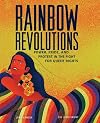
This is another queer book that almost made me cry. This is our history, our culture, our pride. Beautifully illustrated by Eve Lloyd Knight, I'm very impressed with how impactful and in-depth this book is despite being a youth nonfiction title. I'm especially happy that this book did not shy away from teaching youth about harder facts, such as the suicides of certain activists and pioneers after facing discrimination or conversion therapy/procedures, Harvey Milk being assassinated, or the AIDS epidemic, which is normally fluffed up for younger readers or excluded entirely. This is such an important read, and I think every queer person should have this in their library.
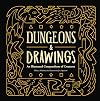
I found this book while looking for official DnD rulebooks and fell in love with the art styles immediately. Sometimes when I prep for DMing, I'll sift through the pages for ideas and then look up official statblocks. It's a very charming book to add to the collection of any DnD/TTRPG players, writers, or art enthusiasts.
The book is simple and DMs or GMs looking to utilize it should probably look into the way I use it mentioned above--but it is formatted nicely to show how challenging a creature is and what their strengths/weaknesses are, so you get a general idea of creatures and monsters before flipping back and forth between this book and official statblocks. The simplicity works for this book as it's first and foremost a compendium of art and showcases the artists' renditions of creatures both classic and lesser-known.
This book is a great find for anyone who is a fan of fantasy, character design, or art in general--if you're anything like me, you'll find yourself perusing the pages just to appreciate all the hard work put into compiling and drawing everything.
The book is simple and DMs or GMs looking to utilize it should probably look into the way I use it mentioned above--but it is formatted nicely to show how challenging a creature is and what their strengths/weaknesses are, so you get a general idea of creatures and monsters before flipping back and forth between this book and official statblocks. The simplicity works for this book as it's first and foremost a compendium of art and showcases the artists' renditions of creatures both classic and lesser-known.
This book is a great find for anyone who is a fan of fantasy, character design, or art in general--if you're anything like me, you'll find yourself perusing the pages just to appreciate all the hard work put into compiling and drawing everything.
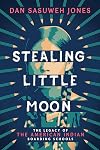
Don't let the content warnings scare you off; Stealing Little Moon is one of the best, informative, and accessible children's nonfiction titles I have ever read. Content warnings are for things spoken about constantly through the book, but is done with a ton of respect and care and is not sensationalized but viewed from a factual, historical perspective that doesn't go into graphic detail. Dan SaSuWeh Jones has worked with others like Denise K. Lajimodiere to detail the history of Indian Boarding Schools and how they both hurt and healed Indigenous people throughout their entire history. I would not hesitate at all to let a child read this any more than I would to a child interested in WWII; I think the history is very accessible to all ages, and being geared towards a younger audience offers a perspective that makes it easy for me to understand as a white person the nuances of racism and cultural erasure I will never experience from the color of my skin specifically, yet can empathize with as a queer disabled person. I think everyone should read this book at some point, regardless of age or race. The audio version with narrator Shaun Taylor-Corbett was phenomenal, though I also have bought the physical hardcover now which I read part of initially.
Stealing Little Moon will give you the cold hard facts about the horrors of Indian Boarding Schools, then turn your initial impressions of them right on its head with a multifaceted and rich cultural history that speaks to the show more resilience of Native and Indigenous people throughout the Americas while honoring and refusing to forget the losses and hurt of the children lost on their grounds and who didn't come out unscathed.
CWs:
Graphic: Child abuse, Emotional abuse, Racism, Kidnapping, Colonisation
Moderate: Child death, Physical abuse, Forced institutionalization, Religious bigotry
Minor: Animal death, Bullying, Domestic abuse, Rape, Pandemic/Epidemic show less
Stealing Little Moon will give you the cold hard facts about the horrors of Indian Boarding Schools, then turn your initial impressions of them right on its head with a multifaceted and rich cultural history that speaks to the show more resilience of Native and Indigenous people throughout the Americas while honoring and refusing to forget the losses and hurt of the children lost on their grounds and who didn't come out unscathed.
CWs:
Graphic: Child abuse, Emotional abuse, Racism, Kidnapping, Colonisation
Moderate: Child death, Physical abuse, Forced institutionalization, Religious bigotry
Minor: Animal death, Bullying, Domestic abuse, Rape, Pandemic/Epidemic show less
Please note that I read this title as an ARC that I got from my local library
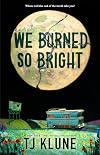
I'm a huge fan of queer literature, and TJ Klune's We Burned So Bright is one of the more unique plots in queer literature that I've read in a while. Don and Rodney are an old gay couple on a road trip at the end of the world to take care of unfinished business. A very short read, and reads more like a novella than a novel like I saw it listed elsewhere. I think it would have worked great as a novel, but it's a very bittersweet cozy read as-is.
The literary world needs more old couples like Don and Rodney, regardless of sexuality or gender. Though I'm definitely far from an elder, the way Klune wrote the two really speaks to my experiences with my partner and how I want to see us as we grow older; someone you can truly have a partnership with, fall in love with over and over again, still find yourself blushing over even after years together. It was so refreshing in contrast to all the "strangers to lovers" romance stories out there that I tire of easily. Seeing Don and Rodney together as a team and still worrying about each other, able to argue constructively and in a healthy way most times, and even when they mess up, able to address and move past it... Beautiful. Every couple could take notes from them.
I loved the queer history tidbits scattered throughout, especiallyabout why the community changed its title from GLBT to LGBT—something I've seen various debates or answers for, but it seems show more like Wikipedia's sources affirm Klune's answer for it.
My only real gripe was thatAmelia's part seemed to go on and on and could have been shortened a bit , but then, I can also see how making it as long as it was likely done to be purposely unsettling. I also expected their travels to include visiting long distance friends or loved ones, which wasn't the case , which I would have loved to see more of if not for the book's length.
Lastly (and maybe this is the fellow writer in me), I found a lot of parallels within the story and real life that were comforting in a bit of a sad way, but I loved them nonetheless. Don and Rodney's trip, their struggleswith Jeremy and encounters with all those they met along the way... To me, it parallels with the LGBT+ community I know and love, a community that will go out of their way to love and help each other, to help better the world whether it's through science or writing or technology or something entirely different. The constant theme of "we weren't perfect, but we tried" hit so hard. The feeling like you're always near the end of the world, always on the run, but you can't turn a blind eye to those in need or those you love, even if it burns you later, even if they will never respect you for being LGBT+. That's something I got out of this book that I hope others can also see and appreciate and mourn.
We Burned So Bright paints a picture of life lived to the fullest—it isn't always pretty, it's scary as hell, and it might not have a happy ending—but it was a fun ride nonetheless, and this is a ride I would absolutely advise others to hop on and read. show less
I'm a huge fan of queer literature, and TJ Klune's We Burned So Bright is one of the more unique plots in queer literature that I've read in a while. Don and Rodney are an old gay couple on a road trip at the end of the world to take care of unfinished business. A very short read, and reads more like a novella than a novel like I saw it listed elsewhere. I think it would have worked great as a novel, but it's a very bittersweet cozy read as-is.
The literary world needs more old couples like Don and Rodney, regardless of sexuality or gender. Though I'm definitely far from an elder, the way Klune wrote the two really speaks to my experiences with my partner and how I want to see us as we grow older; someone you can truly have a partnership with, fall in love with over and over again, still find yourself blushing over even after years together. It was so refreshing in contrast to all the "strangers to lovers" romance stories out there that I tire of easily. Seeing Don and Rodney together as a team and still worrying about each other, able to argue constructively and in a healthy way most times, and even when they mess up, able to address and move past it... Beautiful. Every couple could take notes from them.
I loved the queer history tidbits scattered throughout, especially
My only real gripe was that
Lastly (and maybe this is the fellow writer in me), I found a lot of parallels within the story and real life that were comforting in a bit of a sad way, but I loved them nonetheless. Don and Rodney's trip, their struggles
We Burned So Bright paints a picture of life lived to the fullest—it isn't always pretty, it's scary as hell, and it might not have a happy ending—but it was a fun ride nonetheless, and this is a ride I would absolutely advise others to hop on and read. show less

Disclaimer that this review is for an ARC copy I picked up at my local library.
This is a tough review. I love the idea of this book, especially it being a story with a nonbinary MC, but this book was definitely not for me.
The humor and blasphemy was great, the 4th wall breaking and speaking to the reader was fun, and I can tell the author has a strength in this writing style... But I felt constantly lost throughout the book. I think the biggest problem for me was the lack of a strict timeline other than "mostly the 90s", which made it hard to really picture the world or get into it. It just seemed very absurdist to me and was not my style.
I also didn't like as a fellow enby that Yara was constantly reminded to be AFAB. I definitely understand how it fits into the plot with their OCD and trauma, but it just seemed overkill to continue reminding readers about it. I've only recently started diving into literary fiction so maybe I'm completely missing the point here but I didn't enjoy it.
Yara's OCD was written very well, I found myself preferring their stories the most, and the humor was very fun and entertaining but everything else in the book just felt very confusing and flat to me. Maybe litfic just is not for me?
I probably should've just DNF'd this book but I wanted so desperately to see why everyone else loved it. I can see why anyone who's a fan of mythology might like it, I can tell it had some great overarching lessons or commentary and I'm grateful we have stories show more like this for queer folks, but it just felt like I spent 460+ pages on a whole nothing burger. Perhaps I'll read it again another time and update this review when I'm in a better mindset to properly appreciate it if reviews still hold up later. show less
This is a tough review. I love the idea of this book, especially it being a story with a nonbinary MC, but this book was definitely not for me.
The humor and blasphemy was great, the 4th wall breaking and speaking to the reader was fun, and I can tell the author has a strength in this writing style... But I felt constantly lost throughout the book. I think the biggest problem for me was the lack of a strict timeline other than "mostly the 90s", which made it hard to really picture the world or get into it. It just seemed very absurdist to me and was not my style.
I also didn't like as a fellow enby that Yara was constantly reminded to be AFAB. I definitely understand how it fits into the plot with their OCD and trauma, but it just seemed overkill to continue reminding readers about it. I've only recently started diving into literary fiction so maybe I'm completely missing the point here but I didn't enjoy it.
Yara's OCD was written very well, I found myself preferring their stories the most, and the humor was very fun and entertaining but everything else in the book just felt very confusing and flat to me. Maybe litfic just is not for me?
I probably should've just DNF'd this book but I wanted so desperately to see why everyone else loved it. I can see why anyone who's a fan of mythology might like it, I can tell it had some great overarching lessons or commentary and I'm grateful we have stories show more like this for queer folks, but it just felt like I spent 460+ pages on a whole nothing burger. Perhaps I'll read it again another time and update this review when I'm in a better mindset to properly appreciate it if reviews still hold up later. show less
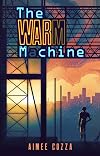
Let me preface by saying I found the author through her art on bsky, and subsequently bought her book to support her when she announced it, so I may be slightly biased.
However, I pride myself in having a pretty high standard for good writing/editing, and this was the first indie published book I found myself able to get through and genuinely enjoy. Writing is hard and editing is even harder when you have a story to tell, especially so when you're indie, but Aimee Cozza and her editor did a good job.
The good: I absolutely love the way Cozza describes her tech. She's confident in her worldbuilding and everything in universe seemed to make logical sense. I loved the nods to Linux/sysadmin type work as a Linux noob myself, and all the computer nerd speak factually checked out to me without seeming confusing for less tech inclined readers. Knowing Cozza has a background in developing websites as well definitely seemed to help her here. Her description of the bot net and warnings/errors was extremely satisfying and well-integrated into bot anatomy. The visual representation of these in the book was also handled wonderfully, and I wish more authors/editors would stop shying away from making these clear visual distinctions in books.
FLC0776/Sterling had some amazing character growth. I wish we would have seen as much growth with AZR4700/Zev, but it makes sense as the story goes on why he is the way he is. I would also have loved to see more about himand his 130+ other bots he show more merged with, especially how that influenced him and his personality , but I think given this was only a novella, Cozza did great with focusing on Sterling and his perspective.
I really love the relationship between Sterling and Zev Cozza created. I think a lot of stories suffer from "Character A falls for Character B after .5 seconds of knowing each other", and maybe it felt a bit rushed in a novella vs a full length novel, but I actually think Cozza nailed the pacing and avoiding that trope. Their relationship grows naturally and I love that The Warm Machine doesn't offer a set plausible explanation as to what it is about each other that the bots like; they just do. They seem to enjoy each others' companionship over all else, there's no overly romantic or sexual tones in a newly budding friendship/relationship and I think that's very refreshing to see in title marketed as a gay robot sci-fi romance. I want more stories that feel like wading into a relationship instead of diving in head-first when characters barely know each other.
The "eh": A lot of it is nitpicky, especially knowing this is an indie title with less resources than a traditional publisher. I want to preface again that Cozza did great with the resources she had, and her editor did a great job as well. However, I still want to treat this indie title as I would any other title. That being said...
I felt like the beginning explanation of "bot, short for robot," could have been left unsaid or worded better if it was meant as a fun opener, and there were a few instances I thought things were being explained that should've been obvious, but luckily there was less of that the further I read. My biggest complaints with the book were that, and the sometimes repetitive nature of describing the characters (namely constantly reminding readers the laborbot was safety yellow), or the few mentions of gold as "Au/Au material" feeling out of place. I feel like a few times there might have been more weird body descriptions, but that may have been in part due to the MCs being bots and not human. I also would have liked to see an explanation or some logic with the bots naming each other simply because I'm curious how they chose their names. Other than that, if there were any other nitpicks I had, they've long left my brain.
I think Cozza hit a great pace for a sub-200 page book that left pretty much everything tied up and satisfying in the end while also leaving me lowkey wanting more. Easily a 4-star read if it had a bit more editing to address easy writing pitfalls that could be avoided mentioned previously. I would definitely be interested picking up her next book and hope to see her grow as an author (and maybe throw in a few more illustrations in-book?). I highly recommend anyone curious about this title or indie authors check out Aimee Cozza's The Warm Machine for an example of how great an indie title can be! show less
However, I pride myself in having a pretty high standard for good writing/editing, and this was the first indie published book I found myself able to get through and genuinely enjoy. Writing is hard and editing is even harder when you have a story to tell, especially so when you're indie, but Aimee Cozza and her editor did a good job.
The good: I absolutely love the way Cozza describes her tech. She's confident in her worldbuilding and everything in universe seemed to make logical sense. I loved the nods to Linux/sysadmin type work as a Linux noob myself, and all the computer nerd speak factually checked out to me without seeming confusing for less tech inclined readers. Knowing Cozza has a background in developing websites as well definitely seemed to help her here. Her description of the bot net and warnings/errors was extremely satisfying and well-integrated into bot anatomy. The visual representation of these in the book was also handled wonderfully, and I wish more authors/editors would stop shying away from making these clear visual distinctions in books.
FLC0776/Sterling had some amazing character growth. I wish we would have seen as much growth with AZR4700/Zev, but it makes sense as the story goes on why he is the way he is. I would also have loved to see more about him
I really love the relationship between Sterling and Zev Cozza created. I think a lot of stories suffer from "Character A falls for Character B after .5 seconds of knowing each other", and maybe it felt a bit rushed in a novella vs a full length novel, but I actually think Cozza nailed the pacing and avoiding that trope. Their relationship grows naturally and I love that The Warm Machine doesn't offer a set plausible explanation as to what it is about each other that the bots like; they just do. They seem to enjoy each others' companionship over all else, there's no overly romantic or sexual tones in a newly budding friendship/relationship and I think that's very refreshing to see in title marketed as a gay robot sci-fi romance. I want more stories that feel like wading into a relationship instead of diving in head-first when characters barely know each other.
The "eh": A lot of it is nitpicky, especially knowing this is an indie title with less resources than a traditional publisher. I want to preface again that Cozza did great with the resources she had, and her editor did a great job as well. However, I still want to treat this indie title as I would any other title. That being said...
I felt like the beginning explanation of "bot, short for robot," could have been left unsaid or worded better if it was meant as a fun opener, and there were a few instances I thought things were being explained that should've been obvious, but luckily there was less of that the further I read. My biggest complaints with the book were that, and the sometimes repetitive nature of describing the characters (namely constantly reminding readers the laborbot was safety yellow), or the few mentions of gold as "Au/Au material" feeling out of place. I feel like a few times there might have been more weird body descriptions, but that may have been in part due to the MCs being bots and not human. I also would have liked to see an explanation or some logic with the bots naming each other simply because I'm curious how they chose their names. Other than that, if there were any other nitpicks I had, they've long left my brain.
I think Cozza hit a great pace for a sub-200 page book that left pretty much everything tied up and satisfying in the end while also leaving me lowkey wanting more. Easily a 4-star read if it had a bit more editing to address easy writing pitfalls that could be avoided mentioned previously. I would definitely be interested picking up her next book and hope to see her grow as an author (and maybe throw in a few more illustrations in-book?). I highly recommend anyone curious about this title or indie authors check out Aimee Cozza's The Warm Machine for an example of how great an indie title can be! show less
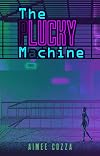
I'm at a bit of a loss for where to even begin.
After finishing The Warm Machine, I decided I wanted more of Aimee Cozza's work and bought a copy from her website. I don't know what sorcery she uses to make such otherworldly stories in sub-200 pages, but I want to learn it! You can definitely tell Cozza has grown as a writer even from this only being her second novella, yet she still holds her unique voice and writing style.
I absolutely loved Sylvan and NX's relationship. Cozza wrote in her acknowledgements that she hoped Sylvan wasn't "in the way" of the story, but I'm craving more of him and the other bots!
This was such a cozy read about a sex bot tired of being used and abused who makes a life for herself and learns to trust others along the way, pure and simple—but Cozza writes it in such a way that turns said concept into a beautiful, intricate work of prose that approaches the subject in a respectful and non-graphic way. As a reader who has suffered traumas and has many loved ones who experience PTSD or are SA survivors, I applaud how tactfully and carefully Cozza wrote this.
My only notes are that the writing could have had more variation in structure i.e. relying too many long sentences with commas (I myself am also guilty of this, it's very hard!); and that this was such a stark contrast to how The Warm Machine's bots were written. It was sometimes hard to remember NX is a bot or suspend my disbelief that she has so much humanity to her, but this could easily show more also be related to the fact that I've done so much research on the harms of AI and how it actually works that it's made it that much harder to experience media with AI in it. That said, I think Cozza has still done a wonderful job especially in spite of this, and it makes me only yearn harder for an alternate universe in which we could have lived in a world with ethical AI that didn't violate mountains worth of copyright and labor laws or use up entire countries worth of energy.
If you're interested in cozy sci-fi with an artsy vibe, and don't mind the content warnings or even want to heal alongside them, definitely give this book a chance and keep a close eye out for Cozza's next work. I know I will be! show less
After finishing The Warm Machine, I decided I wanted more of Aimee Cozza's work and bought a copy from her website. I don't know what sorcery she uses to make such otherworldly stories in sub-200 pages, but I want to learn it! You can definitely tell Cozza has grown as a writer even from this only being her second novella, yet she still holds her unique voice and writing style.
I absolutely loved Sylvan and NX's relationship. Cozza wrote in her acknowledgements that she hoped Sylvan wasn't "in the way" of the story, but I'm craving more of him and the other bots!
This was such a cozy read about a sex bot tired of being used and abused who makes a life for herself and learns to trust others along the way, pure and simple—but Cozza writes it in such a way that turns said concept into a beautiful, intricate work of prose that approaches the subject in a respectful and non-graphic way. As a reader who has suffered traumas and has many loved ones who experience PTSD or are SA survivors, I applaud how tactfully and carefully Cozza wrote this.
My only notes are that the writing could have had more variation in structure i.e. relying too many long sentences with commas (I myself am also guilty of this, it's very hard!); and that this was such a stark contrast to how The Warm Machine's bots were written. It was sometimes hard to remember NX is a bot or suspend my disbelief that she has so much humanity to her, but this could easily show more also be related to the fact that I've done so much research on the harms of AI and how it actually works that it's made it that much harder to experience media with AI in it. That said, I think Cozza has still done a wonderful job especially in spite of this, and it makes me only yearn harder for an alternate universe in which we could have lived in a world with ethical AI that didn't violate mountains worth of copyright and labor laws or use up entire countries worth of energy.
If you're interested in cozy sci-fi with an artsy vibe, and don't mind the content warnings or even want to heal alongside them, definitely give this book a chance and keep a close eye out for Cozza's next work. I know I will be! show less
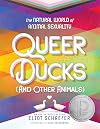
This is another book I'm going to recommend for every queer person's library. Eliot Schrefer did a fantastic job talking about queerness in nature while also warning against human biases on either side swaying our opinions or scientific studies. He reminds us of this quite often which some might dislike, but I think it keeps us curious and open to questioning things as science progresses.
I loved reading about all the animals in their queer diversity. I only hope there's a second book in the works going over animals not mentioned such as maned lionesses and hyenas as those are two prominent ones I was surprised weren't mentioned. Even things like seahorses weren't gone over in as much detail as I expected. But for its length and teen target audience, I appreciated it for what it was.
I actually think this worked perfectly as a teen's book as the humorous and accessible approach might make it easier to read for those who aren't queer. I also appreciated the humor balancing the scientific details of animal sex as sex itself is already a taboo enough topic, let alone when it's about animals. If you can be mature and stomach the awkwardness of it, Schrefer takes readers on a fascinating journey. I especially enjoyed as a demi-bisexual person that there were also mentions of queer partnerships in nature that didn't involve sex. I also enjoyed all the various reasons animals might be queer or specifically bi from an evolutionary perspective, even if
it isn't for survival.
The only show more things I didn't like were that I wanted more animal examples than what we got, and that the one scientist Beans (which is a great name by the way) made the claim that they believe gender/sexuality labels are political in nature. Everyone is entitled to their opinion, but I disagree and think that's a harmful rhetoric for potential allies or young/newly-realized queer folks to read about. I understand why we may avoid labeling animals or their behaviour, but it's not inherently political to have terms for humans that give a sense of belonging and identity if they choose one. But that was only one short chapter where it probably was not even the focus and might have been a side comment that readers don't have tonal context for.
Overall though, this was a very healing read for me as someone who grew up in a religious household, reminding similar readers that there is nothing unnatural about being queer or trans, because nature refuses to be bound to one narrow way of being. I really hope to see a sequel to this and look forward to diving into the sources cited to learn more regardless. I recommend this book to anybody who loves animals, especially queer folks, any age after they've already had "the talk" who might be curious how some relationships work in nature. I also recommend it to any queer folks like me who have ever been told they're "unnatural" who want to be reminded there is nothing wrong with you. I would especially recommend this book to allies and parents of queer kids who want to challenge their world view. show less
I loved reading about all the animals in their queer diversity. I only hope there's a second book in the works going over animals not mentioned such as maned lionesses and hyenas as those are two prominent ones I was surprised weren't mentioned. Even things like seahorses weren't gone over in as much detail as I expected. But for its length and teen target audience, I appreciated it for what it was.
I actually think this worked perfectly as a teen's book as the humorous and accessible approach might make it easier to read for those who aren't queer. I also appreciated the humor balancing the scientific details of animal sex as sex itself is already a taboo enough topic, let alone when it's about animals. If you can be mature and stomach the awkwardness of it, Schrefer takes readers on a fascinating journey. I especially enjoyed as a demi-bisexual person that there were also mentions of queer partnerships in nature that didn't involve sex. I also enjoyed all the various reasons animals might be queer or specifically bi from an evolutionary perspective, even if
it isn't for survival.
The only show more things I didn't like were that I wanted more animal examples than what we got, and that the one scientist Beans (which is a great name by the way) made the claim that they believe gender/sexuality labels are political in nature. Everyone is entitled to their opinion, but I disagree and think that's a harmful rhetoric for potential allies or young/newly-realized queer folks to read about. I understand why we may avoid labeling animals or their behaviour, but it's not inherently political to have terms for humans that give a sense of belonging and identity if they choose one. But that was only one short chapter where it probably was not even the focus and might have been a side comment that readers don't have tonal context for.
Overall though, this was a very healing read for me as someone who grew up in a religious household, reminding similar readers that there is nothing unnatural about being queer or trans, because nature refuses to be bound to one narrow way of being. I really hope to see a sequel to this and look forward to diving into the sources cited to learn more regardless. I recommend this book to anybody who loves animals, especially queer folks, any age after they've already had "the talk" who might be curious how some relationships work in nature. I also recommend it to any queer folks like me who have ever been told they're "unnatural" who want to be reminded there is nothing wrong with you. I would especially recommend this book to allies and parents of queer kids who want to challenge their world view. show less
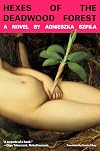
Rated as a 2.75 on a good day, but rounding down for LibraryThing after thinking about the ending again.
I'm honestly so torn with how to rate this book, especially given that this is a translation to English that could easily alter the tone, and knowing I picked up the translation as an ARC.
For perspective, I want to add that I'm a queer transmasculine nonbinary person who was raised AFAB, so I'm not grasping at straws when it comes to some of the lived experiences femme folks face.
The beginning was so hard to read, Anna from the start was not only insufferable (which was the intention, but it didn't make it any easier to get through) but also seemed like an unreliable narrator that made me wonder if things were actually happening the way she stated or if she was just a narcissist. I'm not against unreliable narrators, but for a book in feminist literature, I wasn't particularly thrilled about that as it kind of sets the entire precidence of her story as either phenomenal and empowering or downright horrendous and hypocritical depending how one reads it.
But at the same time... I really enjoyed the middle parts about the Earthen Ones. I see what other's say about redundancy, but the prose was wonderful and I loved imagining the forest and all the flora. Szpila or the translator write descriptions in a way that can be so beautiful and gripping that kept me hooked once I got to Part II onward. I was so excited by the concept of this book and it gave me a lot of what I was show more hoping for, with underlying messages of sisterhood and connection to nature, feminine empowerment and patriarchal rejection, but...
Maybe this was my mistake going into this book, but I did not expect it to be so sexual. I don't mean that I was expecting it to be SFW in any way, I just didn't expect the author to write in a way that felt so... sexualized? A lot of the writing just felt like the author was inserting her kinks and oversexualizing her characters to the point it often felt uncomfortable and not really necessary to the story. Maybe I'm just not used to this kind of feminist fiction? The idea of some of the ways these women made love to Mother Earth just seemed downright painful or uncomfortable. At times it almost felt satirical(I mean, really, using poison ivy to pleasure yourself??? Using a branch to the point of bleeding???) I also was not a fan of the weird language used for anatomy, but I'll chalk it up to translation choice.
I really enjoyed reading about Mathilde and about Helene's childhood, but some of Helene's teachings really just felt like the Catholicism she was (rightfully) criticizing and saving women from wrapped in a different, witchier bow. Maybe it's because I'm agnostic and more spiritual than religious, but it just felt off. I still don't know how much of the awkward moments I had with this
book were genuine commentary on wider issues with things like white or racial feminism or if they were genuine, and that makes it a struggle to rate and review.
There were also a few oddly placed brief mentions of bestiality that men participated inand one odd scene where one of the Earthen Ones nurses a baby cow with her own milk??? that was not expected and hard to gloss over. Also, the amount of times the author mentions breast milk and sudden lactation especially felt straight out of someone's bad fanfic...
The ending returning to Anna in the psych ward reminded me that this whole Earthen Ones sequence takes place while she's institutionalized, which didn't feel great to read and goes back to my original gripe and somehow feels like it's toeing the line between brilliant commentary and blatant ableism wrapped in satire. Maybe I read too much into it, but it really felt like the radical white feminism that discriminates against gnc womenLabeling the Bearded Lady as just that and specifically talking about her being into absolutely disgusting things felt Bad to read and just immediately jumps to (I sincerely apologize for the use of this term) man-hating instead of addressing the issues with patriarchy/toxic masculinity itself. Trust me, I'm all for a book about matriarchy and femininity and empowerment and I 100% understand why it's easy to generalize problems to men = bad in your book outside of a few as someone who refuses to self label as a man because of the connotations with it. But it felt like such low hanging fruit to me as someone who has experienced the gender divide on multiple sides. There could have been so much commentary about more progressive topics in feminism today like gender roles/expression/identity and friendship and romance outside of sexuality.
Overall, definitely read the content warnings on this one. It might be hard to get through, but I think the writing, the way it makes you think, and the wild ride it brings you on makes it worth reading if you can handle the stuff in CW's and are interested in the concept. I wish it had been executed in a different way that felt more coherent, but it still cast its spell on me and kept me intrigued and excited to read more through the whole time with the Earthen Ones. show less
I'm honestly so torn with how to rate this book, especially given that this is a translation to English that could easily alter the tone, and knowing I picked up the translation as an ARC.
For perspective, I want to add that I'm a queer transmasculine nonbinary person who was raised AFAB, so I'm not grasping at straws when it comes to some of the lived experiences femme folks face.
The beginning was so hard to read, Anna from the start was not only insufferable (which was the intention, but it didn't make it any easier to get through) but also seemed like an unreliable narrator that made me wonder if things were actually happening the way she stated or if she was just a narcissist. I'm not against unreliable narrators, but for a book in feminist literature, I wasn't particularly thrilled about that as it kind of sets the entire precidence of her story as either phenomenal and empowering or downright horrendous and hypocritical depending how one reads it.
But at the same time... I really enjoyed the middle parts about the Earthen Ones. I see what other's say about redundancy, but the prose was wonderful and I loved imagining the forest and all the flora. Szpila or the translator write descriptions in a way that can be so beautiful and gripping that kept me hooked once I got to Part II onward. I was so excited by the concept of this book and it gave me a lot of what I was show more hoping for, with underlying messages of sisterhood and connection to nature, feminine empowerment and patriarchal rejection, but...
Maybe this was my mistake going into this book, but I did not expect it to be so sexual. I don't mean that I was expecting it to be SFW in any way, I just didn't expect the author to write in a way that felt so... sexualized? A lot of the writing just felt like the author was inserting her kinks and oversexualizing her characters to the point it often felt uncomfortable and not really necessary to the story. Maybe I'm just not used to this kind of feminist fiction? The idea of some of the ways these women made love to Mother Earth just seemed downright painful or uncomfortable. At times it almost felt satirical
I really enjoyed reading about Mathilde and about Helene's childhood, but some of Helene's teachings really just felt like the Catholicism she was (rightfully) criticizing and saving women from wrapped in a different, witchier bow. Maybe it's because I'm agnostic and more spiritual than religious, but it just felt off. I still don't know how much of the awkward moments I had with this
book were genuine commentary on wider issues with things like white or racial feminism or if they were genuine, and that makes it a struggle to rate and review.
There were also a few oddly placed brief mentions of bestiality that men participated in
The ending returning to Anna in the psych ward reminded me that this whole Earthen Ones sequence takes place while she's institutionalized, which didn't feel great to read and goes back to my original gripe and somehow feels like it's toeing the line between brilliant commentary and blatant ableism wrapped in satire. Maybe I read too much into it, but it really felt like the radical white feminism that discriminates against gnc women
Overall, definitely read the content warnings on this one. It might be hard to get through, but I think the writing, the way it makes you think, and the wild ride it brings you on makes it worth reading if you can handle the stuff in CW's and are interested in the concept. I wish it had been executed in a different way that felt more coherent, but it still cast its spell on me and kept me intrigued and excited to read more through the whole time with the Earthen Ones. show less
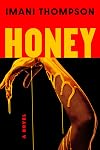
I picked up an ARC of Honey by Imani Thompson from my local library thinking the synopsis was intriguing, and hoo boy it did not disappoint. Definitely read the content warnings though.
Thompson's writing style is fantastic—I feel like I devoured this book and had a hard time putting it down. Yrsa is a main character that does a great job of subtly showing her flaws instead of outright making her seem like a bad person, especially with the question that her and the author constantly put forth of "is murder justified if it liberates those who the dead were oppressing?" It makes the reader grapple with their idea of morals and question if Yrsa is justified or just using violence as an excuse to deal with her troubled life. I could see this being a great read for a book club with plenty of discussions.
My only critique aside from normal ARC things was that the author incorrectly wrote thatYrsa had checked to be sure the VPN cleared her browsing history, which is not at all what they do; although they do hide your traffic and Yrsa would probably be smart in using one, but she should still make sure to use a private browsing session/clear her history and not solely rely on a VPN. Being a bit of a tech nerd that was just a detail that bugged me. Ironically, that could have been Yrsa's mistake and written purposefully, but it seems unlikely as it's never brought up again.
As for general milder critiques, I only wish there was a bit more backstory about Yrsa's family historyof show more implied murder. I thought there would've been some grand reveal at the end, but it instead just was kind of stated and brushed aside. I assumed Yrsa's fascination with murder and getting away with it would have made her ask her mom a million questions about her grandmother (I also did wonder if her mom had participated in anything, but I really struggled to tell if that was the case or not). The ending was open ended and I would have loved a bit more clarity, but I actually think it fit the book perfectly.
I also was a bit nervous about how the author might treat her murderer as usually it relies a lot on mental illness being used as a scapegoat, but I was pleasantly surprised with how it was written and have actually written similar characters this way, so I was delighted to see Yrsa written the way she was not necessarily from any diagnoses but instead multiple different reveals of experiences to how she got to be the way she is.
I cannot overstate how much I loved Thompson's writing style though. The way she specifically wrote some scenesto confuse the reader who Yrsa was with was brilliant. Everything flowed so well and I could really feel Yrsa's inner thoughts and emotions on certain subjects or scenes with how the pace picked up or slowed down, which I don't feel like I see enough of in writing. Fans of thrillers or darker fiction will enjoy this book, and I look forward to reading more from Thompson. show less
Thompson's writing style is fantastic—I feel like I devoured this book and had a hard time putting it down. Yrsa is a main character that does a great job of subtly showing her flaws instead of outright making her seem like a bad person, especially with the question that her and the author constantly put forth of "is murder justified if it liberates those who the dead were oppressing?" It makes the reader grapple with their idea of morals and question if Yrsa is justified or just using violence as an excuse to deal with her troubled life. I could see this being a great read for a book club with plenty of discussions.
My only critique aside from normal ARC things was that the author incorrectly wrote that
As for general milder critiques, I only wish there was a bit more backstory about Yrsa's family history
I also was a bit nervous about how the author might treat her murderer as usually it relies a lot on mental illness being used as a scapegoat, but I was pleasantly surprised with how it was written and have actually written similar characters this way, so I was delighted to see Yrsa written the way she was not necessarily from any diagnoses but instead multiple different reveals of experiences to how she got to be the way she is.
I cannot overstate how much I loved Thompson's writing style though. The way she specifically wrote some scenes
Please note this review is for an ARC I got from my local library.
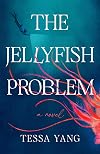
Tessa Yang's The Jellyfish Problem was such a refreshing read. Despite it having a lot of mystery and tension, I personally found it to be a very cozy and relaxing read (though I'm also a huge fan of horror and cryptids, so this was right up my alley). Yang is yet another author in my recent set of ARCs who has such a way with words and prose that I felt transported to Shattering right alongside Jo and the others. The characters were very loveable and the flow of the story felt perfect for its length. I don't think it really ever had moments where I thought it dragged on or moved too fast.
It was great to have a book focused more on plot as I've lacked that in my latest picks. I loved watching the mystery of Clementine unfold as we learned more and more about the islanders and Shattering's history/culture. This is a read that not only satisfied my need for more cryptid-like monsters being treated with respect but also a book that encourages community and togetherness despite our differences. If only we had a giant jellyfish to save us from ourselves...
My only real gripe was with Nadia andhow she really made me question if she was actually friends with Jo or just keeping her around because she wanted her own groupie or because she wanted to feel better about herself, but I'm choosing to believe that may be a nod to that being a sadly common experience autistic AFAB folks deal with in friendships with some show more girls. I was almost disappointed in the ending until I finished the whole thing and actually like how it wrapped up.
I really loved all the jellyfish tidbits at the beginning of the chapters and thought that was a brilliant way to bridge together the work Jo and Aldo did together with the rest of the story. I wish more reviews mentioned Jo being a queer and very autistic coded BIPOC woman in STEM because I think we absolutely need more stories like this, and the way she was written was such a beautiful example of diverse stories being able to flow seamlessly without the stereotypes or tropes a lot of writers fall into when writing said stories.
If you like small-town mysteries with a small dose of drama, cryptids/marine life, queer romantic subplots, and don't mind a book that shows a lot of dealing with grief and panic disorder that can come from it, definitely give The Jellyfish Problem a go. show less
Tessa Yang's The Jellyfish Problem was such a refreshing read. Despite it having a lot of mystery and tension, I personally found it to be a very cozy and relaxing read (though I'm also a huge fan of horror and cryptids, so this was right up my alley). Yang is yet another author in my recent set of ARCs who has such a way with words and prose that I felt transported to Shattering right alongside Jo and the others. The characters were very loveable and the flow of the story felt perfect for its length. I don't think it really ever had moments where I thought it dragged on or moved too fast.
It was great to have a book focused more on plot as I've lacked that in my latest picks. I loved watching the mystery of Clementine unfold as we learned more and more about the islanders and Shattering's history/culture. This is a read that not only satisfied my need for more cryptid-like monsters being treated with respect but also a book that encourages community and togetherness despite our differences. If only we had a giant jellyfish to save us from ourselves...
My only real gripe was with Nadia and
I really loved all the jellyfish tidbits at the beginning of the chapters and thought that was a brilliant way to bridge together the work Jo and Aldo did together with the rest of the story. I wish more reviews mentioned Jo being a queer and very autistic coded BIPOC woman in STEM because I think we absolutely need more stories like this, and the way she was written was such a beautiful example of diverse stories being able to flow seamlessly without the stereotypes or tropes a lot of writers fall into when writing said stories.
If you like small-town mysteries with a small dose of drama, cryptids/marine life, queer romantic subplots, and don't mind a book that shows a lot of dealing with grief and panic disorder that can come from it, definitely give The Jellyfish Problem a go. show less