
Hurston, Zora Neale. Their Eyes Were Watching God. New York: Perennial Classics (HarperPerennial), 1990 (originally published in 1937).
Characters: Janie; Nanny (Janie’s grandmother); Logan Killicks (Janie’s first husband); Jody Starks (Janie’s second husband); Tea Cake (Janie’s third husband); Pheoby Watson (Janie’s best friend)
Setting: Rural Florida around the 1930s
Theme: Language as a mechanism of control; power and conquest as a means to fulfillment; love and relationships versus independence; spiritual fulfillment; materialism
Genre: Classic African-American literature; women’s literature; fiction
Golden Quote: “The day of the gun, and the bloody body, and the courthouse came and commenced to sing a sobbing sigh out of every corner of the room; out of each and every chair and thing. Commenced to sing, commenced to sob and sigh, singing and sobbing.”
Summary: Their Eyes Were Watching God follows the life of Janie Crawford, a girl of mixed black and white heritage around the turn of the century. As an adolescent, Janie sees a bee pollinating a flower in her backyard pear tree and becomes obsessed with finding true love. From there, the novel documents her emotional growth and maturity through three marriages.
Audience: 9th grade and up
Curriculum ties: Discussion Questions: 1.What kind of God is the eyes of Hurston's characters watching? What is the nature of that God and of their watching? Do any of them question God?
2. What is the importance of the concept show more of horizon? How do Janie and each of her men widen her horizons? What is the significance of the novel's final sentences in this regard?
3. How does Janie's journey--from West Florida, to Eatonville, to the Everglades--represent her, and the novel's increasing immersion in black culture and traditions? What elements of individual action and communal life characterize that immersion?
4. To what extent does Janie acquire her own voice and the ability to shape her own life? How are the two related? Does Janie's telling her story to Pheoby in flashback undermine her ability to tell her story directly in her own voice?
5. What are the differences between the language of the men and that of Janie and the other women? How do the differences in language reflect the two groups' approaches to life, power, relationships, and self-realization? How do the novel's first two paragraphs point to these differences?
6. In what ways does Janie conform to or diverge from the assumptions that underlie the men's attitudes toward women? How would you explain Hurston's depiction of violence toward women? Does the novel substantiate Janie's statement that "Sometimes God gits familiar wid us womenfolks too and talks His inside business"?
7. What is the importance in the novel of the "signifyin'" and "playin' de dozens" on the front porch of Joe's store and elsewhere? What purpose do these stories, traded insults, exaggerations, and boasts have in the lives of these people? How does Janie counter them with her conjuring?
8. Why is adherence to received tradition so important to nearly all the people in Janie's world? How does the community deal with those who are "different"?
9. After Joe Starks's funeral, Janie realizes that "She had been getting ready for her great journey to the horizons in search of people; it was important to all the world that she should find them and they find her." Why is this important "to all the world"? In what ways does Janie's self-awareness depend on her increased awareness of others?
10. How important is Hurston's use of vernacular dialect to our understanding of Janie and the other characters and their way of life? What do speech patterns reveal about the quality of these lives and the nature of these communities? In what ways are "their tongues cocked and loaded, the only real weapon" of these people?
Lesson Idea Deepening Our Understanding of Power and Control through Literature
1) Examining the Cycle of Abuse: Have students divide the book into four sections: Janie’s life with Nanny, with Logan, with Joe Starks, and with Tea Cake. Have students work in groups using a plot diagram. Then, in a class discussion, have students share plot cycles and examine the abuse cycles in the text.
2) Examining Relationships through Imagery: Like the media, Hurston paints images throughout her novel. As a romantic writer, she uses a great deal of nature.
• How does Hurston use nature to reflect the state of relationships throughout the novel? Have students choose a section of the text and create a dual-entry journal to examine the evidence (quote and type of imagery: auditory, gustatory, olfactory, tactile, thermal, visual) and its effect (what it shows about relationships).
3) Wrap-up: Have students’ jigsaw what they have learned in a class discussion and then create a Venn diagram to show where they see overlaps in attitudes/behavior of characters.
Awards: None, but it is considered one of the most important and influential novels in contemporary African American literature
Personal response: At first, I was completely thrown off by the southern black vernacular used throughout the novel. With this statement, I have to say that once I got used to it, it greatly added to my enjoyment of the story. Hurston’s use of dialect creates a realistic portrayal of life in the rural south during a time of much uncertainty for black Americans (after the end of slavery and before the Civil Rights Movement). She also beautifully crafts the character of Janie Crawford, a strong black woman struggling against the societal norms of the time, but all the while, constrained by them as well. Despite her circumstances, she perseveres through three marriages (two unhappy and the other, the love of her life), owning a business, a hurricane, and even a murder trial. I especially loved Hurston’s poetic metaphors used throughout the story. They brought a sense of wonderment and magic to Janie’s life story. show less
Characters: Janie; Nanny (Janie’s grandmother); Logan Killicks (Janie’s first husband); Jody Starks (Janie’s second husband); Tea Cake (Janie’s third husband); Pheoby Watson (Janie’s best friend)
Setting: Rural Florida around the 1930s
Theme: Language as a mechanism of control; power and conquest as a means to fulfillment; love and relationships versus independence; spiritual fulfillment; materialism
Genre: Classic African-American literature; women’s literature; fiction
Golden Quote: “The day of the gun, and the bloody body, and the courthouse came and commenced to sing a sobbing sigh out of every corner of the room; out of each and every chair and thing. Commenced to sing, commenced to sob and sigh, singing and sobbing.”
Summary: Their Eyes Were Watching God follows the life of Janie Crawford, a girl of mixed black and white heritage around the turn of the century. As an adolescent, Janie sees a bee pollinating a flower in her backyard pear tree and becomes obsessed with finding true love. From there, the novel documents her emotional growth and maturity through three marriages.
Audience: 9th grade and up
Curriculum ties: Discussion Questions: 1.What kind of God is the eyes of Hurston's characters watching? What is the nature of that God and of their watching? Do any of them question God?
2. What is the importance of the concept show more of horizon? How do Janie and each of her men widen her horizons? What is the significance of the novel's final sentences in this regard?
3. How does Janie's journey--from West Florida, to Eatonville, to the Everglades--represent her, and the novel's increasing immersion in black culture and traditions? What elements of individual action and communal life characterize that immersion?
4. To what extent does Janie acquire her own voice and the ability to shape her own life? How are the two related? Does Janie's telling her story to Pheoby in flashback undermine her ability to tell her story directly in her own voice?
5. What are the differences between the language of the men and that of Janie and the other women? How do the differences in language reflect the two groups' approaches to life, power, relationships, and self-realization? How do the novel's first two paragraphs point to these differences?
6. In what ways does Janie conform to or diverge from the assumptions that underlie the men's attitudes toward women? How would you explain Hurston's depiction of violence toward women? Does the novel substantiate Janie's statement that "Sometimes God gits familiar wid us womenfolks too and talks His inside business"?
7. What is the importance in the novel of the "signifyin'" and "playin' de dozens" on the front porch of Joe's store and elsewhere? What purpose do these stories, traded insults, exaggerations, and boasts have in the lives of these people? How does Janie counter them with her conjuring?
8. Why is adherence to received tradition so important to nearly all the people in Janie's world? How does the community deal with those who are "different"?
9. After Joe Starks's funeral, Janie realizes that "She had been getting ready for her great journey to the horizons in search of people; it was important to all the world that she should find them and they find her." Why is this important "to all the world"? In what ways does Janie's self-awareness depend on her increased awareness of others?
10. How important is Hurston's use of vernacular dialect to our understanding of Janie and the other characters and their way of life? What do speech patterns reveal about the quality of these lives and the nature of these communities? In what ways are "their tongues cocked and loaded, the only real weapon" of these people?
Lesson Idea Deepening Our Understanding of Power and Control through Literature
1) Examining the Cycle of Abuse: Have students divide the book into four sections: Janie’s life with Nanny, with Logan, with Joe Starks, and with Tea Cake. Have students work in groups using a plot diagram. Then, in a class discussion, have students share plot cycles and examine the abuse cycles in the text.
2) Examining Relationships through Imagery: Like the media, Hurston paints images throughout her novel. As a romantic writer, she uses a great deal of nature.
• How does Hurston use nature to reflect the state of relationships throughout the novel? Have students choose a section of the text and create a dual-entry journal to examine the evidence (quote and type of imagery: auditory, gustatory, olfactory, tactile, thermal, visual) and its effect (what it shows about relationships).
3) Wrap-up: Have students’ jigsaw what they have learned in a class discussion and then create a Venn diagram to show where they see overlaps in attitudes/behavior of characters.
Awards: None, but it is considered one of the most important and influential novels in contemporary African American literature
Personal response: At first, I was completely thrown off by the southern black vernacular used throughout the novel. With this statement, I have to say that once I got used to it, it greatly added to my enjoyment of the story. Hurston’s use of dialect creates a realistic portrayal of life in the rural south during a time of much uncertainty for black Americans (after the end of slavery and before the Civil Rights Movement). She also beautifully crafts the character of Janie Crawford, a strong black woman struggling against the societal norms of the time, but all the while, constrained by them as well. Despite her circumstances, she perseveres through three marriages (two unhappy and the other, the love of her life), owning a business, a hurricane, and even a murder trial. I especially loved Hurston’s poetic metaphors used throughout the story. They brought a sense of wonderment and magic to Janie’s life story. show less
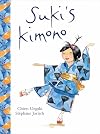
Uegaki, Chieri. Illustrated by Stephane Jorisch. Suki’s Kimono. Tonawanda, NY: Kids Can Press, 2003
Characters: Suki; Mari and Yumi (her older sisters); Suki’s obachan (her grandmother); the girls’ mother; Penny (Suki’s classmate/friend); Mrs. Paggio (Suki’s teacher)
Setting: somewhere in an urban Japanese-American community in the United States
Theme: Cultural celebrations; Japanese culture (Asian and Asian American); respect and remember one’s cultural heritage; individuality; be yourself no matter what others say, do, or think about you; character and values
Asian and Asian American
Genre: Children’s fiction; children’s picturebook
Golden Quote: “Suki stopped and looked around. Some of the children turned and stared at her, and others giggled and pointed at her kimono. But Suki ignored them.”
Summary: Suki’s very favorite thing is her blue cotton kimono. A gift from her obachan, it holds special memories of her grandmother’s visit over the summer. And Suki is going to wear it on her first day back to school—no matter what anyone says. Suki’s Kimono is the joyful story of a little girl whose spirit leads her to march—and dance—to the beat of her own drum.
Audience: age level: 5 to 8 years of age; grade level: K – 2nd
Curriculum ties: (BEFORE READING, LOOK AT...) The Cover: Have students make predictions about the text based on the title and front and back cover illustrations. Is Suki the girl on the cover? What is a kimono? Why is Suki wearing show more one? What kind of shoes is she wearing? Where do you think she’s going? The Pictures: Take a brief picture walk through the book. What do the pictures tell you about the settings of the story? Where and when does it take place? Purpose: Revisit the purpose: How do we know that Suki is self-confident? What does it mean to be self-confident? Extending Thinking: Think about presents you have gotten from either your grandmother or someone else. Are they “cool”? Are they “weird”? Have you ever gotten a present that you think is cool but your friends think is weird? How did that feel? What did you do? Prior Knowledge: Show the students a map of the world. Point out Japan and the United States. Explain that people who live in the United States come from many cultures. The little girl in this story is a Japanese-American who celebrates both cultures. Purpose for Reading: Students can practice inference. “As we read, think about how the author shows that Suki is self-confident…”
(MONITORING COMPREHENSION/POSSIBLE QUESTIONS TO ASK STUDENTS) What does each Japanese word mean? How do you know? Why don’t Suki’s sisters think she should wear her kimono to school? What are they wearing? Where did Suki get her kimono? Where did she first wear it? Why is it important to her? How does the author describe the taiko drums? How do you think Suki felt when she was teased about her kimono? What clues tell you this? Have you ever been teased for wearing something different? What clues tell you that Penny was already Suki’s friend? How do Suki’s classmates feel about her kimono at the end of the book?
THE ARTS: DANCE Create a dance that represents something in Japanese culture. Perform the dance for the class or a small group; MAKE A KOI FISH; MAKE A KOKESHI DOLL
WRITING ACTIVITIES: 1. What is your favorite outfit? Describe the outfit and tell why it is your favorite.
2. The illustrator dedicated the book to “spunky little kids everywhere.” What does that mean? Why do you think he chose this for his dedication? Is Suki “spunky”? How so?
3. Interview one of your grandparents or another older adult. Ask them to tell you about something special they remember about growing up. Write their answers to share with your classmates.
Awards: None
Personal response: Great book celebrating not only Japanese and Japanese-American culture, but self-confidence and individuality as well. Suki is a little girl who doesn’t care what anyone thinks about her. She does what she wants and she does it with dignity and fun too. She is so proud of her kimono that her grandmother gave her; she decides she is going to wear for her first day back from school. Even when the other kids stare and giggle, she ignores them and wears her kimono loud and proud. Aside from Suki’s spunky character, the best part of the book is when she shares her experience at the Japanese festival with her grandmother during the summer with her class. She acts out the whole ritual of Japanese dance and instead of getting laughed at by her classmates; they clap for her with joy and excitement for her enthusiasm. The artwork is great as well. The illustrations are rendered in watercolor; emulating traditional Japanese art with a modern yet whimsical twist. show less
Characters: Suki; Mari and Yumi (her older sisters); Suki’s obachan (her grandmother); the girls’ mother; Penny (Suki’s classmate/friend); Mrs. Paggio (Suki’s teacher)
Setting: somewhere in an urban Japanese-American community in the United States
Theme: Cultural celebrations; Japanese culture (Asian and Asian American); respect and remember one’s cultural heritage; individuality; be yourself no matter what others say, do, or think about you; character and values
Asian and Asian American
Genre: Children’s fiction; children’s picturebook
Golden Quote: “Suki stopped and looked around. Some of the children turned and stared at her, and others giggled and pointed at her kimono. But Suki ignored them.”
Summary: Suki’s very favorite thing is her blue cotton kimono. A gift from her obachan, it holds special memories of her grandmother’s visit over the summer. And Suki is going to wear it on her first day back to school—no matter what anyone says. Suki’s Kimono is the joyful story of a little girl whose spirit leads her to march—and dance—to the beat of her own drum.
Audience: age level: 5 to 8 years of age; grade level: K – 2nd
Curriculum ties: (BEFORE READING, LOOK AT...) The Cover: Have students make predictions about the text based on the title and front and back cover illustrations. Is Suki the girl on the cover? What is a kimono? Why is Suki wearing show more one? What kind of shoes is she wearing? Where do you think she’s going? The Pictures: Take a brief picture walk through the book. What do the pictures tell you about the settings of the story? Where and when does it take place? Purpose: Revisit the purpose: How do we know that Suki is self-confident? What does it mean to be self-confident? Extending Thinking: Think about presents you have gotten from either your grandmother or someone else. Are they “cool”? Are they “weird”? Have you ever gotten a present that you think is cool but your friends think is weird? How did that feel? What did you do? Prior Knowledge: Show the students a map of the world. Point out Japan and the United States. Explain that people who live in the United States come from many cultures. The little girl in this story is a Japanese-American who celebrates both cultures. Purpose for Reading: Students can practice inference. “As we read, think about how the author shows that Suki is self-confident…”
(MONITORING COMPREHENSION/POSSIBLE QUESTIONS TO ASK STUDENTS) What does each Japanese word mean? How do you know? Why don’t Suki’s sisters think she should wear her kimono to school? What are they wearing? Where did Suki get her kimono? Where did she first wear it? Why is it important to her? How does the author describe the taiko drums? How do you think Suki felt when she was teased about her kimono? What clues tell you this? Have you ever been teased for wearing something different? What clues tell you that Penny was already Suki’s friend? How do Suki’s classmates feel about her kimono at the end of the book?
THE ARTS: DANCE Create a dance that represents something in Japanese culture. Perform the dance for the class or a small group; MAKE A KOI FISH; MAKE A KOKESHI DOLL
WRITING ACTIVITIES: 1. What is your favorite outfit? Describe the outfit and tell why it is your favorite.
2. The illustrator dedicated the book to “spunky little kids everywhere.” What does that mean? Why do you think he chose this for his dedication? Is Suki “spunky”? How so?
3. Interview one of your grandparents or another older adult. Ask them to tell you about something special they remember about growing up. Write their answers to share with your classmates.
Awards: None
Personal response: Great book celebrating not only Japanese and Japanese-American culture, but self-confidence and individuality as well. Suki is a little girl who doesn’t care what anyone thinks about her. She does what she wants and she does it with dignity and fun too. She is so proud of her kimono that her grandmother gave her; she decides she is going to wear for her first day back from school. Even when the other kids stare and giggle, she ignores them and wears her kimono loud and proud. Aside from Suki’s spunky character, the best part of the book is when she shares her experience at the Japanese festival with her grandmother during the summer with her class. She acts out the whole ritual of Japanese dance and instead of getting laughed at by her classmates; they clap for her with joy and excitement for her enthusiasm. The artwork is great as well. The illustrations are rendered in watercolor; emulating traditional Japanese art with a modern yet whimsical twist. show less
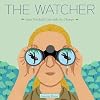
Winter, Jeanette. The Watcher: Jane Goodall’s Life with the Chimps. New York: Schwartz & Wade Books, 2011.
Characters: Jane Goodall (well-known primatologist/anthropologist); Louis Leakey (famous anthropologist); the chimpanzees of Tanzania
Setting: England (Jane Goodall’s childhood home); Gombe Stream Chimpanzee Reserve in western Tanzania
Theme: biography & autobiography; science & technology; women in science; scientific accomplishments; animals - apes & monkeys
Genre: Juvenile literature; juvenile nonfiction; biography
Golden Quote: “Jane hated to leave her friends, but she knew she must. She traveled to big cities and small towns the world over, month after month, year after year, asking for help to save the chimps and the forests.”
Summary: Little Jane Goodall loved to watch all the animals in her world-the earthworms and insects, birds, and cats. She loved to read about Dr. Dolittle, who could talk to animals.
When she grew up, Jane followed her dream and traveled to Africa to study chimpanzees. She watched them, she listened to them, and, in time, she became their friend.
Renowned children’s book creator Jeanette Winter brings us this moving biography of Jane Goodall, the woman who lived with the chimps- and who still speaks out to protect the animals and their homes.
Audience: age range: 4 to 8 years of age; grade level: pre-k to 3rd grade
Curriculum ties: compare and contrast The Watcher and Me…Jane by Patrick McDonnell, conduct a picturebook biography study show more using other books on other famous women in history; observe animal behavior by having students watch zoo camera’s or local animal species; have students conduct research on chimpanzees and other endangered species; ask students to write about their hopes and dreams
Awards: Best Book of the Year by the Boston Globe, Kirkus Reviews, Booklist, and the Bank Street College of Education
Personal response: I was drawn to this book for several reasons. First, I was anthropology major as an undergraduate, so any book that gets an awesome story like Jane Goodall’s out into the world already piques my interest. The author, does not “dumb” down Goodall’s life at all. In fact, she does an amazing job of emphasizing what her life’s work has always been- to be an observer of animals in their natural habitat. She even uses quotes from Jane Goodall herself (making it even more authentic). Secondly, the artwork is great. Winter’s use of acrylic paint and pen illustrates this major event in Goodall’s life perfectly, reflecting a whimsical type of tone to her story. Lastly, her account of Goodall’s experiences in the Gombe Chimpanzee reserve is based on true events and would inspire any child to pursue their dreams, regardless of what they are. show less
Characters: Jane Goodall (well-known primatologist/anthropologist); Louis Leakey (famous anthropologist); the chimpanzees of Tanzania
Setting: England (Jane Goodall’s childhood home); Gombe Stream Chimpanzee Reserve in western Tanzania
Theme: biography & autobiography; science & technology; women in science; scientific accomplishments; animals - apes & monkeys
Genre: Juvenile literature; juvenile nonfiction; biography
Golden Quote: “Jane hated to leave her friends, but she knew she must. She traveled to big cities and small towns the world over, month after month, year after year, asking for help to save the chimps and the forests.”
Summary: Little Jane Goodall loved to watch all the animals in her world-the earthworms and insects, birds, and cats. She loved to read about Dr. Dolittle, who could talk to animals.
When she grew up, Jane followed her dream and traveled to Africa to study chimpanzees. She watched them, she listened to them, and, in time, she became their friend.
Renowned children’s book creator Jeanette Winter brings us this moving biography of Jane Goodall, the woman who lived with the chimps- and who still speaks out to protect the animals and their homes.
Audience: age range: 4 to 8 years of age; grade level: pre-k to 3rd grade
Curriculum ties: compare and contrast The Watcher and Me…Jane by Patrick McDonnell, conduct a picturebook biography study show more using other books on other famous women in history; observe animal behavior by having students watch zoo camera’s or local animal species; have students conduct research on chimpanzees and other endangered species; ask students to write about their hopes and dreams
Awards: Best Book of the Year by the Boston Globe, Kirkus Reviews, Booklist, and the Bank Street College of Education
Personal response: I was drawn to this book for several reasons. First, I was anthropology major as an undergraduate, so any book that gets an awesome story like Jane Goodall’s out into the world already piques my interest. The author, does not “dumb” down Goodall’s life at all. In fact, she does an amazing job of emphasizing what her life’s work has always been- to be an observer of animals in their natural habitat. She even uses quotes from Jane Goodall herself (making it even more authentic). Secondly, the artwork is great. Winter’s use of acrylic paint and pen illustrates this major event in Goodall’s life perfectly, reflecting a whimsical type of tone to her story. Lastly, her account of Goodall’s experiences in the Gombe Chimpanzee reserve is based on true events and would inspire any child to pursue their dreams, regardless of what they are. show less
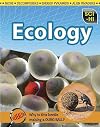
Latham, Donna. Edited by Adam Miller, Andrew Farrow, and Adrian Vigliano. Sci-Hi Series: Ecology. Chicago, IL: Raintree, 2009.
Characters: N/A
Setting: N/A
Theme: earth science, ecology, environment, ecosystems, pollution, competition among living species, extinction, symbiosis
Genre: Youth nonfiction; juvenile literature; earth science
Golden Quote: N/A
Summary: A comprehensive media rich into the study of ecology. Complete with colorful photographs, fun and interesting facts, including lab experiments, assessments, definitions, as well as information and resources on how to find about more about ecology
Audience: grade level: 7th and up
Curriculum ties: supplemental resource to tie into a variety of earth science ecology science units for middle school and high school curriculums; teachers can use this book in addition to conducting lab experiments such as planting and growing a class garden, examining soil samples, etc.
Awards: None
Personal response: This Sci-Hi series reminds me a lot of National Geographic Kids. It delivers complex content in a media rich format that is appealing for young readers. There is a vast array of fun, interesting, and “gross” facts accompanied with high quality photographs that clearly explains the concepts behind each scientific subject. Each book contains a table of contents, a glossary, and a “Find Out More” section (additional resources for children to go more in-depth with the particular topic/subject at hand). Furthermore, each book is show more written by educators with subject consultant experts in the specific field. Highly recommended to supplement any science curriculum in subjects that may need further knowledge and understanding or for students who have a specific interest in a particular area of scientific study. show less
Characters: N/A
Setting: N/A
Theme: earth science, ecology, environment, ecosystems, pollution, competition among living species, extinction, symbiosis
Genre: Youth nonfiction; juvenile literature; earth science
Golden Quote: N/A
Summary: A comprehensive media rich into the study of ecology. Complete with colorful photographs, fun and interesting facts, including lab experiments, assessments, definitions, as well as information and resources on how to find about more about ecology
Audience: grade level: 7th and up
Curriculum ties: supplemental resource to tie into a variety of earth science ecology science units for middle school and high school curriculums; teachers can use this book in addition to conducting lab experiments such as planting and growing a class garden, examining soil samples, etc.
Awards: None
Personal response: This Sci-Hi series reminds me a lot of National Geographic Kids. It delivers complex content in a media rich format that is appealing for young readers. There is a vast array of fun, interesting, and “gross” facts accompanied with high quality photographs that clearly explains the concepts behind each scientific subject. Each book contains a table of contents, a glossary, and a “Find Out More” section (additional resources for children to go more in-depth with the particular topic/subject at hand). Furthermore, each book is show more written by educators with subject consultant experts in the specific field. Highly recommended to supplement any science curriculum in subjects that may need further knowledge and understanding or for students who have a specific interest in a particular area of scientific study. show less
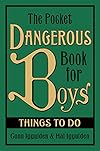
Iggulden, Conn & Hall Iggulden. Illustrated by Andrew Ashton. The Pocket Dangerous Book for Boys: Things To Do. New York: HarperCollins Publishers, 2008.
Characters: N/A
Setting: N/A
Theme: sports and recreation; outdoor skills
Genre: Juvenile literature; nonfiction; guidebook, how-to book
Golden Quote: “There is something magical about small books. Somehow you own them more than large ones. You can keep them in a secret box or the crook of a tree…but if you’re holding this, you’ll know it’s just the right size to take with you on adventures. The only thing we couldn’t do was make it fireproof and waterproof, but who knows? Maybe we will, yet.”
Summary: A pocket-sized book of wisdom based on the bestselling phenomenon, The Dangerous Book for Boys, this portable edition includes some favorite activities from the original book, along with some even more dangerous new ones! With everything from how to win at poker, to how to make a paper hat, from skipping stones to writing a note in secret ink, the Pocket Book of things to do will appeal to all men and boys with an appetite for danger!
Audience: age level: 8 to 80
Curriculum ties: Parent/Son Activity Day: Show and Tell- encourage parents to spend time with their child over the weekend creating some of the projects highlighted in the book. Some suggested projects can include building a go-cart, work bench, or pocket light. Parents and children can also be encouraged to spend time teaching their family pet new tricks show more or playing table football. The following week, host a parent/child show and tell where both the parent and student bring in pictures of their projects or write-up a short paragraph of what they did for parent/son weekend.
Go-Cart Race- host a parent/son activity day at school. Set aside time in the afternoon or perhaps on a Saturday, to have students come in with their parents to work on a special go-cart project. Provide materials such as paints, markers, glitter, leaves, etc. to assist the parents/students with their projects. Encourage the pairs to be as creative as possible. Once the carts are assembled, set up a relay race for all of the teams. As an added bonus, establish criteria on which parents/students will be judged, for example, creativity, enthusiasm, team work etc. and award a small prize to the winners.
"Dangerous" Recess Ideas- juggling and knot tying activity. Gather students together in a group for a demonstration. Demonstrate the techniques for juggling and knot tying and encourage them to participate. Then have a contest to see which student can tie the fastest knot or juggle the longest without letting the balls fall.
Marble Crazy- introduce students to the techniques of marble "shooting" as described in the book. Then allow them to break into groups and have fun playing classic games such as Ring Taw, Bounce About and Hundreds.
Ay, Ay Captain! - create your very own paper boat, hat and water bomb; make a copy for each of your students. Encourage students to be creative and design their own paper boats and/or hats.
Dangerous Knowledge Bowl -use the information provided in The Dangerous Book for Boys as a primary source for developing questions. Have students create a list of trivia questions/answers on index cards and then break into teams. The team with the most points at the end of the game wins. Below are a few sample questions to help them get started.
The word "insect" comes from which classic language and means to "cut into" or "segmented"? Answer: Latin
What is stenography? Answer: The practice of sending secret messages.
Name 3 of baseball's most valuable players.
Awards: Book of the Year award at the 2007 Galaxy British Book Awards; the Nibbies, 2007
It also won various industry awards including the Stora Enso Design and Production Award at the British Book Industry Awards for the design and production team of Andrew Ashton and Nicole Abel.
Personal response: I love this book! In this day and age when kids are tethered to their devices, it is nice to see someone put together a fun, outdoorsy guidebook to help boys find stuff to do outside of the house. While some of activities could be considered “dangerous” (and there is a disclaimer in the beginning of the book that all activities require adult supervision, however, most can be done without one. The disclaimer feels more like encouragement for parents to connect with their children to go out and have an adventure based on the activities and project presented in the book. Nonetheless, still a good way for the authors and publisher to cover themselves in case something was to go wrong. This book celebrates the true beauty of childhood, which is almost naturally losing out to technological innovation. What’s even better is there is a companion girl’s version as well. show less
Characters: N/A
Setting: N/A
Theme: sports and recreation; outdoor skills
Genre: Juvenile literature; nonfiction; guidebook, how-to book
Golden Quote: “There is something magical about small books. Somehow you own them more than large ones. You can keep them in a secret box or the crook of a tree…but if you’re holding this, you’ll know it’s just the right size to take with you on adventures. The only thing we couldn’t do was make it fireproof and waterproof, but who knows? Maybe we will, yet.”
Summary: A pocket-sized book of wisdom based on the bestselling phenomenon, The Dangerous Book for Boys, this portable edition includes some favorite activities from the original book, along with some even more dangerous new ones! With everything from how to win at poker, to how to make a paper hat, from skipping stones to writing a note in secret ink, the Pocket Book of things to do will appeal to all men and boys with an appetite for danger!
Audience: age level: 8 to 80
Curriculum ties: Parent/Son Activity Day: Show and Tell- encourage parents to spend time with their child over the weekend creating some of the projects highlighted in the book. Some suggested projects can include building a go-cart, work bench, or pocket light. Parents and children can also be encouraged to spend time teaching their family pet new tricks show more or playing table football. The following week, host a parent/child show and tell where both the parent and student bring in pictures of their projects or write-up a short paragraph of what they did for parent/son weekend.
Go-Cart Race- host a parent/son activity day at school. Set aside time in the afternoon or perhaps on a Saturday, to have students come in with their parents to work on a special go-cart project. Provide materials such as paints, markers, glitter, leaves, etc. to assist the parents/students with their projects. Encourage the pairs to be as creative as possible. Once the carts are assembled, set up a relay race for all of the teams. As an added bonus, establish criteria on which parents/students will be judged, for example, creativity, enthusiasm, team work etc. and award a small prize to the winners.
"Dangerous" Recess Ideas- juggling and knot tying activity. Gather students together in a group for a demonstration. Demonstrate the techniques for juggling and knot tying and encourage them to participate. Then have a contest to see which student can tie the fastest knot or juggle the longest without letting the balls fall.
Marble Crazy- introduce students to the techniques of marble "shooting" as described in the book. Then allow them to break into groups and have fun playing classic games such as Ring Taw, Bounce About and Hundreds.
Ay, Ay Captain! - create your very own paper boat, hat and water bomb; make a copy for each of your students. Encourage students to be creative and design their own paper boats and/or hats.
Dangerous Knowledge Bowl -use the information provided in The Dangerous Book for Boys as a primary source for developing questions. Have students create a list of trivia questions/answers on index cards and then break into teams. The team with the most points at the end of the game wins. Below are a few sample questions to help them get started.
The word "insect" comes from which classic language and means to "cut into" or "segmented"? Answer: Latin
What is stenography? Answer: The practice of sending secret messages.
Name 3 of baseball's most valuable players.
Awards: Book of the Year award at the 2007 Galaxy British Book Awards; the Nibbies, 2007
It also won various industry awards including the Stora Enso Design and Production Award at the British Book Industry Awards for the design and production team of Andrew Ashton and Nicole Abel.
Personal response: I love this book! In this day and age when kids are tethered to their devices, it is nice to see someone put together a fun, outdoorsy guidebook to help boys find stuff to do outside of the house. While some of activities could be considered “dangerous” (and there is a disclaimer in the beginning of the book that all activities require adult supervision, however, most can be done without one. The disclaimer feels more like encouragement for parents to connect with their children to go out and have an adventure based on the activities and project presented in the book. Nonetheless, still a good way for the authors and publisher to cover themselves in case something was to go wrong. This book celebrates the true beauty of childhood, which is almost naturally losing out to technological innovation. What’s even better is there is a companion girl’s version as well. show less
McClintock, Norah. Back. Custer, WA: Orca Book Publishers, 2009.
Characters: the narrator (remains nameless throughout the story); Jojo; Shana; Ardell; Jojo’s mother; Ardell’s mother and father
Setting: Unspecified urban/working class neighborhood somewhere in the United States
Theme: Crime drama,
Genre: Young adult fiction; hi-low
Golden Quote: “…there are the people who have hate in their hearts. These people wish something bad would happen to Jojo. Something really bad. Ardell Withrow is one of those people.
Summary: After serving time for a violent crime, Jojo returns to the neighborhood and tries to take his life back.
Audience: reading level: 4th; age range level: 9th grade and up
Curriculum ties: Anticipatory Set: Read chapter 1 to students and ask them to make a list of facts about the characters, the setting and the situation. Ask students to make a prediction log, which they will use throughout the reading of the book. On one side of the log, have students make predictions about what could happen based on the facts. On the other side, ask students to provide rationales for each of their predictions. As students continue reading the novel, have them make additional entries in their prediction log.
Connecting to the World—Writing and Research Ideas
• The narrator makes a wise observation in chapter 2: “Ardell has hate in his heart, and hate takes the fear out of people and replaces it with a thirst for vengeance.” Ask students to think of a time in their show more lives when they have either witnessed this truth personally or read about it in a news report. Ask students to write a one-page summary of the event to share with the class. Post summaries around the room.
• In chapter 5, Eden’s father suggests that the family remove life support and allow Eden to try to live without the machinery that is keeping him alive. Eden has been in a coma for over two years and has no brain activity. The issue is who has the right to decide to remove life support from comatose patients? Of great concern in society today, this question has been brought to public attention by the news media in recent years. Divide the class into groups, and have students research and debate the following topic: “Family members should have the right to decide whether or not to remove a loved one from life support.” Ask a panel of administrators, the librarian and the counselor to judge the debates.
Connecting to the Text—Elements of the Novel
Setting
The place and time of this story is important to the action of the story. Ask students to determine the setting and write a justification for their decisions about when and where this story occurs, explaining why the setting is key to the story.
Irony
The reader knows what JoJo is doing to help his mother; the reader sees that JoJo is a changed man. At the end of chapter 12, the narrator’s mother states, “But he’s making up for it now, without anyone watching him, without anyone knowing.” Ask students to define dramatic irony and to find examples throughout the novel of what the narrator and readers know that Ardell and the community do not know. Have students select one example and create a cartoon strip illustrating the irony.
Conflict
The conflict between JoJo and Ardell moves the story forward, and Shana adds interest. How does the phrase “an eye for an eye” apply to these three characters, as well as to Benjamin and Eden? Ask students to draw an illustrated web, making the connections and showing the depth of conflict. Have students add pictures, symbolic representations and elements of color to convey the conflicts.
Point of View
The story is told through the voice of a narrator, reporting the events as they happen, interjecting her emotions and opinions about what is taking place. The reader does not ever truly know what JoJo thinks or feels. Occasionally, the reader hears what Shana and Ardell say, but not the emotions they feel or what they think. Ask students to select one of these three characters and, with a partner, choose a scene in which they interact. Have them rewrite the dialogue from that character’s point of view. Then ask students to rehearse and present their new scenes to the class.
Connecting to the Students—Discussion Questions
1. The reader does not know what or how JoJo feels about his past actions from what he says, only from what he does. Based on his actions, what is JoJo’s attitude about his past? What does he do to let the reader know how he has changed?
2. Before JoJo was sent to jail, he terrorized the town, so the townspeople had their reasons to fear him and treat him badly. What could JoJo have done to show that he had changed?
3. Ardell is understandably angry and bitter toward JoJo. What does his anger do for him? How does it help or hinder him? How does Ardell use his anger to control others in his family and his community?
4. Why does Ardell’s father move out of the house? Was the move more Ardell’s idea or his mother’s? Why?
5. Why is Shana able to forgive JoJo and allow him to see their son? Why are Shana’s parents not so forgiving?
6. How does gossip fuel the anger in Ardell and the hatred the community feels toward JoJo? Why is no one willing to give him a second chance? To even talk to him or his mother?
7. Why are the people in the community willing to forgive and even cover up for Ardell and his actions, but not JoJo’s actions?
8. After Ardell assaults Shana, shakes her baby and resists arrest, the community continues to blame JoJo. The people say, “They should have locked JoJo up longer.” And, “If he hadn’t come back here, none of this would have happened.” Why is it easier for them to blame JoJo than to hold Ardell responsible for his actions?
9. The narrator is a passive observer throughout the story. Why doesn’t she involve herself? What are her feelings toward JoJo? Would it have made a difference to JoJo if he had known how she felt?
10. Why does the narrator finally decide to call the police about what she sees the night JoJo is killed? What will her decision cost her and her family?
Awards: None for this book in particular, but author is a five-time winner of the Crime Writers of Canada's Arthur Ellis Award for Best Juvenile Crime Novel
Personal response: Back is a story about a young man, Jojo, who is back from serving time in prison for a crime that left another boy (Eden) in a vegetative state. When he is released, Jojo returns to his neighborhood where almost everyone despises him and Eden’s older brother, Ardell, wants Jojo to pay for his crime against his brother. While there is some intense, action packed moments in this book, I was overall unimpressed with the plot and characters. Both were underdeveloped to me and the ending is just okay. Overall there is nothing that is particularly special about this book, but I do see how it could be appealing to a reluctant reader or to a reader who may come from a similar situation. show less
Characters: the narrator (remains nameless throughout the story); Jojo; Shana; Ardell; Jojo’s mother; Ardell’s mother and father
Setting: Unspecified urban/working class neighborhood somewhere in the United States
Theme: Crime drama,
Genre: Young adult fiction; hi-low
Golden Quote: “…there are the people who have hate in their hearts. These people wish something bad would happen to Jojo. Something really bad. Ardell Withrow is one of those people.
Summary: After serving time for a violent crime, Jojo returns to the neighborhood and tries to take his life back.
Audience: reading level: 4th; age range level: 9th grade and up
Curriculum ties: Anticipatory Set: Read chapter 1 to students and ask them to make a list of facts about the characters, the setting and the situation. Ask students to make a prediction log, which they will use throughout the reading of the book. On one side of the log, have students make predictions about what could happen based on the facts. On the other side, ask students to provide rationales for each of their predictions. As students continue reading the novel, have them make additional entries in their prediction log.
Connecting to the World—Writing and Research Ideas
• The narrator makes a wise observation in chapter 2: “Ardell has hate in his heart, and hate takes the fear out of people and replaces it with a thirst for vengeance.” Ask students to think of a time in their show more lives when they have either witnessed this truth personally or read about it in a news report. Ask students to write a one-page summary of the event to share with the class. Post summaries around the room.
• In chapter 5, Eden’s father suggests that the family remove life support and allow Eden to try to live without the machinery that is keeping him alive. Eden has been in a coma for over two years and has no brain activity. The issue is who has the right to decide to remove life support from comatose patients? Of great concern in society today, this question has been brought to public attention by the news media in recent years. Divide the class into groups, and have students research and debate the following topic: “Family members should have the right to decide whether or not to remove a loved one from life support.” Ask a panel of administrators, the librarian and the counselor to judge the debates.
Connecting to the Text—Elements of the Novel
Setting
The place and time of this story is important to the action of the story. Ask students to determine the setting and write a justification for their decisions about when and where this story occurs, explaining why the setting is key to the story.
Irony
The reader knows what JoJo is doing to help his mother; the reader sees that JoJo is a changed man. At the end of chapter 12, the narrator’s mother states, “But he’s making up for it now, without anyone watching him, without anyone knowing.” Ask students to define dramatic irony and to find examples throughout the novel of what the narrator and readers know that Ardell and the community do not know. Have students select one example and create a cartoon strip illustrating the irony.
Conflict
The conflict between JoJo and Ardell moves the story forward, and Shana adds interest. How does the phrase “an eye for an eye” apply to these three characters, as well as to Benjamin and Eden? Ask students to draw an illustrated web, making the connections and showing the depth of conflict. Have students add pictures, symbolic representations and elements of color to convey the conflicts.
Point of View
The story is told through the voice of a narrator, reporting the events as they happen, interjecting her emotions and opinions about what is taking place. The reader does not ever truly know what JoJo thinks or feels. Occasionally, the reader hears what Shana and Ardell say, but not the emotions they feel or what they think. Ask students to select one of these three characters and, with a partner, choose a scene in which they interact. Have them rewrite the dialogue from that character’s point of view. Then ask students to rehearse and present their new scenes to the class.
Connecting to the Students—Discussion Questions
1. The reader does not know what or how JoJo feels about his past actions from what he says, only from what he does. Based on his actions, what is JoJo’s attitude about his past? What does he do to let the reader know how he has changed?
2. Before JoJo was sent to jail, he terrorized the town, so the townspeople had their reasons to fear him and treat him badly. What could JoJo have done to show that he had changed?
3. Ardell is understandably angry and bitter toward JoJo. What does his anger do for him? How does it help or hinder him? How does Ardell use his anger to control others in his family and his community?
4. Why does Ardell’s father move out of the house? Was the move more Ardell’s idea or his mother’s? Why?
5. Why is Shana able to forgive JoJo and allow him to see their son? Why are Shana’s parents not so forgiving?
6. How does gossip fuel the anger in Ardell and the hatred the community feels toward JoJo? Why is no one willing to give him a second chance? To even talk to him or his mother?
7. Why are the people in the community willing to forgive and even cover up for Ardell and his actions, but not JoJo’s actions?
8. After Ardell assaults Shana, shakes her baby and resists arrest, the community continues to blame JoJo. The people say, “They should have locked JoJo up longer.” And, “If he hadn’t come back here, none of this would have happened.” Why is it easier for them to blame JoJo than to hold Ardell responsible for his actions?
9. The narrator is a passive observer throughout the story. Why doesn’t she involve herself? What are her feelings toward JoJo? Would it have made a difference to JoJo if he had known how she felt?
10. Why does the narrator finally decide to call the police about what she sees the night JoJo is killed? What will her decision cost her and her family?
Awards: None for this book in particular, but author is a five-time winner of the Crime Writers of Canada's Arthur Ellis Award for Best Juvenile Crime Novel
Personal response: Back is a story about a young man, Jojo, who is back from serving time in prison for a crime that left another boy (Eden) in a vegetative state. When he is released, Jojo returns to his neighborhood where almost everyone despises him and Eden’s older brother, Ardell, wants Jojo to pay for his crime against his brother. While there is some intense, action packed moments in this book, I was overall unimpressed with the plot and characters. Both were underdeveloped to me and the ending is just okay. Overall there is nothing that is particularly special about this book, but I do see how it could be appealing to a reluctant reader or to a reader who may come from a similar situation. show less

Creech, Sharon. Love That Dog: A Novel. New York: HarperCollins Children’s Books, 2001.
Characters: Jack; Miss Stretchberry (Jack’s teacher); Walter Dean Myers (Jack’s favorite poet); Sky (Jack’s dog)
Setting: Jack’s classroom (Room 105); Jack’s neighborhood
Theme: Writing; school life; coming to terms with issues of death and lose
Genre: Realistic fiction; poetry
Golden Quote: "I guess it does look like a poem when you see it typed up like that."
Summary: Jack hates poetry. Only girls write it and every time he tries to, his brain feels empty. But his teacher, Miss Stretchberry, won't stop giving her class poetry assignments — and Jack can't avoid them. But then something amazing happens. The more he writes, the more he learns he does have something to say.
Audience: Grade level: 6th to 8th; age level: 11 years and up
Curriculum ties: Possible literature circle questions: (1) Jack doesn't want to write poetry at the beginning of the book. Why doesn't he want to?
(2)In Jack's first poem, he writes:
So much depends
upon
a blue car
splattered with mud
speeding down the road.
Why was the blue car important to Jack?
(3) What caused Miss Strechberry to be so interested in Jack's first poem? Describe what Miss Strechberry does to get Jack to write more poems, especially about the blue car.
(4) How does Jack respond when Miss Strechberry asks him to write about a pet? Why do you think Miss Strechberry insists Jack write the poem despite his reaction?
(5) Jack changes a great show more deal in the novel. Think about these changes. Then create a two-column chart with two headings: "Beginning of school year" and "End of school year." Under each heading, list examples of the things Jack does, thinks, and says in the beginning of the year compared to the end of the year.
(6) There are many ways a poet can paint a picture in a reader's mind with words. They include similes, metaphors, onomatopoeia, and more. Find examples of the techniques the poets use in Love That Dog. As a group, choose three verses from the novel that created the most vivid pictures.
Other ideas/curriculum ties:
Compose a letter or write a poem from Jack that shows his appreciation for Miss Strechberry
Choose your favorite poem at the end of Love That Dog, and tell what the narrator was trying to say in your own words
In "The Apple," by S.C. Rigg, and "My Yellow Dog," by Jack, the words form the shape of the poem's subject. Write your own "shape" poem.
Get a collection of poems by your favorite poet. Read the collection, then select your favorite poem. Create a collage that illustrates what the poem is about.
Awards: Carnegie Medal commended book; New York Public Library’s “One Hundred Titles for Reading and Sharing”; Book Sense 76 Bestseller; ALA Notable Book; School Library
Journal Best Book; Publisher’s Weekly Best Book, Christopher Medal winner
Personal response: This is a sweet and sentimental ode to a boy and his dog and, of course, poetry. As the story progresses, readers of all ages will connect and relate to the main character in so many ways. Jack’s really comes into his own as the inner poet is released into the world. The overall theme of the book is quite serious in content, however it is done so beautifully, it almost seems light hearted in nature The words are simple, but the ideas are complex. His struggle with writing poetry is very evident from the beginning of the novel, nonetheless, when he is stretched by his teacher to write about the death of his beloved dog, then the reader truly can see his poetry as more cathartic than anything else. It’s also great to discover (though written verse) how his love for poetry develops when he find out his favorite poet is going to visit his classroom. show less
Characters: Jack; Miss Stretchberry (Jack’s teacher); Walter Dean Myers (Jack’s favorite poet); Sky (Jack’s dog)
Setting: Jack’s classroom (Room 105); Jack’s neighborhood
Theme: Writing; school life; coming to terms with issues of death and lose
Genre: Realistic fiction; poetry
Golden Quote: "I guess it does look like a poem when you see it typed up like that."
Summary: Jack hates poetry. Only girls write it and every time he tries to, his brain feels empty. But his teacher, Miss Stretchberry, won't stop giving her class poetry assignments — and Jack can't avoid them. But then something amazing happens. The more he writes, the more he learns he does have something to say.
Audience: Grade level: 6th to 8th; age level: 11 years and up
Curriculum ties: Possible literature circle questions: (1) Jack doesn't want to write poetry at the beginning of the book. Why doesn't he want to?
(2)In Jack's first poem, he writes:
So much depends
upon
a blue car
splattered with mud
speeding down the road.
Why was the blue car important to Jack?
(3) What caused Miss Strechberry to be so interested in Jack's first poem? Describe what Miss Strechberry does to get Jack to write more poems, especially about the blue car.
(4) How does Jack respond when Miss Strechberry asks him to write about a pet? Why do you think Miss Strechberry insists Jack write the poem despite his reaction?
(5) Jack changes a great show more deal in the novel. Think about these changes. Then create a two-column chart with two headings: "Beginning of school year" and "End of school year." Under each heading, list examples of the things Jack does, thinks, and says in the beginning of the year compared to the end of the year.
(6) There are many ways a poet can paint a picture in a reader's mind with words. They include similes, metaphors, onomatopoeia, and more. Find examples of the techniques the poets use in Love That Dog. As a group, choose three verses from the novel that created the most vivid pictures.
Other ideas/curriculum ties:
Compose a letter or write a poem from Jack that shows his appreciation for Miss Strechberry
Choose your favorite poem at the end of Love That Dog, and tell what the narrator was trying to say in your own words
In "The Apple," by S.C. Rigg, and "My Yellow Dog," by Jack, the words form the shape of the poem's subject. Write your own "shape" poem.
Get a collection of poems by your favorite poet. Read the collection, then select your favorite poem. Create a collage that illustrates what the poem is about.
Awards: Carnegie Medal commended book; New York Public Library’s “One Hundred Titles for Reading and Sharing”; Book Sense 76 Bestseller; ALA Notable Book; School Library
Journal Best Book; Publisher’s Weekly Best Book, Christopher Medal winner
Personal response: This is a sweet and sentimental ode to a boy and his dog and, of course, poetry. As the story progresses, readers of all ages will connect and relate to the main character in so many ways. Jack’s really comes into his own as the inner poet is released into the world. The overall theme of the book is quite serious in content, however it is done so beautifully, it almost seems light hearted in nature The words are simple, but the ideas are complex. His struggle with writing poetry is very evident from the beginning of the novel, nonetheless, when he is stretched by his teacher to write about the death of his beloved dog, then the reader truly can see his poetry as more cathartic than anything else. It’s also great to discover (though written verse) how his love for poetry develops when he find out his favorite poet is going to visit his classroom. show less
Swortzell, Lowell (editor). Theatre for Young Audiences: Around the World in 21 Plays. New York: Applause Books, 1997
Characters: variety of characters from 21 plays
Setting: various settings and countries from around the world
Theme: variety of themes and topics are covered in the plays throughout this anthology such as imagination, living in poverty, cultural issues, fairy tales and myths, trickery, historical figures (Fredrick Douglass), coming of age stories
Genre: children's plays; plays / drama; American; performing arts; collections
Golden Quote: “Do you realize that among all the other fascinating things moving about in your mind there’s also a theater?...So reading a play becomes a total theatrical experience as you both imagine a performance and sit back and enjoy at the same time!”
Summary: See the world through the ages in this international volume of classic, modern, and contemporary plays. Heading the expedition is Lowell Swortzell, whose compelling introductions propel the reader into the historical and social background of each play.
Among the crew of this theatrical vessel are the masters of the craft from Strindberg to Moliere, Gertrude Stein to Langston Hughes. Journey in myth, fantasy, and folklore, and, inevitably, back home again into everyday life. Meet great heroes such as Fredrick Douglass and Clement Clark Moore in the course of this extraordinary dramatic odyssey.
Audience: 3rd grade to high school
Curriculum ties: depending on which play is show more chosen and what content area is studied, any of these plays could be used as supplemental material to enhance any curriculum, students can act out plays, discuss their historical or social context within the play itself, and even talk the context in which the playwright was writing within as well; students could write their own plays using the characters from the plays, reader’s theater
Awards: None
Personal response: This is wonderful collection of plays for children ranging from middle to upper elementary school to high school grade levels. What I liked most about this anthology is the variety of geographical locations, issues, and eras that it spans. Not only are there humorous and rather silly plays like Jack Juggler from England (one of the first plays written for a young audience somewhere between 1553-1558 and published around 1563 by an unknown playwright), but there are also contemporary plays from contemporary playwrights and award-winning playwrights addressing divorce and foster home life to ancient legends and myths. For each play, Swortzell writes a brief introduction giving relevance to the play in terms of its connection to the intended audience as well as its historical context. Any teacher can find a play in this anthology to supplement their curriculum in a variety of content areas. show less
Characters: variety of characters from 21 plays
Setting: various settings and countries from around the world
Theme: variety of themes and topics are covered in the plays throughout this anthology such as imagination, living in poverty, cultural issues, fairy tales and myths, trickery, historical figures (Fredrick Douglass), coming of age stories
Genre: children's plays; plays / drama; American; performing arts; collections
Golden Quote: “Do you realize that among all the other fascinating things moving about in your mind there’s also a theater?...So reading a play becomes a total theatrical experience as you both imagine a performance and sit back and enjoy at the same time!”
Summary: See the world through the ages in this international volume of classic, modern, and contemporary plays. Heading the expedition is Lowell Swortzell, whose compelling introductions propel the reader into the historical and social background of each play.
Among the crew of this theatrical vessel are the masters of the craft from Strindberg to Moliere, Gertrude Stein to Langston Hughes. Journey in myth, fantasy, and folklore, and, inevitably, back home again into everyday life. Meet great heroes such as Fredrick Douglass and Clement Clark Moore in the course of this extraordinary dramatic odyssey.
Audience: 3rd grade to high school
Curriculum ties: depending on which play is show more chosen and what content area is studied, any of these plays could be used as supplemental material to enhance any curriculum, students can act out plays, discuss their historical or social context within the play itself, and even talk the context in which the playwright was writing within as well; students could write their own plays using the characters from the plays, reader’s theater
Awards: None
Personal response: This is wonderful collection of plays for children ranging from middle to upper elementary school to high school grade levels. What I liked most about this anthology is the variety of geographical locations, issues, and eras that it spans. Not only are there humorous and rather silly plays like Jack Juggler from England (one of the first plays written for a young audience somewhere between 1553-1558 and published around 1563 by an unknown playwright), but there are also contemporary plays from contemporary playwrights and award-winning playwrights addressing divorce and foster home life to ancient legends and myths. For each play, Swortzell writes a brief introduction giving relevance to the play in terms of its connection to the intended audience as well as its historical context. Any teacher can find a play in this anthology to supplement their curriculum in a variety of content areas. show less
Savvy by Ingrid Law
Law, Ingrid. Savvy. New York: Penguin Group, 2008.
Characters: The Beaumont family: Mississippi Mibs; Fish; Rocket; Samson; Gypsy; Jenny "Momma"; Abram "Poppa"; Grandpa Bomba;
Grandma Dollop; Dinah O'Connell
Setting: Kansas and Nebraska (Kansaska-Nebransas)
Theme: coming of age; emotional growth
Genre: Children’s fiction; fantasy and magic
Golden Quote: "Momma looked at Poppa's empty chair and waiting plate, then she turned to us, chin trembling, and told us about the accident on the highway. She told us how Poppa's car had gotten crunched up bad, like a pop can under a cowboy's boot, and how he'd gone and forgotten to get out before it happened, landing himself in a room and a bed at Salina Hope Hospital, where now he lay broken and asleep, not able to wake up."
Summary: Mibs Beaumont is about to become a teenager. As if that prospect weren’t scary enough, thirteen is when Beaumont’s savvy strikes—and with one brother who causes hurricanes and another who creates electricity, it promises to be outrageous and positively thrilling. But just before her big day, Poppa is in a terrible accident. Suddenly, her dreams of X-ray vision disappear: all Mibs wants is a savvy that will save Poppa. And Mibs is so sure she’ll get that powerful savvy that she sneaks a ride to the hospital on a rickety bus, with her siblings and the preacher’s kids in tow. But when the bus starts heading in the wrong direction only one thing is certain: After this extraordinary adventure not a soul show more on board will ever be the same.
Audience: age level: 9-12; grade level: 3rd to 6th
Curriculum ties: Possible discussion questions: Mibs wishes, at least temporarily, that her savvy could “give [her] the muscle to turn nasty girls into slimy green frogs or to glue their mouths shut tight with a nod of [her] head.” (p. 17) why do the girls in Mibs’s class make fun of her? What would you do in her place?; The Beaumont’s have to keep their savvies a secret from everyone. Would that be difficult for you? Do you think everyone has a secret? Who would you trust with your big secrets?; Describe Mibs’s relationship with her parents and siblings. How is it complicated by their savvies? What are the positive and negative aspects of having siblings with extraordinary powers?; Grandpa says to Mibs, “Your savvy’s in your blood. It’s an inheritance, like your brown eyes or your grandma’s long toes or her talent for dancing to polka music.” (p. 121) Are people born with special talents or do they have to work at developing their unique abilities? Are there any talents you wish you had?; Explain “ordinary human magic” in your own words. Give another example of “ordinary human magic” you find in Savvy.; How does Mibs’s relationship with Will and Bobbi change over the course of the adventure? Who do you think changes the most in the story?; Momma warns Mibs that, “You can’t get rid of part of what makes you and be happy.” (p. 186) what makes you? How do you let that special part shine through?; what kind of savvy or magical power do you wish could have and why? (Write a story and it and tell how they would use their power); students could create a savvy classroom book with their stories and pictures
Awards: Newbery Honor, 2009; second runner up for the Indian Paintbrush Book Award, 2011; Boston Globe-Horn Book Award
Personal response: Savvy is an original adventure story with lots of heart and humor. What I like most about this story is that it could have gone down a dark path in mood and tone, but Law kept it lighthearted and fun despite its serious subject matter. There is and even mix of seriousness and quirkiness which can be mostly attributed to the development of lovable characters, each with unique qualities that bring a special flavor to this lovely magical story. I thoroughly enjoyed the dynamics of the entire Beaumont family. It is further evidence that when you have the love and support of your family, you can get through anything. show less
Characters: The Beaumont family: Mississippi Mibs; Fish; Rocket; Samson; Gypsy; Jenny "Momma"; Abram "Poppa"; Grandpa Bomba;
Grandma Dollop; Dinah O'Connell
Setting: Kansas and Nebraska (Kansaska-Nebransas)
Theme: coming of age; emotional growth
Genre: Children’s fiction; fantasy and magic
Golden Quote: "Momma looked at Poppa's empty chair and waiting plate, then she turned to us, chin trembling, and told us about the accident on the highway. She told us how Poppa's car had gotten crunched up bad, like a pop can under a cowboy's boot, and how he'd gone and forgotten to get out before it happened, landing himself in a room and a bed at Salina Hope Hospital, where now he lay broken and asleep, not able to wake up."
Summary: Mibs Beaumont is about to become a teenager. As if that prospect weren’t scary enough, thirteen is when Beaumont’s savvy strikes—and with one brother who causes hurricanes and another who creates electricity, it promises to be outrageous and positively thrilling. But just before her big day, Poppa is in a terrible accident. Suddenly, her dreams of X-ray vision disappear: all Mibs wants is a savvy that will save Poppa. And Mibs is so sure she’ll get that powerful savvy that she sneaks a ride to the hospital on a rickety bus, with her siblings and the preacher’s kids in tow. But when the bus starts heading in the wrong direction only one thing is certain: After this extraordinary adventure not a soul show more on board will ever be the same.
Audience: age level: 9-12; grade level: 3rd to 6th
Curriculum ties: Possible discussion questions: Mibs wishes, at least temporarily, that her savvy could “give [her] the muscle to turn nasty girls into slimy green frogs or to glue their mouths shut tight with a nod of [her] head.” (p. 17) why do the girls in Mibs’s class make fun of her? What would you do in her place?; The Beaumont’s have to keep their savvies a secret from everyone. Would that be difficult for you? Do you think everyone has a secret? Who would you trust with your big secrets?; Describe Mibs’s relationship with her parents and siblings. How is it complicated by their savvies? What are the positive and negative aspects of having siblings with extraordinary powers?; Grandpa says to Mibs, “Your savvy’s in your blood. It’s an inheritance, like your brown eyes or your grandma’s long toes or her talent for dancing to polka music.” (p. 121) Are people born with special talents or do they have to work at developing their unique abilities? Are there any talents you wish you had?; Explain “ordinary human magic” in your own words. Give another example of “ordinary human magic” you find in Savvy.; How does Mibs’s relationship with Will and Bobbi change over the course of the adventure? Who do you think changes the most in the story?; Momma warns Mibs that, “You can’t get rid of part of what makes you and be happy.” (p. 186) what makes you? How do you let that special part shine through?; what kind of savvy or magical power do you wish could have and why? (Write a story and it and tell how they would use their power); students could create a savvy classroom book with their stories and pictures
Awards: Newbery Honor, 2009; second runner up for the Indian Paintbrush Book Award, 2011; Boston Globe-Horn Book Award
Personal response: Savvy is an original adventure story with lots of heart and humor. What I like most about this story is that it could have gone down a dark path in mood and tone, but Law kept it lighthearted and fun despite its serious subject matter. There is and even mix of seriousness and quirkiness which can be mostly attributed to the development of lovable characters, each with unique qualities that bring a special flavor to this lovely magical story. I thoroughly enjoyed the dynamics of the entire Beaumont family. It is further evidence that when you have the love and support of your family, you can get through anything. show less
Shusterman, Neal. Unwind. New York: Simon & Schuster, 2007.
Characters: Connor; Risa; Lev; CyFi; The Admiral; Roland; Hayden; Mai
Setting: Akron, Ohio; somewhere else in the United States though unspecific
Theme: value of human life; government control, survival; parenthood; abortion (Prolife vs. Prochoice); organ donation
Genre: young adult science fiction; dystopia
Golden Quote: “I was never going to amount to much anyway, but now, statistically speaking, there is a better chance that some part of me will go in to greatness somewhere in the world. I’d rather be partly great than entirely useless.”
Summary: The Second Civil War was fought over reproductive rights. The chilling resolution: Life is inviolable from the moment of conception until age thirteen. Between the ages of thirteen and eighteen, however, parents can have their child “unwound,” whereby all of the child’s organs are transplanted into different donors, so life doesn’t technically end. Connor is too difficult for his parents to control. Risa, a ward of the state, is not talented enough to be kept alive. And Lev is a tithe, a child conceived and raised to be unwound. Together, they may have a chance to escape- and to survive.
Audience: age level: 13 and up; grade level: 7th and up
Curriculum ties: good novel to have a Debate Team read in order to discuss euthanasia, abortion; life after death; booktalk ideas/discussion questions: What would it be like if your parents had the right to decide if you show more lived or died as you became a teenager? How would that affect your actions as a pre-teen and/or as a teen? What is the difference between their right to abort an unborn child and their right to kill a teen? If it were legal to kill kids who are showing signs of turning into criminals, would that be a boon to society or a nightmare? Would your ideas change if you knew that these people's organs would be used to help someone who needs an organ transplant to survive?
Awards: 2008 ALA Top Ten Picks for Reluctant Readers; 2008 ALA Best Young Adult Book list; 2010 Japanese Sakura Medal; 2008 Bank Street Best Books of the Year; 2010 Washington Evergreen YA Book award List; 2010 Oklahoma High School Sequoyah Award List; 2010 Oklahoma Intermediate Sequoyah Award List; 2009/2010 Texas Lonestar Award List; 2009 Texas Tasha’s Award List; 2009/2010 Virginia Readers Choice Award List; 2009/2010 Indiana Rosewater High School Book Award nominee; 2010 Utah Beehive Award Nominee; 2009/2010 Missouri Gateway Readers Award Nominee; 2010 Colorado Blue Spruce Young Adult Book Award List; 2009/2010 Vermont Green Mountain Book Award; 2010 Rhode Island Teen Book Award List; 2010 Arizona Grand Canyon Reader Award List;
2009/2010 Georgia Peach Award List; 2009/2010 Florida Teens Read Award List; 2009/2010 Maryland Black-Eyed Susan Book Award List; 2010-2011 One Book for Nebraska Teens; 2010-2011 California Young Reader Medal Nomination; The United Kingdom Coventry Inspiration "Simply the Book" Award; 2009/2010 Kentucky Bluegrass Award List; 2010 South Dakota YARP Award List; 2011 Abraham Lincoln Illinois High School Book Award
Personal response: There are a lot of heavy themes intertwined throughout this novel. How is “life” determined? Where does it begin? Or end? What does it mean to be alive? These are just a few questions that came to mind as I read this book. Unwind begs readers to think about these ideals and to critically think about how reproductive rights impact our lives. That is what I love about dystopian novels. Readers shouldn’t take them at face value, but rather, readers should try to understand the social commentary authors are trying to make about specific controversial issues and ideologies people abide by in their lives. As with most dystopian stories, the future looks pretty bleak, but this too is what always draws me to this specific science fiction genre. It is thrilling, disturbing, and compelling all at the same time and Unwind totally delivers on this aspect.
Initially, Shusterman hooks the reader by setting the stage with “The Bill of Life,” a doctrine created after the Second Civil War that was fought strictly on the issue of reproductive rights. This was a nice added touch giving great context behind premise of the story. As a result of this war, abortion is illegal, but parents can choose to have their child “unwound” between the ages of 13 and 18 for whatever reason they see fit. The idea of being “unwound” (a process in which all the child’s organs are given to people in need) is an awful concept to think about, but aside from the process itself, the most unsettling is a parent’s choice to do this to their children which is further more backed by the government. The thought of living in this world is quite unnerving, but that is the whole reason why this book is so hard to put down. show less
Characters: Connor; Risa; Lev; CyFi; The Admiral; Roland; Hayden; Mai
Setting: Akron, Ohio; somewhere else in the United States though unspecific
Theme: value of human life; government control, survival; parenthood; abortion (Prolife vs. Prochoice); organ donation
Genre: young adult science fiction; dystopia
Golden Quote: “I was never going to amount to much anyway, but now, statistically speaking, there is a better chance that some part of me will go in to greatness somewhere in the world. I’d rather be partly great than entirely useless.”
Summary: The Second Civil War was fought over reproductive rights. The chilling resolution: Life is inviolable from the moment of conception until age thirteen. Between the ages of thirteen and eighteen, however, parents can have their child “unwound,” whereby all of the child’s organs are transplanted into different donors, so life doesn’t technically end. Connor is too difficult for his parents to control. Risa, a ward of the state, is not talented enough to be kept alive. And Lev is a tithe, a child conceived and raised to be unwound. Together, they may have a chance to escape- and to survive.
Audience: age level: 13 and up; grade level: 7th and up
Curriculum ties: good novel to have a Debate Team read in order to discuss euthanasia, abortion; life after death; booktalk ideas/discussion questions: What would it be like if your parents had the right to decide if you show more lived or died as you became a teenager? How would that affect your actions as a pre-teen and/or as a teen? What is the difference between their right to abort an unborn child and their right to kill a teen? If it were legal to kill kids who are showing signs of turning into criminals, would that be a boon to society or a nightmare? Would your ideas change if you knew that these people's organs would be used to help someone who needs an organ transplant to survive?
Awards: 2008 ALA Top Ten Picks for Reluctant Readers; 2008 ALA Best Young Adult Book list; 2010 Japanese Sakura Medal; 2008 Bank Street Best Books of the Year; 2010 Washington Evergreen YA Book award List; 2010 Oklahoma High School Sequoyah Award List; 2010 Oklahoma Intermediate Sequoyah Award List; 2009/2010 Texas Lonestar Award List; 2009 Texas Tasha’s Award List; 2009/2010 Virginia Readers Choice Award List; 2009/2010 Indiana Rosewater High School Book Award nominee; 2010 Utah Beehive Award Nominee; 2009/2010 Missouri Gateway Readers Award Nominee; 2010 Colorado Blue Spruce Young Adult Book Award List; 2009/2010 Vermont Green Mountain Book Award; 2010 Rhode Island Teen Book Award List; 2010 Arizona Grand Canyon Reader Award List;
2009/2010 Georgia Peach Award List; 2009/2010 Florida Teens Read Award List; 2009/2010 Maryland Black-Eyed Susan Book Award List; 2010-2011 One Book for Nebraska Teens; 2010-2011 California Young Reader Medal Nomination; The United Kingdom Coventry Inspiration "Simply the Book" Award; 2009/2010 Kentucky Bluegrass Award List; 2010 South Dakota YARP Award List; 2011 Abraham Lincoln Illinois High School Book Award
Personal response: There are a lot of heavy themes intertwined throughout this novel. How is “life” determined? Where does it begin? Or end? What does it mean to be alive? These are just a few questions that came to mind as I read this book. Unwind begs readers to think about these ideals and to critically think about how reproductive rights impact our lives. That is what I love about dystopian novels. Readers shouldn’t take them at face value, but rather, readers should try to understand the social commentary authors are trying to make about specific controversial issues and ideologies people abide by in their lives. As with most dystopian stories, the future looks pretty bleak, but this too is what always draws me to this specific science fiction genre. It is thrilling, disturbing, and compelling all at the same time and Unwind totally delivers on this aspect.
Initially, Shusterman hooks the reader by setting the stage with “The Bill of Life,” a doctrine created after the Second Civil War that was fought strictly on the issue of reproductive rights. This was a nice added touch giving great context behind premise of the story. As a result of this war, abortion is illegal, but parents can choose to have their child “unwound” between the ages of 13 and 18 for whatever reason they see fit. The idea of being “unwound” (a process in which all the child’s organs are given to people in need) is an awful concept to think about, but aside from the process itself, the most unsettling is a parent’s choice to do this to their children which is further more backed by the government. The thought of living in this world is quite unnerving, but that is the whole reason why this book is so hard to put down. show less
DiCamiilo, Kate & Alison McGhee. Illustrated by Tony Fucile. Bink and Gollie. Somerville, Massachusetts: Candlewick Press, 2010.
Characters: Bink; Gollie
Setting: Bink’s and Gollie’s hometown including the general store, a fish pet store, the local movie theater, and a pond near their house
Theme: friendship; compromise; acceptance
Genre: children’s realistic fiction
Golden Quote: “’The problem with Gollie,’ said Bink, is that’s it’s either Gollie’s way or the highway.’”
Summary: Two-roller skating best friends –one tiny, one tall – share three comical adventures involving bright sock, an impromptu trek to the Andes, and a most unlikely marvelous companion.
Audience: grade level- 3rd to 4th; age level: 8 and up
Curriculum ties: mathematics- short vs. tall (measure students in class and compare); social science- Gollie takes a trip depending on where her finger winds up on a globe of the world (geography); language arts- write about your best friend and the things you do together, there is a reference to pairs (do activity that involves students matching or finding pairs of objects), pretend you are a third character and write yourself in the story of Bink and Gollie – how would you put yourself into the story?, how would you change the dynamic of the story?
Awards: Theodor Seuss Geisel Award, 2011
Personal response: This book is so cute on so many different levels! Bink and Gollie are best friends that go on some pretty ordinary adventures, however, show more they turn them into extraordinary ones through their love and connection to one another. The illustrations are whimsical, vibrant and charming to go along with equally charming and quirky dialogue. While there are some complex vocabulary words, they are used in such a way that their meanings are explained through the context of the story. Bink and Gollie would be appropriate for 3rd grade students to read on their own, nonetheless it would be great as a read aloud for younger children. This book would be a wonderful choice for reluctant readers as well; not only for the story itself, but also for its format (a combination of picture book, beginning chapter book, and graphic novel all rolled into one). show less
Characters: Bink; Gollie
Setting: Bink’s and Gollie’s hometown including the general store, a fish pet store, the local movie theater, and a pond near their house
Theme: friendship; compromise; acceptance
Genre: children’s realistic fiction
Golden Quote: “’The problem with Gollie,’ said Bink, is that’s it’s either Gollie’s way or the highway.’”
Summary: Two-roller skating best friends –one tiny, one tall – share three comical adventures involving bright sock, an impromptu trek to the Andes, and a most unlikely marvelous companion.
Audience: grade level- 3rd to 4th; age level: 8 and up
Curriculum ties: mathematics- short vs. tall (measure students in class and compare); social science- Gollie takes a trip depending on where her finger winds up on a globe of the world (geography); language arts- write about your best friend and the things you do together, there is a reference to pairs (do activity that involves students matching or finding pairs of objects), pretend you are a third character and write yourself in the story of Bink and Gollie – how would you put yourself into the story?, how would you change the dynamic of the story?
Awards: Theodor Seuss Geisel Award, 2011
Personal response: This book is so cute on so many different levels! Bink and Gollie are best friends that go on some pretty ordinary adventures, however, show more they turn them into extraordinary ones through their love and connection to one another. The illustrations are whimsical, vibrant and charming to go along with equally charming and quirky dialogue. While there are some complex vocabulary words, they are used in such a way that their meanings are explained through the context of the story. Bink and Gollie would be appropriate for 3rd grade students to read on their own, nonetheless it would be great as a read aloud for younger children. This book would be a wonderful choice for reluctant readers as well; not only for the story itself, but also for its format (a combination of picture book, beginning chapter book, and graphic novel all rolled into one). show less
Hautman, Pete. The Big Crunch. New York: Scholastic Press, 2011.
Characters: June; Wes; June’s parents; Wes’s parents; Paula (Wes’s sister); June’s and Wes’s classmates
Setting: Minneapolis, Minnesota; Omaha, Nebraska
Theme: teenage romance
Genre: young adult realistic fiction
Golden Quote: “’I think we were connected a long time ago,’ she said.
Wes thought back to the time they had met walking home. She was right; he had felt it even then. He said, ‘Do you think, like, years from now, it’ll still be there?’
‘The connection?’
‘The connection.’
June considered, and then said, ‘I don’t know.’ She really didn't.
‘Maybe it’s like a radio signal. As long as one of us is sending. We’re connected.’
What about when we’re asleep?’
“We connect through our dreams. Like we could be a thousand miles apart and I’d still know you were there.’
June felt her heart lurch, and for a moment she imagined it – a thousand miles between them. All too real.”
Summary: June is starting at her sixth school in four years when she meets Wes, who has just broken up with a girlfriend, and although they do not share an instant or intense connection, attraction turns to love and they wonder where it will lead.
Audience: grade level: 7 and up; age level: 13 and up
Curriculum ties: Not much to tie this story to any specific content area or curriculum other than leading to a discussions about personal relationships, however, it’s subject matter relates to young show more adults and should be viewed as a novel read primarily for leisure.
Awards: YALSA‘s best fiction for young adults; ALA’s best fiction for young adults, 2012; LA Times Young Adult Literature Award, 2012
Personal response: Perhaps one aspect of this love story that I found most appealing is how atypical it is a romance novel. Even June or Wes, the main characters enraptured in an unexpected personal relationship, are thrown off guard by their unrelenting passion for each other. There is no “Romeo and Juliet” love at first sight, but as the story develops, they both are so attracted to each other that it feels as if it is the continuing tale of Romeo and Juliet, sans the tragic ending. It is a realistic portrayal about how relationships are a journey into the unknown. I think that is what I liked most about it. It is not stereotypical or sugar coated. The ending is left very open because they know they are young and things may (or will) change between them, but until they reach that point, they are going to enjoy each other in the moment.
Hautman does a great job of describing the chemistry between June and Wes as well. As an adult reading about a young teenage relationship, it brought back a lot of memories about my past boyfriends and the teenage angst I once felt. show less
Characters: June; Wes; June’s parents; Wes’s parents; Paula (Wes’s sister); June’s and Wes’s classmates
Setting: Minneapolis, Minnesota; Omaha, Nebraska
Theme: teenage romance
Genre: young adult realistic fiction
Golden Quote: “’I think we were connected a long time ago,’ she said.
Wes thought back to the time they had met walking home. She was right; he had felt it even then. He said, ‘Do you think, like, years from now, it’ll still be there?’
‘The connection?’
‘The connection.’
June considered, and then said, ‘I don’t know.’ She really didn't.
‘Maybe it’s like a radio signal. As long as one of us is sending. We’re connected.’
What about when we’re asleep?’
“We connect through our dreams. Like we could be a thousand miles apart and I’d still know you were there.’
June felt her heart lurch, and for a moment she imagined it – a thousand miles between them. All too real.”
Summary: June is starting at her sixth school in four years when she meets Wes, who has just broken up with a girlfriend, and although they do not share an instant or intense connection, attraction turns to love and they wonder where it will lead.
Audience: grade level: 7 and up; age level: 13 and up
Curriculum ties: Not much to tie this story to any specific content area or curriculum other than leading to a discussions about personal relationships, however, it’s subject matter relates to young show more adults and should be viewed as a novel read primarily for leisure.
Awards: YALSA‘s best fiction for young adults; ALA’s best fiction for young adults, 2012; LA Times Young Adult Literature Award, 2012
Personal response: Perhaps one aspect of this love story that I found most appealing is how atypical it is a romance novel. Even June or Wes, the main characters enraptured in an unexpected personal relationship, are thrown off guard by their unrelenting passion for each other. There is no “Romeo and Juliet” love at first sight, but as the story develops, they both are so attracted to each other that it feels as if it is the continuing tale of Romeo and Juliet, sans the tragic ending. It is a realistic portrayal about how relationships are a journey into the unknown. I think that is what I liked most about it. It is not stereotypical or sugar coated. The ending is left very open because they know they are young and things may (or will) change between them, but until they reach that point, they are going to enjoy each other in the moment.
Hautman does a great job of describing the chemistry between June and Wes as well. As an adult reading about a young teenage relationship, it brought back a lot of memories about my past boyfriends and the teenage angst I once felt. show less
Herlong, M.H. The Great Wide Sea. New York: Viking (member of Penguin Group), 2008
Characters: Ben (oldest brother); Dylan (middle brother); Gerry (youngest brother); their father
Setting: Bahamas (country consisting of more than 3,000 islands, cays and islets in the Atlantic Ocean, north of Cuba and Hispaniola (the Dominican Republic and Haiti), northwest of the Turks and Caicos Islands, southeast of the U.S. state of Florida and east of the Florida Keys)
Theme: adventure; survival; family relationships, sailing
Genre: young adult realistic fiction
Golden Quote: “The thing about life is that it goes on. You wake up and there is the sun like always. There is your own body with bad breath and bruises and a headache. You have to move. You have to pee. You have to drink. No matter what happened the day before, you wake up and there is life and you have to do something about it.”
Summary: Still mourning the death of their mother, three brothers go with their father on an extended sailing trip off the Florida Keys and have a harrowing adventure at sea.
Audience: grade level: 7th and up; age level: 12 and up
Curriculum ties: computer skills- have students build a website about anything relevant to novel (example- a website about sharks, coral reefs, signals of distress, sailing, technical boating and sailing terms, etc.); language arts- write newspaper articles about the family (their mother’s accident, a feature on how the boys survived for so long on a deserted island, etc.); show more social studies- study cultures and people of the Bahamas; geography- plot the journey of the family as they left the Florida Keys to the island they were living on using a map; make a travel guide for places mentioned in story; astronomy- discuss the stars and how they have helped people navigate the seas for centuries; mathematics- discuss and create real world problems that related to to navigation and how navigation instruments are used; science- how do boats work?, describe the technology behind motorized sailboats.
Awards: Rebecca Caudill nominee, 2011; one of YALSA’S of the top ten books for young adults, 2010; Dorothy Canfield Fisher Award nominee, 2010
Personal response: The Great Wide Sea is a fast-paced action novel with great action. The three brothers find themselves on a journey of survival and discovery as they cope with the sudden and tragic death of their mother and then the mysterious disappearance of their father while on a year long sailing trip with their father (who is also trying to cope with his wife’s sudden death as well). It is full of descriptive nautical/sailing terms and vocabulary readers will find manageable within the context of the story, regardless of their experiences with boating or sailing The story is intertwined with vivid flashbacks, told through the main character Ben, which will strongly appeal to readers’ emotionally. Readers will be able to identify with him as he tries ensure the safety of his brothers, to make sense of his father’s somewhat strange behavior, and to come into his own through the events in the story.
One issue I did have with this novel is the father’s questionable behavior and actions. He never once listened to what his sons wanted or what they were going through, and his disappearance
seemed quite convenient in the sense that he left his sons in a boat with a broken radio and GPS during storm season. I know this makes for a dramatic adventurous plot line, I couldn't help but dislike their father. When their father does come back into the boys lives (spoiler alert!), he still possess no redeeming character traits in the end, which was overall disappointing. show less
Characters: Ben (oldest brother); Dylan (middle brother); Gerry (youngest brother); their father
Setting: Bahamas (country consisting of more than 3,000 islands, cays and islets in the Atlantic Ocean, north of Cuba and Hispaniola (the Dominican Republic and Haiti), northwest of the Turks and Caicos Islands, southeast of the U.S. state of Florida and east of the Florida Keys)
Theme: adventure; survival; family relationships, sailing
Genre: young adult realistic fiction
Golden Quote: “The thing about life is that it goes on. You wake up and there is the sun like always. There is your own body with bad breath and bruises and a headache. You have to move. You have to pee. You have to drink. No matter what happened the day before, you wake up and there is life and you have to do something about it.”
Summary: Still mourning the death of their mother, three brothers go with their father on an extended sailing trip off the Florida Keys and have a harrowing adventure at sea.
Audience: grade level: 7th and up; age level: 12 and up
Curriculum ties: computer skills- have students build a website about anything relevant to novel (example- a website about sharks, coral reefs, signals of distress, sailing, technical boating and sailing terms, etc.); language arts- write newspaper articles about the family (their mother’s accident, a feature on how the boys survived for so long on a deserted island, etc.); show more social studies- study cultures and people of the Bahamas; geography- plot the journey of the family as they left the Florida Keys to the island they were living on using a map; make a travel guide for places mentioned in story; astronomy- discuss the stars and how they have helped people navigate the seas for centuries; mathematics- discuss and create real world problems that related to to navigation and how navigation instruments are used; science- how do boats work?, describe the technology behind motorized sailboats.
Awards: Rebecca Caudill nominee, 2011; one of YALSA’S of the top ten books for young adults, 2010; Dorothy Canfield Fisher Award nominee, 2010
Personal response: The Great Wide Sea is a fast-paced action novel with great action. The three brothers find themselves on a journey of survival and discovery as they cope with the sudden and tragic death of their mother and then the mysterious disappearance of their father while on a year long sailing trip with their father (who is also trying to cope with his wife’s sudden death as well). It is full of descriptive nautical/sailing terms and vocabulary readers will find manageable within the context of the story, regardless of their experiences with boating or sailing The story is intertwined with vivid flashbacks, told through the main character Ben, which will strongly appeal to readers’ emotionally. Readers will be able to identify with him as he tries ensure the safety of his brothers, to make sense of his father’s somewhat strange behavior, and to come into his own through the events in the story.
One issue I did have with this novel is the father’s questionable behavior and actions. He never once listened to what his sons wanted or what they were going through, and his disappearance
seemed quite convenient in the sense that he left his sons in a boat with a broken radio and GPS during storm season. I know this makes for a dramatic adventurous plot line, I couldn't help but dislike their father. When their father does come back into the boys lives (spoiler alert!), he still possess no redeeming character traits in the end, which was overall disappointing. show less

Schmidt, Gary D. Okay for Now. New York; Clarion Books (Houghton Mifflin Harcourt), 2011
Characters: Doug Swieteck; Christopher Swieteck (Doug’s older brother); Lucas Swieteck (Doug’s other older brother); their parents; Lil Spicer (Doug’s classmate and love interest); Mr. Spicer (owner of Spicer’s Deli, also Lil’s father and Doug’s employer); Mr. Ballard (owner of the paper mill); Mrs. Merriam (librarian); Principle Peattie; Mrs. Windermere (delivery customer on Doug’s Saturday route)
Setting: Long Island, New York; Marysville New York
Theme: coming of age; growing up; abuse; artistic talents; literacy issues
Genre: young adult realistic fiction
Golden Quote: “Remember how I told you that when things are good, there is always something that turns it bad.”
Summary: As a fourteen-year-old who just moved to a new town, with no friends and a louse for an older brother, Doug Swieteck has all the stats stacked against him. So begins a coming-of-age masterwork full of equal parts comedy and tragedy from Newbery Honor winner Gary D. Schmidt. As Doug struggles to be more than the “skinny thug” that his teachers and the police think him to be, he finds an unlikely ally in Lil Spicer—a fiery young lady who “smelled like daisies would smell if they were growing in a big field under a clearing sky after a rain.” In Lil, Doug finds the strength to endure an abusive father, the suspicions of a whole town, and the return of his oldest brother, forever scarred, from show more Vietnam. Together, they find a safe haven in the local library, inspiration in learning about the plates of John James Audubon’s birds, and a hilarious adventure on a Broadway stage. In this stunning novel, Schmidt expertly weaves multiple themes of loss and recovery in a story teeming with distinctive, unusual characters and invaluable lessons about love, creativity, and survival.
Audience: grade level- 6th and up; age level: 12 and up
Curriculum ties: language arts- several parts and events in the book can lead to thorough
and meaningful discussions about abuse, relationships, family issues, and/or literacy issues, There are some very funny and light parts in Okay for Now; there are also some
very sad, serious parts.
Discussion questions include, but are not limited to:
Would you call Okay for Now a hopeful book or a hopeless
one? Why?
The story is told from Doug’s point of view. The reader knows only what Doug is
telling him. Would you say Doug is a reliable narrator? Why or why not?
There are some very funny and light parts in Okay for Now; there are also some
very sad, serious parts. Would you call Okay for Now a hopeful book or a hopeless
one? Why?
Did you realize Doug was illiterate at the beginning of the book? What signs does the author give you? How does Doug’s view of reading and literature develop over the course of the novel?
Doug has a difficult family life. His father behaves less like a parent and more like a bully, but in Marysville, Doug meets other adults who show him kindness and compassion. Name a few of the adult characters in Okay for Now who offer Doug guidance and instruction. What does Doug learn from them?
Why are Doug’s relationships with his mom, Lil, and Mrs. Windermere so important?
art- development of artistic terms and their meanings specifically to art, study artist profiles (in this case, John James Audubon)
history- study and discuss this story in the context of the Vietnam War
Awards: National Book Award Finalist, 2011; NPR’s Backseat Book Club on All Thing’s Considered
Personal response: I find this story to be extremely disturbing and immensely beautiful all at the same time. Disturbing because Doug’s father is so abusive and dysfunctional and beautiful because Doug is able to persevere through it all. Aside from his abusive father and brothers, Doug overcomes being illiterate and develops into a amazing young artist (mirroring his talents off of Audubon’s Birds of America). It has all the elements of a great story- well-developed characters, tragedy, triumph, humor, and sadness that Schmidt does in such a way that you are compelled to keep reading Doug’s story. My most favorite thing about this novel, is Schmidt’s unique literary style. Doug addresses the reader and talks directly to us as if we are right there with him. The connections that Doug makes between Audubon’s birds he is studying and his own life makes for an interesting and touching story as well. show less
Characters: Doug Swieteck; Christopher Swieteck (Doug’s older brother); Lucas Swieteck (Doug’s other older brother); their parents; Lil Spicer (Doug’s classmate and love interest); Mr. Spicer (owner of Spicer’s Deli, also Lil’s father and Doug’s employer); Mr. Ballard (owner of the paper mill); Mrs. Merriam (librarian); Principle Peattie; Mrs. Windermere (delivery customer on Doug’s Saturday route)
Setting: Long Island, New York; Marysville New York
Theme: coming of age; growing up; abuse; artistic talents; literacy issues
Genre: young adult realistic fiction
Golden Quote: “Remember how I told you that when things are good, there is always something that turns it bad.”
Summary: As a fourteen-year-old who just moved to a new town, with no friends and a louse for an older brother, Doug Swieteck has all the stats stacked against him. So begins a coming-of-age masterwork full of equal parts comedy and tragedy from Newbery Honor winner Gary D. Schmidt. As Doug struggles to be more than the “skinny thug” that his teachers and the police think him to be, he finds an unlikely ally in Lil Spicer—a fiery young lady who “smelled like daisies would smell if they were growing in a big field under a clearing sky after a rain.” In Lil, Doug finds the strength to endure an abusive father, the suspicions of a whole town, and the return of his oldest brother, forever scarred, from show more Vietnam. Together, they find a safe haven in the local library, inspiration in learning about the plates of John James Audubon’s birds, and a hilarious adventure on a Broadway stage. In this stunning novel, Schmidt expertly weaves multiple themes of loss and recovery in a story teeming with distinctive, unusual characters and invaluable lessons about love, creativity, and survival.
Audience: grade level- 6th and up; age level: 12 and up
Curriculum ties: language arts- several parts and events in the book can lead to thorough
and meaningful discussions about abuse, relationships, family issues, and/or literacy issues, There are some very funny and light parts in Okay for Now; there are also some
very sad, serious parts.
Discussion questions include, but are not limited to:
Would you call Okay for Now a hopeful book or a hopeless
one? Why?
The story is told from Doug’s point of view. The reader knows only what Doug is
telling him. Would you say Doug is a reliable narrator? Why or why not?
There are some very funny and light parts in Okay for Now; there are also some
very sad, serious parts. Would you call Okay for Now a hopeful book or a hopeless
one? Why?
Did you realize Doug was illiterate at the beginning of the book? What signs does the author give you? How does Doug’s view of reading and literature develop over the course of the novel?
Doug has a difficult family life. His father behaves less like a parent and more like a bully, but in Marysville, Doug meets other adults who show him kindness and compassion. Name a few of the adult characters in Okay for Now who offer Doug guidance and instruction. What does Doug learn from them?
Why are Doug’s relationships with his mom, Lil, and Mrs. Windermere so important?
art- development of artistic terms and their meanings specifically to art, study artist profiles (in this case, John James Audubon)
history- study and discuss this story in the context of the Vietnam War
Awards: National Book Award Finalist, 2011; NPR’s Backseat Book Club on All Thing’s Considered
Personal response: I find this story to be extremely disturbing and immensely beautiful all at the same time. Disturbing because Doug’s father is so abusive and dysfunctional and beautiful because Doug is able to persevere through it all. Aside from his abusive father and brothers, Doug overcomes being illiterate and develops into a amazing young artist (mirroring his talents off of Audubon’s Birds of America). It has all the elements of a great story- well-developed characters, tragedy, triumph, humor, and sadness that Schmidt does in such a way that you are compelled to keep reading Doug’s story. My most favorite thing about this novel, is Schmidt’s unique literary style. Doug addresses the reader and talks directly to us as if we are right there with him. The connections that Doug makes between Audubon’s birds he is studying and his own life makes for an interesting and touching story as well. show less
Williams-Garcia, Rita. One Crazy Summer. New York: HarperCollins Publishers, 2010
Characters: Delphine (oldest sister); Vonetta (middle sister); Fern (youngest sister); Cecile (sisters’ mother); Papa (sisters’ father); Big Ma (sisters’ grandmother); Hirohito (sisters’ friend); Eunice (sisters’ friend); Sister Mukumbu (teacher at the Black Panther’s community center)
Setting: summer of 1968 in Oakland, California
Theme: family bonds, Civil Rights movement; 1960's; Black Panther movement; experiences of African Americans; power of words; identity; facts versus stereotypes about race, history, and roles; social issues and injustices
Genre: Children’s historical fiction
Golden Quote: “How do you fly three thousand miles to meet a mother you hadn't seen since you needed her milk, needed to be picked up, or were four going on five, and not throw your arms around her, whether she wanted you to or not. Neither Vonetta, Fern, nor I could answer that one. We weren't about to leave Oakland without getting what we’d come for. It only took Fern to know we needed a hug from our mother.”
Summary: In the summer of 1968, after traveling from Brooklyn to Oakland, California, to spend a month with the mother they barely know, eleven-year old Delphine and her two younger sisters arrive to a cold welcome as they discover their mother, a dedicated poet and printer, is resentful of the intrusion of their visit and wants them to attend a nearby Black Panther summer camp.
Audience: show more Age level - 8 and up; grade level - 4th and up
Curriculum ties: social science- research history of the 1960's and historical figures mentioned in the book; connection to Civil Rights and Black Panther movements in American history; essential question: How do you bring about change? Why?; language arts- make posters for each character and use adjective to describe their personalities and character traits; write about how each character made some kind of social and/or personal change
Awards: Newberry Honor Book, 2011; Coretta Scott King Author Book Award, 2011
Personal response: One Crazy Summer was absolutely astounding on so many levels. The characters are so well developed in their actions, emotions, and thought processes. I especially enjoyed the voice of the story channeled through the amazing young Delphine. Rita Garcia-Williams brings Delphine to life with her most inner personal thoughts (almost as if the reader is peaking into her diary) and the style in which she writes realistically reflects how an eleven-year-old girl would talk. Despite any situation thrown at her throughout the story, Delphine manages to find the strength to survive and persevere with one purpose in mind- the well being of her two younger sisters, Vonetta and Fern. Although Vonetta and Fern seem too young to understand in the beginning of the novel, they begin to develop their conclusions about the dysfunctional aspects of their mother and to see her in the facet of her true identity, more of rebel with a cause and less of a mother, however, their relationship with their mother, Cecile, does progresses into something quite meaningful for both parties involved. It was also refreshing to see the girls’ father and grandmother as positive role models in their lives. Papa maintained his role as sole emotional and financial provider and Big Ma remained a constant reminder as to act with dignity in any situation. This is a very touching story set in the context of a tremulous era in American history. This novel would be great base to incite discussions on familial bonds and to have teachable moments with children about the Civil Rights movement and the influences it still has on our society. show less
Characters: Delphine (oldest sister); Vonetta (middle sister); Fern (youngest sister); Cecile (sisters’ mother); Papa (sisters’ father); Big Ma (sisters’ grandmother); Hirohito (sisters’ friend); Eunice (sisters’ friend); Sister Mukumbu (teacher at the Black Panther’s community center)
Setting: summer of 1968 in Oakland, California
Theme: family bonds, Civil Rights movement; 1960's; Black Panther movement; experiences of African Americans; power of words; identity; facts versus stereotypes about race, history, and roles; social issues and injustices
Genre: Children’s historical fiction
Golden Quote: “How do you fly three thousand miles to meet a mother you hadn't seen since you needed her milk, needed to be picked up, or were four going on five, and not throw your arms around her, whether she wanted you to or not. Neither Vonetta, Fern, nor I could answer that one. We weren't about to leave Oakland without getting what we’d come for. It only took Fern to know we needed a hug from our mother.”
Summary: In the summer of 1968, after traveling from Brooklyn to Oakland, California, to spend a month with the mother they barely know, eleven-year old Delphine and her two younger sisters arrive to a cold welcome as they discover their mother, a dedicated poet and printer, is resentful of the intrusion of their visit and wants them to attend a nearby Black Panther summer camp.
Audience: show more Age level - 8 and up; grade level - 4th and up
Curriculum ties: social science- research history of the 1960's and historical figures mentioned in the book; connection to Civil Rights and Black Panther movements in American history; essential question: How do you bring about change? Why?; language arts- make posters for each character and use adjective to describe their personalities and character traits; write about how each character made some kind of social and/or personal change
Awards: Newberry Honor Book, 2011; Coretta Scott King Author Book Award, 2011
Personal response: One Crazy Summer was absolutely astounding on so many levels. The characters are so well developed in their actions, emotions, and thought processes. I especially enjoyed the voice of the story channeled through the amazing young Delphine. Rita Garcia-Williams brings Delphine to life with her most inner personal thoughts (almost as if the reader is peaking into her diary) and the style in which she writes realistically reflects how an eleven-year-old girl would talk. Despite any situation thrown at her throughout the story, Delphine manages to find the strength to survive and persevere with one purpose in mind- the well being of her two younger sisters, Vonetta and Fern. Although Vonetta and Fern seem too young to understand in the beginning of the novel, they begin to develop their conclusions about the dysfunctional aspects of their mother and to see her in the facet of her true identity, more of rebel with a cause and less of a mother, however, their relationship with their mother, Cecile, does progresses into something quite meaningful for both parties involved. It was also refreshing to see the girls’ father and grandmother as positive role models in their lives. Papa maintained his role as sole emotional and financial provider and Big Ma remained a constant reminder as to act with dignity in any situation. This is a very touching story set in the context of a tremulous era in American history. This novel would be great base to incite discussions on familial bonds and to have teachable moments with children about the Civil Rights movement and the influences it still has on our society. show less
Farish, Terry. The Good Braider: A Novel. Tarrytown, NY: Marshall Cavendish.
Characters: Viola; Viola’s mother; Habuba (Viola’s grandmother; Andrew (Viola’s love interest in America); members of the Sudanese community in Portland, Maine
Setting: war-torn Sudan (1999); Cairo, Egypt (1999-2002); Portland, Maine (2002-2003)
Theme: immigration experience; trauma; cultural identity/traditions; community; family relationships; refugee life; war
Genre: YA realistic fiction/poetry; YA historical fiction (middle school)
Golden Quote: “In my imagination I put my fingers over my mother’s. Together, our fingers fly over the lady’s hair and we make a pattern, beginning at her crown and moving down the back of her dainty head. I am twisting the hair over and under. The rhythm is natural in my fingers, and I remember Kiden-my little cousin-and how she liked me to do her hair and then she’s lean in and flicker her eyelashes into mine. My finger fly.”
Summary: Follows Viola as she survives brutality in war-torn Sudan, makes a perilous journey, lives as a refugee in Egypt and finally reaches Portland, Maine, where her quest for freedom and security is hampered by memories of past horrors and the traditions her mother and other Sudanese adults hold dear. Includes historical facts and map of Sudan.
Audience: Age range- 13 and up; Grade level- 8th and up
Curriculum ties: language arts- discuss and write about the immigrant experience and how people are affected by war; history- show more recount the events of war (war in Darfur) and ask essential questions such as: what was the causes of conflict?, how did people react and why?, why did people leave their homeland for a better life somewhere else?; social science- what is life like for refugees?, where do refugees go/decide to live when they have been displace?, how do people adapt to their new life and experiences?, how does cultural and social identity affect who we are as humans?
Awards: American Library Association’s Best Fiction for Young Adults, 2013
Personal response: Ever since I was an undergraduate student in anthropology, I have always made a point to be in tune with the traditions and social norms of other cultures other than my own. Throughout my studies, I have always tried to put my best foot forward in attempting to understand the varying perspectives of others, even extremists, however the war in Sudan and the atrocities the Sudanese people have endured have baffled me in so many ways. Even to this day, I still cannot fathom how one group of people would want to eradicate another group to the point of genocide. Perhaps, that was why I was drawn to this novel and the story of Viola. Written in short free verse chapters, The Good Braider is a heartbreaking, yet at the same time, hopeful account of a Sudanese refugee who escapes the horror of war to seek a better life in America. As Viola comes to terms with leaving her homeland (and her beloved grandmother), she finds out who she really is in the process- a beautiful and strong American teenager with Sudanese roots. It is quite evident the book was well researched in order to capture the heart and spirit of the Sudanese people and Farish’s literary style is a fresh and innovative way to convey Viola’s experiences. I thoroughly enjoyed this book. show less
Characters: Viola; Viola’s mother; Habuba (Viola’s grandmother; Andrew (Viola’s love interest in America); members of the Sudanese community in Portland, Maine
Setting: war-torn Sudan (1999); Cairo, Egypt (1999-2002); Portland, Maine (2002-2003)
Theme: immigration experience; trauma; cultural identity/traditions; community; family relationships; refugee life; war
Genre: YA realistic fiction/poetry; YA historical fiction (middle school)
Golden Quote: “In my imagination I put my fingers over my mother’s. Together, our fingers fly over the lady’s hair and we make a pattern, beginning at her crown and moving down the back of her dainty head. I am twisting the hair over and under. The rhythm is natural in my fingers, and I remember Kiden-my little cousin-and how she liked me to do her hair and then she’s lean in and flicker her eyelashes into mine. My finger fly.”
Summary: Follows Viola as she survives brutality in war-torn Sudan, makes a perilous journey, lives as a refugee in Egypt and finally reaches Portland, Maine, where her quest for freedom and security is hampered by memories of past horrors and the traditions her mother and other Sudanese adults hold dear. Includes historical facts and map of Sudan.
Audience: Age range- 13 and up; Grade level- 8th and up
Curriculum ties: language arts- discuss and write about the immigrant experience and how people are affected by war; history- show more recount the events of war (war in Darfur) and ask essential questions such as: what was the causes of conflict?, how did people react and why?, why did people leave their homeland for a better life somewhere else?; social science- what is life like for refugees?, where do refugees go/decide to live when they have been displace?, how do people adapt to their new life and experiences?, how does cultural and social identity affect who we are as humans?
Awards: American Library Association’s Best Fiction for Young Adults, 2013
Personal response: Ever since I was an undergraduate student in anthropology, I have always made a point to be in tune with the traditions and social norms of other cultures other than my own. Throughout my studies, I have always tried to put my best foot forward in attempting to understand the varying perspectives of others, even extremists, however the war in Sudan and the atrocities the Sudanese people have endured have baffled me in so many ways. Even to this day, I still cannot fathom how one group of people would want to eradicate another group to the point of genocide. Perhaps, that was why I was drawn to this novel and the story of Viola. Written in short free verse chapters, The Good Braider is a heartbreaking, yet at the same time, hopeful account of a Sudanese refugee who escapes the horror of war to seek a better life in America. As Viola comes to terms with leaving her homeland (and her beloved grandmother), she finds out who she really is in the process- a beautiful and strong American teenager with Sudanese roots. It is quite evident the book was well researched in order to capture the heart and spirit of the Sudanese people and Farish’s literary style is a fresh and innovative way to convey Viola’s experiences. I thoroughly enjoyed this book. show less
Van Drakken, Wendelin. The Running Dream. New York: Ember, 2011.
Characters: Jessica; Fiona (Jessica’s best friend); Jessica’s mother; Jessica’s father; Kaylee (Jessica’s sister); Gavin (Jessica’s
boyfriend); Kyro (Jessica’s track coach); Rosa (Jessica’s friend)
Setting: an American city/suburb in the present
Theme: the issue of invisibility in relation to disabilities; overcoming obstacles
Genre: YA realistic fiction
Golden Quote: “Rosa gives me a lopsided grin, then writes, When do you get your leg?
Depends, I scribble back. Maybe next week?
Already? WOW! Congratulations! You are SO LUCKY!
My eyes sting when I read that, and it makes something in me break.
Or connect.
Or just change, somehow.”
Summary: When a school bus accident leaves sixteen-year-old Jessica an amputee, she returns to school with a prosthetic limb and her track team finds a wonderful way to help rekindle her dream of running again.
Audience: Grade level: 9 and up; Age range: 13 and up
Curriculum ties: Research an athlete or public figure who has had to overcome some form of adversity; language arts -have students read Outside Magazine's article on runner Oscar Pistorius (http://www.outsideonline.com/outdoor-adventure/athletes/Oscar-Pistorius-Has-a-Huge-Carbon-Footprint.html?page=1). Discuss whether or not prosthetic legs give an athlete an advantage. Should athletes like Pistorius and Jessica be allowed to compete in the Olympics?
Awards: Schneider Family Book Award
Personal response: While I show more thought The Running Dream was an endearing and inspirational story, I think that Jessica’s friend Rosa, in particular, could have been better developed. To me, it seemed as if Rosa was simply put into the story to confirm to Jessica that she really did have more in common with a person who she once saw as “invisible” before she became so herself. Not that this is necessarily a negative aspect to the story, but it left me wanting to know about Rosa than I got after finishing the story, thus feeling as if her voice was an underutilized dynamic to the story as a whole. On the other hand, I was especially touched by Jessica’s relationship with her mother. It was heartfelt and very real. The way she reacts to Jessica’s condition demonstrates a mother’s unconditional love for their child under excruciating circumstances. This novel is a great read for young people to help broaden their perspectives about people with disabilities and to show how determination and will power can make people move mountains and achieve what seems like the impossible. show less
Characters: Jessica; Fiona (Jessica’s best friend); Jessica’s mother; Jessica’s father; Kaylee (Jessica’s sister); Gavin (Jessica’s
boyfriend); Kyro (Jessica’s track coach); Rosa (Jessica’s friend)
Setting: an American city/suburb in the present
Theme: the issue of invisibility in relation to disabilities; overcoming obstacles
Genre: YA realistic fiction
Golden Quote: “Rosa gives me a lopsided grin, then writes, When do you get your leg?
Depends, I scribble back. Maybe next week?
Already? WOW! Congratulations! You are SO LUCKY!
My eyes sting when I read that, and it makes something in me break.
Or connect.
Or just change, somehow.”
Summary: When a school bus accident leaves sixteen-year-old Jessica an amputee, she returns to school with a prosthetic limb and her track team finds a wonderful way to help rekindle her dream of running again.
Audience: Grade level: 9 and up; Age range: 13 and up
Curriculum ties: Research an athlete or public figure who has had to overcome some form of adversity; language arts -have students read Outside Magazine's article on runner Oscar Pistorius (http://www.outsideonline.com/outdoor-adventure/athletes/Oscar-Pistorius-Has-a-Huge-Carbon-Footprint.html?page=1). Discuss whether or not prosthetic legs give an athlete an advantage. Should athletes like Pistorius and Jessica be allowed to compete in the Olympics?
Awards: Schneider Family Book Award
Personal response: While I show more thought The Running Dream was an endearing and inspirational story, I think that Jessica’s friend Rosa, in particular, could have been better developed. To me, it seemed as if Rosa was simply put into the story to confirm to Jessica that she really did have more in common with a person who she once saw as “invisible” before she became so herself. Not that this is necessarily a negative aspect to the story, but it left me wanting to know about Rosa than I got after finishing the story, thus feeling as if her voice was an underutilized dynamic to the story as a whole. On the other hand, I was especially touched by Jessica’s relationship with her mother. It was heartfelt and very real. The way she reacts to Jessica’s condition demonstrates a mother’s unconditional love for their child under excruciating circumstances. This novel is a great read for young people to help broaden their perspectives about people with disabilities and to show how determination and will power can make people move mountains and achieve what seems like the impossible. show less

Usher, Kerry. Illustrated by John Sibbick. Heros, Gods & Emperors from Roman Mythology. New York: Schocken Books, 1983.
Hero’s Tale: The story of Aeneas
Characters: Aeneas
Setting: begins in Troy and ends in Italy (the Mediterranean region)
Theme: hero’s journey; Roman hero; classical Roman mythology; war and warfare
Genre: Traditional literature; hero’s tale
Golden Quote: “”I tell a tale of war and of a hero. This hero was chosen by Fate to an exile and it was he who first set out from Troy and reached the Lavinian shore of Italy…It was from this city that the whole Latin nation sprang, the kings of Alba and of Rome itself.’” –Virgil from The Aeneid
Summary: The epic journey of the Trojan hero, Aeneas, who eventually founded the Roman civilization after many trials and tribulations along the way to his final destination – Italy.
Audience: Grades 5 and up
Curriculum ties: literature units on classic mythology (Greek and Roman), folklore; after reading the stories of the heroes, how does Aeneas compare?; why do you think the gods and goddesses tend to be cruel and selfish?; what does it say about society?
Awards: None
Personal response: As with all stories in classic Greco-Roman mythology, there is never a dull moment and Aeneas’s proves to be quite the same- very dramatic and compelling. I chose to read about the story of Aeneas because I wanted to know more about the man behind the myth. What I found the most fascinating about Aeneas was that he was show more written about by both Greek and Roman writers; connecting him to both cultures respectively. Born to the king Anchises and the goddess Venus, Aeneas was destined for greatness. His story is nothing short of adventure, romantic, and tragic; accounting a voyage that includes specifics about navigation and geography as well as intense descriptions of war. And, of course, you can’t have a great mythological story without a trip to the Underworld, which in Aeneas’s case, is when he learns about the future greatness of his people- the Romans. While reading Virgil's The Aeneid would be the best, I felt this book gave a thorough breakdown of the hero's journey in language that is appropriate for children in upper elementary and older. show less
Hero’s Tale: The story of Aeneas
Characters: Aeneas
Setting: begins in Troy and ends in Italy (the Mediterranean region)
Theme: hero’s journey; Roman hero; classical Roman mythology; war and warfare
Genre: Traditional literature; hero’s tale
Golden Quote: “”I tell a tale of war and of a hero. This hero was chosen by Fate to an exile and it was he who first set out from Troy and reached the Lavinian shore of Italy…It was from this city that the whole Latin nation sprang, the kings of Alba and of Rome itself.’” –Virgil from The Aeneid
Summary: The epic journey of the Trojan hero, Aeneas, who eventually founded the Roman civilization after many trials and tribulations along the way to his final destination – Italy.
Audience: Grades 5 and up
Curriculum ties: literature units on classic mythology (Greek and Roman), folklore; after reading the stories of the heroes, how does Aeneas compare?; why do you think the gods and goddesses tend to be cruel and selfish?; what does it say about society?
Awards: None
Personal response: As with all stories in classic Greco-Roman mythology, there is never a dull moment and Aeneas’s proves to be quite the same- very dramatic and compelling. I chose to read about the story of Aeneas because I wanted to know more about the man behind the myth. What I found the most fascinating about Aeneas was that he was show more written about by both Greek and Roman writers; connecting him to both cultures respectively. Born to the king Anchises and the goddess Venus, Aeneas was destined for greatness. His story is nothing short of adventure, romantic, and tragic; accounting a voyage that includes specifics about navigation and geography as well as intense descriptions of war. And, of course, you can’t have a great mythological story without a trip to the Underworld, which in Aeneas’s case, is when he learns about the future greatness of his people- the Romans. While reading Virgil's The Aeneid would be the best, I felt this book gave a thorough breakdown of the hero's journey in language that is appropriate for children in upper elementary and older. show less
Lobel, Arnold. Fables. New York: HarperCollins Children’s Books, 1980
Title of Fable: The Hen and the Apple Tree
Characters: Hen and Wolf
Setting: Hen’s house
Theme: fable, life lessons, trickster tale
Genre: Traditional Literature, Children’s fiction
Golden Quote: “It is always difficult to pose as something that one is not.”
Summary: Twenty original fables about an array of animal characters from crocodile to ostrich.
Audience: Children 3 years of age and up
Curriculum ties: discuss morality and cautionary tales; characteristics of trickster tales; compare and contrast this trickster tales with others
Awards: Caldecott Medal Winner, 1980
Personal response: I remember reading Lobel’s fable book when I was a child and I thoroughly enjoyed it just as much then as I do today. I chose the fable entitled “The Hen and the Apple Tree” to go along with motif of trickster tales, but also because it is quite a hysterical fable. The Wolf thinks that The Hen can’t figure out that he is disguised as an apple tree to try and eat her, but The Hen is not as dumb as he thinks she is which makes his intelligence rather questionable. In this trickster tale, the one doing the tricking does not get away with it! Another aspect I like about Lobel’s Fables is remains true to the traditional versions (in both text and illustrations) and accompanies each tale with the moral of the story the end.
Title of Fable: The Hen and the Apple Tree
Characters: Hen and Wolf
Setting: Hen’s house
Theme: fable, life lessons, trickster tale
Genre: Traditional Literature, Children’s fiction
Golden Quote: “It is always difficult to pose as something that one is not.”
Summary: Twenty original fables about an array of animal characters from crocodile to ostrich.
Audience: Children 3 years of age and up
Curriculum ties: discuss morality and cautionary tales; characteristics of trickster tales; compare and contrast this trickster tales with others
Awards: Caldecott Medal Winner, 1980
Personal response: I remember reading Lobel’s fable book when I was a child and I thoroughly enjoyed it just as much then as I do today. I chose the fable entitled “The Hen and the Apple Tree” to go along with motif of trickster tales, but also because it is quite a hysterical fable. The Wolf thinks that The Hen can’t figure out that he is disguised as an apple tree to try and eat her, but The Hen is not as dumb as he thinks she is which makes his intelligence rather questionable. In this trickster tale, the one doing the tricking does not get away with it! Another aspect I like about Lobel’s Fables is remains true to the traditional versions (in both text and illustrations) and accompanies each tale with the moral of the story the end.
Folktale (myth) 1:
Crossley-Holland, Kevin. The Young Oxford Book of Folk Tales. New York: Oxford University Press, 1998.
Title of folktale: The Rainbow Bird and the Crocodile and How People First Got Fire
Characters: Old Man; the Boy; Crocodile; Rainbow Bee-Eater
Setting: in the land of Dreamtime in Austrailia
Theme: folktale; myths; legends; anthology and collections; explanation of natural phenomena (how people got fire)
Genre: Traditional literature; folklore; ancient myths; oral traditions
Golden Quote: “As for the Boy, now he had a good idea. Now he decided to give fire to the people is whenever they wanted to make a fire all they had to do was get the wood from any tree. So he ran around the bush putting fire into the heart of every tree.”
Summary: This is a collection of 35 folk tales from all over the world. You'll meet ghosts, spirits, robbers, princesses, sharks, and tigers, wealthy sultans and hungry peasants, fair maidens and cackling witches, rainbow birds and laughing fish. The stories are romantic, funny, sad, exciting, miraculous, and exotic. They vary in style and content, from the familiar "The Pied Piper of Hamelin" and "Ali Baba and the Forty Thieves," to the surprising, such as the Yoruba tale "Onieye and King Olu Dotun's Daughter." The stories are arranged by place of origin, covering all five continents. We circle the world, moving from one country to another, and travel through history, from long-past centuries to a place where time has no meaning. show more And through it all we are moved from tears to laughter, from fear to hope and understanding. The volume is copiously illustrated with handsome black-and-white illustrations.
Summary of folk tale: This ancient myth from Austrailia attempts to explain how people first got fire. There was one person who harnessed all the power to start fires, the Old Man. The Old Man was very selfish with the fire. He would go around flaunting that he could start fires and would not share it with anyone. The Boy decides he is going to confront the Old Man about his ability to start fires. After the Old Man dismisses him, he comes back asking him about the bud-bud sticks he needs to start his own fire. The Old Man feels bad about the way he treated the Boy and asks the Boy to get the nits out of his hair. As soon as the Boy starts taking the nits out of hair, the Old Man falls into a deep sleep. The Boy makes sure he cannot be woken up and steals his fire powers away from the Old Man. To make sure the Old Man gets what he deserves, the Boy starts a fire around where he is sleeping and as the Old Man tries to escape he is badly burned and turns into a Crocodile that stays in the marshes and the Boy turns into a Rainbow Bee-Eater putting fire into the heart of every tree to give to the people.
Audience: Grade 3 and up
Curriculum ties: unit of different cultures traditional folklore and myths; compare and contrast different versions from other parts of the world; students can research folklore of their own ancestry, what are the common elements of trickster tales?
Awards: None
Personal response: I am fascinated by the way many different cultures explain a natural phenomenon and how it came into existence through a good story. When one examines the human experience, past and present, it demonstrates there is a common thread among us- our gift of storytelling (passed along from generation to generation) and our curious attempt to explain the unknown. The ability to harness the power of fire to improve daily life was truly a tremendous human invention and, in the case of this fire myth and other cultures’ fire myths for that matter, became such a vital part of people’s survival they deemed it necessary to create magical tales to celebrate its importance. Another aspect of this particular tale I found to be of interest is its connection to how crocodiles and rainbow bee-eaters came into existence as well. For the indigenous people of Australia, crocodiles, rainbow bee-eaters, and fire were regular occurrences in their habitat and way of life.
Folktale 2:
Crossley-Holland, Kevin. The Young Oxford Book of Folk Tales. New York: Oxford University Press, 1998.
Title of folktale/fairy tale: Vasilissa the Fair
Characters: Vasilissa; Vasilissa’s magic doll; her father; evil stepmother; two evil stepsisters; evil witch (Baba-Yaga); White Knight; Red
Knight; Black Knight; Granny; Tsar
Settings: Visilissa’a childhood home; a forest where Baba-Yaga lives; Granny’s house; the tsar’s castle
Theme: folktale; myths; legends; fairytales; anthology and collections
Genre: Traditional literature; folklore, fairytales
Golden Quote: Vasilissa: “’Now, little doll, have something to eat and hear my trouble. They have sent me to Baba-Yaga’s for a light, and she will eat me.’”
Summary: This is a collection of 35 folk tales from all over the world. You'll meet ghosts, spirits, robbers, princesses, sharks, and tigers, wealthy sultans and hungry peasants, fair maidens and cackling witches, rainbow birds and laughing fish. The stories are romantic, funny, sad, exciting, miraculous, and exotic. They vary in style and content, from the familiar "The Pied Piper of Hamelin" and "Ali Baba and the Forty Thieves," to the surprising, such as the Yoruba tale "Onieye and King Olu Dotun's Daughter." The stories are arranged by place of origin, covering all five continents. We circle the world, moving from one country to another, and travel through history, from long-past centuries to a place where time has no meaning. And through it all we are moved from tears to laughter, from fear to hope and understanding. The volume is copiously illustrated with handsome black-and-white illustrations.
Summary of folk tale: A long time ago there lived a beautiful and kind Russian girl named Vasilissa. When her mother died, she gave her a magic doll that would keep her safe for the rest of her life as long as she fed the doll. When her father married an evil woman with two evil daughters, her magic doll helped her through all the bad times she endured under their thumb. One night, her stepsisters tricked her into getting light from the wicked witch, Baba-Yaga. Baba-Yaga lived in the dark forest and would eat anyone who entered her house. The witched decided she would spare her as long as she did everything she asked. With her magic doll’s help, Vasilissa was able to accomplish all the tasks Baba-Yaga forced her to do and, in return, she was released to go home with a lit human skull that destroyed her evil stepmother and stepsisters. In the end, her magic doll provides her safety (as her mother promised) and a wonderful marriage to the handsome tsar of the kingdom.
Audience: Grade 3 and up
Curriculum ties: unit on different cultures traditional folklore and myths; compare and contrast different versions from other parts of the world; students can research folklore of their own ancestry, what are the common elements of trickster tales?
Awards: None
Personal response: Vasilissa the Fair is an archetype of Cinderella in Russian folklore. Although, this folktale possesses many of the same elements as other versions of Cinderella, there are many varying aspects as well. Vasillissa has a magic doll to protect her (similar to the fairly god mother) against her wicked stepmother and stepsisters, however, she also encounters a cannibalistic witch who lives in the dark and scary forest (perhaps the same witch in Hansel and Gretel?) . Despite all the obstacles she faces throughout the story, she ends of living happily ever after with the handsome Tsar. I enjoyed this folktale very much because I was able to examine distinct aspects of Russian culture, while at the time, dissect the story into its various similar folktale/fairytale elements as well. Additionally, I loved the reference to Vasilissa’s magic doll being a Matryoshka doll, a folk art crafted doll still popular today.
lktale 2.
Folktale (trickster tale) 3.
Crossley-Holland, Kevin. The Young Oxford Book of Folk Tales. New York: Oxford University Press, 1998.
Title of folktale: Tiger Story, Anansi Story
Characters: Tiger (King of forest); Anansi spider; Snake; Queen Bee; Gourde full of live bees; Parrot, Wise Owl; Centipede; Turtle; Lizard; Cricket
Setting: a forest
Theme: folktale; myths; legends; trickster tale; anthology and collections
Genre: Traditional literature; folklore
Golden Quote: Anansi: “’But that’s school-work, Queen Bee. I couldn’t do that. I was never quick in school. That’s too hard for me, too hard, Queen Bee. And that dreadful Tiger is so quick-tempered. What am I to do, Queen Bee?’”
Summary: This is a collection of 35 folk tales from all over the world. You'll meet ghosts, spirits, robbers, princesses, sharks, and tigers, wealthy sultans and hungry peasants, fair maidens and cackling witches, rainbow birds and laughing fish. The stories are romantic, funny, sad, exciting, miraculous, and exotic. They vary in style and content, from the familiar "The Pied Piper of Hamelin" and "Ali Baba and the Forty Thieves," to the surprising, such as the Yoruba tale "Onieye and King Olu Dotun's Daughter." The stories are arranged by place of origin, covering all five continents. We circle the world, moving from one country to another, and travel through history, from long-past centuries to a place where time has no meaning. And through it all we are moved from tears to laughter, from fear to hope and understanding. The volume is copiously illustrated with handsome black-and-white illustrations.
Summary of folk tale: Tiger is King of the forest and everything strong is named after him. Anansi spider is the weakest creature in the forest. One day, Anansi asks if Tiger stories can be renamed after him (Anansi stories). Tiger says yes to the renaming of the stories under two conditions: Anansi must capture a gourde full or live bees and he must capture of Mr. Snake. Just when Tiger thinks he has given Anansi two impossible missions, Anansi tricks all the creatures of the forest and gets his wish.
Audience: Grade 3 and up
Curriculum ties: unit on different cultures traditional folklore and myths; compare and contrast different versions from other parts of the world; students can research folklore of their own ancestry, what are the common elements of trickster tales?
Awards: None
Personal response: The Anansi spider is a trickster from Central and South America folklore. Anansi is a character that exhibits foolish type behavior in a selfish yet humorous manner. Although his behavior is perceived as unwise, he is actually very rational in his actions and thought processes. His schemes are intentionally conniving, thus making a fool out the creature or person he is targeting. In this folktale, he not only tricks the strongest, most powerful creature in the forest, Tiger, but he is able to deceive all the other animals in the forest to get what he wants. This story embodies all the features of a trickster tale- amusement, morality, and how things came to be named. The stories are no longer called Tiger stories, but rather Anansi stories because he was able to pull the wool over everyone’s eyes to get the one thing he wanted- all stories to be named after him. The stories of Anansi are entertaining, but in terms of morality, the actions of Anansi should not be seen as traits people should retain if they want to have integrity and good character. show less
Crossley-Holland, Kevin. The Young Oxford Book of Folk Tales. New York: Oxford University Press, 1998.
Title of folktale: The Rainbow Bird and the Crocodile and How People First Got Fire
Characters: Old Man; the Boy; Crocodile; Rainbow Bee-Eater
Setting: in the land of Dreamtime in Austrailia
Theme: folktale; myths; legends; anthology and collections; explanation of natural phenomena (how people got fire)
Genre: Traditional literature; folklore; ancient myths; oral traditions
Golden Quote: “As for the Boy, now he had a good idea. Now he decided to give fire to the people is whenever they wanted to make a fire all they had to do was get the wood from any tree. So he ran around the bush putting fire into the heart of every tree.”
Summary: This is a collection of 35 folk tales from all over the world. You'll meet ghosts, spirits, robbers, princesses, sharks, and tigers, wealthy sultans and hungry peasants, fair maidens and cackling witches, rainbow birds and laughing fish. The stories are romantic, funny, sad, exciting, miraculous, and exotic. They vary in style and content, from the familiar "The Pied Piper of Hamelin" and "Ali Baba and the Forty Thieves," to the surprising, such as the Yoruba tale "Onieye and King Olu Dotun's Daughter." The stories are arranged by place of origin, covering all five continents. We circle the world, moving from one country to another, and travel through history, from long-past centuries to a place where time has no meaning. show more And through it all we are moved from tears to laughter, from fear to hope and understanding. The volume is copiously illustrated with handsome black-and-white illustrations.
Summary of folk tale: This ancient myth from Austrailia attempts to explain how people first got fire. There was one person who harnessed all the power to start fires, the Old Man. The Old Man was very selfish with the fire. He would go around flaunting that he could start fires and would not share it with anyone. The Boy decides he is going to confront the Old Man about his ability to start fires. After the Old Man dismisses him, he comes back asking him about the bud-bud sticks he needs to start his own fire. The Old Man feels bad about the way he treated the Boy and asks the Boy to get the nits out of his hair. As soon as the Boy starts taking the nits out of hair, the Old Man falls into a deep sleep. The Boy makes sure he cannot be woken up and steals his fire powers away from the Old Man. To make sure the Old Man gets what he deserves, the Boy starts a fire around where he is sleeping and as the Old Man tries to escape he is badly burned and turns into a Crocodile that stays in the marshes and the Boy turns into a Rainbow Bee-Eater putting fire into the heart of every tree to give to the people.
Audience: Grade 3 and up
Curriculum ties: unit of different cultures traditional folklore and myths; compare and contrast different versions from other parts of the world; students can research folklore of their own ancestry, what are the common elements of trickster tales?
Awards: None
Personal response: I am fascinated by the way many different cultures explain a natural phenomenon and how it came into existence through a good story. When one examines the human experience, past and present, it demonstrates there is a common thread among us- our gift of storytelling (passed along from generation to generation) and our curious attempt to explain the unknown. The ability to harness the power of fire to improve daily life was truly a tremendous human invention and, in the case of this fire myth and other cultures’ fire myths for that matter, became such a vital part of people’s survival they deemed it necessary to create magical tales to celebrate its importance. Another aspect of this particular tale I found to be of interest is its connection to how crocodiles and rainbow bee-eaters came into existence as well. For the indigenous people of Australia, crocodiles, rainbow bee-eaters, and fire were regular occurrences in their habitat and way of life.
Folktale 2:
Crossley-Holland, Kevin. The Young Oxford Book of Folk Tales. New York: Oxford University Press, 1998.
Title of folktale/fairy tale: Vasilissa the Fair
Characters: Vasilissa; Vasilissa’s magic doll; her father; evil stepmother; two evil stepsisters; evil witch (Baba-Yaga); White Knight; Red
Knight; Black Knight; Granny; Tsar
Settings: Visilissa’a childhood home; a forest where Baba-Yaga lives; Granny’s house; the tsar’s castle
Theme: folktale; myths; legends; fairytales; anthology and collections
Genre: Traditional literature; folklore, fairytales
Golden Quote: Vasilissa: “’Now, little doll, have something to eat and hear my trouble. They have sent me to Baba-Yaga’s for a light, and she will eat me.’”
Summary: This is a collection of 35 folk tales from all over the world. You'll meet ghosts, spirits, robbers, princesses, sharks, and tigers, wealthy sultans and hungry peasants, fair maidens and cackling witches, rainbow birds and laughing fish. The stories are romantic, funny, sad, exciting, miraculous, and exotic. They vary in style and content, from the familiar "The Pied Piper of Hamelin" and "Ali Baba and the Forty Thieves," to the surprising, such as the Yoruba tale "Onieye and King Olu Dotun's Daughter." The stories are arranged by place of origin, covering all five continents. We circle the world, moving from one country to another, and travel through history, from long-past centuries to a place where time has no meaning. And through it all we are moved from tears to laughter, from fear to hope and understanding. The volume is copiously illustrated with handsome black-and-white illustrations.
Summary of folk tale: A long time ago there lived a beautiful and kind Russian girl named Vasilissa. When her mother died, she gave her a magic doll that would keep her safe for the rest of her life as long as she fed the doll. When her father married an evil woman with two evil daughters, her magic doll helped her through all the bad times she endured under their thumb. One night, her stepsisters tricked her into getting light from the wicked witch, Baba-Yaga. Baba-Yaga lived in the dark forest and would eat anyone who entered her house. The witched decided she would spare her as long as she did everything she asked. With her magic doll’s help, Vasilissa was able to accomplish all the tasks Baba-Yaga forced her to do and, in return, she was released to go home with a lit human skull that destroyed her evil stepmother and stepsisters. In the end, her magic doll provides her safety (as her mother promised) and a wonderful marriage to the handsome tsar of the kingdom.
Audience: Grade 3 and up
Curriculum ties: unit on different cultures traditional folklore and myths; compare and contrast different versions from other parts of the world; students can research folklore of their own ancestry, what are the common elements of trickster tales?
Awards: None
Personal response: Vasilissa the Fair is an archetype of Cinderella in Russian folklore. Although, this folktale possesses many of the same elements as other versions of Cinderella, there are many varying aspects as well. Vasillissa has a magic doll to protect her (similar to the fairly god mother) against her wicked stepmother and stepsisters, however, she also encounters a cannibalistic witch who lives in the dark and scary forest (perhaps the same witch in Hansel and Gretel?) . Despite all the obstacles she faces throughout the story, she ends of living happily ever after with the handsome Tsar. I enjoyed this folktale very much because I was able to examine distinct aspects of Russian culture, while at the time, dissect the story into its various similar folktale/fairytale elements as well. Additionally, I loved the reference to Vasilissa’s magic doll being a Matryoshka doll, a folk art crafted doll still popular today.
lktale 2.
Folktale (trickster tale) 3.
Crossley-Holland, Kevin. The Young Oxford Book of Folk Tales. New York: Oxford University Press, 1998.
Title of folktale: Tiger Story, Anansi Story
Characters: Tiger (King of forest); Anansi spider; Snake; Queen Bee; Gourde full of live bees; Parrot, Wise Owl; Centipede; Turtle; Lizard; Cricket
Setting: a forest
Theme: folktale; myths; legends; trickster tale; anthology and collections
Genre: Traditional literature; folklore
Golden Quote: Anansi: “’But that’s school-work, Queen Bee. I couldn’t do that. I was never quick in school. That’s too hard for me, too hard, Queen Bee. And that dreadful Tiger is so quick-tempered. What am I to do, Queen Bee?’”
Summary: This is a collection of 35 folk tales from all over the world. You'll meet ghosts, spirits, robbers, princesses, sharks, and tigers, wealthy sultans and hungry peasants, fair maidens and cackling witches, rainbow birds and laughing fish. The stories are romantic, funny, sad, exciting, miraculous, and exotic. They vary in style and content, from the familiar "The Pied Piper of Hamelin" and "Ali Baba and the Forty Thieves," to the surprising, such as the Yoruba tale "Onieye and King Olu Dotun's Daughter." The stories are arranged by place of origin, covering all five continents. We circle the world, moving from one country to another, and travel through history, from long-past centuries to a place where time has no meaning. And through it all we are moved from tears to laughter, from fear to hope and understanding. The volume is copiously illustrated with handsome black-and-white illustrations.
Summary of folk tale: Tiger is King of the forest and everything strong is named after him. Anansi spider is the weakest creature in the forest. One day, Anansi asks if Tiger stories can be renamed after him (Anansi stories). Tiger says yes to the renaming of the stories under two conditions: Anansi must capture a gourde full or live bees and he must capture of Mr. Snake. Just when Tiger thinks he has given Anansi two impossible missions, Anansi tricks all the creatures of the forest and gets his wish.
Audience: Grade 3 and up
Curriculum ties: unit on different cultures traditional folklore and myths; compare and contrast different versions from other parts of the world; students can research folklore of their own ancestry, what are the common elements of trickster tales?
Awards: None
Personal response: The Anansi spider is a trickster from Central and South America folklore. Anansi is a character that exhibits foolish type behavior in a selfish yet humorous manner. Although his behavior is perceived as unwise, he is actually very rational in his actions and thought processes. His schemes are intentionally conniving, thus making a fool out the creature or person he is targeting. In this folktale, he not only tricks the strongest, most powerful creature in the forest, Tiger, but he is able to deceive all the other animals in the forest to get what he wants. This story embodies all the features of a trickster tale- amusement, morality, and how things came to be named. The stories are no longer called Tiger stories, but rather Anansi stories because he was able to pull the wool over everyone’s eyes to get the one thing he wanted- all stories to be named after him. The stories of Anansi are entertaining, but in terms of morality, the actions of Anansi should not be seen as traits people should retain if they want to have integrity and good character. show less

Matthews, Caitin & John. Illustrated by Tomislav Tomic. Tricks of the Tale: A Collection of Trickster Tales from Around the World.
Title of myth: How the Raven Stole Back the Light
Characters: Raven; Tupalik (great magician); Tupalik’s daughter; Tupalik’s wife; the sun; the Inuit people
Setting: Somewhere in Inuit territory (Canada)
Theme: folktale; myths; legends; anthology and collections; explanation of natural phenomena (periods of darkness that occur in the Northern hemisphere)
Genre: Traditional literature; folklore; ancient myths; oral traditions; trickster tale
Golden Quote: “…every now and then Tupalik manages to steal back the sun. But clever Raven always manages to return it to us.”
Summary: Enter (carefully) the world of the tricksters, those wily creatures who lie their way out of trouble, cheat when they get a chance, and devise elaborate tricks to get what they want - with delightfully unpredictable results. This truly diverse, elegantly illustrated collection follows such clever characters as Anansi, Coyote, Brer Rabbit, and others who play a role in a multicultural array of storytelling traditions, from African to Inuit to European, Tibetan to Native American to Japanese.
Celebrate the slyest trickster tales from around the world in a lavish volume that gives a well-loved story tradition its rightful due
Summary of myth: This tale, from the Inuit people of Canada, shows how a trickster could sometimes by helpful to mankind.
Tupalik, a great magician, show more stole the light of the sun for himself and his family. Because the people had no sunlight, they were growing weak and dying. They sought out Raven to save them. This tale tells the story of how the beloved trickster character, Raven, brought back the light to save the Inuit people.
Audience: Grades 3 and up
Curriculum ties: unit on different cultures’ traditional folklore and myths; compare and contrast different versions from other parts of the world; students can research folklore of their own ancestry, what are the common elements of trickster tales?
Awards: None
Personal response: Raven is a reoccurring trickster animal found in the folklore of the Inuit culture of Canada and in other cultures of the Pacific Northwestern part of the United States which illustrates the theme that sometimes trickery can be used for good. Raven comes to the rescue by infiltrating the home of Tupalik, disguising himself as a feather floating down the river just as Tupalik’s daughter is gathering water, and is intentionally ingested by her in order to transform into her immaculately conceived son. In an attempt to try to take the light, the baby Raven child screams and cries until Tupalik is will to give him anything he wants to stop making a fuzz. When he makes a gesture to hold the bag with the sun in it, Raven releases the sun at once and turns back in Raven the bird to reveal his true form. Through his clever trickery, he is able to restore the light back to the people and is revered as a sympathetic hero to the Inuit people. Raven possesses the characteristics of cleverness, sympathy, and callousness, all of which are also aspects of some trickster creatures found in traditional literature. show less
Title of myth: How the Raven Stole Back the Light
Characters: Raven; Tupalik (great magician); Tupalik’s daughter; Tupalik’s wife; the sun; the Inuit people
Setting: Somewhere in Inuit territory (Canada)
Theme: folktale; myths; legends; anthology and collections; explanation of natural phenomena (periods of darkness that occur in the Northern hemisphere)
Genre: Traditional literature; folklore; ancient myths; oral traditions; trickster tale
Golden Quote: “…every now and then Tupalik manages to steal back the sun. But clever Raven always manages to return it to us.”
Summary: Enter (carefully) the world of the tricksters, those wily creatures who lie their way out of trouble, cheat when they get a chance, and devise elaborate tricks to get what they want - with delightfully unpredictable results. This truly diverse, elegantly illustrated collection follows such clever characters as Anansi, Coyote, Brer Rabbit, and others who play a role in a multicultural array of storytelling traditions, from African to Inuit to European, Tibetan to Native American to Japanese.
Celebrate the slyest trickster tales from around the world in a lavish volume that gives a well-loved story tradition its rightful due
Summary of myth: This tale, from the Inuit people of Canada, shows how a trickster could sometimes by helpful to mankind.
Tupalik, a great magician, show more stole the light of the sun for himself and his family. Because the people had no sunlight, they were growing weak and dying. They sought out Raven to save them. This tale tells the story of how the beloved trickster character, Raven, brought back the light to save the Inuit people.
Audience: Grades 3 and up
Curriculum ties: unit on different cultures’ traditional folklore and myths; compare and contrast different versions from other parts of the world; students can research folklore of their own ancestry, what are the common elements of trickster tales?
Awards: None
Personal response: Raven is a reoccurring trickster animal found in the folklore of the Inuit culture of Canada and in other cultures of the Pacific Northwestern part of the United States which illustrates the theme that sometimes trickery can be used for good. Raven comes to the rescue by infiltrating the home of Tupalik, disguising himself as a feather floating down the river just as Tupalik’s daughter is gathering water, and is intentionally ingested by her in order to transform into her immaculately conceived son. In an attempt to try to take the light, the baby Raven child screams and cries until Tupalik is will to give him anything he wants to stop making a fuzz. When he makes a gesture to hold the bag with the sun in it, Raven releases the sun at once and turns back in Raven the bird to reveal his true form. Through his clever trickery, he is able to restore the light back to the people and is revered as a sympathetic hero to the Inuit people. Raven possesses the characteristics of cleverness, sympathy, and callousness, all of which are also aspects of some trickster creatures found in traditional literature. show less

Crews, Nina. The Neighborhood Mother Goose. New York: Greenwillow Books, 2004.
Characters: Children, parents, and animals from a city neighborhood
Setting: Scenes from Nina Crew’s local Brooklyn neighborhood
Theme: Mother Goose rhymes; riddles; jokes; tale telling; lullabies; nursery rhymes
Genre: Traditional literature, oral traditions; Mother Goose
Golden Quote: “Girls and boys, come out to play, the moon does shine as bright as day, come with a hoop, come with a call, come with
good will, or not at all.”
Summary: A collection nursery rhymes, both familiar and lesser known, illustrated with photographs in a city setting.
Audience: Children from birth to 6 years of ages
Curriculum ties: create rhymes and songs; recreate scenes relating to Mother Goose rhymes in students’ own neighborhood
Awards: ALA Notable Children’s Books for Young Readers Award
Personal response: Nina Crew’s recreates Mother Goose in a modern, urban environment with various photographs and artwork from her own neighborhood. She takes something that is an old oral tradition and makes it extremely relatable to today’s children and families. What I liked most about this book, aside from her modern twist and use of local neighborhood children, is that she includes some the most well-known Mother Goose rhymes with others that are not as familiar; setting it apart from its typical traditional format.
Characters: Children, parents, and animals from a city neighborhood
Setting: Scenes from Nina Crew’s local Brooklyn neighborhood
Theme: Mother Goose rhymes; riddles; jokes; tale telling; lullabies; nursery rhymes
Genre: Traditional literature, oral traditions; Mother Goose
Golden Quote: “Girls and boys, come out to play, the moon does shine as bright as day, come with a hoop, come with a call, come with
good will, or not at all.”
Summary: A collection nursery rhymes, both familiar and lesser known, illustrated with photographs in a city setting.
Audience: Children from birth to 6 years of ages
Curriculum ties: create rhymes and songs; recreate scenes relating to Mother Goose rhymes in students’ own neighborhood
Awards: ALA Notable Children’s Books for Young Readers Award
Personal response: Nina Crew’s recreates Mother Goose in a modern, urban environment with various photographs and artwork from her own neighborhood. She takes something that is an old oral tradition and makes it extremely relatable to today’s children and families. What I liked most about this book, aside from her modern twist and use of local neighborhood children, is that she includes some the most well-known Mother Goose rhymes with others that are not as familiar; setting it apart from its typical traditional format.
Fleming, Denise. Alphabet Under Construction. New York: Henry Holt and Company, LLC, 2002.
Characters: a mouse
Setting: Not applicable
Theme: concept book, alphabet recognition, animals, arts and creativity
Genre: Children’s fiction; picturebook; alphabet book; concept
Golden Quote: “Mouse…buttons the B…kinks the K…okays the O…prunes the P…”
Summary: A mouse works his way through the alphabet as he folds the "F," measures the "M," and rolls the "R."
Audience: Grades K-1
Curriculum ties: reading- alphabet letter and sound recognition; verbs; alliteration
Awards: American Library Association Notable Children's Books; Booklist Editors' Choice
Personal response: What are especially impressive about this alphabet book are Fleming’s use of alliteration and her creative use of verbs to correspond to each letter. While very young readers will not understand the meanings of some of the verb used, the very colorful and cute illustrations of the mouse doing each action that verb written on each represents should help demonstrate their meaning, however I feel it would be best to use this book with children one on one or in small groups since she does use some pretty obscure verbs that will need some explanation.
Characters: a mouse
Setting: Not applicable
Theme: concept book, alphabet recognition, animals, arts and creativity
Genre: Children’s fiction; picturebook; alphabet book; concept
Golden Quote: “Mouse…buttons the B…kinks the K…okays the O…prunes the P…”
Summary: A mouse works his way through the alphabet as he folds the "F," measures the "M," and rolls the "R."
Audience: Grades K-1
Curriculum ties: reading- alphabet letter and sound recognition; verbs; alliteration
Awards: American Library Association Notable Children's Books; Booklist Editors' Choice
Personal response: What are especially impressive about this alphabet book are Fleming’s use of alliteration and her creative use of verbs to correspond to each letter. While very young readers will not understand the meanings of some of the verb used, the very colorful and cute illustrations of the mouse doing each action that verb written on each represents should help demonstrate their meaning, however I feel it would be best to use this book with children one on one or in small groups since she does use some pretty obscure verbs that will need some explanation.
Thomson, Bill. Chalk. Tarrytown, NY: Marshall Cavendish Children, 2010
Characters: Three children- 1 boy and 2 girls
Setting: a rainy day at a park
Theme: wordless book, imagination, drawing
Genre: Children’s fiction, wordless picturebook
Golden Quote: Not applicable
Summary: A wordless picture book about three children who go to a park on a rainy day, find some chalk, and draw pictures that come to life.
Audience: Grades 1-3
Curriculum ties: language arts- narrate/write a story to the correspond to the pictures, create a writing prompt based on events in the book
Awards: Buckeye Children's Book Award for 3-5 (2011); Connecticut Book Award (Children's Illustrator) (2011); ALA Notable Children's Book (2011); IRA Teacher's Choices (2011); Kentucky Bluegrass Book Award (2012)
Personal response: I absolutely love this book! Bill Thomson takes something as simple as chalk and transcends it into something magical. On a rainy day, three children discover a bag of chalk hanging from a playground dinosaur spring rider and from there; the adventure ensues into something they never expected. As they use the chalk to draw, their sidewalk art starts to come to life and so do their imaginations…and to the edge of extreme danger! There is a clear message to be careful for what you wish for because you just might get it (which is not always a good thing). Bill Thomson’s illustrations are amazing; so lifelike they look like photographs. The artwork is so realistic and rich that both children show more and adults will find new details every time they encounter this book. I highly recommend this story for dinosaurs lovers everywhere. show less
Characters: Three children- 1 boy and 2 girls
Setting: a rainy day at a park
Theme: wordless book, imagination, drawing
Genre: Children’s fiction, wordless picturebook
Golden Quote: Not applicable
Summary: A wordless picture book about three children who go to a park on a rainy day, find some chalk, and draw pictures that come to life.
Audience: Grades 1-3
Curriculum ties: language arts- narrate/write a story to the correspond to the pictures, create a writing prompt based on events in the book
Awards: Buckeye Children's Book Award for 3-5 (2011); Connecticut Book Award (Children's Illustrator) (2011); ALA Notable Children's Book (2011); IRA Teacher's Choices (2011); Kentucky Bluegrass Book Award (2012)
Personal response: I absolutely love this book! Bill Thomson takes something as simple as chalk and transcends it into something magical. On a rainy day, three children discover a bag of chalk hanging from a playground dinosaur spring rider and from there; the adventure ensues into something they never expected. As they use the chalk to draw, their sidewalk art starts to come to life and so do their imaginations…and to the edge of extreme danger! There is a clear message to be careful for what you wish for because you just might get it (which is not always a good thing). Bill Thomson’s illustrations are amazing; so lifelike they look like photographs. The artwork is so realistic and rich that both children show more and adults will find new details every time they encounter this book. I highly recommend this story for dinosaurs lovers everywhere. show less
Micklethwait, Lucy. I Spy Shapes in Art. New York: Greenpillow Books, 2004
Characters: Not applicable
Setting: Not applicable
Theme: concept book; shapes, art, geometry in art
Genre: Children’s nonfiction; picturebook
Golden Quote: “I spy with my little eye…”
Summary: A unique concept book presents an interactive I Spy game that encourages readers to search for all kinds of shapes in fourteen masterpieces of art.
Audience: Ages 3 and up
Curriculum ties: shape and color recognition; art appreciation; geometry in art; understanding the visual arts in relation to history and cultures; making connections between visual arts and other disciplines
Awards: Child magazine’s Best Children’s Book Award; 2004 Blue Peter Book Award “The Best Book with Facts”
Personal response: I Spy Shapes in Art is concept book on shapes, but it is also so much more than that. Lucy Micklethwait takes famous paintings from around the world and turns it into an I Spy game, while at the same time, introducing young readers to fine art. She focuses on just one shape per masterpiece, but it also meant to be enjoyed over and over; looking for other shapes in each artistic work as well as the detailed workmanship it took to create each piece. This book will incite children of all ages to examine art (and shapes for that matter) from a different perspective.
Characters: Not applicable
Setting: Not applicable
Theme: concept book; shapes, art, geometry in art
Genre: Children’s nonfiction; picturebook
Golden Quote: “I spy with my little eye…”
Summary: A unique concept book presents an interactive I Spy game that encourages readers to search for all kinds of shapes in fourteen masterpieces of art.
Audience: Ages 3 and up
Curriculum ties: shape and color recognition; art appreciation; geometry in art; understanding the visual arts in relation to history and cultures; making connections between visual arts and other disciplines
Awards: Child magazine’s Best Children’s Book Award; 2004 Blue Peter Book Award “The Best Book with Facts”
Personal response: I Spy Shapes in Art is concept book on shapes, but it is also so much more than that. Lucy Micklethwait takes famous paintings from around the world and turns it into an I Spy game, while at the same time, introducing young readers to fine art. She focuses on just one shape per masterpiece, but it also meant to be enjoyed over and over; looking for other shapes in each artistic work as well as the detailed workmanship it took to create each piece. This book will incite children of all ages to examine art (and shapes for that matter) from a different perspective.
McGrath, Barbara Bardieri. The M&M’s Brand Chocolate Candies Counting Book. Watertown, MA: Charlesbridge Publishing, 1994
Characters: Yellow Peanut M&M and Red Milk Chocolate M&M candies
Setting: Not applicable
Theme: Concept book, counting, shapes, colors; numbers; addition; subtraction; counting in sets, early math
Genre: Children’s nonfiction; picturebooks; concept
Golden Quote: “Pour out your candies. Get ready, get set. The counting book is the tastiest yet!”
Summary: “M&M's" chocolate candies are used to introduce children to the numbers 1 through 12, colors, and primary shapes
Audience: Grades K-2
Curriculum ties: math-counting, early addition and subtraction, number sense
Awards: Teachers' Choice Award, 1994
Personal response: Great book with so many lessons that teachers use with it such as demonstrating counting to 12, adding, subtracting, and teaching patterns. It also can be used for teaching colors and shapes too alongside with manipulatives that are familiar to most children. While I am not a fan of giving students candy for teaching or for motivational purposes, I would make an exception for this one because it wouldn't have quite the same effect if you used Goldfish crackers or toy blocks.
Characters: Yellow Peanut M&M and Red Milk Chocolate M&M candies
Setting: Not applicable
Theme: Concept book, counting, shapes, colors; numbers; addition; subtraction; counting in sets, early math
Genre: Children’s nonfiction; picturebooks; concept
Golden Quote: “Pour out your candies. Get ready, get set. The counting book is the tastiest yet!”
Summary: “M&M's" chocolate candies are used to introduce children to the numbers 1 through 12, colors, and primary shapes
Audience: Grades K-2
Curriculum ties: math-counting, early addition and subtraction, number sense
Awards: Teachers' Choice Award, 1994
Personal response: Great book with so many lessons that teachers use with it such as demonstrating counting to 12, adding, subtracting, and teaching patterns. It also can be used for teaching colors and shapes too alongside with manipulatives that are familiar to most children. While I am not a fan of giving students candy for teaching or for motivational purposes, I would make an exception for this one because it wouldn't have quite the same effect if you used Goldfish crackers or toy blocks.
Young, Cybele. Ten Birds. Toronto: Kids Can Press, 2011
Characters: Ten birds
Setting: A river with a bridge
Theme: concept book, counting, birds, problem solving
Genre: children’s fiction, picturebook
Golden Quote: Not applicable
Summary: Ten birds are trying to figure out how to get to the other side of the river. Will the simplest solution be the best?
Audience: children ages 5-10
Curriculum ties: math-number sense and counting; science and technology- inventions, structures, and mechanisms
Awards: Governor General’s Award for Illustration, 2011
Personal response: This is not your average counting book! What I found most intriguing is there no indication it is a counting book until you try to orient yourself to the initial structure of the story. The first thing the reader sees is a doubled paged illustration of ten birds approaching some really strange looking contraptions near a bridge. On the next page (also a two paged picture) each bird is gravitating toward the different apparatuses. At this point, the story is wordless, but then, on the following page, the reader is presented with one simple sentence indicating the problem- “TEN birds were trying to figure out how to get to the other side of the river.” One by one each bird (who are given such names as “Brilliant”, “Quite Advanced”, and “Magnificent”) use the materials to build odd yet functional structures to get them to the other side; each time leaving behind the initial group to start a new one on show more the other side in a counting down fashion. When we are finally introduced to the tenth bird, irony named “Needs Improvement”, the solution is so ridiculously simple that it creates an element of surprise to the story. This book goes beyond the basics of counting and into realm of ingenuity and engineering as well. The black and white illustrations are rendered in pen and ink; giving it a blueprint kind of aesthetic. Ten Birds is absolutely marvelous on so many levels! show less
Characters: Ten birds
Setting: A river with a bridge
Theme: concept book, counting, birds, problem solving
Genre: children’s fiction, picturebook
Golden Quote: Not applicable
Summary: Ten birds are trying to figure out how to get to the other side of the river. Will the simplest solution be the best?
Audience: children ages 5-10
Curriculum ties: math-number sense and counting; science and technology- inventions, structures, and mechanisms
Awards: Governor General’s Award for Illustration, 2011
Personal response: This is not your average counting book! What I found most intriguing is there no indication it is a counting book until you try to orient yourself to the initial structure of the story. The first thing the reader sees is a doubled paged illustration of ten birds approaching some really strange looking contraptions near a bridge. On the next page (also a two paged picture) each bird is gravitating toward the different apparatuses. At this point, the story is wordless, but then, on the following page, the reader is presented with one simple sentence indicating the problem- “TEN birds were trying to figure out how to get to the other side of the river.” One by one each bird (who are given such names as “Brilliant”, “Quite Advanced”, and “Magnificent”) use the materials to build odd yet functional structures to get them to the other side; each time leaving behind the initial group to start a new one on show more the other side in a counting down fashion. When we are finally introduced to the tenth bird, irony named “Needs Improvement”, the solution is so ridiculously simple that it creates an element of surprise to the story. This book goes beyond the basics of counting and into realm of ingenuity and engineering as well. The black and white illustrations are rendered in pen and ink; giving it a blueprint kind of aesthetic. Ten Birds is absolutely marvelous on so many levels! show less

Ahmad Reza Ahmadi. Again I wrote morning, it was morning. (Title translated in English from Hebrew) Iran: Shabviz Publishing Company, 2006.
Characters: children; women
Setting: a small village
Theme: change of seasons, magical tale
Genre: Children’s fiction, picturebook
Golden Quote: Not applicable
Summary: Not applicable
Audience: Children ages 2 and up
Curriculum ties: compare and contrast this book on seasons with other books on seasons in English or in other languages, art projects and poems about the different seasons
Awards: Selected title of the Belgrade Biennial of Illustrations, 2007; Exhibited title at the 54th International Picture Book Exhibition, "Children's Worlds", 2009-2010
Personal response: From what I can infer, without the ability to read Hebrew, is that this book is about the seasonal changes that occur in a small village. There are children (who have hats and scarves on) dancing around throughout book as if they are celebrating the coming of winter. Winter comes in the form of a beautiful snow like goddess who bestows a blanket of snow onto the village. As the blue wind blows, a young woman is standing by a fireplace with her hand in the air as if she is joyous about the change. Women are dancing and singing and playing instruments in bright colored dresses; reflecting signs of happiness. The book ends with scenes of the village in all the different seasons. The artwork is a mixed media of digitalized paint with elements of hand painting as well. The artist show more used specific colors as they pertain to each season to convey the tone and mood of seasonal changes as well as bright hues to express joy and celebration. It is a very beautiful story filled with positive vibes and love for Mother Nature. show less
Characters: children; women
Setting: a small village
Theme: change of seasons, magical tale
Genre: Children’s fiction, picturebook
Golden Quote: Not applicable
Summary: Not applicable
Audience: Children ages 2 and up
Curriculum ties: compare and contrast this book on seasons with other books on seasons in English or in other languages, art projects and poems about the different seasons
Awards: Selected title of the Belgrade Biennial of Illustrations, 2007; Exhibited title at the 54th International Picture Book Exhibition, "Children's Worlds", 2009-2010
Personal response: From what I can infer, without the ability to read Hebrew, is that this book is about the seasonal changes that occur in a small village. There are children (who have hats and scarves on) dancing around throughout book as if they are celebrating the coming of winter. Winter comes in the form of a beautiful snow like goddess who bestows a blanket of snow onto the village. As the blue wind blows, a young woman is standing by a fireplace with her hand in the air as if she is joyous about the change. Women are dancing and singing and playing instruments in bright colored dresses; reflecting signs of happiness. The book ends with scenes of the village in all the different seasons. The artwork is a mixed media of digitalized paint with elements of hand painting as well. The artist show more used specific colors as they pertain to each season to convey the tone and mood of seasonal changes as well as bright hues to express joy and celebration. It is a very beautiful story filled with positive vibes and love for Mother Nature. show less
Baum, Frank L. (original author from which graphic novel was adapted); Eric Shanower (writer); Skottie Young (artist); Jean-Francois Beaulieu (colorist); Jeff Eckleberry (letterer) The Wonderful Wizard of Oz. New York: Marvel Entertainment, LLC, 2010
Characters: Dorothy; Toto; Scarecrow; Tin Woodman; Lion; Aunt Em; Uncle Henry; the Witch of the North; the Munchkins; Queen of the Field-Mice, the Field-Mice; the Wizard of Oz; the people of Emerald City; Guardian of the Gates; the Wicked Witch of the West; the Winkies; the Winged Monkeys; the people of the porcelain china city; animals of the forest; Glinda (the Good Witch of the South)
Setting: Various places in the Land of Oz
Theme: follow your heart; be true to yourself; never give up; good vs. evil;
Genre: Children’s graphic novel
Golden Quote: “And oh, Aunt Em! I’m so glad to be home again!”
Summary: When Kansas farm girl Dorothy flies away from the magical Land of Oz, she fatally flattens a Wicked Witch, liberates a living Scarecrow and is hailed by the Munchkin people as a great sorceress…but all she really wants to know is: how does get home?
Audience: Children’s ages 7 and up
Curriculum ties: science- study of tornadoes, cyclones, natural disasters; health- study of the heart and brain; geography- find Kansas on a map, compare Kansas to students’ state; language arts-compare and contrast characters, write your own story if you ended up in the Land of Oz
Awards: Eisner Award Winner: Best Limited Series and Best show more Publication for Kids, 2010
Personal response: This is a great introductory graphic novel for children who want to experience a classic novel in a visual format. The art work is absolutely phenomenal; reminiscent of the whimsy of Tim Burton in style and color palette. Staying true to the original story, it is dark and violent at times, but not over the top or gory; thus maintaining its appropriateness for children in middle to upper elementary grades. As with all high-quality graphic novels, the visual imagery moves the story along in a fun and engaging way; bringing the story to life by capturing the characters’ feelings, perspectives, and back stories with vivid imagination. show less
Characters: Dorothy; Toto; Scarecrow; Tin Woodman; Lion; Aunt Em; Uncle Henry; the Witch of the North; the Munchkins; Queen of the Field-Mice, the Field-Mice; the Wizard of Oz; the people of Emerald City; Guardian of the Gates; the Wicked Witch of the West; the Winkies; the Winged Monkeys; the people of the porcelain china city; animals of the forest; Glinda (the Good Witch of the South)
Setting: Various places in the Land of Oz
Theme: follow your heart; be true to yourself; never give up; good vs. evil;
Genre: Children’s graphic novel
Golden Quote: “And oh, Aunt Em! I’m so glad to be home again!”
Summary: When Kansas farm girl Dorothy flies away from the magical Land of Oz, she fatally flattens a Wicked Witch, liberates a living Scarecrow and is hailed by the Munchkin people as a great sorceress…but all she really wants to know is: how does get home?
Audience: Children’s ages 7 and up
Curriculum ties: science- study of tornadoes, cyclones, natural disasters; health- study of the heart and brain; geography- find Kansas on a map, compare Kansas to students’ state; language arts-compare and contrast characters, write your own story if you ended up in the Land of Oz
Awards: Eisner Award Winner: Best Limited Series and Best show more Publication for Kids, 2010
Personal response: This is a great introductory graphic novel for children who want to experience a classic novel in a visual format. The art work is absolutely phenomenal; reminiscent of the whimsy of Tim Burton in style and color palette. Staying true to the original story, it is dark and violent at times, but not over the top or gory; thus maintaining its appropriateness for children in middle to upper elementary grades. As with all high-quality graphic novels, the visual imagery moves the story along in a fun and engaging way; bringing the story to life by capturing the characters’ feelings, perspectives, and back stories with vivid imagination. show less

National Geographic Kids. Washington, D.C.: National Geographic Society. First published under title of National Geographic Kids in October 2001 to present.
Characters: Not applicable
Setting: Not applicable
Theme: science, animals, geography, archaeology
Genre: Children’s monthly publication
Golden Quote: Not applicable
Summary: National Geographic Kids is a kid-friendly version of National Geographic magazine; providing similar content for children in various subject areas such as art, geography, science, nature, and archaeology with mix of technology and pop culture. Every issue includes fun facts, colorful photographs, games, comics, jokes, and art.
Audience: Children ages 6 and up
Curriculum ties: anything research related involving science, animals, geography, archaeology, photography
Awards: Ed Press, 2005; Periodical of Year, 2006; Golden Lamp Award; Parent’s Choice Gold Award; Parent’s Guide Children’s Media
Award; The Folio: Editorial Excellence Award; Ozzie Award for Design Excellence
Personal response: National Geographic Kids is media rich publication that is sure to interest any kid who loves to consume fun, outrageous facts; beautiful photography; amazing stories about animals; and learn about the latest scientific innovations. The fast-paced format is specifically designed to ensure children entertained while they are learning and retaining information at the same time. In addition to the stimulating content, there are plenty of games and puzzles; show more enhancing an interactive element to the magazine as well. Thematic content provides a sense of relevancy to the month or time of year each issue is published. For example, the December/January issue had an article about the science of toys, the February issue featured animal love stories, and March had facts about luck. Even as an adult, I found myself immersed into the wild and engaging content this magazine provides. show less
Characters: Not applicable
Setting: Not applicable
Theme: science, animals, geography, archaeology
Genre: Children’s monthly publication
Golden Quote: Not applicable
Summary: National Geographic Kids is a kid-friendly version of National Geographic magazine; providing similar content for children in various subject areas such as art, geography, science, nature, and archaeology with mix of technology and pop culture. Every issue includes fun facts, colorful photographs, games, comics, jokes, and art.
Audience: Children ages 6 and up
Curriculum ties: anything research related involving science, animals, geography, archaeology, photography
Awards: Ed Press, 2005; Periodical of Year, 2006; Golden Lamp Award; Parent’s Choice Gold Award; Parent’s Guide Children’s Media
Award; The Folio: Editorial Excellence Award; Ozzie Award for Design Excellence
Personal response: National Geographic Kids is media rich publication that is sure to interest any kid who loves to consume fun, outrageous facts; beautiful photography; amazing stories about animals; and learn about the latest scientific innovations. The fast-paced format is specifically designed to ensure children entertained while they are learning and retaining information at the same time. In addition to the stimulating content, there are plenty of games and puzzles; show more enhancing an interactive element to the magazine as well. Thematic content provides a sense of relevancy to the month or time of year each issue is published. For example, the December/January issue had an article about the science of toys, the February issue featured animal love stories, and March had facts about luck. Even as an adult, I found myself immersed into the wild and engaging content this magazine provides. show less