This book was wild. I greatly enjoyed it but I would have a hard time recommending it to anyone, it felt like 3 different books in one, there was no point, it was all point, all of these statements feel. I was expecting a more straightforward horror novel, and it definitely had that vibe in the beginning, for about the first 1/4 of the book. After that the plot goes in another direction entirely, and the book does this acrobatic routine a few times before the end. The tangents are all related to the main thrust of the story but almost feel like they're from different books. Ultimately the story I was being told was so well done I didn't mind the odd, meandering pace at all.
David Cullen’s non-fiction Columbine is something of a paragon in the true crime / non-fiction about real life tragedies world, a highly regarded example of how to write about a sensitive and terrible topic with empathy and journalistic precision. And after reading it I can well understand why, Cullen’s prose is immediate and urgent without being sensational it’s informative and meticulous without losing its narrative thread in the minutiae.
First, a note about the event itself. I took an active shooter training recently for work and the speaker told us to think back to a time before we were aware of threats like school shooters, to a time before we identified multiple exits upon entering somewhere new. For me that time never existed, or did sometime before I could remember it. I recall being in elementary school and hearing all about Columbine over and over again. I was always aware that my school could be a site of danger and devastation. This awareness only heightened over the years for obvious reasons.
But despite hearing about the event as a child and teen, I realized I knew little of the concrete facts of what happened. This struck me as odd so I read David Cullen’s book. Columbine was difficult to read; it certainly wasn’t fun or what I would call enjoyable. But the author did what he set out to do, his goal in writing, as far as I could tell, was to tell the complete story of the Columbine shooting, from planning, to the day itself, to the fallout and show more impact on individuals, families, and the nation. This aim was ambitious but it was (in my opinion) achieved. I wish all non-fiction titles were as comprehensive, as in depth, as this book was. The tragedy itself is given appropriate weight, but the author doesn’t neglect the aftershocks of the event, the way it changed the Columbine community and the nation, the way it has been remembered and misremembered ever since it happened. Indeed, Cullen takes care to point out numerous myths that surround the shooting, noting their origin and providing evidence debunking them. The killers idolized Marilyn Manson, their murder spree was the result of bullying, they targeted an evangelical Christian girl and murdered her when she professed her faith, all of these were things I had taken for fact but in reality are all incorrect, rumors with a long half-life.
This kind of journalistic rigor is what set this book apart for me. Far more than just a catalog of atrocities, Columbine places the events of the shooting in proper context while also making sense of the legacy this tragedy had on our country. show less
First, a note about the event itself. I took an active shooter training recently for work and the speaker told us to think back to a time before we were aware of threats like school shooters, to a time before we identified multiple exits upon entering somewhere new. For me that time never existed, or did sometime before I could remember it. I recall being in elementary school and hearing all about Columbine over and over again. I was always aware that my school could be a site of danger and devastation. This awareness only heightened over the years for obvious reasons.
But despite hearing about the event as a child and teen, I realized I knew little of the concrete facts of what happened. This struck me as odd so I read David Cullen’s book. Columbine was difficult to read; it certainly wasn’t fun or what I would call enjoyable. But the author did what he set out to do, his goal in writing, as far as I could tell, was to tell the complete story of the Columbine shooting, from planning, to the day itself, to the fallout and show more impact on individuals, families, and the nation. This aim was ambitious but it was (in my opinion) achieved. I wish all non-fiction titles were as comprehensive, as in depth, as this book was. The tragedy itself is given appropriate weight, but the author doesn’t neglect the aftershocks of the event, the way it changed the Columbine community and the nation, the way it has been remembered and misremembered ever since it happened. Indeed, Cullen takes care to point out numerous myths that surround the shooting, noting their origin and providing evidence debunking them. The killers idolized Marilyn Manson, their murder spree was the result of bullying, they targeted an evangelical Christian girl and murdered her when she professed her faith, all of these were things I had taken for fact but in reality are all incorrect, rumors with a long half-life.
This kind of journalistic rigor is what set this book apart for me. Far more than just a catalog of atrocities, Columbine places the events of the shooting in proper context while also making sense of the legacy this tragedy had on our country. show less
An inventive, creative, collection, the only disappointment I found in reading this collection was reaching the end too soon. Brevity aside, this collection is full of evocative, lyrical, bite sized, poems that attempt, and mostly succeed, at completely re-contexualizing some of the most famous world myths through a queer lens. The Fates, the primordial abyss before creation, The Flood, and Persephone, all get their due in this collection, each with their own wonderfully original musing.
Overall, this was an interesting read I quite enjoyed. I would be excited to read anything else this author creates.
Overall, this was an interesting read I quite enjoyed. I would be excited to read anything else this author creates.
I’ve started reading poetry collections this year, it’s somehow become a thing I do. This was by far and away the best poetry collection I’ve read in this, or possibly any year. There were no real “duds” and the exceptional verses really did stand out in an already great collection. The poems felt very universal while also seeming incredibly specific. The poet’s range and incisive observations lend the collection a broad and at the same time focused and minutely intentional tone. The language is of course beautiful, and every poem has one or two lines that really shine out and stick in your mind. Here is an example I haven’t stopped thinking about since I read it and cannot bear not including, it comes from the end of the poem “Embarrassing”
“Embarrassment is a tactic of war / in which we teach the other / to destroy themselves / while we can say / that our hands / are clean.”
I got chills reading that, it’s stunning stuff.
The author’s insistence on embracing his queerness as well (not instead of) as his Appalachian heritage is admirable and heartening. Especially given the current political climate in many Appalachian states. This is the kind of poetry collection I wish I had stumbled on as a middle/ highschooler, it’s genuinely optimistic in a way that doesn’t downplay the challenges LGBTQ people from this region face.
I would recommend this collection to just about everyone, especially if you’re a bit of an outsider and especially if show more you're from the Appalachian region. If you read one poetry collection this year, make sure it’s Gay Poems for Red States.
show less
“Embarrassment is a tactic of war / in which we teach the other / to destroy themselves / while we can say / that our hands / are clean.”
I got chills reading that, it’s stunning stuff.
The author’s insistence on embracing his queerness as well (not instead of) as his Appalachian heritage is admirable and heartening. Especially given the current political climate in many Appalachian states. This is the kind of poetry collection I wish I had stumbled on as a middle/ highschooler, it’s genuinely optimistic in a way that doesn’t downplay the challenges LGBTQ people from this region face.
I would recommend this collection to just about everyone, especially if you’re a bit of an outsider and especially if show more you're from the Appalachian region. If you read one poetry collection this year, make sure it’s Gay Poems for Red States.
show less
You know those meetings where you think, this could have been an email, or even a fair sized sticky note? I have something similar for books where I sometimes think, “this could have been an article”. This book falls squarely into that category for me. There were certainly a few valuable insights but overall I just got the impression that the author was trying his level best to fill up space.
The Late Americans was an interesting reading experience for me. I went out and bought it on the basis of a local bookstore billing it as “the book everyone is fighting about on Twitter”. I haven’t been able to find any evidence of this fighting but I also didn’t look too hard and was mostly just glad this possibly apocryphal designation got me to read the thing.
This is a novel about a series of vaguely interconnected grad students in a liberal arts college in Iowa. Everyone is more or less unhappy and messed up in their own unique ways and while the plot doesn’t move forward so much as wander, meander, mosey, and turn around and ask for directions, I still found it to be a very compellingly propulsive experience. Each character felt like a real individual, with all the complexity, irrationality, and banality that comes with being human. I wanted to know more about these characters, to spend more time in their heads even as part of me craved a more traditional story pacing. The author’s evident skill was certainly an asset in this roaming narrative, the prose was sparse yet utterly well-crafted with frequent beautiful sentences.
Taylor manages to capture the misunderstanding and jagged emotions around things like race, sexuality, and class, and the whole book thrums with the tension of those elements as they’re represented in a single, loose knit, friend group. Without seeming to truly take sides, the author shows you the lived reality of all these show more disparate characters and how they understand, and misunderstand, each other. The novel struck me as an ultimately hopeful mediation on the importance of connection, even, or maybe especially, the tenuous connections we form as we’re starting to embark on our adult lives. show less
This is a novel about a series of vaguely interconnected grad students in a liberal arts college in Iowa. Everyone is more or less unhappy and messed up in their own unique ways and while the plot doesn’t move forward so much as wander, meander, mosey, and turn around and ask for directions, I still found it to be a very compellingly propulsive experience. Each character felt like a real individual, with all the complexity, irrationality, and banality that comes with being human. I wanted to know more about these characters, to spend more time in their heads even as part of me craved a more traditional story pacing. The author’s evident skill was certainly an asset in this roaming narrative, the prose was sparse yet utterly well-crafted with frequent beautiful sentences.
Taylor manages to capture the misunderstanding and jagged emotions around things like race, sexuality, and class, and the whole book thrums with the tension of those elements as they’re represented in a single, loose knit, friend group. Without seeming to truly take sides, the author shows you the lived reality of all these show more disparate characters and how they understand, and misunderstand, each other. The novel struck me as an ultimately hopeful mediation on the importance of connection, even, or maybe especially, the tenuous connections we form as we’re starting to embark on our adult lives. show less
This book was a tricky one for me. I have this personal hang up about novels, I lose interest and become annoyed when the characters are just too unique, quirky, eccentric, and twee. Due to this preference I couldn’t get farther than 25% of the way through The Summer That Melted Everything by Tiffany McDaniel. When every single character is a Russian speaking golden boy, a three-foot-tall vegetarian named Elohim, or a small town lawyer named Autopsy Bliss who puts an ad in the newspaper addressed to Satan, it’s hard for me to care about. It turns characters I’m supposed to connect with in some way into cartoons.
I was bit worried A.J. Fikry was going to veer into that territory. In the end it did not, not for me personally, but it did tap dance right on the edge of that line (Madame Olenska, looking at you). While the characters and setting were somewhat unbelievable, it ultimately didn’t spoil the story for me the way some other novels have done.
The most enjoyable parts of the book were seeing the world through A.J. Fikry’s grouchy, sardonic, well read, eyes. It was also a pleasure to watch this grumbling bookseller who judges people exclusively based on their reading tastes open up again and embrace the world. The passages about his illness and death were just heartbreaking and extremely well done. Overall this was a pleasant, twisty little story about the power and beauty of books and reading.
I was bit worried A.J. Fikry was going to veer into that territory. In the end it did not, not for me personally, but it did tap dance right on the edge of that line (Madame Olenska, looking at you). While the characters and setting were somewhat unbelievable, it ultimately didn’t spoil the story for me the way some other novels have done.
The most enjoyable parts of the book were seeing the world through A.J. Fikry’s grouchy, sardonic, well read, eyes. It was also a pleasure to watch this grumbling bookseller who judges people exclusively based on their reading tastes open up again and embrace the world. The passages about his illness and death were just heartbreaking and extremely well done. Overall this was a pleasant, twisty little story about the power and beauty of books and reading.
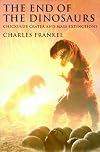
A bit dry and repetitive in places, the author sometimes appeared over fond of long lists, this book is nevertheless a good introduction into the topic of the science and mechanism of the Chicxulub impact event and its place in the history of life on earth.
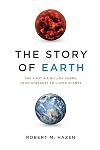
This fascinating book explores the interplay of geology and biology on earth. From the very formation of the planet to well into the future, the author makes a compelling case, in accessible and descriptive prose, for the interconnectedness of geologic processes and the evolution of life. While the author's background as a mineralogist does make this book especially compelling for people interested in the broad strokes of geology and earth history, there is something in here for any reader willing to pick it up.
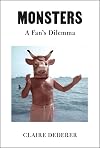
This was a fine dive into an ever more relevant, increasingly thorny issue: what do we as fans, consumers of art and media, do when the artist behind our beloved movie, book, music, whatever, is revealed to have done something shockingly heinous and morally repugnant? I appreciated the author’s erudite and honest approach to this topic, there are no easy answers here, no ironclad rules for this sort of thing. Instead this book offers only an intellectual framework, a more nuanced way of looking at the whole messy business of morally terrible people and their artistically great works. On the whole this was an interesting mediation, I think the strongest writing was at the beginning but it was an interesting read throughout.
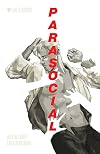
Parasocial is a twisted, psychological thriller with some incisive observations about current fandom culture, the nature of fame, and of course, prosocial relationships. On first glance it’s easy to see this graphic novel as simply a millennial update to Stephen King’s Misery, an observation that while neat and concise, fails to capture the ways Parasocial is another animal all together. The nature of being famous and of being a fan has changed radically since Stephen King’s day, with social media, smart phones, and conventions, the modern fan girl has possibilities Annie Wilkes could only have dreamed of. What all this access serves to do is seemingly heighten a cycle of exploitation between star and fan and it is that cycle that Parasocial explores so well. The characters are solid and well written and the art style helps make this brief story feel impactful and dramatic far in excess of its limited page count.
Without giving away any spoilers I will say this graphic novel was gripping, taught, and intelligently written from start to finish; interspersed with moments of genuine humor and heart it is a dark story about what happens when celebrities try to cultivate a personal relationship with their fans and one of those fans takes that relationship far too literally.
Without giving away any spoilers I will say this graphic novel was gripping, taught, and intelligently written from start to finish; interspersed with moments of genuine humor and heart it is a dark story about what happens when celebrities try to cultivate a personal relationship with their fans and one of those fans takes that relationship far too literally.
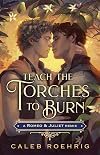
A clever, thoughtful reimagining that goes so far beyond simply making Romeo and Juliet gay (as laudable a project as that is). This book sparkles with wit and verve, the characters feel real, both familiar and developed, and the dialogue flows beautifully. Romeo and Valentine’s love story is utterly compelling while also feeling grounded in its historical and literary setting. The true themes of the original play, the vicious cycle of violence, the dire effects of parental neglect, and the senselessness of avoidable loss, all shine through here. Juliet and her unwanted marriage to count Paris don’t get overshadowed even though the main story is about two boys falling in love; indeed, the Juliet of this adaptation is lively, resourceful, and as cunning as any Shakespearean character ever was. It was a pleasure to read from start to finish and I also appreciated the impressive number of Shakespeare references the author was able to work in (“claim his pound of flesh”, “ghost at the banquet” etc.). This is book is a great example of the wonderful, high quality, gay fiction I wish had been more prevalent when I was a teenager.
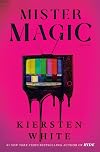
I’m quickly becoming a fan of Kiersten White’s adult horror novels. I really enjoyed Hide when it came out and Mr. Magic continued to delight in the same vein. This book scratches a very particular itch, filled as it is with 90’s children’s programming nostalgia, lost media, and unreliable memories.
The basic plot (spoiler free!) is this, the main character Val, discovers she was a child star on an educational show Mr. Magic, back in the 90’s, however she has no memory of this and any concrete info about the show, like the director, filming locations, old re-runs are completely nonexistent. When old friends that she also doesn’t remember, her former costars, come back into her life, Val sets out to find out what really happened. Kiersten White has a gift for solid and memorable characterization. Everyone feels genuine and fleshed out and they interact and clash with each other in a way that feels believable and human. The author is also skilled at setting up interesting plots and then moving the action along at a steady clip, once this book gets going it does not let up. The one area I feel this book didn’t fully rise to my expectations is in the horror element. The initial premise is pretty creepy and suggests lots of unsettling possibilities, especially if you’re a fan of pop culture rabbit holes and lost media. However, for me it never really got beyond that in terms of horror. The story ended up being excellent, with a lot to say about childhood, show more parenting, and how even though some things will haunt us for the rest of our lives, we can overcome them and do better, but it wasn’t scary per se.
Overall this book was a great read, when I wasn’t reading it I was thinking about reading it and I wanted to get through the whole thing as soon as possible, the story was that good. In the end I wish it had leaned more into the unsettling horror elements that were present, but the ending was satisfying enough that I can’t really hold that against this book. show less
The basic plot (spoiler free!) is this, the main character Val, discovers she was a child star on an educational show Mr. Magic, back in the 90’s, however she has no memory of this and any concrete info about the show, like the director, filming locations, old re-runs are completely nonexistent. When old friends that she also doesn’t remember, her former costars, come back into her life, Val sets out to find out what really happened. Kiersten White has a gift for solid and memorable characterization. Everyone feels genuine and fleshed out and they interact and clash with each other in a way that feels believable and human. The author is also skilled at setting up interesting plots and then moving the action along at a steady clip, once this book gets going it does not let up. The one area I feel this book didn’t fully rise to my expectations is in the horror element. The initial premise is pretty creepy and suggests lots of unsettling possibilities, especially if you’re a fan of pop culture rabbit holes and lost media. However, for me it never really got beyond that in terms of horror. The story ended up being excellent, with a lot to say about childhood, show more parenting, and how even though some things will haunt us for the rest of our lives, we can overcome them and do better, but it wasn’t scary per se.
Overall this book was a great read, when I wasn’t reading it I was thinking about reading it and I wanted to get through the whole thing as soon as possible, the story was that good. In the end I wish it had leaned more into the unsettling horror elements that were present, but the ending was satisfying enough that I can’t really hold that against this book. show less
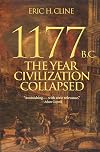
A bit more dry and rambling than I was expecting, at times this book struck me more as a catalog of relevant archeological digs rather than the sweeping historical narrative I was looking for.
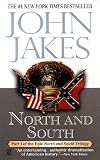
What to say about this book, this brick of a historical fiction novel?
First off, the positives, and there is a lot going in this book’s favor.
The novel is imminently readable, no small advantage for a book of this length. The reader can breeze their way through several chapters without the fatigue that sometimes attends sprawling, historical narratives like this. True, the characters are a bit simple, the heroes are absolute paragons and the villains are cartoonishly evil. However, the plot flows wonderfully and the author juggles the dozen or so interesting characters and their crisscrossing plotlines adroitly.
The principal virtue of this book is its entertainment value. The historic details are present and integral but somehow feel surface level at times. Overall this book narrowly misses the distinction that some historical fiction attains (from the pen of someone like Mary Renault, for instance) of breathing vibrant life into a specific time and place long past, fully capturing the feel for a certain period. This novel presents the history as linear and apparent, which of course it is to us now, but somewhat strains credulity when the main characters back in the mid 1800’s regularly foresee the nature of events, elections, succession, battles, etc. and are almost always right. One almost gets the sense that every main character already knows all about the Civil War in general, just not their specific part to play in it.
Now on to the less positive impressions show more this book left me with.
First and foremost is the problem of Virgilia.
Virgilia, sister of George Hazzard, is the only truly staunch abolitionist we see in in the entire novel. She is also portrayed as raving mad, vindictive, and seemingly more interested in the cause of abolition for personal motives (resentment, a desire to “get even” with the world, etc.) than for any real moral reasons. Her portrayal only deteriorates as the novel progresses. In the beginning she’s unpleasant, (repeatedly other characters theorize she only does abolition work because she is homely and therefore needs something to occupy her time) and may say something unkind and too pointedly political during dinner. But by the book’s end she’s a complete lunatic who wants to see Orry hanged by a mob. Now I don’t deny some abolitionists were extreme in their views, but it bears repeating that Virgilia is the ONLY abolitionist we spend any time with in the book. Without any other abolitionist characters, she becomes a representative sample which makes her characterization extremely troubling. The only one adamantly against the whole institution of slavery is a spiteful, vindictive person with an apparently serious set of mental disorders.
There were many persuasive, moral, and eloquent abolitionists from this period in American history. We have their speeches, essays, and letters and their assertions were, of course, proven correct. But we hear from none of them in this book, thus we miss a vital element of the debates going on at the time and the work of good people horrified by slavery is omitted.
The problem of Virgilia is really just a symptom of a larger issue I had with the book, that is that it veers incredibly close to ahistorical “Lost Cause” talking points and removes and responsibility for the institution of slavery from any individual slave owners.
At one point towards the end of the novel, Cooper Main, a likeable and honorable South Carolinian, speaks to his wife about his upcoming service to the confederate government. He states he believes the cause “already lost” yet feels compelled to serve his state for the sake of honor. Further, by the end of the novel every “good” character who owns slaves is convinced of the institutions’ moral wrongness yet feels unable to give it up. Indeed, Orry finds a note from his father disclosing that he too knew slavery was wrong despite never expressing those views publicly. This framing attempts to portray the slave holders themselves as victims of a sort while at the same time ameliorating or obviating their own personal responsibility for the “peculiar institution” and didn’t sit well with me.
In their repeated forays into the North, the Mains are often accosted by bigoted Yankees and held personally responsible for all the evils of slavery in America. The author points out, through tone and framing, that this is doesn’t hold up to scrutiny. But they ARE responsible for owning slaves themselves, something the novel never seems eager to address head on, and if they’re not individually responsible for their own actions then who in history was?
I understand the novelist’s impulse to make characters on both sides of the Mason Dixon relatable, to make both families morally good people, it makes for excellent story telling. But this humanizing impulse shouldn’t extend to wiping out personal responsibility for one of the worst institutions to ever exist in the history of our species. I may read the other books in this series but I am thus far skeptical for the reasons mentioned above. show less
First off, the positives, and there is a lot going in this book’s favor.
The novel is imminently readable, no small advantage for a book of this length. The reader can breeze their way through several chapters without the fatigue that sometimes attends sprawling, historical narratives like this. True, the characters are a bit simple, the heroes are absolute paragons and the villains are cartoonishly evil. However, the plot flows wonderfully and the author juggles the dozen or so interesting characters and their crisscrossing plotlines adroitly.
The principal virtue of this book is its entertainment value. The historic details are present and integral but somehow feel surface level at times. Overall this book narrowly misses the distinction that some historical fiction attains (from the pen of someone like Mary Renault, for instance) of breathing vibrant life into a specific time and place long past, fully capturing the feel for a certain period. This novel presents the history as linear and apparent, which of course it is to us now, but somewhat strains credulity when the main characters back in the mid 1800’s regularly foresee the nature of events, elections, succession, battles, etc. and are almost always right. One almost gets the sense that every main character already knows all about the Civil War in general, just not their specific part to play in it.
Now on to the less positive impressions show more this book left me with.
First and foremost is the problem of Virgilia.
Virgilia, sister of George Hazzard, is the only truly staunch abolitionist we see in in the entire novel. She is also portrayed as raving mad, vindictive, and seemingly more interested in the cause of abolition for personal motives (resentment, a desire to “get even” with the world, etc.) than for any real moral reasons. Her portrayal only deteriorates as the novel progresses. In the beginning she’s unpleasant, (repeatedly other characters theorize she only does abolition work because she is homely and therefore needs something to occupy her time) and may say something unkind and too pointedly political during dinner. But by the book’s end she’s a complete lunatic who wants to see Orry hanged by a mob. Now I don’t deny some abolitionists were extreme in their views, but it bears repeating that Virgilia is the ONLY abolitionist we spend any time with in the book. Without any other abolitionist characters, she becomes a representative sample which makes her characterization extremely troubling. The only one adamantly against the whole institution of slavery is a spiteful, vindictive person with an apparently serious set of mental disorders.
There were many persuasive, moral, and eloquent abolitionists from this period in American history. We have their speeches, essays, and letters and their assertions were, of course, proven correct. But we hear from none of them in this book, thus we miss a vital element of the debates going on at the time and the work of good people horrified by slavery is omitted.
The problem of Virgilia is really just a symptom of a larger issue I had with the book, that is that it veers incredibly close to ahistorical “Lost Cause” talking points and removes and responsibility for the institution of slavery from any individual slave owners.
At one point towards the end of the novel, Cooper Main, a likeable and honorable South Carolinian, speaks to his wife about his upcoming service to the confederate government. He states he believes the cause “already lost” yet feels compelled to serve his state for the sake of honor. Further, by the end of the novel every “good” character who owns slaves is convinced of the institutions’ moral wrongness yet feels unable to give it up. Indeed, Orry finds a note from his father disclosing that he too knew slavery was wrong despite never expressing those views publicly. This framing attempts to portray the slave holders themselves as victims of a sort while at the same time ameliorating or obviating their own personal responsibility for the “peculiar institution” and didn’t sit well with me.
In their repeated forays into the North, the Mains are often accosted by bigoted Yankees and held personally responsible for all the evils of slavery in America. The author points out, through tone and framing, that this is doesn’t hold up to scrutiny. But they ARE responsible for owning slaves themselves, something the novel never seems eager to address head on, and if they’re not individually responsible for their own actions then who in history was?
I understand the novelist’s impulse to make characters on both sides of the Mason Dixon relatable, to make both families morally good people, it makes for excellent story telling. But this humanizing impulse shouldn’t extend to wiping out personal responsibility for one of the worst institutions to ever exist in the history of our species. I may read the other books in this series but I am thus far skeptical for the reasons mentioned above. show less
Oh boy do I have some thoughts.
I tried to read this book months ago. I didn't like it so I put it down. But I went back to it with fresh eyes and an open mind, and now after reading the whole book carefully, I can safely say… I still don't like it.
Immediately the tone of this book irked me. The author makes every description florid and off-the-wall original. Hands aren't just hands they're "...wetlands and his fingers the bulrushes that grew at the edges of them.", the main character claims to have heard someone describe his home town as, "...the scar of the paradise we lost.", his brother's eyes look like Russia "...the largest country in the world of his face.". This over the top description goes double for characters. Every character is an overwrought, unbearably twee parody of uniqueness. Stella is a housewife with intense agoraphobia who decorates the rooms of her house to be different countries and says she's "going to" England or Brazil when she goes to the kitchen or a bedroom. The protagonist's father is an Atticus Finch type named Autopsy Bliss who sees the law as God's divine filter and takes to writing invitations to the devil in the local paper. Elohim is an aggressively vegetarian dwarf who eats dinner at a dining table set on his front porch everyday. And this is EVERY character we spend any time with.
It just exhausts the reader. Moreover, by making everyone so quirky and unique, it ruins the effect. When discussing his father's name, Autopsy, the show more protagonist admits it's an "acutely strange name" but that his mother who gave it to him was an "acutely strange woman". Strangeness, acute or otherwise, is completely sapped of meaning in a novel where EVERYONE is bizarre and quirky to the nth degree.
On top of that the characters almost never act like human beings. Autopsy’s mother was a devout Christian until she slipped one day in her kitchen and God wasn’t there to catch her, then she immediately became a church vandalizing atheist. Elohim finds out his wife has been cheating on him so he makes a phone call and asks the operator to “connect him to God”. Fielding, as an adult, writes his sins on scraps of aluminum foil so that they look beautiful from a distance. And on and on. These actions are all very poetic and meaning laden, but in the world of the book they’re also things people apparently literally did, something that strains the imagination and rolls the eyes.
This disconnect might not be so bad if the author didn't also firmly ground the book in reality. As the first chapter reminds us, it's 1984, the Macintosh computer is out, AIDS is making headlines, and "Cruel Summer" is on the radio. The disconnect between this setting and the people that inhabit it is jarring at best, tasteless at worst. It can be difficult to care about characters that seem like cartoons most of the time, and is downright puzzling when the tone of the book shifts to include things like suicide, serial murder, and cannibalism. It seems like the author should have chosen to write either a poetic book with a style similar to magical realism, or a gritty and dark novel about man inhumanity to man, but by trying to do them together she fails at both.
Overall the whole book felt like nothing so much as a very well made cake, delicious but completely drowned out by about ten pounds of meticulously crafted icing filigree. The substance of the main event was lost due incessant tampering, adding, and unnecessary flourishes that went nowhere. show less
I tried to read this book months ago. I didn't like it so I put it down. But I went back to it with fresh eyes and an open mind, and now after reading the whole book carefully, I can safely say… I still don't like it.
Immediately the tone of this book irked me. The author makes every description florid and off-the-wall original. Hands aren't just hands they're "...wetlands and his fingers the bulrushes that grew at the edges of them.", the main character claims to have heard someone describe his home town as, "...the scar of the paradise we lost.", his brother's eyes look like Russia "...the largest country in the world of his face.". This over the top description goes double for characters. Every character is an overwrought, unbearably twee parody of uniqueness. Stella is a housewife with intense agoraphobia who decorates the rooms of her house to be different countries and says she's "going to" England or Brazil when she goes to the kitchen or a bedroom. The protagonist's father is an Atticus Finch type named Autopsy Bliss who sees the law as God's divine filter and takes to writing invitations to the devil in the local paper. Elohim is an aggressively vegetarian dwarf who eats dinner at a dining table set on his front porch everyday. And this is EVERY character we spend any time with.
It just exhausts the reader. Moreover, by making everyone so quirky and unique, it ruins the effect. When discussing his father's name, Autopsy, the show more protagonist admits it's an "acutely strange name" but that his mother who gave it to him was an "acutely strange woman". Strangeness, acute or otherwise, is completely sapped of meaning in a novel where EVERYONE is bizarre and quirky to the nth degree.
On top of that the characters almost never act like human beings. Autopsy’s mother was a devout Christian until she slipped one day in her kitchen and God wasn’t there to catch her, then she immediately became a church vandalizing atheist. Elohim finds out his wife has been cheating on him so he makes a phone call and asks the operator to “connect him to God”. Fielding, as an adult, writes his sins on scraps of aluminum foil so that they look beautiful from a distance. And on and on. These actions are all very poetic and meaning laden, but in the world of the book they’re also things people apparently literally did, something that strains the imagination and rolls the eyes.
This disconnect might not be so bad if the author didn't also firmly ground the book in reality. As the first chapter reminds us, it's 1984, the Macintosh computer is out, AIDS is making headlines, and "Cruel Summer" is on the radio. The disconnect between this setting and the people that inhabit it is jarring at best, tasteless at worst. It can be difficult to care about characters that seem like cartoons most of the time, and is downright puzzling when the tone of the book shifts to include things like suicide, serial murder, and cannibalism. It seems like the author should have chosen to write either a poetic book with a style similar to magical realism, or a gritty and dark novel about man inhumanity to man, but by trying to do them together she fails at both.
Overall the whole book felt like nothing so much as a very well made cake, delicious but completely drowned out by about ten pounds of meticulously crafted icing filigree. The substance of the main event was lost due incessant tampering, adding, and unnecessary flourishes that went nowhere. show less
This was a quick, quirky read about Alice, a woman who can time travel to the date of her sixteenth birthday. The more she goes back, the more she tries to change the course of her life and save her ailing father. The writing was wonderful and the characters felt fleshed out and organic. The novel was also something of a love letter to New York which was delightful and charming to read. Despite the sometimes heavy subject matter the overall tone of the book was hopeful and optimistic, with a heartening message about embracing the messiness of life and focusing on the few things that truly matter.
I’m removing a star because, despite going back to 1996 dozens of times, Alice never once tries to stop 9/11. Selfish.
I’m removing a star because, despite going back to 1996 dozens of times, Alice never once tries to stop 9/11. Selfish.
Quite disturbing and unremittingly unnerving, this short book puts you inside the mind of a remorseless serial killer. The real horror here is the mundane and matter of fact way in which the murderer views his crimes, completely devoid of any human sympathy.
End of the Megafauna: The Fate of the World's Hugest, Fiercest, and Strangest Animals by Ross D. E. MacPhee
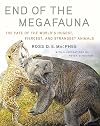
Fascinating book! I had no idea megafaunal extinctions present so many unanswered questions, I had assumed it was all down to humans overhunting.
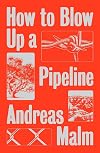
This book was an interesting collection of musings and arguments that should perhaps be entitled “Why to Blow up Pipeline”. In it, the author a Swedish activist, author and professor, examines several key questions. Among them, why has there been such a glaring lack of any sustained sabotage or property damage in the climate activism sphere? Does such property damage constitute a viable and worthwhile form of protest and activism in the face of ever increasing climate change? And if so, what would sabotage and vandalism of this kind look like on a large scale? What would the goals of such an enterprise be? What would be its limits?
From the title of this book you can guess the author’s answers to some of these questions. While I wasn’t wholly convinced, I do think the arguments in this short work offer and excellent framework for considering the future of resistance to the expanding fossil fuel industry. This quick read is as good a starting place as any for considering the nature of current climate activism, it’s strengths and weaknesses, and how effective heretofore unutilized methods, up to and including infrastructure sabotage, might be used in the fight to keep earth’s climate habitable for humanity.
From the title of this book you can guess the author’s answers to some of these questions. While I wasn’t wholly convinced, I do think the arguments in this short work offer and excellent framework for considering the future of resistance to the expanding fossil fuel industry. This quick read is as good a starting place as any for considering the nature of current climate activism, it’s strengths and weaknesses, and how effective heretofore unutilized methods, up to and including infrastructure sabotage, might be used in the fight to keep earth’s climate habitable for humanity.
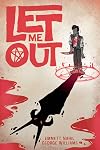
Let Me Out is a captivating horror graphic novel dealing with such terrifying topics as the Satanic Panic, bigotry, corrupt officials, and New Jersey.
In a small town a woman goes missing, black suited agents have an agenda, the local police perpetrate a coverup, and the townspeople immediately suspect anyone who looks or acts different from the majority. This is very bad news for our story's protagonists, a group of ethnically diverse, LGBTQ friends who care about each other just as much as they loathe the monotonous, at times hostile conformity around them.
The Satanic Panic has always interested me as a stark and all too modern example of people’s tendency to look for "Others" to scapegoat when they’re scared, even when those they target pose no threat. That concept is on full display here and it makes for an interesting overarching theme in an otherwise plot heavy story. The art style and characters mesh seamlessly and create a vaguely vintage aesthetic, but at the same time the action and horror are rendered fascinatingly dynamic and lavishly creepy.
I found this story immediately gripping and burned through the whole thing in a brief sitting. If I have any critiques of this graphic novel at all it would be that it set up an engaging story with interesting characters but then ended right as I was most invested; however, I hope this means the series will continue.
In a small town a woman goes missing, black suited agents have an agenda, the local police perpetrate a coverup, and the townspeople immediately suspect anyone who looks or acts different from the majority. This is very bad news for our story's protagonists, a group of ethnically diverse, LGBTQ friends who care about each other just as much as they loathe the monotonous, at times hostile conformity around them.
The Satanic Panic has always interested me as a stark and all too modern example of people’s tendency to look for "Others" to scapegoat when they’re scared, even when those they target pose no threat. That concept is on full display here and it makes for an interesting overarching theme in an otherwise plot heavy story. The art style and characters mesh seamlessly and create a vaguely vintage aesthetic, but at the same time the action and horror are rendered fascinatingly dynamic and lavishly creepy.
I found this story immediately gripping and burned through the whole thing in a brief sitting. If I have any critiques of this graphic novel at all it would be that it set up an engaging story with interesting characters but then ended right as I was most invested; however, I hope this means the series will continue.
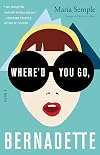
What an interesting book! I never knew quite what to expect and was always pleasantly off balance but nonetheless entertained. This book was full of wit, humor, and heart.
A scathing and nuanced exploration of how people can be terrible in general and small town America can be terrible in particular. This book proves why Lewis was popular during his life and highlights the shame of the fact that he’s more or less forgotten today. My favorite character was Miles Bjornstam, a hard working but caustic and critical Swedish immigrant who felt like someone visiting Lewis’s world from an Upton Sinclair novel.
An informative read, I wish the authors had spent a bit more time on the development of chocolate from the 1900's onward, but that's my only complaint.
I’ve never read an Asimov novel before (only short stories) and I was a little intimidated by this grandfather of the science fiction genre, having heard his work was idea focused and somewhat dry. This initial novel mostly bears that description out, however it was also gripping and addicting reading. The chapters, which are short, function just like Pringles or popcorn, you sit down to have a handful or two and after a while find you’ve emptied the bowl. Asimov does seem most interested in his ideas and his sweeping narratives, his characters tend to be a bit static and one dimensional, his prose fairly Spartan and matter of fact, but this is no impediment as the ideas and narrative really do excel and shine.
This book was aggressively alright. The premise is perhaps it’s strongest point (Abraham Lincoln chopping up the undead with his trusty axe, what’s not to like?) but the novel seemed reluctant to fully lean into the absurdity of it. The book gets bonus points for weaving in genuine biographical details with vampirism but was at its most entertaining when filling in the gaps of Lincolns life with pure monster hunting fabrications.
An interesting translation of these famous poems from an insightful and erudite translator. An introduction and notes beginning each chapter explain the various poems context and the translation choices the author makes, offering an added layer of depth. I listened to part of this as an audiobook narrated by the author, Jackson Crawford, and found his delivery engaging and nuanced. While I wouldn’t necessarily recommend this book as anyone’s first foray into Norse mythology, it is written in an easily accessible style that would be useful for beginners.
A compelling, well researched book that places the Oklahoma City Bombing in it's proper context of right wing political violence in America.