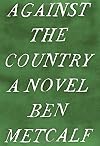
The blurb about this book made it seem to be one I would really enjoy. It had me at “suicidal chickens” and finished grabbing me with “…is the most hilarious sermon one is likely to hear on the subject of our native soil…”. Then came the first sentence: “I was worked like a jackass for the worst part of my childhood, and offered up to climate and predator and vice, and…”. By the time I finished the run-on and too-long sentence, the book had completely let me go; however, I felt an obligation to read it in order to write a review.
One gets the feeling that the story in Against the Country is at least partially autobiographical. If so, pity the poor author. He hates blackberries. He hates corn. He hates the school bus. He hates his bedroom. He hates everything and likes very few people, especially his father. Aha! A light dawns. Perhaps a better title for this book would have been Against My Abusive Father. Apparently he was regularly beaten and overworked by his father, and his mother did nothing to stop it.
It appears that his mother wanted him to be a homosexual, so he could at least be special in some way.
Mr. Metcalf never uses two words when ten will do the same job. His sentences are so long, some lacking correct punctuation, that you are either lost or bored by the time you finish reading one.
I don’t like to write a review about a book I did not enjoy, but the truth should be said. Maybe another will like it better, but to me, it was a waste of time.
One gets the feeling that the story in Against the Country is at least partially autobiographical. If so, pity the poor author. He hates blackberries. He hates corn. He hates the school bus. He hates his bedroom. He hates everything and likes very few people, especially his father. Aha! A light dawns. Perhaps a better title for this book would have been Against My Abusive Father. Apparently he was regularly beaten and overworked by his father, and his mother did nothing to stop it.
It appears that his mother wanted him to be a homosexual, so he could at least be special in some way.
Mr. Metcalf never uses two words when ten will do the same job. His sentences are so long, some lacking correct punctuation, that you are either lost or bored by the time you finish reading one.
I don’t like to write a review about a book I did not enjoy, but the truth should be said. Maybe another will like it better, but to me, it was a waste of time.
 This review was written for LibraryThing Early Reviewers.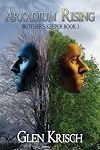
I requested this book because I found the description to be intriguing and had previously read books in the same category. To my dismay, Arkadium Rising was just another run-of-the-mill outing in apocalyptic fiction.
Marcus, Jason’s younger brother, is a drugged out slug when he becomes a member of a cult called Arkadium and attains sobriety. Jason is a straight-and-narrow type who, against his will and better judgement, joins his brother in Arkadium’s quest to destroy the world as it exists. The result is to be the destruction of all modern technology and of a majority of the population and to devolve back to a “simpler” time.
There is another group whose job it is to come after Arkadium and eradicate the Arkadium membership while cleaning up the resulting chaos and mess left by the actions of Arkadium.
The book moved too quickly to develop a decent plot, and none of the characters had much definition. The best character in the book was a cat called (You guessed it.) Kat. I read this book in a matter of hours, not because I hated to put it down, but because I couldn’t wait to end the misery.
Others may find this book to be their cup of tea, but I won’t be rushing right out to buy the next in the series.
Marcus, Jason’s younger brother, is a drugged out slug when he becomes a member of a cult called Arkadium and attains sobriety. Jason is a straight-and-narrow type who, against his will and better judgement, joins his brother in Arkadium’s quest to destroy the world as it exists. The result is to be the destruction of all modern technology and of a majority of the population and to devolve back to a “simpler” time.
There is another group whose job it is to come after Arkadium and eradicate the Arkadium membership while cleaning up the resulting chaos and mess left by the actions of Arkadium.
The book moved too quickly to develop a decent plot, and none of the characters had much definition. The best character in the book was a cat called (You guessed it.) Kat. I read this book in a matter of hours, not because I hated to put it down, but because I couldn’t wait to end the misery.
Others may find this book to be their cup of tea, but I won’t be rushing right out to buy the next in the series.
This review was written for LibraryThing Early Reviewers.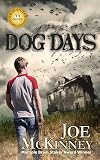
This little book was easy to read, as is most YA material. The plot is interesting and a tad unusual.
On one level, it is simply a murder mystery surrounded by various characters trying to solve the case and is also about teen boys, specifically four best friends and a couple of bullies, who pick on them all the time. There seems to be a “hairy man” involved, and since the corpses are found to have been bitten and partially eaten, a rumor starts that the murderer is a werewolf.
I didn’t like the lack of discipline exhibited by the main character’s parents. Mark takes his father’s pistol out for a little target practice, and when his police-officer father discovers him putting it back in the locked gun case, all Mark gets is a mild reprimand, not even considering the fact that Mark also had to rifle through his father’s things to find the key. Whatever his parents ask or tell him to do, he does just the opposite. This might give youngsters the impression that Mark’s behavior is acceptable.
On another level, this book is a parable, in that there are many lessons to be learned by the happenings described therein. One lesson is that bullying usually doesn’t get the intended results and often the bullies get their just deserts. Another is that the family unit is strong, no matter what. One more is that rushing to judgement is not a good thing to do.
To me, the ending was a tad abrupt, seeming like the author couldn’t figure out any more of the story. Either show more that, or he was hoping the reader would use his or her imagination, which I did.
This book is a good little read for an afternoon. I’m sure younger people would enjoy it. I gave it three stars, deducting one for the its implication that teens should ignore whatever parents say and go on with their own plans. show less
On one level, it is simply a murder mystery surrounded by various characters trying to solve the case and is also about teen boys, specifically four best friends and a couple of bullies, who pick on them all the time. There seems to be a “hairy man” involved, and since the corpses are found to have been bitten and partially eaten, a rumor starts that the murderer is a werewolf.
I didn’t like the lack of discipline exhibited by the main character’s parents. Mark takes his father’s pistol out for a little target practice, and when his police-officer father discovers him putting it back in the locked gun case, all Mark gets is a mild reprimand, not even considering the fact that Mark also had to rifle through his father’s things to find the key. Whatever his parents ask or tell him to do, he does just the opposite. This might give youngsters the impression that Mark’s behavior is acceptable.
On another level, this book is a parable, in that there are many lessons to be learned by the happenings described therein. One lesson is that bullying usually doesn’t get the intended results and often the bullies get their just deserts. Another is that the family unit is strong, no matter what. One more is that rushing to judgement is not a good thing to do.
To me, the ending was a tad abrupt, seeming like the author couldn’t figure out any more of the story. Either show more that, or he was hoping the reader would use his or her imagination, which I did.
This book is a good little read for an afternoon. I’m sure younger people would enjoy it. I gave it three stars, deducting one for the its implication that teens should ignore whatever parents say and go on with their own plans. show less
This review was written for LibraryThing Early Reviewers.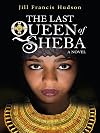
As you probably know, there is not much real information about the Queen(s) of Sheba, so the author has taken what little there is known from the Bible and from different legends of several countries, the main one being Ethiopia, and used her imagination to create a story.
I learned quite a few things about Ethiopia, The Ark of the Covenant, King Solomon and various other things that I had heard of but had never studied. This book was interesting in that respect, but I would liked to have learned more. Various facts were mentioned but were mostly just pushed aside without much elaboration.
The main character seemed to be her uncle, really a cousin, who was quite a bit older. At least he is the narrator and is everywhere one looks.
The characters were, to me, two-dimensional, and I never came to care much about any of them, though I did have a little pity for the living conditions of the people – first in Ethiopia, then in Israel. Israel deteriorated under the rule of King Solomon, and Ethiopia thrived under the rule of its queen.
The book was interesting in some ways, but sketchy. I’d like to see an expanded version. It is, however, an easy read so not a waste of time.
I didn’t entirely dislike it but hope you enjoy it more than I did.
I learned quite a few things about Ethiopia, The Ark of the Covenant, King Solomon and various other things that I had heard of but had never studied. This book was interesting in that respect, but I would liked to have learned more. Various facts were mentioned but were mostly just pushed aside without much elaboration.
The main character seemed to be her uncle, really a cousin, who was quite a bit older. At least he is the narrator and is everywhere one looks.
The characters were, to me, two-dimensional, and I never came to care much about any of them, though I did have a little pity for the living conditions of the people – first in Ethiopia, then in Israel. Israel deteriorated under the rule of King Solomon, and Ethiopia thrived under the rule of its queen.
The book was interesting in some ways, but sketchy. I’d like to see an expanded version. It is, however, an easy read so not a waste of time.
I didn’t entirely dislike it but hope you enjoy it more than I did.
This review was written for LibraryThing Early Reviewers.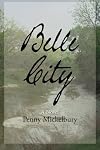
This book is about several generations of two families, one Black and the other White, from the beginning of World War One into the 1990s. There is no spoiler here, as this information can be found on the cover of the book – the two families are actually one.
The Black side of the Thatcher family is filled with good, honest, hard-working, mistreated people. Yes, they are good, in spite of the fact that several of them have committed murder, although seemingly justified murder, and one of them dies a drug addict. If you read the book, you’ll understand and will probably feel sympathy for the murderers.
The White side of the Thatcher family is filled with mean, racist, dishonest people, with the exception of the boy, Jonas. He is friends with some of the children of the Black Thatchers and can’t understand why the fathers in both families don’t want their children to be friends. Of course, the children sneak off and play together, anyway.
The story follows Ruthie, a Black Thatcher about the age of Jonas, and Jonas throughout their lives, which are filled with both joy and tragedy. The biggest tragedy in Ruthie’s life is when her mother is killed. The biggest tragedy in the life of Jonas is that he can’t marry Ruthie. Later in life other tragedies strike – boys killed in the war, to name just one.
A book about this time period wouldn’t be complete without the involvement of the dreaded
Ku Klux Klan. I’ll let you guess who some of the members of the Klan are, and show more who warns the Black Thatchers about certain about-to-happen activity.
The story starts out in Carrie’s Crossing, Georgia; parts of it move over to Belle City, Georgia; and the story then moves between the two locations. Carrie’s Crossing was named after a real person. Belle City is a town where Black folks can, for the most part, have a better life. They can own businesses and have a decent house but still must be careful when in certain parts of town and usually don’t roam around much after dark.
Ms. Mickelbury has done an excellent job of making you care about her characters and of keeping your interest throughout the novel. She is such a talented author that I found myself crying during certain parts of it. It was almost as if I were living the moment.
This is an outstanding work of historical fiction, and I highly recommend it. show less
The Black side of the Thatcher family is filled with good, honest, hard-working, mistreated people. Yes, they are good, in spite of the fact that several of them have committed murder, although seemingly justified murder, and one of them dies a drug addict. If you read the book, you’ll understand and will probably feel sympathy for the murderers.
The White side of the Thatcher family is filled with mean, racist, dishonest people, with the exception of the boy, Jonas. He is friends with some of the children of the Black Thatchers and can’t understand why the fathers in both families don’t want their children to be friends. Of course, the children sneak off and play together, anyway.
The story follows Ruthie, a Black Thatcher about the age of Jonas, and Jonas throughout their lives, which are filled with both joy and tragedy. The biggest tragedy in Ruthie’s life is when her mother is killed. The biggest tragedy in the life of Jonas is that he can’t marry Ruthie. Later in life other tragedies strike – boys killed in the war, to name just one.
A book about this time period wouldn’t be complete without the involvement of the dreaded
Ku Klux Klan. I’ll let you guess who some of the members of the Klan are, and show more who warns the Black Thatchers about certain about-to-happen activity.
The story starts out in Carrie’s Crossing, Georgia; parts of it move over to Belle City, Georgia; and the story then moves between the two locations. Carrie’s Crossing was named after a real person. Belle City is a town where Black folks can, for the most part, have a better life. They can own businesses and have a decent house but still must be careful when in certain parts of town and usually don’t roam around much after dark.
Ms. Mickelbury has done an excellent job of making you care about her characters and of keeping your interest throughout the novel. She is such a talented author that I found myself crying during certain parts of it. It was almost as if I were living the moment.
This is an outstanding work of historical fiction, and I highly recommend it. show less
This review was written for LibraryThing Early Reviewers.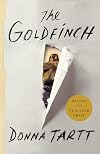
I purchased this book because the plot summary sounded very interesting. The plot was, indeed, interesting, but the book was blah.
This book was awarded the Pulitzer Prize. My only question is: Why?
This book was awarded the Pulitzer Prize. My only question is: Why?
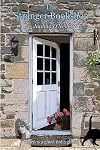
I discovered the author Joanna O’Neill in April of 2010 and read her trilogy consisting of
A World Invisible, A World Denied and A World Possessed – a most interesting set of novels about parallel worlds – as they were published. Since that trilogy was so good, I could hardly wait for her next book, hoping that it would be of the same quality. I now have finished reading The Stranger Bookshop. It did not disappoint.
On the front cover is the question, “When is a ghost not a ghost?” I could tell you, but it would spoil the fun. This book is hard to review because there are so many little twists and turns that to tell you all the fascinating things in it would involve so many spoilers you needn’t read the book.
The plot is about a young woman who inherits two bookshops, sells one and keeps the other. The one she keeps is closely associated with and used to be the home of Edith Waterfield. That is actually only part of the plot, which is divided into “Then,” “Now” and “Once.” In spite of the three different time periods, there is no difficulty in following the storyline when alternating between them.
Edith lived with her sisters, Ruth and Lillian. They lived alone in the large house, all the brothers, except Edward, having been killed during World War I. They were among the many “surplus” women living in the village of Ravensburn in Northumberland. The story is partly about the courting of the sisters by young men, none of whom Edith cared for, but show more Lillian married Billy, whose face was badly mangled during the war. It was so bad that he had to wear a mask. Edith never married but “lived in sin” with John – a dream if there ever was one. Ruth moved away from the family home.
Edith was an aspiring author and worked on her book as often as she could. She was not the homemaker type, though her sisters performed domestic tasks. They had a helper, but she drowned and circumstances deteriorated from there on. Edith did try her hand at making a quilt, but the stitches weren’t even, so she never finished the quilt. By the time the bookshop changed hands, Edith had become a famous author of mostly children’s books, as she had written only one book for adults.
Bryony, the owner of the bookshop, and Rosalind, her helper are quite different; or so they think. Their meeting is rather strange. Perhaps serendipitous would be a better word, for it is indeed that.
Saying much more would give away too much of the story. The characters are a mixed bunch. You will love some and dislike some. The mysteries keep coming and eventually are solved, though the last one is not solved until the very end. It’s like when you pull on a loose string, and the whole sweater unravels. The Stranger Bookshop is well-written and easy to read. I recommend it highly and give it five out of five stars. show less
A World Invisible, A World Denied and A World Possessed – a most interesting set of novels about parallel worlds – as they were published. Since that trilogy was so good, I could hardly wait for her next book, hoping that it would be of the same quality. I now have finished reading The Stranger Bookshop. It did not disappoint.
On the front cover is the question, “When is a ghost not a ghost?” I could tell you, but it would spoil the fun. This book is hard to review because there are so many little twists and turns that to tell you all the fascinating things in it would involve so many spoilers you needn’t read the book.
The plot is about a young woman who inherits two bookshops, sells one and keeps the other. The one she keeps is closely associated with and used to be the home of Edith Waterfield. That is actually only part of the plot, which is divided into “Then,” “Now” and “Once.” In spite of the three different time periods, there is no difficulty in following the storyline when alternating between them.
Edith lived with her sisters, Ruth and Lillian. They lived alone in the large house, all the brothers, except Edward, having been killed during World War I. They were among the many “surplus” women living in the village of Ravensburn in Northumberland. The story is partly about the courting of the sisters by young men, none of whom Edith cared for, but show more Lillian married Billy, whose face was badly mangled during the war. It was so bad that he had to wear a mask. Edith never married but “lived in sin” with John – a dream if there ever was one. Ruth moved away from the family home.
Edith was an aspiring author and worked on her book as often as she could. She was not the homemaker type, though her sisters performed domestic tasks. They had a helper, but she drowned and circumstances deteriorated from there on. Edith did try her hand at making a quilt, but the stitches weren’t even, so she never finished the quilt. By the time the bookshop changed hands, Edith had become a famous author of mostly children’s books, as she had written only one book for adults.
Bryony, the owner of the bookshop, and Rosalind, her helper are quite different; or so they think. Their meeting is rather strange. Perhaps serendipitous would be a better word, for it is indeed that.
Saying much more would give away too much of the story. The characters are a mixed bunch. You will love some and dislike some. The mysteries keep coming and eventually are solved, though the last one is not solved until the very end. It’s like when you pull on a loose string, and the whole sweater unravels. The Stranger Bookshop is well-written and easy to read. I recommend it highly and give it five out of five stars. show less
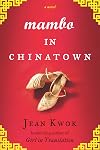
This book is an interesting study in culture clash. Charlie, an ABC (American Born Chinese) young woman, is torn between pleasing her father and pursuing her dream. Finally she pursues her dream, all the while keeping her true life secret from her father.
Her little sister gradually becomes very ill, and here the culture clash becomes even greater because Pa wants to rely solely on Eastern medicine, but Charlie wants to bring in Western medicine.
It’s easy to become impatient and irritated with Pa until you realize that the culture in which he was raised is so much different than the culture his daughters live in outside their tiny apartment. Added to his difficulty is that his wife died when the younger daughter was only three.
It’s also hard to understand why a grown woman is so subservient to her father until you consider the aforementioned culture clash.
The book is easy to read and held my interest. It moves along at a fairly constant pace almost to the very end, at which time there is a mighty emotional explosion. It took me by surprise, but upon reflection, I realized that, given little sister’s symptoms, it wasn’t surprising at all.
All in all, this was a good reading experience. I think you’ll enjoy it.
Her little sister gradually becomes very ill, and here the culture clash becomes even greater because Pa wants to rely solely on Eastern medicine, but Charlie wants to bring in Western medicine.
It’s easy to become impatient and irritated with Pa until you realize that the culture in which he was raised is so much different than the culture his daughters live in outside their tiny apartment. Added to his difficulty is that his wife died when the younger daughter was only three.
It’s also hard to understand why a grown woman is so subservient to her father until you consider the aforementioned culture clash.
The book is easy to read and held my interest. It moves along at a fairly constant pace almost to the very end, at which time there is a mighty emotional explosion. It took me by surprise, but upon reflection, I realized that, given little sister’s symptoms, it wasn’t surprising at all.
All in all, this was a good reading experience. I think you’ll enjoy it.
This review was written for LibraryThing Early Reviewers.
This is not your same old love triangle story.
There are three main characters – Julian, Perla and Julian’s paraplegic wife Sophie. All three of them have had tragedy in their past lives. Either a parent died at a young age or there was abuse of some kind. Julian grew up in an orphanage in Siberia. Perla is a Cuban immigrant living with her mother in Miami and missing her dead father desperately. Sophie suffered sexual abuse at the hands of an uncle.
At the time of this story, Julian has become a multimillionaire, thanks to a mentor his mother on her deathbed told him to go to for help. As a result, Julian spent some time with the old gentleman learning about business and then went to America to live with an elderly couple. When they died, they left him enough money to pay for his college. He also received a large inheritance when the old gentleman in Siberia died. He invested well.
Perla’s mother thinks Perla is a waitress, but Perla is actually a pole dancer in a mid-class Miami nightclub. She also gives lap dances but draws the line at anything further. Then along comes Julian. Need I say more?
Sophie is Julian’s highschool sweetheart and is paralyzed shortly after their marriage on their way home from a party in a car wreck caused by a deer. Julian, of course is devastated and his love for Sophie never wavers, even though he sees Perla every time he makes a business trip from New York to Miami.
If you are told much more, you won’t need to read the book, so there show more will be no more of the plot revealed here.
Most of the characters are good-at-heart people who have simply been treated poorly by life – except for a couple, but those are very minor characters. It’s easy to like all of them, even Julian, the adulterer. If you read the book, I bet you’ll agree.
This is probably a five-star book, but I deducted one, giving it four, because there are one or two scenes which could have done without some of the excruciating details. Those of you who don’t get a little ill reading them will more than likely give the book five stars. Warning: There is foul language all through the book, but the book would have lacked its gritty reality without it. show less
There are three main characters – Julian, Perla and Julian’s paraplegic wife Sophie. All three of them have had tragedy in their past lives. Either a parent died at a young age or there was abuse of some kind. Julian grew up in an orphanage in Siberia. Perla is a Cuban immigrant living with her mother in Miami and missing her dead father desperately. Sophie suffered sexual abuse at the hands of an uncle.
At the time of this story, Julian has become a multimillionaire, thanks to a mentor his mother on her deathbed told him to go to for help. As a result, Julian spent some time with the old gentleman learning about business and then went to America to live with an elderly couple. When they died, they left him enough money to pay for his college. He also received a large inheritance when the old gentleman in Siberia died. He invested well.
Perla’s mother thinks Perla is a waitress, but Perla is actually a pole dancer in a mid-class Miami nightclub. She also gives lap dances but draws the line at anything further. Then along comes Julian. Need I say more?
Sophie is Julian’s highschool sweetheart and is paralyzed shortly after their marriage on their way home from a party in a car wreck caused by a deer. Julian, of course is devastated and his love for Sophie never wavers, even though he sees Perla every time he makes a business trip from New York to Miami.
If you are told much more, you won’t need to read the book, so there show more will be no more of the plot revealed here.
Most of the characters are good-at-heart people who have simply been treated poorly by life – except for a couple, but those are very minor characters. It’s easy to like all of them, even Julian, the adulterer. If you read the book, I bet you’ll agree.
This is probably a five-star book, but I deducted one, giving it four, because there are one or two scenes which could have done without some of the excruciating details. Those of you who don’t get a little ill reading them will more than likely give the book five stars. Warning: There is foul language all through the book, but the book would have lacked its gritty reality without it. show less
This review was written for LibraryThing Early Reviewers.
This little book is to a fully-developed and interesting novel as a skeleton is to a full-grown, robust animal. Perhaps it would have been better served to have been presented in a collection of short stories or as an outline for further use.
I didn’t have enough time to learn anything much about the characters, and the plot evolved with no twists that weren’t already expected – 1-2-3 and done. The ending left room for the possibility of a sequel, but based on my opinion of this book, I wouldn’t be interested in it.
The hour I spent reading it wasn’t a complete waste; however, because there was a small snapshot of life in South Sudan, the location of Juba. Life there is not pleasant to say the least.
I didn’t have enough time to learn anything much about the characters, and the plot evolved with no twists that weren’t already expected – 1-2-3 and done. The ending left room for the possibility of a sequel, but based on my opinion of this book, I wouldn’t be interested in it.
The hour I spent reading it wasn’t a complete waste; however, because there was a small snapshot of life in South Sudan, the location of Juba. Life there is not pleasant to say the least.
This review was written for LibraryThing Early Reviewers.
Mabel, a poor student with a scholarship, is invited by Geneva, her roommate, to spend the summer at Geneva’s wealthy family’s summer estate. Over her parents’ seeming objection, Mabel gladly accepts the offer. Of course, that plot has been used numerous times, with the poor girl falling in love with one of the wealthy sons and fitting right in with the family.
I could not imagine how one could make such a mundane plot interesting. I found out. Nobody is who he or she appears to be except Mabel, along with an elderly aunt and the youngest child in the family.
Most readers will have an inkling about from where the family’s wealth came well before the end, but it’s still an engrossing trip.
There are enough plot twists to hold your attention, and this is a book I hated to have to put down in order to do other things. You will be indifferent to a few of the characters, love some of them and strongly dislike others. An author who is able to accomplish so much intensity in one plot is very talented, to say the least.
The problem in reviewing this book lies in the fact that there would be too many spoilers if I were able to do it justice. Suffice it to say that Bittersweet is easy to read and very entertaining. I recommend this book to anyone, especially those who enjoy trying to figure out the mysteries and secrets as they read.Mabel, a poor student with a scholarship, is invited by Geneva, her roommate, to spend the summer at Geneva’s wealthy family’s summer show more estate. Over her parents’ seeming objection, Mabel gladly accepts the offer. Of course, that plot has been used numerous times, with the poor girl falling in love with one of the wealthy sons and fitting right in with the family. show less
I could not imagine how one could make such a mundane plot interesting. I found out. Nobody is who he or she appears to be except Mabel, along with an elderly aunt and the youngest child in the family.
Most readers will have an inkling about from where the family’s wealth came well before the end, but it’s still an engrossing trip.
There are enough plot twists to hold your attention, and this is a book I hated to have to put down in order to do other things. You will be indifferent to a few of the characters, love some of them and strongly dislike others. An author who is able to accomplish so much intensity in one plot is very talented, to say the least.
The problem in reviewing this book lies in the fact that there would be too many spoilers if I were able to do it justice. Suffice it to say that Bittersweet is easy to read and very entertaining. I recommend this book to anyone, especially those who enjoy trying to figure out the mysteries and secrets as they read.Mabel, a poor student with a scholarship, is invited by Geneva, her roommate, to spend the summer at Geneva’s wealthy family’s summer show more estate. Over her parents’ seeming objection, Mabel gladly accepts the offer. Of course, that plot has been used numerous times, with the poor girl falling in love with one of the wealthy sons and fitting right in with the family. show less
This review was written for LibraryThing Early Reviewers.
This book told an interesting story but would have been better if the author had written in the voice of a young and uneducated man in the middle of a war zone, rather than in the voice of the same young man who has graduated from college and has an MFA. I felt that he was showing off his technical skills, instead of telling the story. Young men fighting a war don't use perfect grammar all the time, I'm sure.

This is one of the funniest books I have ever read, as well as the hardest to review. The characters are so varied, and the plot is so hilarious that trying to describe them is near to impossible. I’ll just say that silent-movie melodrama – meets The Three Stooges – meet dark humor – meets The Keystone Cops – meet Jerry Lewis – meets Monty Python. I hope that paints a mental picture for you.
I won’t go into detail about the plot, as you can read it in the various descriptions of the book. Suffice it to say that it is set during World War II, but the war is not dwelt upon. The only thing I will say about the characters is “Poor Barnabas.”
Some of you will be offended, some of you will laugh out loud, and some of you will laugh out loud while being offended. Some of the satire is blasphemous, so if you are a Christian, you must be a Christian with a sense of humor, else this book is not for you.
The following quotes will give you the flavor of the book, but please bear in mind that the review is for an advanced reader’s edition and may not be exact in the finished product, but I cannot imagine the author’s wanting to change even one word.
…Odolechkan intelligence was rather below the national average.…
Barnabus himself had not excelled at first, but a certain nimbleness of mind had allowed
him to master the alphabet at the budding age of twelve…
You have sinned, originally and unoriginally, Appolonia croaked…
Lick your spoon before passing it to show more a neighbor.
Only after one’s fifth serving of alcohol is it appropriate to slide beneath the table.
The antithesis between lack of property and property, so long as it is not comprehended
as the antithesis of thesis and synthesis, still remains antithetical to the thesis
synthesized…
He…felt himself unable to quell an insurrection in his trousers and immediately
wondered if he had fallen a victim to some new gypsy curse.
Do we have time to urinate when there are Germans in the woods?
You can see my problem, I hope. Every few pages there are sentences such as the above. It was dreadfully difficult to pick out just a few, and I’m not even sure those are the best ones.
I thoroughly enjoyed reading this book, although it took a few pages to start understanding the satire. I highly recommend it, but be forewarned – you must be broad-minded to like it. show less
I won’t go into detail about the plot, as you can read it in the various descriptions of the book. Suffice it to say that it is set during World War II, but the war is not dwelt upon. The only thing I will say about the characters is “Poor Barnabas.”
Some of you will be offended, some of you will laugh out loud, and some of you will laugh out loud while being offended. Some of the satire is blasphemous, so if you are a Christian, you must be a Christian with a sense of humor, else this book is not for you.
The following quotes will give you the flavor of the book, but please bear in mind that the review is for an advanced reader’s edition and may not be exact in the finished product, but I cannot imagine the author’s wanting to change even one word.
…Odolechkan intelligence was rather below the national average.…
Barnabus himself had not excelled at first, but a certain nimbleness of mind had allowed
him to master the alphabet at the budding age of twelve…
You have sinned, originally and unoriginally, Appolonia croaked…
Lick your spoon before passing it to show more a neighbor.
Only after one’s fifth serving of alcohol is it appropriate to slide beneath the table.
The antithesis between lack of property and property, so long as it is not comprehended
as the antithesis of thesis and synthesis, still remains antithetical to the thesis
synthesized…
He…felt himself unable to quell an insurrection in his trousers and immediately
wondered if he had fallen a victim to some new gypsy curse.
Do we have time to urinate when there are Germans in the woods?
You can see my problem, I hope. Every few pages there are sentences such as the above. It was dreadfully difficult to pick out just a few, and I’m not even sure those are the best ones.
I thoroughly enjoyed reading this book, although it took a few pages to start understanding the satire. I highly recommend it, but be forewarned – you must be broad-minded to like it. show less
This review was written for LibraryThing Early Reviewers.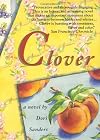
This is a sweet little story about a young black girl, Clover, whose daddy married a white lady. Before they even got home for their wedding supper, there was an automobile accident in which Clover’s daddy was killed, and her new stepmother was injured.
After her stepmother was released from the hospital, there they were – a black ten-year-old with a white stepmother she barely new, living in the black part of town. They gradually grew fond of each other, and the other black relatives finally adjusted to the white woman’s being in their midst. What else would you expect?
I was going to suggest that there should have been more character and plot development and perhaps shouldn’t have ended so soon and so tied up with a ribbon. Then I realized this is a young adult book, which made a difference. For that age group in general, this is just the right speed; therefore, I gave it four out of five stars, instead of three.
It does look slightly into race relations in the American South and shows how blacks object to mixed marriages as much as do whites. At least, they used to. Don’t forget, the time of this story is not current, and the attitudes match the time frame.
The essay about her life and family by the author at the end of the book is as good as the book, which is easy to read and worth an afternoon of your time.
After her stepmother was released from the hospital, there they were – a black ten-year-old with a white stepmother she barely new, living in the black part of town. They gradually grew fond of each other, and the other black relatives finally adjusted to the white woman’s being in their midst. What else would you expect?
I was going to suggest that there should have been more character and plot development and perhaps shouldn’t have ended so soon and so tied up with a ribbon. Then I realized this is a young adult book, which made a difference. For that age group in general, this is just the right speed; therefore, I gave it four out of five stars, instead of three.
It does look slightly into race relations in the American South and shows how blacks object to mixed marriages as much as do whites. At least, they used to. Don’t forget, the time of this story is not current, and the attitudes match the time frame.
The essay about her life and family by the author at the end of the book is as good as the book, which is easy to read and worth an afternoon of your time.
This review was written for LibraryThing Early Reviewers.Drone by Mike Maden
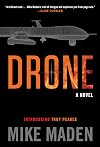
Because the plot of this book seems to have been “ripped from the headlines,” as the saying goes, it is frightening. Similar things appear to be happening in the world today and those that are not are probably well on the way to becoming reality. There are political intrigue and betrayal, murder, searching for individuals and disappearing them using drones, drug cartels, terrorism, assassination, conspiracy, and any number of other current items contained herein.
The plot moves along at a very fast pace. If it were a movie, it would be one of those “don’t blink, or you’ll miss something important” ones. You would be dizzy from trying to keep your eye on all the happenings.
Although there were a couple of deaths of the “good guys,” things went too smoothly to be believable. In my opinion, the premise of the book would have been better served by slowing down the action enough to give one time to become involved with the lives of the main characters. As it was, I almost couldn’t feel sorry for the President’s loss of her son at the hands of, apparently, members of a Mexican drug cartel. She was, however, the most real character in the book.
For those of you who love fast-paced action, this is the book for you. Others might not enjoy it quite as much, but it is still worth reading. It could almost serve as a text book in a current events class. I suppose we should leave that to the articles in the newspapers, though.
The plot moves along at a very fast pace. If it were a movie, it would be one of those “don’t blink, or you’ll miss something important” ones. You would be dizzy from trying to keep your eye on all the happenings.
Although there were a couple of deaths of the “good guys,” things went too smoothly to be believable. In my opinion, the premise of the book would have been better served by slowing down the action enough to give one time to become involved with the lives of the main characters. As it was, I almost couldn’t feel sorry for the President’s loss of her son at the hands of, apparently, members of a Mexican drug cartel. She was, however, the most real character in the book.
For those of you who love fast-paced action, this is the book for you. Others might not enjoy it quite as much, but it is still worth reading. It could almost serve as a text book in a current events class. I suppose we should leave that to the articles in the newspapers, though.
This review was written for LibraryThing Early Reviewers.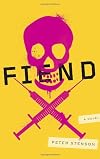
Since the author of this book is a recovering meth addict who has been sober for ten years, I’m pretty sure the descriptions of the things people will do to obtain a fix and of the things they do and say while under the influence of the drug of choice must be accurate. The emotion this evokes in me is sadness. What a waste of a potentially meaningful life.
The story kept me interested to a point. There was too much repetition for my taste, which is why I only gave it three and a half stars. It probably would have been a four-star book, otherwise. You only need a limited number of descriptions of Zombies and shooting meth.
The author certainly knows how to paint word pictures. I could almost see one of the characters picking a scab on his face until it bled. Reading about the smells of unwashed bodies, dirty mattresses and fetid breath was not a nice experience.
The book is riddled with obscenities and even the sex scenes make one feel dirty – not that you should expect anything different concerning a book of this type.
I didn’t really like any of the characters, except maybe for Maddie. If you read the book, you’ll know who he is. If you don’t read the book, it doesn’t matter.
I never did know if Chase, the narrator, was on a hell of a trip or if the Zombies were real. I’m still wondering and am also still wondering about the ending. There are several possibilities. I like books that leave a little to the imagination, but in this case it felt as if the author show more just got tired of writing and quit.
This book can be read in a day, but be prepared to feel sick before you start it. You’ll learn a few things, such as Zombies don’t really behave the way old movies depicted them. Seriously, reading it was so far out of my range of knowledge that it was worth the time spent on it. show less
The story kept me interested to a point. There was too much repetition for my taste, which is why I only gave it three and a half stars. It probably would have been a four-star book, otherwise. You only need a limited number of descriptions of Zombies and shooting meth.
The author certainly knows how to paint word pictures. I could almost see one of the characters picking a scab on his face until it bled. Reading about the smells of unwashed bodies, dirty mattresses and fetid breath was not a nice experience.
The book is riddled with obscenities and even the sex scenes make one feel dirty – not that you should expect anything different concerning a book of this type.
I didn’t really like any of the characters, except maybe for Maddie. If you read the book, you’ll know who he is. If you don’t read the book, it doesn’t matter.
I never did know if Chase, the narrator, was on a hell of a trip or if the Zombies were real. I’m still wondering and am also still wondering about the ending. There are several possibilities. I like books that leave a little to the imagination, but in this case it felt as if the author show more just got tired of writing and quit.
This book can be read in a day, but be prepared to feel sick before you start it. You’ll learn a few things, such as Zombies don’t really behave the way old movies depicted them. Seriously, reading it was so far out of my range of knowledge that it was worth the time spent on it. show less
This review was written for LibraryThing Early Reviewers.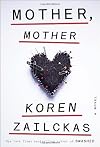
The Hurst Family Members:
1. Josephine – the Beast Mother from Hell – definitely a narcissist
2. Douglas – the mostly ineffective, trying to recover alcoholic Father
3. Rose – the twenty-year-old aspiring actress daughter
4. Violet – the sixteen-year-old experimenting with drugs daughter
5. William – the twelve-year-old Mama’s Boy
As the story begins, Rose has just run away from home, as Josephine says. Violet informs her that when a person as old as Rose leaves home, it’s not called running away, it’s called moving out. Josephine reports her as missing, there is a small investigation, and evidence is found to indicate that she left of her own free will. Josephine is more upset that Rose abandoned her and disowned her family and that Rose’s boyfriend talked ugly to her on the telephone than she is concerned about Rose’s well being. In fact, anything that reflects on her perfect family is swept under the rug, and Josephine keeps worrying about her self and manipulating everyone in sight.
Douglas is mostly in the background, paying little real attention to his children and seems to be afraid of his wife. Who can blame him? He is apparently cheating on Josephine with a woman named Carrie.
Josephine doesn’t approve of Violet’s best friend and her brother, and when she finds out that the teens have been using different types of drugs, she manages to have Violet committed to a mental facility for evaluation. She’s hoping they will keep Violet, if not show more forever, at least for many years. Violet makes a good friend, Edie, while in the hospital. When Violet gets a letter from Rose, Edie is as happy as Violet. Edie turns out to have a good grasp on reality and helps Violet figure out a few things.
William is home-schooled and appears to be a very intelligent young man. He is socially awkward, probably having an Oedipus complex. His mother likes it that way, as she has him under her thumb, and he always takes her side of any situation. By the end of the book, he wonders if it is normal for a mother to still be bathing her twelve-year-old son. She also lays out his clothes for him each day, as well as calling him “stud” and pinching his rear on occasion.
This book was one of those you hate to put down because you just have to see what happens next. What happens next will usually surprise you, but I think you’ll begin to realize about halfway to the end of the novel that things are not always what they seem to be.
I highly recommend this book to anyone who thinks he or she had a horrible mother. show less
1. Josephine – the Beast Mother from Hell – definitely a narcissist
2. Douglas – the mostly ineffective, trying to recover alcoholic Father
3. Rose – the twenty-year-old aspiring actress daughter
4. Violet – the sixteen-year-old experimenting with drugs daughter
5. William – the twelve-year-old Mama’s Boy
As the story begins, Rose has just run away from home, as Josephine says. Violet informs her that when a person as old as Rose leaves home, it’s not called running away, it’s called moving out. Josephine reports her as missing, there is a small investigation, and evidence is found to indicate that she left of her own free will. Josephine is more upset that Rose abandoned her and disowned her family and that Rose’s boyfriend talked ugly to her on the telephone than she is concerned about Rose’s well being. In fact, anything that reflects on her perfect family is swept under the rug, and Josephine keeps worrying about her self and manipulating everyone in sight.
Douglas is mostly in the background, paying little real attention to his children and seems to be afraid of his wife. Who can blame him? He is apparently cheating on Josephine with a woman named Carrie.
Josephine doesn’t approve of Violet’s best friend and her brother, and when she finds out that the teens have been using different types of drugs, she manages to have Violet committed to a mental facility for evaluation. She’s hoping they will keep Violet, if not show more forever, at least for many years. Violet makes a good friend, Edie, while in the hospital. When Violet gets a letter from Rose, Edie is as happy as Violet. Edie turns out to have a good grasp on reality and helps Violet figure out a few things.
William is home-schooled and appears to be a very intelligent young man. He is socially awkward, probably having an Oedipus complex. His mother likes it that way, as she has him under her thumb, and he always takes her side of any situation. By the end of the book, he wonders if it is normal for a mother to still be bathing her twelve-year-old son. She also lays out his clothes for him each day, as well as calling him “stud” and pinching his rear on occasion.
This book was one of those you hate to put down because you just have to see what happens next. What happens next will usually surprise you, but I think you’ll begin to realize about halfway to the end of the novel that things are not always what they seem to be.
I highly recommend this book to anyone who thinks he or she had a horrible mother. show less
This review was written for LibraryThing Early Reviewers.419 by Will Ferguson
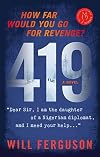
Probably everyone who has ever had an e-mail address has received one of those letters from the daughter/wife/widow of a famous Nigerian general/diplomat/business man, who needs a way to get some money, usually a huge sum, out of the country before the dastardly government steals it away. The only catch is, one must show good faith by first sending some money to Nigeria, at which time a million or more dollars will be deposited to one’s account. I need say no more, as we all know how it works.
As evidenced by the title, this book deals with such scams, looking into the lives of both the scam perpetrators and the scam victims. The reader is given some insight as to why some of the perpetrators take part in the scam operations. Many of them are relatively poor, have fallen away from family or are in some kind of trouble.
In reading the book, I began to have a little sympathy for the “low men on the totem pole,” who for the most part were pathetic characters. There is involvement by a crime boss or three, and most of the young men fear their own particular boss. No wonder. The crime boss isn’t hesitant about causing the loss of limb or life.
The plot was rather interesting, and the jumping back and forth between characters was well done. It was easy to keep up with who was doing what. That being said, there was too much left undone. I don’t mind using my imagination but feel that too many of the plot lines were left dangling.
It was an easy read, though, and I did show more learn a few things. All in all it wasn’t a waste of a few hours but, hindsight being 20/20, I wouldn’t buy it. show less
As evidenced by the title, this book deals with such scams, looking into the lives of both the scam perpetrators and the scam victims. The reader is given some insight as to why some of the perpetrators take part in the scam operations. Many of them are relatively poor, have fallen away from family or are in some kind of trouble.
In reading the book, I began to have a little sympathy for the “low men on the totem pole,” who for the most part were pathetic characters. There is involvement by a crime boss or three, and most of the young men fear their own particular boss. No wonder. The crime boss isn’t hesitant about causing the loss of limb or life.
The plot was rather interesting, and the jumping back and forth between characters was well done. It was easy to keep up with who was doing what. That being said, there was too much left undone. I don’t mind using my imagination but feel that too many of the plot lines were left dangling.
It was an easy read, though, and I did show more learn a few things. All in all it wasn’t a waste of a few hours but, hindsight being 20/20, I wouldn’t buy it. show less
This review was written for LibraryThing Early Reviewers.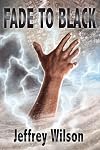
Stephen King meets Nelson DeMille is the best way to describe this book. For the few who don’t know, Stephen King writes horror and ghost stories. Nelson DeMille writes mystery and war stories. Fade to Black would make one helluva movie.
Casey Jack Stillman is either a Marine dreaming of home and his wife, Pam, and his young daughter, Claire, or a schoolteacher having nightmares about getting killed in Fallujah. Then he starts seeing people from his nightmares when he's awake. Thinking he’s losing his mind, he finally agrees to Pam’s urging to see a therapist.
His marriage is perfect, his daughter is perfect, and his wife is perfect. Actually, she’s too perfect, kind of like a Stepford wife. She never loses her temper, is always ready to go anywhere at the drop of a hat, is always ready to make love, and offers to make love as a way to comfort her husband when he’s having a bad time. Perfect Pam was the least believable character in the book and lent little to the plot. I suppose Stillman had to have something in his life to keep him grounded, though, and a perfect wife fit the bill.
I can’t say any more without saying too much. Suffice it to say that the plot was fascinating and held my attention. I wanted to get to the end, so I could see if my idea meshed with the idea of the author. It did. The book is easy to read, and in my opinion, is very interesting.
Is Stillman living in parallel worlds, living with his wife and daughter, or dead and not wanting to give show more up the ghost? I’ll never tell. show less
Casey Jack Stillman is either a Marine dreaming of home and his wife, Pam, and his young daughter, Claire, or a schoolteacher having nightmares about getting killed in Fallujah. Then he starts seeing people from his nightmares when he's awake. Thinking he’s losing his mind, he finally agrees to Pam’s urging to see a therapist.
His marriage is perfect, his daughter is perfect, and his wife is perfect. Actually, she’s too perfect, kind of like a Stepford wife. She never loses her temper, is always ready to go anywhere at the drop of a hat, is always ready to make love, and offers to make love as a way to comfort her husband when he’s having a bad time. Perfect Pam was the least believable character in the book and lent little to the plot. I suppose Stillman had to have something in his life to keep him grounded, though, and a perfect wife fit the bill.
I can’t say any more without saying too much. Suffice it to say that the plot was fascinating and held my attention. I wanted to get to the end, so I could see if my idea meshed with the idea of the author. It did. The book is easy to read, and in my opinion, is very interesting.
Is Stillman living in parallel worlds, living with his wife and daughter, or dead and not wanting to give show more up the ghost? I’ll never tell. show less
This review was written for LibraryThing Early Reviewers.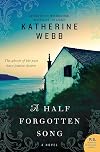
This is one of the most interesting books I’ve read in a very long time. It is almost impossible to review without spilling some beans, so I’ll concentrate more on what I liked about it than on the plot.
The title is taken from one of the main characters, who remembered snippets of songs from her childhood. I think it also could apply to her half forgotten memories, as she tended to tell about things that happened in her life the way she wanted them to be, rather than as they actually were.
The author does a wonderful job of describing the scenery and the weather. In fact one could almost feel the mist and the sea spray; however, the book could have benefitted from a little less description of the geography and the weather.
It is hard to decide who the main character is. It almost seems as if the plot is more important than the characters. I’ve never read a book before where, for me, this has been the case. It’s a very novel idea if this was, indeed, the author’s intent.
I started out almost hating Charles Aubrey, an artist who played a large part in the story, but at the end of the book felt sorry for him, realizing that he might not have been guilty of all of which he was accused. It turns out that some women who claimed to have affairs with him were lying. They, for some strange reason, felt that it was some kind of badge of honor or something. Maybe it made them feel desirable, and it mattered not if they were single or married, or that he seemed to love his show more mistress and two daughters.
The character I pitied the most was Dimity. She fancied herself madly in love with Charles, even though she was still a young teen, and he was old enough to be her father. Her “love” was more of an obsession, and she kept her feelings for him throughout her long life, never marrying, although one of the local boys wanted desperately to marry her.
This is the kind of book that you will want to end, so you can find out what happens, but you won’t want it to end because it is so intriguing. Every time you think you’ve figured out something, there will be another twist to prove you incorrect. A real page-turner, it is.
One other thing – Dimity either had bats in her belfry or ghosts in an upper bedroom. I suspect that she had both.
At any rate, this is a good read and will keep you wondering until the end. What a book! show less
The title is taken from one of the main characters, who remembered snippets of songs from her childhood. I think it also could apply to her half forgotten memories, as she tended to tell about things that happened in her life the way she wanted them to be, rather than as they actually were.
The author does a wonderful job of describing the scenery and the weather. In fact one could almost feel the mist and the sea spray; however, the book could have benefitted from a little less description of the geography and the weather.
It is hard to decide who the main character is. It almost seems as if the plot is more important than the characters. I’ve never read a book before where, for me, this has been the case. It’s a very novel idea if this was, indeed, the author’s intent.
I started out almost hating Charles Aubrey, an artist who played a large part in the story, but at the end of the book felt sorry for him, realizing that he might not have been guilty of all of which he was accused. It turns out that some women who claimed to have affairs with him were lying. They, for some strange reason, felt that it was some kind of badge of honor or something. Maybe it made them feel desirable, and it mattered not if they were single or married, or that he seemed to love his show more mistress and two daughters.
The character I pitied the most was Dimity. She fancied herself madly in love with Charles, even though she was still a young teen, and he was old enough to be her father. Her “love” was more of an obsession, and she kept her feelings for him throughout her long life, never marrying, although one of the local boys wanted desperately to marry her.
This is the kind of book that you will want to end, so you can find out what happens, but you won’t want it to end because it is so intriguing. Every time you think you’ve figured out something, there will be another twist to prove you incorrect. A real page-turner, it is.
One other thing – Dimity either had bats in her belfry or ghosts in an upper bedroom. I suspect that she had both.
At any rate, this is a good read and will keep you wondering until the end. What a book! show less
This review was written for LibraryThing Early Reviewers.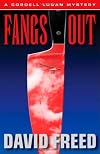
No, this is not a novel about vampires. “Fangs out” is aviator slang meaning that the fighter pilot is more than ready for a good dogfight, which is an aerial battle at close range. This novel is also not about a fighter pilot. The main character – Cordell Logan – is, however, a civilian flight instructor and a retired military assassin. In this novel, he is a private detective of sorts.
The premise of the book is quite interesting. A man about to be executed for a murder he did not commit is prepped for the fatal injection and when given the opportunity to speak before he dies, he drops the bombshell that a friend of the murdered woman’s father is actually the killer. He states that this man is the father of the murdered woman’s child, who is being raised by her father – the child’s grandfather – and his former Playmate wife. In addition there was supposed to have been some creative accounting taking place at the real murderer’s business. Enter Cordell Logan.
The rest of the book is not nearly as good as the introductory pages:
The dead man wanted Lobster Thermidor and a good bottle of Pinot Noir.
“Who does he think he is,” the warden said, “Wolfgang Puck?”
They compromised on a bacon cheeseburger, onion rings, and two cans of cold Pepsi from the roach coach parked out in the visitors’ lot.
Then:
“The upside of capital punishment,” the dead man said…” “No more worrying about
bad cholesterol.”
In my opinion, the book didn’t live show more up to its premise nor to the introduction. The characters were predictable and shallow, especially Mr. Logan’s former wife. Mr. Logan was something of a smart aleck, without the benefit of being entertaining. The plot was thin and needed more development, although there was a surprise at the end.
The most interesting characters were the cat, Kiddiot – what a clever name for a cat – and the landlady, an elderly lady who got a tummy tuck. A retired Marine who lived across the street from the murdered woman’s father was pretty funny but only floated around the edges of the happenings.
For light reading, this book is okay, but that’s about it. show less
The premise of the book is quite interesting. A man about to be executed for a murder he did not commit is prepped for the fatal injection and when given the opportunity to speak before he dies, he drops the bombshell that a friend of the murdered woman’s father is actually the killer. He states that this man is the father of the murdered woman’s child, who is being raised by her father – the child’s grandfather – and his former Playmate wife. In addition there was supposed to have been some creative accounting taking place at the real murderer’s business. Enter Cordell Logan.
The rest of the book is not nearly as good as the introductory pages:
The dead man wanted Lobster Thermidor and a good bottle of Pinot Noir.
“Who does he think he is,” the warden said, “Wolfgang Puck?”
They compromised on a bacon cheeseburger, onion rings, and two cans of cold Pepsi from the roach coach parked out in the visitors’ lot.
Then:
“The upside of capital punishment,” the dead man said…” “No more worrying about
bad cholesterol.”
In my opinion, the book didn’t live show more up to its premise nor to the introduction. The characters were predictable and shallow, especially Mr. Logan’s former wife. Mr. Logan was something of a smart aleck, without the benefit of being entertaining. The plot was thin and needed more development, although there was a surprise at the end.
The most interesting characters were the cat, Kiddiot – what a clever name for a cat – and the landlady, an elderly lady who got a tummy tuck. A retired Marine who lived across the street from the murdered woman’s father was pretty funny but only floated around the edges of the happenings.
For light reading, this book is okay, but that’s about it. show less
This review was written for LibraryThing Early Reviewers.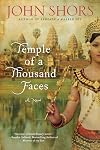
I requested this book from Early Reviewers mainly because I knew little about Angkor Wat, except that it is a Cambodian religious shrine, is frequently an item in a crossword puzzle and also because historical fiction is my favorite genre. As far as history is concerned, the book did well for the period of time it covered but left a lot of unknowns concerning the temple, itself. I won’t give a report of said history here, as anyone who is interested knows how to do an online search, but here is a good site. http://www.livescience.com/23841-angkor-wat.html
The book begins with the Khmer king and his wife having a conversation, never thinking of what is soon to be. Angkor is invaded by the Chams that very evening. What follows is the usual story of war. The defenders are defeated and most are exiled from their country with many being killed for no reason, other than that they are Khmers. Of those remaining alive, the women are distributed among the Chams and their king as if they are property.
One of the women, Voisanne, is given to the king’s trusted assassin/warrior, Asal. Voisanne, of course hates this man – in the beginning. By the end of the book, things are much different. This situation illustrates that stereotypes do not usually fit everyone in the stereotyped group.
Another of the women, Thida, is taken by the king, Indravarman, IV. Their story is woven into the plot of the book, along with the story of Voisanne and Asal, and many other characters and show more happenings.
As expected, the exiles do not just sit and wait to see what will happen. They, led by the Khmer king, Jayavar, and his wife, Ajadevi, who is vision dreamer, hide and build a secret army while waiting for the right time to counterattack. Note: some names have been shortened for simplicity.
There is also a family of Khmer fisher-people who figure greatly in this book. The things they accomplish are amazing and contributed much to the Khmer effort of taking back their city.
The book was interesting, and I learned a lot about Angkor Wat, but I never did get drawn into the lives of the characters as much as in other books; therefore, one star was deducted. I didn’t dislike them, except for the Cham king and one of his assassins, I just never seemed to really care a lot about them as individuals.
One interesting note: Angkor Wat was originally a Hindu temple, then became a Buddhist temple and today is shared by both religions. Each religious group has respect for the other.
My opinion: good book, worth reading. show less
The book begins with the Khmer king and his wife having a conversation, never thinking of what is soon to be. Angkor is invaded by the Chams that very evening. What follows is the usual story of war. The defenders are defeated and most are exiled from their country with many being killed for no reason, other than that they are Khmers. Of those remaining alive, the women are distributed among the Chams and their king as if they are property.
One of the women, Voisanne, is given to the king’s trusted assassin/warrior, Asal. Voisanne, of course hates this man – in the beginning. By the end of the book, things are much different. This situation illustrates that stereotypes do not usually fit everyone in the stereotyped group.
Another of the women, Thida, is taken by the king, Indravarman, IV. Their story is woven into the plot of the book, along with the story of Voisanne and Asal, and many other characters and show more happenings.
As expected, the exiles do not just sit and wait to see what will happen. They, led by the Khmer king, Jayavar, and his wife, Ajadevi, who is vision dreamer, hide and build a secret army while waiting for the right time to counterattack. Note: some names have been shortened for simplicity.
There is also a family of Khmer fisher-people who figure greatly in this book. The things they accomplish are amazing and contributed much to the Khmer effort of taking back their city.
The book was interesting, and I learned a lot about Angkor Wat, but I never did get drawn into the lives of the characters as much as in other books; therefore, one star was deducted. I didn’t dislike them, except for the Cham king and one of his assassins, I just never seemed to really care a lot about them as individuals.
One interesting note: Angkor Wat was originally a Hindu temple, then became a Buddhist temple and today is shared by both religions. Each religious group has respect for the other.
My opinion: good book, worth reading. show less
This review was written for LibraryThing Early Reviewers.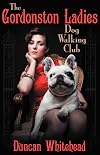
I requested this book through Early Reviewers on Library Thing, thinking it was a comedic look at Southern ladies and life. It does take a look at Southern ladies and life, but the “comedy” is dark. It’s hard to categorize The Gordonston Ladies Dog Walking Club, but if the term existed, “Light Guignol” would probably solve that problem.
This little book has elements of irony, jealousy, mystery, suspense, and adultery within its 189 pages. It held my interest and was an easy read. One could read it in an afternoon, and it’s enjoyable as light entertainment.
In spite of its not being a comedy, there are still some funny moments in the book. For instance, when one of the younger women – a neighbor of the club members – goes to Paris, and her escort invites her to visit Notre Dame, she asks who they are playing.
Another example of humor occurs because the ladies are very concerned that one elderly man does not pick up after his dog. It is even more irritating to them when they consider that there is a “poopa scoopa” provided free of charge for the use of the park-goers. They are so involved with watching him that they don’t realize when one of the dogs, whose owner has hoped the ladies won’t notice, does his business about twenty yards from where they are sitting. They didn’t notice.
In my opinion the book would have been better had the author chosen to start the book with chapter two, making it the first chapter. The repetition of the first chapter as show more the lead-in to chapter eighteen did nothing to add to the book and was in fact a tad boring.
There were three active members – all widows, whose only dog walking consisted of walking doggie on a leash to the park – of the dog walking club. They sat at the same table in the park every afternoon, drank a cocktail in a plastic cup, and gossiped while their dogs ran around playing with other dogs. There were four members, but Thelma was at home dying. The other three ladies were wondering if they should go to see her or just wait. They decide to wait.
When Thelma died, Cindy and Carla each decided that they wanted her husband, Elliott, and started planning in their own minds what to do. They almost immediately started executing said plans. Heidi was much older, about eighty, and had no interest in pursuing Elliott.
From there the plot thickens, as “they” say, and twists and turns, revealing one by one quite a few of the character’s secrets. There’s a totally unexpected revelation at the end of the book.
I think one would enjoy reading The Gordonston Ladies Dog Walking Club and recommend it. show less
This little book has elements of irony, jealousy, mystery, suspense, and adultery within its 189 pages. It held my interest and was an easy read. One could read it in an afternoon, and it’s enjoyable as light entertainment.
In spite of its not being a comedy, there are still some funny moments in the book. For instance, when one of the younger women – a neighbor of the club members – goes to Paris, and her escort invites her to visit Notre Dame, she asks who they are playing.
Another example of humor occurs because the ladies are very concerned that one elderly man does not pick up after his dog. It is even more irritating to them when they consider that there is a “poopa scoopa” provided free of charge for the use of the park-goers. They are so involved with watching him that they don’t realize when one of the dogs, whose owner has hoped the ladies won’t notice, does his business about twenty yards from where they are sitting. They didn’t notice.
In my opinion the book would have been better had the author chosen to start the book with chapter two, making it the first chapter. The repetition of the first chapter as show more the lead-in to chapter eighteen did nothing to add to the book and was in fact a tad boring.
There were three active members – all widows, whose only dog walking consisted of walking doggie on a leash to the park – of the dog walking club. They sat at the same table in the park every afternoon, drank a cocktail in a plastic cup, and gossiped while their dogs ran around playing with other dogs. There were four members, but Thelma was at home dying. The other three ladies were wondering if they should go to see her or just wait. They decide to wait.
When Thelma died, Cindy and Carla each decided that they wanted her husband, Elliott, and started planning in their own minds what to do. They almost immediately started executing said plans. Heidi was much older, about eighty, and had no interest in pursuing Elliott.
From there the plot thickens, as “they” say, and twists and turns, revealing one by one quite a few of the character’s secrets. There’s a totally unexpected revelation at the end of the book.
I think one would enjoy reading The Gordonston Ladies Dog Walking Club and recommend it. show less
This review was written for LibraryThing Early Reviewers.
This book is the quintessential exemplification of the agony of an especially horrific poetic justice.

The Lion's Game by Nelson DeMille is past scary. It's horrifying. It was written pre-9/11 and is about a Libyan terrorist who is in the USA, killing all the pilots and weapon systems officers, after having killed one of them in England, who took part in the Libyan bombing of April 15, 1986. It all rings much too true, especially considering the events in Libya in the past year or so. I'm reading it, now, and am over half way through. It's one of those books you think about, even when you aren't reading it. Disclaimer: In case it gives you nightmares, you've been warned.
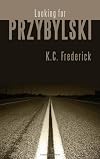
This book is about Ziggy, an elderly former numbers man, who is taking a trip from Michigan to California to find Przybylski, his old nemesis who he thinks turned him in for being in the numbers racket. He escaped conviction, but several of his friends spent time in jail and this caused a small rift in his social life.
The premise of the book is a new one to me, and it caught my attention quickly. The descriptions were very real and reminded me of a gritty, black and white movie shot in the style of those old detective films.
In my opinion, the most interesting part of the book is the bus trip undertaken by Ziggy. Along the way he meets some interesting characters – a former bus driver on the way to meet up with his son, a young man who hopes to make it big as a comedian in California, and a young very independent woman carrying her own custom pool cue – just to name a few.
Each person’s story starts out simply and becomes more complicated as the people travel in such close quarters for so many miles and get better acquainted. There are some surprises along the way, of course.
The bus travels through a tornado, and the passengers get stranded while waiting on a replacement bus after the first bus breaks down. When the bus is going through Oklahoma and Texas, you can almost feel the dust and heat of Oklahoma and feel the dryness of the Texas desert country. It’s a relief, even though I live in Oklahoma, when the passengers at last come upon some greenery and some show more cooler and less dry weather.
Ziggy finds Przybylski, which is no surprise, though it did take some doing. I won’t spoil the story by revealing the outcome of their meeting. Ziggy finds out a few other interesting things, also. Again, I’ll let you discover those for yourself.
During his bus trip and also while staying with an acquaintance from Detroit, as well as while he is at his son’s house, Ziggy has some strange blackout spells. You can tell it bothers him. Of course it does. That would bother anybody. Though Ziggy calls his wife several times, he doesn’t mention the blackouts to her, or to anyone else, either.
The end of the book puzzled me, but I don’t know how to say just why without giving away part of the ending of the story. When you read it, maybe you’ll know what I mean. If not, send me a private message, and I’ll tell you about it.
This book is short, well-written and easy to read. I enjoyed reading it. show less
The premise of the book is a new one to me, and it caught my attention quickly. The descriptions were very real and reminded me of a gritty, black and white movie shot in the style of those old detective films.
In my opinion, the most interesting part of the book is the bus trip undertaken by Ziggy. Along the way he meets some interesting characters – a former bus driver on the way to meet up with his son, a young man who hopes to make it big as a comedian in California, and a young very independent woman carrying her own custom pool cue – just to name a few.
Each person’s story starts out simply and becomes more complicated as the people travel in such close quarters for so many miles and get better acquainted. There are some surprises along the way, of course.
The bus travels through a tornado, and the passengers get stranded while waiting on a replacement bus after the first bus breaks down. When the bus is going through Oklahoma and Texas, you can almost feel the dust and heat of Oklahoma and feel the dryness of the Texas desert country. It’s a relief, even though I live in Oklahoma, when the passengers at last come upon some greenery and some show more cooler and less dry weather.
Ziggy finds Przybylski, which is no surprise, though it did take some doing. I won’t spoil the story by revealing the outcome of their meeting. Ziggy finds out a few other interesting things, also. Again, I’ll let you discover those for yourself.
During his bus trip and also while staying with an acquaintance from Detroit, as well as while he is at his son’s house, Ziggy has some strange blackout spells. You can tell it bothers him. Of course it does. That would bother anybody. Though Ziggy calls his wife several times, he doesn’t mention the blackouts to her, or to anyone else, either.
The end of the book puzzled me, but I don’t know how to say just why without giving away part of the ending of the story. When you read it, maybe you’ll know what I mean. If not, send me a private message, and I’ll tell you about it.
This book is short, well-written and easy to read. I enjoyed reading it. show less
This review was written for LibraryThing Early Reviewers.
This book tried to be a classic horror tale about selling one’s soul to the devil, but it failed miserably. I gave it 2 stars just for the author’s effort. The plot was kind of interesting but was about a frightening as The Rocky Horror Picture Show.
Billy Moon is a rock star, whose star is fading, so hoping to revive his career, he sold his soul to the devil. Or did he?
Trevor Rail, a music producer, is actually the devil. Or is he? He likes to shoot his pistol up into the ceiling, thus scaring everyone to death, but there was no death as a result.
Rachel is a star-struck teenager who tracks down Billy at a recording studio located at Echo Lake. Is she a true friend?
Jake is an aspiring sound engineer who starts out as an apprentice and, through no fault of his own, becomes the lead engineer. Needless to say, he does an excellent job and turns out to be Billy’s great friend. Jake’s working so much overtime plays havoc with his love life, and his girlfriend leaves him. Big surprise.
There is a ghost who plays some keys occasionally on the upstairs piano. There is some kind of spirit in the woods, along with a mysterious black pond or lake.
The only real horror scene in the book comes about in chapter twenty-one. It is more obscene and disgusting than terrifying, though.
There was an interesting twist at the end, which earned it another ½ star, thus increasing the star rating from 2 to 2 ½.
Billy Moon is a rock star, whose star is fading, so hoping to revive his career, he sold his soul to the devil. Or did he?
Trevor Rail, a music producer, is actually the devil. Or is he? He likes to shoot his pistol up into the ceiling, thus scaring everyone to death, but there was no death as a result.
Rachel is a star-struck teenager who tracks down Billy at a recording studio located at Echo Lake. Is she a true friend?
Jake is an aspiring sound engineer who starts out as an apprentice and, through no fault of his own, becomes the lead engineer. Needless to say, he does an excellent job and turns out to be Billy’s great friend. Jake’s working so much overtime plays havoc with his love life, and his girlfriend leaves him. Big surprise.
There is a ghost who plays some keys occasionally on the upstairs piano. There is some kind of spirit in the woods, along with a mysterious black pond or lake.
The only real horror scene in the book comes about in chapter twenty-one. It is more obscene and disgusting than terrifying, though.
There was an interesting twist at the end, which earned it another ½ star, thus increasing the star rating from 2 to 2 ½.
This review was written for LibraryThing Early Reviewers.
This book had an interesting plot concept but fell short of my expectations. Everything simply went much too smoothly for the main character, especially one involved with gangsters, computer hacking, theft and any number of other unsavory things.
To be fair, the computer hacking was done on the files of a company that he at the time would have been the legal owner of if he had not been thought dead. The company was actually his then-deceased wife’s.
His sister, who conveniently was a doctor, helped him disappear and helped him in other ways, also. She also was conveniently unmarried and had no other family to wonder just what in the heck was going on.
A word to the wise: If you ever are mistakenly thought to be dead and decide to let the misconception stand so you can investigate the circumstances of your “death,” don’t undertake the project unless you have about a billion dollars to cover all your expenses and adventures.
The book seemed vaguely familiar as I read it, but since it’s a new book, I could not have read it in the past. Maybe I’m just so old that all the books I’ve read tend to run together in my brain.
In my opinion, the plot was out in left field, the characters weren’t fully developed, and it was boring.
The ending, or lack thereof, indicates that this is the beginning of a series. My advice is to not waste your money, and I won’t be purchasing the next in line.
To be fair, the computer hacking was done on the files of a company that he at the time would have been the legal owner of if he had not been thought dead. The company was actually his then-deceased wife’s.
His sister, who conveniently was a doctor, helped him disappear and helped him in other ways, also. She also was conveniently unmarried and had no other family to wonder just what in the heck was going on.
A word to the wise: If you ever are mistakenly thought to be dead and decide to let the misconception stand so you can investigate the circumstances of your “death,” don’t undertake the project unless you have about a billion dollars to cover all your expenses and adventures.
The book seemed vaguely familiar as I read it, but since it’s a new book, I could not have read it in the past. Maybe I’m just so old that all the books I’ve read tend to run together in my brain.
In my opinion, the plot was out in left field, the characters weren’t fully developed, and it was boring.
The ending, or lack thereof, indicates that this is the beginning of a series. My advice is to not waste your money, and I won’t be purchasing the next in line.
This review was written for LibraryThing Early Reviewers.
I first reviewed this book on 7/9/12 and wondered why I was the only one with this book. Now there are two. I investigated and found that somehow the book had been added to my profile with a different ISBN. I used amazon.com and added it by title. Strange.
~~~~~~~~~~~~~~~~~~~~~~~~~~~~~~~~~~~~~~~~~~~~~~~~~~~~~~~~~~
This book is about Clea, who was abandoned by her mother when she was only a few hours old. In reality, she wasn’t abandoned in the strictest sense of the word because after she was born on the kitchen table to keep from messing up the sheets, her mother gave her to the next door neighbor, who had no children.
Clea soon calls Jerusha Lovemore “Auntie,” and loves her. This family consists of Jerusha’s sister, Miss Shookie Lovemore and her daughter Bitsy. Shookie and Bitsy live in their own house but come to visit often, especially on Sunday after church. Uncle Cunny, a family friend also comes to visit even more frequently and teaches Clea many things – how to read and to add, for example. He wasn’t successful in teaching her to subtract. She had her reason for this inability to subtract.
There is a prison, which guards many secrets, in sight of the house. Sometimes, Clea and her friend go look through the fence until they are run off.
Clea knows something isn’t quite right with her mother but still sneaks over to see her whenever she can. Her mother most of the time makes her leave but on occasion exhibits a little love toward Clea. Later, Clea finds show more out that her mother is whore, and that most of the prison guards have been to “visit.” Many interesting events and characters appear in this book, and also many surprises, which are only revealed toward the end.
Clea has been away and comes back home just in time to bear the brunt of a hurricane. She and the others survive, but there is much damage all over town. It is during the hurricane that Clea realizes the value of Bitsy, who she has always treated as an annoyance.
I gave this book only 3-1/2 stars because it is too short. It had a wonderful plot and made me almost cry more than once, but there was too much about Clea’s life that I would liked to have known about. The time from when she left Mississippi until the time she came back was barely mentioned. It would have been nice to follow her marriage and some other experiences, rather than just being told about them in passing.
Even with its shortcomings, this is an excellent read. One advantage is that it does give you a chance to use your imagination. One can fill in the details that were left out. Had they been included by the author, it would have been a 4-star experience. show less
~~~~~~~~~~~~~~~~~~~~~~~~~~~~~~~~~~~~~~~~~~~~~~~~~~~~~~~~~~
This book is about Clea, who was abandoned by her mother when she was only a few hours old. In reality, she wasn’t abandoned in the strictest sense of the word because after she was born on the kitchen table to keep from messing up the sheets, her mother gave her to the next door neighbor, who had no children.
Clea soon calls Jerusha Lovemore “Auntie,” and loves her. This family consists of Jerusha’s sister, Miss Shookie Lovemore and her daughter Bitsy. Shookie and Bitsy live in their own house but come to visit often, especially on Sunday after church. Uncle Cunny, a family friend also comes to visit even more frequently and teaches Clea many things – how to read and to add, for example. He wasn’t successful in teaching her to subtract. She had her reason for this inability to subtract.
There is a prison, which guards many secrets, in sight of the house. Sometimes, Clea and her friend go look through the fence until they are run off.
Clea knows something isn’t quite right with her mother but still sneaks over to see her whenever she can. Her mother most of the time makes her leave but on occasion exhibits a little love toward Clea. Later, Clea finds show more out that her mother is whore, and that most of the prison guards have been to “visit.” Many interesting events and characters appear in this book, and also many surprises, which are only revealed toward the end.
Clea has been away and comes back home just in time to bear the brunt of a hurricane. She and the others survive, but there is much damage all over town. It is during the hurricane that Clea realizes the value of Bitsy, who she has always treated as an annoyance.
I gave this book only 3-1/2 stars because it is too short. It had a wonderful plot and made me almost cry more than once, but there was too much about Clea’s life that I would liked to have known about. The time from when she left Mississippi until the time she came back was barely mentioned. It would have been nice to follow her marriage and some other experiences, rather than just being told about them in passing.
Even with its shortcomings, this is an excellent read. One advantage is that it does give you a chance to use your imagination. One can fill in the details that were left out. Had they been included by the author, it would have been a 4-star experience. show less
This review was written for LibraryThing Early Reviewers.
The characters in this book include two mysterious strangers, several Catholic Priests, a group of fishermen, a couple of non-practicing Catholics, several persons who have no use at all for church or religion, and more than one bully.
This is a classic tale of good vs evil – murder and mayhem on the Mississippi Gulf Coast, cast in a supernatural light. Good is seen as one of the mysterious strangers – a young man who is washed up from the sea and saved by one of the Priests, seemingly not knowing from where he came. Evil is represented by the other mysterious stranger – a large dark man, who stays mostly hidden during the day and comes out at night to murder, desecrate gravestones and generally act like the rat that he is.
The story starts off with a Priest coming back to open up the Brothers of the Holy Cross house, attached to the campus of Saint Gregory, after it was shut down for the month of July, as it was every year. He notices some doors open and some food stolen, among other strange things, so he decides to investigate further. The dead body of a local young girl he found in the attic, along with some other happenings from his past, eventually drive him crazy.
From this point on, terrible things happen. Secrets are revealed about several of the main characters. I started to say that reincarnation is hinted at, but it’s more than a hint.
A hurricane hits, and there is much devastation. The description of the happenings left me feeling tired and wet. The show more author is that good when telling about other things, also. Some of it gave me chills and/or made me angry and/or sick to my stomach.
By the time one reaches the end of this book, he or she will probably be exhausted. I wanted it to end, not because it wasn’t good, though. A person will more than likely question his or her own faith or lack thereof as a result of reading it, or else he or she will simply scoff but will still enjoy the book.
There is so much more to say, but I need to leave some things for the next reader’s own discovery. Whoever it may be won’t be disappointed. show less
This is a classic tale of good vs evil – murder and mayhem on the Mississippi Gulf Coast, cast in a supernatural light. Good is seen as one of the mysterious strangers – a young man who is washed up from the sea and saved by one of the Priests, seemingly not knowing from where he came. Evil is represented by the other mysterious stranger – a large dark man, who stays mostly hidden during the day and comes out at night to murder, desecrate gravestones and generally act like the rat that he is.
The story starts off with a Priest coming back to open up the Brothers of the Holy Cross house, attached to the campus of Saint Gregory, after it was shut down for the month of July, as it was every year. He notices some doors open and some food stolen, among other strange things, so he decides to investigate further. The dead body of a local young girl he found in the attic, along with some other happenings from his past, eventually drive him crazy.
From this point on, terrible things happen. Secrets are revealed about several of the main characters. I started to say that reincarnation is hinted at, but it’s more than a hint.
A hurricane hits, and there is much devastation. The description of the happenings left me feeling tired and wet. The show more author is that good when telling about other things, also. Some of it gave me chills and/or made me angry and/or sick to my stomach.
By the time one reaches the end of this book, he or she will probably be exhausted. I wanted it to end, not because it wasn’t good, though. A person will more than likely question his or her own faith or lack thereof as a result of reading it, or else he or she will simply scoff but will still enjoy the book.
There is so much more to say, but I need to leave some things for the next reader’s own discovery. Whoever it may be won’t be disappointed. show less
This review was written for LibraryThing Early Reviewers.