
Thank goodness for airplane mode! Otherwise, I would not have finished this book before the library took it back. It took me a while to get into it. The Salt family--dad, two teens, and an 8-yr old--live in a lighthouse on Shearwater Island near Antarctica. There is a research station and a seed vault on the island, but all the scientists have left because Shearwater is quickly falling into the sea. A boat is due in several weeks to take the Salts to safety. Meanwhile, they are stretching out their supplies and checking regularly to make sure that the permafrost is keeping the seeds in the vault cold enough to survive.
A deadly storm smashes a small boat near the shore, and the daughter, Fen, swims out to rescue the sole survivor, an injured woman named Rowan. It’s uncertain whether or not she will survive, but Dominic stitches up her wounds, and Orly, the youngest child, stays close by her side. Orly has spent most of his life on the island and is fascinated by the plants and creature that thrive there. When Rowan regains consciousness, he regales her with facts and stories about them.
We soon learn that Rowan had a purpose in coming to Shearwater: her husband was the chief scientist, and she hasn’t heard from him for months. She feels that he may have come to harm and is determined to find out what happened.
A lot of space is spent on descriptions of the island, the ecological crisis, the history and myths regarding the island’s plants, etc. I found this to be a bit show more tedious, and that’s what held me back from completing the book on time. I am a reader who is more involved in characters than in settings or plots. The human element is what engaged me, but it took quite a while for that to develop. When it did, I was hooked—which is why I put my kindle on airplane mode. (Forgive me—there were 24 people on the wait list, and I didn’t want to wait that long to reach the conclusion.) show less
A deadly storm smashes a small boat near the shore, and the daughter, Fen, swims out to rescue the sole survivor, an injured woman named Rowan. It’s uncertain whether or not she will survive, but Dominic stitches up her wounds, and Orly, the youngest child, stays close by her side. Orly has spent most of his life on the island and is fascinated by the plants and creature that thrive there. When Rowan regains consciousness, he regales her with facts and stories about them.
We soon learn that Rowan had a purpose in coming to Shearwater: her husband was the chief scientist, and she hasn’t heard from him for months. She feels that he may have come to harm and is determined to find out what happened.
A lot of space is spent on descriptions of the island, the ecological crisis, the history and myths regarding the island’s plants, etc. I found this to be a bit show more tedious, and that’s what held me back from completing the book on time. I am a reader who is more involved in characters than in settings or plots. The human element is what engaged me, but it took quite a while for that to develop. When it did, I was hooked—which is why I put my kindle on airplane mode. (Forgive me—there were 24 people on the wait list, and I didn’t want to wait that long to reach the conclusion.) show less

[Baggage: Tales from a Fully Packed Life] by [[Alan Cumming]]
This is another installment of Alan Cumming's series of autobiographies. It covers his early career moves, his travels, his friendships, his search for love and authenticity, and ends with his marriage to Grant Shaffer. As expected, there are many reflections on his earlier life, the abuse by his father, and his feeling of never quite fitting in, and how all these shaped him into the man he became. For the most part, it's much lighter than [Not My Father's Son]. Lots of anecdote--loved the one where Alan escorts Faye Dunaway to the Grammy Awards and she fills her purse with sandwiches and salad.) If you are into audiobooks at all, that's the way to go. Cumming's Scottish accent and occasional dialect is a definite plus.

I've enjoyed previous works by Sarah Perry, especially [The Essex Serpent.] This one was good, but didn't quite measure up. It's the story that moves through several different time periods, primarily the 1980s and present day, but at the center of the story is also a Romanian woman living in Victorian England. Thomas Hart writes a column on science and particularly astronomy for the local paper in Aldleigh, a small Essex town. Thomas has lived a quiet life as a secret homosexual, going to London periodically to live his other life. He is a respected citizen, a member of a conservative congregation, and friend to Grace Macauley, a girl he loved and befriended after her mother died in childbirth. Thomas is obsessed with comets, including the coming Hale-Bopp, and with a ghost that is said to inhabit a local manor who he believes was also an astronomer. He and a researcher for whom he harbors a secret love become fixed on proving that Maria Dudevek discovered a comet--and on finding out the objects of her unrequited love and a friendship that seemed to surpass normal boundaries.
The novel is an exploration of not only science but of love. Like planets and stars in orbit around the sun, relationships pull people together but also push them apart. I almost missed the parallel in 'Enlightenment' because the long scientific diatribes rather bored me, and I tended to skim them quickly. But I thought the characters were well-drawn and, for once, the multiple time periods worked for me.
The novel is an exploration of not only science but of love. Like planets and stars in orbit around the sun, relationships pull people together but also push them apart. I almost missed the parallel in 'Enlightenment' because the long scientific diatribes rather bored me, and I tended to skim them quickly. But I thought the characters were well-drawn and, for once, the multiple time periods worked for me.

It took me a longer time than usual to finish this book, but that was because of 1) life interfering, and 2) it's length, almost 500 pages. Overall, I really enjoyed the book. It's the story of a young farm boy who attracts a wealthy patron because of his resemblance to the deceased Duke of Clarence, brother of King Edward IV and Richard III. (If you are familiar with Shakespeare's 'Richard III,' you know that Richard gained the throne by killing Clarence and sending his son off to be raised by a farming family, then killing his other brother's two sons, known as the Princes in the Tower.)
Young John is fair-haired, unlike his farm brothers, and loves schooling more than farming. Under a series of assumed names, he is taken to Oxford to be educated, then sent to his supposed aunt in Flanders and then to the home of an Irish nobleman to learn court behavior. The plan is that John (or Simnel or Lambert or, now, Edward) will make a claim to the throne that is now held by the first Tudor king, the Lancastrian Henry VII, backed by an army of Yorkist loyalists.
The Pretender takes us through the various changes in this boy's life. It's both a fascinating piece of history and, in a way, a coming-of-age story. He makes friends, only to lose them. Falls in love but is never quite sure that the girl he loves returns his affection--and then she marries another. After the days with his hard, cruel tutor at Oxford, he relishes being treated as part of the family in Ireland. And he show more begins to question just who he really is, heir to the English throne or just another pretender.
The novel is well written with plenty of details on life in the fifteenth century and historical events. Recommended for those who enjoy these settings. show less
Young John is fair-haired, unlike his farm brothers, and loves schooling more than farming. Under a series of assumed names, he is taken to Oxford to be educated, then sent to his supposed aunt in Flanders and then to the home of an Irish nobleman to learn court behavior. The plan is that John (or Simnel or Lambert or, now, Edward) will make a claim to the throne that is now held by the first Tudor king, the Lancastrian Henry VII, backed by an army of Yorkist loyalists.
The Pretender takes us through the various changes in this boy's life. It's both a fascinating piece of history and, in a way, a coming-of-age story. He makes friends, only to lose them. Falls in love but is never quite sure that the girl he loves returns his affection--and then she marries another. After the days with his hard, cruel tutor at Oxford, he relishes being treated as part of the family in Ireland. And he show more begins to question just who he really is, heir to the English throne or just another pretender.
The novel is well written with plenty of details on life in the fifteenth century and historical events. Recommended for those who enjoy these settings. show less

After Charles Stewart returns triumphant as king, Damian Seeker leaves London to join his beloved Maria Ellingsworth in Massachusetts. He doesn't appear until the very end of 'The Winter List,' although his character is central to the plot. Although the new king granted clemency to Cromwell supporters in general, he later made exceptions for former Royalists who cooperated with the Puritan government. Now he is out to find, arrest and execute those known to have had or are even suspected of playing a part in the execution of the his father, Charles I. The Winter List is a list of their names, and the list continues to grow. An ambitious Royalist spy named L'Estrange hopes to win favor with the king by adding the name of Damian Seeker, spreading the rumor that he was the executioner who swung the axe that beheaded Charles I--an absurd claim since, as everyone knows, Damian's extraodinary size would have given him away. Also on L'Estrange's list is Sir Thomas Faithly, a Royalist who cooperated with Seeker in two previous books in the series. He has been given a position in York by the king's favorite, the Duke of Buckingham--a position in which he has little interest, but he is happy to be back home in York, where he hopes to reclaim his grandmother's estate.
Three years after the Restoration of Charles II, Seeker's daughter Manon has married Lawrence Ingolby, a young lawyer who, along with Sir Thomas, had assisted Seeker in 'The Bear Pit.' The Ingolby family, which now show more includes toddler Lizzie, has moved to York, and Lawrence has remained good friends with the nobleman. Word reaches Ingolby that a spy has been sent to York to try to find out where Damian Seeker has gone. Is Lady Anne Winter, who has recently shown up with a Scottish maid, Grizelda Duncan, involved? Or is it someone else that the family wouldn't know or suspect? Either way, it soon becomes clear that the Ingolbys are someone's target.
The story starts with Lady Anne in London but quickly moves to York and the mysterious murder of one of Ingolby's clients, and there are plenty of thrills along the way. I wish we had seen more of Damian Seeker, but, of course, it would be difficult to keep a story going on two continents, not to mention that Seeker's goal in joining Maria in Massachusetts was to find peace and anonymity. I'm sorry that this will be the last in the series, but I'm looking forward to reading more by S.G. MacLean. show less
Three years after the Restoration of Charles II, Seeker's daughter Manon has married Lawrence Ingolby, a young lawyer who, along with Sir Thomas, had assisted Seeker in 'The Bear Pit.' The Ingolby family, which now show more includes toddler Lizzie, has moved to York, and Lawrence has remained good friends with the nobleman. Word reaches Ingolby that a spy has been sent to York to try to find out where Damian Seeker has gone. Is Lady Anne Winter, who has recently shown up with a Scottish maid, Grizelda Duncan, involved? Or is it someone else that the family wouldn't know or suspect? Either way, it soon becomes clear that the Ingolbys are someone's target.
The story starts with Lady Anne in London but quickly moves to York and the mysterious murder of one of Ingolby's clients, and there are plenty of thrills along the way. I wish we had seen more of Damian Seeker, but, of course, it would be difficult to keep a story going on two continents, not to mention that Seeker's goal in joining Maria in Massachusetts was to find peace and anonymity. I'm sorry that this will be the last in the series, but I'm looking forward to reading more by S.G. MacLean. show less
At the end of Book 4, The Bear Pit (how to say this without giving up the ending?), we last saw Damian Seeker, weaponless, entrapped in a bear pit. On Cromwell's orders, the bear pits had been closed, and all the bears had been killed . . . or had they? Worse still, Damian's love, Maria Ellingsworth, has been shoved into the pit . . .
So, three years later, we find Damian in his old disguise as John Carpenter (he had been a traveling carpenter prior to becoming a soldier in the Civil War). London gossips believe that he was dead, but he has been sent to Bruges, where Charles Stuart had recently set up court. The would-be King of England has left, but Royalists determined to put him back on the throne are hard at work in Bruges. Cromwell has an agent who has successfully infiltrated the group, but Seeker's task is to find a female Royalist agent who has been sent to root out this double agent. He has vowed that this will be his last mission: he's homesick and longs to return to England and marry Maria. Among the suspects are Sister Janet, an elderly nun who fled England after her family was killed and settled in the town's English Cloister; Lady Hildred Beaumont, a royalist who has sold everything she owns and come to Bruges to donate the proceeds to the king's cause; Lady Hildred's maid; or Ruth Jones, a young Englishwoman whose brother has come to find her, only to learn that she seems to have disappeared. On the day of his arrival, Bartlett Jones asks Seeker for show more directions to the cloister, and that same night, he is pulled from the river, dead. Seeker had taken a liking to the young man who, like himself, was a Yorkshireman, so he takes on the task of finding his killer as well.
This one is full of intrigue, twists, and turns. Damian suspects that Sister Janet is involved in some way in the Royalist plot but can't figure out just how. He's also wary of the Spanish priest, Fr. Felipé, who seems to hang around the cloister more than is necessary. He's quite sure that Ruth Jones, a foreign woman in a strange town, had indeed gone to the cloister, but he can't learn anything. And what is Sister Janet's connection to The House of Lamentations, a whorehouse frequented by the Royalists? Everyone he speaks with seems to be hiding something. When soldier George Beaumont, Lady Hildred's son, turns up (for reasons I won't give away), Damian enlists him to help sort everything out, even though he's not quite sure it's a wise move.
There's a LOT going on here, and it really pays off in the last few chapters. There's a fight near the end (isn't there always?) that had me on the edge of my seat, turning the pages wildly. As everything unravels and ties between the various characters become clear, there are even more unexpected turns to come as Damian sets out on his personal mission--which sets us up nicely for one more book in the series (which I am about to start!).
Five well deserved stars for The House of Lamentations!!! show less
So, three years later, we find Damian in his old disguise as John Carpenter (he had been a traveling carpenter prior to becoming a soldier in the Civil War). London gossips believe that he was dead, but he has been sent to Bruges, where Charles Stuart had recently set up court. The would-be King of England has left, but Royalists determined to put him back on the throne are hard at work in Bruges. Cromwell has an agent who has successfully infiltrated the group, but Seeker's task is to find a female Royalist agent who has been sent to root out this double agent. He has vowed that this will be his last mission: he's homesick and longs to return to England and marry Maria. Among the suspects are Sister Janet, an elderly nun who fled England after her family was killed and settled in the town's English Cloister; Lady Hildred Beaumont, a royalist who has sold everything she owns and come to Bruges to donate the proceeds to the king's cause; Lady Hildred's maid; or Ruth Jones, a young Englishwoman whose brother has come to find her, only to learn that she seems to have disappeared. On the day of his arrival, Bartlett Jones asks Seeker for show more directions to the cloister, and that same night, he is pulled from the river, dead. Seeker had taken a liking to the young man who, like himself, was a Yorkshireman, so he takes on the task of finding his killer as well.
This one is full of intrigue, twists, and turns. Damian suspects that Sister Janet is involved in some way in the Royalist plot but can't figure out just how. He's also wary of the Spanish priest, Fr. Felipé, who seems to hang around the cloister more than is necessary. He's quite sure that Ruth Jones, a foreign woman in a strange town, had indeed gone to the cloister, but he can't learn anything. And what is Sister Janet's connection to The House of Lamentations, a whorehouse frequented by the Royalists? Everyone he speaks with seems to be hiding something. When soldier George Beaumont, Lady Hildred's son, turns up (for reasons I won't give away), Damian enlists him to help sort everything out, even though he's not quite sure it's a wise move.
There's a LOT going on here, and it really pays off in the last few chapters. There's a fight near the end (isn't there always?) that had me on the edge of my seat, turning the pages wildly. As everything unravels and ties between the various characters become clear, there are even more unexpected turns to come as Damian sets out on his personal mission--which sets us up nicely for one more book in the series (which I am about to start!).
Five well deserved stars for The House of Lamentations!!! show less
I'm not a huge fan of Susanna Kearsley. The Winter Sea was OK, so I decided to give this one a try. I was drawn by the time period and the setting: England under the reign of James I, shortly after the untimely death of Henry, Prince of Wales. There is speculation that Henry's drawn-out illness and death was actually a poisoning. The prince had openly quarreled with his father and warned him of the bad influence of his favorite, Robert Carr. Some speculated that Carr--who was later arrested for poisoning a friend who opposed his marriage to the divorced Frances Howard--may have been responsible for Henry's death, perhaps even with the king's approval.
The story begins when Andrew Logan, one of the King's Messengers, is sent to Scotland to arrest Sir David Moray, the Prince's closest companion, and bring him back to London for trial. He's suspected of having poisoned Henry. Logan has been ordered to take with him Laurence Westaway, a scribe who is given the task of writing down everything that Moray says on the journey back. Since Westaway is not in the best health, his daughter Phoebe joins them. Since she is afraid of horses and doesn't ride, she has to ride on Logan's horse. This is even more touchy, since the two of them have a longstanding dislike of one another.
So, rather than tell you what happens (part of which you can probably guess from what I wrote above), let me say that this was a slow read. The plot is mostly riding, riding, riding and trying to avoid Moray's show more kinsmen, and, once Moray is captured, he tells lots of stories that make him a sympathetic character. At least there are a few surprises near the end. The blurb makes a lot of Logan's gift (or curse) of Second Sight, but it really doesn't play that big a part in the novel. The novel shifts points of view, among Logan, Phoebe, and Queen Anna, which are often shifts in time as well.
If you are a fan of this novelist, go for it. I will say that she took a fairly intriguing shift in the historical facts, which is fine with me, and she explains her rationale in the Afterword. show less
The story begins when Andrew Logan, one of the King's Messengers, is sent to Scotland to arrest Sir David Moray, the Prince's closest companion, and bring him back to London for trial. He's suspected of having poisoned Henry. Logan has been ordered to take with him Laurence Westaway, a scribe who is given the task of writing down everything that Moray says on the journey back. Since Westaway is not in the best health, his daughter Phoebe joins them. Since she is afraid of horses and doesn't ride, she has to ride on Logan's horse. This is even more touchy, since the two of them have a longstanding dislike of one another.
So, rather than tell you what happens (part of which you can probably guess from what I wrote above), let me say that this was a slow read. The plot is mostly riding, riding, riding and trying to avoid Moray's show more kinsmen, and, once Moray is captured, he tells lots of stories that make him a sympathetic character. At least there are a few surprises near the end. The blurb makes a lot of Logan's gift (or curse) of Second Sight, but it really doesn't play that big a part in the novel. The novel shifts points of view, among Logan, Phoebe, and Queen Anna, which are often shifts in time as well.
If you are a fan of this novelist, go for it. I will say that she took a fairly intriguing shift in the historical facts, which is fine with me, and she explains her rationale in the Afterword. show less
Although this book, the third in the Damian Seeker series, won the prestigious Cloak and Dagger Award, I didn't enjoy it quite as much as the previous two. It may be that I missed the London setting and some of the London characters.
Seeker has been sent up to Yorkshire, the place where he grew up, to find Thomas Faithly, a Royalist and favorite of Charles Stuart (son of the executed king, Charles I). Faithly had been captured but was freed by a coach attack en route to prison. Seeker is sent to find him and also to help root out Royalists in the area. When he arrives in a small town near Faithly manor, he finds the citizens all focused on the arrival of a trier, a kind of itinerant judge sent to hear evidence against the local minister/teacher who apparently isn't doing his job by the new standards set by Cromwell. Bess Pullam, mother of the local commissioner, is busy preparing a meal for the visiting trier and his wife, and she invites Damian to join them. The trier never shows up, but the day after the meal, Bess's young ward suddenly falls ill and dies. Seeker suspects foul play, but if everyone ate the same soup as young Gwendolyn, how could she have been poisoned? And who would do such a thing, and why?
As in the other books in the series, MacLean gives us a lot of fascinating characters. There's the local wise woman, whom people call mad but nonetheless call upon when they need a midwife or doctoring. The local busybody and her constable husband. Edward Faithly, show more older brother of the escapee, and his disinterested wife. The minister, a dandy with an eye for the ladies. And the trier and his wife, both of whom Damian has known in his past.
The book ends up with Damian back in London, where the fourth installment picks up. I have to say, I'm glad to be back there! I did enjoy Destroying Angels--just not quite as much as the last two books. On to [The Bear Pit]! show less
Seeker has been sent up to Yorkshire, the place where he grew up, to find Thomas Faithly, a Royalist and favorite of Charles Stuart (son of the executed king, Charles I). Faithly had been captured but was freed by a coach attack en route to prison. Seeker is sent to find him and also to help root out Royalists in the area. When he arrives in a small town near Faithly manor, he finds the citizens all focused on the arrival of a trier, a kind of itinerant judge sent to hear evidence against the local minister/teacher who apparently isn't doing his job by the new standards set by Cromwell. Bess Pullam, mother of the local commissioner, is busy preparing a meal for the visiting trier and his wife, and she invites Damian to join them. The trier never shows up, but the day after the meal, Bess's young ward suddenly falls ill and dies. Seeker suspects foul play, but if everyone ate the same soup as young Gwendolyn, how could she have been poisoned? And who would do such a thing, and why?
As in the other books in the series, MacLean gives us a lot of fascinating characters. There's the local wise woman, whom people call mad but nonetheless call upon when they need a midwife or doctoring. The local busybody and her constable husband. Edward Faithly, show more older brother of the escapee, and his disinterested wife. The minister, a dandy with an eye for the ladies. And the trier and his wife, both of whom Damian has known in his past.
The book ends up with Damian back in London, where the fourth installment picks up. I have to say, I'm glad to be back there! I did enjoy Destroying Angels--just not quite as much as the last two books. On to [The Bear Pit]! show less
When a body dressed in a decaying Friar's robe is found walled up in the old Black Friars monastery, Damien Seeker is sent to investigate. Although those first on the scene assume this is an amazingly preserved friar from a century ago or more, Seeker recognizes it as one of Secretary of State Thurloe's special agents. Carter Blyth, as far as he knew, had been on the continent, looking for news about the Stuart court in exile, but he learns that Blyth had been recalled from Holland to use his weaver's skills to infiltrate a Royalist sect at home known as the Fifth Monarchists. Seeker is tasked with finding what led to his death, what he had learned, and who had murdered him.
While investigating the Gethsemane community of weavers that Blyth had infiltrated, he questions the Goodwill family with whom he lived: he father, weaver; his surly wife, and fire-and-brimstone preacher, their daughter, Patience, as surly as her mother and a snitch to boot; and Nathaniel, the simple son of Goodwill and his first wife. Along the way, he discovers that four children have gone missing in recent weeks. No one suspects (or cares) much about missing children in 17th-century London, but Seeker has promised Lady Anne Winterw to look for a girl who worked for her, and he soon learns a boy who disappeared from his school, a girl who worked in a tavern, and a gardener's helper.
In the course of to trying to unravel these mysteries, Seeker encounters suspicious characters and activity both inside show more Thurloe's offices and out that might threaten Protector Cromwell and security of his government.
I'm usually not one for mysteries but do read the occasional historical one. I've really been enjoying the Seeker series and am very glad I picked up a kindle copy of all five books in the series. MacLean draws an intriguing and believable portrait of Cromwell's London and gives us a wide range of interesting characters from all walks of life. In this second installment, we begin to see that Damian Seeker has a softer side, especially with the boy Nathaniel, with his hound (named Dog), and with Maria Ellingsworth, the woman he loves. (He keeps it hidden well. In London, everyone recognizes him, and most people back away from him in fear.)
On to Book 3, Destroying Angel. show less
While investigating the Gethsemane community of weavers that Blyth had infiltrated, he questions the Goodwill family with whom he lived: he father, weaver; his surly wife, and fire-and-brimstone preacher, their daughter, Patience, as surly as her mother and a snitch to boot; and Nathaniel, the simple son of Goodwill and his first wife. Along the way, he discovers that four children have gone missing in recent weeks. No one suspects (or cares) much about missing children in 17th-century London, but Seeker has promised Lady Anne Winterw to look for a girl who worked for her, and he soon learns a boy who disappeared from his school, a girl who worked in a tavern, and a gardener's helper.
In the course of to trying to unravel these mysteries, Seeker encounters suspicious characters and activity both inside show more Thurloe's offices and out that might threaten Protector Cromwell and security of his government.
I'm usually not one for mysteries but do read the occasional historical one. I've really been enjoying the Seeker series and am very glad I picked up a kindle copy of all five books in the series. MacLean draws an intriguing and believable portrait of Cromwell's London and gives us a wide range of interesting characters from all walks of life. In this second installment, we begin to see that Damian Seeker has a softer side, especially with the boy Nathaniel, with his hound (named Dog), and with Maria Ellingsworth, the woman he loves. (He keeps it hidden well. In London, everyone recognizes him, and most people back away from him in fear.)
On to Book 3, Destroying Angel. show less
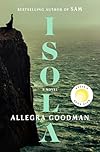
Isola is based on real events, although the author reveals in her end notes that various records of the story differ dramatically. The protagonist is Marguerite, a young orphan of noble birth who lives a happy and luxurious life, cared for by her nurse and loved by her teachers and the teacher's daughter. Her guardian, Roberval, is a favorite of the King of France, but he has been raiding his ward's inheritance for years. He is a speculator who invests in exploration. when the king commissions him to establish a colony in New France (Canada), he decides that Marguerite will accompany him. She is forced to leave the only home she has known and is subjected to Roberval's harsh treatment. His only "gift" to her is a book of psalms that he uses to exert control over the young girl. The sea voyage is rough, and her old nurse Damienne, who is allowed to accompany her, suffers greatly. But Marguerite is doomed when she falls in love with Roberval's secretary. Instead of killing them for their sins (the greatest one, in his mind, is their betrayal of him), Roberval casts the lovers and the nurse on an uninhabited island in the St. Lawrence gulf.
The balance of the novel relates the trio's struggle to survive in their harsh environment. Their provisions are few, the land is infertile, the winters are harsh, and the bears are hungry. Their story becomes one of love, faith, and resilience. I will leave you to read the details and the outcomes.
This beautifully written novel was so show more engrossing that I finished it in only three days, reading most of it in a single day. The end notes were as fascinating as the novel itself. Highly recommended! show less
The balance of the novel relates the trio's struggle to survive in their harsh environment. Their provisions are few, the land is infertile, the winters are harsh, and the bears are hungry. Their story becomes one of love, faith, and resilience. I will leave you to read the details and the outcomes.
This beautifully written novel was so show more engrossing that I finished it in only three days, reading most of it in a single day. The end notes were as fascinating as the novel itself. Highly recommended! show less

This was my first read by Jodi Picoult, and it might be my last. I was attracted by the Shakespeare connection, so I borrowed it from my library.
What I liked: Picoult did a good job of depicting both the world of Elizabethan nobility and the Jewish slums of London. I usually hate the "Who really wrote Shakespeare's works?" premise. But the author did her research into the life of Emilia Bassano Lanier, daughter of Italian court musicians, and the connections between her life to the plays and poems seem as plausible as any proposed "Shakespeare." Her premise is that, as a woman, Bassano could never get published, so she hired Shakespeare (a hack writer, by her account) to put his name to her works for a cut of the proceeds. And along the way, we get an interesting imagining of Lanyer's life, from her wardship under a noble family after her parents' death, to her years as the mistress of one of Elizabeth I's chief advisors and lover of the young Henry Wriothesley, to being married off to an abusive Jewish musician. She is mainly depicted as an intelligent and creative woman who is held back by her sex yet manages to survive and even to secure a measure of independence. If you can put aside
what you may already know about Shakespeare and Lanier, it's a pretty captivating story.
What I didn't like: Unfortunately, Picoult couldn't leave well enough alone and just give us this story. Nope. We had to have a contemporary parallel, a would-be playwright who just happens to learn show more that she is a descendent of Emilia Bassano. She becomes obsessed with her ancestor and eventually writes a feminist play that "proves" that she is really "Shakespeare." I hate the two-time frame formula, and I also hate the old hack of a woman falling in love with the man she detested for years. And let's throw in another cliché: her best friend is a gay black man, another playwright (but not as good as the woman). To bring her parallel full circle, he pretends to have written her play because she doesn't believe that male producers would take her seriously. The integration of quotes from the work of Shakespeare is a bit heavy handed and sometimes awkward as well. show less

The third volume in Pat Barker's Trojan Women trilogy, The Voyage Home focuses on three women: Ritsa, Casssandra, and Clytemnestra, each of whom has her reasons to wish Agamemnon dead. As Barker's creation, the fictional Ritsa serves as the connection between all three women.
Ritsa is a Trojan woman skilled in medicine who was captured by the Greeks and made a personal slave to Cassandra. If you know your Greek mythology, you'll know that Cassandra was a Trojan priestess devoted to Apollo. He gave her the gift of prophecy--but also the curse that none of her prophecies would be believed. When the Trojans were defeated, Cassandra was given to the Greek king Agamemnon as a concubine--but he marries her, despite the fact that he had a wife, Clytemnestra, waiting at home.
The story begins as the Greeks and their captives board a ship to sail for home at last. Ritsa forms a romantic (well, maybe lustful is a better word) relationship with the ship's captain, and also a cautious friendship with Machaon, Agamemnon's physician, who appreciates her abilities. Her relationship with Cassandra is strained but gradually begins to change.
As for Clytemnestra, if you know the myth, I don't have to tell you why she wishes her husband dead. But Barker gives her an additional motive: she has been ruling in his stead for the 10 years he has been away at war and isn't eager to give up her power.
This is an interesting retelling of the final chapter in the Trojan War from the women's viewpoints. show more It's also a reminder that no one, not the victors nor the defeated, remains untouched by war. show less
Ritsa is a Trojan woman skilled in medicine who was captured by the Greeks and made a personal slave to Cassandra. If you know your Greek mythology, you'll know that Cassandra was a Trojan priestess devoted to Apollo. He gave her the gift of prophecy--but also the curse that none of her prophecies would be believed. When the Trojans were defeated, Cassandra was given to the Greek king Agamemnon as a concubine--but he marries her, despite the fact that he had a wife, Clytemnestra, waiting at home.
The story begins as the Greeks and their captives board a ship to sail for home at last. Ritsa forms a romantic (well, maybe lustful is a better word) relationship with the ship's captain, and also a cautious friendship with Machaon, Agamemnon's physician, who appreciates her abilities. Her relationship with Cassandra is strained but gradually begins to change.
As for Clytemnestra, if you know the myth, I don't have to tell you why she wishes her husband dead. But Barker gives her an additional motive: she has been ruling in his stead for the 10 years he has been away at war and isn't eager to give up her power.
This is an interesting retelling of the final chapter in the Trojan War from the women's viewpoints. show more It's also a reminder that no one, not the victors nor the defeated, remains untouched by war. show less
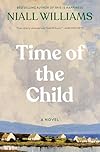
I have enjoyed other books by Niall Williams, and while I liked this one well enough, it was a bit of a disappointment. My Christmas read for the last two years was 'Small Things Like These', a wonderful book by Irish author Claire Keegan (which was made into a wonderful movie that came out this fall, starring Cillian Murphy). Admittedly, that's a hard book to top, but 'Time of the Child' was promoted as a Christmas book, so I thought I'd give it a try. It does indeed take place over the Christmas season, set in the small Irish town of Faha in 1962, when everyone is preparing for the holiday. The main characters are Dr. Jack Troy, a 60-ish widower, and his unmarried eldest daughter, Ronnie, who lives with him, acting as his receptionist and keeping house for him. On the night of the Christmas Fair, there is a midnight knock at the door that changes their household and shakes the doctor's usual reserve. A young boy holds a newborn child, apparently deceased.
The story that ensues from there is a fairly good one. But the problem is that the knock doesn't come until well past the first half of the book. It started out with detailed descriptions of the town, then proceeded to details about all the people living in Faha--interesting at first, but it seemed to go on forever!!! Until the knock, there's not much story aside from Dr. Troy eating Sunday breakfast at the local hotel and his regular visits to a dying old woman ("No change") and a brief reminiscence of a woman (also show more deceased) who just wanted to be a friend with benefits that he now realizes he loved. Once the baby arrives, the story picks up, but, unfortunately, we're left with an open-ended conclusion, uncertain what happens to the baby. There's a message to be had even without it being tied up in a bow, but I still felt a bit cheated not knowing where the baby would end up.
So a nice enough holiday read if you don't mind a really slow one. It took me most of December to get through it. Next year I'll be rereading 'Small Things Like These]' again. show less
The story that ensues from there is a fairly good one. But the problem is that the knock doesn't come until well past the first half of the book. It started out with detailed descriptions of the town, then proceeded to details about all the people living in Faha--interesting at first, but it seemed to go on forever!!! Until the knock, there's not much story aside from Dr. Troy eating Sunday breakfast at the local hotel and his regular visits to a dying old woman ("No change") and a brief reminiscence of a woman (also show more deceased) who just wanted to be a friend with benefits that he now realizes he loved. Once the baby arrives, the story picks up, but, unfortunately, we're left with an open-ended conclusion, uncertain what happens to the baby. There's a message to be had even without it being tied up in a bow, but I still felt a bit cheated not knowing where the baby would end up.
So a nice enough holiday read if you don't mind a really slow one. It took me most of December to get through it. Next year I'll be rereading 'Small Things Like These]' again. show less

I really enjoyed This Other Eden and was really looking forward to Harding's latest, Enon. What a disappointment! So many long, long descriptions and so many long, long, long sentences. I can sum it up for you in one: A girl is killed when a car hits her bike, and after the funeral, her father puts his fist through the wall and decides his marriage has been long dead and sends his wife home to her parents, after which he promptly becomes addicted to painkillers and whatever other drugs he can get from the local dealer, breaking into homes of sick people he knows to steal their prescription drugs and money to get more drugs from the dealer, and in the meantime he doesn't bathe or shave for months and eavesdrops on two Goth teen girls smoking in the local cemetery. OK, so he's the narrator, and there are some charming stories of his memories of his daughter. But that's it. It took me forever to drag myself to the end of this short book. I know it's supposed to be a wonderful book about grief and loss, but jeez, give me a break!
(I almost feel guilty about writing such a scathing review. But then I remember that it was so bad that I stopped about 2/3 of the way in to reread Claire Keegan's wonderful novella. Small Things Like These. Going back to finish the last third felt like torture after that.)
(I almost feel guilty about writing such a scathing review. But then I remember that it was so bad that I stopped about 2/3 of the way in to reread Claire Keegan's wonderful novella. Small Things Like These. Going back to finish the last third felt like torture after that.)
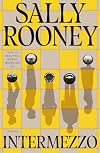
Intermezzo is mainly the story of two Irish brothers, Peter and Ivan Koubek. The novel begins shortly after their father's funeral. When they were children, Ivan worshipped his brother, who is 12 years older. Now, they just barely get along, and their situation gets increasingly worse as the novel progresses. Ivan, who lived with his father and took care of him as he battled cancer, resents the fact that Peter gave the eulogy at the funeral, on the grounds that this is always the duty of the oldest son, even though he hardly ever came home.
Peter, a lawyer, is torn between two women, the free-spirited Naomi (who happens to be the same age as Ivan, 22) and his one-time fiancée, Sylvia, a literature professor who suffered a debilitating car accident seven years ago that caused the decision to break off their engagement. Each woman knows about the other and her importance in Peter's current life, yet he feels guilty over not being able to make a full commitment to either one.
Due to caring for their father, Ivan, a recent college graduate, is mainly unemployed and has let his passion for chess competition fall by the wayside. He had reached a high ranking at only 18 and was well known in the Irish chess world, and now he has begun to play in mid-level matches while contemplating going for the IM ranking. At a small town chess club event, he meets Margaret, who works at the arts center where the match is held. One of her duties is to drop Ivan off at the cottage where he will show more spend the night before taking the train back to Dublin in the morning. There is an immediate attraction between the two of them, even though Margaret is 36 (older than his brother) and separated from her husband.
Intermezzo is an exploration of the relationships between lovers and brothers and of the social norms that encroach upon them. As the chapters move between Peter, Ivan, Sylvia and Margaret, both the voice and the point of view change. Initially, I found Peter's voice a bit grating and harder to follow, but I soon got used to it and appreciated how deftly the author shifted her style to suit each character. I've enjoyed Sally Rooney's earlier works and will be looking forward to her next one. show less
Peter, a lawyer, is torn between two women, the free-spirited Naomi (who happens to be the same age as Ivan, 22) and his one-time fiancée, Sylvia, a literature professor who suffered a debilitating car accident seven years ago that caused the decision to break off their engagement. Each woman knows about the other and her importance in Peter's current life, yet he feels guilty over not being able to make a full commitment to either one.
Due to caring for their father, Ivan, a recent college graduate, is mainly unemployed and has let his passion for chess competition fall by the wayside. He had reached a high ranking at only 18 and was well known in the Irish chess world, and now he has begun to play in mid-level matches while contemplating going for the IM ranking. At a small town chess club event, he meets Margaret, who works at the arts center where the match is held. One of her duties is to drop Ivan off at the cottage where he will show more spend the night before taking the train back to Dublin in the morning. There is an immediate attraction between the two of them, even though Margaret is 36 (older than his brother) and separated from her husband.
Intermezzo is an exploration of the relationships between lovers and brothers and of the social norms that encroach upon them. As the chapters move between Peter, Ivan, Sylvia and Margaret, both the voice and the point of view change. Initially, I found Peter's voice a bit grating and harder to follow, but I soon got used to it and appreciated how deftly the author shifted her style to suit each character. I've enjoyed Sally Rooney's earlier works and will be looking forward to her next one. show less
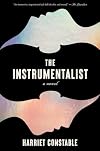
A young woman pushes a bundle through an opening at the Ospidale di Piéta, a Venetian orphanage for girls run by nuns. That bundle is given the name Anna Maria della Piéta, and she becomes the title character of this novel, which traces her life thereafter from the age of eight to sixteen. Not much is known about the real young woman who became the most renowned violinist of her day, but Constable uses what little research can provide and her imagination to give us a compelling story.
The girls at the orphanage are given a sound education and, if they show any talent, music lessons as well. Anna Maria, like all the rest, begins with the flute. But one day she hears a sound that fascinates her and follows it to a room where a young man with red hair is playing an instrument she has never seen before. The notes float from his instrument as colors--a unique sensibility that later helps her to learn music and even to compose it. This is the Master of Music, Antonio Vivaldi. At first annoyed by the interruption, he is stunned when the girl picks up a student's violin and begins playing back the piece she has just heard. From that moment, Anna Maria knows what she wants to do with her life, and Vivaldi agrees to give her lessons.
The novel traces her rise to become the youngest member of the orphanage's famous orchestra, then first violinist and the toast of Venice. But it is so much more. There is her friendship with two other girls. Agata, a girl who plays the harpsichord, show more suffered a skull deformity by being a bit too large when she was pushed through the hole in the wall. Paulina is a talented oboist who has lost an eye. The three of them are known as the Triplets because of their close bond. Later, she is befriended by Chiara, a former rival. And of course, there is her relationship with the Maestro, who at times can be frighteningly stern and at other times tender. He sees in her a kindred spirit, one that will go to any lengths to forge ahead in the musical world of Venice. When he learns that she also has a talent for composing, he encourages her and allows her to work with him--but only if she never tells a soul.
Constable paints what seems to be an accurate portrait of early eighteenth-century Venice and of life at the orphanage. As you would expect, it's not an easy life, although there are perks for those who make it into the orchestra. Yet all of the girls hold out hope that someone will come for them. In Anna Maria's case, she was left with half of a playing card by the mother who abandoned her.
As someone who loves Vivaldi's work, I found this book quite fascinating. Of course, Constable takes some liberties, including a feminist leaning (although I imagine that these hard working and talented young women would feel constricted by the gender roles of the day). But that is the nature of a novel. I think anyone who is a fan of historical fiction or Venice would enjoy The Instrumentalist. show less
The girls at the orphanage are given a sound education and, if they show any talent, music lessons as well. Anna Maria, like all the rest, begins with the flute. But one day she hears a sound that fascinates her and follows it to a room where a young man with red hair is playing an instrument she has never seen before. The notes float from his instrument as colors--a unique sensibility that later helps her to learn music and even to compose it. This is the Master of Music, Antonio Vivaldi. At first annoyed by the interruption, he is stunned when the girl picks up a student's violin and begins playing back the piece she has just heard. From that moment, Anna Maria knows what she wants to do with her life, and Vivaldi agrees to give her lessons.
The novel traces her rise to become the youngest member of the orphanage's famous orchestra, then first violinist and the toast of Venice. But it is so much more. There is her friendship with two other girls. Agata, a girl who plays the harpsichord, show more suffered a skull deformity by being a bit too large when she was pushed through the hole in the wall. Paulina is a talented oboist who has lost an eye. The three of them are known as the Triplets because of their close bond. Later, she is befriended by Chiara, a former rival. And of course, there is her relationship with the Maestro, who at times can be frighteningly stern and at other times tender. He sees in her a kindred spirit, one that will go to any lengths to forge ahead in the musical world of Venice. When he learns that she also has a talent for composing, he encourages her and allows her to work with him--but only if she never tells a soul.
Constable paints what seems to be an accurate portrait of early eighteenth-century Venice and of life at the orphanage. As you would expect, it's not an easy life, although there are perks for those who make it into the orchestra. Yet all of the girls hold out hope that someone will come for them. In Anna Maria's case, she was left with half of a playing card by the mother who abandoned her.
As someone who loves Vivaldi's work, I found this book quite fascinating. Of course, Constable takes some liberties, including a feminist leaning (although I imagine that these hard working and talented young women would feel constricted by the gender roles of the day). But that is the nature of a novel. I think anyone who is a fan of historical fiction or Venice would enjoy The Instrumentalist. show less
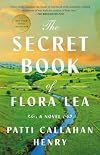
This historical novel takes place in England in 1940 and 1960. As the Nazis threaten to start bombing, the government sets up Operation Pied Piper to evacuate London children to safer homes in the countryside. Hazel Linden (14) and her sister Flora (5) are sent to Binsey, a small rural town near Oxford. They are taken in by Bridie Aberdeen, a kindly single mother, and her teenaged son Harry. The girls enjoy the pristine countryside but still have fears: their father was killed early in the war, and, of course, they worry about their mother's safety an, in Flora's case, if she will ever come back for them. Hazel creates for a safe space called Whisperwood, a place in the woods with a starry river where they can become whatever they choose (owls, frogs, rabbits, etc.). The stories help to calm Flora's fear. They are the girls' secret. Hazel warns Flora that if she ever tells anyone about Whisperwood, it will disappear forever. Later, when Flora seems unusually attracted to the river in the woods near Bridie's cottage, she tells Flora never to go near the river because if she ever goes into it, she will never be able to come home.
In 1960, we see Hazel working in a rare book shop, in charge of logging and filing incoming books and documents. She opens a package of illustrations that look familiar: two sisters running hand-in-hand towards the woods and a river shining with stars. The illustrations link to a popular books about two sisters and their adventures in Whisperwood. show more She is convinced that someone has stolen her stories. But how could that be? She never told them to anyone but Flora--and Flora had disappeared in Binsey. The police believe that she drowned in the Thames, but Hazel and her mother Camellia hold out hope that she escaped this fate and is still alive; they have been looking for her for 20 years. Could this book, written by an American, be proof that Flora was still alive?
Thus kicks off the mystery at the center of The Secret Book of Flora Lea. But it is also an exploration of the effect of trauma on the Pied Piper children and of the guilt caused by the loss of her sister on Hazel. She has found herself unable to commit to a partner, although there is some hope that Barnaby, her current boyfriend, may be the one.
The author develops her story with lots of surprises, twists and turns. The alternating chapters is a good structure for the story. Details from the past (1940) are slowly revealed as Hazel tries to unlock the secret of the how the American Whisperwood books came into being (1960) and what connection they might have to Flora. Overall, I enjoyed the book, although I have to admit that it dragged a few times and that some events were too predictable and sometimes characters are a bit too precious. show less
In 1960, we see Hazel working in a rare book shop, in charge of logging and filing incoming books and documents. She opens a package of illustrations that look familiar: two sisters running hand-in-hand towards the woods and a river shining with stars. The illustrations link to a popular books about two sisters and their adventures in Whisperwood. show more She is convinced that someone has stolen her stories. But how could that be? She never told them to anyone but Flora--and Flora had disappeared in Binsey. The police believe that she drowned in the Thames, but Hazel and her mother Camellia hold out hope that she escaped this fate and is still alive; they have been looking for her for 20 years. Could this book, written by an American, be proof that Flora was still alive?
Thus kicks off the mystery at the center of The Secret Book of Flora Lea. But it is also an exploration of the effect of trauma on the Pied Piper children and of the guilt caused by the loss of her sister on Hazel. She has found herself unable to commit to a partner, although there is some hope that Barnaby, her current boyfriend, may be the one.
The author develops her story with lots of surprises, twists and turns. The alternating chapters is a good structure for the story. Details from the past (1940) are slowly revealed as Hazel tries to unlock the secret of the how the American Whisperwood books came into being (1960) and what connection they might have to Flora. Overall, I enjoyed the book, although I have to admit that it dragged a few times and that some events were too predictable and sometimes characters are a bit too precious. show less

I was attracted to this book because the writer has an affinity for New England and for Henry David Thoreau, and it sounded like the stories would reflect the natural landscape of that area. They do, somewhat; most are set in New England. The twelve stories span three centuries and are interconnected by characters, locales, or objects. For example, the title story, set right before World War I, is about a musicologist who meets a piano player in a bar. There's an immediate attraction, and the two of them trek up to Maine to collect recordings of local folk songs. A century later, a woman purchases the home owned by one of the men and his wife and finds the wax scrolls of their recordings. There's the story of a widow in the 1700s who tries to keep up her husband's tavern; a journalist intrigued by the old mystery of a logging camp where all of the inhabitants were found dead; a man who poses a taxidermied auk on a remote island to fool his wife into thinking they still exist; the lovely tale of tundra swans and more. All of the stories reflect on the landscape, which links the characters, and on love, loss, loneliness, and misunderstanding. They show us how the past, its memories, and its artifacts (paintings, music, dead auks, a saw left in a tree, etc.) can connect people through time and place. A quiet, thoughtful, perfectly crafted collection, one to which I will undoubtedly return.
The Lost King of France: How DNA Solved the Mystery of the Murdered Son of Louis XVI and Marie-Antoinette by Deborah Cadbury

We all know what happened to Louis XVI and Marie Antoinette after the French Revolution. This is the story of their two surviving children, Louis-Charles, the dauphin, and his sister Marie Therese. The children were originally imprisoned with their mother and aunt, but eventually, Louis-Charles and his mother were separated. Only four at the time of their capture, the boy was cruelly abused by his jailers. He was starved, taught to swear, and likely physically and sexually abused. One accusation is that prostitutes were brought in when he was only eight years old in the hopes that he would catch syphilis--all part of the plan to accuse his mother and aunt of sexually abusing him. He was forced to sign a document alleging that this was true. That led to the charges on which Marie Antoinette was found guilty of treason and other crimes for which she was sentenced to beheading. After his deposition, Louis-Charles never spoke again.
The details of the torments and torture that this child endured in the name of the Revolution are truly horrific. He suffered both mentally and physically and rarely received any medical care. When he did, the jailers usually ignored the physician's advice. It's not surprising, then, that Louis-Charles faded away and died in prison in 1795, most likely from tuberculosis worsened by his treatment in prison and general lack of care.
For years, people tried to locate his burial site, but every possible grave was either empty or bore remains that were show more clearly not those of a ten-year old boy. For decades following his death, there were rumors that Louis-Charles had been smuggled out of prison and another child--perhaps a deaf-mute, or one already dead--was brought in to take his place. Cadbury relates the stories of several of the most notable pretenders to the title of Louis XVII. Some were so believable that they even fooled members of the royal family. But in 2000, the rumors were finally put to rest. A sympathetic physician who was present at Louis-Charles autopsy had preserved the boy's heart and passed the relic down through his family. DNA experts were able to determine that this was indeed the heart of Marie Antoinette's son.
Although I don't often listen to audiobooks, I find that I do enjoy history and biographies in that format and listen to them while doing work on my computer. The reader was good, and Cadbury's research was extensive. I had not known much about the children of Louis XVI or even much about Marie Antoinette's life in prison. I recommend this book for anyone interested in the French royal family or post-Revolutionary history. show less
The details of the torments and torture that this child endured in the name of the Revolution are truly horrific. He suffered both mentally and physically and rarely received any medical care. When he did, the jailers usually ignored the physician's advice. It's not surprising, then, that Louis-Charles faded away and died in prison in 1795, most likely from tuberculosis worsened by his treatment in prison and general lack of care.
For years, people tried to locate his burial site, but every possible grave was either empty or bore remains that were show more clearly not those of a ten-year old boy. For decades following his death, there were rumors that Louis-Charles had been smuggled out of prison and another child--perhaps a deaf-mute, or one already dead--was brought in to take his place. Cadbury relates the stories of several of the most notable pretenders to the title of Louis XVII. Some were so believable that they even fooled members of the royal family. But in 2000, the rumors were finally put to rest. A sympathetic physician who was present at Louis-Charles autopsy had preserved the boy's heart and passed the relic down through his family. DNA experts were able to determine that this was indeed the heart of Marie Antoinette's son.
Although I don't often listen to audiobooks, I find that I do enjoy history and biographies in that format and listen to them while doing work on my computer. The reader was good, and Cadbury's research was extensive. I had not known much about the children of Louis XVI or even much about Marie Antoinette's life in prison. I recommend this book for anyone interested in the French royal family or post-Revolutionary history. show less
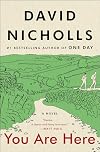
Surprise! I did not expect to like this book as I usually run from anything labelled "romance," but it really drew me in. Marnie is a 38-year old divorced woman who works as a free lance editor; her current assignment is a poorly written erotic novel. Michael, 42, is a geography teacher reluctantly facing divorce. Their mutual friend Cleo invites them and two other friends, Tessa and Conrad, to join her and her teenage son Anthony on a coast-to-coast trek through Northern England. Michael, an experienced walker, will lead them. Concerned that Marnie and Michael have both increasingly withdrawn from company and given up on finding a new love, Cleo anticipates that Michael will pair up with the "outdoorsy" Tessa and Marnie with handsome pharmacist Conrad. But things change when Tessa cancels and Conrad leaves early in the walk.
One of the strengths of the novel is the description of the passing landscape, the changing weather, and the challenges of the rugged walk, all of which Michael enjoys but the others find boring and exhausting. Marnie has a moment with Conrad during their first hotel stop, but he leaves the next morning; the walk just isn't his thing. Soon after, when Anthony gets bored, he and Cleo also leave, promising to catch up later. But Marnie, despite her complaints, enjoys the challenge and decides to keep on for one more day . . .and one more . . . and one more. Along the way, she and Michael have conversations that are both funny and sad and learn that they show more have more in common than they initially thought.
So yeah, it's a love story. But it's also a study of loss, loneliness, and middle-aged yearning for companionship, lightened up with humor and a landscape that mirrors the main characters' changing emotions. Halfway through, I realized that I was enjoying You Are Here, despite it being much lighter fare than my usual reading. Marnie and Michael are well-drawn characters, and their growing relationship is believable. I recommend the book to anyone looking for a lighter yet not frivolous read. show less
One of the strengths of the novel is the description of the passing landscape, the changing weather, and the challenges of the rugged walk, all of which Michael enjoys but the others find boring and exhausting. Marnie has a moment with Conrad during their first hotel stop, but he leaves the next morning; the walk just isn't his thing. Soon after, when Anthony gets bored, he and Cleo also leave, promising to catch up later. But Marnie, despite her complaints, enjoys the challenge and decides to keep on for one more day . . .and one more . . . and one more. Along the way, she and Michael have conversations that are both funny and sad and learn that they show more have more in common than they initially thought.
So yeah, it's a love story. But it's also a study of loss, loneliness, and middle-aged yearning for companionship, lightened up with humor and a landscape that mirrors the main characters' changing emotions. Halfway through, I realized that I was enjoying You Are Here, despite it being much lighter fare than my usual reading. Marnie and Michael are well-drawn characters, and their growing relationship is believable. I recommend the book to anyone looking for a lighter yet not frivolous read. show less

I really enjoyed this story about the daughters of the 18th-century portrait painter, Thomas Gainsborough. Mary (known as Molly) and Margaret (Peggy), only two years apart in age, were the subjects of several of the artist's best-known paintings, including the "The Painter's Daughters Chasing a Butterfly."
Howes's novel focuses on the sisters' relationship. Although Molly was the elder, Peggy acted as her caretaker. It seems that since she was a very young child, Molly suffered from "spells," walking out of the house in her nightclothes, blanking out, screaming fits, etc. Howes depicts young Peggy as sleeping with her sister and binding their wrists together to keep her in line at night, and during the day, she digs her nails into Molly's hand in hopes of bringing her back into control. Their father refuses to acknowledge that anything is wrong and believes that she will grow out of her condition, but it only gets worse as she matures. While their mother knows something is seriously wrong, she prefers to hide Molly away from society.
In alternating chapters, Howes gives us the story of the girls' maternal grandmother (also named Margaret), an innkeeper's daughter who, in the author's conception, has an illegitimate child by Frederick, the Prince of Wales. It's to this royal connection that Howes attributes the Mrs. Gainsborough's inflated opinion of and focus on her social status--and also, possibly, Molly's madness.
The novel covers the years from childhood to adulthood show more and brings to life the tragedy of Molly's illness and her sister's constant devotion. The writing is exquisite: Howes has the ability to capture the language and wonder of childhood particularly well. Highly recommended! show less
Howes's novel focuses on the sisters' relationship. Although Molly was the elder, Peggy acted as her caretaker. It seems that since she was a very young child, Molly suffered from "spells," walking out of the house in her nightclothes, blanking out, screaming fits, etc. Howes depicts young Peggy as sleeping with her sister and binding their wrists together to keep her in line at night, and during the day, she digs her nails into Molly's hand in hopes of bringing her back into control. Their father refuses to acknowledge that anything is wrong and believes that she will grow out of her condition, but it only gets worse as she matures. While their mother knows something is seriously wrong, she prefers to hide Molly away from society.
In alternating chapters, Howes gives us the story of the girls' maternal grandmother (also named Margaret), an innkeeper's daughter who, in the author's conception, has an illegitimate child by Frederick, the Prince of Wales. It's to this royal connection that Howes attributes the Mrs. Gainsborough's inflated opinion of and focus on her social status--and also, possibly, Molly's madness.
The novel covers the years from childhood to adulthood show more and brings to life the tragedy of Molly's illness and her sister's constant devotion. The writing is exquisite: Howes has the ability to capture the language and wonder of childhood particularly well. Highly recommended! show less

I've never been a huge fan of Mark Twain, but I really enjoyed this novel based on Jim, a character from Huckleberry Finn. Jim is a slave who learns he is about to be sold and joins Huck on a raft escape down the Mississippi River. Here, although he is still Jim to almost everyone else, to himself he is James, and he can both read and write--talents that, of course, he has to keep hidden in the pre-Civil War South. He also has two manners of speaking, the slave-talk that white people expect and the more "correct" English spoken by white people. In other words, James is not just a crafty slave but an intelligent, capable man. Everett draws on many of the stories in Twain's book, including his and Huck's meetup with the Duke and the King, but in much of the novel, he is on the run on his own, encountering other men both enslaved and on the run and a series of bounty hunters, slave owners, overseers, and bigots. I was intrigued by the episode in which a minstrel quartet in need of a tenor "rents" Jim and makes him up to look like a white man made up to look black.
James's initial plan is to escape being sold away from his wife and daughter, then earn money to buy their freedom, but this plan takes a sharp turn near the end of the story.
This novel is entertaining, creative and thought-provoking. I will be looking into this author's other works.
James's initial plan is to escape being sold away from his wife and daughter, then earn money to buy their freedom, but this plan takes a sharp turn near the end of the story.
This novel is entertaining, creative and thought-provoking. I will be looking into this author's other works.

Dr. Fauci has led an amazing life and has helped so many people in his long life of public service. You probably know him most recently as one of the research physicians heading up the fight against COVID and the search for a vaccine. But you may not know that he was also instrumental in finding cures for HIV/AIDS, Ebola, SARS, bird flu and other communicable diseases, or that he was an attending physician for patients with these diseases. His memoir is the story of his life, from his birth in Brooklyn to his post-retirement days. Most interesting to me were his interactions with his patients, politicians, diplomats, colleagues, AIDS activists, and his own family.
If you are a fan of memoirs and bios in which the focal person came from a hardworking second generation immigrant family and followed his dreams by working hard and never giving up, you should enjoy 'On Call.' I listened to the audio version, narrated by Dr. Fauci himself.
If you are a fan of memoirs and bios in which the focal person came from a hardworking second generation immigrant family and followed his dreams by working hard and never giving up, you should enjoy 'On Call.' I listened to the audio version, narrated by Dr. Fauci himself.

Let me start by saying that I listened to this book on audio, which I often find a good choice for short stories. I think I would have preferred to read it on my kindle. The narrator was OK, but she put on some annoying accents and read very quickly. I'm sure that influenced my overall opinion of the book. As you can see, I kept putting it down for extended periods of time.
The premise is terrific: a group of tenants are locked in during COVID and begin meeting on the rooftop in the evenings. Like Boccaccio's Decameron Nights or Chaucer's Canterbury Tales, each one is designated to tell a story. They are held together by the narrator, a young woman who is the building super. I found a lot of her commentary rather annoying, and the stories themselves are varied--some good, some meandering, some not so good. Underneath it all is the story of a group of strangers in a time of fear coming together and learning to trust and care about one another. The ending came as quite a surprise.
The collection was edited by Margaret Atwood and Douglas Preston, and we aren't told which of the well-known members of The Authors Guild contributed to each story. Here is the list: Charlie Jane Anders, Margaret Atwood, Joseph Cassara, Jennine Capó Crucet, Angie Cruz, Pat Cummings, Sylvia Day, Emma Donoghue, Dave Eggers, Diana Gabaldon, Tess Gerritsen, John Grisham, Maria Hinojosa, Mira Jacob, Erica Jong, CJ Lyons, Celeste Ng, Tommy Orange, Mary Pope Osborne, Douglas Preston, Alice Randall, show more Ishmael Reed, Roxana Robinson, Nelly Rosario, James Shapiro, Hampton Sides, R.L. Stine, Nafissa Thompson-Spires, Monique Truong, Scott Turow, Luis Alberto Urrea, Rachel Vail, Weike Wang, Caroline Randall Williams, De’Shawn Charles Winslow, and Meg Wolitzer. show less
The premise is terrific: a group of tenants are locked in during COVID and begin meeting on the rooftop in the evenings. Like Boccaccio's Decameron Nights or Chaucer's Canterbury Tales, each one is designated to tell a story. They are held together by the narrator, a young woman who is the building super. I found a lot of her commentary rather annoying, and the stories themselves are varied--some good, some meandering, some not so good. Underneath it all is the story of a group of strangers in a time of fear coming together and learning to trust and care about one another. The ending came as quite a surprise.
The collection was edited by Margaret Atwood and Douglas Preston, and we aren't told which of the well-known members of The Authors Guild contributed to each story. Here is the list: Charlie Jane Anders, Margaret Atwood, Joseph Cassara, Jennine Capó Crucet, Angie Cruz, Pat Cummings, Sylvia Day, Emma Donoghue, Dave Eggers, Diana Gabaldon, Tess Gerritsen, John Grisham, Maria Hinojosa, Mira Jacob, Erica Jong, CJ Lyons, Celeste Ng, Tommy Orange, Mary Pope Osborne, Douglas Preston, Alice Randall, show more Ishmael Reed, Roxana Robinson, Nelly Rosario, James Shapiro, Hampton Sides, R.L. Stine, Nafissa Thompson-Spires, Monique Truong, Scott Turow, Luis Alberto Urrea, Rachel Vail, Weike Wang, Caroline Randall Williams, De’Shawn Charles Winslow, and Meg Wolitzer. show less

In August of 2022, an assassin attacked writer Salman Rushdie, 75, with a knife as he was speaking onstage at a writer's event. Rushdie faced a long and painful recovery process, both physically and mentally--and writing this book was a part of that process. I remember well the horrific news reports of the attack and speculation of whether or not he would survive--and if so, how damaged he might be. Rushdie lost an eye and the use of one arm. His story reveals many additional challenges while recovering.
I listened to the book on audio; Rushdie himself is the narrator. No one else could tell the story quite like he does. Initially, his wife and family were told that he might not make it, and he suffered several setbacks when medicines that he was prescribed hurt more than helped. In addition, his existing health issues were exacerbated by the trauma, new ones were uncovered, and physical therapy presented many tough challenges, but Rushdie was determined to meet them. He is quite straightforward in relating details of his recovery, never falling into self-pity. Not surprisingly, the attack brought memories of the 10 year long fatwa against his life and his relationship with his alcoholic father to the surface. The only issue I had with the book was the rather long conversation Rushdie imagined having with his attacker, which was pretty much a way to explain his own philosophy on religion. Sorry, but it lost my attention, even though I understand why it was essential to the show more story.
It's rather ironic that on the day I finished Knife, the attacker, Hadi Matar, was offered a plea deal to which Rushdie had agreed. He will be back in court on July 2 and is expected to reject the deal, which would have cut his sentence from 25 to 20 years in prison, and to plead not guilty. "What have I got to lose?" he stated. show less
I listened to the book on audio; Rushdie himself is the narrator. No one else could tell the story quite like he does. Initially, his wife and family were told that he might not make it, and he suffered several setbacks when medicines that he was prescribed hurt more than helped. In addition, his existing health issues were exacerbated by the trauma, new ones were uncovered, and physical therapy presented many tough challenges, but Rushdie was determined to meet them. He is quite straightforward in relating details of his recovery, never falling into self-pity. Not surprisingly, the attack brought memories of the 10 year long fatwa against his life and his relationship with his alcoholic father to the surface. The only issue I had with the book was the rather long conversation Rushdie imagined having with his attacker, which was pretty much a way to explain his own philosophy on religion. Sorry, but it lost my attention, even though I understand why it was essential to the show more story.
It's rather ironic that on the day I finished Knife, the attacker, Hadi Matar, was offered a plea deal to which Rushdie had agreed. He will be back in court on July 2 and is expected to reject the deal, which would have cut his sentence from 25 to 20 years in prison, and to plead not guilty. "What have I got to lose?" he stated. show less
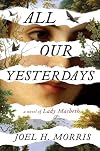
Most of us read Macbeth in high school and know that Lady Macbeth was a ruthless, ambitious woman who pushed her husband into murder and multiple other crimes. Joel Morris's novel presents us with a younger woman and shows us events that made her the woman she was to become. As was common in the day, she was part of an arranged marriage to a much older man who only wanted her to produce a son and heir. She completed that duty, but her cruel husband was not appeased, taking out his wrath on his young son for not being "man enough" and clinging to his mother. Fortunately for her (well, maybe), he was brutally killed by Macbeth, who moved into her castle, treated her and the boy kindly, and eventually married her.
If you remember, in Shakespeare's play, the Macbeths are childless, but Lady Macbeth tells us that she has indeed been a mother. This is the focus of All Our Yesterdays. The story is told in alternating chapters focused on The Boy and The Lady. Even though the Boy (no name ever given) was mistreated by his father, he clings to a fantasy that he isn't really dead and will return. He can't shake this idea, even after Macbeth adopts him as his own son. As for the Lady, she is blissfully happy with her new husband--except that she is haunted by a prophecy thrust upon her as a child and the fear that her son will learn that his real father didn't actually die in battle.
Morris ends his novel shortly after Duncan--Macbeth's cousin--becomes king, so we don't see the show more Macbeths "step[ping] deep in blood." But he gives us a window into their marriage and psychology. I found the book an interesting speculation on life before the play. show less
If you remember, in Shakespeare's play, the Macbeths are childless, but Lady Macbeth tells us that she has indeed been a mother. This is the focus of All Our Yesterdays. The story is told in alternating chapters focused on The Boy and The Lady. Even though the Boy (no name ever given) was mistreated by his father, he clings to a fantasy that he isn't really dead and will return. He can't shake this idea, even after Macbeth adopts him as his own son. As for the Lady, she is blissfully happy with her new husband--except that she is haunted by a prophecy thrust upon her as a child and the fear that her son will learn that his real father didn't actually die in battle.
Morris ends his novel shortly after Duncan--Macbeth's cousin--becomes king, so we don't see the show more Macbeths "step[ping] deep in blood." But he gives us a window into their marriage and psychology. I found the book an interesting speculation on life before the play. show less

John Ferguson is a newlywed minister without a congregation. He was part of the 1843 split with the Church of Scotland in which ministers opposed the patronage system That allowed landowners to appoint local pastors. They formed the Free Church of Scotland, but most of them also lost their livings, at least until they could rally a congregation. Short on cash, John accepts as assignment from a local land broker: sail to an island in the far north Hebrides and remove the last human resident. This was part of a wide-ranging plan to move longtime leaseholders off the land and free it up for other uses, mainly sheep. The journey is hard, and John is left on the island with a dilapidated house that has no furnishings except a small table and a three-legged stool. In the box he brings are a cake his wife made, a few assorted cans of food, and a gun and ammunition. He has been told that the local inhabitant, a large man who is not too bright, will resist being taken from his home.
The land is rugged and uneven, and as he bathes in a river, John takes a steep fall. When Ivar, the local man, makes his daily rounds, he finds bits and pieces: a torn jacket, a woman's likeness in a carved frame, and a battered, naked, unconscious man. He takes John home and tends to him, unaware that this is the man sent by the land broker. Ivar becomes fascinated with the woman in the picture frame: he knows this must be the man's wife, but he hides the picture behind a teapot on a high shelf. Ivar show more knows only a few words of English, so when John awakens, he begins writing down words in Ivar's almost-extinct language, learned by gestures and pantomimes. There comes a moment when, Ivar loses interest in the woman in the portrait because, he realizes unexpectedly, something has happened between himself and John.
The book alternates between the points of view of John, Ivar, and Mary, John's wife. I found the descriptions of the island and Ivar's simple way of life interesting, but I have to admit that the ever-growing list of Ivar's words got a bit tedious. The author made a great choice in focusing some chapters on Mary, a rather independent woman who was satisfied with her pastimes and never expected to marry. She plays an important role in the story, particularly its ending. I quite enjoyed this book and will be looking for more by Carys Davies. show less
The land is rugged and uneven, and as he bathes in a river, John takes a steep fall. When Ivar, the local man, makes his daily rounds, he finds bits and pieces: a torn jacket, a woman's likeness in a carved frame, and a battered, naked, unconscious man. He takes John home and tends to him, unaware that this is the man sent by the land broker. Ivar becomes fascinated with the woman in the picture frame: he knows this must be the man's wife, but he hides the picture behind a teapot on a high shelf. Ivar show more knows only a few words of English, so when John awakens, he begins writing down words in Ivar's almost-extinct language, learned by gestures and pantomimes. There comes a moment when, Ivar loses interest in the woman in the portrait because, he realizes unexpectedly, something has happened between himself and John.
The book alternates between the points of view of John, Ivar, and Mary, John's wife. I found the descriptions of the island and Ivar's simple way of life interesting, but I have to admit that the ever-growing list of Ivar's words got a bit tedious. The author made a great choice in focusing some chapters on Mary, a rather independent woman who was satisfied with her pastimes and never expected to marry. She plays an important role in the story, particularly its ending. I quite enjoyed this book and will be looking for more by Carys Davies. show less

I gave up after reading over 60% of the book on kindle. I am SO disappointed as Lauren Groff is one of my favorite writers, and I was really looking forward to this her latest novel. Unfortunately, it was a painful, tedious read. The main character is a girl, formerly servant to a wealthy family in colonial settlement, who is on the run after apparently murdering one (or more) of her masters. As far as I got, nothing is clear except that she is running, running, running and trying to survive in the snowy wilderness. There are way too many minute details about her packing and unpacking and repacking her sack, trying to find water, tending to her sore feet, looking for a cave or crevice to sleep in, skewering a nestful of baby squirrels and roasting them (their bones taste like butter), stealing a duck's eggs and then breaking her neck, gathering mushrooms that make her vomit, eating a cupful of grubs, pissing and shitting in the woods--well, you get the idea. I guess I was supposed to be impressed by her perseverance in the face of this ordeal, but honestly, it was just too much until it got boring, and I just couldn't take any more.

In the summer of 1962, a Native American family travels from Nova Scotia to Maine to harvest blueberries. A few weeks later, Ruthie, the 4-year old daughter, disappears. She was left in the care of her 6-year old brother who last saw her sitting on a rock. Despite intensive searching, no sign of her could be found. Her disappearance haunts the family members for years, especially Joe, who is convinced that she is still alive somewhere, and older brother Ben, who, about 16 years later, believes that he saw her at a protest but could not get her attention. Ruthie's red boots sit on a closet shelf as a reminder of what was lost. The family faces hardship and tragedy due to their low status and ethnicity. As the story progresses, Joe is dying of cancer and tells most of the family's history in flashbacks. He is trying to make amends for the wrongs in he has committed and is still hopeful that Ruthie will be found before he dies.
This family's story alternates with that of another family, a local doctor, his wife, and their daughter Norma. Although the father is a doctor in high standing in the community, they aren't much happier. The mother is high strung, domineering and overprotective. Norma is rarely allowed out of the house except with family members. People often comment on Norma's complexion, which is darker than her parents', and she wonders why there are no baby pictures of herself in the family scrapbook. The family has a reason for everything: her complexion is due show more to some far-back Italian ancestors, and they were just too busy taking care of her (plus her mother's health was frail) to remember to take photos. The reader doesn't have to work very hard to figure out that Norma is really Ruthie, snatched by a woman who had suffered several miscarriages and whose mental health was in decline.
The rest of the novel plays out how the the truth behind Ruthie's disappearance and identity slowly comes to light. I actually enjoyed this book a lot more than the above description might suggest. The characters are well drawn and interesting, and the author writes beautifully about loss, grief, a sense of identity, and prejudice. There are a number of events that reveal how the loss of Ruthie has affected every member of the family, and Norma's family also suffers from the secret they must hide. show less
This family's story alternates with that of another family, a local doctor, his wife, and their daughter Norma. Although the father is a doctor in high standing in the community, they aren't much happier. The mother is high strung, domineering and overprotective. Norma is rarely allowed out of the house except with family members. People often comment on Norma's complexion, which is darker than her parents', and she wonders why there are no baby pictures of herself in the family scrapbook. The family has a reason for everything: her complexion is due show more to some far-back Italian ancestors, and they were just too busy taking care of her (plus her mother's health was frail) to remember to take photos. The reader doesn't have to work very hard to figure out that Norma is really Ruthie, snatched by a woman who had suffered several miscarriages and whose mental health was in decline.
The rest of the novel plays out how the the truth behind Ruthie's disappearance and identity slowly comes to light. I actually enjoyed this book a lot more than the above description might suggest. The characters are well drawn and interesting, and the author writes beautifully about loss, grief, a sense of identity, and prejudice. There are a number of events that reveal how the loss of Ruthie has affected every member of the family, and Norma's family also suffers from the secret they must hide. show less
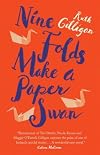
This was an interesting merger of three intertwining stories about Jewish characters who live in Ireland. In the first, a young girl believes her family is emigrating to America, but they end up in Ireland. The second is about a teenager who has been committed to an asylum because he has suddenly become mute. We find out later what happened to cause this, but it's a family secret that he refuses to reveal to the doctors and therapists. In the third story, a young Irish journalist has decided to convert to Judaism so that she can marry her boyfriend. All of them face challenges in confronting the expectations of family, religion, and Irish society. I found the book interesting but kept thinking about Roddy Doyle's wonderful collection of stories about immigrants to Ireland, [The Deportees and Other Stories], which was a 5-star read for me.