This book is a masterclass and standard bearer for one of my favourite genres - magical realism. It’s an enormous undertaking: a story that follows several generations of the Buendia family in the fictional town of Macondo (inspired by the real Colombian hometown of Marquez), and somehow manages to feel both intimate and epic at the same time.
What makes it so brilliant is how effortlessly it weaves the magical into the everyday - ghosts dropping by, casual miracles, flying carpets - all presented almost as background noise. The writing is almost classifiable as poetry, and the world of Macondo feels so vivid you can almost smell the air and hear the (considerable) rain.
Beneath all the strangeness and beauty, though, it’s also a very emotional story about time, fate, and the ways history repeats itself. The same mistakes, the same names, the same longings - the Buendias seem caught in a time loop...and cleverer people than me have identified the mirrors that has with wider Latin American history. It’s huge in scope but incredibly clever in how it makes that feel personal and human through the lens of one isolated family.
It’s not always an easy read - keeping track of all the Jose Arcadios and Aurelianos is a challenge in itself - but once you settle, the flow of the story takes over and the story progresses too quickly to be able to process adequately. The feeling of inevitability, of lives repeating themselves and destinies closing in, is very much haunting and show more beautiful.
In the end, One Hundred Years of Solitude is an experience. It’s strange, lyrical, sad, and wise - the kind of book that will stay with me for a very long time. show less
What makes it so brilliant is how effortlessly it weaves the magical into the everyday - ghosts dropping by, casual miracles, flying carpets - all presented almost as background noise. The writing is almost classifiable as poetry, and the world of Macondo feels so vivid you can almost smell the air and hear the (considerable) rain.
Beneath all the strangeness and beauty, though, it’s also a very emotional story about time, fate, and the ways history repeats itself. The same mistakes, the same names, the same longings - the Buendias seem caught in a time loop...and cleverer people than me have identified the mirrors that has with wider Latin American history. It’s huge in scope but incredibly clever in how it makes that feel personal and human through the lens of one isolated family.
It’s not always an easy read - keeping track of all the Jose Arcadios and Aurelianos is a challenge in itself - but once you settle, the flow of the story takes over and the story progresses too quickly to be able to process adequately. The feeling of inevitability, of lives repeating themselves and destinies closing in, is very much haunting and show more beautiful.
In the end, One Hundred Years of Solitude is an experience. It’s strange, lyrical, sad, and wise - the kind of book that will stay with me for a very long time. show less
I came into this second book by Mizuki Tsujimura getting what I expected (and largely hoped for) after Lonely Castle in the Mirror - a gentle, emotional, and full of heart tale that sits neatly in the Japanese magical realism genre that I am so attracted to. Tsujimura has a lovely way of writing about heavy topics, like grief and loss, loneliness and trauma, without ever making it feel too bleak or melodramatic. This one dives into the big “what ifs” that haunt people after someone they love or admire is gone, and asks whether those questions can ever really be resolved.
What I really liked is that it doesn’t sugar-coat any of it. Yes, it’s soft and easy to read, but it’s also quite confronting in moments. It faces the painful sides of grief head-on...regret, guilt, missed chances, but with compassion. There’s a warmth to it that keeps it from ever feeling too heavy.
The story reminded me a bit of Before the Coffee Gets Cold, but where that book sometimes felt a little too neat or sentimental, this one feels more authentic. It handles the supernatural or “what if” element quietly and simply, so it ends up feeling like an emotional conversation rather than a gimmick.
It’s not a fast-paced book, and it doesn’t need to be. It’s the kind of story you sit with - simple but thoughtful, sad but strangely comforting. If you’ve ever lost someone and found yourself turning over all the things you wish you’d said or done differently, this book will hit home.
In show more short: touching, sincere, and quietly powerful. Tsujimura does what she does best - takes the messy emotions of grief and turns them into something that feels oddly healing. show less
What I really liked is that it doesn’t sugar-coat any of it. Yes, it’s soft and easy to read, but it’s also quite confronting in moments. It faces the painful sides of grief head-on...regret, guilt, missed chances, but with compassion. There’s a warmth to it that keeps it from ever feeling too heavy.
The story reminded me a bit of Before the Coffee Gets Cold, but where that book sometimes felt a little too neat or sentimental, this one feels more authentic. It handles the supernatural or “what if” element quietly and simply, so it ends up feeling like an emotional conversation rather than a gimmick.
It’s not a fast-paced book, and it doesn’t need to be. It’s the kind of story you sit with - simple but thoughtful, sad but strangely comforting. If you’ve ever lost someone and found yourself turning over all the things you wish you’d said or done differently, this book will hit home.
In show more short: touching, sincere, and quietly powerful. Tsujimura does what she does best - takes the messy emotions of grief and turns them into something that feels oddly healing. show less
I raced through Who Is Maud Dixon? and I regret that I couldn't restrain myself enough to digest it for longer.
Florence Darrow is a hugely compelling antihero - a compulsive copycat, a shapeshifting people pleaser, whose first instinct is to wear the skin of any remotely senior or successful person she meets to seize any chance to climb the greasy pole. Obsessed with becoming a famous writer, she is a woman with zero boundaries and zero conscience. A brilliantly written, meek sociopath with mummy issues, her interplay with Helen Wilcox is a genuinely compelling and unpredictable relationship that evolves in the most surprising of ways. The story that follows has twists aplenty, and only very occasionally strays into the absurd.
A really compelling mystery thriller that echoes The Talented Mr Ripley in all the right ways.
Florence Darrow is a hugely compelling antihero - a compulsive copycat, a shapeshifting people pleaser, whose first instinct is to wear the skin of any remotely senior or successful person she meets to seize any chance to climb the greasy pole. Obsessed with becoming a famous writer, she is a woman with zero boundaries and zero conscience. A brilliantly written, meek sociopath with mummy issues, her interplay with Helen Wilcox is a genuinely compelling and unpredictable relationship that evolves in the most surprising of ways. The story that follows has twists aplenty, and only very occasionally strays into the absurd.
A really compelling mystery thriller that echoes The Talented Mr Ripley in all the right ways.
This is a gentle, quietly layered story that balances warmth, humour, and heartbreak equally. Told through alternating perspectives - between a sardonic yet affectionate cat named Nana and a third-person narrator - the story follows Nana and his owner, Satoru, as they journey across Japan together. On the surface, it’s a simple premise: a man and his cat travelling to visit old friends. But beneath that lies a story rich with reflection, love, and the quiet beauty of companionship of pet and owner.
Arikawa’s writing is deceptively straightforward. The story feels light and easy, yet it is laced with emotion throughout that creeps up on you. Through Nana’s sharp observations and Satoru’s understated kindness, the novel explores themes of loyalty, loss, and the small acts of care that define our relationships across animals and humans alike. It’s also peppered with moments of genuine comedy, much of it thanks to Nana’s wry commentary and (incredibly plausible) cat-like sense of superiority, which provides the perfect counterbalance to the emotional weight of the story.
What really shines here is Arikawa’s ability to evoke feeling without being melodramatic or overly obvious. The story doesn’t rely on grand gestures; instead, it builds its emotional power slowly, through small, tender moments and the gradual revelation of Satoru’s past. By the time the deeper layers of the story emerge, you realise how skillfully Arikawa has led you there - quietly and show more compassionately.
The Travelling Cat Chronicles is a tribute to friendship, to the (literally unspoken) bond between humans and animals, and to the fleeting connections that make life meaningful. It’s beautifully written, deceptively simple, and super moving...a book that makes you laugh and cry, and reminds you of the quiet strength in love, loyalty, and letting go. show less
Arikawa’s writing is deceptively straightforward. The story feels light and easy, yet it is laced with emotion throughout that creeps up on you. Through Nana’s sharp observations and Satoru’s understated kindness, the novel explores themes of loyalty, loss, and the small acts of care that define our relationships across animals and humans alike. It’s also peppered with moments of genuine comedy, much of it thanks to Nana’s wry commentary and (incredibly plausible) cat-like sense of superiority, which provides the perfect counterbalance to the emotional weight of the story.
What really shines here is Arikawa’s ability to evoke feeling without being melodramatic or overly obvious. The story doesn’t rely on grand gestures; instead, it builds its emotional power slowly, through small, tender moments and the gradual revelation of Satoru’s past. By the time the deeper layers of the story emerge, you realise how skillfully Arikawa has led you there - quietly and show more compassionately.
The Travelling Cat Chronicles is a tribute to friendship, to the (literally unspoken) bond between humans and animals, and to the fleeting connections that make life meaningful. It’s beautifully written, deceptively simple, and super moving...a book that makes you laugh and cry, and reminds you of the quiet strength in love, loyalty, and letting go. show less
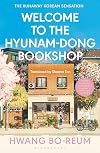
This is one of those novels that sounds irresistibly charming on paper...a small bookshop in Korea, a cast of gentle souls finding meaning through literature, and the quiet rhythms of everyday life. Unfortunately, while it delivers on the charm, it doesn’t quite manage to turn that charm into a compelling story.
This is a slow book. Too slow. The pacing drifts along at such a languid pace that it begins to feel less like a novel and more like an extended daydream about how nice it would be to own a bookshop. There’s undeniable comfort in its idealism—the warm glow of community, the soothing presence of books... but very little actually happens. What action there is gets buried beneath layers of sugary conversations about the moral meaning of money, the importance of work-life balance, and, of course, the life-changing power of books. Fine, perhaps, for a chapter or two - but stretched across 300 pages, it starts to feel more like a seminar than a story.
The book occasionally reads like non-fiction: a how-to guide for running a small business, complete with tips on attracting customers and cultivating the right atmosphere. While some readers might find the quiet, wholesome tone comforting, others will struggle to overlook just how little narrative momentum there is. The characters, though pleasant enough, rarely feel real - they float through their lives exchanging implausible philosophical musings rather than engaging in anything that resembles tangible conflict or show more development.
There’s an undeniable sweetness to The Hyunam-Dong Bookshop, and it will likely appeal to anyone seeking the literary equivalent of a warm cup of tea on a rainy afternoon. But for readers who need more than just ambience...who want movement, tension, or a sense that the characters’ lives extend beyond the cosy confines of the bookshop, this one tips too far from gentle into plain dull. show less
This is a slow book. Too slow. The pacing drifts along at such a languid pace that it begins to feel less like a novel and more like an extended daydream about how nice it would be to own a bookshop. There’s undeniable comfort in its idealism—the warm glow of community, the soothing presence of books... but very little actually happens. What action there is gets buried beneath layers of sugary conversations about the moral meaning of money, the importance of work-life balance, and, of course, the life-changing power of books. Fine, perhaps, for a chapter or two - but stretched across 300 pages, it starts to feel more like a seminar than a story.
The book occasionally reads like non-fiction: a how-to guide for running a small business, complete with tips on attracting customers and cultivating the right atmosphere. While some readers might find the quiet, wholesome tone comforting, others will struggle to overlook just how little narrative momentum there is. The characters, though pleasant enough, rarely feel real - they float through their lives exchanging implausible philosophical musings rather than engaging in anything that resembles tangible conflict or show more development.
There’s an undeniable sweetness to The Hyunam-Dong Bookshop, and it will likely appeal to anyone seeking the literary equivalent of a warm cup of tea on a rainy afternoon. But for readers who need more than just ambience...who want movement, tension, or a sense that the characters’ lives extend beyond the cosy confines of the bookshop, this one tips too far from gentle into plain dull. show less