The premise of the book is that of the "soul-friend" an important facet of celtic Christianity. However rather than an external companion on one's spiritual path the book is more concerned with the path inwards, becoming a friend to our own soul.
The book is itself a journey through different ways to encounter the concept of soul, through our senses, through other people, through life stages. Different ideas will resonate at different times and in different places. For myself, it didn't resonate particularly until the last two sections (Old Age and Death), I'm only in my 40s but these sections spoke powerfully to me, and it was only at this point that I really began to appreciate the whole book. It us a book which deserves and probably requires to be read on multiple occasions. Although I will be acquiring a physical copy rather than the kindle edition.
The book is itself a journey through different ways to encounter the concept of soul, through our senses, through other people, through life stages. Different ideas will resonate at different times and in different places. For myself, it didn't resonate particularly until the last two sections (Old Age and Death), I'm only in my 40s but these sections spoke powerfully to me, and it was only at this point that I really began to appreciate the whole book. It us a book which deserves and probably requires to be read on multiple occasions. Although I will be acquiring a physical copy rather than the kindle edition.
At times a rather disjointed account of how one woman's journey from shamanic practices into Orthodox Christianity. There are many little fems to be found in this book, the narrative however jumps backwards and forwards, occasionally sideways which makes following her journey more difficult than it needed to be. That said it is a moving but unsentimental testimony of her conversion experience.
May 3, 2026English (UK)
This is one of the more unbiased biographies of Margaret Cavendish, a woman who has divided opinion for over three hundred years. I found this book fascinating and absorbing, not unlike its subject. Margaret was a woman very unlike many of her contemporaries, but not entirely unique. She was born into a gentry family, was a shy child we might never have heard of had the Civil War not intervened. An ardent royalist she joined the court of Charles I's Queen following her into exile. It was at the exiled Royal court where she met and eventually married the much older and far more intellectual William Cavendish. William was a great believer in education for women, his daughters from his first marriage were both writers noted for their intellects. He, together with his brother Charles, they took Margarets education in hand. It is thanks to William's support that Margarets writings were championed and published, at a time when it was scandalous for a woman to publish, much less to have the audacity to use her own name.
There does not seem to be a topic or subject which didn't interest her, she wrote on philosophy, science, poetry, science-fiction, plays etc etc. What makes her writing unique is both the sheer quantity if it but also because she published without reserve we can follow how her thoughts developed over time. It is perhaps this continual evolution of thought which makes her writing more challenging to read and understand.
History, and indeed many in her own time, has show more not been kind to Margaret. She is a complex personality, like so many full of contradictions, and she cannot be neatly fitted into a tidy box. Is she an early feminist? Was she an attention seeking egoist, as her outlandish costumes might suggest? Why was she a believer in hierarchy and the divine rights of Kings? This book goes someway to presenting Margaret as a living breathing woman, of her time but also beyond it.
Highly recommended. show less
There does not seem to be a topic or subject which didn't interest her, she wrote on philosophy, science, poetry, science-fiction, plays etc etc. What makes her writing unique is both the sheer quantity if it but also because she published without reserve we can follow how her thoughts developed over time. It is perhaps this continual evolution of thought which makes her writing more challenging to read and understand.
History, and indeed many in her own time, has show more not been kind to Margaret. She is a complex personality, like so many full of contradictions, and she cannot be neatly fitted into a tidy box. Is she an early feminist? Was she an attention seeking egoist, as her outlandish costumes might suggest? Why was she a believer in hierarchy and the divine rights of Kings? This book goes someway to presenting Margaret as a living breathing woman, of her time but also beyond it.
Highly recommended. show less

Ruth Mott has been one of my favourite cooks since I first watched the Victorian Kitchen as a child. Mrs Mott's book of her favourite recipes is filled with wonderful, tasty food. While there are plenty of everyday dishes there are also a few for special occasions. What I really appreciate is that they are tasty, frugal and using ingredients available outside of the UK's largest cities. However, you will need access to a good traditional butcher to get the most from these wonderful recipes, but they will also be simple enough to substitute.
Daily orthodox prayers. Beautifully bound, with some supplementary prayers which are suitable for most occasions.
Jan 5, 2026English (UK)

The ultimate guide to the services of the Orthodox services for Lent. It is worth reading just for the introduction by Bishop Ware. I am, personally, not familiar enough with the services to get much use out of the summarised details of the services but I am sure in the years to come it will be useful. Bishop Ware’s introduction clearly explains what we should do to prepare for Lent, how the services of the Church help us to both prepare for and journey through Lent until we reach Pascha (Easter).
May 30, 2025English (UK)

Bishop Ware was a titan of Orthodoxy in Britain, a deeply learned theologian with an engaging writing style. The Inner Kingdom is a guide to the inner spiritual life of the Christian. While it is written from the Orthodox perspective I think members of other sacramental denominations would also find a great deal of applicable wisdom here. A number of themes are covered but the whole forms a journey on how to approach closer to God through our inner spiritual life from Repentence through to Death & Resurrection.
Bishop Ware draws on many examples to illustrate his points from the Bible, early Church fathers through to modern Saints and spiritual fathers. The wealth of material the reader is introduced to is impressive, but without any excess, so that every quote or reference is there to highlight several points and once. Having read the book through once and now reading it again with my reading group, I would say this is a book to be read and reflected on multiple times because with every reading your understanding increases. While it may be, at time, scholarly it is not purely academic in order to fully value Bishop Ware’s teaching it is incumbent on the reader to put it into practice. This is one book that will go into my yearly re-read rotation.
Bishop Ware draws on many examples to illustrate his points from the Bible, early Church fathers through to modern Saints and spiritual fathers. The wealth of material the reader is introduced to is impressive, but without any excess, so that every quote or reference is there to highlight several points and once. Having read the book through once and now reading it again with my reading group, I would say this is a book to be read and reflected on multiple times because with every reading your understanding increases. While it may be, at time, scholarly it is not purely academic in order to fully value Bishop Ware’s teaching it is incumbent on the reader to put it into practice. This is one book that will go into my yearly re-read rotation.
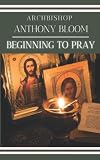
Beginning to Pray is actually a reprint of an earlier book called School For Prayer. The book begins with a brief biography of the late Metropolitan Anthony Bloom, who’s life is a lesson all on its own. Bloom sets out to write a brief guide on prayer for people who have never prayed before or for those who have prayed but want to develop a regular practice. I have read another book by this great man, and they are enjoyable and instructive reads. He doesn’t over complicate, dumb down or baffle with theology, instead he guides the reader on what prayer really is all about. It is a book I will read again and again.
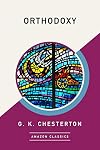
This is possibly one of the most famous books of Christian Apologetics. I haven’t read any Chesterton before, not even his Father Brown books, although the TV series is one of my quiet pleasures. Chesterton has a gift for a well crafted sentence and sometimes, whilst reading, one is distracted by the quality of the prose to the extent of forgetting to pay attention to what he is writing. While it might be regarded as a classic, and it is very well written, I didn’t find any of the arguments Chesterton puts forward particularly persuasive, and as I am already attending Church I feel that it must fundamentally fail to win over converts. Rather I think this is a book which was designed to speak to lukewarm Christians of the Anglican Church as Chesterton knew it and encourage them to greater depth in their faith. I’m glad I read it and it won’t put me off reading other works by Chesterton but it hasn’t left much of an impression on this reader at least.
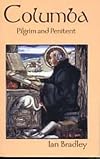
This book was chosen by my reading group, a biography of St Columba which tries to separate the man from the myth. It looks at the times n which Columba lived, the places he visited, his influences and his legacy. Ian Bradley draws upon many sources including hagiography, biographies and writings attributed to St Columba. The saint who emerges is a complex character, a deeply spiritual leader, a wily politician, authoritarian and deeply compassionate. The legacy of Columba is no less contradictory with his example used by the orthodox through to the stern Calvinism of the Free Church of Scotland and everyone in between, truly a saint for all seasons.
It was an enlightening read, neither difficult nor long. The author has done a good job of weaving together a number of sources into a coherent narrative. Bradley does an excellent job of dismantling the romanticism which frequently accompanies references to “Celtic Christianity” which has little in common with the austere practices and rich hymnography of Columba’s day. However, in discussing the modern legacy the author becomes a little misty-eyed over the founder of the Iona Community (Macleod), hardly surprising considering this book was published by one of their own companies. It very much extols the virtues of the non-denominational organisation in breaking down denominational barriers but without an attempt at reconciling this with St Columba’s own orthodoxy. The book is still worth reading, but probably best to show more skip over the final few pages. show less
It was an enlightening read, neither difficult nor long. The author has done a good job of weaving together a number of sources into a coherent narrative. Bradley does an excellent job of dismantling the romanticism which frequently accompanies references to “Celtic Christianity” which has little in common with the austere practices and rich hymnography of Columba’s day. However, in discussing the modern legacy the author becomes a little misty-eyed over the founder of the Iona Community (Macleod), hardly surprising considering this book was published by one of their own companies. It very much extols the virtues of the non-denominational organisation in breaking down denominational barriers but without an attempt at reconciling this with St Columba’s own orthodoxy. The book is still worth reading, but probably best to show more skip over the final few pages. show less
May 30, 2025English (UK)
How to Take Smart Notes: One Simple Technique to Boost Writing, Learning and Thinking by Sönke Ahrens

Commonplace books, Zettlekasten, and various other forms of organising ones thinking and notes from books have become somewhat popular in recent years. I have, like many, watched numerous YouTube videos, read blog posts and tried, unsuccessfully, to implement my own system. I have tried journals, index cards and obsidian but nothing really seemed to work for me. Ahrens, in this relatively short book, sets out the principles and helps the reader to develop a strategy and process which works for him.
The content is based on the work done by Niklas Luhmann, whose own methodology is included at the end of the book, but breaks it down into more details. It is a very practical book with a recommended workflow which of course can be tailored to our own work, it is of equal application whether you prefer a digital or paper-based system. Since reading this book the quality of my notes have improved significantly, my methodology has changed slightly, but I can now see where my gaps are and I have a plan to fill them; which of course is now also recorded on a note.
The content is based on the work done by Niklas Luhmann, whose own methodology is included at the end of the book, but breaks it down into more details. It is a very practical book with a recommended workflow which of course can be tailored to our own work, it is of equal application whether you prefer a digital or paper-based system. Since reading this book the quality of my notes have improved significantly, my methodology has changed slightly, but I can now see where my gaps are and I have a plan to fill them; which of course is now also recorded on a note.
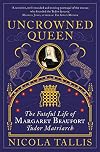
Margaret Beaufort, mother of Henry VII and great grand-daughter of John of Gaunt, has been a historical character I knew relatively little about apart from her relationship to the Tudor Dynasty. This biography by Nichola Tallis has filled in a considerable amount of detail for me and made me appreciate this truly extraordinary woman. Her life started off quite conventionally for a very wealthy heiress of her time, she was a member of the House of Lancaster the ruling dynasty of the time. At the age of 12 she was married to the king’s half-brother Owen Tudor, who against the prevailing convention of the time consummated the marriage immediately, a few months later he was killed on one of the many battles in the Wars of the Roses. It is as a pregnant, barely teenager, that we start to see the formidable political operator Margaret would become. Within weeks of giving birth to her only son, an in order to secure his inheritance and survival, Margaret remarried a close ally of the new king Edward IV. What is even more interesting is that Margaret throughout her life managed to keep control of her own estates, managing them astutely throughout her long life, so well in fact that they still part of the Crown’s property today, the Duchy of Lancaster Estates.
Margaret not only managed to survive in a cut throat political world, even plotting the rise of her son Henry to the throne under the nose of King, Parliament and husband, but she was ultimately victorious beating the men show more at their own game. The fact that Margaret is not held up as a great feminist is nothing short of scandalous. Highly Recommended. show less
Margaret not only managed to survive in a cut throat political world, even plotting the rise of her son Henry to the throne under the nose of King, Parliament and husband, but she was ultimately victorious beating the men show more at their own game. The fact that Margaret is not held up as a great feminist is nothing short of scandalous. Highly Recommended. show less
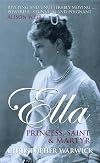
This is a biography of the granddaughter of Queen Victoria who married into the Russian Imperial family and was brutally murdered in the revolution ... no not that one ... Ella was the older sister (and also aunt - by marriage) to the last Tsarina of Russia. She was born Princess Elizabeth of Hesse and By Rhein, daughter of Princess Alice the second daughter of Queen Victoria.
The first few chapters focus on Ella’s mother Princess Alice, which might seem peculiar, but Alice had an enormous impact on her daughter. This was an age when royalty didn’t so much open hospitals as work in them, Alice was a skilled nurse and ensured her elder daughters spent time visiting and caring for the poor and sick, something which Ella continued until her arrest and subsequent death.
Ella married her cousin the Grand Duke Sergei, brother to Alexander II of Russia, and although her husband ruled his house it seems to have been a happy marriage. Ella did not seem to allow the obscene wealth and opulence of the Romanov court to affect her, she continued visiting the poor especially once her husband was appointed governor of Moscow. Sergei was not a popular man, and he was assassinated by revolutionaries as he drove to work one morning. It is a mark of Ella’s popularity, even amongst her political enemies, that the assassin had aborted a previous attempt because Ella was in the carriage with her husband.
The aftermath of Sergei’s death showed Ella’s strength of character. Not only did show more she run to see what had happened when they heard the explosion, she picked up the dismembered remains of her husband; she visited his murderer in prison who she spoke with for some time and forgave. I doubt very few of us would have done the same. Ella’s faith was clearly important to her, she had converted to Orthodoxy several years after her marriage, but it was clearly not a surface observance, she absolutely practiced it. Eventually turning her back on her wealth and position she sold all her possessions, became a nun, and used her money to build a convent in Moscow, the Martha and Mary Convent which still exists. Ella’s vision for her new order was unusual for the time, it would be both an active and a contemplative order, working for the poor and the sick. Ella herself worked tirelessly, visiting some of the most notorious and deprived areas of the city, ignoring the advice of those about her who feared she would be a target of the increasing dissatisfaction with the ruling dynasty.
Eventually though not even Ella’s good works were enough to save her, Lenin gave the order for her arrest, he could not leave a Romanov on the loose. On the day Ella was taken, two of her nuns went with her. They were taken to Yekaterinburg with the Tsar and his family but eventually sent on. Ella died by being first struck on the head, thrown into a mine shaft, and then dynamite thrown in to be sure.
Ella was eventually make a Saint by the Russian Orthodox Church and is known as St Elizabeth the New Martyr. While there may be reservations on the recognition of the last Tsar and his family as Saints, Elisabeth’s life and her care for others is certainly worthy of respect.
This biography is well researched with a clear narrative, but perhaps most importantly it comes across as objective. It is not a romanticised hagiography, nor a sermon on the virtues and vices of mankind, it is the story of a woman who led a highly privileged life who gladly gave it up for something greater still. show less
The first few chapters focus on Ella’s mother Princess Alice, which might seem peculiar, but Alice had an enormous impact on her daughter. This was an age when royalty didn’t so much open hospitals as work in them, Alice was a skilled nurse and ensured her elder daughters spent time visiting and caring for the poor and sick, something which Ella continued until her arrest and subsequent death.
Ella married her cousin the Grand Duke Sergei, brother to Alexander II of Russia, and although her husband ruled his house it seems to have been a happy marriage. Ella did not seem to allow the obscene wealth and opulence of the Romanov court to affect her, she continued visiting the poor especially once her husband was appointed governor of Moscow. Sergei was not a popular man, and he was assassinated by revolutionaries as he drove to work one morning. It is a mark of Ella’s popularity, even amongst her political enemies, that the assassin had aborted a previous attempt because Ella was in the carriage with her husband.
The aftermath of Sergei’s death showed Ella’s strength of character. Not only did show more she run to see what had happened when they heard the explosion, she picked up the dismembered remains of her husband; she visited his murderer in prison who she spoke with for some time and forgave. I doubt very few of us would have done the same. Ella’s faith was clearly important to her, she had converted to Orthodoxy several years after her marriage, but it was clearly not a surface observance, she absolutely practiced it. Eventually turning her back on her wealth and position she sold all her possessions, became a nun, and used her money to build a convent in Moscow, the Martha and Mary Convent which still exists. Ella’s vision for her new order was unusual for the time, it would be both an active and a contemplative order, working for the poor and the sick. Ella herself worked tirelessly, visiting some of the most notorious and deprived areas of the city, ignoring the advice of those about her who feared she would be a target of the increasing dissatisfaction with the ruling dynasty.
Eventually though not even Ella’s good works were enough to save her, Lenin gave the order for her arrest, he could not leave a Romanov on the loose. On the day Ella was taken, two of her nuns went with her. They were taken to Yekaterinburg with the Tsar and his family but eventually sent on. Ella died by being first struck on the head, thrown into a mine shaft, and then dynamite thrown in to be sure.
Ella was eventually make a Saint by the Russian Orthodox Church and is known as St Elizabeth the New Martyr. While there may be reservations on the recognition of the last Tsar and his family as Saints, Elisabeth’s life and her care for others is certainly worthy of respect.
This biography is well researched with a clear narrative, but perhaps most importantly it comes across as objective. It is not a romanticised hagiography, nor a sermon on the virtues and vices of mankind, it is the story of a woman who led a highly privileged life who gladly gave it up for something greater still. show less

The story of a group of Evangelical Christians in America on their search for the roots of Christianity and their eventual reception into Orthodoxy.
An interesting read as you are taken on the journey of a rational enquiry into the history of the Church, the ups and downs, and of course the politics. I'm glad I read it but felt it had limited relevance to me as an individual catechumen in the UK.
An interesting read as you are taken on the journey of a rational enquiry into the history of the Church, the ups and downs, and of course the politics. I'm glad I read it but felt it had limited relevance to me as an individual catechumen in the UK.
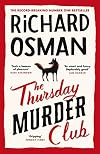
I really didn’t enjoy this book. The initial idea seemed promising, a group of residents at a retirement home meet every Thursday to try to solve old murder cases. The plot of the novel was transparent, and I guessed the solution correctly quite early on, I like my murder mysteries to be … well … mysterious. Some of the characters were interesting but ultimately I didn’t warm to it. I doubt I will read anymore by this author.
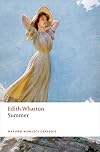
I have yet to find a novel by Wharton which has a happy ending. Summer follows the story of Charity Royall the daughter of a woman on the very outskirts of civilisation, adopted as an act of charity by the childless Royalls she is brought up largely by Mr Royall after his wife’s death. It is clear from the beginning of the novel that Charity has been given an unusual degree of independence, which combined with some overly romantic ideas, sees her ultimately headed for the worst kind of ruin the late Victorians could imagine for young women. It is clear, as it is with other of her novels, that Wharton is particularly critical of the constraints of marriage but also the contradictory ideals which saw girls brought up in virtual ignorance of the facts of life while being heavily censured for any misstep. By the standards of the time it is Mr Royall who ultimately saves Charity, but to modern readers there seems something predatory and uncomfortable in his behaviour.
Throughout the novel, Wharton does not spare her heroine, but she does it through her beautiful writing that you can’t help but follow the story to its depressing conclusion.
Throughout the novel, Wharton does not spare her heroine, but she does it through her beautiful writing that you can’t help but follow the story to its depressing conclusion.
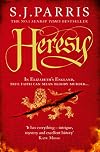
The first of the Giordano Bruno novels. For those unfamiliar with obscure defrocked Dominican magicians of the late sixteenth century Giordano Bruno was a real and rather interesting individual. While his contemporaries viewed him as an oddity or possible dangerous occultist, Bruno was really an early scientific enquirer. Magic and science were not the entirely separate and unrelated fields they are today. I am lucky enough to own a copy of his De Magia which reads more like a work of scientific philosophy than a book of spells.
Heresy follows Bruno to Oxford where he is to give a lecture defending Copernicus’ theory of the solar system against the prevailing theory of the time that the earth was the centre of the universe. This is just one reason for his visit, he has also been commissioned by Elizabeth’s spymaster Sir Francis Walsingham to sniff out hidden Catholics, and he is himself on the search for a lost text. Bruno becomes entangled in an investigation into a suspicious death which the Dean of the college wishes to tidy away quietly for fear of offending his noble patron the Earl of Leicester. As other members of the college community die in gruesome circumstances it is left to Bruno to investigate.
The plots are twisty and unpredictable, the details of sixteenth century society and Oxford are practically faultless, the characters varied and each one with hidden layers, I’m struggling to find anything I don’t like about it. Having read the book before I show more thought knowing the ending might spoil my enjoyment but it did not, because I discovered more goodies on the journey. Highly recommended! show less
Heresy follows Bruno to Oxford where he is to give a lecture defending Copernicus’ theory of the solar system against the prevailing theory of the time that the earth was the centre of the universe. This is just one reason for his visit, he has also been commissioned by Elizabeth’s spymaster Sir Francis Walsingham to sniff out hidden Catholics, and he is himself on the search for a lost text. Bruno becomes entangled in an investigation into a suspicious death which the Dean of the college wishes to tidy away quietly for fear of offending his noble patron the Earl of Leicester. As other members of the college community die in gruesome circumstances it is left to Bruno to investigate.
The plots are twisty and unpredictable, the details of sixteenth century society and Oxford are practically faultless, the characters varied and each one with hidden layers, I’m struggling to find anything I don’t like about it. Having read the book before I show more thought knowing the ending might spoil my enjoyment but it did not, because I discovered more goodies on the journey. Highly recommended! show less
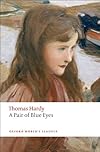
An early work by Hardy and one that sometimes comes in for a bit of criticism because it isn’t perhaps as accomplished as his later works. I don’t think though that it detracts in anyway from the novel. This, possibly more than other novels of his that I have read, falls into the classical Victorian romance category. The story follows a young motherless girl Elfride Swancourt, daughter of a poor rector with typically snobbish ideas about class, in a remote Cornish parish. A young architect Stephen visits from London to survey the church tower with a view to restoration and his welcomed into the rectory by Mr Swancourt, the inevitable happens. Unfortunately for Stephen he is the son of the local stonemason and therefore deemed unworthy of Elfride’s hand, naturally a secret engagement is entered into, and an elopement planned, which she decides against after travelling with Stephen by train, and thus putting her reputation at risk.
The refusal of Stephen as a suitor for his daughter alerts Mr Swancourt to the dangers surrounding a motherless girl, and get’s himself married to a wealthy widow. The new Mrs Swancourt takes them all to London where Elfride is introduced to her cousin Henry Knight. After some initial dislike Elfride and Henry become engaged, but Elfride is in a panic lest he discover her previous affair with Stephen and think her impure. You are probably getting the idea by now, Henry finds out breaks the engagement and leaves in high dudgeon.
It would show more not however be a Hardy novel without a tragic ending and although Elfride’s suitors come to their senses, and she does get married, it doesn’t end well for our heroine. It was lovely to revisit this novel because for all it might sound unlike some of his other works it still captures Hardy’s ability to paint pictures in your mind. It is a gentle story for when you need a bit of melancholic romance wrapped up in a comfy blanket. show less
The refusal of Stephen as a suitor for his daughter alerts Mr Swancourt to the dangers surrounding a motherless girl, and get’s himself married to a wealthy widow. The new Mrs Swancourt takes them all to London where Elfride is introduced to her cousin Henry Knight. After some initial dislike Elfride and Henry become engaged, but Elfride is in a panic lest he discover her previous affair with Stephen and think her impure. You are probably getting the idea by now, Henry finds out breaks the engagement and leaves in high dudgeon.
It would show more not however be a Hardy novel without a tragic ending and although Elfride’s suitors come to their senses, and she does get married, it doesn’t end well for our heroine. It was lovely to revisit this novel because for all it might sound unlike some of his other works it still captures Hardy’s ability to paint pictures in your mind. It is a gentle story for when you need a bit of melancholic romance wrapped up in a comfy blanket. show less
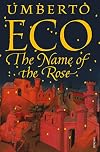
The story is set in fourteen century Italy at a benedictine monastery. The abbey is due to host an important discussion between the representatives of the Pope (John XXII) and the Franciscan order as to the importance of poverty in the church. Brother William of Baskerville, a Franciscan and former inquisitor, and his novice Adso of Melk arrive ahead of the main delegation to find themselves called upon by the abbot to solve a recent and unexplained death. Two more deaths swiftly follow, Brother William and Adso race to try to find the murderer before the arrival of the papal delegation. When a forth murder is discovered the poor Abbot has no choice but to hand over the investigation, and effectively his abbey, to the inquisition.
The beauty of reading works by Eco is his skill in weaving together multiple story lines which may seem disconnected and disparate but which ultimately resolves into some very profound observations on the human condition and behaviour. In this story we are confronted so many aspects with which we are tussling with today, such as how our environment can mould our thinking and how we process events, it can and does create bias which we might not even be aware of. Another example might be the dangers we subject ourselves and others to by only considering our own point of view valid and that anyone who disagrees with us worthy of the severest punishment. In this novel both examples lead directly to the deaths of innocent individuals.
I never tire of show more reading this wonderful work. It’s not a short read but it is utterly absorbing. While it does have a religious backdrop I don’t think you need to be religious to enjoy it, although a good knowledge of the gospels and revelation will certainly be of assistance. show less
The beauty of reading works by Eco is his skill in weaving together multiple story lines which may seem disconnected and disparate but which ultimately resolves into some very profound observations on the human condition and behaviour. In this story we are confronted so many aspects with which we are tussling with today, such as how our environment can mould our thinking and how we process events, it can and does create bias which we might not even be aware of. Another example might be the dangers we subject ourselves and others to by only considering our own point of view valid and that anyone who disagrees with us worthy of the severest punishment. In this novel both examples lead directly to the deaths of innocent individuals.
I never tire of show more reading this wonderful work. It’s not a short read but it is utterly absorbing. While it does have a religious backdrop I don’t think you need to be religious to enjoy it, although a good knowledge of the gospels and revelation will certainly be of assistance. show less

A slim volume which does not waste a single word.
This book explains the preparation for, journey through and symbolism of Great Lent in the Orthodox Church. Father Alexander explains the deep symbolism and history of the lenten services in easy to understand language. This should not however lull you into the erroneous idea that it is an easy read, it asks some challenging questions and encourages the reader to think deeply. Lent is not, according to Fr Alexander, supposed to be a tick box exercise but a profound journey of transformation and renewal.
This is one book that is a firm part of my prelenten preparation
This book explains the preparation for, journey through and symbolism of Great Lent in the Orthodox Church. Father Alexander explains the deep symbolism and history of the lenten services in easy to understand language. This should not however lull you into the erroneous idea that it is an easy read, it asks some challenging questions and encourages the reader to think deeply. Lent is not, according to Fr Alexander, supposed to be a tick box exercise but a profound journey of transformation and renewal.
This is one book that is a firm part of my prelenten preparation
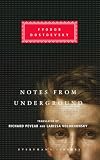
This is not a comfortable read, but I am sure that is what Dostoevsky intended. The book is narrated by an unnamed man who has separated himself from the world, enabled to do so physically by being left an inheritance. The narrator begins by calling himself a "wicked man" and then disavowing himself of the drive for active wickedness.
The book is written in two parts, the second being more historical recounting the circumstances which led to him withdrawing to the "Underground". The first part is more a stream of consciousness consisting of equal parts self-loathing and sttempts to justify himself to his unseen audience. It becomes clear through the novel that our anti-hero has a long history of being apart from society, sometimes running towards it in a fever, and then recoiling in acute embarrassment at remembrance of his abysmal behaviour to other people.
I said earlier it is not an easy read, to an extent the narrator is held up as a mirror for all our darker feelings, it is the remembrance of our own failings that makes this uncomfortable, be it a pettiness, self-criticism out of proportion, or the turning away from former acquaintances because of a lack of sympathy to their circumstances. It becomes clearer throughout the book that the narrator is deeply unhappy and seems intent on punishing himself and all he encounters, particularly those who appear happy to him, and gains temporary relief from hus suffering through his power over others (even when they don't show more realise it) or his ability to inflict pain on them. Ultimately though I think he is a coward, lacking the courage to live life and do he withdraws into himself.
I don't know that I will re-read this book, but it was interesting. I wouldn't recommend it to anyone who was feeling depressed. show less
The book is written in two parts, the second being more historical recounting the circumstances which led to him withdrawing to the "Underground". The first part is more a stream of consciousness consisting of equal parts self-loathing and sttempts to justify himself to his unseen audience. It becomes clear through the novel that our anti-hero has a long history of being apart from society, sometimes running towards it in a fever, and then recoiling in acute embarrassment at remembrance of his abysmal behaviour to other people.
I said earlier it is not an easy read, to an extent the narrator is held up as a mirror for all our darker feelings, it is the remembrance of our own failings that makes this uncomfortable, be it a pettiness, self-criticism out of proportion, or the turning away from former acquaintances because of a lack of sympathy to their circumstances. It becomes clearer throughout the book that the narrator is deeply unhappy and seems intent on punishing himself and all he encounters, particularly those who appear happy to him, and gains temporary relief from hus suffering through his power over others (even when they don't show more realise it) or his ability to inflict pain on them. Ultimately though I think he is a coward, lacking the courage to live life and do he withdraws into himself.
I don't know that I will re-read this book, but it was interesting. I wouldn't recommend it to anyone who was feeling depressed. show less
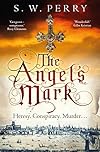
I was predisposed to like this book, recommended as it was to readers of SJ Parris, a murder mystery set in late 16th Century London unfortunately the similarly ends there. The comparison with SJ Parris does that lady a great disservice.
The story follows a young physician Nicholas as he questions the official cause of death for a young boy, believing that he had been drained of blood, even questioning the learned anatomist who oversaw the young boys dissection. All good so far, but next we dissappear off into a clumsy device where Nicholas' wife dies in childbirth and he is unable to save her, takes to drink, loses his position and any money he had, throws himself into the Thames only to be rescued by the landlady of the Jackdaw Tavern in Southwark. If this were the only seemingly pointless and crude tangent it might be possible to overlook but there are many more.
I found the view of the attitudes expressed by characters with regard to foreigners, women's position and religion in general to be more reflective of today than the 1590s. Take for instance the attitude of the church wardens to Nicholas' non-attendence at church, it would be inconceivable that the only contact from his parish would be the churchwardens coming to fine him for not attending (the requirement was for once a month). His parish priest would have been with him regularly as part of his duty of pastoral care. Remember this was an era in which religion was taken very seriously indeed. Nicholas seems show more often more like a time traveller from our own time than someone who grew up in Elizabeth's England.
After I found the larger issues annoying it made the many small issues even worse, such as using table linen in a Southwark Tavern, never mind thinking that laundry could be done in a day (it took the victorians three), the great anatomist not knowing that in 1590 Robert Cecil was an MP and his father's right hand man effectively acting as Secretary of State, virtually no one in London would have been unaware that Cecil was the third most powerful person in the country.
Overall I felt it was an interesting premise but its never succeeded in reaching its potential. I'm glad it was a prime read and it didn't cost me anything. show less
The story follows a young physician Nicholas as he questions the official cause of death for a young boy, believing that he had been drained of blood, even questioning the learned anatomist who oversaw the young boys dissection. All good so far, but next we dissappear off into a clumsy device where Nicholas' wife dies in childbirth and he is unable to save her, takes to drink, loses his position and any money he had, throws himself into the Thames only to be rescued by the landlady of the Jackdaw Tavern in Southwark. If this were the only seemingly pointless and crude tangent it might be possible to overlook but there are many more.
I found the view of the attitudes expressed by characters with regard to foreigners, women's position and religion in general to be more reflective of today than the 1590s. Take for instance the attitude of the church wardens to Nicholas' non-attendence at church, it would be inconceivable that the only contact from his parish would be the churchwardens coming to fine him for not attending (the requirement was for once a month). His parish priest would have been with him regularly as part of his duty of pastoral care. Remember this was an era in which religion was taken very seriously indeed. Nicholas seems show more often more like a time traveller from our own time than someone who grew up in Elizabeth's England.
After I found the larger issues annoying it made the many small issues even worse, such as using table linen in a Southwark Tavern, never mind thinking that laundry could be done in a day (it took the victorians three), the great anatomist not knowing that in 1590 Robert Cecil was an MP and his father's right hand man effectively acting as Secretary of State, virtually no one in London would have been unaware that Cecil was the third most powerful person in the country.
Overall I felt it was an interesting premise but its never succeeded in reaching its potential. I'm glad it was a prime read and it didn't cost me anything. show less
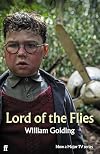
It is one of those books which are frequently referenced culturally but I'd never read. Having finished it I am not convinced that those using the phase "it's all a bit Lord of the Flies" have even read it.
The story recounts what happens when a plane full of evacuated boys crash lands on a desert island, Robinson Crusoe this is not. The boys, clearly all public school educated, have to find a way to survive on this island while hoping that they will be rescued. It starts off promisingly, they come together and build shelters, man a perpetual fire to create a smoke signal in the hope that a boat will rescue them.
Just as in Robinson Crusoe they start, slowly at first, to become wilder. Unlike Crusoe however, they do not realise the danger they are in, and equally unlike him, they lack even the most basic survival skills. When a dead pilot lands on the island, complete with paracute, it precipitates an excelleration into madness. The fear of the unknown, the blood lust of the sucessful hunt of a pig, and the lack of any control from adults (I rather suspect the boys had all been at boarding schools), means they become utterly consumed by fear, to a dehumanising extent.
This has to be one of the most distressing books I have read, not just becuase of the illustration of the darkness that dwells in men's hearts, the lengths to which fear drives the cruelest instincts to survive, and the sadness of watching the unmaking of these poor desolate boys. No the most distressing show more picture has to be when the navy arrive and the first adult to greet more Ralph, once he realises he is British, is full of distain and disappointment. This poor child who has been marooned on this island for at least several months is all at once confronted with the horror he has witnessed and endured, and the man has not one jot of insight into what he has gone for, looks away as the child sobs uncontrollably. Stiff upper lip is no excuse for callousness.
The book, for all its depiction of the breakdown of sociatal normality into murder and madness, is beautifully written. Golding doesn't really give you a sense of the passage of time, just as it must have appeared to the boys. The narration, while not being from any boys perspective particularly, is very much a child's eye view of island and their experiences.
I'm very glad I read it, but becuase I found it upsetting it isn't going to be one I re-read often. show less
The story recounts what happens when a plane full of evacuated boys crash lands on a desert island, Robinson Crusoe this is not. The boys, clearly all public school educated, have to find a way to survive on this island while hoping that they will be rescued. It starts off promisingly, they come together and build shelters, man a perpetual fire to create a smoke signal in the hope that a boat will rescue them.
Just as in Robinson Crusoe they start, slowly at first, to become wilder. Unlike Crusoe however, they do not realise the danger they are in, and equally unlike him, they lack even the most basic survival skills. When a dead pilot lands on the island, complete with paracute, it precipitates an excelleration into madness. The fear of the unknown, the blood lust of the sucessful hunt of a pig, and the lack of any control from adults (I rather suspect the boys had all been at boarding schools), means they become utterly consumed by fear, to a dehumanising extent.
This has to be one of the most distressing books I have read, not just becuase of the illustration of the darkness that dwells in men's hearts, the lengths to which fear drives the cruelest instincts to survive, and the sadness of watching the unmaking of these poor desolate boys. No the most distressing show more picture has to be when the navy arrive and the first adult to greet more Ralph, once he realises he is British, is full of distain and disappointment. This poor child who has been marooned on this island for at least several months is all at once confronted with the horror he has witnessed and endured, and the man has not one jot of insight into what he has gone for, looks away as the child sobs uncontrollably. Stiff upper lip is no excuse for callousness.
The book, for all its depiction of the breakdown of sociatal normality into murder and madness, is beautifully written. Golding doesn't really give you a sense of the passage of time, just as it must have appeared to the boys. The narration, while not being from any boys perspective particularly, is very much a child's eye view of island and their experiences.
I'm very glad I read it, but becuase I found it upsetting it isn't going to be one I re-read often. show less

Mar 1, 2025English (UK)
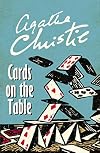
A more ingenious plot than I was expecting with more twists, turns and misdirection than I've come across in other Poirot books. If you've watched the David Suchet version then there are some differences, the books plot makes more sense and is less incongruous with the characters of all concerned.
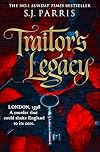
Once again SJ Parris takes us back to the world of Elizabeth's spies. The year is 1598, the location is London and the cast includes the players of the two most famous acting companies, a scattering of nobility, catholic plotters, spies and a young heiress.
If you are familiar with the Giodarno Bruno series then you will find a number of familiar faces, so familiar in fact that I kept wondering when Bruno was going to make an appearance. He doesn't because this time our hero is a woman and one first met in the first Bruno book Heresy, Sophia.
The story centres around the death of a young girl, a wealthy heiress ward of a powerful family and niece of a notorious Catholic rebel. Sophia has to, under threat from the Queens secretary, uncover the truth of the girls murder and save an innocent boy from death.
This story is very much in a similar vein to the Bruno novels bringing to life the factions and intrigues which ran through Elizabeth's Court and all who came into contact with it. No-one is entirely who they seem. The advantage in having a female protagonist is that we get a glimpse into the worlds of the late sixteenth century women. Here they are seen, not romantically or as thoroughly oppressed pawns, but as dynamic humans playing their own games of power and politics. Parris manages to combine historical accuracy with a plot as twisting and turning as the roads of Elizabeth's capital.
I really enjoyed this novel and I hope it will be a start of a new series, but show more hopefully not at the expense of more Bruno books. show less
If you are familiar with the Giodarno Bruno series then you will find a number of familiar faces, so familiar in fact that I kept wondering when Bruno was going to make an appearance. He doesn't because this time our hero is a woman and one first met in the first Bruno book Heresy, Sophia.
The story centres around the death of a young girl, a wealthy heiress ward of a powerful family and niece of a notorious Catholic rebel. Sophia has to, under threat from the Queens secretary, uncover the truth of the girls murder and save an innocent boy from death.
This story is very much in a similar vein to the Bruno novels bringing to life the factions and intrigues which ran through Elizabeth's Court and all who came into contact with it. No-one is entirely who they seem. The advantage in having a female protagonist is that we get a glimpse into the worlds of the late sixteenth century women. Here they are seen, not romantically or as thoroughly oppressed pawns, but as dynamic humans playing their own games of power and politics. Parris manages to combine historical accuracy with a plot as twisting and turning as the roads of Elizabeth's capital.
I really enjoyed this novel and I hope it will be a start of a new series, but show more hopefully not at the expense of more Bruno books. show less
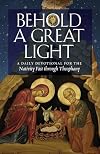
A very interesting collection of reflections for the period of the Nativity Fast through to Theophany. Aimed primarily at Orthodox Christians.
Jan 8, 2025English (UK)
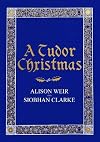
I wasn't sure what I was going to make of this little book, I'm generally not a fan of Alison Weir so it was with some trepidation that I approached it. Tudor history is probably one of my favourite periods but it is one that many authors trot out the same worn assumptions and incorrect "facts".
It was however a really lovely little trip through how the twelve days of Christmas was celebrated during the reigns of Henry VII through to Elizabeth I (1475 to 1603). Contemporary accounts and sources were drawn on but without turning this into an academic treatise. Overall it gives a really good picture of how the preparation, feasting, games and so forth were celebrated over 400 years ago. The result is a Christmas which is familiar and foreign in equal measure.
The only reason that I am not giving this 5 stars is because there was a few areas where some old, and largly disproven, ideas about the continuation of pagan traditions was once again trotted out. It's unfortunate as although Christmas is certainly celebrated in December due to the need of the early church to replace Saturnalia, it's unlikely that many of the traditions associated with a pre-christian midwinter festival survived for over 1,000 years. I would recommend that Ms Weir reads Ronald Hutton (Stations of the Sun, Triumph of the Moon, Rise and Fall of Merry England) or David Cressy (Bonfires and Bells) for explanations of how folk traditions have evolved, changed and eventually be superseded.
Thank you to show more Netgalley for providing a free copy of this book in exchange for an honest review. show less
It was however a really lovely little trip through how the twelve days of Christmas was celebrated during the reigns of Henry VII through to Elizabeth I (1475 to 1603). Contemporary accounts and sources were drawn on but without turning this into an academic treatise. Overall it gives a really good picture of how the preparation, feasting, games and so forth were celebrated over 400 years ago. The result is a Christmas which is familiar and foreign in equal measure.
The only reason that I am not giving this 5 stars is because there was a few areas where some old, and largly disproven, ideas about the continuation of pagan traditions was once again trotted out. It's unfortunate as although Christmas is certainly celebrated in December due to the need of the early church to replace Saturnalia, it's unlikely that many of the traditions associated with a pre-christian midwinter festival survived for over 1,000 years. I would recommend that Ms Weir reads Ronald Hutton (Stations of the Sun, Triumph of the Moon, Rise and Fall of Merry England) or David Cressy (Bonfires and Bells) for explanations of how folk traditions have evolved, changed and eventually be superseded.
Thank you to show more Netgalley for providing a free copy of this book in exchange for an honest review. show less
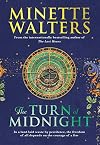
Another excellent book by Minette Walters. The Turn of Midnight continues the story started in The Last Hours of the inhabitants of Devilish as the black death rages through England. Lady Anne continues to guide her serfs to keep them all safe as the pestilence brings out the best and worst of humanity. It opens as The Last Hours end with the search for food by a few brave souls through a ravaged land. The story continues as Devilish comes into contact with more survivors, both deserving and not.
While the story is beautifully written and I found myself growing quite attached to many of the characters, Ms Walters sometimes stretches credulity with some fairly modern ideals about equality between men and women. How much this is reflective of ordinary people (rather than nobles or the church) is anybody's guess. However, it did not detract from a compelling story where at points I found myself not wanting to read further for fear of something terrible happening but at the same time compelled to read on.
Thoroughly recommended!
While the story is beautifully written and I found myself growing quite attached to many of the characters, Ms Walters sometimes stretches credulity with some fairly modern ideals about equality between men and women. How much this is reflective of ordinary people (rather than nobles or the church) is anybody's guess. However, it did not detract from a compelling story where at points I found myself not wanting to read further for fear of something terrible happening but at the same time compelled to read on.
Thoroughly recommended!

This has to be my least favourite novel by Trollope, to date. The story is a biting commentary on the late nineteenth century obsession with money and the financial markets; how they draw people into forgetting their best nature. In a modern sense we see the competition between character (Roger Carbury) and personality (Melmotte) and how eventually there has to be something to substantiate claims made. For me though, and unusually for Trollope, there was not a single edifying character amongst the cast, I couldn't sympathise with a single one which made the reading of this book more of a chore than I had hoped.