I read Gravity's Rainbow within a few months of William T. Vollmann's equally dense and WW2-focused Europe Central, and it made for interesting comparative reading (the former focused on the forces behind war and the later more on the personalities involved and how it shapes them).
Anyway..... Gravity's Rainbow doesn't make it onto my favourite's list, but it's undeniably a great book and, without having read Mason & Dixon or Against the Day, is the best thing I've read by Pynchon. It takes a lot of the themes of The Crying of Lot 49 and magnifies them to great effect. Some passages of the novel are better than others - Part 3 in the zone gets a little tedious at times - but overall the suffocating atmosphere of this is brilliant. Dense, dark days of war apply their weight and the sense of paranoia is palpable. Like in 2666, another mammoth tome of postmodern literature, the atmosphere is all important and brilliantly evoked. Slothrop might not end the novel a particularly rounded, or even that interesting character, but the world he inhabits pulls you in and is hard to escape.
Anyway..... Gravity's Rainbow doesn't make it onto my favourite's list, but it's undeniably a great book and, without having read Mason & Dixon or Against the Day, is the best thing I've read by Pynchon. It takes a lot of the themes of The Crying of Lot 49 and magnifies them to great effect. Some passages of the novel are better than others - Part 3 in the zone gets a little tedious at times - but overall the suffocating atmosphere of this is brilliant. Dense, dark days of war apply their weight and the sense of paranoia is palpable. Like in 2666, another mammoth tome of postmodern literature, the atmosphere is all important and brilliantly evoked. Slothrop might not end the novel a particularly rounded, or even that interesting character, but the world he inhabits pulls you in and is hard to escape.
Not Zweig's best, it feels a tad lightweight in parts (perhaps things are too obvious?). As always with the author, it's wonderfully written, though I think his best work was completed in his short stories.

The quality of any fiction anthology tends to vary greatly from one story to the next. Not so with this remarkably consistent collection of Hong Kong fiction.
Although the cliché view of the former British colony is it's a place where money is number one - a perspective these stories don't seek to challenge - and the arts come second, these writers are no bunch of amateurs playing at writing and seeking to show off. Their various credits include appearing amongst the pages of the South China Morning Post and Granta, founding the Asia Literary Review and being a genuine bestseller.
Before the stories, the introduction raises pertinent questions about what constitutes a Hong Kong people and justifies why the anthology is in English rather than Cantonese, a fact that might otherwise seem like a colonial hangover.
There's no standout star in this collection, but the stories are uniformly of a decent standard. Only 'The Seventh Year', with its slightly melodramatic tone threatens to completely disappoint; though even that is redeemed, somewhat, by its amusing conclusion.
If there's a strong criticism to be made, it's not about the quality of the prose, rather the cheap endings that abound. 'The Troubled Boyhood of Baldwin Wong', in particular, finishes abruptly. It's true, we reach the end of Baldwin's childhood by the conclusion, and a beguiling ride it is, but much is unresolved and we're left hoping for a sequel to tell the rest of the story. Many of the tales take the easy show more way out, ending before having to deal with the consequences of previous words, though the authors can be forgiven due to word counts and the constraints of space.
Whilst these stories bring to life immigrant domestic helpers, wizened grave sweepers, the city's old, its spoilt youth, its transitory expat population and its established money, it would be nice if the stories had wider perspectives aside from their protagonists. Tales are repeatedly superstitious, set on HK Island, and laden with talk of money and/or property. Socialist yarns of migrant workers living in a New Territories village might not make for a better tale, but it's surprising that a majority of the stories are so narrowly focused.
Ultimately this is nitpicking, though, since these stories, wherever they're set and whoever they focus on, are entertaining reads that prove Hong Kong has a vibrant literary scene that persists despite the SAR's business-first mindset and hectic way of life. As far as introductions to modern Hong Kong fiction go, you can't do much better than this. show less
Although the cliché view of the former British colony is it's a place where money is number one - a perspective these stories don't seek to challenge - and the arts come second, these writers are no bunch of amateurs playing at writing and seeking to show off. Their various credits include appearing amongst the pages of the South China Morning Post and Granta, founding the Asia Literary Review and being a genuine bestseller.
Before the stories, the introduction raises pertinent questions about what constitutes a Hong Kong people and justifies why the anthology is in English rather than Cantonese, a fact that might otherwise seem like a colonial hangover.
There's no standout star in this collection, but the stories are uniformly of a decent standard. Only 'The Seventh Year', with its slightly melodramatic tone threatens to completely disappoint; though even that is redeemed, somewhat, by its amusing conclusion.
If there's a strong criticism to be made, it's not about the quality of the prose, rather the cheap endings that abound. 'The Troubled Boyhood of Baldwin Wong', in particular, finishes abruptly. It's true, we reach the end of Baldwin's childhood by the conclusion, and a beguiling ride it is, but much is unresolved and we're left hoping for a sequel to tell the rest of the story. Many of the tales take the easy show more way out, ending before having to deal with the consequences of previous words, though the authors can be forgiven due to word counts and the constraints of space.
Whilst these stories bring to life immigrant domestic helpers, wizened grave sweepers, the city's old, its spoilt youth, its transitory expat population and its established money, it would be nice if the stories had wider perspectives aside from their protagonists. Tales are repeatedly superstitious, set on HK Island, and laden with talk of money and/or property. Socialist yarns of migrant workers living in a New Territories village might not make for a better tale, but it's surprising that a majority of the stories are so narrowly focused.
Ultimately this is nitpicking, though, since these stories, wherever they're set and whoever they focus on, are entertaining reads that prove Hong Kong has a vibrant literary scene that persists despite the SAR's business-first mindset and hectic way of life. As far as introductions to modern Hong Kong fiction go, you can't do much better than this. show less
I've skipped Gibson's more recent books and can't judge his output since 1999's All Tomorrow's Parties and the end of the Bridge trilogy. Having confessed that gap in my knowledge, he's either developed greatly since ATP or this is simply one of the best books he's written overall. Honestly, this is my favourite novel from him outside his earliest SF, meaning the genre-defining Burning Chrome and Neuromancer.
It's just a tight, driven novel, in a way that Gibson's older stuff most often wasn't. It hooks from the get-go and keeps going pretty much all the way through. Admittedly the ending feels slightly anti-climatic, like there should have been something more dramatic to occur, but everything else was decent. Time travel is dealt with in a reasonable way and though the future presented is not as visionary as Gibson's early cyberpunk stories, it still convinces.
I assume there will be further stories set in this universe and look forward to them. In the mean time, I should probably check out those Gibson novels I've skipped.
It's just a tight, driven novel, in a way that Gibson's older stuff most often wasn't. It hooks from the get-go and keeps going pretty much all the way through. Admittedly the ending feels slightly anti-climatic, like there should have been something more dramatic to occur, but everything else was decent. Time travel is dealt with in a reasonable way and though the future presented is not as visionary as Gibson's early cyberpunk stories, it still convinces.
I assume there will be further stories set in this universe and look forward to them. In the mean time, I should probably check out those Gibson novels I've skipped.
Perfectly so-so novel. It's not terribly written or anything, but the main problem is that it's not terribly engrossing either. The world never felt as real or interesting as something like Gibson's Neuromancer trilogy Sprawl, and a lot of concepts didn't seem explained at all. For instance, I never understood why there was such hostility to the idea of "real death" or what was involved with the virtual prisons. These issues could have been addressed simply and concisely, but they never really were and I finished the novel feeling like I didn't completely understand the setting.
That was my main gripe. The rest? It's by-the-books-noir in an SF setting with a bunch of very ordinary characters. It reads as you'd expect and gets the middling rating as a result.
That was my main gripe. The rest? It's by-the-books-noir in an SF setting with a bunch of very ordinary characters. It reads as you'd expect and gets the middling rating as a result.
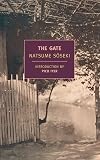
Whilst not as tedious as Sanshiro or obscure as Kusamakura, The Gate still falls short of Soseki's best. At times it's a frustrating read, since the author withholds much information that would have been useful had it even been glimpsed earlier, but overall its tale of ordinary people getting by in the world is mildly affecting. It would have been better if trimmed down and shorn of its more wooly aspects (the Zen training, the ongoing but going-nowhere relationship with the cousins) or, alternatively, expanded upon to give more life to its very regular main characters.
Fairly average as a whole. Not Soseki's best but far from his worst, too.
Fairly average as a whole. Not Soseki's best but far from his worst, too.
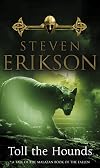
All that momentum Erikson built with Memories of Ice (we'll ignore the non-entity that was House of Chains) Midnight Tides and The Bonehunters comes to a screeching halt here. Reaper's Gale already showed Erikson returning to his worst, reach exceeding grasp, and so it is again. Quite why much of this book needed to happen I don't know. I wonder, given the threads left hanging, if wasn't simply to set up his pal ICE... I really didn't see the need to return to Darujhistan, I've never much cared for the Andii (who simply seem to get in the way of a lot of the story, much like the Jaghut) and certainly don't give a toss about what's going on within Dragnipur (the whole storyline of which seemed an exercise in excess and editorial failing).
It's not to say this is an awful book, I just wonder how much any of what happens here will impact the last two books, and whether (as it seems now) it isn't all just filler and fluff.
It's not to say this is an awful book, I just wonder how much any of what happens here will impact the last two books, and whether (as it seems now) it isn't all just filler and fluff.

A pretty middling collection of tales, though nothing too inaccessible for Melville. The two novellas - Benito Cereno and Barteby - are definitely the stand outs here, though even suffer from requiring Melville to explain to you constantly why main characters behave in such ridiculous ways (why a lawyer would keep on paying a man who doesn't do his work or obey orders; why a captain sees so many signs of treachery but is repeatedly distracted by a sneeze or a swoon). The other tales aren't bad, but they're neither here nor there.

Poor Cugel, here he is way back up north again... Yes, it's basically more of the same a'la Eyes of the Overworld and anyone who enjoyed that will enjoy this, with the reverse true as well.
How does this compare to EotO? I consider them about the same in terms of quality. I think whilst Eyes was more consistent and felt more of a complete collection (which is odd given the episodic nature of its writing) the highs here in Cugel's Saga are greater, though the lows are slightly lower too. For instance, I hadn't read anything as hilarious as Cugel's various competitions with Bunderwal in a long time, whilst the final chapters as Cugel neared Almery somewhat dragged.
Overall though it's very entertaining and required reading for anyone who enjoys Vance's Dying Earth.
How does this compare to EotO? I consider them about the same in terms of quality. I think whilst Eyes was more consistent and felt more of a complete collection (which is odd given the episodic nature of its writing) the highs here in Cugel's Saga are greater, though the lows are slightly lower too. For instance, I hadn't read anything as hilarious as Cugel's various competitions with Bunderwal in a long time, whilst the final chapters as Cugel neared Almery somewhat dragged.
Overall though it's very entertaining and required reading for anyone who enjoys Vance's Dying Earth.

Vance returns to his Dying Earth setting and introduces us to the dubiously titled Cugel the Clever. It's a wonderful read, even if the stories within are very episodic, since Vance's prose is a delight to read - few authors manage to marry precision, clarity and lightness of touch so well. There is the odd misstep - Cugel being sent back in time to search for Totality was a weak episode - but overall the collection is very strong and Cugel such a fun character, despite his rogue-ish ways, you can't help but enjoy reading of his adventures. It's not life changing, but it's damn good fun.
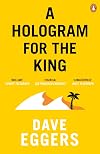
What on earth has happened to Dave Eggers? It's a little hard to believe that the man who authored books like A Heartbreaking Work of Staggering Genius, How We Are Hungry and What is the What penned a work as weak as this.
True, Zeitoun was written in a similarly simplistic style, which I forgave at the time as an attempt to replicate the title character's way with English as a second language. Unfortunately the same utterly basic prose is rolled out yet again here and it makes the novel an extremely blunt criticism of neo-liberal capitalism, globalization and the hollowing out of America's industrial base. These are heavy topics that have my sympathy and deserve attention, but Eggers' novel is so simplistic and obvious that the issues lack any subtlety and come across as rather tedious and boring when stretched over 300 plus pages.
The less said about the novel's moping main character the better. Why Eggers thought a man who can't even write a letter to his daughter would make for an interesting lead character I have no idea. I quickly lost sympathy with Alan because he is so thoroughly useless and defeated. I have nothing against that sort of character - I love Turgenev's many superfluous men and their faults - but Alan is such a complete downer that I couldn't wait to end my time in his world.
The ending is particularly lame too: overly simplistic and brief. I won't spoil what little there is to spoil, but it was just another unsatisfying element in a very poor show more novel.
First Zeitoun and now this; I'm wondering if Eggers is worth my time any more. I'm certainly not rushing off to buy The Circle. show less
True, Zeitoun was written in a similarly simplistic style, which I forgave at the time as an attempt to replicate the title character's way with English as a second language. Unfortunately the same utterly basic prose is rolled out yet again here and it makes the novel an extremely blunt criticism of neo-liberal capitalism, globalization and the hollowing out of America's industrial base. These are heavy topics that have my sympathy and deserve attention, but Eggers' novel is so simplistic and obvious that the issues lack any subtlety and come across as rather tedious and boring when stretched over 300 plus pages.
The less said about the novel's moping main character the better. Why Eggers thought a man who can't even write a letter to his daughter would make for an interesting lead character I have no idea. I quickly lost sympathy with Alan because he is so thoroughly useless and defeated. I have nothing against that sort of character - I love Turgenev's many superfluous men and their faults - but Alan is such a complete downer that I couldn't wait to end my time in his world.
The ending is particularly lame too: overly simplistic and brief. I won't spoil what little there is to spoil, but it was just another unsatisfying element in a very poor show more novel.
First Zeitoun and now this; I'm wondering if Eggers is worth my time any more. I'm certainly not rushing off to buy The Circle. show less
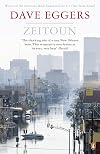
Even leaving aside the true nature of Mr Zeitoun's character in light of events that have transpired since this book was published (and anyone reading this book will come away thinking the portrayal is startling uncritical even without knowledge of subsequent allegations) I thought this a disappointing read. The prose is incredibly simplistic and rather boring as a result. Certainly, it makes it easy to read and I assume Eggers' was trying to write it in a way that mimics Zeitoun's basic way of speaking English as a second language, but it didn't make for an interesting read. In fact it makes the whole book feel like an incredibly long New Yorker article, which is fine for a magazine format but not for a full length volume.
The events portrayed are certainly horrific, though until Zeitoun is picked up by the authorities 2/3 of the way through the novel, the story doesn't seem all that bad or riveting. After that point Kathy's histrionics magnify, probably rightly, and I admit I found it tedious and wish the author had toned it down. The "point" of the book felt like a long time coming; it's certainly awful when you get there, but Eggers' simple style of writing and detached viewpoint fails to add weight to the significant issues raised. It felt like a very lightweight treatment of major concerns.
All in all, while Katrina and its aftermath were horrid affairs, I don't think this is the book to do the subject justice. It's an accessible, decent read, but nothing of real worth.
The events portrayed are certainly horrific, though until Zeitoun is picked up by the authorities 2/3 of the way through the novel, the story doesn't seem all that bad or riveting. After that point Kathy's histrionics magnify, probably rightly, and I admit I found it tedious and wish the author had toned it down. The "point" of the book felt like a long time coming; it's certainly awful when you get there, but Eggers' simple style of writing and detached viewpoint fails to add weight to the significant issues raised. It felt like a very lightweight treatment of major concerns.
All in all, while Katrina and its aftermath were horrid affairs, I don't think this is the book to do the subject justice. It's an accessible, decent read, but nothing of real worth.
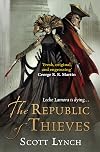
The Republic of Thieves has been a long time coming (due to unfortunate personal issues surrounding Lynch) and like many I was very excited about the book. I was one of the few who thought Red Seas was a step forward after the decent but somewhat juvenile Lies of Locke Lamora; and Lynch's short story, "In The Stacks", which he contributed to the Swords and Dark Magic anthology (2010) was probably the best piece in a collection that included stories from the likes of Erikson, Abercrombie, Cook, Moorecock and other genre heavyweights.
So expectations were high... and slightly let down by the end of TRoT. Lynch admits writing the novel was hard and that the story was "broken" in the afterword. I think that shows in the structure of the novel, rather than the quality of writing, which remains decent. I thought the flashback storyline ended abruptly when it needed some closure back in Camorr; whilst the election storyline never really got going in the firstplace, which had me wondering if Lynch ever really had any ideas for how to make the election fit wit the Gentlemen Bastards' usual way of operating. All Locke and Jean get up to are minor pranks and for a while they're packed off out the game and sit on a boat; the reasons why that happen are satisfactory enough within the context of the story, but it added to my feeling that Lynch didn't really have much of an idea what he could make happen in Karthain, so he had to pass the time some other way. That's my central gripe with show more the novel: that the "present" storyline just wasn't very interesting. It didn't help that, assuming one takes the bondsmagis' words at face value, there's nothing much at stake for the characters who will - apparently - be let go at the end of it all and free to go on their merry way.
Some of the novel's twists left me unmoved. The revelation about Locke sort of had me thinking "So what?", since it doesn't seem to have much impact on the current plot. At the moment, whilst it's surprising, it doesn't seem to mean anything. As for the novel's final twist: well, that was something I didn't want happening. I was hoping for something new and original and not what looks like a re-tread.
After all the complaints this is still a decent novel. I thought things got off to a great start and that the first quarter or so of the novel was very good. The dialogue still sparkles, for the most part, when Locke isn't pining over Sabetha and their on/off romance. It's just a shame that most of the novel feels like a problem Lynch never quite got to grips with. I'm hoping this is a transition novel and Lynch will continue to improve once again after this minor step back. I'll keep my fingers crossed that The Thorn of Emberlain doesn't take quite so long to arrive. show less
So expectations were high... and slightly let down by the end of TRoT. Lynch admits writing the novel was hard and that the story was "broken" in the afterword. I think that shows in the structure of the novel, rather than the quality of writing, which remains decent. I thought the flashback storyline ended abruptly when it needed some closure back in Camorr; whilst the election storyline never really got going in the firstplace, which had me wondering if Lynch ever really had any ideas for how to make the election fit wit the Gentlemen Bastards' usual way of operating. All Locke and Jean get up to are minor pranks and for a while they're packed off out the game and sit on a boat; the reasons why that happen are satisfactory enough within the context of the story, but it added to my feeling that Lynch didn't really have much of an idea what he could make happen in Karthain, so he had to pass the time some other way. That's my central gripe with show more the novel: that the "present" storyline just wasn't very interesting. It didn't help that, assuming one takes the bondsmagis' words at face value, there's nothing much at stake for the characters who will - apparently - be let go at the end of it all and free to go on their merry way.
Some of the novel's twists left me unmoved. The revelation about Locke sort of had me thinking "So what?", since it doesn't seem to have much impact on the current plot. At the moment, whilst it's surprising, it doesn't seem to mean anything. As for the novel's final twist: well, that was something I didn't want happening. I was hoping for something new and original and not what looks like a re-tread.
After all the complaints this is still a decent novel. I thought things got off to a great start and that the first quarter or so of the novel was very good. The dialogue still sparkles, for the most part, when Locke isn't pining over Sabetha and their on/off romance. It's just a shame that most of the novel feels like a problem Lynch never quite got to grips with. I'm hoping this is a transition novel and Lynch will continue to improve once again after this minor step back. I'll keep my fingers crossed that The Thorn of Emberlain doesn't take quite so long to arrive. show less
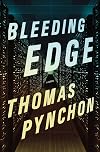
I can't say I've completely loved any of the Pynchon novels I've read (which is basically all of them except the mammoth ones: GR, M&D, and ATD), but there were always aspects that I liked; the historical convergence of V or the heartfelt feelings of Vineland.
Bleeding Edge on the other hand... It just feels so vapid. I didn't feel like there was anything more to it than knowing nods and winks courtesy of hindsight. Lightweight Pynchon isn't bad: Inherent Vice was a great read, regardless of how straightforward it was. Bleeding Edge doesn't even have that humour though. Instead it just plods along through a very mundane setting and a very mundane plot, with nothing much to say about 9/11 or the internet or conspiracy theories. And now he's writing about an age that I've experienced firsthand, I couldn't help but feel Pynchon's pop-culture nods were either lame or somewhat out of place. Whether that would have happened if I'd been around at the time of some of his other novels, I don't know, but it was disappointing all the same.
Sometimes I've come away from Pynchon baffled or confused, but never bored or feeling vacant. Bleeding Edge really didn't do anything for me. Maybe it's a novel that came too soon for Pynchon. Perhaps because of his age he rushed it out, without letting it mature in his mind? It certainly feels incredibly lightweight.
Bleeding Edge on the other hand... It just feels so vapid. I didn't feel like there was anything more to it than knowing nods and winks courtesy of hindsight. Lightweight Pynchon isn't bad: Inherent Vice was a great read, regardless of how straightforward it was. Bleeding Edge doesn't even have that humour though. Instead it just plods along through a very mundane setting and a very mundane plot, with nothing much to say about 9/11 or the internet or conspiracy theories. And now he's writing about an age that I've experienced firsthand, I couldn't help but feel Pynchon's pop-culture nods were either lame or somewhat out of place. Whether that would have happened if I'd been around at the time of some of his other novels, I don't know, but it was disappointing all the same.
Sometimes I've come away from Pynchon baffled or confused, but never bored or feeling vacant. Bleeding Edge really didn't do anything for me. Maybe it's a novel that came too soon for Pynchon. Perhaps because of his age he rushed it out, without letting it mature in his mind? It certainly feels incredibly lightweight.
**** SPOILERS AHOY! ****
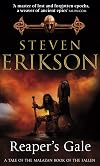
Although not a bad entry in the Malazan series, I felt there was something off about Reaper's Gale. After the focused successes of Midnight Tides and The Bonehunters it's as if Erikson's old flaw of trying to do too much has resurfaced. I felt like significant chunks of the book could have been removed and little would have been lost; though I withhold final judgement on that accusation because I'm still not sure where exactly the Malazan series is going and what its ultimate focus is.
Somewhat like Deadhouse Gates everything else that happens feels rushed. The Bonehunters' invasion, the sacking of Letheras, all felt somehow devoid of heft. It never carried the same emotional weight that previous Edur invasion carried. Whilst that conquest was filled with menace and foreboding, the Malazan invasion carried little in the way of emotional investment. Sure, I cared about the marines, but - and this is a constant problem I keep waiting for Erikson to address - with Tavore continuing to be a blank slate, it all felt rather hollow. Sure, Rhulad and Lether need to be taken down, but what's the real motivation for the Bonehunters being there? It wasn't even "We have to stop him because if we don't X and Y will happen;" it was "There's guy, apparently, who won't die, so we should probably kill him, because actually there's something - we're not going to say what - on the eastern side of this continent that's what we're really here for and he's kind of in the show more way, so might as well get rid of him while we're here." Everything just felt a little weak after the extremely well-crafted five and sixth books.
The various endings were a little unsatisfying too. Trull's death was a dickish move if ever I came across one, it just felt entirely unnecessary. Tehol as emperor and Byrs coming back to life? Why? It just feels wrong that Tehol would step in to the limelight like that, he never came across as the sort of person who'd want the trouble of being ruler. Rhulad's final demise? I felt that could have been handled better, in fact Rhulad seems to be an after thought in the second half of the novel, which is disappointing. And I wish Erikson had at least tried to broach the idea of Rhulad's past challengers and why no-one, after rumours of his immortality were widespread in Letheras, after killing him didn't chop him up or take off his head and what exactly the process was for him returning to life. Those who killed him more than once - why exactly after the first time did they seemingly just sit back and wait for him to pop up back to life again and again? Icarium? He does his usual moping around and then vanishes. I'm sure he'll be very important come the series' ultimate climax but I always find his sections tedious and somewhat pointless.
Guh. I could go on and on. There were a lot of niggles in this book, but it was still quite all right. It wasn't as tedious as books 2 and 4, which had me questioning whether the series was worth continuing or not (the Malazan series being a hugely frustrating and uneven series in its quality), and I'll still keep reading on (I really have to find out where the series ends up now that I've reached the eighth book). show less
Although not a bad entry in the Malazan series, I felt there was something off about Reaper's Gale. After the focused successes of Midnight Tides and The Bonehunters it's as if Erikson's old flaw of trying to do too much has resurfaced. I felt like significant chunks of the book could have been removed and little would have been lost; though I withhold final judgement on that accusation because I'm still not sure where exactly the Malazan series is going and what its ultimate focus is.
Somewhat like Deadhouse Gates everything else that happens feels rushed. The Bonehunters' invasion, the sacking of Letheras, all felt somehow devoid of heft. It never carried the same emotional weight that previous Edur invasion carried. Whilst that conquest was filled with menace and foreboding, the Malazan invasion carried little in the way of emotional investment. Sure, I cared about the marines, but - and this is a constant problem I keep waiting for Erikson to address - with Tavore continuing to be a blank slate, it all felt rather hollow. Sure, Rhulad and Lether need to be taken down, but what's the real motivation for the Bonehunters being there? It wasn't even "We have to stop him because if we don't X and Y will happen;" it was "There's guy, apparently, who won't die, so we should probably kill him, because actually there's something - we're not going to say what - on the eastern side of this continent that's what we're really here for and he's kind of in the show more way, so might as well get rid of him while we're here." Everything just felt a little weak after the extremely well-crafted five and sixth books.
The various endings were a little unsatisfying too. Trull's death was a dickish move if ever I came across one, it just felt entirely unnecessary. Tehol as emperor and Byrs coming back to life? Why? It just feels wrong that Tehol would step in to the limelight like that, he never came across as the sort of person who'd want the trouble of being ruler. Rhulad's final demise? I felt that could have been handled better, in fact Rhulad seems to be an after thought in the second half of the novel, which is disappointing. And I wish Erikson had at least tried to broach the idea of Rhulad's past challengers and why no-one, after rumours of his immortality were widespread in Letheras, after killing him didn't chop him up or take off his head and what exactly the process was for him returning to life. Those who killed him more than once - why exactly after the first time did they seemingly just sit back and wait for him to pop up back to life again and again? Icarium? He does his usual moping around and then vanishes. I'm sure he'll be very important come the series' ultimate climax but I always find his sections tedious and somewhat pointless.
Guh. I could go on and on. There were a lot of niggles in this book, but it was still quite all right. It wasn't as tedious as books 2 and 4, which had me questioning whether the series was worth continuing or not (the Malazan series being a hugely frustrating and uneven series in its quality), and I'll still keep reading on (I really have to find out where the series ends up now that I've reached the eighth book). show less
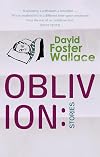
I don't particularly rate Wallace's first two short story collections, Girl With Curious Hair and Brief Interviews With Hideous Men. As the author himself commented on BIWHM: "There isn't really an agenda with this book, except for a certain amount of technical, formal stuff that I don’t know if I want to talk about and I don’t think people really want to hear about." That was always my problem with both aforementioned collections of short fiction: they were overtly technical exercises for Wallace to show off his skillset and remind everyone just how smart a writer he was. The problem was there was no payoff for the hardwork involved, something that Wallace knew was required and explains why his novels feature as many hilarious sections as they do intricate technical passages. The point being, Wallace's short fiction often doesn't have the space to be both technical and engaging.
Oblivion is certainly the best stab at this combination in the short form that Wallace made, with "The Suffering Channel" being exactly what I wish more of his short stories were like: readable, true to his style, but dealing with heavyweight themes in a manner that interested, rather than alienated the reader. Even better is "Good Old Neon", which is without doubt the best short he wrote (much better than "The Depressed Person" to which it is, understandably, frequently linked). It makes for grim reading in retrospect of Wallace's death, but even had I read it before that event it still would show more have registered as a brilliant piece of writing. Its insight and conveyance of a particular mind is almost unmatched. "Mister Squishy" is interesting in its portrayal of boring business matters in America, somehow remaining interesting in spite of tedious subject matter; a talent more fully developed in The Pale King.
The other stories in this collection whilst not such standout efforts certainly didn't bore me in the way that certain stories from both GWCH and BIWHM did. With a few exceptions Wallace does away with the footnotes and endnotes that characterised his earlier work and were in danger of becoming a cliche. Oblivion is definitely a more mature work than his other short story collections and the best of the bunch. Overall, it still doesn't scale the heights that Wallace's novels reached - given his maximalist style Wallace needed the breathing space that novels permit - but there are gems here that are an essential part of Wallace's output and not to be missed. show less
Oblivion is certainly the best stab at this combination in the short form that Wallace made, with "The Suffering Channel" being exactly what I wish more of his short stories were like: readable, true to his style, but dealing with heavyweight themes in a manner that interested, rather than alienated the reader. Even better is "Good Old Neon", which is without doubt the best short he wrote (much better than "The Depressed Person" to which it is, understandably, frequently linked). It makes for grim reading in retrospect of Wallace's death, but even had I read it before that event it still would show more have registered as a brilliant piece of writing. Its insight and conveyance of a particular mind is almost unmatched. "Mister Squishy" is interesting in its portrayal of boring business matters in America, somehow remaining interesting in spite of tedious subject matter; a talent more fully developed in The Pale King.
The other stories in this collection whilst not such standout efforts certainly didn't bore me in the way that certain stories from both GWCH and BIWHM did. With a few exceptions Wallace does away with the footnotes and endnotes that characterised his earlier work and were in danger of becoming a cliche. Oblivion is definitely a more mature work than his other short story collections and the best of the bunch. Overall, it still doesn't scale the heights that Wallace's novels reached - given his maximalist style Wallace needed the breathing space that novels permit - but there are gems here that are an essential part of Wallace's output and not to be missed. show less
V by Thomas Pynchon
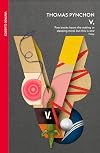
Somewhere along the way this novel went awry. For the first half or more I found V an exhilerating dash through various histories and subject matters, with the language to match. Then it started juddering to a halt once the narrative heads to German SW Africa. That section and the Siege of Malta, perhaps because of both's fever dream aspects, made a challenging but entertaining novel head further into the abstract, and my interest waned as a result. The antics of The Whole Sick Crew also seemed to spiral in to pointlessness as well, which may be the point, but it doesn't make it any more interesting to read.
Perhaps it's nothing too complicated and V simply falls down like many other novels by failing to deliver a satisfying enough climax after all that has come before? Or is the novel little more than a cobbled together collection of interesting short story ideas that Pynchon had, which explains its uneven quality? Either way, tt remains a good novel and a very impressive debut, but after enjoying the first half of the story so much, I can't help but feel let down having turned the last page with the book's early verve long since disappated.
Perhaps it's nothing too complicated and V simply falls down like many other novels by failing to deliver a satisfying enough climax after all that has come before? Or is the novel little more than a cobbled together collection of interesting short story ideas that Pynchon had, which explains its uneven quality? Either way, tt remains a good novel and a very impressive debut, but after enjoying the first half of the story so much, I can't help but feel let down having turned the last page with the book's early verve long since disappated.
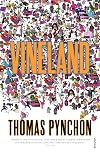
I'm not really big on post-modern writers, so I'm not likely to be Pynchon's target audience or a natural loyal fan. I dipped my toe in (as many do) with the short, but still baffling, The Crying of Lot 49. Despite a playfulness to that text I didn't get much out of it or feel compelled to keep going with Pynchon. However, recently I've been dabbling in later authors fond of Pynchon, so thought the time was right to give him another go and to check out another of the "safer" options from his bibliography.
The result? A mixed bag. There's some wonderful characterization in Vineland that is especially touching, moments both big and small, that makes a real impression. Then there are gaping holes in the story - like why Frenesi acts in quite the way she does. Pynchon makes no bones about the fact she's a cold character, but it feels a little weak to be told Frenesi sold everyone out because she doesn't really care that much and she has a thing for authority figures.
Probably the best thing in Vineland is the sense of loss that exudes from the novel. There's a palpable feeling that events took a wrong turn in American history starting in the Nixon era, and there's no way back at all. The events that unfold in Frenesi's past are really quite bleak to read as the optimism and good intentions of the 60s are blasted away by a ruthless government machine and undermined from within - a purge that continued in to the 80s and the Reagan years. Reading all this from another era, 2013, show more debilitated by the excesses of neo-liberalism made for quite depressing reading (at least for someone like me, left of centre).
Of course, there are the wacky elements to this story that mustn't be forgotten. The ninjas, the Godzilla monster, the Star Trek references, the man who has sex with his car... These are all quite funny, and there is a lot of humour in the book, but it's all very post-modern and not all of it hangs together well. The ending with Brock is particularly "WTF-inducing" and feels a bit like a cop-out.
Still, if there are ropy sections to this novel, I'm willing to forgive them for the general heartfelt feeling the novel is written with and it's many other amusing sections. Vineland hasn't exactly made me a convert, but it has at least convinced me it might not be such a bad thing to go read Inherent Vice, though Gravity's Rainbow might have to wait a little longer still. show less
The result? A mixed bag. There's some wonderful characterization in Vineland that is especially touching, moments both big and small, that makes a real impression. Then there are gaping holes in the story - like why Frenesi acts in quite the way she does. Pynchon makes no bones about the fact she's a cold character, but it feels a little weak to be told Frenesi sold everyone out because she doesn't really care that much and she has a thing for authority figures.
Probably the best thing in Vineland is the sense of loss that exudes from the novel. There's a palpable feeling that events took a wrong turn in American history starting in the Nixon era, and there's no way back at all. The events that unfold in Frenesi's past are really quite bleak to read as the optimism and good intentions of the 60s are blasted away by a ruthless government machine and undermined from within - a purge that continued in to the 80s and the Reagan years. Reading all this from another era, 2013, show more debilitated by the excesses of neo-liberalism made for quite depressing reading (at least for someone like me, left of centre).
Of course, there are the wacky elements to this story that mustn't be forgotten. The ninjas, the Godzilla monster, the Star Trek references, the man who has sex with his car... These are all quite funny, and there is a lot of humour in the book, but it's all very post-modern and not all of it hangs together well. The ending with Brock is particularly "WTF-inducing" and feels a bit like a cop-out.
Still, if there are ropy sections to this novel, I'm willing to forgive them for the general heartfelt feeling the novel is written with and it's many other amusing sections. Vineland hasn't exactly made me a convert, but it has at least convinced me it might not be such a bad thing to go read Inherent Vice, though Gravity's Rainbow might have to wait a little longer still. show less
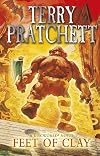
A Watch novel that, unusually, disappoints. I never saw why I should really care about the case involving the golems; my interest seemed to be taken for granted. The novel ends quite decently, but I wish those points had been better developed throughout the story.
Definitely one of the weaker Discworld novels IMO.
Definitely one of the weaker Discworld novels IMO.
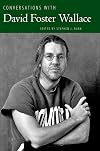
A decent book that allows us to hear the thoughts and intentions of David Foster Wallace without the spin of a third party. Although there's a good chronological spread across these interviews the bulk of the material deals with Wallace's writing circa the Girl With Curious Hair and Infinite Jest era. Not every interview is illuminating - the earliest ones are especially brief - but there's a lot of good information in here, including Wallace's famous interview with Larry McCaffery where he declared "Fiction's about what it is to be a fucking human being."
A lot of the information and sentiments covered here is brought up by Wallace in Although of Course You End Up Becoming Yourself except there's less fluff to wade through and nothing to do with David Lipsky (thank god). If you've read that other book you might not find this one quite so illuminating but I still recommend it, and if you're deciding between the two then I'd definitely say go with Conversations. It's only for the dedicated, but Wallace aficionados will certainly enjoy it.
A lot of the information and sentiments covered here is brought up by Wallace in Although of Course You End Up Becoming Yourself except there's less fluff to wade through and nothing to do with David Lipsky (thank god). If you've read that other book you might not find this one quite so illuminating but I still recommend it, and if you're deciding between the two then I'd definitely say go with Conversations. It's only for the dedicated, but Wallace aficionados will certainly enjoy it.
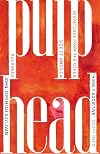
When a book is called, "The best, and most important, collection of magazine writing since David Foster Wallace's A Supposedly Fun Thing I'll Never Do Again," you're bound to have high expectations and that line leaves John Jeremiah Sullivan with a lot to live up to. With his self-aware, self-deprecating style one can see why a reviewer might make comparisons to Wallace but, quite understandably, Sullivan doesn't reach the aforementioned lofty heights of A Supposedly Fun Thing.
There are certainly some good pieces in here - generally the ones related to music (Michael, The Final Comeback of Axl Rose, and The Last Wailer). Sullivan demonstrates a deep interest and passion for his subjects in these articles and the pieces are very engaging as a result. Unfortunately, in other places his writing is lacking. Some articles are just aimless. Upon This Rock starts off very funny but it's a tale of a Christian rock festival that goes nowhere. Likewise, the book's final article, Hey, Mickey! is partly about family trips to Disneyland, partly about Disneyland's shady founding and the dark deals that lead to its establishment, and partly about trying to smoke marijuana in said theme park undetected. Individually these fragments are interesting but they never coalesce into a meaningful or entertaining whole. Violence of the Lambs certainly had a point, but despite the author's protestations that this wasn't just some tin-foil hat crazy theory there seemed too many unanswered questions show more in the article for me to take it that seriously. Certain other articles covered subject matter that I simply wasn't interested in and about which the author's writing (for all its Southern charm) couldn't seduce me.
Thus this is merely a middling collection as far as I'm concerned. Sullivan has a nice writing voice but the pieces here are far too uneven. Some are good, some are boring, and most are somewhere in between. Wallace's own non-fiction wasn't a constant string of hits either but Sullivan has some way to go before he even gets near the classic pieces that Wallace wrote. show less
There are certainly some good pieces in here - generally the ones related to music (Michael, The Final Comeback of Axl Rose, and The Last Wailer). Sullivan demonstrates a deep interest and passion for his subjects in these articles and the pieces are very engaging as a result. Unfortunately, in other places his writing is lacking. Some articles are just aimless. Upon This Rock starts off very funny but it's a tale of a Christian rock festival that goes nowhere. Likewise, the book's final article, Hey, Mickey! is partly about family trips to Disneyland, partly about Disneyland's shady founding and the dark deals that lead to its establishment, and partly about trying to smoke marijuana in said theme park undetected. Individually these fragments are interesting but they never coalesce into a meaningful or entertaining whole. Violence of the Lambs certainly had a point, but despite the author's protestations that this wasn't just some tin-foil hat crazy theory there seemed too many unanswered questions show more in the article for me to take it that seriously. Certain other articles covered subject matter that I simply wasn't interested in and about which the author's writing (for all its Southern charm) couldn't seduce me.
Thus this is merely a middling collection as far as I'm concerned. Sullivan has a nice writing voice but the pieces here are far too uneven. Some are good, some are boring, and most are somewhere in between. Wallace's own non-fiction wasn't a constant string of hits either but Sullivan has some way to go before he even gets near the classic pieces that Wallace wrote. show less
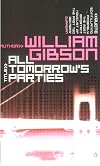
Standard sort of Gibson fare - multiple storylines converging, future predictions, and obscure outcomes. The start of the novel is a bit slow and rather little seems to be at stake, but eventually it all gets going and comes together nicely. The great nodal tipping point wasn't all that interesting (I thought) and this isn't Gibon's best and most inspirational novel, but it's still decent all round.
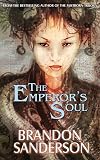
This is my first taste of Sanderson, an author who has gained quite a reputation over the last few years. This slim novella seemed an excellent point to see what all the fuss was about.
Unfortunately I've been left rather disappointed. The writing is extremely mediocre, the characters flat, Shai is full of herself (rightly or wrongly, it's an unattractive trait), the magic system is vaguely interesting but felt like it would fall apart if I thought about it too much, and the world was boring too.
I know this book isn't a thousand page Malazan epic but I couldn't help but feel Sanderson did a pretty poor job with the amount he did decide to write. I can only hope his full-length novels are much better written, although after this mediocre piece I don't think I'll be rushing out to read them.
Unfortunately I've been left rather disappointed. The writing is extremely mediocre, the characters flat, Shai is full of herself (rightly or wrongly, it's an unattractive trait), the magic system is vaguely interesting but felt like it would fall apart if I thought about it too much, and the world was boring too.
I know this book isn't a thousand page Malazan epic but I couldn't help but feel Sanderson did a pretty poor job with the amount he did decide to write. I can only hope his full-length novels are much better written, although after this mediocre piece I don't think I'll be rushing out to read them.
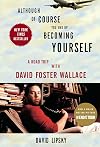
A book that's good in parts. Although Of Course You End Up Becoming Yourself is best when Wallace talks about his then just published novel, Infinite Jest. Anyone wanting some authorial insight to what the author hoped to achieve with that novel can find plenty of information here. Wallace discusses the why's of Infinite Jest's non-linear narrative, the endnotes, the cuts, the motivations behind the novel and more. There're also very interesting sections where Wallace talks about the nature of literary fiction, what he likes and dislikes, and where he expected it to go in the future.
Those are the goods bits, which are unfortunately balanced out by long sections that much weaker. The personal history that Wallace talks about is interesting but it's presented in a much more coherent manner in Max's biography, Every Love Story Is A Ghost Story. I realise this was published two years before Max's book but the fact remains that, as of 2012, if someone wants a good account of Wallace's life they're better served reading the aforementioned biography rather than this.
That brings us on to the point of why this book is probably only for Wallace aficionados - Lipsky is just on bad form throughout. To call him "the author" when all he has done (or someone else has done) is transcribe these tapes seems to me to be quite generous. If Lipsky had taken time to write around all the conversation and be more descriptive of the mood, the locations, Wallace's attitude and behaviour, instead show more of just inserting random asides that seem designed to make himself appear perceptive, then this could have been a very good piece of non-fiction. As it is there are numerous odd cuts and jumps in conversation that Lipsky does nothing to bridge and there are those annoying bracketed inserts that add little to Wallace's words. All Lipsky does seem to add is a feeble attempt to appear on Wallace's level by being full of quotes from films or books, something Wallace remarks about with faint praise.
This did make me wonder whether Lipsky was in awe of Wallace, this author who was being so heralded. Lipsky certainly seems in awe of Wallace now. Another grating aspect of the book is "the author"'s hagiographic attitude towards Wallace. There are constant remarks in the introduction, preface and afterword (why Lipsky felt the need to write these three separate sections I don't know - more indulgence on his part?) is how nice Wallace was, how smart he was, and wasn't he just the best damn author and most sensitive and in-tune person who ever lived. Wallace was not a bad person but I was hopeful that something published two years after his death would be a little less reverential and slightly more probing about the lies Wallace told or the evasive answers he gave. After all, I'm pretty sure that by 2010, following Wallace's suicide, it was more commonly known that he had had electroshock therapy and been in AA - things Wallace strenuously denies and which Lipsky fails to comment on amidst all his useless asides despite having the benefit of hindsight.
Would it be too cynical of me to say that this was nothing but a cash-in on Wallace's memory by Lipsky or his agent or publisher? There's good material in this book, though you have to sift through some dross to find it, and with a little more effort on Lipsky's part this could have been something very worthwhile. As it is it's pretty average. As I said earlier, apart from the bits specifically about Infinite Jest you can find all the useful information in this book in D.T. Max's much more readable biography. Max's book isn't perfect either but it's a much better place to start if you want to know about Wallace the person. show less
Those are the goods bits, which are unfortunately balanced out by long sections that much weaker. The personal history that Wallace talks about is interesting but it's presented in a much more coherent manner in Max's biography, Every Love Story Is A Ghost Story. I realise this was published two years before Max's book but the fact remains that, as of 2012, if someone wants a good account of Wallace's life they're better served reading the aforementioned biography rather than this.
That brings us on to the point of why this book is probably only for Wallace aficionados - Lipsky is just on bad form throughout. To call him "the author" when all he has done (or someone else has done) is transcribe these tapes seems to me to be quite generous. If Lipsky had taken time to write around all the conversation and be more descriptive of the mood, the locations, Wallace's attitude and behaviour, instead show more of just inserting random asides that seem designed to make himself appear perceptive, then this could have been a very good piece of non-fiction. As it is there are numerous odd cuts and jumps in conversation that Lipsky does nothing to bridge and there are those annoying bracketed inserts that add little to Wallace's words. All Lipsky does seem to add is a feeble attempt to appear on Wallace's level by being full of quotes from films or books, something Wallace remarks about with faint praise.
This did make me wonder whether Lipsky was in awe of Wallace, this author who was being so heralded. Lipsky certainly seems in awe of Wallace now. Another grating aspect of the book is "the author"'s hagiographic attitude towards Wallace. There are constant remarks in the introduction, preface and afterword (why Lipsky felt the need to write these three separate sections I don't know - more indulgence on his part?) is how nice Wallace was, how smart he was, and wasn't he just the best damn author and most sensitive and in-tune person who ever lived. Wallace was not a bad person but I was hopeful that something published two years after his death would be a little less reverential and slightly more probing about the lies Wallace told or the evasive answers he gave. After all, I'm pretty sure that by 2010, following Wallace's suicide, it was more commonly known that he had had electroshock therapy and been in AA - things Wallace strenuously denies and which Lipsky fails to comment on amidst all his useless asides despite having the benefit of hindsight.
Would it be too cynical of me to say that this was nothing but a cash-in on Wallace's memory by Lipsky or his agent or publisher? There's good material in this book, though you have to sift through some dross to find it, and with a little more effort on Lipsky's part this could have been something very worthwhile. As it is it's pretty average. As I said earlier, apart from the bits specifically about Infinite Jest you can find all the useful information in this book in D.T. Max's much more readable biography. Max's book isn't perfect either but it's a much better place to start if you want to know about Wallace the person. show less
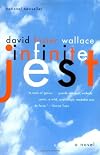
What to add to the conversation surrounding this book? In brief: it's a very good book and very much worth reading; just don't expect a flawless masterpiece or a rip-roaring tale of terrorists and a killer video cartridge.
What Infinite Jest is about more than anything else is communication (see the original intended use of the cartridge by James O. Incandenza). The fact that there is such a dialogue about the book is perhaps the most obvious answer to the question, "does the book succeed?" Even if the criticism is bad, as JOI says: "Any conversation or interchange is better than none at all.”
What Infinite Jest is about more than anything else is communication (see the original intended use of the cartridge by James O. Incandenza). The fact that there is such a dialogue about the book is perhaps the most obvious answer to the question, "does the book succeed?" Even if the criticism is bad, as JOI says: "Any conversation or interchange is better than none at all.”
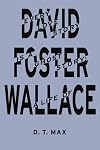
Not having read many biographies I can't say whether this is a particularly good one. Sure, there were parts of Wallace's life that seemed to receive only brief attention (most notably for me the two periods that bookmark his sadly short life) and other elements that were missing (significant comment from Wallace's family for instance) but I don't know whether any biography can be exhaustive without being titanic in size.
Max's book certainly is a pleasant read, even if its style is conventional (a thematic approach might have brought more impressive results). Every Love Story is a Ghost Story won't throw up too many surprises for those who have done their background reading prior to this book but there's still plenty of day to day information that is nice detail to know. Even if the author doesn't illuminate much new critical information he is good when he comments on Wallace's work. Max ties Wallace's work together nicely and offers sharp insights into some of the meaning behind the stories. Crucially, Max avoids writing a hagiography of Wallace and perhaps that is his greatest achievement in a world that has almost uniformly canonised the author since his suicide. Not that Max is especially vocal in judging Wallace (I think Bustillos was much more forthright in her lengthy online article), he simply reports the facts that he knows and lets the reader judge. Anyone expecting a work that spectacularly praises or damns Wallace will be disappointed.
This is a good book show more though and a worthy first attempt at writing the life of David Foster Wallace. It didn't wow me or make me re-think my impressions of Wallace and didn't answer my central question about Wallace either (mainly, why a man who professed so dearly to wanting a new sincerity could be so phoney sometimes) but it was an enjoyable read and hopefully it will lead to further examination of this brilliant author's troubled life. show less
Max's book certainly is a pleasant read, even if its style is conventional (a thematic approach might have brought more impressive results). Every Love Story is a Ghost Story won't throw up too many surprises for those who have done their background reading prior to this book but there's still plenty of day to day information that is nice detail to know. Even if the author doesn't illuminate much new critical information he is good when he comments on Wallace's work. Max ties Wallace's work together nicely and offers sharp insights into some of the meaning behind the stories. Crucially, Max avoids writing a hagiography of Wallace and perhaps that is his greatest achievement in a world that has almost uniformly canonised the author since his suicide. Not that Max is especially vocal in judging Wallace (I think Bustillos was much more forthright in her lengthy online article), he simply reports the facts that he knows and lets the reader judge. Anyone expecting a work that spectacularly praises or damns Wallace will be disappointed.
This is a good book show more though and a worthy first attempt at writing the life of David Foster Wallace. It didn't wow me or make me re-think my impressions of Wallace and didn't answer my central question about Wallace either (mainly, why a man who professed so dearly to wanting a new sincerity could be so phoney sometimes) but it was an enjoyable read and hopefully it will lead to further examination of this brilliant author's troubled life. show less
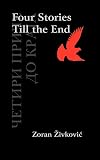
Much like with Zivkovic's The Bridge this book left me wondering what the point was. Something to do with death or purgatory maybe? The meaning aside, this book was written in an incredibly boring manner. The repetitions, not uncommon for the author, were extremely tedious this time round. You knew every time the narrator would be disturbed. You knew how many times. You knew an item would be left behind. You knew the visitors would waffle on about things the narrator didn't want, agree with or care about. You knew he would only make terse or minor polite statements in response to his visitors. And this happened every single time!
The entire book was just so repetitious and uninteresting to read and this is the first time I can say that about a Zivkovic book. Pretty disappointed with this. Maybe one to skip from his bibliography.
The entire book was just so repetitious and uninteresting to read and this is the first time I can say that about a Zivkovic book. Pretty disappointed with this. Maybe one to skip from his bibliography.
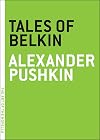
Wow, so many Early Reviewers putting forth their extremely positive viewpoints here! 4.38 average rating! Have these freebies clouded their judgement? Forgive me the accusation. I mention it only because these tales, whilst charming, are so very slight. Each story is very nicely written and comes with its own slight twist at the end, but there's nothing heavyweight here. Fine tales, each and every one. But insightful or particularly moving? No, they weren't. This isn't Dubliners or Turgenev's Sketches. A respectable, but average, three stars is all I can say Tales of Belkin is worth.

After Look To Windward Banks took an eight year break from writing Culture novels. Given the low quality of this book it's tempting to say he simply ran out of interesting ideas for his space opera setting. This presumption is buttressed by the fact that Inversions, released two years prior to LTW, was a Culture novel without the Culture. Perhaps even then Banks was running out of ways to make the near omnipotent and omniscient Culture interesting?
Regardless of whether or not this was the case LTW felt completely flat. The characters were lifeless and even the Minds, who usually get all the best lines, were fairly bland. The story never gripped either. Given the god-like abilities of the Minds I never believed the plot would be 100% successful despite explanations by the Chelgrians as to why the plan should, in theory, work. Plus, the chapters devoted to the mega-fauna were superfluous and full of the purple prose that littered this novel and bogged it down repeatedly. There are some nice bits within the story - the Chelgrian's afterlife and talk of Sublimed races, for instance - but it doesn't add up to much.
There was simply a real lack of the zip and creativity that made novels like Player of Games and, to a slightly lesser extent, Use of Weapons such enjoyable books to read. I thought Excession was a let down too, so I hope Banks's return to the Culture in 2008, with Matter, refreshes the series and proves to be more successful (when I get around to reading it).
Regardless of whether or not this was the case LTW felt completely flat. The characters were lifeless and even the Minds, who usually get all the best lines, were fairly bland. The story never gripped either. Given the god-like abilities of the Minds I never believed the plot would be 100% successful despite explanations by the Chelgrians as to why the plan should, in theory, work. Plus, the chapters devoted to the mega-fauna were superfluous and full of the purple prose that littered this novel and bogged it down repeatedly. There are some nice bits within the story - the Chelgrian's afterlife and talk of Sublimed races, for instance - but it doesn't add up to much.
There was simply a real lack of the zip and creativity that made novels like Player of Games and, to a slightly lesser extent, Use of Weapons such enjoyable books to read. I thought Excession was a let down too, so I hope Banks's return to the Culture in 2008, with Matter, refreshes the series and proves to be more successful (when I get around to reading it).
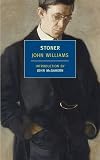
Stoner is a wonderfully written book, full of tenderness. Yet I can't help but agree with some of the dissenting reviews that, like me, believe Stoner is too closeted from the world. I know much is made in the story of the university being a sort of refuge but the way World Wars and the Depression pass Stoner by, making only the barest impression on him, stretched things too far for me. I was also a little uncomfortable with the almost entirely bleak life Stoner leads. It's a marvel that Stoner persists and keeps on going, and that is one of the attractions of the story, but at the same time it felt like a kind of literary misery memoir.
William's style of prose is lovely to read and there's a tremendous amount of heart in Stoner but, for all that, I don't feel I can unreservedly praise the novel. If the world affected Stoner more and I didn't feel as if I were being so obviously emotionally manipulated I really would think it worth five stars.
William's style of prose is lovely to read and there's a tremendous amount of heart in Stoner but, for all that, I don't feel I can unreservedly praise the novel. If the world affected Stoner more and I didn't feel as if I were being so obviously emotionally manipulated I really would think it worth five stars.