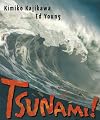
I believe this book would be appropriate for a lower elementary science classroom learning about natural disasters such as earthquake and tsunamis. This story could be used as an interactive read aloud to get students thinking about the historical, cultural, and scientific aspects portrayed in the story. This story could also be used to talk to students about elements of a short story such as conflict, climax, and resolution. After reading the story, the students could compare and contrast their hometown to Ojiisan's village, focusing on geography, population, housing, and weather. The students could also write about a special person in their life like a grandparent and compare that person to Ojiisan.
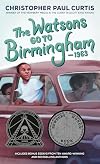
I believe that this book would be appropriate for an upper elementary classroom when learning about civil rights and the treatment of African Americans in American history. This book focuses on coming of age, family, society and class, and race which will help students understand the tone of the United States in the 1960s. This book is also told from a different perspective as the book focuses on segregation and the Civil Rights movement from the point of view of a young African American boy from the northern part of the United States. After reading this book, students can use a Venn Diagram to compare and contrast what life was like for African Americans in Flint, Michigan versus Birmingham, Alabama.
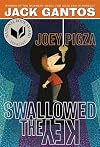
I believe this book would be appropriate for an upper elementary or middle school classroom, as well as for teachers. I believe that anybody can learn something new about physical or mental impairments through this book whether it be about collaborating with students, teaching students, or promoting inclusion and diversity. This book can be used in any type of classroom setting as students should be opened to how everyone is different, but everyone should be included and treated equally. As some students might find this book funny because of Joeys actions, I believe that an activity that could be done after reading would be to have the students experience what learning with ADD is like. The teacher could set the classroom and lesson up in such a way that the students will understand the difficulties of paying attention and learning with ADD. Afterwards, the students could write about their experiences in their journals.
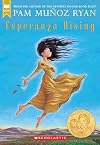
I believe that this book would be appropriate for an upper elementary or middle school classroom as it follows a young girl on her immigration journey. This story focuses on the cultural similarities and differences between the United States and Mexico, and students will get an in depth look as to what life is like in different cultures. As this book also focuses on Mexican proverbs students will be able to demonstrate an understanding of the proverbs used throughout the book. Students will be able to state whether they agree or disagree with the statement, and explain why the feel this way. After reading the book, students could write their own book of proverbs that include ones that have been passed down in the family, or ones that are found online that they find true in their lives.
I believe this book would be appropriate for an upper elementary classroom in conjunction with the science curriculum and a unit on oceans and different biomes. This book is an informational text that teaches the audience about the oceans in a fun, creative, and relatable manner. After reading this book, the students could work in groups to create an ocean encyclopedia focusing on the different topics addressed in the story. For example, one group could write about the coral reefs, focusing on their habitat/inhabitants, importance, characteristics, etc.
I believe this book would be appropriate for a lower elementary classroom as an introduction to a unit on the human body. This book would be a great resource in conjunction with a science unit pertaining to the skeletal, muscular, and digestive system. After reading this book, students could pair up in order to trace their partner and correctly label the digestive system that was focused on in the story. The students could draw their own internal organs with labels and captions as to what function that organ performs.
I believe this book would be appropriate for a lower elementary classroom. This book focuses on the many aspects of the water cycle, touching on evaporation, condensation, precipitation, and accumulation.This book would be a great informational text for a kindergarten classroom as they begin to learn about the weather and climate. After reading this book, students can create their own diorama of a water cycle using a cup, water, and plastic wrap. The students could then record their findings in their journal or create a poster demonstrating the process and outcomes they observed.
I believe this book would be appropriate for an upper elementary classroom. I think that the story has a lot of information on each page with a few difficult words, which would be more reasonable to use in an upper elementary classroom. This book touches on the many aspects of pre-historic life and paleontology, such as fossils, dinosaurs, and the different time periods. After reading this book, students could "adopt" one of the dinosaurs discussed in class, and create a biography or Facebook page, showcasing the unique and important characteristics of each dinosaur. The students could present their finished products to the class, and then hang them up around the classroom to use as a reference throughout the unit.
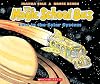
I believe this book would be appropriate for a lower elementary classroom. This book focuses on the many aspects of the solar system, touching on the planets, moon, sun, and gravity. This book would be a great resource in conjunction with first grade as they begin to learn about the solar system. After reading this book, students could create a flip book, highlighting on the unique characteristics of each planet. Students will be able to use this flip book as a future reference as the class goes more in depth about the solar system.
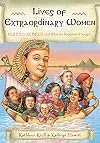
I believe this book would be appropriate for upper elementary or middle school classrooms. This book focuses on the historical accounts of many influential women ranging from Cleopatra to Elizabeth I to Eleanor Roosevelt. This book would work greatly in conjunction with women's history month as students will learn about numerous queens, warriors, first ladies, and much more. After reading this book, students can create their own biographies about a women they find important or influential in their lives, focusing on the elements of a biography. For example, a student can choose to write about their grandmother, and include things such as personal information, interests, hobbies, life changing moments, etc, by researching or interviewing their chosen person.
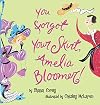
I believe this book could be used in an upper elementary social studies classroom learning about the women's rights movement in the mid-nineteenth century. This book could be used as a read aloud to focus on certain aspects pertaining to women, what they could and couldn't do, and their fight for equality. After reading this book, students could write their own newspaper article like Amelia Bloomer's, focusing on things they wish were equal for everyone (LGBT rights, social equality for different races, equal pay for equal work, etc). The newspaper article could include information on the situation, who is affected, and the process needed to work towards equality.
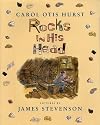
I believe this book would be appropriate for a lower elementary science classroom learning about geology and rocks and minerals. This story could be used as an interactive read aloud, focusing on the historical and scientific aspects of the events and actions that took place. For example, this story could be used in conjunction with lessons pertaining to the Great Depression, earth science, geology, or the history of certain rocks and minerals. After reading this book, students could further their exploration of rocks and minerals by taking a field trip to the Falls of the Ohio or other parks to closely examine different rocks and minerals. The students could record their findings in a journal, which would include things such as location, type of rock, physical features (color, size, texture, etc).
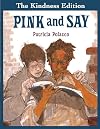
I believe this book would be appropriate for an upper elementary social studies classroom learning about American history and the American Civil War. I believe this book would work best as a read aloud as it will give students a chance to comprehend what is happening and discuss things they might have difficulty understanding. As an extension to this book, students could reenact the civil war in their social studies class. By reenacting, students are given the opportunity to further explore the cases, effects, and motives of the war and participants. Another extension would be to have the students write a letter from the perspective of Say in the Andersonville prison camp to a family member. The letter could include topics regarding Say's journey, experiences, friendships, hardships, etc.
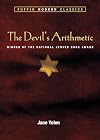
I believe this book would be suitable for an upper elementary social studies classroom learning about World War II and the Holocaust. The main character is a modern day teenaged girl who time travels and is put in the shoes of a Holocaust victim, which makes it easier for the students to connect with. After reading this book, I would have the students write their own diary entries similar to the ones in the book. The students could write about a time they witnessed injustice, felt trapped and disregarded, what they hope for for the future, etc.
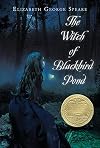
I believe this book would be beneficial in an upper elementary English or social studies classroom when learning about American history and the Salem Witch Trials. I believe this book could be used as a group read, having students read sections aloud or act out different scenes. After reading this book, I would have students work collectively as one group and hold their own mock trial. The students will each adopt a character from the book (some will be Puritans, some will be accused witches, some will be witnesses, and some will be jury and court members) and hold their own witch trial.
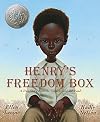
I believe this book would be beneficial in any elementary social studies classroom throughout the year, but especially during Black History Month. This book could be used as a read-aloud in lower elementary classrooms or as a group read or independent read in an upper elementary classroom when learning about slavery, the Emancipation Proclamation, or the Underground Railroad. As an extension to this story, students can research key figures during this time period that had an important role or impact on slavery and the Underground Railroad. Students could write a short biography on their chosen person focusing on their impact, how they challenged slavery, and what outcomes came about as a result of their actions.
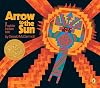
I believe this book could be used in an upper elementary social studies or language arts classroom. After reading this book, students can further their understanding of the Pueblo Indians by studying the pueblo houses, regions, and adaptations. An extension I would use with this book would be to have students use modeling clay to construct their own pueblo houses, focusing on the materials, climate, and adaptations.This story could also be used to compare and contrast the similarities and differences between Native American folktales. Students can create their own Venn Diagrams and fill in the appropriate information.
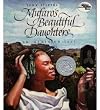
I believe this book could be used in an upper elementary classroom. As this book focuses on kindness versus greed, I believe this book also encompasses the global and cultural diversity of Zimbabwe. One extension I would use after reading this book would be to have students make travel brochures that highlight on Zimbabwe's important aspects such as geography, wildlife, languages, climate, population, etc. This story could also be used to teach students about morals and underlying messages. The underlying message in this story its that by being humble and helping others, good things will come. After reading this story, students could write their own stories that have an underlying message and try to teach the reader about something.

This book could be used in a lower elementary science class to discuss the different properties of materials. As this story focuses on straw, wood, and brick, students will be able to understand what the differences between the materials are and why. After reading, students can be split up into three groups (one will build a house of plastic grass, one will build a house out of popsicle sticks, and one will build a house out of building blocks). After the students have made their houses, they will be put to the test by using a hair dryer to resemble the wolf. This activity introduces Science, Technology, Engineering, and Mathematics at an early age, and help students understand the differences and properties of certain materials.
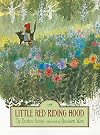
This book could be used as a read aloud in any elementary english classroom to teach the elements of a short story. This story focuses on plot, theme, setting, point of view, and character. While reading the story, students can fill out a graphic organizer to demonstrate their understanding of the different elements in the short story. After reading, students can use their knowledge to create their own short story similar to Little Red Riding Hood. The students can focus on how their story has a beginning, middle, and end, as well as include a plot, theme, setting, characters, and point of view.
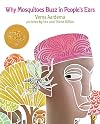
I believe this book would work best in a lower elementary classroom such as kindergarten, first, or second grade. I believe that students would enjoy this book as it uses descriptive language, onomatopoeia, and repetition. This story is referred to as a porquoi story- a tale that explains why something in nature usually happens. For example, this story is a porquoi tale because it explains why mosquitos buzz in people's ears. After reading, I would have students write their own porquoi tales about their favorite animal or aspect in nature. The students should focus on cause and effect relationships, repetition, and why a certain aspect or animal acts and behaves the way it does.
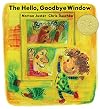
I would recommend this book for a lower elementary classroom to briefly introduce the topic of literary devices. This book embodies point of view as the story and pictures are told from the girl's perspective and discusses her experiences with the window. While reading this book, I would have students draw conclusions about the characters, setting, and plot. I would also have students make connections to their lives, and discuss if there is any inanimate object that holds a special meaning to them and their family.
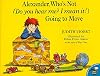
Although this book is relatable to any age as numerous people have experienced moving, I would recommend this story to a lower elementary classroom such as first or second grade. I would use this book an interactive read aloud, and I would have students make connections to their lives throughout the story (Have you ever moved away? Have you ever had to leave your friends and neighbors behind?) After reading the book, I would have students answer the questions in their journal, or write about a time where they had to do something they did not want to do.
I would recommend this book for a fourth or fifth grade English classroom when read as a group or independently. This book could be used to teach about different literary elements such as point of view, characters, setting, plot, etc. While reading this book, I would have students focus on key vocabulary words that will help further their understanding of the text. I would also have students make predictions and make connections to their lives and to the literary devices used throughout the book. After reading the book, I would have students make a class scrapbook using the information they gathered about the different literary devices. Each student will choose one character and describe their personality, traits, likes and dislikes, setting, and behavior. Once the students have collected their data, I would have them arrange their information on a pre-constructed scrapbook page, and once all are finished, the class will have a reference of every character in a scrapbook.
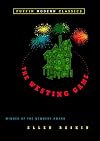
I believe this book would best be used for independent reading or group reading in an upper elementary and middle school English classroom. While reading this book, students will be able to use comprehension strategies to analyze characters, background information, and clues, recognize and interpret connections, as well as identify different literature techniques used throughout the book. While reading the book, I would have students draw a random character and take notes as new information comes into play. Before revealing the murderer, I would have the students create "wanted" posters with the information they collected, and then present them to the class acting as an attorney for their character. The "jury" would then vote on who they thought was the murderer, and after everything was completed, we would read together to reveal the final answer. This book and activity will help students make connections and draw conclusions from their readings.
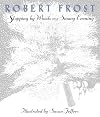
I believe this book could be used in an upper elementary english classroom. After reading this story aloud, I would have the students analyze the parts of the poem and identify the deeper meanings that some lines and objects might have. This story could bring a discussion to the classroom as some students might believe that the poem represents the characters' love of nature, while some students believe that the poem is actually about death. I would have the students analyze the poem and discuss why they think it means what they believe it means. I would also use this poem to have students think of real life experiences they have had about where they have been and where they are going. Students could connect to the main character while discussing times that they have looked back at their past while being forced to move forward.
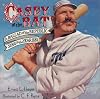
I believe this book would be suitable for an upper elementary english classroom. At the third grade level, I would use this poem to teach about rhyme scheme. After reading this book, I would show and give examples of different rhyme schemes, such as the AA BB pattern that is used. Afterwards, I would have students write their own poems using whichever rhyme scheme they choose. At the fourth or fifth grade level, I would use this poem to have students closely analyze the characters, situations, and other factors that play key parts in the story. For example, the students can read the story aloud, describe the characters, analyze the situation and Casey's motives, then further their thinking by acting out scenarios such as interviewing the players after the game.
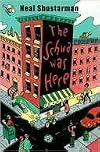
I believe this book would be a great read for upper elementary and middle school classrooms, as well as teachers. Teachers can connect this book to students they may have in their classrooms that are quiet, engaged, and self-sufficient. Since so much of a teacher's time is occupied by high-needs students, these "invisible" students are often overlooked. This book can help teachers understand these students and remind them to provide sufficient attention. I think this book would also be beneficial for upper elementary and middle school students as a group read in an English classroom. This book could be used to teach about differences and feelings. After reading the book, the students could write in their journals about times they have felt invisible or put on a facade in order to connect with the characters in the book.
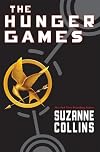
I would only recommend this book to high school students as I believe the concept is too mature for elementary and middle school students. I believe this book would work well when read as a group in an English or History classroom. This book can be connected to many short stories and novels that are read for school or leisure reading. For example, this book can be connected to "The Lottery" by Shirley Jackson, and after reading, the students can compare and contrast the two while discussing what the motives behind each are. This book could also be used in a history lesson to teach about the Nazis during the Holocaust. Students can connect how the characters in the book killed others to spare their own lives or were brainwashed by political propaganda like the Nazis were.
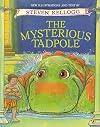
I would recommend this book for a younger elementary classroom such as kindergarten, first, and second grade. This story is fun and unique, and encourages students to use their imagination as they think about what is happening to the tadpole. I would use this as an interactive read aloud and could connect it to a science lesson on frogs or life cycles. If possible, I would have a tadpole in an aquarium as a "class pet" so the students are given the opportunity to see how tadpoles change and grow up to become frogs. After reading this book, students could demonstrate their knowledge about growth and life cycles by either drawing, writing, or acting. Students could even draw about their life cycles, changing from an infant to child and so on.