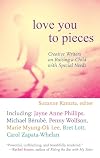
This book is a compilation of fiction, non fiction and poetry from the perspectives of parents with special needs children. It portrays the strong emotions that parents experience while living and loving their children. It is not writing that celebrates differences or uniqueness. It looks at the dark side, the frustration, pain and struggle that can occur. It is not an up lifting book. It does not have to be- raising children has its ups and downs. And this book expresses the side not usually shown. The non-fiction pieces were the strength of the book. They have a stronger inpact as they are true and real.
This book should be read by anyone in any of the fields working with families of special needs children. As an educator I will be sharing many of the stories with my collegues.
This book should be read by anyone in any of the fields working with families of special needs children. As an educator I will be sharing many of the stories with my collegues.
 This review was written for LibraryThing Early Reviewers.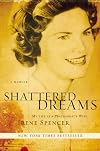
Shattered Dreams is a fascinating look at a way of life totally foreign to most people. Irene Spencer grew up in the branch of the Mormon faith that still believed in polygamy. As the second of what was ultimately her husband's ten wives, she became the mother of thirteen of his 58 children. The statistics are important as they show the unimaginable situation in which Irene Spencer spent much of her life.
This book is a brutally honest memoir of a woman' life. It follows her from place to place, never enough money, rarely in a finished house, living in abject poverty. She loves her husband but is able to spend very little time with him. He is spread too thin trying to meet the needs of both his large family and his church. She yearns for romance and affection, neither of which have a place in the religion she embraces. Her husband rarely sees his children- hard to spend quality time with 58 children. She helps her "sister wives" with their children in an extended system of family and obligations.
Shattered Dreams is a glimpse into the incredible life of one woman. She is able to take the reader through the many journeys, locations and situations in which she found herself. Her ability to look back on the emotions she suffered and share them is a gift she shares thoughtfully and clearly. It is an emotional tale but told without self pity, without holding back on any part of it.
It has basic background on the church, its history and turbulence as it affects her life. A follow show more up to this memoir would be most welcomed to expand on the Mormon Church and the events that are mentioned in this book. Irene Spencer's ability to handle concrete details along with a descriptive voice would make her an ideal author to examine and share more information on this subject. show less
This book is a brutally honest memoir of a woman' life. It follows her from place to place, never enough money, rarely in a finished house, living in abject poverty. She loves her husband but is able to spend very little time with him. He is spread too thin trying to meet the needs of both his large family and his church. She yearns for romance and affection, neither of which have a place in the religion she embraces. Her husband rarely sees his children- hard to spend quality time with 58 children. She helps her "sister wives" with their children in an extended system of family and obligations.
Shattered Dreams is a glimpse into the incredible life of one woman. She is able to take the reader through the many journeys, locations and situations in which she found herself. Her ability to look back on the emotions she suffered and share them is a gift she shares thoughtfully and clearly. It is an emotional tale but told without self pity, without holding back on any part of it.
It has basic background on the church, its history and turbulence as it affects her life. A follow show more up to this memoir would be most welcomed to expand on the Mormon Church and the events that are mentioned in this book. Irene Spencer's ability to handle concrete details along with a descriptive voice would make her an ideal author to examine and share more information on this subject. show less
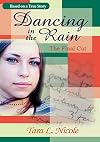
Tara Nicole has written a teen directed novel that is a piercing look at the life journey of growing up. She talks about first love, school days and kisses. But she takes the courageous leap of showing the side of growing up that is not always acknowledged, the side that is painful, hurting and chaotic. It is a story that needs telling, a story that needs reading by all parents, educators and mentors of young women.
Drue is a typical teenager. She has two parents and an older sister. She goes to school, plays in the band hangs out with friends. Her life seems on track until she falls in love with one of her close friends. And when that relationship ends, it is a situation from which she can not recover. She had wrapped all of herself into the relationship and, when it is over, she can not find the girl she left behind. Her parents are fighting, her sister has gone off to college and life begins to feel out of control .As depression sets in, Drue embarks on a frantic search for order, release from the pain and sadness that threatens to overwhelm her. Drinking, staying out all night, making out. Nothing helps. In an effort to cope, to regain control Drue tries cutting. What begins as an experiment turns into an obsession she can not stop. Her life goes from fairy tale to nightmare. It is the story of Drue's dive into desperation and the strength it takes to climb back out.
Nicole has created a unique writing style that combines Drue's diary entries with first person show more narration. Told from the point of view of the boy that always loves her even though she never wants to realize it, it portrays a girl posed on the edge of adulthood but without the skills or support to take the plunge. The lack of support from the teens in the story for each other, from teachers and from parents is chilling. As each character seems to be wrapped in their own cocoon, unable to reach out and acknowledge the anguish of the others. Even Drue turns her back on her friend when he needs her most. That he still stands by her is the testament to friendship and caring that gives this book heart.
It is very definitely a first novel by a young writer. Tara L. Nicole shows great promise with this debut work. Based on her personal experience, the pain and confusion pour out of the novel. It would be wonderful if she could revisit this topic in the future, this is a story that cold be told from many perspectives, in many voices. show less
Drue is a typical teenager. She has two parents and an older sister. She goes to school, plays in the band hangs out with friends. Her life seems on track until she falls in love with one of her close friends. And when that relationship ends, it is a situation from which she can not recover. She had wrapped all of herself into the relationship and, when it is over, she can not find the girl she left behind. Her parents are fighting, her sister has gone off to college and life begins to feel out of control .As depression sets in, Drue embarks on a frantic search for order, release from the pain and sadness that threatens to overwhelm her. Drinking, staying out all night, making out. Nothing helps. In an effort to cope, to regain control Drue tries cutting. What begins as an experiment turns into an obsession she can not stop. Her life goes from fairy tale to nightmare. It is the story of Drue's dive into desperation and the strength it takes to climb back out.
Nicole has created a unique writing style that combines Drue's diary entries with first person show more narration. Told from the point of view of the boy that always loves her even though she never wants to realize it, it portrays a girl posed on the edge of adulthood but without the skills or support to take the plunge. The lack of support from the teens in the story for each other, from teachers and from parents is chilling. As each character seems to be wrapped in their own cocoon, unable to reach out and acknowledge the anguish of the others. Even Drue turns her back on her friend when he needs her most. That he still stands by her is the testament to friendship and caring that gives this book heart.
It is very definitely a first novel by a young writer. Tara L. Nicole shows great promise with this debut work. Based on her personal experience, the pain and confusion pour out of the novel. It would be wonderful if she could revisit this topic in the future, this is a story that cold be told from many perspectives, in many voices. show less
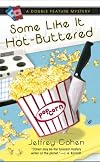
Popping with action this newest contribution to the cozy mystery genre will please current fans and create new ones for Jeffrey Cohen. It is a nice addition to his collection of work that includes the Aaron Tucker mystery series. Some Like It Hot-Buttered is the first in the new Double Feature Mystery series
Elliot Freed is the proud owner of the Comedy Tonight movie theater. He has sunk all his savings into the idea that others may share his addiction to funny movies, both classics and current. So far he is not overwhelmed with customers. Unfortunately it takes a dead body to give a boost to the business. When the lights go on one night after the usual double feature one man is not getting ready to leave as his dead body is found still sitting in the seat. Elliot embarks on an investigation to clear both his name and that of his ticket seller, who vanishes after the police question him. A collection of pirated movies found in the basement of the theater does not look good for him either.
The plot is nicely twisting, with enough action to keep the reader entertained. The conclusion is unexpected but not absurd. Cohen is known for his humor and it is fully evident in this one also. His movie references and information are a great contribution to both the plot and the enjoyment of the readers. Elliot is a sweet main character who will have the reader rooting for his professional and personal lives to succeed. It will be interesting to see how he is developed in future books show more from the series.
This is the book for anyone who wants to relax, chuckle a bit and get involved in a good mystery. show less
Elliot Freed is the proud owner of the Comedy Tonight movie theater. He has sunk all his savings into the idea that others may share his addiction to funny movies, both classics and current. So far he is not overwhelmed with customers. Unfortunately it takes a dead body to give a boost to the business. When the lights go on one night after the usual double feature one man is not getting ready to leave as his dead body is found still sitting in the seat. Elliot embarks on an investigation to clear both his name and that of his ticket seller, who vanishes after the police question him. A collection of pirated movies found in the basement of the theater does not look good for him either.
The plot is nicely twisting, with enough action to keep the reader entertained. The conclusion is unexpected but not absurd. Cohen is known for his humor and it is fully evident in this one also. His movie references and information are a great contribution to both the plot and the enjoyment of the readers. Elliot is a sweet main character who will have the reader rooting for his professional and personal lives to succeed. It will be interesting to see how he is developed in future books show more from the series.
This is the book for anyone who wants to relax, chuckle a bit and get involved in a good mystery. show less
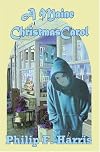
A Maine Christmas Carol is the modern retelling of Dickens’s classic. Set in the small picturesque town of Hallowell, it is the story of TJ, a lost teenage boy. Left fatherless by the war in Iraq he withdraws from his family and the world into the land of drugs and surliness. His younger brother and sister adore him but he is not willing to let their caring affect him. His mother has retreated into her job as a social worker, tying up her feelings of loss by helping others who have it even worse.
The story takes place on Christmas Eve. In the face of a raging Maine snowstorm TJ’s family decides to spend the night at their uncle’s house. He refuses to go with them instead choosing to spend it home alone, stoned as usual. It is then that his father comes to him, apologizing for leaving him so often as a child. He tells TJ that during the night three spirits will visit him. And so arrive the three ghosts of Christmas- past, present and future. Each shows TJ the effects of his behavior on others. He is shown that he too has a role in the world, in his family and his community. Each person can make a difference, even when they chose not to be involved. TJ begins as the poster child for youth at its most callow and ends as youth at its most caring.
A Maine Christmas Carol is a moving replay of the Christmas classic. It comes to life in its portrayal of the character of TJ, a realistic portrait of a disenfranchised youth. He struggles to deal with the loss of his father and show more fears loving his family in case he loses them also. By becoming totally self absorbed he only has to think about himself, by putting down others he maintains his wall of uncaring. The author, Phillip Harris, has managed to create a sympathetic, understandable character even as TJ scares the elderly and young children alike.
A strong, thorough and meaningful plot is enveloped within of these pages. At around 100 pages it is a poignant and timely reminder of the meaning of caring in today's world. Its well chosen words enable a full length novel to inhabit the pages of a novella. In the guise of the well loved tale it reminds us of the effects of modern life, its drugs, wars and poverty, on its people. It gives us the hope and optimism that is much needed in our contemporary world.
This will be a holiday treat for Maine and the country. Put up the holiday lights of all nations, light the fireplace and curl up with this dose of hope. show less
The story takes place on Christmas Eve. In the face of a raging Maine snowstorm TJ’s family decides to spend the night at their uncle’s house. He refuses to go with them instead choosing to spend it home alone, stoned as usual. It is then that his father comes to him, apologizing for leaving him so often as a child. He tells TJ that during the night three spirits will visit him. And so arrive the three ghosts of Christmas- past, present and future. Each shows TJ the effects of his behavior on others. He is shown that he too has a role in the world, in his family and his community. Each person can make a difference, even when they chose not to be involved. TJ begins as the poster child for youth at its most callow and ends as youth at its most caring.
A Maine Christmas Carol is a moving replay of the Christmas classic. It comes to life in its portrayal of the character of TJ, a realistic portrait of a disenfranchised youth. He struggles to deal with the loss of his father and show more fears loving his family in case he loses them also. By becoming totally self absorbed he only has to think about himself, by putting down others he maintains his wall of uncaring. The author, Phillip Harris, has managed to create a sympathetic, understandable character even as TJ scares the elderly and young children alike.
A strong, thorough and meaningful plot is enveloped within of these pages. At around 100 pages it is a poignant and timely reminder of the meaning of caring in today's world. Its well chosen words enable a full length novel to inhabit the pages of a novella. In the guise of the well loved tale it reminds us of the effects of modern life, its drugs, wars and poverty, on its people. It gives us the hope and optimism that is much needed in our contemporary world.
This will be a holiday treat for Maine and the country. Put up the holiday lights of all nations, light the fireplace and curl up with this dose of hope. show less
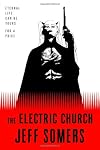
The setting is the world in the future, a future that haas been described in other sci fi or fantasy books before this one. But that is part of the appeal of this debut novel, it takes the familiar, the acceptable and turns it into a terrifying prediction. It is the feeling of reality, the possible changing of our world into the one portrayed in The Electric Church that propels this work. It is easy to create the absurd, the fantastic. It is harder to take the already written and tweak it into new realms.
The world has fallen apart, police control the surface and the citizens are cowed by fear and starvation. Avery Cates is surviving but only from his talent as an assassins. While many hold the title it is not an easy job, or one with a long life expectancy. And after he is wanted for killing a policeman his life seems like is done with. But even he is surprised when he is approached by one of the most powerful men in the world and given an impossible task- kill the leader of the Electric Church. The Electric Church is the religion of the Monks, cyborgs with plastic faces, mirrored eyes and eternal life. It is the major religion, one of strength and immortality. The job of killing its leader is impossible but it is Avery's only chance for survival. His journey to undertake this feat is an adventure not to be missed.
The plot is well paced, the action is unusually nonstop, and the setting fits both. The book will grab and keep the reader's attention which really is the point show more of a good book. It is a nice entry into the literary world of contemporary, dark science fiction. But is goes one step into becoming more of a flag ship for a newer genre. It could possibly be called hard boiled sci fi.
That step is the characterization. What Sam Spade did for hard-boiled, Avery Cates will do for science fiction. Avery even has his beloved sidekick and an assortment of helpers, each one strongly created by Somers. They are not your traditional good guys which is what adds to the fun of the book. They are your hard boiled heroes, tough with tarnished hearts and souls. The dialogue even matches the bar set by masters of pulp fiction. Somers was able to write characters that can hold their own in a fast moving plot. His creation of The Monks and the story behind their creation is both horrifying and brilliant. It is these two developments in the book, the main characters and The Monks, that show case the talent and potential of Jeff Somers. show less
The world has fallen apart, police control the surface and the citizens are cowed by fear and starvation. Avery Cates is surviving but only from his talent as an assassins. While many hold the title it is not an easy job, or one with a long life expectancy. And after he is wanted for killing a policeman his life seems like is done with. But even he is surprised when he is approached by one of the most powerful men in the world and given an impossible task- kill the leader of the Electric Church. The Electric Church is the religion of the Monks, cyborgs with plastic faces, mirrored eyes and eternal life. It is the major religion, one of strength and immortality. The job of killing its leader is impossible but it is Avery's only chance for survival. His journey to undertake this feat is an adventure not to be missed.
The plot is well paced, the action is unusually nonstop, and the setting fits both. The book will grab and keep the reader's attention which really is the point show more of a good book. It is a nice entry into the literary world of contemporary, dark science fiction. But is goes one step into becoming more of a flag ship for a newer genre. It could possibly be called hard boiled sci fi.
That step is the characterization. What Sam Spade did for hard-boiled, Avery Cates will do for science fiction. Avery even has his beloved sidekick and an assortment of helpers, each one strongly created by Somers. They are not your traditional good guys which is what adds to the fun of the book. They are your hard boiled heroes, tough with tarnished hearts and souls. The dialogue even matches the bar set by masters of pulp fiction. Somers was able to write characters that can hold their own in a fast moving plot. His creation of The Monks and the story behind their creation is both horrifying and brilliant. It is these two developments in the book, the main characters and The Monks, that show case the talent and potential of Jeff Somers. show less
The Happy Athlete is a resource guide for any athletes and their parents who are serious about sports. If a student athlete decides in junior high (or earlier) that they have the talent and drive to pursue sports after high school this is the book for them. It covers all aspects of the athletic process from the early years right through to college days.
The first half of the book is devoted to four different college athletes’ stories. They include personal anecdotes and suggestions for students, parents and coaches. Each section ends with a bulleted set of advice from the athletes to parents and from athletes to coaches. They give a realistic look at the issues and challenges faced by youth to reach their dreams and how others can help or hinder them.
The second half is a breakdown of the steps that should be taken at each grade level in high school to ensure the athlete the best chance of making a college team. The process begins the freshman year and proceeds throughout their high school year. It explains how and when to contact college coaches, when to provide which kind of video and recruitment regulations. It includes the information on how to sign up for NCAA pin number, how to choose the right college and ideas to consider.
DiStefano'’s honest story of his own attitudes and behavior is one of the strengths of this book. It acts also as a primer for what not to do for parents, coaches and school administrators. It is a realistic look at the stress the entire family show more can suffer when under the pressure of assisting a loved one in becoming a star athlete and pursuing an athletic career in college. His daughter Laura and her story to pursue a softball is the in depth look at the college process, starting in her freshman year.
This book is only for the serious athlete. It emphasizes participation in programs such as AAU and summer sports in addition to school teams. If a student does not wish to continue with sports on the post secondary level this is not the book for them. It does not address issues of being a "happy athlete" without it becoming an all consuming passion. A different, more exact title would help with the marketing of the niche book. The guide's format is easy to follow; bullets, lists and bold section titles allow the reader to absorb important information without detracting from the readable stories. show less
The first half of the book is devoted to four different college athletes’ stories. They include personal anecdotes and suggestions for students, parents and coaches. Each section ends with a bulleted set of advice from the athletes to parents and from athletes to coaches. They give a realistic look at the issues and challenges faced by youth to reach their dreams and how others can help or hinder them.
The second half is a breakdown of the steps that should be taken at each grade level in high school to ensure the athlete the best chance of making a college team. The process begins the freshman year and proceeds throughout their high school year. It explains how and when to contact college coaches, when to provide which kind of video and recruitment regulations. It includes the information on how to sign up for NCAA pin number, how to choose the right college and ideas to consider.
DiStefano'’s honest story of his own attitudes and behavior is one of the strengths of this book. It acts also as a primer for what not to do for parents, coaches and school administrators. It is a realistic look at the stress the entire family show more can suffer when under the pressure of assisting a loved one in becoming a star athlete and pursuing an athletic career in college. His daughter Laura and her story to pursue a softball is the in depth look at the college process, starting in her freshman year.
This book is only for the serious athlete. It emphasizes participation in programs such as AAU and summer sports in addition to school teams. If a student does not wish to continue with sports on the post secondary level this is not the book for them. It does not address issues of being a "happy athlete" without it becoming an all consuming passion. A different, more exact title would help with the marketing of the niche book. The guide's format is easy to follow; bullets, lists and bold section titles allow the reader to absorb important information without detracting from the readable stories. show less
The Ivey Guide to Law School Admissions: Straight Advice on Essays, Resumes, Interviews, and More by Anna Ivey
It is well known that applying to law school is not an easy process or one that should be taken lightly. But it is very difficult for the average college graduate to learn all the important steps that go into the process. Anna Ivey has written the in depth guide to make the experience a more organized, successful journey to the future. As a past admissions officer, she knows what a school is looking for in a law school candidates and is able to clearing delineate the information. Any student considering the option of law school needs to get this book, preferably in their early college years. It will provide them with the inside knowledge needed to both choose and get accepted at the law school they desire. If students follow the steps as described they will be able to put forth their best efforts to meet the criteria required of them.
In straight forward language, with an ear for light humor, Ivey addresses everything from the application essay to the importance of LSAT scores and the admission interview. She points out that the process really begins way before college graduation. The choice of colleges, major and school activities will all affect student's chances of having a future as an attorney. Ivey explains how schools select candidates, what they look for and how to best present onesself to them. . Ms Ivey is able to give a huge amount of information in this clear, easy to follow guide in well designed chapters that follow the process chronologically. This is the show more comprehensive road map for a successful journey into law school
The useful information in this book is also valuable for students who are considering other fields. Her chapters on resumes, interviewing and recommendations can easily translate into other careers. Chapter 3 "Bring Tears-of Joy!- to Their Eyes The Application Essay" with its sample essays included in the appendix should be included in high school English curriculum for seniors. Many of her pointers are relevant for high school students during their college application process. Although this would be a welcomed additon to high school libraries and guidance offices, it would be wonderful if Ms Ivey would consider writing an edition specifically for this audience. show less
In straight forward language, with an ear for light humor, Ivey addresses everything from the application essay to the importance of LSAT scores and the admission interview. She points out that the process really begins way before college graduation. The choice of colleges, major and school activities will all affect student's chances of having a future as an attorney. Ivey explains how schools select candidates, what they look for and how to best present onesself to them. . Ms Ivey is able to give a huge amount of information in this clear, easy to follow guide in well designed chapters that follow the process chronologically. This is the show more comprehensive road map for a successful journey into law school
The useful information in this book is also valuable for students who are considering other fields. Her chapters on resumes, interviewing and recommendations can easily translate into other careers. Chapter 3 "Bring Tears-of Joy!- to Their Eyes The Application Essay" with its sample essays included in the appendix should be included in high school English curriculum for seniors. Many of her pointers are relevant for high school students during their college application process. Although this would be a welcomed additon to high school libraries and guidance offices, it would be wonderful if Ms Ivey would consider writing an edition specifically for this audience. show less

Summer camp in Maine. Away from home, escaping from parents, siblings and reputations. A chance to learn new skills, meet new friends and, the most important, get that all important first boyfriend.
That is Mindy Schneider's dream when she convinces her parents to let her go to summer camp in far away Maine. Her parents want her to return to the same stuffy camp she went to for the past two summers but, with help from a home visit by camp owner Saul Rattner, she gets permission to attend Camp Kin-A-Hurra. A beautiful camp set in the sunny forests of Maine on the side of a picturesque lake, it seems like the perfect place to find the man of her dreams. Unfortunately, Saul is not a totally honest salesperson. After a long ride from New York to the Vacationland State, Mindy is shocked to see the dilapidated broken camp that is really Camp Kin-A-Hurra. She is moved to the bunk for the "mature' campers when the counselor finds her passing time by playing her clarinet. There she meets the unique assortment of girls with whom she will spend the next 8 weeks. Her bunkmates include Betty, whose nose is always in a book, Autumn Evening, who is only as into her past lives as much as this one, and Dana, her rival for the cute boy, Kenny. Being 13 in 1974 and spending with backed up toilets, stale food in continual rain was not part of the plan. "Apparently , summer was the official rainy season in this part of Maine, along with spring and fall. In winter it just snowed."
But days at show more Camp Kin-A-Hurra are unstructured, totally different from the summer camp to which she was accustomed. Plenty of time to visit the boys' camp, put on plays and just hang out. Not the stress of passing swimming tests, sticking to routine and keeping up with social classes. At Camp Kin-A-Hurra the facilities are not the best, or even adequate, but it is not a bad place for a young girl to discover who she might be, to stretch her horizons and flex her social muscle. "This was the Camp Kin-A-Hurra way of doing things: whatever makes everything fit." It is not a bad way of doing things when it includes people too. As she says, maybe Saul Rattner had the right idea-or maybe he was just a con man, but for that summer it all worked.
Mindy Schneider has written the quintessential memoir of growing up in the 1970s. She brings the time to life, the age that was coming from the turmoil of the 60s, a little lost, led by Nixon and suffering a small loss of identity. She uses the structure of the summer camp to look back at life where tv still rules supreme, the hippies are now the parents and . It is an examination of growing up, discovering that being yourself might be ok after all, appearance may not be everything. Schneider's ability to use details to portray the feelings of that summer, from the odor of the boy's bathroom to the the volume of her mother's voice as they take the endless car ride from Long Island to Maine. She effortlessly goes back and forth through time, never losing the rhythm of the story as she places the events in the context of her life. Her humor is the triumph of the book, the turn of phrase that lets the reader chuckle as they wince from their own memories of becoming a teenager. show less
That is Mindy Schneider's dream when she convinces her parents to let her go to summer camp in far away Maine. Her parents want her to return to the same stuffy camp she went to for the past two summers but, with help from a home visit by camp owner Saul Rattner, she gets permission to attend Camp Kin-A-Hurra. A beautiful camp set in the sunny forests of Maine on the side of a picturesque lake, it seems like the perfect place to find the man of her dreams. Unfortunately, Saul is not a totally honest salesperson. After a long ride from New York to the Vacationland State, Mindy is shocked to see the dilapidated broken camp that is really Camp Kin-A-Hurra. She is moved to the bunk for the "mature' campers when the counselor finds her passing time by playing her clarinet. There she meets the unique assortment of girls with whom she will spend the next 8 weeks. Her bunkmates include Betty, whose nose is always in a book, Autumn Evening, who is only as into her past lives as much as this one, and Dana, her rival for the cute boy, Kenny. Being 13 in 1974 and spending with backed up toilets, stale food in continual rain was not part of the plan. "Apparently , summer was the official rainy season in this part of Maine, along with spring and fall. In winter it just snowed."
But days at show more Camp Kin-A-Hurra are unstructured, totally different from the summer camp to which she was accustomed. Plenty of time to visit the boys' camp, put on plays and just hang out. Not the stress of passing swimming tests, sticking to routine and keeping up with social classes. At Camp Kin-A-Hurra the facilities are not the best, or even adequate, but it is not a bad place for a young girl to discover who she might be, to stretch her horizons and flex her social muscle. "This was the Camp Kin-A-Hurra way of doing things: whatever makes everything fit." It is not a bad way of doing things when it includes people too. As she says, maybe Saul Rattner had the right idea-or maybe he was just a con man, but for that summer it all worked.
Mindy Schneider has written the quintessential memoir of growing up in the 1970s. She brings the time to life, the age that was coming from the turmoil of the 60s, a little lost, led by Nixon and suffering a small loss of identity. She uses the structure of the summer camp to look back at life where tv still rules supreme, the hippies are now the parents and . It is an examination of growing up, discovering that being yourself might be ok after all, appearance may not be everything. Schneider's ability to use details to portray the feelings of that summer, from the odor of the boy's bathroom to the the volume of her mother's voice as they take the endless car ride from Long Island to Maine. She effortlessly goes back and forth through time, never losing the rhythm of the story as she places the events in the context of her life. Her humor is the triumph of the book, the turn of phrase that lets the reader chuckle as they wince from their own memories of becoming a teenager. show less
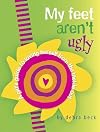
The teenage years are a time of exploration, growth and change. There are many influences on this process, so many detours and bumps on the road to adulthood. It is a very difficult time of transitions and developments in body, mind and soul. For teenage girls it is a time of fear and confusion. To get out of it whole and unscathed takes help from all sides. In My Feet Aren't Ugly Debra Beck uses real situations to explore the multiple influences that can affect this time
Many different topics are covered from decision making to health, sex and drugs. They are addressed with personal anecdotes from the author's, her daughters' and their friends' lives which lend it an edge of realism that rings true for readers, both teenagers and their parents. The first person voice, using "I" and "we" brings the readers into the discussion while eliminating the lecturing or preaching tone that could have occured. This is an interactive book that gives space for teens to "Think it over...and Journal" on specific suggested topics. It is a chance to reflect on the pages and make them personal for each reader. The illustrations of Maggie Anthony add to the friendly atmosphere that will appeal to teens. It also includes various web sites to turn to for more information on many subjects.
This book would lend itself well to a seminar or workshop for teenage girls. It would also work well for a book study group or reading group that could talk about the different topics and use the journaling show more pages as discussion questions. Since it is so comprehensive, addressing a wide variety of topics with a light, friendly style, it would be a good workbook for such sessions. Teens are not always willing or able to use the format themselves so a helping hand would be useful in making the most out of this book. It could also be an effective parent/daughter activity to read and work through the book together. It might encourage real conversation at a crucial time in teen's life. show less
Many different topics are covered from decision making to health, sex and drugs. They are addressed with personal anecdotes from the author's, her daughters' and their friends' lives which lend it an edge of realism that rings true for readers, both teenagers and their parents. The first person voice, using "I" and "we" brings the readers into the discussion while eliminating the lecturing or preaching tone that could have occured. This is an interactive book that gives space for teens to "Think it over...and Journal" on specific suggested topics. It is a chance to reflect on the pages and make them personal for each reader. The illustrations of Maggie Anthony add to the friendly atmosphere that will appeal to teens. It also includes various web sites to turn to for more information on many subjects.
This book would lend itself well to a seminar or workshop for teenage girls. It would also work well for a book study group or reading group that could talk about the different topics and use the journaling show more pages as discussion questions. Since it is so comprehensive, addressing a wide variety of topics with a light, friendly style, it would be a good workbook for such sessions. Teens are not always willing or able to use the format themselves so a helping hand would be useful in making the most out of this book. It could also be an effective parent/daughter activity to read and work through the book together. It might encourage real conversation at a crucial time in teen's life. show less
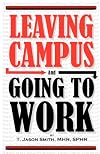
Leaving Campus and Going to Work was written by T. Jason Smith after he noticed the difficulties many new hires were having adjusting appropriately to the workplace. He found that while college was preparing students academically for the world of work they were not prepared for many other aspects of it. The first year of a job is of the utmost importance as ground work for the future so it is crucial to be ready in all ways.
The book is laid on in 3 straight forward sections.
Building a Solid Foundation addresses many of the 'hidden' pitfalls of modern corporate life such as company culture, unwritten rules and how to get along with fellow employees and bosses. An interesting point is in choosing an "Unknowing Mentor," someone chosen to emulate, watch and learn from. He suggests they are chosen by
"1. How well they do what they do. (Competence)
2. Why they do what they do. (Motivation)
3. How well they fit within their employer's culture. (Fit with the Culture)"
It also covers the basic skills covered in other workplace oriented textbooks but Smith provides the details needed to bring the information to life. In the subsection "Ready-Aim-Deliver" he has 5 core components on 'what your best looks like.' He teaches how to grab that big opportunity when it arises and use it to the fullest potential. His thoughts are clear, well thought out and detailed.
Personal Realities covers how personal choices and traits can affect the workplace such as being part of a team, show more responsibility, and what not to do in your free time. It also examines money management in budgeting those great first paychecks and how benefits are part of a salary package, what they are and their importance.
The last section emphasizes how to balance the 3 critical parts of life, what he calls "The Me Role, the we role and the us role." He describes each role, how they interact and the dangers of not balancing each of them together. It is a vital view of how to be both a valuable employee and a successful, well adjusted adult. This is a warning that is well needed by anyone entering the modern climate of the workplace for the first time.
The amazing aspect of this book is that is only 189 pages. T. Jason Smith was able to pack a huge amount of information into this small package by using the shorter sub sections with their combination of personal anecdotes and concrete advice. He adds a healthy dose of humor to balance the tough look at the transition from education to the workplace. This is an ideal gift for anyone entering the workplace for the first time. show less
The book is laid on in 3 straight forward sections.
Building a Solid Foundation addresses many of the 'hidden' pitfalls of modern corporate life such as company culture, unwritten rules and how to get along with fellow employees and bosses. An interesting point is in choosing an "Unknowing Mentor," someone chosen to emulate, watch and learn from. He suggests they are chosen by
"1. How well they do what they do. (Competence)
2. Why they do what they do. (Motivation)
3. How well they fit within their employer's culture. (Fit with the Culture)"
It also covers the basic skills covered in other workplace oriented textbooks but Smith provides the details needed to bring the information to life. In the subsection "Ready-Aim-Deliver" he has 5 core components on 'what your best looks like.' He teaches how to grab that big opportunity when it arises and use it to the fullest potential. His thoughts are clear, well thought out and detailed.
Personal Realities covers how personal choices and traits can affect the workplace such as being part of a team, show more responsibility, and what not to do in your free time. It also examines money management in budgeting those great first paychecks and how benefits are part of a salary package, what they are and their importance.
The last section emphasizes how to balance the 3 critical parts of life, what he calls "The Me Role, the we role and the us role." He describes each role, how they interact and the dangers of not balancing each of them together. It is a vital view of how to be both a valuable employee and a successful, well adjusted adult. This is a warning that is well needed by anyone entering the modern climate of the workplace for the first time.
The amazing aspect of this book is that is only 189 pages. T. Jason Smith was able to pack a huge amount of information into this small package by using the shorter sub sections with their combination of personal anecdotes and concrete advice. He adds a healthy dose of humor to balance the tough look at the transition from education to the workplace. This is an ideal gift for anyone entering the workplace for the first time. show less
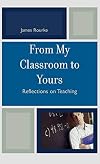
Teaching is one of the most written about, discussed, argued and analyzed professions in the world. Everyone has an opinion on what works best, from the teachers themselves who meet, conference and research best practices by the hour to the parents who feel they know best and the students who think they know what they need. Then add in administration, school boards and the media into this melee for a little glimpse of the multitude of viewpoints. James Rourke has added to the written discussion with "From My Classroom to Yours," his contribution to the discourse.
His basic premise is admirable and unarguable- every student deserves a chance, every student deserves a teacher that is willing to try their best. He feels schools can get trapped in a cycle of apathy and acceptance instead of starting each new year with strong expectations of staff and students.
He puts forth a variety of concrete suggestions for dealing with students, for both academics and behaviors. Teachers will find some to be old favorites (talk to the students)and a few unique ones. Each educator will have their own opinion on the effectiveness of the ideas. His attempt to compare coaches and teachers will be hotly discussed in many teachers' rooms. His suggestion to lie to parents about a student's grade to motivate the student will also prove contoversial.
The book is marketed as a book on avoiding teacher burn out but it has the opposite effect. It points out the exhausting task of meeting the show more educational needs of all students while jugggling behavior, paperwork and school climate. It is not a light hearted, motivational book, rather a serious tome of 'reflections on teaching.' show less
His basic premise is admirable and unarguable- every student deserves a chance, every student deserves a teacher that is willing to try their best. He feels schools can get trapped in a cycle of apathy and acceptance instead of starting each new year with strong expectations of staff and students.
He puts forth a variety of concrete suggestions for dealing with students, for both academics and behaviors. Teachers will find some to be old favorites (talk to the students)and a few unique ones. Each educator will have their own opinion on the effectiveness of the ideas. His attempt to compare coaches and teachers will be hotly discussed in many teachers' rooms. His suggestion to lie to parents about a student's grade to motivate the student will also prove contoversial.
The book is marketed as a book on avoiding teacher burn out but it has the opposite effect. It points out the exhausting task of meeting the show more educational needs of all students while jugggling behavior, paperwork and school climate. It is not a light hearted, motivational book, rather a serious tome of 'reflections on teaching.' show less
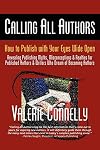
The road to a published book is a long and arduous one. From the first dream of being a writer to being a published author is the culmination of years of learning the craft, writing draft after draft until it is the perfect masterpiece. But then comes the very difficult step of actually finding a way to convince the rest of the world to read this work of art. Most authors feel their job is done once their book is in print form. They do not know that this is the time that the most difficult leg of their journey begins. Valerie Connelly has written a guide to educate authors as to the fine points of book publicity and book sales. Calling All Authors is a clearly written, thorough primer for both new and less experienced authors to increase their chances of a successful book selling experience.
The chapters are well divided to follow the chronological process through which each author should go, beginning with a look at "Who is My Reader" and ending with a detailed look at the process of writing a press release and how to best use the internet to its ultimate advantage. Bulleted lists allow the reader to absorb the many tips in an easy to follow format. The language is written so that it can be comfortably absorbed but does not spare in range and scope of instruction. The format is easy to follow yet contains a wealth of information, tips and insiders’ knowledge.
Valerie Connelly is both a published author and the owner of a publishing company. This book is based not only on show more her own personal knowledge but also those of her peers. She includes advice and comments from many other publicists, publishers and current authors to proved a full, in depth look at the realities of book publishing. The compilation of many experts in the many phases of the PR process adds to the breadth of information. She also draws on many of the information she has covered as the host of the radio show also titled Calling All Authors.
Because of the growth of the self publishing and vanity presses there is a large number of books on the market that address the issues inexperienced authors will face. The aspect of Calling All Authors that make this book unique is that this book is both textbook and workbook. Ms Connelly has created fill in the blank outlines that let the reader practice and create their own plans for success. She has provided a systematic method for authors to plan and carry out a marketing campaign that raises the potential to reach their intended population of readers. Since she realizes that writers best organize their thoughts and plans by physically putting their thoughts on paper she has given them the format to do so. show less
The chapters are well divided to follow the chronological process through which each author should go, beginning with a look at "Who is My Reader" and ending with a detailed look at the process of writing a press release and how to best use the internet to its ultimate advantage. Bulleted lists allow the reader to absorb the many tips in an easy to follow format. The language is written so that it can be comfortably absorbed but does not spare in range and scope of instruction. The format is easy to follow yet contains a wealth of information, tips and insiders’ knowledge.
Valerie Connelly is both a published author and the owner of a publishing company. This book is based not only on show more her own personal knowledge but also those of her peers. She includes advice and comments from many other publicists, publishers and current authors to proved a full, in depth look at the realities of book publishing. The compilation of many experts in the many phases of the PR process adds to the breadth of information. She also draws on many of the information she has covered as the host of the radio show also titled Calling All Authors.
Because of the growth of the self publishing and vanity presses there is a large number of books on the market that address the issues inexperienced authors will face. The aspect of Calling All Authors that make this book unique is that this book is both textbook and workbook. Ms Connelly has created fill in the blank outlines that let the reader practice and create their own plans for success. She has provided a systematic method for authors to plan and carry out a marketing campaign that raises the potential to reach their intended population of readers. Since she realizes that writers best organize their thoughts and plans by physically putting their thoughts on paper she has given them the format to do so. show less
John Morella has written a very clear, user friendly guide for anyone who is considering any form of therapy for the first time. He is able to explain the process from the beginning to the end in terms that even the most nervous or unknowledgeable person can understand and follow.
The first aspect of this book that draws the reader's attention is the Table of Contents. Instead of just a short listing of chapter titles he also lists all subtitles in bold print and a brief explanation of the purpose and content of each chapter. It states the goal of each section up front. If there is specific information needed it is easy to know where to look and it seems to replace an index.
The chapters begin with an over view of all the various options for mental health providers and types of psychotherapy. The number and variety of choices can be overwhelming to the novice and if in crisis it is especially daunting. Choosing the correct therapist is one of the most crucial selections that must be made. Morella reviews all the types of therapists, qualifications and the various therapy models. He does an excellent job of explaining the various models in terms lay people can understand. It is not easy to explain each one without being trapped by jargon or medical vernacular. His relaxed, simple style is not demeaning but appropriately unpretentious.
Later chapters cover everything from client's rights to children's services and medication. The end is a listing of resources with addresses show more including web sites and a short description of services. A few scenarios finish the book to prepare future clients as to what to expect from a session.
The format of the book is well laid out. Wider than usual margins on all sides help prevent the sensation of information becoming too formidable for the reader. A combination of paragraphs, bulleted lists and, of course, the occasional joke all form a well thought out, concise look at the therapy process. A Guide for Effective Psychotherapy should be readily available to anyone who is considering therapy for themselves, friend or family member. Libraries, medical offices and crisis services should have a copy of this tome to recommend to those in need. show less
The first aspect of this book that draws the reader's attention is the Table of Contents. Instead of just a short listing of chapter titles he also lists all subtitles in bold print and a brief explanation of the purpose and content of each chapter. It states the goal of each section up front. If there is specific information needed it is easy to know where to look and it seems to replace an index.
The chapters begin with an over view of all the various options for mental health providers and types of psychotherapy. The number and variety of choices can be overwhelming to the novice and if in crisis it is especially daunting. Choosing the correct therapist is one of the most crucial selections that must be made. Morella reviews all the types of therapists, qualifications and the various therapy models. He does an excellent job of explaining the various models in terms lay people can understand. It is not easy to explain each one without being trapped by jargon or medical vernacular. His relaxed, simple style is not demeaning but appropriately unpretentious.
Later chapters cover everything from client's rights to children's services and medication. The end is a listing of resources with addresses show more including web sites and a short description of services. A few scenarios finish the book to prepare future clients as to what to expect from a session.
The format of the book is well laid out. Wider than usual margins on all sides help prevent the sensation of information becoming too formidable for the reader. A combination of paragraphs, bulleted lists and, of course, the occasional joke all form a well thought out, concise look at the therapy process. A Guide for Effective Psychotherapy should be readily available to anyone who is considering therapy for themselves, friend or family member. Libraries, medical offices and crisis services should have a copy of this tome to recommend to those in need. show less

The basis for this anthology is simple- the appreciation and use of the most infamous swear word of them all. The introduction by Mark Billingham, which alone is worth the price of the book, explains the need for such a book, the celebration of language, all language, even THAT language. As he says "What a dark, disgusting and fabulous treat lies in store within the pages of this vile and appalling book."
The stories are ordered into six sections that range from the simply, pleasantly ironic to the strongly, stomach churning, last tale. You can actually feel yourself start to worry about how far the next one will go as you read them, an utterly delightful feeling of suspense. This organization technique adds the ultimate carrot to keep reading to the last page. You can not wait to try the next and the next and the next. The strength of the book is the editing choices of Ms Jordan. Sex and killing, it is all there, in its many forms and frights.
Now I could give you a quaint little synopsis of the stories, outline the plot or maybe just a few of the standouts. But this is a medly of murder and mayhem that each reader should analyze for him or herself. The book is guaranteed to provoke an emotion, though that will vary between stories and readers. It is noteworthy that none of the works sink to a level of working only to shock value, a tendancy that might be expected from the theme. Each is as different and unique as could be hoped for from an anthology, each one a show more distinctive work.
From Bleak House site (cut and pasted- I am lazy today and they did such a lovely job of listing them): "Contributors include Laura Lippman, Ken Bruen, Charlie Huston, Nathan Singer, Anthony Neil Smith, Jason Starr, Sarah Weinman, John Rickards, Libby Fischer Hellmann, Reed Farrel Coleman, Kevin Wignall, Olen Steinhauer, Otis Twelve, Russel D. McLean, Scott Wolven, David Bowker, Michael O'Mahony, Ray Banks, Ruth Jordan, Delphine Lecompte, and HP Tinker." (Although I am not sure why they use the word "include" because that is all the authors of the short stories included.) The authors are a nice, wide and talented assortment of crime, thriller and mystery writers, both well known and newer to the scene.
Oh fuck it, just read the book! show less
The stories are ordered into six sections that range from the simply, pleasantly ironic to the strongly, stomach churning, last tale. You can actually feel yourself start to worry about how far the next one will go as you read them, an utterly delightful feeling of suspense. This organization technique adds the ultimate carrot to keep reading to the last page. You can not wait to try the next and the next and the next. The strength of the book is the editing choices of Ms Jordan. Sex and killing, it is all there, in its many forms and frights.
Now I could give you a quaint little synopsis of the stories, outline the plot or maybe just a few of the standouts. But this is a medly of murder and mayhem that each reader should analyze for him or herself. The book is guaranteed to provoke an emotion, though that will vary between stories and readers. It is noteworthy that none of the works sink to a level of working only to shock value, a tendancy that might be expected from the theme. Each is as different and unique as could be hoped for from an anthology, each one a show more distinctive work.
From Bleak House site (cut and pasted- I am lazy today and they did such a lovely job of listing them): "Contributors include Laura Lippman, Ken Bruen, Charlie Huston, Nathan Singer, Anthony Neil Smith, Jason Starr, Sarah Weinman, John Rickards, Libby Fischer Hellmann, Reed Farrel Coleman, Kevin Wignall, Olen Steinhauer, Otis Twelve, Russel D. McLean, Scott Wolven, David Bowker, Michael O'Mahony, Ray Banks, Ruth Jordan, Delphine Lecompte, and HP Tinker." (Although I am not sure why they use the word "include" because that is all the authors of the short stories included.) The authors are a nice, wide and talented assortment of crime, thriller and mystery writers, both well known and newer to the scene.
Oh fuck it, just read the book! show less

I just finshed reading this and will do a full review soon. But in this one the author has really shown that the promise he showed in his first book has come to shine. His plot is as unique as Who is Shaya Hacker but his writing style has become smoother, a nice rapid rhythm that careens from beginning to end.
Diary of the Reviewer
Part One- The Hook
Have 2 books going but just casually glance into first couple of pages of Who is Shayla Hacker, the book which arrived in the mail unexpectedly yesterday. After the first couple pages the hook has been set, the other books get set aside. The fascinating plot premise evolves as 5 different people, in different parts of the country, for different reasons, become obsessed with a girl they have never met. A loner accidentally calls a number and gets her on the phone. A groom to be finds an old picture of her in the bottom of a trunk. A strong willed, female construction boss becomes taken with a box found in the walls of a building job. A brother does not show up at school to meet his sister. Each person sets off to find the girl they never met without any idea the direction or location they seek.
Part Two- The Plot
Up late into the night, not able to put the book down. The plot evolves into a complex system as the five characters set off to find this girl. Each comes from a different place, both physically and mentally. But each one is focused on the haunting image or voice that has driven them on a journey to locate Shayla Hacker. They each leave behind everything that has mattered up to this point in their lives, a fiancé, a job, a wife, a career.
Part Three- The
Headache. The plot becomes convoluted and contrived. The characters stay interesting, quirky and honest, but the convolutions of the plot loses my ability to follow it show more comfortably. I reread sections, wondering if I have missed basic information that would lead to some of the places the plot has gone.
Part Four- The Ending
The ending barrels into confusion. The plot stretches from the unbelievable to the absurd. I am breathless and confused by the ending. Not sure that is a bad thing though. My mind lingers over this as I close the book, set in on the shelf and walk away, sure that I will return to it if only to marvel over the final result of the characters' quests. The epilogue was an unfortunate way to summarize the effect of the quest on the characters. This might have been able to be explored without this literary artifice, the results were worth another chapter or two since the development of the characters is as much a focus of the book as the physical quest to find Shayla.
Part Five- The Future
Now I must work on the review, try to explore my mixed reaction. Probably will reread the entire thing. But late, need to walk away for a bit. Note to self- try to convince author to do an interview.
Final Thoughts
This book is well worth the energy to follow the characters on their quest to find the elusive Shayla Hacker. As a mix of mystery, thriller, sci fi and adventure, Evan Kilgore seems to be creating a new genre. With the tinges of paranormal so intertwined with characters that at first appeared commonplace, it takes concentration to decide if it the characters or the reader that has lost a sense of the normal and the real. Kilgore is able to elevate the mundane thriller into a work of thoughtful activity that forces the reader to examine it from all directions. The writing maintains the pace of the story without letting the suspense fade throughout. The well worn concept of the journey into the unknown to rescue the maiden is brought into the modern age with innate talent and creativity. This is an author whose writing progress will be interesting and, probably, noteworthy.
Note to readers- please read this book and let me know what you think! Would happily include further discussion on this page. Let the diary continue... show less
Part One- The Hook
Have 2 books going but just casually glance into first couple of pages of Who is Shayla Hacker, the book which arrived in the mail unexpectedly yesterday. After the first couple pages the hook has been set, the other books get set aside. The fascinating plot premise evolves as 5 different people, in different parts of the country, for different reasons, become obsessed with a girl they have never met. A loner accidentally calls a number and gets her on the phone. A groom to be finds an old picture of her in the bottom of a trunk. A strong willed, female construction boss becomes taken with a box found in the walls of a building job. A brother does not show up at school to meet his sister. Each person sets off to find the girl they never met without any idea the direction or location they seek.
Part Two- The Plot
Up late into the night, not able to put the book down. The plot evolves into a complex system as the five characters set off to find this girl. Each comes from a different place, both physically and mentally. But each one is focused on the haunting image or voice that has driven them on a journey to locate Shayla Hacker. They each leave behind everything that has mattered up to this point in their lives, a fiancé, a job, a wife, a career.
Part Three- The
Headache. The plot becomes convoluted and contrived. The characters stay interesting, quirky and honest, but the convolutions of the plot loses my ability to follow it show more comfortably. I reread sections, wondering if I have missed basic information that would lead to some of the places the plot has gone.
Part Four- The Ending
The ending barrels into confusion. The plot stretches from the unbelievable to the absurd. I am breathless and confused by the ending. Not sure that is a bad thing though. My mind lingers over this as I close the book, set in on the shelf and walk away, sure that I will return to it if only to marvel over the final result of the characters' quests. The epilogue was an unfortunate way to summarize the effect of the quest on the characters. This might have been able to be explored without this literary artifice, the results were worth another chapter or two since the development of the characters is as much a focus of the book as the physical quest to find Shayla.
Part Five- The Future
Now I must work on the review, try to explore my mixed reaction. Probably will reread the entire thing. But late, need to walk away for a bit. Note to self- try to convince author to do an interview.
Final Thoughts
This book is well worth the energy to follow the characters on their quest to find the elusive Shayla Hacker. As a mix of mystery, thriller, sci fi and adventure, Evan Kilgore seems to be creating a new genre. With the tinges of paranormal so intertwined with characters that at first appeared commonplace, it takes concentration to decide if it the characters or the reader that has lost a sense of the normal and the real. Kilgore is able to elevate the mundane thriller into a work of thoughtful activity that forces the reader to examine it from all directions. The writing maintains the pace of the story without letting the suspense fade throughout. The well worn concept of the journey into the unknown to rescue the maiden is brought into the modern age with innate talent and creativity. This is an author whose writing progress will be interesting and, probably, noteworthy.
Note to readers- please read this book and let me know what you think! Would happily include further discussion on this page. Let the diary continue... show less
Demystifying and Deescalating Cyber Bullying in the Schools: A Resource Guide for Counselors, Educators and Parents by Barbara Trolley
"Cyber bullying is defined as involving "...the use of information and communication technologies such as e-mail, cell phones and pager text messages, instant messaging, defamatory personal websites, and on-line personal polling websites, to support deliberate, repeated and hostile behavior by an individual or group that is intended to harm others.."
As society evolves, so do the topics with which schools and educators must cope. Technology is adding to the growing and changing issues. One of the latest, most difficult to address is the problem of cyber bullying. With the rash of school related violence bullying is a hot topic in most schools throughout the United States. As the availability of computers to all students has increased, so have the incidences of cyber bullying. It is a way of communication that can cause immeasurable harm when misused as a way of threatening, demeaning or through the use of words or images. Personal or school email are used for one on one attacks, group public humiliation is attained through sites such as My Space. Parents and schools must be alert to this expanding form of bullying and its effects on our children.
Each different avenue and form of cyber bullying is addressed in this book as well as the possible underlying causes and response suggestions. It does not lump all incidents together but examines the potential motivation behind the attacks and looks at ways of identification and prevention. One of the books strengths is that it is show more very specific with concrete ideas that can be practiced and implemented. The sources of the information behind the program are well documented and plentiful.
The authors of this book advocate that "the focus be on assessment with a therapeutic response to cyber bullying . A proactive rather than reactive approach.." This textbook for educators and parents is written in a concise format that uses defined tables of information and bulleted lists to clearly present extensive information. Bold section titles with brief introductory overviews enable the reader to carefully work through what could potentially be an overwhelming amount of information. It includes check lists, reporting forms and assessment tools that are ready for use by school counselors and administrators. This can be used as a resource guide or an actual textbook for workshops or seminars. It also lists many, many sources of additional information for anyone who would like to explore the topic further.
Demystifying and Deescalating Cyber Bullying in the Schools: A Resource Guide for Counselors, Educators and Parents will be a valuable addition to any school computer program, resource library or workshop curricula. show less
As society evolves, so do the topics with which schools and educators must cope. Technology is adding to the growing and changing issues. One of the latest, most difficult to address is the problem of cyber bullying. With the rash of school related violence bullying is a hot topic in most schools throughout the United States. As the availability of computers to all students has increased, so have the incidences of cyber bullying. It is a way of communication that can cause immeasurable harm when misused as a way of threatening, demeaning or through the use of words or images. Personal or school email are used for one on one attacks, group public humiliation is attained through sites such as My Space. Parents and schools must be alert to this expanding form of bullying and its effects on our children.
Each different avenue and form of cyber bullying is addressed in this book as well as the possible underlying causes and response suggestions. It does not lump all incidents together but examines the potential motivation behind the attacks and looks at ways of identification and prevention. One of the books strengths is that it is show more very specific with concrete ideas that can be practiced and implemented. The sources of the information behind the program are well documented and plentiful.
The authors of this book advocate that "the focus be on assessment with a therapeutic response to cyber bullying . A proactive rather than reactive approach.." This textbook for educators and parents is written in a concise format that uses defined tables of information and bulleted lists to clearly present extensive information. Bold section titles with brief introductory overviews enable the reader to carefully work through what could potentially be an overwhelming amount of information. It includes check lists, reporting forms and assessment tools that are ready for use by school counselors and administrators. This can be used as a resource guide or an actual textbook for workshops or seminars. It also lists many, many sources of additional information for anyone who would like to explore the topic further.
Demystifying and Deescalating Cyber Bullying in the Schools: A Resource Guide for Counselors, Educators and Parents will be a valuable addition to any school computer program, resource library or workshop curricula. show less
This book will draw strong feelings on all sides. It is a written by a teacher in Los Angeles detailing his success with teaching 5th graders. He is not shy about touting his program, his methods. But, hey- if it works, why not? He is out spoken, critical and opinionated. Again- why not? Over bearing, self righteous and condemning. It may not sit well with all readers, especially some educators. But he puts his time, effort and heart into his career. He includes "A Day in the Life" as Appendix D- his daily school schedule which starts at 6:30 am and ends after 6 pm. Any teacher who is that dedicated to his students deserves to brag. He is best known for creating The Hobart Shakespeareans, his students who put on uncondensed plays of Shakespeare that include music they chose and perform themselves.
The strength of the book is the inclusion of concrete teaching ideas that are practical and replicable in any classroom. While many of his activities (field trips to Washington DC for example) are not going to be as applicable to the average classroom teacher (yes, he does describe the how and why they should be) Part Two "The Method" does have many excellent lesson ideas. This book should be read by all teachers, to show the possibilities out there, outside the box, beyond the usual and the mundane. It belongs on all educational bookshelves. I know I already took it to school to share with others. He also blasts (as well he should) the ridiculous lengths the standardized testing show more craze of NCLB has caused. He is not loathe to point out what is not working in current educational methodology.
He brags, boasts and crows his success. But he also gives the facts that support his claims. I would not want to be the teacher who works in the classroom down the hall from him but I would be pleased to have him as a consultant in my classroom. show less
The strength of the book is the inclusion of concrete teaching ideas that are practical and replicable in any classroom. While many of his activities (field trips to Washington DC for example) are not going to be as applicable to the average classroom teacher (yes, he does describe the how and why they should be) Part Two "The Method" does have many excellent lesson ideas. This book should be read by all teachers, to show the possibilities out there, outside the box, beyond the usual and the mundane. It belongs on all educational bookshelves. I know I already took it to school to share with others. He also blasts (as well he should) the ridiculous lengths the standardized testing show more craze of NCLB has caused. He is not loathe to point out what is not working in current educational methodology.
He brags, boasts and crows his success. But he also gives the facts that support his claims. I would not want to be the teacher who works in the classroom down the hall from him but I would be pleased to have him as a consultant in my classroom. show less
Sometimes a book is born from a creative need, from a story caught in a head, a fantasy world that needs to be released. Sometimes a book comes from facts to be taught or a point to be made. And sometimes, every once in a while, a book is born from bravery. These are books that exemplify the power of words, of the sharing of an experience to both release and capture. These are the books that hug our hearts, embrace our souls and make us human. Stranger in my Skin is such a book.
Stranger in my Skin weaves it way through the life of a young woman. Back and forth through time and place Alysa Philips shares the story of her battle for survival. As the child of a Mormon family with a strict, harsh father and yielding mother she grew up in an environment she describes in terms that seem both commonplace and extreme. Her father counts the food his family eats and the gas they use with no exceptions. Her mother accepts this and adds her own brand of rigidity. It is from this background that she meets Joel, the man who will come to haunt her every minute for, what seems like now, forever. Joel is the son of a self identified doctor- a man who believes God has shared only with him the secrets to cure all disease. He uses his sons to help sell this idea of lymphnogenesis (not the real name) . His fervor forms the cult that entraps Alysa into a life of starvation, violence and rigidity.
Joel convinces her that she is ugly, unacceptable and unwanted. He and his cult family control show more every move of Alysa Her mother refuses to speak to her, "Instead, she emailed me or copied inspirational thoughts and scriptures onto pink cards, decorated them with stickers and left them in my shoes, under my pillow, or in my backpack. Her small notes added pounds to my backpack after I found them, but I never had the courage to throw them away." Alysa is alone to cope with the overwhelming stress of trying to measure up to the impossible as judged by the immovable. Her mother, doctors and teachers all ignore the obvious results of this strain, the bruises and cuts. With more strength than she ever gives herself credit for in this memoir, Alysa is able to leave Joel. Even though he continues to contact her and tries to see her, she is able to stay away. She begins a series of moves as she looks for a place that will be the answer to her search for relief, small town Arizona to Alaska and back. But the pain follows at every step in her journey; it can not be left behind.
This pain and fear in her life oozes out in the blood of her body as she self-injures. She explains she has "cut, burned, gouged and otherwise mutilated more than two hundred times." This is a powerful look at the world that engulfs her in confusion and panic. As she attempts to find out how to cope in a world seems to ignore her drowning, self mutilation becomes her tool for survival. In graphic descriptions Alysa Phillips has the courage to share her struggle though the fog and terror.
The poignant chapter, Afterword, gives a glimpse into the present, the world that still engulfs Alysa today as she tries to organize the past. The realization that she lived in the same cult with the nomadic pair David and Elidah- who becomes the infamous pair that kidnapped and held Elizabeth Smart- is a hard fact for the reader . It is interesting that Alysa does not use any of the true names of the cult or cult members to avoid a potential legal issue, which is telling in itself. The world protects the abusers but at what price to their victims, both past and future.
This book is a triumphant gift that shares its questions and fears with us. It will find its way to those who will see themselves in its pages, those that will find solace through familiarity. Self-mutilation, self-injury is no longer a hidden secret, Alysa Phillips has brought it from darkness to the front and center of society's consciousness. And in the glaring daylight it can be faced. show less
Stranger in my Skin weaves it way through the life of a young woman. Back and forth through time and place Alysa Philips shares the story of her battle for survival. As the child of a Mormon family with a strict, harsh father and yielding mother she grew up in an environment she describes in terms that seem both commonplace and extreme. Her father counts the food his family eats and the gas they use with no exceptions. Her mother accepts this and adds her own brand of rigidity. It is from this background that she meets Joel, the man who will come to haunt her every minute for, what seems like now, forever. Joel is the son of a self identified doctor- a man who believes God has shared only with him the secrets to cure all disease. He uses his sons to help sell this idea of lymphnogenesis (not the real name) . His fervor forms the cult that entraps Alysa into a life of starvation, violence and rigidity.
Joel convinces her that she is ugly, unacceptable and unwanted. He and his cult family control show more every move of Alysa Her mother refuses to speak to her, "Instead, she emailed me or copied inspirational thoughts and scriptures onto pink cards, decorated them with stickers and left them in my shoes, under my pillow, or in my backpack. Her small notes added pounds to my backpack after I found them, but I never had the courage to throw them away." Alysa is alone to cope with the overwhelming stress of trying to measure up to the impossible as judged by the immovable. Her mother, doctors and teachers all ignore the obvious results of this strain, the bruises and cuts. With more strength than she ever gives herself credit for in this memoir, Alysa is able to leave Joel. Even though he continues to contact her and tries to see her, she is able to stay away. She begins a series of moves as she looks for a place that will be the answer to her search for relief, small town Arizona to Alaska and back. But the pain follows at every step in her journey; it can not be left behind.
This pain and fear in her life oozes out in the blood of her body as she self-injures. She explains she has "cut, burned, gouged and otherwise mutilated more than two hundred times." This is a powerful look at the world that engulfs her in confusion and panic. As she attempts to find out how to cope in a world seems to ignore her drowning, self mutilation becomes her tool for survival. In graphic descriptions Alysa Phillips has the courage to share her struggle though the fog and terror.
The poignant chapter, Afterword, gives a glimpse into the present, the world that still engulfs Alysa today as she tries to organize the past. The realization that she lived in the same cult with the nomadic pair David and Elidah- who becomes the infamous pair that kidnapped and held Elizabeth Smart- is a hard fact for the reader . It is interesting that Alysa does not use any of the true names of the cult or cult members to avoid a potential legal issue, which is telling in itself. The world protects the abusers but at what price to their victims, both past and future.
This book is a triumphant gift that shares its questions and fears with us. It will find its way to those who will see themselves in its pages, those that will find solace through familiarity. Self-mutilation, self-injury is no longer a hidden secret, Alysa Phillips has brought it from darkness to the front and center of society's consciousness. And in the glaring daylight it can be faced. show less
As college becomes an option for more and more students it has become increasingly important for them to be properly prepared for college life. But by the time they are seniors they have generally stopped listening to too much the adults around them are saying! This is where Kick Ass In College comes it. Gunnar Fox has found the way to write an invaluable, step by step guide to the whole process that will grab students' (and their parents') interest and keep them reading until the last page.
In an easy to follow, engaging format Fox relates the success in college as the cornerstone for success in life. By addressing each aspect from why good grades really are important, to getting to know your professors to study habits and dealing with love, he covers all the nitty gritty of college life. Its emphasis on grades as a means to success in life after school give meaning and motivation to the structured study habits he describes in this book. The bold faced section headings and the Key Points as the chapter summaries give the readers the sign posts through out the book to follow and refer back to for information. The book manages to be extremely entertaining while giving seriously good suggestions and information.
Kick Ass in College's excellent advice should be read by all college bound students and their parents. It will give our students the extra edge they need to be prepared both for life at college and a pathway to their future success. As college becomes an expectation show more for most students, schools are overwhelmed by No Child Left Behind requirements and parents themselves may never have a post secondary education, Gunnar Fox's book is a well needed dose of reality and information.
This book should be the number one graduation gift for all graduating seniors. It is like giving each student a gift of his own personal, enjoyable academic coach with a great sense of humor to accompany him to college. What could be a better, more useful gift? show less
In an easy to follow, engaging format Fox relates the success in college as the cornerstone for success in life. By addressing each aspect from why good grades really are important, to getting to know your professors to study habits and dealing with love, he covers all the nitty gritty of college life. Its emphasis on grades as a means to success in life after school give meaning and motivation to the structured study habits he describes in this book. The bold faced section headings and the Key Points as the chapter summaries give the readers the sign posts through out the book to follow and refer back to for information. The book manages to be extremely entertaining while giving seriously good suggestions and information.
Kick Ass in College's excellent advice should be read by all college bound students and their parents. It will give our students the extra edge they need to be prepared both for life at college and a pathway to their future success. As college becomes an expectation show more for most students, schools are overwhelmed by No Child Left Behind requirements and parents themselves may never have a post secondary education, Gunnar Fox's book is a well needed dose of reality and information.
This book should be the number one graduation gift for all graduating seniors. It is like giving each student a gift of his own personal, enjoyable academic coach with a great sense of humor to accompany him to college. What could be a better, more useful gift? show less
The effects of Hurricane Katrina have been reported over and over, on TV, in newspapers, magazines and blogs. With modern technology many of us got to watch it live, bearing down in all its terror, from the comfort of our safe, intact homes. It would seem that we knew all there was to know, knew the effects of the storm on people, places and things. But none of the coverage, none of the follow up reports on the storm and its aftermath can top the book Hurricane Season for sheer impact, both on knowledge and emotions.
Hurricane Season is the story of one football team in the Parish of New Orleans. The team, The Patriots, is from a private Christian school that prides itself on its diverse student population, its core Christian values and its football team. Coach JT Curtis has one of the best win records in the country. His players have gone on to play for top college teams, a few are even playing for the NFL. In 2005 he was looking at a rebuilding year. The quarterback they expected to lead the team has left to join a rival school, one that will allow him more chances to gain the valuable stats that colleges seek. Coach Curtis believes in team effort, not individual star making. His team, due to his no cut policy, numbers over 100 each year. In a school of only 650 students, that is a very large percentage of the student population. His players train all summer, work to stay in shape, to be physically and mentally prepared for the fall football season. Coach believes in show more practice too- not the common 2 practices a day of most schools but three a day, a relentless, high powered training plan. But after all the preparations the season is brought to a sudden halt by Katrina. For football coaches' wives everywhere, the scene where the town is evacuating and the coaches' spouses are calling, actually interrupting their usual after practice meeting to try to convince the men to come home and pack, will ring very true. For the coaches and players nothing, short of Hurricane Katrina, would interfere with football.
But Katrina does interfere, sending players fleeing to other parts of the country, taking away their homes, their parents' jobs and all stability. John Curtis School survives with limited damage, allowing it to become one of the first schools to reopen. The Curtis family, the extended family of the original school founder John Curtis, works to locate and convince as many students as possible to return to the area. Coach Curtis struggles to locate other teams willing and able to resume the football season. His players begin to return, exhausted, scared and confused but anxious to try to return to a sense of normality, a sense of hope for their futures, based on the foundation of the football team they love.
The book begins and ends with football. It will appeal to any football fan, player, coach or sports fanatic. But this book goes far beyond the field. It interweaves the story of the John Curtis School, its history and its football, with an insider's look at Katrina and its aftermath. Using the individual players of the team and the storm's effects on them and their families Thompson is able to broaden the scope of the book to include an in depth look at the handling of the storm by individuals, agencies and the government. The middle section of the book is a clearly written account of the plight of those that suffered the loss of everything, the impact on families, jobs and futures. It is a devastating chronicle of not only nature's worst but of mankind at its best and worst.
Hurricane Season is a journalistic view of one team, its players and the effects of the worst storm in American history. It is a tale of football, its impact on the youth who play America's favorite sport. It is a tale of one school and its efforts to create the best possible school that produces well rounded men and women. It is the tale of a government that is not able to handle the storm or its aftermath. But most of all, it is a tale of people- from the players who never give up, their families that survive the unthinkable and a school of parents, teachers and coaches that care.
Neal Thompson has written a book that will resonate will all readers. His ability to tell the facts, clearly and vividly, on all levels of his account is exceptional. He tells all his true tales with clarity of knowledge, facts and figures, data and details. But it is the emotion that comes through the portrayal of the various aspects that makes this book outstanding. It is nonfiction at its most effective; it pushes the reader into involvement, caring and action. It is impossible to read this book and not respond on some level- perhaps some extra understanding or support for local sports programs, a volunteer relief effort (it is still needed) or at the very least an awareness of the America around us.. It celebrates our resiliency as it mourns our failures. Thompson managed this extraordinary writing feat of non fiction with heart, soul and flesh, examining the entire body of one individual event in our modern history.
Reviewer's Personal Note:
I must say that I HATE football. I live in small rural town in New England that lives, breathes and idolizes our State Champion high school football team. I never quite understood it. This book certainly does explain it on many levels. If I loved this book as much as I did, any sports fan will really be impressed. But it should go way beyond sports fans for readers. I am rarely not able to put a book down (I would never do anything but read othewise) but this book had me glued to the end. I highly recommend it for all readers. show less
Hurricane Season is the story of one football team in the Parish of New Orleans. The team, The Patriots, is from a private Christian school that prides itself on its diverse student population, its core Christian values and its football team. Coach JT Curtis has one of the best win records in the country. His players have gone on to play for top college teams, a few are even playing for the NFL. In 2005 he was looking at a rebuilding year. The quarterback they expected to lead the team has left to join a rival school, one that will allow him more chances to gain the valuable stats that colleges seek. Coach Curtis believes in team effort, not individual star making. His team, due to his no cut policy, numbers over 100 each year. In a school of only 650 students, that is a very large percentage of the student population. His players train all summer, work to stay in shape, to be physically and mentally prepared for the fall football season. Coach believes in show more practice too- not the common 2 practices a day of most schools but three a day, a relentless, high powered training plan. But after all the preparations the season is brought to a sudden halt by Katrina. For football coaches' wives everywhere, the scene where the town is evacuating and the coaches' spouses are calling, actually interrupting their usual after practice meeting to try to convince the men to come home and pack, will ring very true. For the coaches and players nothing, short of Hurricane Katrina, would interfere with football.
But Katrina does interfere, sending players fleeing to other parts of the country, taking away their homes, their parents' jobs and all stability. John Curtis School survives with limited damage, allowing it to become one of the first schools to reopen. The Curtis family, the extended family of the original school founder John Curtis, works to locate and convince as many students as possible to return to the area. Coach Curtis struggles to locate other teams willing and able to resume the football season. His players begin to return, exhausted, scared and confused but anxious to try to return to a sense of normality, a sense of hope for their futures, based on the foundation of the football team they love.
The book begins and ends with football. It will appeal to any football fan, player, coach or sports fanatic. But this book goes far beyond the field. It interweaves the story of the John Curtis School, its history and its football, with an insider's look at Katrina and its aftermath. Using the individual players of the team and the storm's effects on them and their families Thompson is able to broaden the scope of the book to include an in depth look at the handling of the storm by individuals, agencies and the government. The middle section of the book is a clearly written account of the plight of those that suffered the loss of everything, the impact on families, jobs and futures. It is a devastating chronicle of not only nature's worst but of mankind at its best and worst.
Hurricane Season is a journalistic view of one team, its players and the effects of the worst storm in American history. It is a tale of football, its impact on the youth who play America's favorite sport. It is a tale of one school and its efforts to create the best possible school that produces well rounded men and women. It is the tale of a government that is not able to handle the storm or its aftermath. But most of all, it is a tale of people- from the players who never give up, their families that survive the unthinkable and a school of parents, teachers and coaches that care.
Neal Thompson has written a book that will resonate will all readers. His ability to tell the facts, clearly and vividly, on all levels of his account is exceptional. He tells all his true tales with clarity of knowledge, facts and figures, data and details. But it is the emotion that comes through the portrayal of the various aspects that makes this book outstanding. It is nonfiction at its most effective; it pushes the reader into involvement, caring and action. It is impossible to read this book and not respond on some level- perhaps some extra understanding or support for local sports programs, a volunteer relief effort (it is still needed) or at the very least an awareness of the America around us.. It celebrates our resiliency as it mourns our failures. Thompson managed this extraordinary writing feat of non fiction with heart, soul and flesh, examining the entire body of one individual event in our modern history.
Reviewer's Personal Note:
I must say that I HATE football. I live in small rural town in New England that lives, breathes and idolizes our State Champion high school football team. I never quite understood it. This book certainly does explain it on many levels. If I loved this book as much as I did, any sports fan will really be impressed. But it should go way beyond sports fans for readers. I am rarely not able to put a book down (I would never do anything but read othewise) but this book had me glued to the end. I highly recommend it for all readers. show less
Honest, Direct, Respectful is a deceptively small book. Dennis Adams has used every page to its full advantage to explain his philosophy for communication. He helps analyze communication styles, passive, reactive and what he calls TOP- ticked off passive. He looks at each style and how it is used in communication. He then discusses the way to use his principles of "honest, direct, respectful" to enhance effective communication. His writing style uses both stories and graphics to illustrate his main points and this combination will appeal to all types of learners.
It is an amazing amount of information packed into a little volume. Adams is able to teach the information and show ways it can be used in everyday communications, both personally and in the workplace. His easy writing style enables the reader to use minimal time to read the book but the information will stay with them for a long time. It is practical and useful guidance than can be used by everyone. Honest, Direct, Respectful will find a home on many managers' desks as a reference guide to be used with best practices in human resource development and workplace management. It could also be included in any class on communications, for ages high school and up.
It is an amazing amount of information packed into a little volume. Adams is able to teach the information and show ways it can be used in everyday communications, both personally and in the workplace. His easy writing style enables the reader to use minimal time to read the book but the information will stay with them for a long time. It is practical and useful guidance than can be used by everyone. Honest, Direct, Respectful will find a home on many managers' desks as a reference guide to be used with best practices in human resource development and workplace management. It could also be included in any class on communications, for ages high school and up.
As the World Wide Web becomes more and more prevalent, as language is shared among nations and people, it is blending and changing the words we use, the lexicon is altering. In addition, American English has always been a fluid language that adopts the words of its many varied people as they join our culture. So it is becoming imperative to the history of language to study and keep record of these changes.
Robbin Knapp has done just this with his book German English Words. In a readable format he has chosen to explore 300 words that have made their way from German into American English use. Each word includes the meaning in German, its meaning in English and then the fun begins. He has researched the use of each word and included many actual quotes using the words. The quotes are fascinating as he uses such a variety of sources from books to magazines to current TV shows. The alphabetical format, with chosen words in bold italic, make this an easy book to read in small, relaxing sittings but also makes it hard to put down. Each word creates a curiosity in the reader to see which word Knapp chooses to investigate next.
By selecting a variety of words such as common ones (hamster, hamburger),specific terms such as (rinderpest-cattle disease) with surprises such as “Pez.” Knapp has written a book for both the serious linguist, the hobbyist and the everyday reader to equally enjoy.
Robbin Knapp has done just this with his book German English Words. In a readable format he has chosen to explore 300 words that have made their way from German into American English use. Each word includes the meaning in German, its meaning in English and then the fun begins. He has researched the use of each word and included many actual quotes using the words. The quotes are fascinating as he uses such a variety of sources from books to magazines to current TV shows. The alphabetical format, with chosen words in bold italic, make this an easy book to read in small, relaxing sittings but also makes it hard to put down. Each word creates a curiosity in the reader to see which word Knapp chooses to investigate next.
By selecting a variety of words such as common ones (hamster, hamburger),specific terms such as (rinderpest-cattle disease) with surprises such as “Pez.” Knapp has written a book for both the serious linguist, the hobbyist and the everyday reader to equally enjoy.
Twinklespunk is a delicious treat wrapped within the pages of a book. It is a fantasy, no it is a futuristic glimpse of life in Colorado, no it is a mystery/adventure/ thriller set in the future, oh drat- it is just plain a blast!
Twinkle is having a bad time of it. She has lost her job and someone blew up her apartment so she is jobless and moneyless. It really wasn't fair, she never meant to upset anyone. Then she gets convinced to help a homeless woman find her sister. This begins a traveling romp, involving cannibals, hippies, a truck with a big revolving teddy bear on top and political candidates. It is no wonder Twinkle stays a bit cranky most of the book. Anyone would be. People trying to kill her does not improve her mood in the least. Even sexy Jude can not make her lose her basic attitude issues. What is a girl to do. Twinkle must figure out what is going on before it is too late for her and her friends.
The story does hold its own as an adventure thriller but it is the imagination, creativity and strong writing skills of Christian that set it apart. The laugh out loud humor of the situations, the ability to make the reader go "huh?" and still keep reading is unusual. The absurdity of the setting, a future world that does not bode well for humanity, gives the plot its twists and turns. The author created a strong setting, then stretches and bends it into a place and time that almost make sense. There is enough of the familiar to make the bizarre real.
The show more characters give the book its sparkle (or should it be its twinkle?) Each one is an oddball who adds their own unconventional touch to the plot. The mysterious Katherine, the cantankerous heroine Twinkle, annoying Arielle and the luscious Jude and Ransom are all well defined and detailed. Add in the bad guys for danger and suspense and it is a full cast of campy citizens.
This book is half slap stick, half thriller. It is a riotous ride into the future, a ride everyone should take. Students of literature will appreciate the well developed plot, detailed characterizations and tight writing style. Students of just plain fun to read books will enjoy the laugh out loud humor, fun plot and suspense of this delectable entertainment. Twinklespunk is an unrestrained frolic, fun fiction at its finest. It is a joy to read a book that seems to have been as much fun to write as it is to read. show less
Twinkle is having a bad time of it. She has lost her job and someone blew up her apartment so she is jobless and moneyless. It really wasn't fair, she never meant to upset anyone. Then she gets convinced to help a homeless woman find her sister. This begins a traveling romp, involving cannibals, hippies, a truck with a big revolving teddy bear on top and political candidates. It is no wonder Twinkle stays a bit cranky most of the book. Anyone would be. People trying to kill her does not improve her mood in the least. Even sexy Jude can not make her lose her basic attitude issues. What is a girl to do. Twinkle must figure out what is going on before it is too late for her and her friends.
The story does hold its own as an adventure thriller but it is the imagination, creativity and strong writing skills of Christian that set it apart. The laugh out loud humor of the situations, the ability to make the reader go "huh?" and still keep reading is unusual. The absurdity of the setting, a future world that does not bode well for humanity, gives the plot its twists and turns. The author created a strong setting, then stretches and bends it into a place and time that almost make sense. There is enough of the familiar to make the bizarre real.
The show more characters give the book its sparkle (or should it be its twinkle?) Each one is an oddball who adds their own unconventional touch to the plot. The mysterious Katherine, the cantankerous heroine Twinkle, annoying Arielle and the luscious Jude and Ransom are all well defined and detailed. Add in the bad guys for danger and suspense and it is a full cast of campy citizens.
This book is half slap stick, half thriller. It is a riotous ride into the future, a ride everyone should take. Students of literature will appreciate the well developed plot, detailed characterizations and tight writing style. Students of just plain fun to read books will enjoy the laugh out loud humor, fun plot and suspense of this delectable entertainment. Twinklespunk is an unrestrained frolic, fun fiction at its finest. It is a joy to read a book that seems to have been as much fun to write as it is to read. show less
Five teenage girls are murdered on the same night on the same small rural town. One high school student is arrested but the police chief is not convinced he has the right person. As the town mourns the deaths and fears the future, one reporter delves deeper into the events. Reporter Kevin Gibson knows he is on the right track as he is threatened and stalked. A killer must still be on the loose but his identity remains hidden.
The story is see through the eyes of Casey Wood, friend of the circle of boys who seem to be involved in the murders. Although one of his friends has been charged with the murders, Casey is still confused by the circumstances. He has known these guys for years, spent many hours with the group that called themselves the Fraternal Order of Friday. They met to eat pizza and watch horror movies, a genre with which they were all obsessed. As he looks into the murders he finds that he has ignored much of what went on around him, turning a blind, or over accepting, eye on warning signs and ominous omens.
Leever does an exceptional job telling the story back and forth through time. He skips from the murders to the past to the present investigation with an even, smooth flow that adds to the tension of the story. The reader is never very sure of the direction the plot may take, a suspenseful trick of the writing. Leever is able to alter his writing style to meet the pace of the tale, from telling the background of the story in flowing prose to short staccato show more sentences of action or effective dialogue. The characters are deftly drawn, their personalities and motivations are outlined in stark, black marker but filled in with the colors and hues of a talented writer. They are not comfortable characters, they are the teenagers of parents' nightmares, their surface is calm, their depths' infinate. But, which is what makes the book so chilling, they are portrayed realistically and believably. The controversial topic of modern culture- horror movies and their influence- is examined, and comes out poorly, in this tale of teenage friendship and obsession.
Capital Crime Press has stepped outside their usual fare into this darkly tragic tale. As always they have chosen carefully and well with this novel, finding in Jeffery Leever another unique voice on the mystery/thriller shelves. show less
The story is see through the eyes of Casey Wood, friend of the circle of boys who seem to be involved in the murders. Although one of his friends has been charged with the murders, Casey is still confused by the circumstances. He has known these guys for years, spent many hours with the group that called themselves the Fraternal Order of Friday. They met to eat pizza and watch horror movies, a genre with which they were all obsessed. As he looks into the murders he finds that he has ignored much of what went on around him, turning a blind, or over accepting, eye on warning signs and ominous omens.
Leever does an exceptional job telling the story back and forth through time. He skips from the murders to the past to the present investigation with an even, smooth flow that adds to the tension of the story. The reader is never very sure of the direction the plot may take, a suspenseful trick of the writing. Leever is able to alter his writing style to meet the pace of the tale, from telling the background of the story in flowing prose to short staccato show more sentences of action or effective dialogue. The characters are deftly drawn, their personalities and motivations are outlined in stark, black marker but filled in with the colors and hues of a talented writer. They are not comfortable characters, they are the teenagers of parents' nightmares, their surface is calm, their depths' infinate. But, which is what makes the book so chilling, they are portrayed realistically and believably. The controversial topic of modern culture- horror movies and their influence- is examined, and comes out poorly, in this tale of teenage friendship and obsession.
Capital Crime Press has stepped outside their usual fare into this darkly tragic tale. As always they have chosen carefully and well with this novel, finding in Jeffery Leever another unique voice on the mystery/thriller shelves. show less
The second book of the series starts with a flying yacht and ends with an exploding boat. Victoria is happy to be reuniting with her Uncle Grif, a friend of her parents. But she quickly turns from family friend to family lawyer when he is accused of murder. The trial brings her back in contact with his son, her sweetheart from childhood, the man both families thought she might marry. Steve instantly loathes the gorgeous athletic man from her past. The tension of the past and the trial combine to create a rift between them, both professionally and personally. The suspense builds as Victoria attempts to solve both the mystery of the murder and mysteries from her past, without the help of Solomon.
Paul Levine has made this one as much about the dynamics of family and the effects of the past as a legal mystery. Steve tried to find out why his father was removed as a judge many years ago while Victoria delves into the secrets behind her father's suicide. Each discovers that the truth is not always the best answer.
Paul Levine has made this one as much about the dynamics of family and the effects of the past as a legal mystery. Steve tried to find out why his father was removed as a judge many years ago while Victoria delves into the secrets behind her father's suicide. Each discovers that the truth is not always the best answer.
The debut to the series it introduces us to all the main characters that pepper the rest of the series. In it Levine begins the creation of all his characters, sets the background history for the future books. It is not necessary to read this one first but it adds much to the enjoyment of the rest of the plots and characters.
Solomon needs Lord to become the lawyers for a socialite accused of killing her husband during sex gone wrong. Lord needs Steve's experience in the courtroom. Together they make the perfect team, if it was not for the fact that they are absolute opposites. Victoria is looking for stability in her future, a job at a nice law office, marriage to her handsome, wealthy businessman fiancé. Solomon is willing to take risks, both professionally and personally. Steve must also fight the system as it tries to take his nephew away from him. Rescuing Bobby from his abusive mother, Solomon's sister, may not have been done the most legal way but now he will do whatever it takes now to keep Bobby safe.
Solomon needs Lord to become the lawyers for a socialite accused of killing her husband during sex gone wrong. Lord needs Steve's experience in the courtroom. Together they make the perfect team, if it was not for the fact that they are absolute opposites. Victoria is looking for stability in her future, a job at a nice law office, marriage to her handsome, wealthy businessman fiancé. Solomon is willing to take risks, both professionally and personally. Steve must also fight the system as it tries to take his nephew away from him. Rescuing Bobby from his abusive mother, Solomon's sister, may not have been done the most legal way but now he will do whatever it takes now to keep Bobby safe.
This is a solid entry into the series. It is a discussion on the meaning of truth, wrapped in a action packed thriller.It examines the length it is acceptable to stretch to achieve justice. Steve is the main character in this one since it is his past catching up with him. He is getting all the PR he can handle from a local radio host but none of it good. He helped put the man into jail years before, which is a problem since he was the man's defense lawyer. That would cause hard feelings with most people, and this radio host is a well known psychiatrist and author who is not going to let Steve off the hook. Steve must solve exactly how he got away with murder in the past to prevent more murders in the present, espcecially his own.
This one includes the great line by Steve's dad "lawyerin's like playing poker with ideas."
This one includes the great line by Steve's dad "lawyerin's like playing poker with ideas."
This is the forth and most recent addition to the Solomon Vs Lord series. Steve's nephew gets them in the middle of bio-terrorists, dolphins and attempted murder. Trial and Error is very fast paced, full of the surprise twists that characterize Levine's series. Solomon must solve the crime when his nephew's dolphin friends are released during a murder. He is also representing one of the men involved, a trial that should boost the image of the Solomon and Lord law firm. Victoria Lord is also preparing for the trial, but she has been convinced to return to her old job with the prosecution. Solomon is forced to balance his extremes when dealing with both Lord and with Bobby's overbearing baseball coach. It is the most touching of the series so far, also the most laugh out loud one. It is Levine's talent that he can do both in the same book.