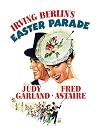
Easter Parade (1948) is a dazzling showcases of classic Hollywood talent, built entirely on incredible musical numbers and the unexpected, delightful chemistry of its leads. While the plot follows a very predictable romantic-comedy formula, the sheer artistry of the performances elevates it into an essential, feel-good musical.🎬 What Makes It Work An Iconic Pairing: The contrast between Fred Astaire’s effortless, breezy elegance and Judy Garland’s raw, vulnerable, and deeply expressive energy creates a uniquely captivating dynamic.Show-Stopping Numbers: From the legendary, dirt-smudged comedy of "A Couple of Swells" to the visual innovation of Astaire dancing in slow-motion during "Steppin' Out with My Baby", the musical sequences are timeless masterclasses.Ann Miller's Star Power: Miller nearly steals the film with "Shakin' the Blues Away," delivering a fierce, lightning-fast tap solo that anchors her as a formidable foil to the main duo.Technicolor Glory: The vibrant costumes, lavish set designs, and rich cinematography perfectly capture the idealized, romanticized nostalgia of early 1900s New York.⚠️ Where It Stumbles Thin Plot: The "Pygmalion" storyline—where a seasoned pro vows to turn an untrained chorus girl into a star out of spite—is thin and serves mostly as a clothesline to hang the musical numbers on.Peter Lawford's Character: The romantic quadrangle feels lopsided, as Lawford’s character lacks the screen magnetism to feel like a genuine show more obstacle or a compelling romantic alternative.🏆 The Verdict Despite a lightweight and formulaic narrative, Easter Parade succeeds entirely on the strength of its legendary cast and Irving Berlin's timeless score. It is a joyful, highly scannable piece of cinematic history that remains immensely watchable today. show less