
Georgia in the early 19th century is squeezed between the Russian and the Ottoman empires. Pavnel, a young Georgian nobleman kills a russian officer in a market brawl. His influence, and the service he’s done for Russia, gets him off with being exiled from the capital, on promise that he will stay in his village. But coming home he gets word that his mentally ill brother has taken off in another futile attempt at finding their mother. Pavnel has no choice but to defy the Russian verdict, and soon he’s a fugitive in the Georgian forests, hunted hy an officer with personal agenda.
Skvami is an aged slaver, being asked for one final job – kidnapping the daughter of a prominent russian to present as a gift for the sultan in Konstaninopel. He refuses, being out of the game and kidnapping girls being a practically dead practice. And yet he finds himself scouting the house out, making the preparations almost without even willfully wanting to.
At first, this book looks episodic and meandering, hopping back and forth between several story lines. Morchiladze does a great job of describing Georgia of the early 1800eds with lots of flavor, a land of two halves divided by a mountain range, very different but mirroring each other. But the story seems almost random. Until the last thirty or so pages, when all of a sudden everything fits together in a very instircate plot. It’s very skillfully done, if perhaps just a little too late. I feel this could have been a better book, show more without having to lose that final gasp. But it’s a book I’m glad I read, and a worthy representative of it’s country in my challenge. show less
Skvami is an aged slaver, being asked for one final job – kidnapping the daughter of a prominent russian to present as a gift for the sultan in Konstaninopel. He refuses, being out of the game and kidnapping girls being a practically dead practice. And yet he finds himself scouting the house out, making the preparations almost without even willfully wanting to.
At first, this book looks episodic and meandering, hopping back and forth between several story lines. Morchiladze does a great job of describing Georgia of the early 1800eds with lots of flavor, a land of two halves divided by a mountain range, very different but mirroring each other. But the story seems almost random. Until the last thirty or so pages, when all of a sudden everything fits together in a very instircate plot. It’s very skillfully done, if perhaps just a little too late. I feel this could have been a better book, show more without having to lose that final gasp. But it’s a book I’m glad I read, and a worthy representative of it’s country in my challenge. show less

Yesterday they feel asleep in their caravans on an ordinary Swedish campsite. Today they wake up somewhere completely different. Four caravans and four cars, ten people, two pets, tossed out on a seemingly endless field of impossible lush grass. Above them a clear blue sky, but there is no sun. The radio only plays golden oldies on all stations. According to the GPS they haven’t moved. Before long someone discovers the bloody X:s smeared on the back of their trailers, marking them. And the expeditions by car out into the green forever show no end to the giant lawn. But it shows something else. Walking in strangely straight lines out there are people they remember. An abusive father. A psychotic hallucination. An impossibly thin white figure, missing too many parts to be called human. Shapes from the past, reminding all of them of things they’d rather keep hidden. It isn’t long before the group starts getting on each other’s nerves. Very seriously so.
The basic setup, with people being shielded off from the world around, and realising they might not be grouped by coincidence, is an old one in horror. But Ajvide’s strange grass plains is still a memorable location, and his cast is interesting. Not really drawing inspiration from any sources I know here, the imagery is stark and surreal. A endless summer day has seldom felt so creepy. I few late additions – a bitter writer of evergreens and the gun that killed prime minister Palme in the 80ies – are more show more confusing than ambience creating. But despite being more enigmatic than usual here, Ajvide mostly pulls it off once again. Swedish fiction knows no other horror writer of the same high consistance of quality. show less
The basic setup, with people being shielded off from the world around, and realising they might not be grouped by coincidence, is an old one in horror. But Ajvide’s strange grass plains is still a memorable location, and his cast is interesting. Not really drawing inspiration from any sources I know here, the imagery is stark and surreal. A endless summer day has seldom felt so creepy. I few late additions – a bitter writer of evergreens and the gun that killed prime minister Palme in the 80ies – are more show more confusing than ambience creating. But despite being more enigmatic than usual here, Ajvide mostly pulls it off once again. Swedish fiction knows no other horror writer of the same high consistance of quality. show less
Pride and Prejudice and Zombies: The Classic Regency Romance - Now with Ultraviolent Zombie Mayhem! by Seth Grahame-Smith
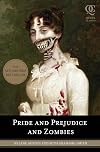
I don’t know about this one, people. I think the basic idea is pretty grand actually, and in the beginning I think the mixing of blood-soaked zombie mayhem and match-making among English country gentry is working really well. The politeness and social code of Austens bits are seen as the façade it really is when contrasted with battle scenes – but there’s also the likeness of Lizzy’s strict warrior code and what’s proper for her as a young lady. However, soon Grahame-Smith sets out smudging other parts of Austen’s writing. We hear of girls carving their lover’s name into their belly, there’s lots of vomiting, soiling of pants and love affairs with polish blokes (?). Pretty quickly I get the feeling Grahame-Smith isn’t writing *with* Austen, but rather *against* her – “transforming a masterpiece of classical literature into something you’d actually want to read”, as the back blurb puts it. And then much of the fun goes away. The contrast between the worlds thins out. To me, this mash-up kind of reduces both parts into something less than they could have been on their own.

I stumbled over The hitch-hiker series in my late teens and it just blew me away. This was literature of a variety I couldn’t even imagine existed. I ended up reading all parts (except for the last one) at least four times, and have extremely fond memories of lying naked in my narrow dorm room bed with Flea when we were just starting out as a couple, reading aloud and giggling our asses off. I also read Dirk Gently back then, and remember liking it, but not falling quite as hard.
Revisiting this some twenty years later, I can see that it is quite different. Where the hitch-hiker books are mostly very thin story lines acting as coat hangers for episodes and wild ideas, Dirk Gently is actually a very (well, -ish) tightly woven plot. Admittedly, a rather silly one, including time travel, electric monks, cheap magic tricks, pizza, horses in bathrooms, cutting edge computer savvy a la late eighties and Coleridge the poet, but nevertheless a plotline from A to Z (well, -ish). It’s ever so close to derailing a lot of the time, but stays fun and somewhat engaging as plots go. But Adams real strength is in the gags. There’s loads of fun detail here, much of which is just hinted at in passing (such as the poor lady in Gently’s building, who is *actually* giving French lessons), and the parts triumph over the whole. Not quite as fun as hitch hiking across the galaxy, but still surely more fun than most other books out there.
Revisiting this some twenty years later, I can see that it is quite different. Where the hitch-hiker books are mostly very thin story lines acting as coat hangers for episodes and wild ideas, Dirk Gently is actually a very (well, -ish) tightly woven plot. Admittedly, a rather silly one, including time travel, electric monks, cheap magic tricks, pizza, horses in bathrooms, cutting edge computer savvy a la late eighties and Coleridge the poet, but nevertheless a plotline from A to Z (well, -ish). It’s ever so close to derailing a lot of the time, but stays fun and somewhat engaging as plots go. But Adams real strength is in the gags. There’s loads of fun detail here, much of which is just hinted at in passing (such as the poor lady in Gently’s building, who is *actually* giving French lessons), and the parts triumph over the whole. Not quite as fun as hitch hiking across the galaxy, but still surely more fun than most other books out there.

”Du vet väl om att du värdefull” (”I hope you know that you are valuable”) is a Swedish hymn, with well-meaning but rather naive lyrics about how precious we all are. By now it’s been used ironically so frequently it’s quite impossible to relate to. And the title of Lindberg’s latest book is exactly that – a sad, vaguely hateful wink.
We follow our narrator – nameless until the very last page – through the summer she turns twenty-two. The setting is a small town in the west of Sweden, and a sense of ending is hanging over the lake and the high-rises. It’s like the chances of actually getting away from here are slipping fast – both her last friends are planning to leave town the coming autumn, one to study, one to work in London. And yet, she doesn’t seem to be able to muster the energy or self-esteem to follow. Instead she is summer temping at the local super market – constantly battling the propblem that someone is urinating in the apple juice - and starting an affair with her boss, more or less without knowing why, not believing for a second the pathetic promises he gives her. But, to her own horror, sort of settling in. Making do.
This is a chafing book of class and aimless longing and heritage, leaving me gasping for breath. Lindberg has a marvellous eye for detail, using imagery that is both absurd and utterly realistic at the same time. It’s funny. It’s smart, but never to smart. It’s vicious, but never heartless. I know this place, show more I know these people. This is like where I grew up myself. One of the best reads of the year for me. show less
We follow our narrator – nameless until the very last page – through the summer she turns twenty-two. The setting is a small town in the west of Sweden, and a sense of ending is hanging over the lake and the high-rises. It’s like the chances of actually getting away from here are slipping fast – both her last friends are planning to leave town the coming autumn, one to study, one to work in London. And yet, she doesn’t seem to be able to muster the energy or self-esteem to follow. Instead she is summer temping at the local super market – constantly battling the propblem that someone is urinating in the apple juice - and starting an affair with her boss, more or less without knowing why, not believing for a second the pathetic promises he gives her. But, to her own horror, sort of settling in. Making do.
This is a chafing book of class and aimless longing and heritage, leaving me gasping for breath. Lindberg has a marvellous eye for detail, using imagery that is both absurd and utterly realistic at the same time. It’s funny. It’s smart, but never to smart. It’s vicious, but never heartless. I know this place, show more I know these people. This is like where I grew up myself. One of the best reads of the year for me. show less

THE HUNGER GAMES
After a month long reading slump I needed something quick and engrossing, and decided that a zillion readers hopefully weren’t wrong. Having managed to avoid the film and most of the talk of this series, I was able to go into this more or less spoiler free.
I can totally see the appeal. There is something a little rudimentary about the post-apocalyptic dystopia Collins creates, but she is smart keeping the story at ground level. Katniss is a great heroine, tough, flawed and believable, and the dilemmas she face are acute and believable.
Most of this book reads like a thriller, with Katniss trying to survive the games. Collins does a great job of crating tension and ambience, where the whole thing could easily have been strained and over-inflated. This, and the effective (if perhaps not unexpected) twists make me more than willing to overlook logical gaps such a camera presence, pinpointed parachutes and a dozen other little things.
I’m eager to see where this is going, and have a hunch I’ll like the series even more post game.
CATCHING FIRE
The first book more or less dealt with repression, examplified by the games themselves. This, the second part of the trilogy, looks instead at the mechanics of rebellion. Starting off right after the first book, Katniss is faced with the consequences of the choices she made in the hunger games – and forced to realise just how little a spark can be and stlll be dangerous. Collins places her heroine in a complex show more dilemma where all choices seem bad, and broadens the perspective, letting us know more about this post-apocalyptic world. It’s all good.
The weakest part of the book for me is paradoxally the one that made the first book. Katniss’ return to the arena is where the book loses a little bit of momentum for me. Despite Collins attempts at creating a fresh setting with tons of nasty traps, it feels like a bit of a re-hash.
Even so, this is a series with both brains and a heart, and I look forward to seeing what happens after the rather abrupt ending of this part.
MOCKINGJAY
The uprising is turning into a war and Katniss is it’s involontary symbol. Despite reeling under her losses and trauma she is again put in front of cameras to push people in a direction – only this time by what is supposed to be the good guys. Gale in his new role as a tactician is growing more and more ruthless in his ideas on how to defeat the regime. Peeta is a trapped puppet for president Snow, and Katniss slips further and further into a thirst for blind revenge.
Even despite the first parts’ violence I was surprised by the brutality of this concluding part. It deals with propaganda and the de-humanisation of war, where ideals are whittled down and the difference between good and evil is becoming more and more hard to distinguish. Collins makes brave and uncompromising choices, and I’m impressed by her willingness to explore her themes to the end. There are no false happy chords here, the price paid for freedom is harsh and very real. And her description of media’s role in deciding what side of the story will be ”the truth” is well captured in it’s absurdity. The revolution WILL be televised – and the edit will make all the difference. As will make-up.
Many seem to think this book is the weakest of the three and I guess I can see why. It’s more broken and disjointed, the polt less tight. For me though, the way it carries themes further and broadens the perspective, and the way it often hits me in the guts, makes it my favorite part of a series which deserves it’s praise. show less
After a month long reading slump I needed something quick and engrossing, and decided that a zillion readers hopefully weren’t wrong. Having managed to avoid the film and most of the talk of this series, I was able to go into this more or less spoiler free.
I can totally see the appeal. There is something a little rudimentary about the post-apocalyptic dystopia Collins creates, but she is smart keeping the story at ground level. Katniss is a great heroine, tough, flawed and believable, and the dilemmas she face are acute and believable.
Most of this book reads like a thriller, with Katniss trying to survive the games. Collins does a great job of crating tension and ambience, where the whole thing could easily have been strained and over-inflated. This, and the effective (if perhaps not unexpected) twists make me more than willing to overlook logical gaps such a camera presence, pinpointed parachutes and a dozen other little things.
I’m eager to see where this is going, and have a hunch I’ll like the series even more post game.
CATCHING FIRE
The first book more or less dealt with repression, examplified by the games themselves. This, the second part of the trilogy, looks instead at the mechanics of rebellion. Starting off right after the first book, Katniss is faced with the consequences of the choices she made in the hunger games – and forced to realise just how little a spark can be and stlll be dangerous. Collins places her heroine in a complex show more dilemma where all choices seem bad, and broadens the perspective, letting us know more about this post-apocalyptic world. It’s all good.
The weakest part of the book for me is paradoxally the one that made the first book. Katniss’ return to the arena is where the book loses a little bit of momentum for me. Despite Collins attempts at creating a fresh setting with tons of nasty traps, it feels like a bit of a re-hash.
Even so, this is a series with both brains and a heart, and I look forward to seeing what happens after the rather abrupt ending of this part.
MOCKINGJAY
The uprising is turning into a war and Katniss is it’s involontary symbol. Despite reeling under her losses and trauma she is again put in front of cameras to push people in a direction – only this time by what is supposed to be the good guys. Gale in his new role as a tactician is growing more and more ruthless in his ideas on how to defeat the regime. Peeta is a trapped puppet for president Snow, and Katniss slips further and further into a thirst for blind revenge.
Even despite the first parts’ violence I was surprised by the brutality of this concluding part. It deals with propaganda and the de-humanisation of war, where ideals are whittled down and the difference between good and evil is becoming more and more hard to distinguish. Collins makes brave and uncompromising choices, and I’m impressed by her willingness to explore her themes to the end. There are no false happy chords here, the price paid for freedom is harsh and very real. And her description of media’s role in deciding what side of the story will be ”the truth” is well captured in it’s absurdity. The revolution WILL be televised – and the edit will make all the difference. As will make-up.
Many seem to think this book is the weakest of the three and I guess I can see why. It’s more broken and disjointed, the polt less tight. For me though, the way it carries themes further and broadens the perspective, and the way it often hits me in the guts, makes it my favorite part of a series which deserves it’s praise. show less

Laarmans, a rather unassuming office clerk in the harbor of Antwerpen, is via an influential friend suddenly getting the opportunity to become general agent for a dutch cheese manufacturer. Despite hating cheese, Laarmans is swept away by the prospect of becoming an entrepenuer – and not least what such a label does to his self-image – and faking an illness, takes a sick leave from his job to start this new, prosperous venture. The future is so bright it’s blinding, despite what nay-sayers like his wife and brother think of it. However, finding the right desk takes time, finding the right type-writer and letter paper does too, and before he is even set up there are twenty tons of edamer delivered to him. How does one even sell cheese?
This is a deceptively light-handed, slender book about being in love with who you think you should be, and the inability to say no. It’s a fine example of early modernist writing, a little bit like a gentler Kafka. But the style and the awkwardness of Laarmans also reminds me a little of Magnus Mills, which is high praise. I also have to admit to blushing at times – there’s definitely a little Laarmans in me.
This is a deceptively light-handed, slender book about being in love with who you think you should be, and the inability to say no. It’s a fine example of early modernist writing, a little bit like a gentler Kafka. But the style and the awkwardness of Laarmans also reminds me a little of Magnus Mills, which is high praise. I also have to admit to blushing at times – there’s definitely a little Laarmans in me.

I’ve always liked Kerstin Ekman, even if her brand of rural tale from the forests of the north have never quite matched the awesome Sara Lidman. This book, from the early seventies, hasn’t seen reprint in a long while and is probably considered a lesser work of Ekman’s. Still, I enjoyed this bleakly humorous tale of some flawed people fighting for scraps of work, money and dignity in a dying village. It’s a rather sharp reminder that while Sweden was having it’s “record years”, with one of the strongest economies in the world, there were still parts where there wasn’t even electric light. For the main characters of this slim, crooked smile of a book, making moonshine booze becomes a way of giving the government a tiny middle finger. But a limping love triangle complicates things, and in the wreckage of it all, there are scraps of both darkness and true mercy. A little treasure, this book.

I’m on the verge of writing that "this really isn’t a bad book". But then I remember that I spent almost seven weeks reading it, and that picking it up didn’t come naturally a single time. Really, I can’t explain why. Lake’s version of steampunk, with a world that in itself is a giant clockwork machine, riding on tracks through the universe, is a really interesting concept. The world is divided into north and mysterious, almost mystical, south, with the giant Wall that connects the planet with it’s skytrack separating them. The wall itself is a strange, vertical world, full of eeire beasts and magic. With a world like this, there can of course not be any question that there has to be a God, a maker. Theological debate – and conflict – instead deals with the concept of mankind’s role in creation. Does God need our help in maintaining and winding the world, or doesn’t he? A secret war on ideas is raging the world, besides the obvious conflict between the two super powers: the English and the Chinese.
Paolina grows up in a village on the wall, ruled by cruel ignorant men. She is a genious with an instinctive knowledge of the machinet hat is the world. Without really understanding it herself, she creates a device that tunes into the very beat of the world. It’s destructive potential is beyond belief. Al-Wariz is a petty officer in Her Majesty’s airship navy. After some recent events, he is among the very few with any knowledge of the Wall and is selcted show more as security officer for a bold and dangerous venture – the attempt of drilling a tunnel thorugh it. And Childress is a librarian and a footsoldier in a secret society fighting for the heretic belief that God needs man, suddenly forced to play the role of a dead woman in a dangerous game with the Chinese. These three people’s fates are about to intertwine.
It’s really a nice setup, an exciting world – and it sholud make for interesting reading. But there’s something about Lake’s style that never seems to grip me. It’s like his focusing on the wrong things all the time, speeding up, brushing over and slowing down in all the wrong places. I constantly find myself losing the sense of plot and urgency and am left with a sense of three people going back and forth across the globe more or less randomly. This is the third Lake I try, and even though I liked ”Mainspring” well enough, it had a bit of the same problem for me. YMMV, but I’ve decided me and Jay just aren’t matiching. I’m letting this author go. show less
Paolina grows up in a village on the wall, ruled by cruel ignorant men. She is a genious with an instinctive knowledge of the machinet hat is the world. Without really understanding it herself, she creates a device that tunes into the very beat of the world. It’s destructive potential is beyond belief. Al-Wariz is a petty officer in Her Majesty’s airship navy. After some recent events, he is among the very few with any knowledge of the Wall and is selcted show more as security officer for a bold and dangerous venture – the attempt of drilling a tunnel thorugh it. And Childress is a librarian and a footsoldier in a secret society fighting for the heretic belief that God needs man, suddenly forced to play the role of a dead woman in a dangerous game with the Chinese. These three people’s fates are about to intertwine.
It’s really a nice setup, an exciting world – and it sholud make for interesting reading. But there’s something about Lake’s style that never seems to grip me. It’s like his focusing on the wrong things all the time, speeding up, brushing over and slowing down in all the wrong places. I constantly find myself losing the sense of plot and urgency and am left with a sense of three people going back and forth across the globe more or less randomly. This is the third Lake I try, and even though I liked ”Mainspring” well enough, it had a bit of the same problem for me. YMMV, but I’ve decided me and Jay just aren’t matiching. I’m letting this author go. show less

This is a pretty scary little book of poetry about losing your langauage to psychosis. Full of desperate attempts to explain thing in wording that tries to be exact,, but getting constantly lost in association and disruptive voices, it seems to deal with a sort of pricetag that comes with the very act of speaking. It seems fitting that the first four sections are all have the same title. There’s a sense of starting over here, but doing slightly worse each round.
Ytterbom is a pseudonym for my friend Leif Holmstrand, a well known poet under his own name. This book, released in 2006 is, I think, his first attempt at describing his own mental illness directly. It’s a difficult read, and hard to penetrate. I must admit to probably getting some necessary keys to this book from hearing a radio interview with Holmstrand describing what psychosis does to language. Not sure if I would have found my way into it otherwise. With these clues however, I’m left with a reading experience that feels both exact and vague at the same time.
Ytterbom is a pseudonym for my friend Leif Holmstrand, a well known poet under his own name. This book, released in 2006 is, I think, his first attempt at describing his own mental illness directly. It’s a difficult read, and hard to penetrate. I must admit to probably getting some necessary keys to this book from hearing a radio interview with Holmstrand describing what psychosis does to language. Not sure if I would have found my way into it otherwise. With these clues however, I’m left with a reading experience that feels both exact and vague at the same time.

Partik Lundberg is one of my favorite columnists. He writes for one of the tabloids, presenting clever looks on socioeconomics and racism, often from a small town perspective. Adopted from Korea, he’s one of rather few voices in Sweden raising awareness of racism towards asians specifically, a variety of racism that is for some reason seen as ”milder” here, often slipping under the radar.
”Gul utanpå” (which translates as ”Yellow on the outside”, referring to how someone once compared his cultural identity to a banana) is Lundberg’s autobiography about going to Korea to find his own roots. Starting with his upbringing as one of very few ”different” kids in his hometown, small town blues quickly sketched but beautifully captured, the main focus here is on the year he spends in Seoul, to study but mainly to find his birth family.
Lundberg writes with a frank honesty about the experience of finding himself popular with girls for the first time in his life (and what that does to him), about the joy of meeting his family turning more and more complicated as he struggles with their expectations, about his drinking habits and about the shock in finding out his birth papers have been altered to make him ”easier to adopt”.
In short, there’s a lot in here which I haven’t read about before, and I feel wiser for having read this quick book. As a person sharing a lot of musical references with Lundberg, it’s also a joy to find the quotes from lots of show more great indie songs hidden in the text everywhere. However, the style, effective as it is, feels almost too straight at times. It’s so clear it’s a little bland. Even if it doesn’t say so anywhere, I’m left with a feeling this is a book geared towards a younger audience. As such, it’s probably even better. Me, I’m turning my eye towards Lundberg’s debut novel, just released last month. show less
”Gul utanpå” (which translates as ”Yellow on the outside”, referring to how someone once compared his cultural identity to a banana) is Lundberg’s autobiography about going to Korea to find his own roots. Starting with his upbringing as one of very few ”different” kids in his hometown, small town blues quickly sketched but beautifully captured, the main focus here is on the year he spends in Seoul, to study but mainly to find his birth family.
Lundberg writes with a frank honesty about the experience of finding himself popular with girls for the first time in his life (and what that does to him), about the joy of meeting his family turning more and more complicated as he struggles with their expectations, about his drinking habits and about the shock in finding out his birth papers have been altered to make him ”easier to adopt”.
In short, there’s a lot in here which I haven’t read about before, and I feel wiser for having read this quick book. As a person sharing a lot of musical references with Lundberg, it’s also a joy to find the quotes from lots of show more great indie songs hidden in the text everywhere. However, the style, effective as it is, feels almost too straight at times. It’s so clear it’s a little bland. Even if it doesn’t say so anywhere, I’m left with a feeling this is a book geared towards a younger audience. As such, it’s probably even better. Me, I’m turning my eye towards Lundberg’s debut novel, just released last month. show less
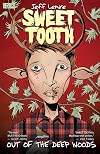
Gus has antlers. He lives in the woods with his pa. He can’t remember meeting anyone else. A disease is killing all the people. It took his mother many years ago. It will take everyone eventually. When pa also dies Gus is all alone. Until the bad men come – and then mister Jeppers, doing bad things to the bad men, and saving Gus. Which makes mister Jeppers a bad man of sorts, but not entirely. Mister Jeppers tells Gus that for some reasons, hybrid children like himself are safe from the Affliction. He knows of a preserve, a place where the animal children can be safe. He promises to take Gus there. For the first time ever, Gus leaves the woods.
This is a well-told post-apocalpyse. But not a very original one. Gus and Jeppers encounter more or less who you think they’d encounter. And bond in the way you would expect a hardened wasteland bad-ass and a boy with antlers would bond. It’s solid, it’s emotional, but it never quite finds it’s own voice.
Also, Lemire’s favorite thing seems to be showing Gus’ anxious, open face with huge eyes staring right at us. It’s an emotional image, absolutely, but so over used it borders on annoying. The layout of the start of the book is a joke: The cover shows Gus (with antlers) staring at us with huge, anxious eyes. First page is Gus’ head (with antlers) mounted on a plate, wearing the exact same expression. Second and third page is a spread, showing Jeppers lifting Gus by the antlers. Gus is wearing the exact same show more expression. Page four is another picture of Gus (with antlers), this time standing in the woods, staring right at us, wearing the exact same expression. Page five is the cover picture once again.
Then the actual story starts. The first three pages carefully hide the fact that Gus has antlers. However, three panels are close ups of his anxious, staring eyes. The fourth page shows us that – surprise! – Gus has antlers. He is standing in the snow, staring right at us. He is looking very anxious.
A blurb on the cover describes the book as “Mad Max with antlers”. Oh, really? show less
This is a well-told post-apocalpyse. But not a very original one. Gus and Jeppers encounter more or less who you think they’d encounter. And bond in the way you would expect a hardened wasteland bad-ass and a boy with antlers would bond. It’s solid, it’s emotional, but it never quite finds it’s own voice.
Also, Lemire’s favorite thing seems to be showing Gus’ anxious, open face with huge eyes staring right at us. It’s an emotional image, absolutely, but so over used it borders on annoying. The layout of the start of the book is a joke: The cover shows Gus (with antlers) staring at us with huge, anxious eyes. First page is Gus’ head (with antlers) mounted on a plate, wearing the exact same expression. Second and third page is a spread, showing Jeppers lifting Gus by the antlers. Gus is wearing the exact same show more expression. Page four is another picture of Gus (with antlers), this time standing in the woods, staring right at us, wearing the exact same expression. Page five is the cover picture once again.
Then the actual story starts. The first three pages carefully hide the fact that Gus has antlers. However, three panels are close ups of his anxious, staring eyes. The fourth page shows us that – surprise! – Gus has antlers. He is standing in the snow, staring right at us. He is looking very anxious.
A blurb on the cover describes the book as “Mad Max with antlers”. Oh, really? show less

”Glupahungern” translates as ”the big hunger”, but it’s not a word you’d normally use. Glupahungern has a distinct folkloristic flavor to it, it tastes of huge sprouses and dark fairytales. It’s the kind of hunger you might find in a big animal - or a monster. Along with the first line of the book, brilliant it’s simplicity, it sets an ambience: ”There was something in the forest”. And then there’s the first episode, where Erik puts his skies on to make sure the village drunk Sup-Linus gets home to his small cottage by the lake all right, but loses his way there, even though he’s walked it a thousand times. And when he finally finds the little cabin, something is in there – but it’s not Sup-Linus.
Unfortunately, it’s all downhill from there. I can forgive the wobbly style, flitting from first person to third, shifting points of view in mid-sentence, going from concentrated moments to sudden, sketchy uninterested skimmings over years. But it’s like Lundgren constantly chooses to focus on the wrong things. It seems this book is never where I want it to be. She tries really hard for a sort of dense silence, but instead the words just come off flat, making the whole thing feel like disjointed episodes with an annoying lack of resonance.
There are a few more chilling moments right at the end of the book, when a circle inevitable closes. But it’s too little too late, i’m afraid, especially when so much on the way there just felt random.
Unfortunately, it’s all downhill from there. I can forgive the wobbly style, flitting from first person to third, shifting points of view in mid-sentence, going from concentrated moments to sudden, sketchy uninterested skimmings over years. But it’s like Lundgren constantly chooses to focus on the wrong things. It seems this book is never where I want it to be. She tries really hard for a sort of dense silence, but instead the words just come off flat, making the whole thing feel like disjointed episodes with an annoying lack of resonance.
There are a few more chilling moments right at the end of the book, when a circle inevitable closes. But it’s too little too late, i’m afraid, especially when so much on the way there just felt random.
Why does the infamous slasher film genre get rid of the male hero in the mid-seventies, instead introducing the concept of Final Girl – the victim who fights back and wins? Why is it okay for a man to cry by the bed of a possessed woman without losing masculinity? Why are the rapists of the rape-revenge genre almost always rednecks with bad teeth?
Clover’s investigation of the golden age of “lowest” forms of horror and how they represent gender is a fascinating read. Methodically and accessibly, she’s pointing out how some of the most snarled at, seemingly misogynistic films really stage fluidity and shifts in gender that mainstream films didn’t come even close to until decades later. This is a book sure to benefit from a bigger experience with the films discussed – making you feel illiterate because you haven’t seen “The hills have eyes” or “The Texas Chain Saw Massacre” – but even without that detailed knowledge, there’s a whole lot to soak up here. Granted though, at least the most basic understanding of feminist theory might be required.
The first three chapters, on slasher film, possession film, and rape-revenge film are all constantly interesting, if chewy. The last chapter though, dealing with the role of the eye and/or gaze in horror, and sadistic and masochistic positions in watching something, including much wrestling with Freud, is more difficult. I find myself losing the thread of thought, glazing over and duty reading a little bit. show more The afterword is interesting though, looking at how some of the themes were, at the time, finding it’s way into mainstream film, often in watered down form.
Written twenty years ago, I would be most interested in seeing what Clover would have (or has?) written about what has happened to “low” horror since. I would love to read her thoughts on things like the meta levels in the Scream series, the dual victimization of films like Saw, and the influences from Japanese horror. show less
Clover’s investigation of the golden age of “lowest” forms of horror and how they represent gender is a fascinating read. Methodically and accessibly, she’s pointing out how some of the most snarled at, seemingly misogynistic films really stage fluidity and shifts in gender that mainstream films didn’t come even close to until decades later. This is a book sure to benefit from a bigger experience with the films discussed – making you feel illiterate because you haven’t seen “The hills have eyes” or “The Texas Chain Saw Massacre” – but even without that detailed knowledge, there’s a whole lot to soak up here. Granted though, at least the most basic understanding of feminist theory might be required.
The first three chapters, on slasher film, possession film, and rape-revenge film are all constantly interesting, if chewy. The last chapter though, dealing with the role of the eye and/or gaze in horror, and sadistic and masochistic positions in watching something, including much wrestling with Freud, is more difficult. I find myself losing the thread of thought, glazing over and duty reading a little bit. show more The afterword is interesting though, looking at how some of the themes were, at the time, finding it’s way into mainstream film, often in watered down form.
Written twenty years ago, I would be most interested in seeing what Clover would have (or has?) written about what has happened to “low” horror since. I would love to read her thoughts on things like the meta levels in the Scream series, the dual victimization of films like Saw, and the influences from Japanese horror. show less
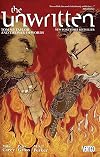
For any multi-layered, intertextual, millennia-scoping, allusion-soaked fantasy series, this is the tricky volume. For Tom and his gang have come to the point when it’s time to stop tossing new threads and ideas around, adding mystery and flavor, and instead to start making some sense of it all. Done wrong, the whole delicious, tickling weave just unravels like a deflated balloon. On the other hand, mystery remaining too mysterious eventually becomes abstract and makes the reader lose interest.
Here, with Tom taking on the mysterious Cabal head on, and Pullman staging his own palace coup, it’s time for answers. Without spoiling anything, I think it comes as a surprise to no one that more than a pinch of myth is thrown in. It’s all very well thought out and makes sense in it’s own way. But it’s also just a little formulaic. A little Sandman-esque in the way it mixes Gilgamesh, Gutenberg and early political cartoon. Satisfying, but a blend that feels just a tad too familiar.
The Unwritten series instead keeps scoring it’s highest points in the episodes taking place slightly beside the main story arc. It lends itself unusually well to the detour. Here, it’s the neat little everyman story of one of the lowly readers plugged into the Grid, and the chilling account of Frau Rausch’s childhood that really stand out.
Here, with Tom taking on the mysterious Cabal head on, and Pullman staging his own palace coup, it’s time for answers. Without spoiling anything, I think it comes as a surprise to no one that more than a pinch of myth is thrown in. It’s all very well thought out and makes sense in it’s own way. But it’s also just a little formulaic. A little Sandman-esque in the way it mixes Gilgamesh, Gutenberg and early political cartoon. Satisfying, but a blend that feels just a tad too familiar.
The Unwritten series instead keeps scoring it’s highest points in the episodes taking place slightly beside the main story arc. It lends itself unusually well to the detour. Here, it’s the neat little everyman story of one of the lowly readers plugged into the Grid, and the chilling account of Frau Rausch’s childhood that really stand out.

This is a list, a long string of words stating particulars of a post-apocalyptic landscape. The sense you get is of a sort of eye flying over the wasteland, registering what it sees and senses:
Tree.
Ruin.
Rifle.
Fire.
Tree.
Rock.
Headwind.
Wound.
Cap.
Chair.
Packet of cigarettes.
Dirt.
Tree.
Gradually, more abstract words are interwoven, descriptions of emotion and, perhaps, moral. The faintest trace of sorrow and wariness in the registering eye perhaps. You can also occasionally get a sense of specific events on the ground – the site of a big explosion, some sort of camp, what once perhaps was a mall, a plundered village.
This is, in it’s own right an effective text, especially when read aloud. But it’s also, you know, just a list.
Tree.
Ruin.
Rifle.
Fire.
Tree.
Rock.
Headwind.
Wound.
Cap.
Chair.
Packet of cigarettes.
Dirt.
Tree.
Gradually, more abstract words are interwoven, descriptions of emotion and, perhaps, moral. The faintest trace of sorrow and wariness in the registering eye perhaps. You can also occasionally get a sense of specific events on the ground – the site of a big explosion, some sort of camp, what once perhaps was a mall, a plundered village.
This is, in it’s own right an effective text, especially when read aloud. But it’s also, you know, just a list.

Another really good collection of folk tales, by the nestor of Swedish folklore. Here, besides tons of examples and stories, he also puts focus on the mechanics of the tale, how motives wander and morph, and the role of folklore in everyday life. A rich part is also devoted to stories that don’t deal with supernatural beings – stories about heroes, mythical kings and queens, wars and actual historical figures. This was a new field for me, and was particularly interesting.
I was also pleased to see that Dalsland, the region where I grew up, is richly represented, often with unique tales and a few beings that aren’t found anywhere else.
For me, the coolest thing of all in here however, deals with my own childhood. My paternal grandfather was from Västergötland. He had scraps of old beliefs left in him from when he grew up. He used to tell stories about seeing the resident ghost in the mansion where he was born, and also had memories of trying to find Glosons (a giant demon pig) treasure at full moon. When we went to visit my grandparents in the fall, we always went walking in the forest to pick mushrooms. During these expeditions, it was inevitable that people got spread out. From early age, we got taught that if our name was called in the forest, we were to respond not with “Yes!” but with “Hoj!”. In fact, usually “Hoj!” was all that was shouted, back and forth. I vividly recall the safety I felt, when finding myself alone among the trees and calling out, show more getting “Hoj!” responses from all directions. We still practice this in my own family, when we take the kids into the forest. I always assumed “Hoj!” was chosen sort of randomly, a nonsense word that carried well over distance, even in a child’s voice.
But yesterday I read that, according to old beliefs in Västergötland, calling your name in the forest was one of the tricks trolls used to take you under the mountain. Therefore, if you heard someone call your name among the trees you should never ever respond with a “yes”. Guess which word was recommended instead? show less
I was also pleased to see that Dalsland, the region where I grew up, is richly represented, often with unique tales and a few beings that aren’t found anywhere else.
For me, the coolest thing of all in here however, deals with my own childhood. My paternal grandfather was from Västergötland. He had scraps of old beliefs left in him from when he grew up. He used to tell stories about seeing the resident ghost in the mansion where he was born, and also had memories of trying to find Glosons (a giant demon pig) treasure at full moon. When we went to visit my grandparents in the fall, we always went walking in the forest to pick mushrooms. During these expeditions, it was inevitable that people got spread out. From early age, we got taught that if our name was called in the forest, we were to respond not with “Yes!” but with “Hoj!”. In fact, usually “Hoj!” was all that was shouted, back and forth. I vividly recall the safety I felt, when finding myself alone among the trees and calling out, show more getting “Hoj!” responses from all directions. We still practice this in my own family, when we take the kids into the forest. I always assumed “Hoj!” was chosen sort of randomly, a nonsense word that carried well over distance, even in a child’s voice.
But yesterday I read that, according to old beliefs in Västergötland, calling your name in the forest was one of the tricks trolls used to take you under the mountain. Therefore, if you heard someone call your name among the trees you should never ever respond with a “yes”. Guess which word was recommended instead? show less

Merivel happens to cure the king’s sick dog by accident, and as a result is elevated to be part of the court. Officially as doctor for the dogs, but in reality more as a kind of jester – an outlandishly dressed, constantly sloshed, farting and joking clown. Until he is given a more serious task. The king’s favorite mistress needs to get married for the sake of respectability, and Merivel is the king’s choice. Convinced this loud womenizing lout is unable of deeper feelings, the king makes him baron, gives him an estate in the country, and the occasional task of looking after lady Celia. Merivel can’t believe his luck, and lives a more than happy life at his Norfolk manor. Until the unthinkable happens. He falls in love with his own wife.
From there on this rude romp takes a much more serious turn – or two - of which little can be said without spoilers. But Merivel’s story is a classical Bildungsroman, and his journey is both gripping and sad as well as funny. Sure, one or two characters are a bit larger than life, but that just adds to the flavor. It’s also refreshing, for once, to find royalty portrayed as actually worthy of the awe and respect they get. Here, king Charles is really both wise and elevated, almost sage-like.
Without stressing it, this is also a well researched book. I especially liked the glimpses into where the medical science stood in the 17th century, and the vivid descriptions of fire in London.
Historical fiction is not my thing, and show more this is not likely a read I’d picked for myself. Now I’m just happy to see we have another Tremain on our shelves. show less
From there on this rude romp takes a much more serious turn – or two - of which little can be said without spoilers. But Merivel’s story is a classical Bildungsroman, and his journey is both gripping and sad as well as funny. Sure, one or two characters are a bit larger than life, but that just adds to the flavor. It’s also refreshing, for once, to find royalty portrayed as actually worthy of the awe and respect they get. Here, king Charles is really both wise and elevated, almost sage-like.
Without stressing it, this is also a well researched book. I especially liked the glimpses into where the medical science stood in the 17th century, and the vivid descriptions of fire in London.
Historical fiction is not my thing, and show more this is not likely a read I’d picked for myself. Now I’m just happy to see we have another Tremain on our shelves. show less

Ebbe Schön is the nestor of Swedish folklore. I think most swedes know his bearded, wrinkly face as he sits in some TV sofa explaining the background to our Christmas or midsummer traditions. He’s also written numerous books on tales and oral tradition, and the creatures of folklore especially. This is the first I read by him, and I liked it. He has a nice way of weaving things together, giving lots of examples and anecdotes, and also mixing in memories from his own childhood.
This is another overview type book, and as a pendant to “Nordiska väsen” which I read earlier this year, it works really well. While that one had lavish illustrations, this book, while broad, has a much meatier presentation of the various critters and spooks. I’m eager to read more about the beliefs of my ancestors, and while these sample menu type books are great, I feel my next reads will have to be more in-depth, focusing on fewer aspects.
This is another overview type book, and as a pendant to “Nordiska väsen” which I read earlier this year, it works really well. While that one had lavish illustrations, this book, while broad, has a much meatier presentation of the various critters and spooks. I’m eager to read more about the beliefs of my ancestors, and while these sample menu type books are great, I feel my next reads will have to be more in-depth, focusing on fewer aspects.

In 1936, inspired by the sparking revolution, the farmworkers storm a mansion in Toledo, executing the youngest son of the owners. After the victory of Franco’s fascist, the family creates a ritual, forcing the local farmers to reenact the murder on its’ anniversary every year – thus reminding them of their guilt and their defeat.
This novel is set on the twentieth anniversary of the murder, which is decided to be the last time the ritual is performed. Besides the family and the reluctant farmworkers, guests arrive to witness – an American writer who heard of this bizarre tradition from Hemingway, the children of the family, too young to remember the deed itself, and an officer of the security police, there both because he admires this method of putting the reds in their place, and because he suspects young Lorenzo, son of the executed, of communist activities. Constantly moving back and forth through the same day, with both memories from further back and glimpses of the future, this book is about secrets, sexual tension, the role of memory in our lives, and the kind of wobbly peace without real forgiveness that follows a civil war.
The small library in rural Ydre, where we spend some time every summer, has a wonderful summer sale. Besides old stuff, they also tend to sell a lot of new books that just haven’t worked out for them – usually books bought for all libraries in Sweden by the government, as a form of support system for small publishers. Most of these show more have never even been opened, and they sell for one krona each. Really, it’s the most wonderful place to pick up books from unusual countries, and titles you never heard of. This book was one of this year’s haul – the blurb sounded so interesting.
I find myself leaning this way, then that way with this book. At first, it’s literary style, it’s constant namedropping and eagerness to show off annoyed me. It felt old-fashioned in all the wrong ways. Then the storyline about the adamant fascist police Sabuesa, especially, gripped me. In the end, I’m left with the feeling that I read a book often focusing on the wrong things, which would have benefitted from a less literary style. Bonus points for introducing me to the powerful and fascinating renaissance art of Artemisia Gentileschi! show less
This novel is set on the twentieth anniversary of the murder, which is decided to be the last time the ritual is performed. Besides the family and the reluctant farmworkers, guests arrive to witness – an American writer who heard of this bizarre tradition from Hemingway, the children of the family, too young to remember the deed itself, and an officer of the security police, there both because he admires this method of putting the reds in their place, and because he suspects young Lorenzo, son of the executed, of communist activities. Constantly moving back and forth through the same day, with both memories from further back and glimpses of the future, this book is about secrets, sexual tension, the role of memory in our lives, and the kind of wobbly peace without real forgiveness that follows a civil war.
The small library in rural Ydre, where we spend some time every summer, has a wonderful summer sale. Besides old stuff, they also tend to sell a lot of new books that just haven’t worked out for them – usually books bought for all libraries in Sweden by the government, as a form of support system for small publishers. Most of these show more have never even been opened, and they sell for one krona each. Really, it’s the most wonderful place to pick up books from unusual countries, and titles you never heard of. This book was one of this year’s haul – the blurb sounded so interesting.
I find myself leaning this way, then that way with this book. At first, it’s literary style, it’s constant namedropping and eagerness to show off annoyed me. It felt old-fashioned in all the wrong ways. Then the storyline about the adamant fascist police Sabuesa, especially, gripped me. In the end, I’m left with the feeling that I read a book often focusing on the wrong things, which would have benefitted from a less literary style. Bonus points for introducing me to the powerful and fascinating renaissance art of Artemisia Gentileschi! show less

The thing is, Mori’s mum is a witch and Mori and her twin sister, with some help from the fairies, stopped her evil scheme for taking over the world, at the cost of her sister’s life. So now staying at mum’s is not really a good idea anymore. It’s goodbye to the Welsh mountains, industrial ruins and magic. Instead she is shipped off to a boarding school, paid for by her dad who she hasn’t seen since she was a baby.
The boarding school is a posh hellhole of course, and now Mori has to try and deal with both social stigma, befriending new strange fairies, snobby aunts, puberty, finidng enough books to read and her mum’s attempts on her life in the dark hours. This book is Mori’s diary.
This is a charming read indeed, full of discussions about science fiction (yep, Mori is more than a little geeky), teenage angst and descriptions of magic so incomprehensible and subtle it can always be denied (you throw a comb into a bog and three months later find out that the change you wished for was already ten years in the making). As so often when magic is mixed with teenage life, I find myself more drawn to the mundane side of things, and Mori is very interesting to follow. I can’t quite shake the feeling this book isn’t all it could be, but it’s been quite a while since I read a more *charming* novel.
The boarding school is a posh hellhole of course, and now Mori has to try and deal with both social stigma, befriending new strange fairies, snobby aunts, puberty, finidng enough books to read and her mum’s attempts on her life in the dark hours. This book is Mori’s diary.
This is a charming read indeed, full of discussions about science fiction (yep, Mori is more than a little geeky), teenage angst and descriptions of magic so incomprehensible and subtle it can always be denied (you throw a comb into a bog and three months later find out that the change you wished for was already ten years in the making). As so often when magic is mixed with teenage life, I find myself more drawn to the mundane side of things, and Mori is very interesting to follow. I can’t quite shake the feeling this book isn’t all it could be, but it’s been quite a while since I read a more *charming* novel.
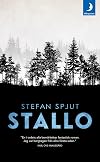
Tolkien has been crap for trolls. Ever since Lord of the Rings, the prevailing image of trolls in fantastic literature are of club wielding, barely sentient hulks, the brutest force of any orcish horde. Preferably on a leash.
But in Nordic folklore, trolls are more like a cruder, ruder, occasionally uglier and definetely less etherical relative of the fair folk. Forest dwellers, glaring at the lonely human cottages from among the dark trees, makers of hard, sometimes rigged, bargains, gold hoarders, child swappers, masters of disguise, possible to get along with but always unpredictable and dangerous. I’ve always felt they’ve deserved a place of their own, dreaming of a really well crafted contemporary horror story using the potential in them. Now I’ve read it.
The variety in focus here though are the title’s Stallo, which are the sami folklore version of trolls. Bigger, lumbering, slow witted, with motives incomprehensible, with a taste for human flesh, and an eerie fascination with human children. Indeed, the atmospheric and creepy beginning deals with the abduction of a child from a summer cabin. It has a pitch perfect description of the sinister side of the deep Swedish forest, and leaves me literally breathless. Right from the start, Stallo is totally impossible to put down.
The main story line takes place twenty five years later, when Susso, a firm believer in trolls since her grandfather the famous photographer caught something unexplainable on a flight show more photo, follows up on an eyewitness account. The old lady’s story about a silent, grinning little man seems somewhat believable, at least enough for Susso to rig the automatic camera. Perhaps this is the time she’ll finally catch something substantial? Just a few days later the lady calls her back. Her grandson is missing.
What follows is a wobbly quest full of enigmas, which even turns out to involve some rather prominent people from Sweden’s past. The writing is dirty, smelly and real, and the whole concept of trolls hiding in remote houses with terrified people trying to deal with them, comes across as believable.
In the end, a lot is left hanging. Few things are fully answered. The motives of the stallo and their wardens, the skrymt and knytt and shape-shifters, remain mysterious. Which I kind of like. But one or two of the big storylines seem more sloppily dropped than carefully left dangling. It’s a bit of a shame, especially in a book so thick and detailed. Could be a sequel is coming, even though I haven’t seen any indication yet. With that said, it’s been a long time since I turned pages so hungrily, and many images here will stay with me for a long long time. Translation on it’s way, I think. show less
But in Nordic folklore, trolls are more like a cruder, ruder, occasionally uglier and definetely less etherical relative of the fair folk. Forest dwellers, glaring at the lonely human cottages from among the dark trees, makers of hard, sometimes rigged, bargains, gold hoarders, child swappers, masters of disguise, possible to get along with but always unpredictable and dangerous. I’ve always felt they’ve deserved a place of their own, dreaming of a really well crafted contemporary horror story using the potential in them. Now I’ve read it.
The variety in focus here though are the title’s Stallo, which are the sami folklore version of trolls. Bigger, lumbering, slow witted, with motives incomprehensible, with a taste for human flesh, and an eerie fascination with human children. Indeed, the atmospheric and creepy beginning deals with the abduction of a child from a summer cabin. It has a pitch perfect description of the sinister side of the deep Swedish forest, and leaves me literally breathless. Right from the start, Stallo is totally impossible to put down.
The main story line takes place twenty five years later, when Susso, a firm believer in trolls since her grandfather the famous photographer caught something unexplainable on a flight show more photo, follows up on an eyewitness account. The old lady’s story about a silent, grinning little man seems somewhat believable, at least enough for Susso to rig the automatic camera. Perhaps this is the time she’ll finally catch something substantial? Just a few days later the lady calls her back. Her grandson is missing.
What follows is a wobbly quest full of enigmas, which even turns out to involve some rather prominent people from Sweden’s past. The writing is dirty, smelly and real, and the whole concept of trolls hiding in remote houses with terrified people trying to deal with them, comes across as believable.
In the end, a lot is left hanging. Few things are fully answered. The motives of the stallo and their wardens, the skrymt and knytt and shape-shifters, remain mysterious. Which I kind of like. But one or two of the big storylines seem more sloppily dropped than carefully left dangling. It’s a bit of a shame, especially in a book so thick and detailed. Could be a sequel is coming, even though I haven’t seen any indication yet. With that said, it’s been a long time since I turned pages so hungrily, and many images here will stay with me for a long long time. Translation on it’s way, I think. show less

When the human race rebelled against their Unmer masters, the Unmer, in a final act of defiance, decided to destroy the world. They dropped millions of sea-bottles into the oceans, magic little vials spewing out poisonous water forever and ever. Now the remaining Unmer are kept in ghettos, guarded by the powerful psychics of the Haurstaf order, and their secrets are all but lost. And the world is sinking, slowly getting swallowed by poisonous Brine, while humankind is playing wargames and empires. Treasure hunters comb the bottom for lost Unmer artefacts. Humans can use the eerie Unmer technology, always at the risk of health or sanity, but *how* it works remains a mystery.
Thomas Granger is the leader of the last unit of the Gravediggers, the Emperor’s elite force. When they are suddenly outlawed, he runs and hides in the prison city Ethugra, working as a jailor. Until he one day receives two new prisoners and realizes his past is back to haunt him. For the young girl Ianthe is a psychic of a kind the world has never seen. He realizes both the emperor, the Haurstaf and forces even more dangerous would want their hands on her.
For any lover of New Weird, this is a gem of world building. Distinctively dirty and grey (an early scene is set in a cannery for dragon meat, just to set the tone) Granger’s world is also original and full of detail. It’s even completely relevant as a metaphore, with it’s imminent environmental threat. All the strange Unmer devices, show more operating outside the regular laws of physics, are vividly described. And the plot, while perhaps a little crammed for my taste, is full of twists and action.
What stops this from being really good is that Campbell is less apt when it comes to characters. Quite a few of the cast here seem to be straight out of the “Gears of War” video game, broadnecked, simple teethgritters with motivations so simple it just makes no sense. The amount of grunting going on in this book is fairly ridiculous.
The good still outweighs the bad, and I absolutely need to know where this is going. But the Swedish saying “synd på så rara ärtor” (“a shame about such pretty peas”) springs to my mind. Unfulfilled potential is so frustrating. show less
Thomas Granger is the leader of the last unit of the Gravediggers, the Emperor’s elite force. When they are suddenly outlawed, he runs and hides in the prison city Ethugra, working as a jailor. Until he one day receives two new prisoners and realizes his past is back to haunt him. For the young girl Ianthe is a psychic of a kind the world has never seen. He realizes both the emperor, the Haurstaf and forces even more dangerous would want their hands on her.
For any lover of New Weird, this is a gem of world building. Distinctively dirty and grey (an early scene is set in a cannery for dragon meat, just to set the tone) Granger’s world is also original and full of detail. It’s even completely relevant as a metaphore, with it’s imminent environmental threat. All the strange Unmer devices, show more operating outside the regular laws of physics, are vividly described. And the plot, while perhaps a little crammed for my taste, is full of twists and action.
What stops this from being really good is that Campbell is less apt when it comes to characters. Quite a few of the cast here seem to be straight out of the “Gears of War” video game, broadnecked, simple teethgritters with motivations so simple it just makes no sense. The amount of grunting going on in this book is fairly ridiculous.
The good still outweighs the bad, and I absolutely need to know where this is going. But the Swedish saying “synd på så rara ärtor” (“a shame about such pretty peas”) springs to my mind. Unfulfilled potential is so frustrating. show less

Song contest in Valleby, which means loads of characters in use, and actually quite a bit of fun. Someone is sabotaging the contest, and the red herrings and clues are numerous. It isn’t Lasse and Majas’ most exciting case perhaps, but it’s rather intricate. And on top of it all some catchy tunes in the audio version, sung by some rather well known Swedish artists. I don’t know if these are really getting better, or if I’m just getting worn down, but I enjoyed this.

Being a parent means not getting to choose what’s played in the car on long trips. My six year old is calling the shots, and he wants his Lasse Maja mysteries. You all know I’m not entirely smitten, but this – one of the early ones – is actually somewhat elegant, with pastries in a shop window acting as code for a robber, so he knows when to hit. Bonus points, again, for having gay characters without it being a big deal.

Time is running out, or so they feel, the people around Eka estate. Petra falls in love again, almost by choice, to Tord, a married man. And Tord’s wife, deliciously nasty Adéle – the definitive wild card of this series – snares a poor preacher in parasitic love. And world-weary Hans, always full of longing for something more, gets word he is in fact dying of cancer, and makes the shaky decision not to tell his family.
This is a weaker book than the previous parts, perhaps because hasty passion as a theme isn’t necessarily my favorite one. But the boldness with which Krusenstjerna, in the 1930ies, tackles some rather sordid subject matter slices right through time, and her way with characters is sensitive and raw. I’ll absolutely go on reading this classic Swedish series.
This is a weaker book than the previous parts, perhaps because hasty passion as a theme isn’t necessarily my favorite one. But the boldness with which Krusenstjerna, in the 1930ies, tackles some rather sordid subject matter slices right through time, and her way with characters is sensitive and raw. I’ll absolutely go on reading this classic Swedish series.

This is a slim encyclopedia over creatures from Norse folklore. It gives a good overview of a large number of beings. The descriptions are rather brief, trying to find common ground rather than being anecdotal. I can’t help but feel it loses something because of it. Rather than “it’s described as this or this or this, some say it’s big, some say it’s small”, I would have preferred examples. The occasional snippets of story are constantly interesting.
I guess the Swedish relationship to nature is keeping many of these creatures alive in our minds. Most of the entries here are, I think, well known to many Swedes – troll, älvor, skogsrån, tomtar, lyktgubbar, gastar, lindormar, Näcken and so on. But here are also regional varieties. I was happy to learn more about vittror, the variety of the fair folk from the very north of Sweden. And some creatures, like Askefroa, an evil tree spirit from the southern provinces, or the giant hen skåkhöna, were completely new to me.
The main thing here though, and probably the reason this book came to be, is surely the gorgeous illustrations. Egerkrans’ rendition of all these beasts and creatures is nothing short of stunning. A few examples can be found on his webpage: http://www.egerkrans.com/egerkrans.com/Vaesen.html
I guess the Swedish relationship to nature is keeping many of these creatures alive in our minds. Most of the entries here are, I think, well known to many Swedes – troll, älvor, skogsrån, tomtar, lyktgubbar, gastar, lindormar, Näcken and so on. But here are also regional varieties. I was happy to learn more about vittror, the variety of the fair folk from the very north of Sweden. And some creatures, like Askefroa, an evil tree spirit from the southern provinces, or the giant hen skåkhöna, were completely new to me.
The main thing here though, and probably the reason this book came to be, is surely the gorgeous illustrations. Egerkrans’ rendition of all these beasts and creatures is nothing short of stunning. A few examples can be found on his webpage: http://www.egerkrans.com/egerkrans.com/Vaesen.html

Ever since they used to go to see the tigers at the Belgrad zoo together, Natalia shares a special bond with her grandfather. He is a brilliant doctor, an unassuming man deeply affected by the two strange encounters in his life – the runaway tiger that stalked his childhood village and the deaf girl who befriended it; and his chance meetings with the strange deathless man, claiming to be Death’s nephew, and rocking his scientific world wiew.
In the years after the civil war, Natalia is working as a doctor herself, in the strange new landscape that is former Yugoslavia, where borders and attitudes, hate and suspicion is creating new obstacles. She is doing voluntary work, giving out immunization shots to children when she gets word her grandfather has died, in a remote village where he had no business. Natalia is the only one who knew he had terminal cancer, and is convinced he’s travelled to that place to try and track down the deathless man. Following in his footsteps, she encounters his past.
This is a book of tall tales and magical realism. It’s engaging and full of athmosphere, and it, generally, knows when to stop, letting a sense of mystery shimmer. But there’s also something just a little formulaic over it, and it never completely engrosses me. My favorite part is probably the chapters that deal with life as a teen during the war in a Belgrad that is never in the middle of battle – a strange fatalistic defiance. Especially the part about people dressing show more up like animals to protect the zoo from bombing, flaunting signs for the newscast drones and bomb planes, was fascinating. I will be curious to see where Obreht goes next. show less
In the years after the civil war, Natalia is working as a doctor herself, in the strange new landscape that is former Yugoslavia, where borders and attitudes, hate and suspicion is creating new obstacles. She is doing voluntary work, giving out immunization shots to children when she gets word her grandfather has died, in a remote village where he had no business. Natalia is the only one who knew he had terminal cancer, and is convinced he’s travelled to that place to try and track down the deathless man. Following in his footsteps, she encounters his past.
This is a book of tall tales and magical realism. It’s engaging and full of athmosphere, and it, generally, knows when to stop, letting a sense of mystery shimmer. But there’s also something just a little formulaic over it, and it never completely engrosses me. My favorite part is probably the chapters that deal with life as a teen during the war in a Belgrad that is never in the middle of battle – a strange fatalistic defiance. Especially the part about people dressing show more up like animals to protect the zoo from bombing, flaunting signs for the newscast drones and bomb planes, was fascinating. I will be curious to see where Obreht goes next. show less

I’m sadly ill read when it comes to Ursula LeGuin. I read the first Earthsea book as a pre-teen, possible something else in my teens and now this. I need to rectify this. For The left hand of darkness is a lovely book, wholly worthy of it’s genre classic status.
First things first. As a sucker for good world building, the planet Winter is a wonder, beautifully captured in under 250 pages. Both with it’s extreme weather conditions – having four seasons of winter, basically – and the main difference between it’s people and us – there is just one sex. Especially this last thing is handled with an amazing touch, where LeGuin, without overstressing, manages both to convey how this affects the whole culture and way of thinking, and to throw a few sly feminist winks the reader’s way.
The plot revolves around Genry Ai, an envoy from a huge coalition of humanoid worlds, and his attempts at making the powers in two neighboring states commit to contact. And, more importantly, his uneasy, careful friendship with the brilliant politician Estraven. Most of all, this is a book of building trust and bridging differences. It’s not necessarily a thrilling ride, but constantly interesting, even if the long trek over the glacier makes it just a tad bit back heavy for me.
First things first. As a sucker for good world building, the planet Winter is a wonder, beautifully captured in under 250 pages. Both with it’s extreme weather conditions – having four seasons of winter, basically – and the main difference between it’s people and us – there is just one sex. Especially this last thing is handled with an amazing touch, where LeGuin, without overstressing, manages both to convey how this affects the whole culture and way of thinking, and to throw a few sly feminist winks the reader’s way.
The plot revolves around Genry Ai, an envoy from a huge coalition of humanoid worlds, and his attempts at making the powers in two neighboring states commit to contact. And, more importantly, his uneasy, careful friendship with the brilliant politician Estraven. Most of all, this is a book of building trust and bridging differences. It’s not necessarily a thrilling ride, but constantly interesting, even if the long trek over the glacier makes it just a tad bit back heavy for me.

There’s a red herring. There’s a culprit posing as a victim. There’s a dance impro. There is an engagement. It is what it is.