A coming of age war story, dealing with bravery and its uglier twin.
Nothing groundbreaking, it was alright.
Nothing groundbreaking, it was alright.
"The point of the second draft is to make it look like you knew what you were doing in the first draft." Neil Gaiman
The above quote might be the only possible explanation for how this massive trilogy came to be: as a first draft dumped on paper from start to finish, then immediately printed and shipped.
This was such a disappointing trilogy for me. Massively underwhelming. Which is a shame, considering the author has written Moontide and Magic Rise: an excellent duology that knew where it was going. Not here though.
==Spoilers alert==
The first book dances around the idea and invents a thousand pretenses for keeping the premise of the trilogy a secret. Alaan is researching genealogies? Knights of the vow relics? Elise getting forced into a marriage? Cynddl digging up hidden stories? Baore haunted by a nagar? All of that is thrown into the trash can in the next couple of books, as if it was never there. No continuance, no consequences. Just filler that was laid up for volume then promptly forgotten about.
And the cycle repeats itself with the second book and its supposed plot. Alaan baiting Hafydd into the Stillwater and trapping him? Hafydd summoning a souleater monster? The supposed drama with Carl and Jamm? Crowheart, Theason, Pwyll? Everyone is introduced and forgotten about. Scene follows scene and there's just no sense to any of it.
With such a large cast, one would think there has to be some identifier for each character, something remarkable to keep him memorable. But show more no effort at all is made there; a character is introduced with an adjective or two attached and that's it. Samuel is tricky, Dease is loving, Llyn is noble, Michael is good, but does any of them do anything at all to justify the adjective?
In a particularly telling example, one character is introduced in three different occasions, where each time another character would think of him as "a man of limited imagination". I can't even begin to imagine what would make me believe this is the best way to describe someone. Let alone three different characters thinking the exact same phrase of the same man. But maybe I'm a man of limited imagination myself.
I find it maddening when every single character in the book sounds the same. Arden is Dease is Toren is Tam is Carl is Michael. Baore isn't even there, nor is Fynnol. Cynddl shuts the f up after the first book and disappears till the end of the trilogy. The Fael: just there for flavor, and even then erased too quickly. Pwyll, Crowheart, Theason, Kilydd, Gaint-dude-with-sword: again, invisible there-but-not-there characters. Elise is a Dudley-do-good, while Hafydd is a mustache-twirling villain. I don't want to list all the hundred characters in the book because they're completely indistinguishable from one another. No one is anyone who matters or who acts or sounds any different from anyone else.
It was all so predictable and tedious that I literally groaned at various points.
Perhaps the only redeeming thing about the book was that some of the short stories there were interesting: tiny bits of the past that worked well as myths on their own.
It was obvious that the author wrote the whole thing in an exploratory mood, following each character wherever his road took him, but the end result was a sorry mess that, in my opinion, might have been salvaged by savage rewriting and deletion of all the fluff and extraneous characters and their extremely uninteresting journeys. A dozen drafts later, the trilogy might have become just one book: readable, even enjoyable.
The author's infatuation with his world shows through, possibly explaining how he tried to construct this sense of history into the first book without actually moving any plot forward for the whole length of the book. But this enthusiasm alone does not translate into a pleasurable reading experience at all.
I've only stayed with the book out of a misguided sense of responsibility to finish whatever I've started reading, but this time I was justly punished for my pigheadedness. There was no reward at the end of the trilogy. Just more of the same until it was over.
Please skip this trilogy. Read Moon Tide and Magic Rise by the same author instead. I've read it a decade ago but have nothing but fond memories of it. show less
The above quote might be the only possible explanation for how this massive trilogy came to be: as a first draft dumped on paper from start to finish, then immediately printed and shipped.
This was such a disappointing trilogy for me. Massively underwhelming. Which is a shame, considering the author has written Moontide and Magic Rise: an excellent duology that knew where it was going. Not here though.
==Spoilers alert==
The first book dances around the idea and invents a thousand pretenses for keeping the premise of the trilogy a secret. Alaan is researching genealogies? Knights of the vow relics? Elise getting forced into a marriage? Cynddl digging up hidden stories? Baore haunted by a nagar? All of that is thrown into the trash can in the next couple of books, as if it was never there. No continuance, no consequences. Just filler that was laid up for volume then promptly forgotten about.
And the cycle repeats itself with the second book and its supposed plot. Alaan baiting Hafydd into the Stillwater and trapping him? Hafydd summoning a souleater monster? The supposed drama with Carl and Jamm? Crowheart, Theason, Pwyll? Everyone is introduced and forgotten about. Scene follows scene and there's just no sense to any of it.
With such a large cast, one would think there has to be some identifier for each character, something remarkable to keep him memorable. But show more no effort at all is made there; a character is introduced with an adjective or two attached and that's it. Samuel is tricky, Dease is loving, Llyn is noble, Michael is good, but does any of them do anything at all to justify the adjective?
In a particularly telling example, one character is introduced in three different occasions, where each time another character would think of him as "a man of limited imagination". I can't even begin to imagine what would make me believe this is the best way to describe someone. Let alone three different characters thinking the exact same phrase of the same man. But maybe I'm a man of limited imagination myself.
I find it maddening when every single character in the book sounds the same. Arden is Dease is Toren is Tam is Carl is Michael. Baore isn't even there, nor is Fynnol. Cynddl shuts the f up after the first book and disappears till the end of the trilogy. The Fael: just there for flavor, and even then erased too quickly. Pwyll, Crowheart, Theason, Kilydd, Gaint-dude-with-sword: again, invisible there-but-not-there characters. Elise is a Dudley-do-good, while Hafydd is a mustache-twirling villain. I don't want to list all the hundred characters in the book because they're completely indistinguishable from one another. No one is anyone who matters or who acts or sounds any different from anyone else.
It was all so predictable and tedious that I literally groaned at various points.
Perhaps the only redeeming thing about the book was that some of the short stories there were interesting: tiny bits of the past that worked well as myths on their own.
It was obvious that the author wrote the whole thing in an exploratory mood, following each character wherever his road took him, but the end result was a sorry mess that, in my opinion, might have been salvaged by savage rewriting and deletion of all the fluff and extraneous characters and their extremely uninteresting journeys. A dozen drafts later, the trilogy might have become just one book: readable, even enjoyable.
The author's infatuation with his world shows through, possibly explaining how he tried to construct this sense of history into the first book without actually moving any plot forward for the whole length of the book. But this enthusiasm alone does not translate into a pleasurable reading experience at all.
I've only stayed with the book out of a misguided sense of responsibility to finish whatever I've started reading, but this time I was justly punished for my pigheadedness. There was no reward at the end of the trilogy. Just more of the same until it was over.
Please skip this trilogy. Read Moon Tide and Magic Rise by the same author instead. I've read it a decade ago but have nothing but fond memories of it. show less
"The point of the second draft is to make it look like you knew what you were doing in the first draft." Neil Gaiman
The above quote might be the only possible explanation for how this massive trilogy came to be: as a first draft dumped on paper from start to finish, then immediately printed and shipped.
This was such a disappointing trilogy for me. Massively underwhelming. Which is a shame, considering the author has written Moontide and Magic Rise: an excellent duology that knew where it was going. Not here though.
==Spoilers alert==
The first book dances around the idea and invents a thousand pretenses for keeping the premise of the trilogy a secret. Alaan is researching genealogies? Knights of the vow relics? Elise getting forced into a marriage? Cynddl digging up hidden stories? Baore haunted by a nagar? All of that is thrown into the trash can in the next couple of books, as if it was never there. No continuance, no consequences. Just filler that was laid up for volume then promptly forgotten about.
And the cycle repeats itself with the second book and its supposed plot. Alaan baiting Hafydd into the Stillwater and trapping him? Hafydd summoning a souleater monster? The supposed drama with Carl and Jamm? Crowheart, Theason, Pwyll? Everyone is introduced and forgotten about. Scene follows scene and there's just no sense to any of it.
With such a large cast, one would think there has to be some identifier for each character, something remarkable to keep him memorable. But show more no effort at all is made there; a character is introduced with an adjective or two attached and that's it. Samuel is tricky, Dease is loving, Llyn is noble, Michael is good, but does any of them do anything at all to justify the adjective?
In a particularly telling example, one character is introduced in three different occasions, where each time another character would think of him as "a man of limited imagination". I can't even begin to imagine what would make me believe this is the best way to describe someone. Let alone three different characters thinking the exact same phrase of the same man. But maybe I'm a man of limited imagination myself.
I find it maddening when every single character in the book sounds the same. Arden is Dease is Toren is Tam is Carl is Michael. Baore isn't even there, nor is Fynnol. Cynddl shuts the f up after the first book and disappears till the end of the trilogy. The Fael: just there for flavor, and even then erased too quickly. Pwyll, Crowheart, Theason, Kilydd, Gaint-dude-with-sword: again, invisible there-but-not-there characters. Elise is a Dudley-do-good, while Hafydd is a mustache-twirling villain. I don't want to list all the hundred characters in the book because they're completely indistinguishable from one another. No one is anyone who matters or who acts or sounds any different from anyone else.
It was all so predictable and tedious that I literally groaned at various points.
Perhaps the only redeeming thing about the book was that some of the short stories there were interesting: tiny bits of the past that worked well as myths on their own.
It was obvious that the author wrote the whole thing in an exploratory mood, following each character wherever his road took him, but the end result was a sorry mess that, in my opinion, might have been salvaged by savage rewriting and deletion of all the fluff and extraneous characters and their extremely uninteresting journeys. A dozen drafts later, the trilogy might have become just one book: readable, even enjoyable.
The author's infatuation with his world shows through, possibly explaining how he tried to construct this sense of history into the first book without actually moving any plot forward for the whole length of the book. But this enthusiasm alone does not translate into a pleasurable reading experience at all.
I've only stayed with the book out of a misguided sense of responsibility to finish whatever I've started reading, but this time I was justly punished for my pigheadedness. There was no reward at the end of the trilogy. Just more of the same until it was over.
Please skip this trilogy. Read Moon Tide and Magic Rise by the same author instead. I've read it a decade ago but have nothing but fond memories of it. show less
The above quote might be the only possible explanation for how this massive trilogy came to be: as a first draft dumped on paper from start to finish, then immediately printed and shipped.
This was such a disappointing trilogy for me. Massively underwhelming. Which is a shame, considering the author has written Moontide and Magic Rise: an excellent duology that knew where it was going. Not here though.
==Spoilers alert==
The first book dances around the idea and invents a thousand pretenses for keeping the premise of the trilogy a secret. Alaan is researching genealogies? Knights of the vow relics? Elise getting forced into a marriage? Cynddl digging up hidden stories? Baore haunted by a nagar? All of that is thrown into the trash can in the next couple of books, as if it was never there. No continuance, no consequences. Just filler that was laid up for volume then promptly forgotten about.
And the cycle repeats itself with the second book and its supposed plot. Alaan baiting Hafydd into the Stillwater and trapping him? Hafydd summoning a souleater monster? The supposed drama with Carl and Jamm? Crowheart, Theason, Pwyll? Everyone is introduced and forgotten about. Scene follows scene and there's just no sense to any of it.
With such a large cast, one would think there has to be some identifier for each character, something remarkable to keep him memorable. But show more no effort at all is made there; a character is introduced with an adjective or two attached and that's it. Samuel is tricky, Dease is loving, Llyn is noble, Michael is good, but does any of them do anything at all to justify the adjective?
In a particularly telling example, one character is introduced in three different occasions, where each time another character would think of him as "a man of limited imagination". I can't even begin to imagine what would make me believe this is the best way to describe someone. Let alone three different characters thinking the exact same phrase of the same man. But maybe I'm a man of limited imagination myself.
I find it maddening when every single character in the book sounds the same. Arden is Dease is Toren is Tam is Carl is Michael. Baore isn't even there, nor is Fynnol. Cynddl shuts the f up after the first book and disappears till the end of the trilogy. The Fael: just there for flavor, and even then erased too quickly. Pwyll, Crowheart, Theason, Kilydd, Gaint-dude-with-sword: again, invisible there-but-not-there characters. Elise is a Dudley-do-good, while Hafydd is a mustache-twirling villain. I don't want to list all the hundred characters in the book because they're completely indistinguishable from one another. No one is anyone who matters or who acts or sounds any different from anyone else.
It was all so predictable and tedious that I literally groaned at various points.
Perhaps the only redeeming thing about the book was that some of the short stories there were interesting: tiny bits of the past that worked well as myths on their own.
It was obvious that the author wrote the whole thing in an exploratory mood, following each character wherever his road took him, but the end result was a sorry mess that, in my opinion, might have been salvaged by savage rewriting and deletion of all the fluff and extraneous characters and their extremely uninteresting journeys. A dozen drafts later, the trilogy might have become just one book: readable, even enjoyable.
The author's infatuation with his world shows through, possibly explaining how he tried to construct this sense of history into the first book without actually moving any plot forward for the whole length of the book. But this enthusiasm alone does not translate into a pleasurable reading experience at all.
I've only stayed with the book out of a misguided sense of responsibility to finish whatever I've started reading, but this time I was justly punished for my pigheadedness. There was no reward at the end of the trilogy. Just more of the same until it was over.
Please skip this trilogy. Read Moon Tide and Magic Rise by the same author instead. I've read it a decade ago but have nothing but fond memories of it. show less
"The point of the second draft is to make it look like you knew what you were doing in the first draft." Neil Gaiman
The above quote might be the only possible explanation for how this massive trilogy came to be: as a first draft dumped on paper from start to finish, then immediately printed and shipped.
This was such a disappointing trilogy for me. Massively underwhelming. Which is a shame, considering the author has written Moontide and Magic Rise: an excellent duology that knew where it was going. Not here though.
==Spoilers alert==
The first book dances around the idea and invents a thousand pretenses for keeping the premise of the trilogy a secret. Alaan is researching genealogies? Knights of the vow relics? Elise getting forced into a marriage? Cynddl digging up hidden stories? Baore haunted by a nagar? All of that is thrown into the trash can in the next couple of books, as if it was never there. No continuance, no consequences. Just filler that was laid up for volume then promptly forgotten about.
And the cycle repeats itself with the second book and its supposed plot. Alaan baiting Hafydd into the Stillwater and trapping him? Hafydd summoning a souleater monster? The supposed drama with Carl and Jamm? Crowheart, Theason, Pwyll? Everyone is introduced and forgotten about. Scene follows scene and there's just no sense to any of it.
With such a large cast, one would think there has to be some identifier for each character, something remarkable to keep him memorable. But show more no effort at all is made there; a character is introduced with an adjective or two attached and that's it. Samuel is tricky, Dease is loving, Llyn is noble, Michael is good, but does any of them do anything at all to justify the adjective?
In a particularly telling example, one character is introduced in three different occasions, where each time another character would think of him as "a man of limited imagination". I can't even begin to imagine what would make me believe this is the best way to describe someone. Let alone three different characters thinking the exact same phrase of the same man. But maybe I'm a man of limited imagination myself.
I find it maddening when every single character in the book sounds the same. Arden is Dease is Toren is Tam is Carl is Michael. Baore isn't even there, nor is Fynnol. Cynddl shuts the f up after the first book and disappears till the end of the trilogy. The Fael: just there for flavor, and even then erased too quickly. Pwyll, Crowheart, Theason, Kilydd, Gaint-dude-with-sword: again, invisible there-but-not-there characters. Elise is a Dudley-do-good, while Hafydd is a mustache-twirling villain. I don't want to list all the hundred characters in the book because they're completely indistinguishable from one another. No one is anyone who matters or who acts or sounds any different from anyone else.
It was all so predictable and tedious that I literally groaned at various points.
Perhaps the only redeeming thing about the book was that some of the short stories there were interesting: tiny bits of the past that worked well as myths on their own.
It was obvious that the author wrote the whole thing in an exploratory mood, following each character wherever his road took him, but the end result was a sorry mess that, in my opinion, might have been salvaged by savage rewriting and deletion of all the fluff and extraneous characters and their extremely uninteresting journeys. A dozen drafts later, the trilogy might have become just one book: readable, even enjoyable.
The author's infatuation with his world shows through, possibly explaining how he tried to construct this sense of history into the first book without actually moving any plot forward for the whole length of the book. But this enthusiasm alone does not translate into a pleasurable reading experience at all.
I've only stayed with the book out of a misguided sense of responsibility to finish whatever I've started reading, but this time I was justly punished for my pigheadedness. There was no reward at the end of the trilogy. Just more of the same until it was over.
Please skip this trilogy. Read Moon Tide and Magic Rise by the same author instead. I've read it a decade ago but have nothing but fond memories of it. show less
The above quote might be the only possible explanation for how this massive trilogy came to be: as a first draft dumped on paper from start to finish, then immediately printed and shipped.
This was such a disappointing trilogy for me. Massively underwhelming. Which is a shame, considering the author has written Moontide and Magic Rise: an excellent duology that knew where it was going. Not here though.
==Spoilers alert==
The first book dances around the idea and invents a thousand pretenses for keeping the premise of the trilogy a secret. Alaan is researching genealogies? Knights of the vow relics? Elise getting forced into a marriage? Cynddl digging up hidden stories? Baore haunted by a nagar? All of that is thrown into the trash can in the next couple of books, as if it was never there. No continuance, no consequences. Just filler that was laid up for volume then promptly forgotten about.
And the cycle repeats itself with the second book and its supposed plot. Alaan baiting Hafydd into the Stillwater and trapping him? Hafydd summoning a souleater monster? The supposed drama with Carl and Jamm? Crowheart, Theason, Pwyll? Everyone is introduced and forgotten about. Scene follows scene and there's just no sense to any of it.
With such a large cast, one would think there has to be some identifier for each character, something remarkable to keep him memorable. But show more no effort at all is made there; a character is introduced with an adjective or two attached and that's it. Samuel is tricky, Dease is loving, Llyn is noble, Michael is good, but does any of them do anything at all to justify the adjective?
In a particularly telling example, one character is introduced in three different occasions, where each time another character would think of him as "a man of limited imagination". I can't even begin to imagine what would make me believe this is the best way to describe someone. Let alone three different characters thinking the exact same phrase of the same man. But maybe I'm a man of limited imagination myself.
I find it maddening when every single character in the book sounds the same. Arden is Dease is Toren is Tam is Carl is Michael. Baore isn't even there, nor is Fynnol. Cynddl shuts the f up after the first book and disappears till the end of the trilogy. The Fael: just there for flavor, and even then erased too quickly. Pwyll, Crowheart, Theason, Kilydd, Gaint-dude-with-sword: again, invisible there-but-not-there characters. Elise is a Dudley-do-good, while Hafydd is a mustache-twirling villain. I don't want to list all the hundred characters in the book because they're completely indistinguishable from one another. No one is anyone who matters or who acts or sounds any different from anyone else.
It was all so predictable and tedious that I literally groaned at various points.
Perhaps the only redeeming thing about the book was that some of the short stories there were interesting: tiny bits of the past that worked well as myths on their own.
It was obvious that the author wrote the whole thing in an exploratory mood, following each character wherever his road took him, but the end result was a sorry mess that, in my opinion, might have been salvaged by savage rewriting and deletion of all the fluff and extraneous characters and their extremely uninteresting journeys. A dozen drafts later, the trilogy might have become just one book: readable, even enjoyable.
The author's infatuation with his world shows through, possibly explaining how he tried to construct this sense of history into the first book without actually moving any plot forward for the whole length of the book. But this enthusiasm alone does not translate into a pleasurable reading experience at all.
I've only stayed with the book out of a misguided sense of responsibility to finish whatever I've started reading, but this time I was justly punished for my pigheadedness. There was no reward at the end of the trilogy. Just more of the same until it was over.
Please skip this trilogy. Read Moon Tide and Magic Rise by the same author instead. I've read it a decade ago but have nothing but fond memories of it. show less
Accessible, entertaining, and has great pacing from start to finish. Suitable for older children, teenagers, and anyone who enjoys a good story with a bit of humor.
Of course it has a few problems, but none detract from the flow of story. This was my first book by Stroud, I might try his more famous ones as well.
Of course it has a few problems, but none detract from the flow of story. This was my first book by Stroud, I might try his more famous ones as well.
A very hard, yet enjoyable book. The prose is beautiful, cerebral, heavenly. The plot recalls to me the Song "The Windmills of Your Mind" for some reason; a riddle I haven't solved yet, though perhaps it does not need to be solved.
The final book in any long series usually has too much expected from it. And I'm glad to say this one delivers.
The final book in Paul Kearney's Monarchies of God quintet is a solid 4/5, not through any fault of its own, but the first four books were so extremely tight in focus that the final wrap up in the fifth book couldn't match their exact momentum.
I loved it, nonetheless, and the series, taken as a whole, is one of the best I've ever read, and worthy of much more attention.
Given a faithful cinematic or TV adaptation, it would blow 99.9% of every movie and series made in the past 20 years out of the water.
I'm pasting the following review regarding the series as a whole, as I wouldn't like to review each book alone. The reason why is explained here.
They may call it military sff, epic fantasy, adult speculative fiction, or any of the ready-made stamps, genres, or labels. And they would be right. And wrong; a label is too defining, too narrow.
To me, it's what a damn good story should be. It has magic, religion, royalty, corruption, brotherhood, war, sacrifice, love, and honor, and it never confines itself into preachiness, never aggrandizes one favorite theme on top of its world. A story from the better past where stories were not burdened by a Message with a capital M, or some forced formula of certain beats at specific moments, rather a heartfelt tale following a sample of humanity at the pendulum between best and worst.
It is one story involving its whole world over show more decades, but the relentless machinations of history would mean little were it not for the men and women whose lives are trampled by its heartless, inexorable march.
It's the mud on these men and women's faces, the scars on their bodies, the fears in their hearts and the small, fleeting glimmers of hope they cling to that put you constantly in their shoes. You are not a general or a historian reading a treatise. You're simply there in their skin, trembling, fleeing, fighting, bleeding, and rejoicing with every one of them.
Not one character was underwhelming, misplaced, or uninteresting. Not one scene was unessential or forced. Everything flowed naturally; in the heart of every character was the seed of his destiny, and the world evolved from its past towards its unfolding future with the natural elegance of a seedling towering into a magnificent tree.
The world, the theme, the plot, the characters, the scenes, it's all one organic whole, a fluid dance with a thousand performers moving in rhythm. Everything is a symphony of exceptional storytelling from the first page to the last.
I cannot recall experiencing such unity of vision except in a handful of books. That Paul Kearney has written this quintet almost thirty years ago, and it staying relatively unknown, is most confusing to me. Over the years, I've read tens of bestselling, critically acclaimed novels that are not worthy to untie this book's sandals.
Less than 400 people have added this book to their libraries on this site, while much drivel filed on the same genre has dozens of times as many readers. Marketing shenanigans or whatever. Crazy world.
Having finished all five books of Paul Kearney's Monarchies of God quintet, I found it one of the biggest, epicest, awesomest stories I've ever read.
(No, I won't go into a summary of what exactly happens to whom. You can check that out in other reviews, or the first book's pitch on Amazon)
The Monarchies of God is peak storytelling and deserves the highest recommendation. Pick the first book and you'll devour it, I promise you.
And I'll be sure to check the author's other novels as well. If they're half as good as this, they're definitely worth a read. show less
The final book in Paul Kearney's Monarchies of God quintet is a solid 4/5, not through any fault of its own, but the first four books were so extremely tight in focus that the final wrap up in the fifth book couldn't match their exact momentum.
I loved it, nonetheless, and the series, taken as a whole, is one of the best I've ever read, and worthy of much more attention.
Given a faithful cinematic or TV adaptation, it would blow 99.9% of every movie and series made in the past 20 years out of the water.
I'm pasting the following review regarding the series as a whole, as I wouldn't like to review each book alone. The reason why is explained here.
They may call it military sff, epic fantasy, adult speculative fiction, or any of the ready-made stamps, genres, or labels. And they would be right. And wrong; a label is too defining, too narrow.
To me, it's what a damn good story should be. It has magic, religion, royalty, corruption, brotherhood, war, sacrifice, love, and honor, and it never confines itself into preachiness, never aggrandizes one favorite theme on top of its world. A story from the better past where stories were not burdened by a Message with a capital M, or some forced formula of certain beats at specific moments, rather a heartfelt tale following a sample of humanity at the pendulum between best and worst.
It is one story involving its whole world over show more decades, but the relentless machinations of history would mean little were it not for the men and women whose lives are trampled by its heartless, inexorable march.
It's the mud on these men and women's faces, the scars on their bodies, the fears in their hearts and the small, fleeting glimmers of hope they cling to that put you constantly in their shoes. You are not a general or a historian reading a treatise. You're simply there in their skin, trembling, fleeing, fighting, bleeding, and rejoicing with every one of them.
Not one character was underwhelming, misplaced, or uninteresting. Not one scene was unessential or forced. Everything flowed naturally; in the heart of every character was the seed of his destiny, and the world evolved from its past towards its unfolding future with the natural elegance of a seedling towering into a magnificent tree.
The world, the theme, the plot, the characters, the scenes, it's all one organic whole, a fluid dance with a thousand performers moving in rhythm. Everything is a symphony of exceptional storytelling from the first page to the last.
I cannot recall experiencing such unity of vision except in a handful of books. That Paul Kearney has written this quintet almost thirty years ago, and it staying relatively unknown, is most confusing to me. Over the years, I've read tens of bestselling, critically acclaimed novels that are not worthy to untie this book's sandals.
Less than 400 people have added this book to their libraries on this site, while much drivel filed on the same genre has dozens of times as many readers. Marketing shenanigans or whatever. Crazy world.
Having finished all five books of Paul Kearney's Monarchies of God quintet, I found it one of the biggest, epicest, awesomest stories I've ever read.
(No, I won't go into a summary of what exactly happens to whom. You can check that out in other reviews, or the first book's pitch on Amazon)
The Monarchies of God is peak storytelling and deserves the highest recommendation. Pick the first book and you'll devour it, I promise you.
And I'll be sure to check the author's other novels as well. If they're half as good as this, they're definitely worth a read. show less
The almost-final chapter to Paul Kearney's fantastic Monarchies of God series.
It deserves a glowing review of its own, but I'm pasting my review on the series as a whole here as I don't want to dissect each book alone.
They may call it military sff, epic fantasy, adult speculative fiction, or any of the ready-made stamps, genres, or labels. And they would be right. And wrong; a label is too defining, too narrow.
To me, it's what a damn good story should be. It has magic, religion, royalty, corruption, brotherhood, war, sacrifice, love, and honor, and it never confines itself into preachiness, never aggrandizes one favorite theme on top of its world. A story from the better past where stories were not burdened by a Message with a capital M, or some forced formula of certain beats at specific moments, rather a heartfelt tale following a sample of humanity at the pendulum between best and worst.
It is one story involving its whole world over decades, but the relentless machinations of history would mean little were it not for the men and women whose lives are trampled by its heartless, inexorable march.
It's the mud on these men and women's faces, the scars on their bodies, the fears in their hearts and the small, fleeting glimmers of hope they cling to that put you constantly in their shoes. You are not a general or a historian reading a treatise. You're simply there in their skin, trembling, fleeing, fighting, bleeding, and rejoicing with every one of them.
Not one character show more was underwhelming, misplaced, or uninteresting. Not one scene was unessential or forced. Everything flowed naturally; in the heart of every character was the seed of his destiny, and the world evolved from its past towards its unfolding future with the natural elegance of a seedling towering into a magnificent tree.
The world, the theme, the plot, the characters, the scenes, it's all one organic whole, a fluid dance with a thousand performers moving in rhythm. Everything is a symphony of exceptional storytelling from the first page to the last.
I cannot recall experiencing such unity of vision except in a handful of books. That Paul Kearney has written this quintet almost thirty years ago, and it staying relatively unknown, is most confusing to me. Over the years, I've read tens of bestselling, critically acclaimed novels that are not worthy to untie this book's sandals.
Less than 400 people have added this book to their libraries on this site, while much drivel filed on the same genre has dozens of times as many readers. Marketing shenanigans or whatever. Crazy world.
Having finished all five books of Paul Kearney's Monarchies of God quintet, I found it one of the biggest, epicest, awesomest stories I've ever read.
(No, I won't go into a summary of what exactly happens to whom. You can check that out in other reviews, or the first book's pitch on Amazon)
The Monarchies of God is peak storytelling and deserves the highest recommendation. Pick the first book and you'll devour it, I promise you.
And I'll be sure to check the author's other novels as well. If they're half as good as this, they're definitely worth a read. show less
It deserves a glowing review of its own, but I'm pasting my review on the series as a whole here as I don't want to dissect each book alone.
They may call it military sff, epic fantasy, adult speculative fiction, or any of the ready-made stamps, genres, or labels. And they would be right. And wrong; a label is too defining, too narrow.
To me, it's what a damn good story should be. It has magic, religion, royalty, corruption, brotherhood, war, sacrifice, love, and honor, and it never confines itself into preachiness, never aggrandizes one favorite theme on top of its world. A story from the better past where stories were not burdened by a Message with a capital M, or some forced formula of certain beats at specific moments, rather a heartfelt tale following a sample of humanity at the pendulum between best and worst.
It is one story involving its whole world over decades, but the relentless machinations of history would mean little were it not for the men and women whose lives are trampled by its heartless, inexorable march.
It's the mud on these men and women's faces, the scars on their bodies, the fears in their hearts and the small, fleeting glimmers of hope they cling to that put you constantly in their shoes. You are not a general or a historian reading a treatise. You're simply there in their skin, trembling, fleeing, fighting, bleeding, and rejoicing with every one of them.
Not one character show more was underwhelming, misplaced, or uninteresting. Not one scene was unessential or forced. Everything flowed naturally; in the heart of every character was the seed of his destiny, and the world evolved from its past towards its unfolding future with the natural elegance of a seedling towering into a magnificent tree.
The world, the theme, the plot, the characters, the scenes, it's all one organic whole, a fluid dance with a thousand performers moving in rhythm. Everything is a symphony of exceptional storytelling from the first page to the last.
I cannot recall experiencing such unity of vision except in a handful of books. That Paul Kearney has written this quintet almost thirty years ago, and it staying relatively unknown, is most confusing to me. Over the years, I've read tens of bestselling, critically acclaimed novels that are not worthy to untie this book's sandals.
Less than 400 people have added this book to their libraries on this site, while much drivel filed on the same genre has dozens of times as many readers. Marketing shenanigans or whatever. Crazy world.
Having finished all five books of Paul Kearney's Monarchies of God quintet, I found it one of the biggest, epicest, awesomest stories I've ever read.
(No, I won't go into a summary of what exactly happens to whom. You can check that out in other reviews, or the first book's pitch on Amazon)
The Monarchies of God is peak storytelling and deserves the highest recommendation. Pick the first book and you'll devour it, I promise you.
And I'll be sure to check the author's other novels as well. If they're half as good as this, they're definitely worth a read. show less
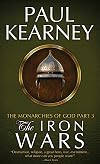
The third book in Paul Kearney's amazing Monarchies of God quintet.
I've posted the following review on the first book, but it's about the series as a whole so it applies to each book as well.
They may call it military sff, epic fantasy, adult speculative fiction, or any of the ready-made stamps, genres, or labels. And they would be right. And wrong; a label is too defining, too narrow.
To me, it's what a damn good story should be. It has magic, religion, royalty, corruption, brotherhood, war, sacrifice, love, and honor, and it never confines itself into preachiness, never aggrandizes one favorite theme on top of its world. A story from the better past where stories were not burdened by a Message with a capital M, or some forced formula of certain beats at specific moments, rather a heartfelt tale following a sample of humanity at the pendulum between best and worst.
It is one story involving its whole world over decades, but the relentless machinations of history would mean little were it not for the men and women whose lives are trampled by its heartless, inexorable march.
It's the mud on these men and women's faces, the scars on their bodies, the fears in their hearts and the small, fleeting glimmers of hope they cling to that put you constantly in their shoes. You are not a general or a historian reading a treatise. You're simply there in their skin, trembling, fleeing, fighting, bleeding, and rejoicing with every one of them.
Not one character was underwhelming, misplaced, show more or uninteresting. Not one scene was unessential or forced. Everything flowed naturally; in the heart of every character was the seed of his destiny, and the world evolved from its past towards its unfolding future with the natural elegance of a seedling towering into a magnificent tree.
The world, the theme, the plot, the characters, the scenes, it's all one organic whole, a fluid dance with a thousand performers moving in rhythm. Everything is a symphony of exceptional storytelling from the first page to the last.
I cannot recall experiencing such unity of vision except in a handful of books. That Paul Kearney has written this quintet almost thirty years ago, and it staying relatively unknown, is most confusing to me. Over the years, I've read tens of bestselling, critically acclaimed novels that are not worthy to untie this book's sandals.
Less than 400 people have added this book to their libraries on this site, while much drivel filed on the same genre has dozens of times as many readers. Marketing shenanigans or whatever. Crazy world.
Having finished all five books of Paul Kearney's Monarchies of God quintet, I found it one of the biggest, epicest, awesomest stories I've ever read.
(No, I won't go into a summary of what exactly happens to whom. You can check that out in other reviews, or the first book's pitch on Amazon)
The Monarchies of God is peak storytelling and deserves the highest recommendation. Pick the first book and you'll devour it, I promise you.
And I'll be sure to check the author's other novels as well. If they're half as good as this, they're definitely worth a read. show less
I've posted the following review on the first book, but it's about the series as a whole so it applies to each book as well.
They may call it military sff, epic fantasy, adult speculative fiction, or any of the ready-made stamps, genres, or labels. And they would be right. And wrong; a label is too defining, too narrow.
To me, it's what a damn good story should be. It has magic, religion, royalty, corruption, brotherhood, war, sacrifice, love, and honor, and it never confines itself into preachiness, never aggrandizes one favorite theme on top of its world. A story from the better past where stories were not burdened by a Message with a capital M, or some forced formula of certain beats at specific moments, rather a heartfelt tale following a sample of humanity at the pendulum between best and worst.
It is one story involving its whole world over decades, but the relentless machinations of history would mean little were it not for the men and women whose lives are trampled by its heartless, inexorable march.
It's the mud on these men and women's faces, the scars on their bodies, the fears in their hearts and the small, fleeting glimmers of hope they cling to that put you constantly in their shoes. You are not a general or a historian reading a treatise. You're simply there in their skin, trembling, fleeing, fighting, bleeding, and rejoicing with every one of them.
Not one character was underwhelming, misplaced, show more or uninteresting. Not one scene was unessential or forced. Everything flowed naturally; in the heart of every character was the seed of his destiny, and the world evolved from its past towards its unfolding future with the natural elegance of a seedling towering into a magnificent tree.
The world, the theme, the plot, the characters, the scenes, it's all one organic whole, a fluid dance with a thousand performers moving in rhythm. Everything is a symphony of exceptional storytelling from the first page to the last.
I cannot recall experiencing such unity of vision except in a handful of books. That Paul Kearney has written this quintet almost thirty years ago, and it staying relatively unknown, is most confusing to me. Over the years, I've read tens of bestselling, critically acclaimed novels that are not worthy to untie this book's sandals.
Less than 400 people have added this book to their libraries on this site, while much drivel filed on the same genre has dozens of times as many readers. Marketing shenanigans or whatever. Crazy world.
Having finished all five books of Paul Kearney's Monarchies of God quintet, I found it one of the biggest, epicest, awesomest stories I've ever read.
(No, I won't go into a summary of what exactly happens to whom. You can check that out in other reviews, or the first book's pitch on Amazon)
The Monarchies of God is peak storytelling and deserves the highest recommendation. Pick the first book and you'll devour it, I promise you.
And I'll be sure to check the author's other novels as well. If they're half as good as this, they're definitely worth a read. show less
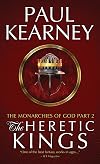
I've posted the following review on the first book, but it's about the series as a whole. I'm reposting it here as it's relevant to this book as part of this fantastic quintet.
They may call it military sff, epic fantasy, adult speculative fiction, or any of the ready-made stamps, genres, or labels. And they would be right. And wrong; a label is too defining, too narrow.
To me, it's what a damn good story should be. It has magic, religion, royalty, corruption, brotherhood, war, sacrifice, love, and honor, and it never confines itself into preachiness, never aggrandizes one favorite theme on top of its world. A story from the better past where stories were not burdened by a Message with a capital M, or some forced formula of certain beats at specific moments, rather a heartfelt tale following a sample of humanity at the pendulum between best and worst.
It is one story involving its whole world over decades, but the relentless machinations of history would mean little were it not for the men and women whose lives are trampled by its heartless, inexorable march.
It's the mud on these men and women's faces, the scars on their bodies, the fears in their hearts and the small, fleeting glimmers of hope they cling to that put you constantly in their shoes. You are not a general or a historian reading a treatise. You're simply there in their skin, trembling, fleeing, fighting, bleeding, and rejoicing with every one of them.
Not one character was underwhelming, misplaced, or show more uninteresting. Not one scene was unessential or forced. Everything flowed naturally; in the heart of every character was the seed of his destiny, and the world evolved from its past towards its unfolding future with the natural elegance of a seedling towering into a magnificent tree.
The world, the theme, the plot, the characters, the scenes, it's all one organic whole, a fluid dance with a thousand performers moving in rhythm. Everything is a symphony of exceptional storytelling from the first page to the last.
I cannot recall experiencing such unity of vision except in a handful of books. That Paul Kearney has written this quintet almost thirty years ago, and it staying relatively unknown, is most confusing to me. Over the years, I've read tens of bestselling, critically acclaimed novels that are not worthy to untie this book's sandals.
Less than 400 people have added this book to their libraries on this site, while much drivel filed on the same genre has dozens of times as many readers. Marketing shenanigans or whatever. Crazy world.
Having finished all five books of Paul Kearney's Monarchies of God quintet, I found it one of the biggest, epicest, awesomest stories I've ever read.
(No, I won't go into a summary of what exactly happens to whom. You can check that out in other reviews, or the first book's pitch on Amazon)
The Monarchies of God is peak storytelling and deserves the highest recommendation. Pick the first book and you'll devour it, I promise you.
And I'll be sure to check the author's other novels as well. If they're half as good as this, they're definitely worth a read. show less
They may call it military sff, epic fantasy, adult speculative fiction, or any of the ready-made stamps, genres, or labels. And they would be right. And wrong; a label is too defining, too narrow.
To me, it's what a damn good story should be. It has magic, religion, royalty, corruption, brotherhood, war, sacrifice, love, and honor, and it never confines itself into preachiness, never aggrandizes one favorite theme on top of its world. A story from the better past where stories were not burdened by a Message with a capital M, or some forced formula of certain beats at specific moments, rather a heartfelt tale following a sample of humanity at the pendulum between best and worst.
It is one story involving its whole world over decades, but the relentless machinations of history would mean little were it not for the men and women whose lives are trampled by its heartless, inexorable march.
It's the mud on these men and women's faces, the scars on their bodies, the fears in their hearts and the small, fleeting glimmers of hope they cling to that put you constantly in their shoes. You are not a general or a historian reading a treatise. You're simply there in their skin, trembling, fleeing, fighting, bleeding, and rejoicing with every one of them.
Not one character was underwhelming, misplaced, or show more uninteresting. Not one scene was unessential or forced. Everything flowed naturally; in the heart of every character was the seed of his destiny, and the world evolved from its past towards its unfolding future with the natural elegance of a seedling towering into a magnificent tree.
The world, the theme, the plot, the characters, the scenes, it's all one organic whole, a fluid dance with a thousand performers moving in rhythm. Everything is a symphony of exceptional storytelling from the first page to the last.
I cannot recall experiencing such unity of vision except in a handful of books. That Paul Kearney has written this quintet almost thirty years ago, and it staying relatively unknown, is most confusing to me. Over the years, I've read tens of bestselling, critically acclaimed novels that are not worthy to untie this book's sandals.
Less than 400 people have added this book to their libraries on this site, while much drivel filed on the same genre has dozens of times as many readers. Marketing shenanigans or whatever. Crazy world.
Having finished all five books of Paul Kearney's Monarchies of God quintet, I found it one of the biggest, epicest, awesomest stories I've ever read.
(No, I won't go into a summary of what exactly happens to whom. You can check that out in other reviews, or the first book's pitch on Amazon)
The Monarchies of God is peak storytelling and deserves the highest recommendation. Pick the first book and you'll devour it, I promise you.
And I'll be sure to check the author's other novels as well. If they're half as good as this, they're definitely worth a read. show less
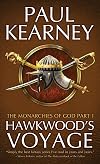
They may call it military sff, epic fantasy, adult speculative fiction, or any of the ready-made stamps, genres, or labels. And they would be right. And wrong; a label is too defining, too narrow.
To me, it's what a damn good story should be. It has magic, religion, royalty, corruption, brotherhood, war, sacrifice, love, and honor, and it never confines itself into preachiness, never aggrandizes one favorite theme on top of its world. A story from the better past where stories were not burdened by a Message with a capital M, or some forced formula of certain beats at specific moments, rather a heartfelt tale following a sample of humanity at the pendulum between best and worst.
It is one story involving its whole world over decades, but the relentless machinations of history would mean little were it not for the men and women whose lives are trampled by its heartless, inexorable march.
It's the mud on these men and women's faces, the scars on their bodies, the fears in their hearts and the small, fleeting glimmers of hope they cling to that put you constantly in their shoes. You are not a general or a historian reading a treatise. You're simply there in their skin, trembling, fleeing, fighting, bleeding, and rejoicing with every one of them.
Not one character was underwhelming, misplaced, or uninteresting. Not one scene was unessential or forced. Everything flowed naturally; in the heart of every character was the seed of his destiny, and the world evolved from its past show more towards its unfolding future with the natural elegance of a seedling towering into a magnificent tree.
The world, the theme, the plot, the characters, the scenes, it's all one organic whole, a fluid dance with a thousand performers moving in rhythm. Everything is a symphony of exceptional storytelling from the first page to the last.
I cannot recall experiencing such unity of vision except in a handful of books. That Paul Kearney has written this quintet almost thirty years ago, and it staying relatively unknown, is most confusing to me. Over the years, I've read tens of bestselling, critically acclaimed novels that are not worthy to untie this book's sandals.
Less than 400 people have added this book to their libraries on this site, while much drivel filed on the same genre has dozens of times as many readers. Marketing shenanigans or whatever. Crazy world.
Having finished all five books of Paul Kearney's Monarchies of God quintet, I found it one of the biggest, epicest, awesomest stories I've ever read.
(No, I won't go into a summary of what exactly happens to whom. You can check that out in other reviews, or the first book's pitch on Amazon)
The Monarchies of God is peak storytelling and deserves the highest recommendation. Pick the first book and you'll devour it, I promise you.
And I'll be sure to check the author's other novels as well. If they're half as good as this, they're definitely worth a read. show less
To me, it's what a damn good story should be. It has magic, religion, royalty, corruption, brotherhood, war, sacrifice, love, and honor, and it never confines itself into preachiness, never aggrandizes one favorite theme on top of its world. A story from the better past where stories were not burdened by a Message with a capital M, or some forced formula of certain beats at specific moments, rather a heartfelt tale following a sample of humanity at the pendulum between best and worst.
It is one story involving its whole world over decades, but the relentless machinations of history would mean little were it not for the men and women whose lives are trampled by its heartless, inexorable march.
It's the mud on these men and women's faces, the scars on their bodies, the fears in their hearts and the small, fleeting glimmers of hope they cling to that put you constantly in their shoes. You are not a general or a historian reading a treatise. You're simply there in their skin, trembling, fleeing, fighting, bleeding, and rejoicing with every one of them.
Not one character was underwhelming, misplaced, or uninteresting. Not one scene was unessential or forced. Everything flowed naturally; in the heart of every character was the seed of his destiny, and the world evolved from its past show more towards its unfolding future with the natural elegance of a seedling towering into a magnificent tree.
The world, the theme, the plot, the characters, the scenes, it's all one organic whole, a fluid dance with a thousand performers moving in rhythm. Everything is a symphony of exceptional storytelling from the first page to the last.
I cannot recall experiencing such unity of vision except in a handful of books. That Paul Kearney has written this quintet almost thirty years ago, and it staying relatively unknown, is most confusing to me. Over the years, I've read tens of bestselling, critically acclaimed novels that are not worthy to untie this book's sandals.
Less than 400 people have added this book to their libraries on this site, while much drivel filed on the same genre has dozens of times as many readers. Marketing shenanigans or whatever. Crazy world.
Having finished all five books of Paul Kearney's Monarchies of God quintet, I found it one of the biggest, epicest, awesomest stories I've ever read.
(No, I won't go into a summary of what exactly happens to whom. You can check that out in other reviews, or the first book's pitch on Amazon)
The Monarchies of God is peak storytelling and deserves the highest recommendation. Pick the first book and you'll devour it, I promise you.
And I'll be sure to check the author's other novels as well. If they're half as good as this, they're definitely worth a read. show less
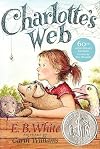
The perfect children's story. I've read it for the first time as a 35 year old man, but still loved it very much. Truly heartwarming.
Pretty underwhelming, an incomplete play. The flashy characters can't make up for the deficiencies of the play's plot. Not only is it predictable, the lack of a meaningful resolution and its replacement by a written narrative of what happens next I don't find at all entertaining or informative.
It feels as if the author himself lacked enthusiasm for and faith in his story, and this leaks through the pages to the reader.
2.5/5.
It feels as if the author himself lacked enthusiasm for and faith in his story, and this leaks through the pages to the reader.
2.5/5.
I have a problem with books that have no plot. There is no growth, no change, no singular meaningful question that needs an answer.
But what about their expository value as they highlight some deep issue with our world? When it works, it's enlightening to some extent. Oftentimes, though, it doesn't. It feels cheaply artistified.
This book starts with one character for some length, shifts to another character for great length, then returns to the first one again. Two men, competing for the same woman, not just against each other; there are at least three other men involved. All hustling in the world of movie making, many decades ago.
If that sounded interesting, its execution fell short. Faye, the woman they're all vying for, is irrational, selfish, and totally callous. No romance is built, no revelation, the only tension is where friction occurs between the men courting her. Most are just as horrid people as herself.
Some metaphor wants to be found here. Things reach a boiling point at the end. Violence. Madness. But it is neither a natural progression of the events of the novel, nor a meaningful ending to its conflict.
I don't want to be a harsh critic. The author's voice, the narration, the description of each character's quirks was fascinating. But it was not a novel by any measure. Random scenes--some quietly philosophical, some intentionally weird, some mundane, some nonsensically charged--not bound together by one beating heart are not a story. There is no meaning. No show more theme. Nothing.
Perhaps this is some modern style I am not aware of. Absurdist, nihilist, neopseudowhateverist. I just do not get it. show less
But what about their expository value as they highlight some deep issue with our world? When it works, it's enlightening to some extent. Oftentimes, though, it doesn't. It feels cheaply artistified.
This book starts with one character for some length, shifts to another character for great length, then returns to the first one again. Two men, competing for the same woman, not just against each other; there are at least three other men involved. All hustling in the world of movie making, many decades ago.
If that sounded interesting, its execution fell short. Faye, the woman they're all vying for, is irrational, selfish, and totally callous. No romance is built, no revelation, the only tension is where friction occurs between the men courting her. Most are just as horrid people as herself.
Some metaphor wants to be found here. Things reach a boiling point at the end. Violence. Madness. But it is neither a natural progression of the events of the novel, nor a meaningful ending to its conflict.
I don't want to be a harsh critic. The author's voice, the narration, the description of each character's quirks was fascinating. But it was not a novel by any measure. Random scenes--some quietly philosophical, some intentionally weird, some mundane, some nonsensically charged--not bound together by one beating heart are not a story. There is no meaning. No show more theme. Nothing.
Perhaps this is some modern style I am not aware of. Absurdist, nihilist, neopseudowhateverist. I just do not get it. show less
Flawless characters get into trouble but prophecies and magic and stuff.
Midquality YA fantasy that I read to the end only out of a personal sense of duty to finish whatever I start. Forgettable.
Won't continue the series.
2.5/5
Midquality YA fantasy that I read to the end only out of a personal sense of duty to finish whatever I start. Forgettable.
Won't continue the series.
2.5/5
What starts as an ugly tragedy quickly transforms into.. Something else.
(Mild spoilers)
The main character, after a terrible childhood misfortune, suddenly is moved to a safer world. Most of the story is in that world, and hardly anything happens there.
In the last quarter of the book, she is pulled back to the real world, and vengeance is exacted on the villains, almost automatically.
The book is confusing in that its prose is powerful, it attempts to explore heavy themes, but the story is rickety. More of a power fantasy than anything, in a feminine sort of way.
There was also the author's choice to use first person view for many side characters, some mostly frivolous, while the main characters are only presented in third person. Even the very first chapter is told in first person by a character of minimal consequence, showing another side character who disappears for most of the story. The whole thing was an unusual style that I found rather jarring. You'd expect either third-person view for everyone, or preserving the first person voice for just the main character(s). But this... An unwelcome attempt at originality in my opinion.
I believe the author can put together a much better story than this. 3/5.
(Mild spoilers)
The main character, after a terrible childhood misfortune, suddenly is moved to a safer world. Most of the story is in that world, and hardly anything happens there.
In the last quarter of the book, she is pulled back to the real world, and vengeance is exacted on the villains, almost automatically.
The book is confusing in that its prose is powerful, it attempts to explore heavy themes, but the story is rickety. More of a power fantasy than anything, in a feminine sort of way.
There was also the author's choice to use first person view for many side characters, some mostly frivolous, while the main characters are only presented in third person. Even the very first chapter is told in first person by a character of minimal consequence, showing another side character who disappears for most of the story. The whole thing was an unusual style that I found rather jarring. You'd expect either third-person view for everyone, or preserving the first person voice for just the main character(s). But this... An unwelcome attempt at originality in my opinion.
I believe the author can put together a much better story than this. 3/5.
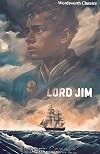
Joseph Conrad is one of the rare authors who writes stories where the narration is as thought provoking as the events themselves.
In Lord Jim, the first third of the story might feel drawn and somewhat aimless, but it lays the foundation for the rest of the story masterfully, where the main character, Jim, seeks his destiny with the help of the narrator, Marlow. The portrayal of Jim is intentionally kept vague and incomplete; Marlow himself declares he never fully knew the man, but by the end of the story the reader understands his struggle on a deep level that can only induce great sympathy and appreciation of his inner struggle.
It's a difficult read for most readers, I'm sure, but I can recommend it with certainty for its beauty.
4/5
In Lord Jim, the first third of the story might feel drawn and somewhat aimless, but it lays the foundation for the rest of the story masterfully, where the main character, Jim, seeks his destiny with the help of the narrator, Marlow. The portrayal of Jim is intentionally kept vague and incomplete; Marlow himself declares he never fully knew the man, but by the end of the story the reader understands his struggle on a deep level that can only induce great sympathy and appreciation of his inner struggle.
It's a difficult read for most readers, I'm sure, but I can recommend it with certainty for its beauty.
4/5
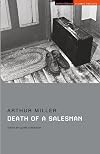
(MILD SPOILERS)
I went into this book with no idea what to expect. Never saw it on a theater or heard a word about it. My experience of the story began on page 1 and ended on the last page.
I have to commend Arthur Miller for his work here. To call it a masterpiece would be no exaggeration. This play describes the tragedy of a man and his two sons and wife, and how his whole life collapses around him.
Willy's ideas about life are flawed, and so are those about his own identity. He plays with his own rules thinking they are the rules of the game, believing he has two gods for sons--"Adonises" in his own words--only to find that his very beliefs, the inflated picture he has instilled in their young minds, is the reason why they have turned out to be failures. Like himself.
I found the dialog to be perfectly suited to the plot's needs, and the theatrical exposition and the flashbacks worked very well. To deliver such a complex portrait, such a difficult plot, in a little over a hundred pages speaks to the author's masterful skill in telling the right story in just the right way.
Death of a Salesman deserves a strong recommendation from me.
I went into this book with no idea what to expect. Never saw it on a theater or heard a word about it. My experience of the story began on page 1 and ended on the last page.
I have to commend Arthur Miller for his work here. To call it a masterpiece would be no exaggeration. This play describes the tragedy of a man and his two sons and wife, and how his whole life collapses around him.
Willy's ideas about life are flawed, and so are those about his own identity. He plays with his own rules thinking they are the rules of the game, believing he has two gods for sons--"Adonises" in his own words--only to find that his very beliefs, the inflated picture he has instilled in their young minds, is the reason why they have turned out to be failures. Like himself.
I found the dialog to be perfectly suited to the plot's needs, and the theatrical exposition and the flashbacks worked very well. To deliver such a complex portrait, such a difficult plot, in a little over a hundred pages speaks to the author's masterful skill in telling the right story in just the right way.
Death of a Salesman deserves a strong recommendation from me.
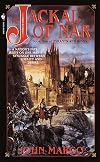
(SPOILERS)
A military fantasy novel that breaks no new grounds but still delivers a satisfactory tale.
It follows the bad war and evil empire trope, but maintains the freshness with a strong lead character (Vantran) and an equally strong opponent-ally (Tharn).
The other characters I've found lacking, unfortunately, especially the villains, but I didn't mind them that much as their scenes weren't too long.
Magic is kept to a minimum, fortunately, as its rules are intentionally vague, but still the rare instances where it's used are significant.
Overall I did enjoy this book, and I'm writing this review now after having finished the rest of the trilogy, and I can say this first book is the only good one there. The second and third books weren't enjoyable, so satisfy yourself with this one just as a standalone novel.
It's worth the read.
A military fantasy novel that breaks no new grounds but still delivers a satisfactory tale.
It follows the bad war and evil empire trope, but maintains the freshness with a strong lead character (Vantran) and an equally strong opponent-ally (Tharn).
The other characters I've found lacking, unfortunately, especially the villains, but I didn't mind them that much as their scenes weren't too long.
Magic is kept to a minimum, fortunately, as its rules are intentionally vague, but still the rare instances where it's used are significant.
Overall I did enjoy this book, and I'm writing this review now after having finished the rest of the trilogy, and I can say this first book is the only good one there. The second and third books weren't enjoyable, so satisfy yourself with this one just as a standalone novel.
It's worth the read.
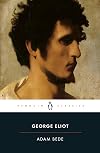
There is something comforting about George Eliot's novels. The old countryside villages, simple, down to earth people with a strong sense of morality, strokes of fate that test a character's mettle without utterly destroying them..
Adam Bede is such a story, it has hurt and sorrow aplenty, but there is enough goodness in it to redeem it twice over.
Adam Bede is such a story, it has hurt and sorrow aplenty, but there is enough goodness in it to redeem it twice over.
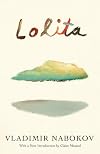
An exhausting, oppressive, maddening story of a monster's obsession with a young girl, and the tragedy that binds them together in 19th century America.
The novel itself was a work of art, flowing from beginning to end with unstoppable momentum, but it was a difficult read due to its taboo subject matter.
I'd still recommend it, though. We NEED to be disturbed by such atrocities. They're everywhere around us.
The novel itself was a work of art, flowing from beginning to end with unstoppable momentum, but it was a difficult read due to its taboo subject matter.
I'd still recommend it, though. We NEED to be disturbed by such atrocities. They're everywhere around us.
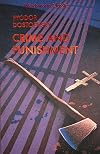
An exhausting journey into the mind of Raskolnikov, and how he contemplates a crime, commits it, then has to deal with its soul-crushing consequences.
It was a spellbinding read, despite its massive length and bleak circumstances.
Recommended 4/5.
It was a spellbinding read, despite its massive length and bleak circumstances.
Recommended 4/5.
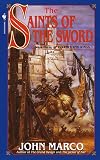
The third part of a trilogy is supposed to be the best book, with all the rush of action culminating in a satisfying resolution. This, sadly, wasn't the case here.
The Saints of the Sword did not work for me at all. There were too many characters, and none of them felt like they mattered. It was a chore to read the whole thing till the end. And that's unfortunate, because the writer seemed like he could pull off a good story. He did just that in the first book, The Jackal of Nar. The conflict felt real, Vantran was a charismatic hero, Tharn was a thunderbolt, and the world building worked hand in hand with the plot and theme to deliver a great tale.
But the second and third book never hit the mark for me.
The Saints of the Sword did not work for me at all. There were too many characters, and none of them felt like they mattered. It was a chore to read the whole thing till the end. And that's unfortunate, because the writer seemed like he could pull off a good story. He did just that in the first book, The Jackal of Nar. The conflict felt real, Vantran was a charismatic hero, Tharn was a thunderbolt, and the world building worked hand in hand with the plot and theme to deliver a great tale.
But the second and third book never hit the mark for me.
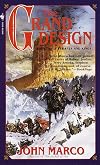
(MODERATE SPOILERS)
While the first book in the trilogy, The Jackal of Nar, was quite good despite its flaws, this second installment clearly suffers from Middle Book Syndrome. The basic plot was stretched into weak episodes with uninteresting subplots. These suffered mainly from unbalanced pacing and the lack of gripping characters. The author apparently tried his best to build them, but the problems there were too obvious. Each character had a clear task to do, and he attempted to do it with little surprises. It felt a bit heavy handed, and too rushed. You never got to know any of the characters well enough, and they didn't seem to have much of an existence outside their designated tasks.
As a reader I never felt a connection with any of the new characters, and the old ones presented problems of their own as well. Vantran was too passive, absent for most of the book. It was supposed to be his story, but he had to be dragged into it almost halfway through, and he never had agency throughout the whole book. I understand that might have been intentional on the author's part, but it weakened his story. He was just sitting around, waiting, for far too long, and when he finally got around to the action, he just didn't have the drive of the previous book's conflict.
On the whole the plot felt forced and there was no one to carry its weight. Which is a shame because the first book had such momentum, and the major characters there were impactful.
2.5/5 but I'd still read the third show more one. I have faith in the author, and his colorful world of Nar and its neighbors. Let's see how this one wraps up. show less
While the first book in the trilogy, The Jackal of Nar, was quite good despite its flaws, this second installment clearly suffers from Middle Book Syndrome. The basic plot was stretched into weak episodes with uninteresting subplots. These suffered mainly from unbalanced pacing and the lack of gripping characters. The author apparently tried his best to build them, but the problems there were too obvious. Each character had a clear task to do, and he attempted to do it with little surprises. It felt a bit heavy handed, and too rushed. You never got to know any of the characters well enough, and they didn't seem to have much of an existence outside their designated tasks.
As a reader I never felt a connection with any of the new characters, and the old ones presented problems of their own as well. Vantran was too passive, absent for most of the book. It was supposed to be his story, but he had to be dragged into it almost halfway through, and he never had agency throughout the whole book. I understand that might have been intentional on the author's part, but it weakened his story. He was just sitting around, waiting, for far too long, and when he finally got around to the action, he just didn't have the drive of the previous book's conflict.
On the whole the plot felt forced and there was no one to carry its weight. Which is a shame because the first book had such momentum, and the major characters there were impactful.
2.5/5 but I'd still read the third show more one. I have faith in the author, and his colorful world of Nar and its neighbors. Let's see how this one wraps up. show less
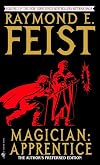
I might have liked this book more if I'd read it twenty years ago. It just felt too YA and none of the characters or action seemed to matter to me.
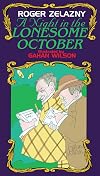
Short stories don't get any better than this. Roger Zelazny is a master of his craft. Every single line here is perfect, and his dry humor strikes when you least expect it.
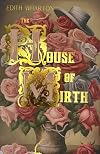
I've never read a story where the protagonist was so self-centered and shallow yet so likable. And I've never read a story where money and partying meant so much to the protagonist, aspirations that are so foreign to myself, yet I still felt sympathy for her, and her misfortunes felt so real and callous.
This might be described as a story about New York, high society, partying, traveling, love, scandals, ambition, or money. But most of all this is a story ultimately about Miss Lily Bart's loneliness, and it succeeds in portraying this loneliness so well that I have to recommend it wholeheartedly.
This might be described as a story about New York, high society, partying, traveling, love, scandals, ambition, or money. But most of all this is a story ultimately about Miss Lily Bart's loneliness, and it succeeds in portraying this loneliness so well that I have to recommend it wholeheartedly.
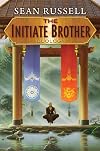
I'd read Moontide and Magic Rise a few years ago, and it was so original, so innovative and rich that it blew me away. I'd enjoyed it immensely and I thought this earlier duology would be a good read too. But I was disappointed.
While the setting was somewhat fresh, the novel was too impersonal and played safe to achieve anything truly memorable. It feels unpolished and lacks direction, with so many characters yet none of them being in the least fleshed out or even followed closely to care about. They were mostly living clichés, speaking and acting in extremely predictable manners that it felt like a chore to read the book to its end.
Subplots were few for a novel of such length and and they lacked impact. The major threat of the duology never felt important because there was no one to really care about.
I didn't enjoy it. Go read Sean Russell's Moontide and Magic Rise instead. It's a brilliant work and better than most fantasy novels out there.
While the setting was somewhat fresh, the novel was too impersonal and played safe to achieve anything truly memorable. It feels unpolished and lacks direction, with so many characters yet none of them being in the least fleshed out or even followed closely to care about. They were mostly living clichés, speaking and acting in extremely predictable manners that it felt like a chore to read the book to its end.
Subplots were few for a novel of such length and and they lacked impact. The major threat of the duology never felt important because there was no one to really care about.
I didn't enjoy it. Go read Sean Russell's Moontide and Magic Rise instead. It's a brilliant work and better than most fantasy novels out there.
An excellent swashbuckling adventure with some good realistic characters and great action. The most hardcore nautical stuff I've ever read. It's a pity I lacked the relevant naval background to fully understand every maneuver. I may update this to a full review later. Suffice to say it was a great read.
It was okayish, nothing great. The book kept promising stuff would happen, but it was a bit underwhelming when stuff did in fact happen. Too much world and too little plot.
And the whole novelty of the concept wore out pretty quickly. Oh, look! Another room where unexplained magical stuff happens! And look at that interesting thing happening to that interesting person! And look at these protagonists falling in love!
I've been looking, dear author. Believe me, I have. But none of it felt interesting or magical. Bland characters cannot be made interesting just by splashing some colors on them. Plotless events cannot be made into a novel just by telling us there's oh so much magic happening. Two timid flat characters waiting for something to happen until nothing does, eventually. That's not my idea of a bestselling novel.
A rather forgettable book that took so much of my reading time. My expectations were too high, I guess. No recommendation from this reader.
And the whole novelty of the concept wore out pretty quickly. Oh, look! Another room where unexplained magical stuff happens! And look at that interesting thing happening to that interesting person! And look at these protagonists falling in love!
I've been looking, dear author. Believe me, I have. But none of it felt interesting or magical. Bland characters cannot be made interesting just by splashing some colors on them. Plotless events cannot be made into a novel just by telling us there's oh so much magic happening. Two timid flat characters waiting for something to happen until nothing does, eventually. That's not my idea of a bestselling novel.
A rather forgettable book that took so much of my reading time. My expectations were too high, I guess. No recommendation from this reader.