The Lewis Man: AN INGENIOUS CRIME THRILLER ABOUT MEMORY AND MURDER (LEWIS TRILOGY 2) (The Lewis Trilogy) by Peter May
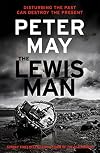
There’s no action other than in the last couple of pages, yet I couldn’t put this book down. A body is found in a peat bog in the remote Scottish island of Lewis, clearly the victim of murder. Evidence places the death at around fifty years ago, and the corpse’s DNA shows a close family connection to one man, Tormod Macdonald. The problem is that he has severe dementia and Alzheimer’s and is unable to help; he says he was an orphan and has no siblings.
Ex-detective Fin Macleod returns to the island of his birth after resigning from The Force. The local policeman is worried that mainland CID, who will soon take over the case, will not be suitably sympathetic and considerate of the old man, who is clearly the top suspect. He persuades Fin to try to help solve the case before it gets taken out of local hands. Fin, who used to be close friends with Tormod’s daughter, begins to dig into Tormod’s past.
Half way through the story comes a brilliantly executed twist that is totally unexpected and sends the story in a different direction.
What is particularly well written is the way the story behind the murder is slowly unfolded through the book by Tormod’s confused inner thoughts. His Alzheimer’s means he’s lost the differentiation between past and present. Events in the present day confuse him, leading to us hearing his inner thoughts and, thereby, glimpsing hidden recollections that those around him don’t have access to. As the pages turn, those fragments of show more memory give us glimpses of what happened as he grew up and the events that ultimately led to the murder. His recollections give us hints as to who the victim was, who the murderer might have been, and what prompted it. Tormod has the answers but they’re locked inside his head.
The dementia is to perfectly depicted that you can’t help but be drawn into his situation and empathise with him. It makes it a powerfully haunting story, and I found it has stuck with me weeks after reading it, surely the sign of a good book.
Despite the lack of action, I have to give it five stars because I couldn’t put it down and it kept me up reading late, desperate to know what happened and how the tale would conclude. show less
Ex-detective Fin Macleod returns to the island of his birth after resigning from The Force. The local policeman is worried that mainland CID, who will soon take over the case, will not be suitably sympathetic and considerate of the old man, who is clearly the top suspect. He persuades Fin to try to help solve the case before it gets taken out of local hands. Fin, who used to be close friends with Tormod’s daughter, begins to dig into Tormod’s past.
Half way through the story comes a brilliantly executed twist that is totally unexpected and sends the story in a different direction.
What is particularly well written is the way the story behind the murder is slowly unfolded through the book by Tormod’s confused inner thoughts. His Alzheimer’s means he’s lost the differentiation between past and present. Events in the present day confuse him, leading to us hearing his inner thoughts and, thereby, glimpsing hidden recollections that those around him don’t have access to. As the pages turn, those fragments of show more memory give us glimpses of what happened as he grew up and the events that ultimately led to the murder. His recollections give us hints as to who the victim was, who the murderer might have been, and what prompted it. Tormod has the answers but they’re locked inside his head.
The dementia is to perfectly depicted that you can’t help but be drawn into his situation and empathise with him. It makes it a powerfully haunting story, and I found it has stuck with me weeks after reading it, surely the sign of a good book.
Despite the lack of action, I have to give it five stars because I couldn’t put it down and it kept me up reading late, desperate to know what happened and how the tale would conclude. show less
So well written that the reader feels such emotion for the book's hero, wrongly accused of being a pedophile. He follow him as he investigates what's going and why he's been framed like this. A brilliant read. One of Paul Adam's best.
As I'm the author, it's not fair for me to review this myself. However, here are some of the 5* reviews it's received from Amazon readers -
"Highly recommended. I really enjoyed this read, a great mix of detective work and "what would I do" reality moments that keep this story spinning along nicely. The tech parts of the story are fresh enough to make for an interesting plot but without being heavy or off-putting for the non geek. The climax of the book will have you flicking through the pages as fast as you can as the excitement builds."
"I really enjoyed this spy novel. The two plot lines are intriguing as at first you can’t see how they are related. The fast pace meant that this book quickly became a page-turner I could not put down. Highly recommended and an impressive first novel from Ian Coates, nicely set up for a sequel at the end."
"'Eavesdrop' is a cracking thriller that hits the ground running. Ian Coates delivers a fast-paced debut novel with a finely-woven plot that many first time authors would find too ambitious. The story is complex and sometimes violent, but maintains a gritty realism thanks in part to well constructed, believable characters and an insider knowledge of the often murky world of surveillance. I have no doubt that Ian Coates is definitely a name to watch, and with this novel he takes his rightful place among the top rank of new and exciting thriller writers."
"What a great read. I judge how good a thriller is by whether I can easily put it show more down to do other things. Well, you definitely cannot put this one down until the end of the last page. Exciting and an unguessable plot from the start, with many threads interweaving as the story progresses, keeping the storyline interesting and fresh throughout. Some quite original ideas making up these threads - certainly this book is not just another thriller."
"As an avid Lee Child fan, I felt the book was a great read; there was enough action and intrigue to keep my interest and the characters were well developed. It was easy to picture James Winter in the various locations and situations and the journey from start to finish was well paced and in no way predictable. I would recommend anyone to read this book and will be looking forward to the next instalment."
"This was a very believable thriller which I got about halfway through and then couldn't put down until I'd got to the end. It was really well written and I felt a lot of empathy for the characters, particularly James Winter and his family. Full of twists and turns and now I can't wait for the sequel!"
"A superb, fast moving thriller you can almost feel the locations as it moves along."
"This is a fast moving and well crafted thriller. Ian's knowledge of IT comes through and gives an extra 'edge' to the story. It keeps the reader in suspense to the very end."
"Definitely a solid thriller from start to finish. The characters are believable and the plot has you guessing all the way through. I never would have seen some of the events coming honestly, and I read a lot. The struggle James Winter goes through in an attempt to uncover the mysteries stacking up around his job had me turning pages. Overall enjoyable read and I'm looking forward to Ian's next book!"
"Great book, enjoyed immensely. I seriously enjoyed the customs plot line and wondered how on earth it would be connected to the other thread - well it did and I found myself completely gripped by the tense finale. Hope we get to hear more about James Winter in future, perhaps renewing his early career in 'the service'?"
"There has to be someone to make things right in the world and the Mossad does it.Wish our CIA was as as good. Or maybe they are, just don't about it."
"I enjoyed read this book. The author is a master of description. I especially like the description of the cold weather in Helsinki, apparently someplace you don't want to visit in the winter! I hope this turns into a series."
"This book was easy to read, very good plot, it kept me at the edge of my seat, I read it over night, could not put it down!! Thank you Ian, for a great book!!"
PS: an audio version is now also available from Audible. show less
"Highly recommended. I really enjoyed this read, a great mix of detective work and "what would I do" reality moments that keep this story spinning along nicely. The tech parts of the story are fresh enough to make for an interesting plot but without being heavy or off-putting for the non geek. The climax of the book will have you flicking through the pages as fast as you can as the excitement builds."
"I really enjoyed this spy novel. The two plot lines are intriguing as at first you can’t see how they are related. The fast pace meant that this book quickly became a page-turner I could not put down. Highly recommended and an impressive first novel from Ian Coates, nicely set up for a sequel at the end."
"'Eavesdrop' is a cracking thriller that hits the ground running. Ian Coates delivers a fast-paced debut novel with a finely-woven plot that many first time authors would find too ambitious. The story is complex and sometimes violent, but maintains a gritty realism thanks in part to well constructed, believable characters and an insider knowledge of the often murky world of surveillance. I have no doubt that Ian Coates is definitely a name to watch, and with this novel he takes his rightful place among the top rank of new and exciting thriller writers."
"What a great read. I judge how good a thriller is by whether I can easily put it show more down to do other things. Well, you definitely cannot put this one down until the end of the last page. Exciting and an unguessable plot from the start, with many threads interweaving as the story progresses, keeping the storyline interesting and fresh throughout. Some quite original ideas making up these threads - certainly this book is not just another thriller."
"As an avid Lee Child fan, I felt the book was a great read; there was enough action and intrigue to keep my interest and the characters were well developed. It was easy to picture James Winter in the various locations and situations and the journey from start to finish was well paced and in no way predictable. I would recommend anyone to read this book and will be looking forward to the next instalment."
"This was a very believable thriller which I got about halfway through and then couldn't put down until I'd got to the end. It was really well written and I felt a lot of empathy for the characters, particularly James Winter and his family. Full of twists and turns and now I can't wait for the sequel!"
"A superb, fast moving thriller you can almost feel the locations as it moves along."
"This is a fast moving and well crafted thriller. Ian's knowledge of IT comes through and gives an extra 'edge' to the story. It keeps the reader in suspense to the very end."
"Definitely a solid thriller from start to finish. The characters are believable and the plot has you guessing all the way through. I never would have seen some of the events coming honestly, and I read a lot. The struggle James Winter goes through in an attempt to uncover the mysteries stacking up around his job had me turning pages. Overall enjoyable read and I'm looking forward to Ian's next book!"
"Great book, enjoyed immensely. I seriously enjoyed the customs plot line and wondered how on earth it would be connected to the other thread - well it did and I found myself completely gripped by the tense finale. Hope we get to hear more about James Winter in future, perhaps renewing his early career in 'the service'?"
"There has to be someone to make things right in the world and the Mossad does it.Wish our CIA was as as good. Or maybe they are, just don't about it."
"I enjoyed read this book. The author is a master of description. I especially like the description of the cold weather in Helsinki, apparently someplace you don't want to visit in the winter! I hope this turns into a series."
"This book was easy to read, very good plot, it kept me at the edge of my seat, I read it over night, could not put it down!! Thank you Ian, for a great book!!"
PS: an audio version is now also available from Audible. show less

A good page-turning read involving a World War II biological weapon that has lain on the seabed since the close of the war, when the submarines carrying it were sunk before it could be deployed. A North Korean industrialist with plans on driving the Americans from South Korea sets out to recover the weapon with the intention of using it against American cities. A trial release in Alaska leads to unexplained seal corpses, which soon prompts a NUMA investigation. Dirk Pitt becomes obsessed with uncovering what’s happening and rapidly finds himself on a collision course with the Korean and his henchmen.
The story is slightly spoiled by a lack of realism in how the villain treats Pitt: rather than simply shooting him when Pitt is captured (as he does other opponents without hesitation), he repeatedly chooses to keep him alive instead (for no apparent reason), allowing Pitt to return and disrupt his activities again, and the cycle repeats. In very James Bond story fashion, during one encounter, the Korean shackles Pitt in a cave that is about to flood and leaves him there to die; and on another occasion, ties him to the support structure below the base of a rocket that is about to be launched so that the flames will kill him. In both instances, of-course, Pitt escapes, only to go after the villain once more.
That lack of realism disrupts what would otherwise be a very absorbing story with a strong plot. Nonetheless, I enjoyed the overall read, which kept me eagerly turning the show more pages to the final full stop. show less
The story is slightly spoiled by a lack of realism in how the villain treats Pitt: rather than simply shooting him when Pitt is captured (as he does other opponents without hesitation), he repeatedly chooses to keep him alive instead (for no apparent reason), allowing Pitt to return and disrupt his activities again, and the cycle repeats. In very James Bond story fashion, during one encounter, the Korean shackles Pitt in a cave that is about to flood and leaves him there to die; and on another occasion, ties him to the support structure below the base of a rocket that is about to be launched so that the flames will kill him. In both instances, of-course, Pitt escapes, only to go after the villain once more.
That lack of realism disrupts what would otherwise be a very absorbing story with a strong plot. Nonetheless, I enjoyed the overall read, which kept me eagerly turning the show more pages to the final full stop. show less
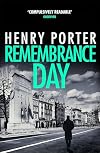
Awesome beginning, fantastic end, and an entertaining, if slightly confusing, middle.
The explosive action-packed opening drags readers straight into the story as they experience the shock of a London bombing along with Con Lindlow, who is caught in the blast. But as we follow him through its aftermath, we discover he used to have a connection with the IRA. When he refuses to discuss it, he instantly becomes the focus of the police investigation, although DCI {}, the officer in charge of the case, soon concludes that neither Lindlow nor Lindlow’s brother, who was killed by the bomb, was responsible. However, his attempt to find the true perpetrator is hindered by the other government departments involved. They have something to hide about their own involvement with the bomber, and are determined to lay the blame on the two brothers.
When {} is forced off the case because of his continual insistence that Lindlow is innocent, he forms an alliance with {Lindlow} to uncover the truth. Lindlow soon discovers that his brother worked for the IRA, and finds documents that suggest he had been tasked with finding a pair of bombers intent on derailing the Irish peace talks. The IRA force Lindlow to continue his brother’s mission to track down the two-man splinter group before their final atrocity can take place.
The well constructed plot does suffer from a large cast of characters, and there are times in the middle of the book when this is confusing. This is exacerbated by Porter show more having given two of the policemen very similar names (Forbes and Foyle).
One point that jarred for me was a coincidence related to breaking the encryption on a set of computer disks. The codes were based on the lettering used to represent the different genetic enzymes in DNA. This just happens to be Lindlow’s specialist area (he is a research scientist), and he is therefore miraculously able to help with their decryption. That felt very contrived.
But those problems aside, this is a beautifully written thriller that’s hard to put down, even though the action is a little lacking in the first half once the opening scene has passed. Remembrance Day is a very enjoyable read and forms a good introduction to Lindlow, who is the main character in Porter’s subsequent two books, A Spy’s Life and Empire State. show less
The explosive action-packed opening drags readers straight into the story as they experience the shock of a London bombing along with Con Lindlow, who is caught in the blast. But as we follow him through its aftermath, we discover he used to have a connection with the IRA. When he refuses to discuss it, he instantly becomes the focus of the police investigation, although DCI {}, the officer in charge of the case, soon concludes that neither Lindlow nor Lindlow’s brother, who was killed by the bomb, was responsible. However, his attempt to find the true perpetrator is hindered by the other government departments involved. They have something to hide about their own involvement with the bomber, and are determined to lay the blame on the two brothers.
When {} is forced off the case because of his continual insistence that Lindlow is innocent, he forms an alliance with {Lindlow} to uncover the truth. Lindlow soon discovers that his brother worked for the IRA, and finds documents that suggest he had been tasked with finding a pair of bombers intent on derailing the Irish peace talks. The IRA force Lindlow to continue his brother’s mission to track down the two-man splinter group before their final atrocity can take place.
The well constructed plot does suffer from a large cast of characters, and there are times in the middle of the book when this is confusing. This is exacerbated by Porter show more having given two of the policemen very similar names (Forbes and Foyle).
One point that jarred for me was a coincidence related to breaking the encryption on a set of computer disks. The codes were based on the lettering used to represent the different genetic enzymes in DNA. This just happens to be Lindlow’s specialist area (he is a research scientist), and he is therefore miraculously able to help with their decryption. That felt very contrived.
But those problems aside, this is a beautifully written thriller that’s hard to put down, even though the action is a little lacking in the first half once the opening scene has passed. Remembrance Day is a very enjoyable read and forms a good introduction to Lindlow, who is the main character in Porter’s subsequent two books, A Spy’s Life and Empire State. show less
Heart-pounding excitement from first page to last. Three unrelated stories unfold through the book, all involving Lex Harper, an assassin previously used by the British government’s shady department called The Pool, which has the remit to work in unconventional ways to achieve its goals.
The main storyline relates to a rogue soldier who has decided to join ISIS. He travels to Syria, persuades an ISIS commander to support a plan to launch an attack on British soil, and then sets about planning the atrocity. However, when he was in Syria, he killed a British army leader (during a test of his allegiance to ISIS), which soon has the intelligence services after him, and The Pool pay Harper to neutralise him. This story thread follows Harper as he tracks down the soldier, prevents the attack, and undertakes his objective.
A second storyline relates to Charlotte Button, who is still loosely attached to The Pool and who has copies of secret files that could bring down many political figures. This is her “insurance policy” because she left the government’s pay in disgrace and is worried they may decide to eliminate her. The problem is that someone has stolen two of the three copies of those files. She asks Harper to collect the third one and make more copies (she knows she is under surveillance so can’t do it herself).
The third storyline concerns personal trouble that Harper stirs up with a Russian Mafia boss, which can only be settled one way.
Although Takedown was a very show more exciting thriller, I was a bit disappointed because a couple of aspects felt unrealistic, which slightly spoiled the read: firstly, everything runs too smoothly for Harper—nothing goes wrong and his enemies never come anywhere near getting the better of him. As one example, this is seen when the rogue soldier never applies any anti-surveillance, allowing Harper and his team to repeatedly follow him with ease. This sort of lack of realism broke the spell of the book in several places.
The second aspect that spoilt an otherwise excellent thriller relates to how the rogue soldier managed to get buy-in from an ISIS commander to provide funds and the use of valuable sleeper jihadists in the UK—he convinces the commander that he has a viable plan to strike at the heart of Britain—he won’t even say aloud who the target is in their meeting, but writes it down, shows the commander and then burns the paper. Yet when it comes to it, the targets seem fairly mundane, and the sort of thing anyone with a suicide vest could manage.
However, the never-ending action and excitement dragged me through the book, meaning I definitely still enjoyed it overall and still give it four stars. show less
The main storyline relates to a rogue soldier who has decided to join ISIS. He travels to Syria, persuades an ISIS commander to support a plan to launch an attack on British soil, and then sets about planning the atrocity. However, when he was in Syria, he killed a British army leader (during a test of his allegiance to ISIS), which soon has the intelligence services after him, and The Pool pay Harper to neutralise him. This story thread follows Harper as he tracks down the soldier, prevents the attack, and undertakes his objective.
A second storyline relates to Charlotte Button, who is still loosely attached to The Pool and who has copies of secret files that could bring down many political figures. This is her “insurance policy” because she left the government’s pay in disgrace and is worried they may decide to eliminate her. The problem is that someone has stolen two of the three copies of those files. She asks Harper to collect the third one and make more copies (she knows she is under surveillance so can’t do it herself).
The third storyline concerns personal trouble that Harper stirs up with a Russian Mafia boss, which can only be settled one way.
Although Takedown was a very show more exciting thriller, I was a bit disappointed because a couple of aspects felt unrealistic, which slightly spoiled the read: firstly, everything runs too smoothly for Harper—nothing goes wrong and his enemies never come anywhere near getting the better of him. As one example, this is seen when the rogue soldier never applies any anti-surveillance, allowing Harper and his team to repeatedly follow him with ease. This sort of lack of realism broke the spell of the book in several places.
The second aspect that spoilt an otherwise excellent thriller relates to how the rogue soldier managed to get buy-in from an ISIS commander to provide funds and the use of valuable sleeper jihadists in the UK—he convinces the commander that he has a viable plan to strike at the heart of Britain—he won’t even say aloud who the target is in their meeting, but writes it down, shows the commander and then burns the paper. Yet when it comes to it, the targets seem fairly mundane, and the sort of thing anyone with a suicide vest could manage.
However, the never-ending action and excitement dragged me through the book, meaning I definitely still enjoyed it overall and still give it four stars. show less
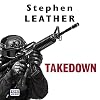
Heart-pounding excitement from first page to last. Three unrelated stories unfold through the book, all involving Lex Harper, an assassin previously used by the British government’s shady department called The Pool, which has the remit to work in unconventional ways to achieve its goals.
The main storyline relates to a rogue soldier who has decided to join ISIS. He travels to Syria, persuades an ISIS commander to support a plan to launch an attack on British soil, and then sets about planning the atrocity. However, when he was in Syria, he killed a British army leader (during a test of his allegiance to ISIS), which soon has the intelligence services after him, and The Pool pay Harper to neutralise him. This story thread follows Harper as he tracks down the soldier, prevents the attack, and undertakes his objective.
A second storyline relates to Charlotte Button, who is still loosely attached to The Pool and who has copies of secret files that could bring down many political figures. This is her “insurance policy” because she left the government’s pay in disgrace and is worried they may decide to eliminate her. The problem is that someone has stolen two of the three copies of those files. She asks Harper to collect the third one and make more copies (she knows she is under surveillance so can’t do it herself).
The third storyline concerns personal trouble that Harper stirs up with a Russian Mafia boss, which can only be settled one way.
Although Takedown was a very show more exciting thriller, I was a bit disappointed because a couple of aspects felt unrealistic, which slightly spoiled the read: firstly, everything runs too smoothly for Harper—nothing goes wrong and his enemies never come anywhere near getting the better of him. As one example, this is seen when the rogue soldier never applies any anti-surveillance, allowing Harper and his team to repeatedly follow him with ease. This sort of lack of realism broke the spell of the book in several places.
The second aspect that spoilt an otherwise excellent thriller relates to how the rogue soldier managed to get buy-in from an ISIS commander to provide funds and the use of valuable sleeper jihadists in the UK—he convinces the commander that he has a viable plan to strike at the heart of Britain—he won’t even say aloud who the target is in their meeting, but writes it down, shows the commander and then burns the paper. Yet when it comes to it, the targets seem fairly mundane, and the sort of thing anyone with a suicide vest could manage.
However, the never-ending action and excitement dragged me through the book, meaning I definitely still enjoyed it overall and still give it five stars. show less
The main storyline relates to a rogue soldier who has decided to join ISIS. He travels to Syria, persuades an ISIS commander to support a plan to launch an attack on British soil, and then sets about planning the atrocity. However, when he was in Syria, he killed a British army leader (during a test of his allegiance to ISIS), which soon has the intelligence services after him, and The Pool pay Harper to neutralise him. This story thread follows Harper as he tracks down the soldier, prevents the attack, and undertakes his objective.
A second storyline relates to Charlotte Button, who is still loosely attached to The Pool and who has copies of secret files that could bring down many political figures. This is her “insurance policy” because she left the government’s pay in disgrace and is worried they may decide to eliminate her. The problem is that someone has stolen two of the three copies of those files. She asks Harper to collect the third one and make more copies (she knows she is under surveillance so can’t do it herself).
The third storyline concerns personal trouble that Harper stirs up with a Russian Mafia boss, which can only be settled one way.
Although Takedown was a very show more exciting thriller, I was a bit disappointed because a couple of aspects felt unrealistic, which slightly spoiled the read: firstly, everything runs too smoothly for Harper—nothing goes wrong and his enemies never come anywhere near getting the better of him. As one example, this is seen when the rogue soldier never applies any anti-surveillance, allowing Harper and his team to repeatedly follow him with ease. This sort of lack of realism broke the spell of the book in several places.
The second aspect that spoilt an otherwise excellent thriller relates to how the rogue soldier managed to get buy-in from an ISIS commander to provide funds and the use of valuable sleeper jihadists in the UK—he convinces the commander that he has a viable plan to strike at the heart of Britain—he won’t even say aloud who the target is in their meeting, but writes it down, shows the commander and then burns the paper. Yet when it comes to it, the targets seem fairly mundane, and the sort of thing anyone with a suicide vest could manage.
However, the never-ending action and excitement dragged me through the book, meaning I definitely still enjoyed it overall and still give it five stars. show less
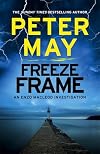
At the heart of Freeze Frame is an intriguing mystery, the solution to which is slowly and cleverly revealed. Although there’s very little fast action in the novel, the reader is pulled through the story by a desire to unravel the puzzle of Adam Killian’s death and the strange clues he left to identify his killer; it makes the book hard to put down. The final twist is totally credible and beautifully executed.
The book opens with scenes of a man on the run from mysterious hunters years before. He is forced to leave family behind without even a goodbye, and to and change his identity several times as he recreates himself in another country. It’s not until three quarters of the way through the rest of the novel that we realise who he is and why he was on the run.
Enzo Macleod is hired to solve the cold case mystery of Killian’s murder. The big question is why someone would shoot him when everyone knew he only had weeks left before he would die from lung cancer. Slowly, Macleod learns about everyone on the island, including the man who had been charged and acquitted at the time of the murder.
The clues gradually give up their messages, and Macleod starts to dig into the history of one particular islander.
Freeze Frame is a cleverly constructed story with a powerful and totally believable final twist. It’s an intriguing whodunit that spans several decades.
The book opens with scenes of a man on the run from mysterious hunters years before. He is forced to leave family behind without even a goodbye, and to and change his identity several times as he recreates himself in another country. It’s not until three quarters of the way through the rest of the novel that we realise who he is and why he was on the run.
Enzo Macleod is hired to solve the cold case mystery of Killian’s murder. The big question is why someone would shoot him when everyone knew he only had weeks left before he would die from lung cancer. Slowly, Macleod learns about everyone on the island, including the man who had been charged and acquitted at the time of the murder.
The clues gradually give up their messages, and Macleod starts to dig into the history of one particular islander.
Freeze Frame is a cleverly constructed story with a powerful and totally believable final twist. It’s an intriguing whodunit that spans several decades.
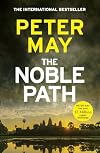
A brilliant book. Six stars! This powerful story follows two threads—that of the naive eighteen-year old Lisa, who’s trying to find the father she had always been told was dead; and Jack Elliot, her father, who’s setting out on a mission to Cambodia to rescue a family from the Khmer Rouge.
When Lisa is clearing out the family home after her mother’s death, Lisa breaks open the locked chest that has been kept in the loft and which she had always been forbidden from touching. Inside, she discovers photos of her father and newspaper articles describing a Northern Ireland massacre of innocent women and children for which her father was court-martialled. No wonder her mother had tried to wipe his existence from their lives.
But Lisa recognises the man’s face—she saw it briefly at her mother’s funeral. Now she knows he’s alive after all, the desire to find him grows. She’s training as a reported, so why not attempt to track him down?
Meanwhile, Jack Elliot is hired to attempt to rescue a woman and her two children from a Cambodian slave camp ruled by the vicious Khmer Rouge.
Starting with the newspaper articles, Lisa tracks down another of the soldiers court-martialled. This man has helped Elliot put together his team and the equipment for his mission. When he tells her that Elliot is currently in Bangkok (the staging-post for his incursion into Cambodia), she sets out to find him.
She arrives too late, and her father has already left the Bangkok hotel. The naive show more girl is quickly taken advantage of by various unscrupulous and manipulative villains. She succeeds in tracking down one of her father’s contacts in the city, but even he is not as trustworthy as he seems.
The two stories are cleverly intertwined. We feel the emotion of them both as we despair at Lisa’s naivety and sigh at Elliot’s apparent lack of empathy for everyone he comes into contact with.
Elliot eventually finds the family he has been seeking. His escape home with them is perilous, but the time spent with them and the events they survive together slowly has an effect on Elliot.
I can’t recommend this thriller highly enough: it’s a story you really feel involved in and which drags you through its pages at break-neck speed. show less
When Lisa is clearing out the family home after her mother’s death, Lisa breaks open the locked chest that has been kept in the loft and which she had always been forbidden from touching. Inside, she discovers photos of her father and newspaper articles describing a Northern Ireland massacre of innocent women and children for which her father was court-martialled. No wonder her mother had tried to wipe his existence from their lives.
But Lisa recognises the man’s face—she saw it briefly at her mother’s funeral. Now she knows he’s alive after all, the desire to find him grows. She’s training as a reported, so why not attempt to track him down?
Meanwhile, Jack Elliot is hired to attempt to rescue a woman and her two children from a Cambodian slave camp ruled by the vicious Khmer Rouge.
Starting with the newspaper articles, Lisa tracks down another of the soldiers court-martialled. This man has helped Elliot put together his team and the equipment for his mission. When he tells her that Elliot is currently in Bangkok (the staging-post for his incursion into Cambodia), she sets out to find him.
She arrives too late, and her father has already left the Bangkok hotel. The naive show more girl is quickly taken advantage of by various unscrupulous and manipulative villains. She succeeds in tracking down one of her father’s contacts in the city, but even he is not as trustworthy as he seems.
The two stories are cleverly intertwined. We feel the emotion of them both as we despair at Lisa’s naivety and sigh at Elliot’s apparent lack of empathy for everyone he comes into contact with.
Elliot eventually finds the family he has been seeking. His escape home with them is perilous, but the time spent with them and the events they survive together slowly has an effect on Elliot.
I can’t recommend this thriller highly enough: it’s a story you really feel involved in and which drags you through its pages at break-neck speed. show less
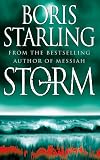
Although the first chapter is uncomfortably long (61 pages), it is so good you barely care. You are right there, alongside Kate as she escapes a sinking ferry, tasting the sea water and engine oil as you battle for survival together.
Kate is a police officer, and upon return to work, she is assigned to catch a serial killer. We follow her investigation, which she conducts while still trying to recover from the trauma caused by the disaster. The account of her hunt for the killer is interspersed with the enquiry into the sinking, which is led by her father (a marine investigator). The two threads of the story run in parallel, and it’s only in the final chapter that they come together, and the link between the two is suddenly and terrifyingly evident.
Starling has clearly done very detailed research – especially on the effect of trauma on behaviour – but this information is so beautifully melded with the storyline that you barely notice.
The characterisation is also brilliant– you really get to know the people involved, and empathize with them as they come alive on the page. This is even true of the killer: although it’s unnerving to enter his mind, you can’t help but feel some sympathy for him as you discover how his childhood drove him to this psychological state. You hope he can be rescued from himself before it is too late.
The novel’s continuous use of the present tense is a little tiring, but you do get used to it after a while. Personally, I also found a show more couple of passages too gruesome to read, but that wasn’t because they were gratuitous; rather that I’m squeamish.
Overall, this is a beautifully written thriller that gripped me like no other has managed for years. I don’t understand why Starling isn’t better known. show less
Kate is a police officer, and upon return to work, she is assigned to catch a serial killer. We follow her investigation, which she conducts while still trying to recover from the trauma caused by the disaster. The account of her hunt for the killer is interspersed with the enquiry into the sinking, which is led by her father (a marine investigator). The two threads of the story run in parallel, and it’s only in the final chapter that they come together, and the link between the two is suddenly and terrifyingly evident.
Starling has clearly done very detailed research – especially on the effect of trauma on behaviour – but this information is so beautifully melded with the storyline that you barely notice.
The characterisation is also brilliant– you really get to know the people involved, and empathize with them as they come alive on the page. This is even true of the killer: although it’s unnerving to enter his mind, you can’t help but feel some sympathy for him as you discover how his childhood drove him to this psychological state. You hope he can be rescued from himself before it is too late.
The novel’s continuous use of the present tense is a little tiring, but you do get used to it after a while. Personally, I also found a show more couple of passages too gruesome to read, but that wasn’t because they were gratuitous; rather that I’m squeamish.
Overall, this is a beautifully written thriller that gripped me like no other has managed for years. I don’t understand why Starling isn’t better known. show less
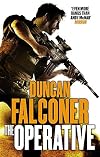
With The Operative, Duncan Falconer strides into a higher league of thriller writing. Alongside the high-action scenes we expect of Falconer is an emotional punch that previous work never achieved.
John Stretton is back, off-duty, and mourning the loss of an SBS close friend and colleague who has just been killed in action. When the widow takes her son Josh on a recovery holiday to America, she strays into the wrong part of town and is viciously murdered by an Albanian thug. Stretton instantly flies out to facilitate the boy’s return to the UK and the repatriation of Sally’s body but events rapidly provoke Stretton into dealing with things his own way. The theme quickly becomes one of revenge as Stretton hunts and kills the culprit.
The Albanians, however, are very loyal, and the thug’s brother, Dren Cano, who is the ruthless second in command of a Mafia-like criminal empire, seeks retaliation for his brother’s death.
Daut Skender, who runs the organisation, enjoys his American lifestyle, and aims to build a legitimate business empire on the money gained from his criminal activities. He constructs a massive new office complex as a symbol of his power and success, complete with a slightly larger-than-life sized statue of himself in its grounds. Skender’s criminal background is well known, but he is protected from prosecution by a deal high-up with the FBI that gives him freedom in return for occasional information on terrorists and other criminal activity. He tries show more to control Cano but fails.
The US Child Protection Agency temporarily takes Josh into care after his mother’s death. Stretton is allowed supervised visits and becomes friendly with Josh’s care-worker. Her life is soon at risk when Cano’s vendetta reaches its climax, and her feelings for Stretton are beautifully painted and emphasize how difficult it is form a relationship with a Special Services operative. We really feel both their pains as the events increasingly create psychological barriers between them.
When direct attacks on Stretton fail, Cano kidnaps Josh in an attempt to gain the upper hand. In an explosive climax, we follow Stretton’s final assault on the Albanians, and the tense final moments as his and the boy’s lives literally hang in the balance.
Although slightly unbelievable at times, this powerful story of revenge makes a great read. The opening is uncharacteristically slow, but is necessary to demonstrate Stretton’s expertise with explosives, a skill that is vital to the rest of the book. After that, though, the pace never slacks.
The book does suffer from an occasional very long sentence, particularly in the first half: in chapter 1, for instance, one sentence runs to nearly sixty words. There are also occasional large blocks of background that are dropped into the story and disrupt the reader’s immersion in the action. Fortunately, though, these are infrequent enough not to damage the overall enjoyment.
In summary, The Operative is a brilliant book: it’s basically a tale of revenge, but also explores the impossibility of Special Services operatives forming lasting relationships. It’s characteristically tense and fast-faced but the events surrounding his colleague’s wife and son, and subsequently those around Strettons’ relationship with Josh’s care-worker, add a piquancy that carries Falconer into a new league of thriller writing. show less
John Stretton is back, off-duty, and mourning the loss of an SBS close friend and colleague who has just been killed in action. When the widow takes her son Josh on a recovery holiday to America, she strays into the wrong part of town and is viciously murdered by an Albanian thug. Stretton instantly flies out to facilitate the boy’s return to the UK and the repatriation of Sally’s body but events rapidly provoke Stretton into dealing with things his own way. The theme quickly becomes one of revenge as Stretton hunts and kills the culprit.
The Albanians, however, are very loyal, and the thug’s brother, Dren Cano, who is the ruthless second in command of a Mafia-like criminal empire, seeks retaliation for his brother’s death.
Daut Skender, who runs the organisation, enjoys his American lifestyle, and aims to build a legitimate business empire on the money gained from his criminal activities. He constructs a massive new office complex as a symbol of his power and success, complete with a slightly larger-than-life sized statue of himself in its grounds. Skender’s criminal background is well known, but he is protected from prosecution by a deal high-up with the FBI that gives him freedom in return for occasional information on terrorists and other criminal activity. He tries show more to control Cano but fails.
The US Child Protection Agency temporarily takes Josh into care after his mother’s death. Stretton is allowed supervised visits and becomes friendly with Josh’s care-worker. Her life is soon at risk when Cano’s vendetta reaches its climax, and her feelings for Stretton are beautifully painted and emphasize how difficult it is form a relationship with a Special Services operative. We really feel both their pains as the events increasingly create psychological barriers between them.
When direct attacks on Stretton fail, Cano kidnaps Josh in an attempt to gain the upper hand. In an explosive climax, we follow Stretton’s final assault on the Albanians, and the tense final moments as his and the boy’s lives literally hang in the balance.
Although slightly unbelievable at times, this powerful story of revenge makes a great read. The opening is uncharacteristically slow, but is necessary to demonstrate Stretton’s expertise with explosives, a skill that is vital to the rest of the book. After that, though, the pace never slacks.
The book does suffer from an occasional very long sentence, particularly in the first half: in chapter 1, for instance, one sentence runs to nearly sixty words. There are also occasional large blocks of background that are dropped into the story and disrupt the reader’s immersion in the action. Fortunately, though, these are infrequent enough not to damage the overall enjoyment.
In summary, The Operative is a brilliant book: it’s basically a tale of revenge, but also explores the impossibility of Special Services operatives forming lasting relationships. It’s characteristically tense and fast-faced but the events surrounding his colleague’s wife and son, and subsequently those around Strettons’ relationship with Josh’s care-worker, add a piquancy that carries Falconer into a new league of thriller writing. show less
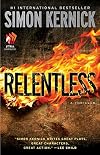
Wow – a brilliant thriller with a pace as frantic as its title. From the first page, where Tom Meron receives a panicked phone call from an old friend, the pace never lets up until the climax.
The moment the call is finished, someone becomes determined to kill him, and Meron’s life is thrown into turmoil: as he desperately tries to discover why he has been targeted, it becomes evident the killers believe he has something they want. The problem is that Meron doesn’t have a clue what it can be.
Matters become worse when his wife disappears, and as he attempts to find her, finds himself facing a knife-wielding stranger. He escapes, only to be immediately arrested for a woman’s stabbing. But things get even worse when he is eventually released: he is immediately abducted by the true killer. Before he can be tortured, though, one of the killer’s associates helps him escape. He claims to be an undercover policeman, but is he genuine, or just another person after the same mysterious item? Meron begins to wonder if he can even trust the police.
DI Mike Bolt becomes involved after discovering that the apparent suicide of a High Court judge was actually murder, and that it’s somehow linked with what is happening to Meron. Bolt uncovers a paedophile ring and a series of murders that were intended to keep it hidden.
Meron is eventually reunited with his wife, and they work together to uncover what is happening. Just as they find what the murderer has been looking for, their show more children are kidnapped, and they are forced to hand it over. But DI Bolt helps them discover the truth, and it is he who brings the chase to its final conclusion.
The only bad thing to say about the novel is that its climax occurs about ninety pages from the end, and the story seems to fizzle out after that. This slightly spoils the “feel” of the book, but overall it is still a great novel which, until that point, has awesome pace and provides a brilliant read.
In summary, Relentless is a complex story with plenty of surprises and a frantic pace for all but the final chapters - a highly recommended thriller that I thoroughly enjoyed. show less
The moment the call is finished, someone becomes determined to kill him, and Meron’s life is thrown into turmoil: as he desperately tries to discover why he has been targeted, it becomes evident the killers believe he has something they want. The problem is that Meron doesn’t have a clue what it can be.
Matters become worse when his wife disappears, and as he attempts to find her, finds himself facing a knife-wielding stranger. He escapes, only to be immediately arrested for a woman’s stabbing. But things get even worse when he is eventually released: he is immediately abducted by the true killer. Before he can be tortured, though, one of the killer’s associates helps him escape. He claims to be an undercover policeman, but is he genuine, or just another person after the same mysterious item? Meron begins to wonder if he can even trust the police.
DI Mike Bolt becomes involved after discovering that the apparent suicide of a High Court judge was actually murder, and that it’s somehow linked with what is happening to Meron. Bolt uncovers a paedophile ring and a series of murders that were intended to keep it hidden.
Meron is eventually reunited with his wife, and they work together to uncover what is happening. Just as they find what the murderer has been looking for, their show more children are kidnapped, and they are forced to hand it over. But DI Bolt helps them discover the truth, and it is he who brings the chase to its final conclusion.
The only bad thing to say about the novel is that its climax occurs about ninety pages from the end, and the story seems to fizzle out after that. This slightly spoils the “feel” of the book, but overall it is still a great novel which, until that point, has awesome pace and provides a brilliant read.
In summary, Relentless is a complex story with plenty of surprises and a frantic pace for all but the final chapters - a highly recommended thriller that I thoroughly enjoyed. show less
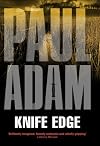
Knife Edge is a thriller that fails to settle on a single theme. One chapter deals with illegal immigrants; the next explores the criminal use of out-of-date carcasses at meat packaging plants. These themes are too powerful to sit side by side, and the result is the impression that Paul Adam is trying to preach about these problems. This seriously diminishes the reader’s involvement in the story and breaks the magic.
Another problem with Knife Edge is that it isn’t clear until over half way through who is intended to be the main character. The book starts from the viewpoint of illegal immigrant Irena Hourami, who goes on the run after her husband is murdered during their illegal entry into the UK. She is a worthy protagonist – her character is brilliantly portrayed, and the reader is soon sympathetic with her plight, and becomes emotionally involved in her struggle to survive in a strange county while hunted by two killers.
Disappointingly, she then disappears from the narrative, and we instead meet journalist, Ellie Mason. She starts an article about the sale of old and infected meat after an elderly friend dies of typhoid from contaminated chicken. Her story is interleaved with that of another journalist, Joe Verdi, who is writing a feature about illegal immigrants, and who goes undercover posing as an Albanian labourer. The story follows him as he is smuggled into Dover and is given farm jobs without a work permit.
Although not immediately obvious, Verdi is meant to show more be the main character. Unfortunately, he is never painted as strongly as Irena, and because he struggles to become a living three-dimensional character, I failed to associate with him.
When we briefly met Verdi at the start of the book, we were introduced to him as an asthmatic, and much play was put upon his reliance on an inhaler. We therefore expect this to give him problems later in the book, yet it is rarely mentioned again. This confused me, especially when he somehow races round farmyards and fields at the end of the novel: at the beginning he could barely cross the street without wheezing. This suggests his asthma was introduced ready to be important, and yet the author forgot to develop it later. While only a minor point, this did contribute to the overall failure of Verdi to truly come alive in my imagination.
When Ellie Mason wants help to gather information from inside meat packing facilities, she persuades Verdi to help. Through both characters, we vividly witness the consequences of the low prices supermarkets impose on their farmers, and the illegal reintroduction of imported out-of-date meat back into the food chain. Unfortunately, Paul Adam tries too hard to ensure we fully understand how bad this situation is. The result is that readers lose their involvement in the story, and the narrative spell is broken.
The story concludes with Verdi and Ellie Mason on Irena’s trail, trying to reach her before the killers. The conclusion is well written and totally absorbing.
Paul Adam’s writing style is very easy to read, and all the scenes are clearly painted. Knife Edge delivers an interesting story, but one that is spoilt by a weak lead character and an attempt by the author to cover two very powerful themes in a thriller that can only cope with one.
Other books by this author are exceptionally brilliant – Enemy Within, for instance, demonstrates his ability to write a powerful main character with whom we associate while dealing with a single powerful theme. With Knife Edge, however, he fails to deliver his normal excellence. show less
Another problem with Knife Edge is that it isn’t clear until over half way through who is intended to be the main character. The book starts from the viewpoint of illegal immigrant Irena Hourami, who goes on the run after her husband is murdered during their illegal entry into the UK. She is a worthy protagonist – her character is brilliantly portrayed, and the reader is soon sympathetic with her plight, and becomes emotionally involved in her struggle to survive in a strange county while hunted by two killers.
Disappointingly, she then disappears from the narrative, and we instead meet journalist, Ellie Mason. She starts an article about the sale of old and infected meat after an elderly friend dies of typhoid from contaminated chicken. Her story is interleaved with that of another journalist, Joe Verdi, who is writing a feature about illegal immigrants, and who goes undercover posing as an Albanian labourer. The story follows him as he is smuggled into Dover and is given farm jobs without a work permit.
Although not immediately obvious, Verdi is meant to show more be the main character. Unfortunately, he is never painted as strongly as Irena, and because he struggles to become a living three-dimensional character, I failed to associate with him.
When we briefly met Verdi at the start of the book, we were introduced to him as an asthmatic, and much play was put upon his reliance on an inhaler. We therefore expect this to give him problems later in the book, yet it is rarely mentioned again. This confused me, especially when he somehow races round farmyards and fields at the end of the novel: at the beginning he could barely cross the street without wheezing. This suggests his asthma was introduced ready to be important, and yet the author forgot to develop it later. While only a minor point, this did contribute to the overall failure of Verdi to truly come alive in my imagination.
When Ellie Mason wants help to gather information from inside meat packing facilities, she persuades Verdi to help. Through both characters, we vividly witness the consequences of the low prices supermarkets impose on their farmers, and the illegal reintroduction of imported out-of-date meat back into the food chain. Unfortunately, Paul Adam tries too hard to ensure we fully understand how bad this situation is. The result is that readers lose their involvement in the story, and the narrative spell is broken.
The story concludes with Verdi and Ellie Mason on Irena’s trail, trying to reach her before the killers. The conclusion is well written and totally absorbing.
Paul Adam’s writing style is very easy to read, and all the scenes are clearly painted. Knife Edge delivers an interesting story, but one that is spoilt by a weak lead character and an attempt by the author to cover two very powerful themes in a thriller that can only cope with one.
Other books by this author are exceptionally brilliant – Enemy Within, for instance, demonstrates his ability to write a powerful main character with whom we associate while dealing with a single powerful theme. With Knife Edge, however, he fails to deliver his normal excellence. show less
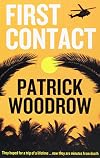
A great adventure story reminiscent of the books by Desmond Bagley.
What if a cure for malaria could be formulated from a fungus that grows underground in the unchartered regions of Papua-New-Guinea? Pharmaceutical companies would pay millions for it, but what if their prospecting would denude the rainforest and destroy the ancient tribes who live there? Would you still sell details of its whereabouts, or would you allow this bio-diverse environment and its inhabitants to remain undisturbed? That is the conundrum that lies beneath this exciting adventure tale.
When Mark Bridges and his sister are lost in Papua-New-Guinea after their guide is murdered in an inter-tribal argument, they stumble across a crashed helicopter. A briefcase is trapped inside, still chained to a skeleton’s wrist. Unable to free it, they leave it behind, but its discovery returns to haunt them when the newspaper report of their subsequent rescue mentions the wreckage. Bridges suddenly finds himself the target of an ex-CIA mercenary and a psychopathic Australian, who both know the history of the lost helicopter, and both badly want that briefcase. And they are no strangers to violence.
When the Australian kidnaps Bridge’s sister and threatens to kill her unless Bridges returns to Papua-New-Guinea to recover the case, Bridges reluctantly agrees. But the ex-CIA mercenary had bought details of the helicopter’s location from Bridges’ sister before she disappeared, and has already hired what he needs show more to find it. Can Bridges successfully retrace his steps through the rainforest and get to the crash-site first?
A good book with a strong pull to make you read on. Occasionally, Woodrow dumps blocks of facts into the story – normally about locations, but sometimes about the history of malaria itself – and these destroy the narrative flow. However, these are sufficiently infrequent that they did little to derail my enjoyment.
One thing I didn’t like is that (in my opinion) Woodrow too often puts the f-word into the mouth of Bridges’ sister. I guess this is an attempt to show her character, but it came across as unnecessary and jarred as a consequence.
Overall, though, this is an excellent and highly recommended book. It has tension, adrenalin-pumping adventure, an element of love interest, and teaches us about the ancient rainforests and their tribes – what more can one ask from a good read? show less
What if a cure for malaria could be formulated from a fungus that grows underground in the unchartered regions of Papua-New-Guinea? Pharmaceutical companies would pay millions for it, but what if their prospecting would denude the rainforest and destroy the ancient tribes who live there? Would you still sell details of its whereabouts, or would you allow this bio-diverse environment and its inhabitants to remain undisturbed? That is the conundrum that lies beneath this exciting adventure tale.
When Mark Bridges and his sister are lost in Papua-New-Guinea after their guide is murdered in an inter-tribal argument, they stumble across a crashed helicopter. A briefcase is trapped inside, still chained to a skeleton’s wrist. Unable to free it, they leave it behind, but its discovery returns to haunt them when the newspaper report of their subsequent rescue mentions the wreckage. Bridges suddenly finds himself the target of an ex-CIA mercenary and a psychopathic Australian, who both know the history of the lost helicopter, and both badly want that briefcase. And they are no strangers to violence.
When the Australian kidnaps Bridge’s sister and threatens to kill her unless Bridges returns to Papua-New-Guinea to recover the case, Bridges reluctantly agrees. But the ex-CIA mercenary had bought details of the helicopter’s location from Bridges’ sister before she disappeared, and has already hired what he needs show more to find it. Can Bridges successfully retrace his steps through the rainforest and get to the crash-site first?
A good book with a strong pull to make you read on. Occasionally, Woodrow dumps blocks of facts into the story – normally about locations, but sometimes about the history of malaria itself – and these destroy the narrative flow. However, these are sufficiently infrequent that they did little to derail my enjoyment.
One thing I didn’t like is that (in my opinion) Woodrow too often puts the f-word into the mouth of Bridges’ sister. I guess this is an attempt to show her character, but it came across as unnecessary and jarred as a consequence.
Overall, though, this is an excellent and highly recommended book. It has tension, adrenalin-pumping adventure, an element of love interest, and teaches us about the ancient rainforests and their tribes – what more can one ask from a good read? show less
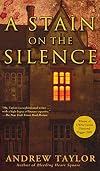
Andrew Taylor’s A Stain on the Silence is closer to a psychological thriller than a fast action story, but I nonetheless found myself dragged rapidly through its pages.
James – the story’s narrator - is a normal bloke with a rocky marriage. As the story unfolds, a series of flashbacks to his childhood reveal how James’ relationship with Lily, his best-friend’s stepmother, developed with disastrous consequences. The death of a girl – we don’t learn who she is until later – hangs over the story like a growing storm cloud from the very opening page.
The present-day storyline with which the flashbacks are interspersed starts when Lily phones James from her hospice deathbed, the first time they’ve spoken since his childhood. When he subsequently visits, she reveals she has a daughter, conceived from their illicit love affair when he was sixteen. The girl is in difficulty, and Lily persuades James to help.
Trouble comes in the form of Lily’s stepson, the violent and somewhat deranged Carlo, who had been James’ best friend. Carlo wants possession of a large plot of land originally owned by his father, but Lily’s daughter stands in his way. As James fulfils his promise to help her, he is forced to confront, not only a vicious Carlo, but also the buried horrors of his own past.
Andrew Taylor is clearly a master story teller, with a great ability to draw the reader into the pages of his book and to hold us there to the final full stop. A highly enjoyable show more psychological thriller that is a great read, even if you normally prefer adrenalin-pumped suspense stories. show less
James – the story’s narrator - is a normal bloke with a rocky marriage. As the story unfolds, a series of flashbacks to his childhood reveal how James’ relationship with Lily, his best-friend’s stepmother, developed with disastrous consequences. The death of a girl – we don’t learn who she is until later – hangs over the story like a growing storm cloud from the very opening page.
The present-day storyline with which the flashbacks are interspersed starts when Lily phones James from her hospice deathbed, the first time they’ve spoken since his childhood. When he subsequently visits, she reveals she has a daughter, conceived from their illicit love affair when he was sixteen. The girl is in difficulty, and Lily persuades James to help.
Trouble comes in the form of Lily’s stepson, the violent and somewhat deranged Carlo, who had been James’ best friend. Carlo wants possession of a large plot of land originally owned by his father, but Lily’s daughter stands in his way. As James fulfils his promise to help her, he is forced to confront, not only a vicious Carlo, but also the buried horrors of his own past.
Andrew Taylor is clearly a master story teller, with a great ability to draw the reader into the pages of his book and to hold us there to the final full stop. A highly enjoyable show more psychological thriller that is a great read, even if you normally prefer adrenalin-pumped suspense stories. show less