The opening scene of this first book serves to entice the reader to keep reading through a much slower beginning (and it is the cheapest of enticements; it has relatively little to do with the rest of the story) and I must say that it was absolutely worth the wait. It kept me interested long enough for me to get completely hooked on this story.
Every character is surprisingly nuanced, every loose end (of which there are many) is tidied into a perfect unity of meaning, and the writing itself was fascinating and beautiful. The descriptive imagery in this story was gorgeous, easily portraying the most incredible depiction of steampunk fantasy that I have ever seen, fused with feudal Japanese society and a really, really badass griffin.
I personally cried over this story several times, but in that I'm aware I cry over everything, let me just add that this story is perhaps the only one I have ever read to successfully address the question of progress, environmentalism, and government in a satisfactory way, without sugar-coating things or swerving away from the difficult topics. I got a lot out of this story morally, and if you walk away from this read without taking a hard look at your life, I don't think you read closely enough.
To end on a note of critique, I would like to warn readers that the initial characterization of our main character can be difficult to swallow at times (she tends to come off as a spoiled child with daddy issues, which is quite unfair given the show more information we are later offered), and at times the imagery could get a little repetitive (there are only so many variations on the concept of disease, after all). However, at no point did the imagery cease to be enjoyable, so I would say it was effective overall (unless you simply can't stand any repetition whatsoever). The story could be pretty predictable, although towards the end, evens moved quickly enough that I was frankly quite shocked by them.
In summation, the weaknesses were much more than bearable, the strengths were splendid, and you should do yourself a favor and read this book. show less
Every character is surprisingly nuanced, every loose end (of which there are many) is tidied into a perfect unity of meaning, and the writing itself was fascinating and beautiful. The descriptive imagery in this story was gorgeous, easily portraying the most incredible depiction of steampunk fantasy that I have ever seen, fused with feudal Japanese society and a really, really badass griffin.
I personally cried over this story several times, but in that I'm aware I cry over everything, let me just add that this story is perhaps the only one I have ever read to successfully address the question of progress, environmentalism, and government in a satisfactory way, without sugar-coating things or swerving away from the difficult topics. I got a lot out of this story morally, and if you walk away from this read without taking a hard look at your life, I don't think you read closely enough.
To end on a note of critique, I would like to warn readers that the initial characterization of our main character can be difficult to swallow at times (she tends to come off as a spoiled child with daddy issues, which is quite unfair given the show more information we are later offered), and at times the imagery could get a little repetitive (there are only so many variations on the concept of disease, after all). However, at no point did the imagery cease to be enjoyable, so I would say it was effective overall (unless you simply can't stand any repetition whatsoever). The story could be pretty predictable, although towards the end, evens moved quickly enough that I was frankly quite shocked by them.
In summation, the weaknesses were much more than bearable, the strengths were splendid, and you should do yourself a favor and read this book. show less
I had a writing teacher once, whose advice for beginning authors was to collect little universal truths from our daily lives and intersperse it into even the most dramatic fantasy setting imaginable. He insisted that explaining how trees worked or what Great Aunt Sally did with her eyeglasses would give our story the impact and believability necessary for a great work of fiction.
I never entirely bought that until this book. It is full of tiny, extraordinary truths, often hilarious, and it comes together to create five incredibly powerful, well-characterized people who in turn put together a phenomenal story about family, privilege, going your own way, and unearthing extraordinary magical phenomena that tie into their daily lives in the most extraordinary way.
I don't think I've ever read a book where I formed such strong emotional attachments to more than one or two characters, the rest left firmly in the background. Not so with Raven Boys. Even the background characters are enjoyable, while the title boys and the stubbornly independent Blue became real people that I cared about very much. Not a single one of them is anywhere near perfect, and you could write stand-alone works of fiction about each of them (which is what I hope Ms. Stiefvater intends to do).
Furthermore, the plot was excellent. Not exactly the pinnacle of ingenuity, but more than compelling even if the characters had been flat. Numerous loose ends were tied together in a creative, interesting way. All show more aspects of the plot found ways to be important and while some were predictable (Blue's father, Neeve being a creeper, the basic plotline of Quest to Magical Point A and watch a villain epically screw things up, The Other Boy and splendiferous true love), others were complete, story-changing shocks (and not to spoil anything, but Noah! Omigosh, NOAH!). Honestly, the worst part about this book for me is and will remain the way it ends up being summarized, that makes it sound like painfully emotionless YA romance #35.
It is not. It is a secret agent in disguise, and positively lovely in every way possible. I have already gotten my claws on the sequel and intend to cling heartily.
This is a book to read if you like falling unexpectedly in love with brilliant characters, if you prefer uniqueness that is at once believable and a little tragic, and if you need reminding of how a good plot twist works. Also if you want to observe emotionally vindicating scenes, like Misters Whelk and Parrish getting their just desserts in a cathartic way. Plus the book is funny. Did I mention that? Primarily it is an adventure drama, but it manages to be humorous as well, and honest, and basically amazing and everyone should read this and begin to believe in magic just a little more. show less
I never entirely bought that until this book. It is full of tiny, extraordinary truths, often hilarious, and it comes together to create five incredibly powerful, well-characterized people who in turn put together a phenomenal story about family, privilege, going your own way, and unearthing extraordinary magical phenomena that tie into their daily lives in the most extraordinary way.
I don't think I've ever read a book where I formed such strong emotional attachments to more than one or two characters, the rest left firmly in the background. Not so with Raven Boys. Even the background characters are enjoyable, while the title boys and the stubbornly independent Blue became real people that I cared about very much. Not a single one of them is anywhere near perfect, and you could write stand-alone works of fiction about each of them (which is what I hope Ms. Stiefvater intends to do).
Furthermore, the plot was excellent. Not exactly the pinnacle of ingenuity, but more than compelling even if the characters had been flat. Numerous loose ends were tied together in a creative, interesting way. All show more aspects of the plot found ways to be important and while some were predictable (Blue's father, Neeve being a creeper, the basic plotline of Quest to Magical Point A and watch a villain epically screw things up, The Other Boy and splendiferous true love), others were complete, story-changing shocks (and not to spoil anything, but Noah! Omigosh, NOAH!). Honestly, the worst part about this book for me is and will remain the way it ends up being summarized, that makes it sound like painfully emotionless YA romance #35.
It is not. It is a secret agent in disguise, and positively lovely in every way possible. I have already gotten my claws on the sequel and intend to cling heartily.
This is a book to read if you like falling unexpectedly in love with brilliant characters, if you prefer uniqueness that is at once believable and a little tragic, and if you need reminding of how a good plot twist works. Also if you want to observe emotionally vindicating scenes, like Misters Whelk and Parrish getting their just desserts in a cathartic way. Plus the book is funny. Did I mention that? Primarily it is an adventure drama, but it manages to be humorous as well, and honest, and basically amazing and everyone should read this and begin to believe in magic just a little more. show less
Shadows Linger: A Novel of the Black Company (The Second Chronicle of The Black Company) by Glen Cook
The second in the Chronicles of the Black Company Trilogy. Not a bad read overall, but I did prefer the first book for a couple of reasons. For one, the narrators alternate and I found myself missing Croaker, who I found to be a lot more interesting than the slowly corrupted everyman Shed. There was a lot less of the subtle introspection on human nature and the horrors of war in this one. A lot less war period. Mostly, it was the story of how the Company ended up cutting ties with the Lady (and even that was a little ambiguous--mostly, they just wanted out).
Basically, the stuff I was really interested in (Elmo's time in the Black Castle, the Plains of Fear stuff, military badassery, Raven being Raven) went off to the side and instead we got some fairly predictable story about heading to town and ending up stumbling on a weirdly contrived plot by the Dominator to come and mess stuff up.
Now, I'm mostly being harsh because I was disappointed from the first book. Shadows Linger isn't bad--it's a far sight better than a lot of fantasy on the market--but it's not immersive and fascinating like The Black Company was. Read it to continue the story, not because you're probably after a slow-paced story of a lot of people trying to cover up a lot of different things by not doing very much at all.
Plus, SPOILER (do not read ahead if that's not your thing), two of my favorite characters died, and without much fanfare. I am mildly concerned about how the story will continue without show more them and if it can recover to the heights of The Black Company. show less
Basically, the stuff I was really interested in (Elmo's time in the Black Castle, the Plains of Fear stuff, military badassery, Raven being Raven) went off to the side and instead we got some fairly predictable story about heading to town and ending up stumbling on a weirdly contrived plot by the Dominator to come and mess stuff up.
Now, I'm mostly being harsh because I was disappointed from the first book. Shadows Linger isn't bad--it's a far sight better than a lot of fantasy on the market--but it's not immersive and fascinating like The Black Company was. Read it to continue the story, not because you're probably after a slow-paced story of a lot of people trying to cover up a lot of different things by not doing very much at all.
Plus, SPOILER (do not read ahead if that's not your thing), two of my favorite characters died, and without much fanfare. I am mildly concerned about how the story will continue without show more them and if it can recover to the heights of The Black Company. show less
It reads like a firsthand account of war straight out of a high school textbook. It doesn't shy away from any reality, even while it weaves an incredibly immersive fantasy setting. I really didn't think I'd like it because of some of the darker details and my own general squeamishness, but I truly did.
Okay, points of interest: one, we have a very interesting narrator. He's a sellsword historian medic. Yes, these things can work together and create a very viable narrator. I really liked Croaker, and he told the story in the best way possible, by being able to believably travel from the thick of the action to the relative safety of a makeshift hospital and the battlefield observations he makes. He feels incredibly real, not whitewashed or stereotypical. He is not entirely likeable--he does some very sick things--but ultimately you end up liking him anyway. I think part of that is because he rest of the Company likes him and you're hoping that at least one character you've spent time with survive his mess, and part of it is because you can't help but empathize a little bit with him and all his familiar human foibles. He's not a hero, but I get the strangest impression that he's not done cooking yet.
The plot was pretty darned good. It is one long military campaign and stays very exciting for the most part. The final battle was awesome, and it was kind of disappointing that the reader doesn't get to see the actual end of it, disturbing though it would have been. There were one show more or two slow points, and there's one ultimately predictable RPG style twist right at the end that had me rolling my eyes before I saw it actually carried out. I have to admit, Mr. Cook did such a good job of telling that part of the story that I didn't even mind that I'd guessed.
The writing itself is also good, and I actually liked the fact that sometimes Croaker just leaves things out. It makes you really pay attention to the writing, and it often brought out a lot of suspense that wouldn't have been there otherwise. Plus it was in keeping with the narrator and the Company's proclivities of not saying things straight, and it helped you get to know Croaker. On the subject of suspense, there's really something to be said for a narrator who constantly keeps you in suspense about whether or not he's going to do the 'right thing' or even if you know what the 'right thing' is with how limited the presented information is. Overall, I think the best argument for this book is that I was looking forward to doing other things today and instead I'm going straight to book 2. So much for that plan.
But man, I liked this. Been a while since I read adult fantasy that got me so interested. On that note, any Game of Thrones fans should give this a look. Probably'll be right up their ally! show less
Okay, points of interest: one, we have a very interesting narrator. He's a sellsword historian medic. Yes, these things can work together and create a very viable narrator. I really liked Croaker, and he told the story in the best way possible, by being able to believably travel from the thick of the action to the relative safety of a makeshift hospital and the battlefield observations he makes. He feels incredibly real, not whitewashed or stereotypical. He is not entirely likeable--he does some very sick things--but ultimately you end up liking him anyway. I think part of that is because he rest of the Company likes him and you're hoping that at least one character you've spent time with survive his mess, and part of it is because you can't help but empathize a little bit with him and all his familiar human foibles. He's not a hero, but I get the strangest impression that he's not done cooking yet.
The plot was pretty darned good. It is one long military campaign and stays very exciting for the most part. The final battle was awesome, and it was kind of disappointing that the reader doesn't get to see the actual end of it, disturbing though it would have been. There were one show more or two slow points, and there's one ultimately predictable RPG style twist right at the end that had me rolling my eyes before I saw it actually carried out. I have to admit, Mr. Cook did such a good job of telling that part of the story that I didn't even mind that I'd guessed.
The writing itself is also good, and I actually liked the fact that sometimes Croaker just leaves things out. It makes you really pay attention to the writing, and it often brought out a lot of suspense that wouldn't have been there otherwise. Plus it was in keeping with the narrator and the Company's proclivities of not saying things straight, and it helped you get to know Croaker. On the subject of suspense, there's really something to be said for a narrator who constantly keeps you in suspense about whether or not he's going to do the 'right thing' or even if you know what the 'right thing' is with how limited the presented information is. Overall, I think the best argument for this book is that I was looking forward to doing other things today and instead I'm going straight to book 2. So much for that plan.
But man, I liked this. Been a while since I read adult fantasy that got me so interested. On that note, any Game of Thrones fans should give this a look. Probably'll be right up their ally! show less
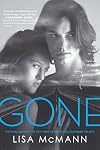
Something that I found very interesting about this trilogy is that the plot in each book was so different. Instead of focusing on either a crime mystery or an inexplicable power, Gone redirects its attention to the human elements we saw in the first book. Much more than a supernatural adventure, this is a book about people who have to make hard decisions about their lives. Heavier than I personally like, but I can recognize its merits. And at the very least, I can truthfully say that I couldn't put these books down until I knew the conclusion of the story! Which, not to spoil anything, is the ending that most suits these characters. It's not doesn't baby the reader, but it also doesn't consign us to lifelong depression either, for which I thank this author. She certainly can yank on the heartstrings!
In terms of criticisms, I was a little sad to see strong characters like Cabel and the captain consigned to support roles (the second book led me to believe we'd be getting a better look at them). Not that Janie isn't a powerful character capable of carrying the story in her own right, but Cabel in particular felt very flat. I guess I wanted to see some of the skater Goth kid from before? I liked that kid.
But FYI, this is not a book for reading when you're already depressed! It runs like a chapter of Real Life and it's not so much about redemption or catharsis as it is just accepting that life is fantastically sucky and doesn't give people many options. Again, not my thing show more (good for you if it's yours; this is absolutely a good book!), so why read it? Characters. Plot. Writing good smooth and exciting enough that I couldn't bring myself to look away. I will say this much: I was certainly entertained. show less
In terms of criticisms, I was a little sad to see strong characters like Cabel and the captain consigned to support roles (the second book led me to believe we'd be getting a better look at them). Not that Janie isn't a powerful character capable of carrying the story in her own right, but Cabel in particular felt very flat. I guess I wanted to see some of the skater Goth kid from before? I liked that kid.
But FYI, this is not a book for reading when you're already depressed! It runs like a chapter of Real Life and it's not so much about redemption or catharsis as it is just accepting that life is fantastically sucky and doesn't give people many options. Again, not my thing show more (good for you if it's yours; this is absolutely a good book!), so why read it? Characters. Plot. Writing good smooth and exciting enough that I couldn't bring myself to look away. I will say this much: I was certainly entertained. show less
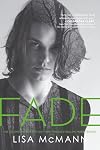
Darker and more intense than its prequel, Fade runs like a good cop show that just happens to have a supernatural element or two. The plot is smoother overall, but just as interesting. It's traded some of the twists and turns for a few incredibly powerful emotional moments, but overall it's a spectacular sequel, and all the things I loved about the first book are still there. Cabel and Janie are still awesome, the Captain is the coolest person ever, the dreaming power remains interesting and believable, and I certainly couldn't tear myself away from the unfolding storyline. It's a little less human-focused than its predecessor, but seems more factual. My only real complaint is about the particular subject matter of this story, and that's a personal issue. If you are not comfortable with mentions of rape and horrible people who take advantage of minors, this is not a book you're going to enjoy too much. It's not quite as empowering as the first book either, but maybe a little more realistic?
I appear to be running in circles here, so let me sum up my point: I preferred Wake personally, but Fade was an excellent sequel and worth the read if you're looking for a fast-paced, exciting story where the main character is a non-useless high school girl.
Who can bench one twenty. Just saying.
I appear to be running in circles here, so let me sum up my point: I preferred Wake personally, but Fade was an excellent sequel and worth the read if you're looking for a fast-paced, exciting story where the main character is a non-useless high school girl.
Who can bench one twenty. Just saying.
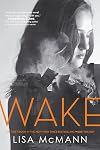
I read this book a long time ago and had very mixed feelings about it. I'll start off by saying that the plot is very interesting--it runs like a good movie, and has lots of excitement packed in there. For the most part, everything that happens is believable and the whole ride is completely worth the effort of getting into the book. The supernatural abilities in the story are interesting and extremely well written (they felt real to me), if not fully explained. This is the first book in a trilogy, so the lack of technical details is understandable and it doesn't really detract from the excellent plot.
I also like the characters--the protagonists quickly endear themselves to the reader, and even the bit characters have startling kernels of truth to them that make them interesting. My only real complaint is that Janie occasionally grated on me because of that period of time where she refused to even hear Cabel out. But even that, I guess, worked. Teenage melodrama, you know.
The writing style is not my favorite. It's not bad, and it's not dry, but it's very austere, I suppose. Dreamlike, which suits the purposes of the novel, but isn't usually my favorite thing to read.
Overall, I give it four stars. Read this sucker if you need to get sucked into another world where someone has bigger problems than you, but it still turns out okay in the end. Or if you feel like things are completely out of control for you and you're looking to be inspired just a little. It won't impart any show more revelations, but it's great to get you out of your head. show less
I also like the characters--the protagonists quickly endear themselves to the reader, and even the bit characters have startling kernels of truth to them that make them interesting. My only real complaint is that Janie occasionally grated on me because of that period of time where she refused to even hear Cabel out. But even that, I guess, worked. Teenage melodrama, you know.
The writing style is not my favorite. It's not bad, and it's not dry, but it's very austere, I suppose. Dreamlike, which suits the purposes of the novel, but isn't usually my favorite thing to read.
Overall, I give it four stars. Read this sucker if you need to get sucked into another world where someone has bigger problems than you, but it still turns out okay in the end. Or if you feel like things are completely out of control for you and you're looking to be inspired just a little. It won't impart any show more revelations, but it's great to get you out of your head. show less
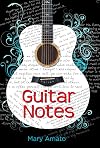
This book is a quick read, but an amazing one. I even ended up liking the format, which documented the time of day and day of the week rather than a chapter title (usually I just find this distracting). I was so impressed by how fun the book was to read. Personally, I read it in a straight shot. Am now sleep deprived. Coffee, come hither!
Guitar Notes somehow sums up exactly what it is I like about music, and why I envy musicians so much. The character development is fantastic, the characters are exquisitely loveable, and while the plot gets a little predictable by the end, it's still worth it. I cried.
If nothing else, read it for the nuggets of truth about how parents and kids and overbearing friends work. This was the truest representation of teenage frustration and overwrought parents that I've ever read and I think everyone can empathize.
Guitar Notes somehow sums up exactly what it is I like about music, and why I envy musicians so much. The character development is fantastic, the characters are exquisitely loveable, and while the plot gets a little predictable by the end, it's still worth it. I cried.
If nothing else, read it for the nuggets of truth about how parents and kids and overbearing friends work. This was the truest representation of teenage frustration and overwrought parents that I've ever read and I think everyone can empathize.
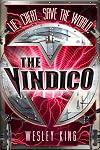
Maybe it's just that I haven't read a good book for a while, but I seriously loved this. It hit all of the high points I usually look forward to without embarrassing itself. All of the characters were surprisingly well-developed (especially for their being as many as their were) although I did have some initial difficulties remembering which villain was which. The plot moved like a good movie; fast-paced, constantly shifting, always with a great element of suspense. You never could be sure what the protagonists would do next, thanks to the psychology of their situation, and I was constantly changing my mind about who I sympathized with and who I had bald-faced contempt for. In fact, the book itself made me think about right or wrong in a new way, as I considered what I would do in the situations presented through the lens of my own adolescent experiences. Because who doesn't want superpowers? Who doesn't think they could do something good with it? It presented a lot of deliciously scary questions about how far we'd go to be special or to fit in or to just not have to suffer our own failings any longer.
I found Vendigo thought-provoking, interesting, and an absolute delight by the end--which managed to wrap things up without either depressing me into a state of existential misery or offering easy, cliched answers about how the world should be. In an age of superhero mania, this book really will be added to my collection of favorites.
The only point of criticism was that I show more had hoped for a little deeper reflection on the similarities and differences of the superhero and supervillain groups. We never really found out how much each side had twisted the information, and I was able to sympathize a lot with some of the alleged 'villains', who were very human. I wanted to more heavily question which side deserved to win. I think the kids themselves are a perfectly good study on how the term 'hero' is very relative... and I just wanted to know more about some of the nastier things the superheroes did. Were the villains making it up? Were their perspectives skewed? Were the superheroes hateful human beings riding on the coattails of media support?
I mean (spoiler alert), Sparrow? Yes, I'm glad he wasn't killed--but he did seriously seem like a jerk. This book really refused to be black and white about who was good or bad, and I wanted it to take that further.
I also could have stood it being a bit longer. I can't really whine because I have to admit that there's very little as satisfying as burning through a riveting book in one sitting, but... This one was impressive. Could have stood to enjoy it a little longer.
Overall, this definitely has my approval! show less
I found Vendigo thought-provoking, interesting, and an absolute delight by the end--which managed to wrap things up without either depressing me into a state of existential misery or offering easy, cliched answers about how the world should be. In an age of superhero mania, this book really will be added to my collection of favorites.
The only point of criticism was that I show more had hoped for a little deeper reflection on the similarities and differences of the superhero and supervillain groups. We never really found out how much each side had twisted the information, and I was able to sympathize a lot with some of the alleged 'villains', who were very human. I wanted to more heavily question which side deserved to win. I think the kids themselves are a perfectly good study on how the term 'hero' is very relative... and I just wanted to know more about some of the nastier things the superheroes did. Were the villains making it up? Were their perspectives skewed? Were the superheroes hateful human beings riding on the coattails of media support?
I mean (spoiler alert), Sparrow? Yes, I'm glad he wasn't killed--but he did seriously seem like a jerk. This book really refused to be black and white about who was good or bad, and I wanted it to take that further.
I also could have stood it being a bit longer. I can't really whine because I have to admit that there's very little as satisfying as burning through a riveting book in one sitting, but... This one was impressive. Could have stood to enjoy it a little longer.
Overall, this definitely has my approval! show less
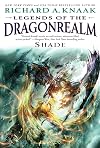
This was a book of extremes. There were moments of brilliance, and moments of 'ugh, why am I even reading this.' To explain, the world is interesting and different from my usual supernatural genre's fantasy worlds. The politics are complex and interesting, if at times garishly polar in human=good, animal=bad ways.
The plot, after an initial introductory period, was also very solid. This book is definitely a page-turner. There's dramatic tension in spades, and most chapters end on the sort of cliffhanger that demands you go ahead and read the next five chapters too.
HOWEVER:
I largely despised the main characters. Valea is such a stereotypical, thoughtless damsel only concerned with her man (while at the same time trying to maintain that he is not her man to instill some sense of non-existent romantic tension) that I just could not take her seriously. And Shade himself fared little better; he was arrogant and condescending. The narration tried to preface nearly everything anyoen else did with an unironic declaration that 'Shade already knew this of course. Shade was (insert praise of your choice here). But he was impressed with the talents of this lesser being and knew that they were of a good bloodline/of great power/random plot device.
Ugh.
Cabe Bedlam, who was to my knowledge also supposed to be one of the story's kick-butt guys did exactly... nothing in the realm of greater plot. He literally serves to show up and fail at whatever he tries to do, just as Valea is supposed show more to be the damsel in distress and Shade is supposed to be our distressingly effortlessly superior knight in featureless armor.
The villains managed to be less onerous, but come on. Richard Knaak is supposed to be a bestselling author. I expected better.
Also, there are aspects of the plot that did not feel fully and sufficiently explained. I grant you that I read this book pretty quickly, but between all the declarations of what the narrator thinks he/she knows, what they know but aren't telling, and what they don't know, I spent a lot of the book feeling lost about the finer details and abandoning all sense of knowing what was going on for the more immediate 'our heroes are being attacked by dwarves. Gasp in shock and awe.'
Maybe I just went into this experience with expectations that were a little bit too high, but this was not a very enjoyable read to me. I give it 3 stars for keeping me interested in spite of my complaints, but I don't recommend it to people unless they're staunch Knaack fans. show less
The plot, after an initial introductory period, was also very solid. This book is definitely a page-turner. There's dramatic tension in spades, and most chapters end on the sort of cliffhanger that demands you go ahead and read the next five chapters too.
HOWEVER:
I largely despised the main characters. Valea is such a stereotypical, thoughtless damsel only concerned with her man (while at the same time trying to maintain that he is not her man to instill some sense of non-existent romantic tension) that I just could not take her seriously. And Shade himself fared little better; he was arrogant and condescending. The narration tried to preface nearly everything anyoen else did with an unironic declaration that 'Shade already knew this of course. Shade was (insert praise of your choice here). But he was impressed with the talents of this lesser being and knew that they were of a good bloodline/of great power/random plot device.
Ugh.
Cabe Bedlam, who was to my knowledge also supposed to be one of the story's kick-butt guys did exactly... nothing in the realm of greater plot. He literally serves to show up and fail at whatever he tries to do, just as Valea is supposed show more to be the damsel in distress and Shade is supposed to be our distressingly effortlessly superior knight in featureless armor.
The villains managed to be less onerous, but come on. Richard Knaak is supposed to be a bestselling author. I expected better.
Also, there are aspects of the plot that did not feel fully and sufficiently explained. I grant you that I read this book pretty quickly, but between all the declarations of what the narrator thinks he/she knows, what they know but aren't telling, and what they don't know, I spent a lot of the book feeling lost about the finer details and abandoning all sense of knowing what was going on for the more immediate 'our heroes are being attacked by dwarves. Gasp in shock and awe.'
Maybe I just went into this experience with expectations that were a little bit too high, but this was not a very enjoyable read to me. I give it 3 stars for keeping me interested in spite of my complaints, but I don't recommend it to people unless they're staunch Knaack fans. show less
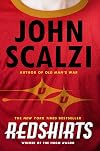
Alright, if you can't take a little good-natured fun being poked at one of your fandoms, you're a sad human being. Largely because you might miss out on this book.
With the current Star Trek craze, there's no better time read a book like Redshirts, which reminds us of the silliest aspects of the original Star Trek TV series and does just that good-natured sort of fun-poking. Rare is the novel that can make you simultaneously cringe and giggle, but that's just the sort of book that Redshirts is.
The ensign cast we follow is laugh out-loud funny and while the plot seems fairly predictable (after a certain point) there are still enough twists to keep even the pickiest reader interested.
My main complaint with the novel is the codas, which I found by contrast very dull and unnecessary to the story. If you want my opinion, I'd just read the actual story as is and let it end on a high note.
I also (spoiler alert) wished that the Hanson situation had been better explained. I would have liked to know more about who Hanson was. That aspect did not feel as well explained as it ought to have been.
With the current Star Trek craze, there's no better time read a book like Redshirts, which reminds us of the silliest aspects of the original Star Trek TV series and does just that good-natured sort of fun-poking. Rare is the novel that can make you simultaneously cringe and giggle, but that's just the sort of book that Redshirts is.
The ensign cast we follow is laugh out-loud funny and while the plot seems fairly predictable (after a certain point) there are still enough twists to keep even the pickiest reader interested.
My main complaint with the novel is the codas, which I found by contrast very dull and unnecessary to the story. If you want my opinion, I'd just read the actual story as is and let it end on a high note.
I also (spoiler alert) wished that the Hanson situation had been better explained. I would have liked to know more about who Hanson was. That aspect did not feel as well explained as it ought to have been.
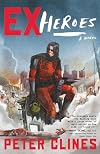
One of the most solidly intriguing and creative premises I've read in a long time (seriously, I dare you to think of two common tropes less suited for each other than zombies and superheroes and make it work) with a cast of interesting characters and a truly EPIC final battle.
An overall enjoyable read, although I found the frequent jumps between past and present somewhat grating. I also found that I much preferred the first-person perspective offered in the 'then' chapters, as opposed to the more generic third person that appeared in the future. Still, it's hardly a problem for this overall gem of a novel.
An overall enjoyable read, although I found the frequent jumps between past and present somewhat grating. I also found that I much preferred the first-person perspective offered in the 'then' chapters, as opposed to the more generic third person that appeared in the future. Still, it's hardly a problem for this overall gem of a novel.
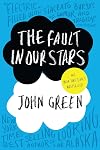
There is nothing I can say about this book that hasn't been said before, and better; except that I wish I could give it six stars out of five. If you like funny books, you will like this book.
If you like books that make you cry, you will like this book.
If you like books that make you think, you will like this book.
If you like books, you will love this book.
If you like books that make you cry, you will like this book.
If you like books that make you think, you will like this book.
If you like books, you will love this book.
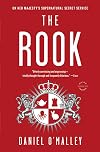
I don't usually give full marks to any novel, but I'm going to have to give Rook this one because there... simply isn't anything to complain about.
The narrator is interesting, humorous, and a pleasure to follow.
The plot is exciting, VERY fresh (especially considering that fantasy as of late has rather suffered from a trend of rehashing the same stories and pretending that they are unique), and in my personal opinion, not at all predictable. Which is a feat that deserves quite a bit of applause when you're dealing with a story in which amnesia, secret societies, and the knowledge of traitors within the main organization all feature prominently.
Furthermore, the story tied up all of its loose ends quite nicely, leaving promising possibilities for a sequel (while still managing to be a solid stand-alone piece should Mr. O'Malley prefer).
There is literally nothing wrong with this book. It deserves full marks. It is wonderful fiction, and I enjoyed it immensely. I hope that everyone will give this book the chance it deserves.
The narrator is interesting, humorous, and a pleasure to follow.
The plot is exciting, VERY fresh (especially considering that fantasy as of late has rather suffered from a trend of rehashing the same stories and pretending that they are unique), and in my personal opinion, not at all predictable. Which is a feat that deserves quite a bit of applause when you're dealing with a story in which amnesia, secret societies, and the knowledge of traitors within the main organization all feature prominently.
Furthermore, the story tied up all of its loose ends quite nicely, leaving promising possibilities for a sequel (while still managing to be a solid stand-alone piece should Mr. O'Malley prefer).
There is literally nothing wrong with this book. It deserves full marks. It is wonderful fiction, and I enjoyed it immensely. I hope that everyone will give this book the chance it deserves.
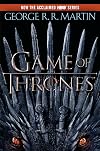
While perilously long and at times slow or dull (mostly due to the sheer quantity of work), this book is well worth a read. There's always at least one or two of the book's many narrators who will pique your fancy--granting that you will then spend the chapters where they are not in charge bouncing impatiently and wanting to get back to the interesting stuff--and the plot is convoluted in the best way. If you like the shows, you will like this book; it provides all manner of new and interesting insight and details. It does not detract from the whole show-watching experience or vice versa, so you don't need to worry about which one to start with.
Besides, the narration really is the best way to show the development of the characters from good to bad, bad to good, and back again. It's fascinating psychologically, character-driven, and more than interesting enough to keep fantasy readers entertained. I very much recommend it.
Besides, the narration really is the best way to show the development of the characters from good to bad, bad to good, and back again. It's fascinating psychologically, character-driven, and more than interesting enough to keep fantasy readers entertained. I very much recommend it.
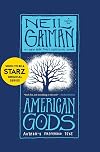
Certainly an interesting read. As usual, Mr. Gaiman astounds me with the depth of his imagination and the way he can so easily provoke reflection. Just be warned that the book is long enough to drag in a few places (and there are a couple of unanswered questions; for instance, who was going after Mad Sweeney about that coin?) and that unless you have a much better understanding of myths and legends than I do, you might want to keep a google search handy so you can look up what Shadow is dealing with. Overall, a good read if you're looking for philosophy and new ideas.
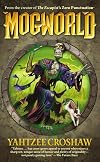
Let me start this off by saying that this was easily one of the most thought-provoking, amusing, and addictive books I've read all year.
I admit, I picked this book up because it was written by Yahtzee (as I'm sure most of us did). The premise sounded interesting enough, and skimming a page proved that the book is not at all lacking in trademark Yahtzee hilarity.
This book, however, was much more than just that. By the end of the book, even the characters I hated had become empathetic, or even endearing. That was, in fact, my one complaint about this book; Yahtzee is very good at making us care about these characters and when they don't end up coming to care for each other just as much, it's a little bit frustrating. Nevertheless, the ending to the story is absolutely perfect, and if you can walk away from this book without doing some hard thinking afterwards, please, I beg of you, question what it means to be a human being and a gamer, because you seem to be confused on a few things.
The premise is so much more than it first appears to be, and the book is structured so that every detail has maximum impact. I don't know if Yahtzee is such a good writer or if he just had the best editor of all time, but this was a very well-written book. Every second of it felt interesting, between the humor, the fast-paced action, and the interesting, morally dubious narration.
In the end, as long as you don't mind people giving you strange looks as you giggle and sigh over a book with an show more enormous zombie on the cover, I highly recommend this book. It was a wonderful read and I'm so glad that more bookstores are starting to carry it. show less
I admit, I picked this book up because it was written by Yahtzee (as I'm sure most of us did). The premise sounded interesting enough, and skimming a page proved that the book is not at all lacking in trademark Yahtzee hilarity.
This book, however, was much more than just that. By the end of the book, even the characters I hated had become empathetic, or even endearing. That was, in fact, my one complaint about this book; Yahtzee is very good at making us care about these characters and when they don't end up coming to care for each other just as much, it's a little bit frustrating. Nevertheless, the ending to the story is absolutely perfect, and if you can walk away from this book without doing some hard thinking afterwards, please, I beg of you, question what it means to be a human being and a gamer, because you seem to be confused on a few things.
The premise is so much more than it first appears to be, and the book is structured so that every detail has maximum impact. I don't know if Yahtzee is such a good writer or if he just had the best editor of all time, but this was a very well-written book. Every second of it felt interesting, between the humor, the fast-paced action, and the interesting, morally dubious narration.
In the end, as long as you don't mind people giving you strange looks as you giggle and sigh over a book with an show more enormous zombie on the cover, I highly recommend this book. It was a wonderful read and I'm so glad that more bookstores are starting to carry it. show less
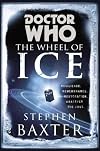
Being an avid fan of Doctor Who and of reading, I supposed that the two together would make for a very excellent read. To give this book credit, it does have all manner of familiar staples of Doctor Who, including complex moral issues, proper English, and its fair share of wacky hijinks. If you're looking for an easy read to get your Doctor Who fix in between the seasons, this is hardly a bad choice.
However, it's not exactly the experience I had expected either. The characters were not quite as quirky and over the top as I'd hoped, the conclusion did not feel entirely satisfying after all the questions the plot itself had raised, and the sense of danger familiar in the TV show was... skewed. It's not the TV show, basically. It's not bad either--but The Wheel of Ice will not be hitting my top ten.
However, it's not exactly the experience I had expected either. The characters were not quite as quirky and over the top as I'd hoped, the conclusion did not feel entirely satisfying after all the questions the plot itself had raised, and the sense of danger familiar in the TV show was... skewed. It's not the TV show, basically. It's not bad either--but The Wheel of Ice will not be hitting my top ten.
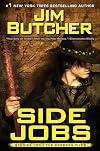
So, I profoundly love every Dresden Files books that I've read. Including Side Jobs, before anyone starts getting the impression that I am capable of not going all girly over these books. Side Jobs, however, left the least impression on me out of them all. It's still a solid book and well worth reading for Dresden fanatics. Among positive points, it's got Butcher's usual exciting, hilarious writing style, exquisitely over-the-top, loathesome villains, and lots of magic and mayhem. Good stuff.
It also allowed for stories narrated by Murphy and Thomas. Which was sort of like crack for me. Their narration styles were not quite as fleshed out as Dresden's (obviously), but Murphy was so unbelievably EPIC in Aftermath that I just didn't care. Plus all the stuff about Martian. That was great. And Thomas turned out to be significantly cooler than I remembered. Besides, Backup was worth it just for Dresden whining at the end about how no one appreciates him and Thomas being utterly patronizing.
It was good to see Michael Carpenter again, and there was a lot of closure in learning firsthand that he was doing alright... Day Off was a hilarious experience altogheter. For these stories alone, Side Jobs was worth reading.
On that note, let it be said that I think Mr. Butcher is much more suited to novel writing than short story writing. The dramatic plot twists of Dresden novels just can't develop properly without a couple hundred pages of being merrily led around by the nose first. show more These short stories often felt abrupt and the endings didn't have anywhere near enough impact. Can you imagine an entire Dresden novel packed into a chapter? No? Well, Mr. Butcher made a solid go of it, but I don't think it really could be accomplished.
Furthermore (as the author candidly points out in introductory blurbs between stories), several of these stories are ancient, early attempts at hashing out the Dresden universe. Both Mr. Butcher and his characters have had a lot of time to grow since then, and they've come out the better for it. But in some of the earlier stories, beloved characters feel off somehow (Murphy was extraordinarily 'girl cop' instead of extraordinarily Murphy). It was disconcerting, and felt out of character.
So points for trying, Mr. Butcher, but I don't think you quite got away with it. I eagerly await his next Dresden novel and am glad to have Side Jobs as an addition to my bookshelf, though it will not be hitting my top ten. show less
It also allowed for stories narrated by Murphy and Thomas. Which was sort of like crack for me. Their narration styles were not quite as fleshed out as Dresden's (obviously), but Murphy was so unbelievably EPIC in Aftermath that I just didn't care. Plus all the stuff about Martian. That was great. And Thomas turned out to be significantly cooler than I remembered. Besides, Backup was worth it just for Dresden whining at the end about how no one appreciates him and Thomas being utterly patronizing.
It was good to see Michael Carpenter again, and there was a lot of closure in learning firsthand that he was doing alright... Day Off was a hilarious experience altogheter. For these stories alone, Side Jobs was worth reading.
On that note, let it be said that I think Mr. Butcher is much more suited to novel writing than short story writing. The dramatic plot twists of Dresden novels just can't develop properly without a couple hundred pages of being merrily led around by the nose first. show more These short stories often felt abrupt and the endings didn't have anywhere near enough impact. Can you imagine an entire Dresden novel packed into a chapter? No? Well, Mr. Butcher made a solid go of it, but I don't think it really could be accomplished.
Furthermore (as the author candidly points out in introductory blurbs between stories), several of these stories are ancient, early attempts at hashing out the Dresden universe. Both Mr. Butcher and his characters have had a lot of time to grow since then, and they've come out the better for it. But in some of the earlier stories, beloved characters feel off somehow (Murphy was extraordinarily 'girl cop' instead of extraordinarily Murphy). It was disconcerting, and felt out of character.
So points for trying, Mr. Butcher, but I don't think you quite got away with it. I eagerly await his next Dresden novel and am glad to have Side Jobs as an addition to my bookshelf, though it will not be hitting my top ten. show less
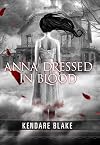
This book was chock full of interesting ideas--I loved the fact that the mom was a witch and the way the author was able to keep us guessing about Anna until the end. The writing was solid and the plot stayed interesting until the end. It ran like a good episode of Supernatural, if that means anything to all you readers.
However, the romance aspect felt a little rushed--while I could totally believe that Anna and Cas were bonding, I did not so much buy into the fact that they fell so dramatically in love as to make the story's conclusion make sense. Also, there were a lot of characters in the book, some of whom did not feel very necessary (or interesting).
It's basically a simple, interesting thriller. Nothing that will redefine its genre or become the best book you've ever read, but worth a read.
However, the romance aspect felt a little rushed--while I could totally believe that Anna and Cas were bonding, I did not so much buy into the fact that they fell so dramatically in love as to make the story's conclusion make sense. Also, there were a lot of characters in the book, some of whom did not feel very necessary (or interesting).
It's basically a simple, interesting thriller. Nothing that will redefine its genre or become the best book you've ever read, but worth a read.
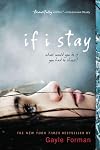
The back of this book's sequel convinced me that I should read it--and I made the right decision. This book is a beautiful exploration of human emotion and relationships, and moved me to tears on more than one occasion. If ever you need a reminder of why we love, this book is it.
For those interested in YA romance: you won't be disappointed. Mia and Adam are extraordinarily different people and watching them come together and make spaces in their lives for each other is a pleasure. Seeing how far they are willing to go for each other in the face of this tragedy is beautiful.
But there is much more to If I Stay than just the romantic aspects. It is an exploration of how much people can mean to us, even when we are not much alike. It is a lesson that love--in all its forms--only has as many conditions as we decide. It is a reminder to love our family and our friends, to celebrate diversity, and a startling look at how one tragic event can touch so many people. Including the reader. I'm not sure anyone can make it through this novel without shedding a tear.
It has a few plot twists to boot, and an ending that shakes a person to the core. Once you get started on it, putting it down is virtually impossible. It's that good. I highly recommend it.
For those interested in YA romance: you won't be disappointed. Mia and Adam are extraordinarily different people and watching them come together and make spaces in their lives for each other is a pleasure. Seeing how far they are willing to go for each other in the face of this tragedy is beautiful.
But there is much more to If I Stay than just the romantic aspects. It is an exploration of how much people can mean to us, even when we are not much alike. It is a lesson that love--in all its forms--only has as many conditions as we decide. It is a reminder to love our family and our friends, to celebrate diversity, and a startling look at how one tragic event can touch so many people. Including the reader. I'm not sure anyone can make it through this novel without shedding a tear.
It has a few plot twists to boot, and an ending that shakes a person to the core. Once you get started on it, putting it down is virtually impossible. It's that good. I highly recommend it.
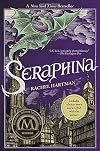
Well, first of all, the fact that there were dragons in this book gave it an unfair advantage. My theory is that I am biologically predisposed to worship winged lizards. I am probably an alien. This makes the most sense.
Dragons are THE BEST THING EVER.
But this reviewer's psychosis aside, Seraphina is an excellent novel in its own right. The medieval fantasy world it develops is not particularly innovative, but Ms. Hartman's treatment of the world most certainly is. Dragons are neither wholly good nor wholly bad and Ms. Hartman's treatment of them is far from ordinary--they're mathmatically-minded, alien creatures reminiscent of Star Trek's Vulcans, and they have an uneasy truce with human beings in which both groups think that they're superior and violence happens more than it should. But what really stands out is Ms. Hartman's protagonist--Seraphina is a half-dragon so-called abomination desperately trying to pose as human while at the same time too talented and opinionated to keep her head under the radar. She is the most practical, capable, CALM (read: neither high-strung nor perpetually indignant) female protagists that I've ever read. She furthermore sympathizes (if reluctantly) with all those who, like her, don't quite fit in, and is all the more sympathetic because of it. It helps that she's a musical prodigy and slowly (and unwillingly) drawing together a circle of fellow half-dragons in order to protect both their peoples.
The characters around Seraphina are show more equally complex and well-written. I found myself surprised by how much I liked Prince Lucien, who was a great deal more than just a bastard with a chip on his shoulder, and I found myself gobsmacked by how much I came to like characters I thought I would hate, such as the childish, demanding (but really quite brilliant and loyal) Princess Glisselda or the allegedly indifferent (and utterly endearing) Orma. I only wished we could see more of the half-dragons like Lars, and hope that future novels will indeed present such; Seraphina spends a great deal of time avoiding these people in her attempts to preserve normalcy, and as such we don't get to really explore who the other half-dragons really are.
The plot acts a bit like classic fantasy married to a mystery novel--Seraphina and Lucien play the parts of amateur detectives trying to piece together all manner of political plots and keep everyone alive. Yes, the story has moments where it drags and yes, some of the political intrigue gets incomprehensible. Additionally, Ms. Hartman has some moments where she describes medieval architecture and dress very knowledgeably and in enthusiastic detail (and you'd probably like to have a dictionary open while you read, all things considered). But all of this is like a speck of dust when compared to a plot that is in no way commonplace and remains consistently enjoyable and interesting, following a narrator who will prove immensely sympathetic to anyone who has ever had to try and fit in where they don't belong. The ending is quite good too, and maintains suspense up until the last page, where it sets up for a sequel that I hope will be as phenomenal as this.
Overall, an excellent book. I eagerly await the next installment and encourage teens and adults alike to delve into this wonderful creation. show less
Dragons are THE BEST THING EVER.
But this reviewer's psychosis aside, Seraphina is an excellent novel in its own right. The medieval fantasy world it develops is not particularly innovative, but Ms. Hartman's treatment of the world most certainly is. Dragons are neither wholly good nor wholly bad and Ms. Hartman's treatment of them is far from ordinary--they're mathmatically-minded, alien creatures reminiscent of Star Trek's Vulcans, and they have an uneasy truce with human beings in which both groups think that they're superior and violence happens more than it should. But what really stands out is Ms. Hartman's protagonist--Seraphina is a half-dragon so-called abomination desperately trying to pose as human while at the same time too talented and opinionated to keep her head under the radar. She is the most practical, capable, CALM (read: neither high-strung nor perpetually indignant) female protagists that I've ever read. She furthermore sympathizes (if reluctantly) with all those who, like her, don't quite fit in, and is all the more sympathetic because of it. It helps that she's a musical prodigy and slowly (and unwillingly) drawing together a circle of fellow half-dragons in order to protect both their peoples.
The characters around Seraphina are show more equally complex and well-written. I found myself surprised by how much I liked Prince Lucien, who was a great deal more than just a bastard with a chip on his shoulder, and I found myself gobsmacked by how much I came to like characters I thought I would hate, such as the childish, demanding (but really quite brilliant and loyal) Princess Glisselda or the allegedly indifferent (and utterly endearing) Orma. I only wished we could see more of the half-dragons like Lars, and hope that future novels will indeed present such; Seraphina spends a great deal of time avoiding these people in her attempts to preserve normalcy, and as such we don't get to really explore who the other half-dragons really are.
The plot acts a bit like classic fantasy married to a mystery novel--Seraphina and Lucien play the parts of amateur detectives trying to piece together all manner of political plots and keep everyone alive. Yes, the story has moments where it drags and yes, some of the political intrigue gets incomprehensible. Additionally, Ms. Hartman has some moments where she describes medieval architecture and dress very knowledgeably and in enthusiastic detail (and you'd probably like to have a dictionary open while you read, all things considered). But all of this is like a speck of dust when compared to a plot that is in no way commonplace and remains consistently enjoyable and interesting, following a narrator who will prove immensely sympathetic to anyone who has ever had to try and fit in where they don't belong. The ending is quite good too, and maintains suspense up until the last page, where it sets up for a sequel that I hope will be as phenomenal as this.
Overall, an excellent book. I eagerly await the next installment and encourage teens and adults alike to delve into this wonderful creation. show less
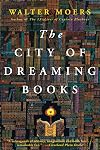
Words really do not sum up this book.
The tale begins with a flawless piece of writing--which Mr. Moers gleefully withholds for the entirety of the novel, before you get your hopes up--and turns into a shameless, over-the-top, completely enjoyable celebration of books and everything about them. It captures the joy of reading like nothing before, in all its many forms; from studying poetry to touring bookshops, from unlikely attachment to so-called inanimate objects, to the desperation to write. And it does so while at the same time leading our giant dinosaur narrator (no lie) on an epic, terrifying, impossible quest which he very likely won't survive except he does and it is brilliant, brilliant brilliant.
The sheer imagination that went into this book cannot be described without questioing Mr. Moer's sobriety. I cannot begin to fathom how he created the world we stumble through--you truly do have to read to understand. It's a book about loving books, taking that passion in hand, and turning it into an entire city housing good, evil, and dozens of shades in between. It's funny, it's dark, it's sad, it's exciting, and it is so fantastically quirky I dare anyone to read this and walk away saying the world isn't full of impossible things.
Here's the simple answer:
If you read, then read this darn book.
The tale begins with a flawless piece of writing--which Mr. Moers gleefully withholds for the entirety of the novel, before you get your hopes up--and turns into a shameless, over-the-top, completely enjoyable celebration of books and everything about them. It captures the joy of reading like nothing before, in all its many forms; from studying poetry to touring bookshops, from unlikely attachment to so-called inanimate objects, to the desperation to write. And it does so while at the same time leading our giant dinosaur narrator (no lie) on an epic, terrifying, impossible quest which he very likely won't survive except he does and it is brilliant, brilliant brilliant.
The sheer imagination that went into this book cannot be described without questioing Mr. Moer's sobriety. I cannot begin to fathom how he created the world we stumble through--you truly do have to read to understand. It's a book about loving books, taking that passion in hand, and turning it into an entire city housing good, evil, and dozens of shades in between. It's funny, it's dark, it's sad, it's exciting, and it is so fantastically quirky I dare anyone to read this and walk away saying the world isn't full of impossible things.
Here's the simple answer:
If you read, then read this darn book.
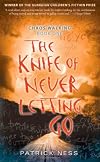
This book got me back into reading. I found it completely fascinating. The narration is complex and innovative without getting trite; Todd turns out to be much more intelligent and mature than I was willing to give him credit for in the beginning. The writing is strong enough that the story is in NO WAY hurt by Todd's uneducated vernacular.
I also love the bizarre world of Prentisstown and the rest of the thought-sharing planet in that they are unique in their dystopian ways and in addition to discussing more commonplace YA issues like war, sexism, and violence, what the reader also gets an unexpectedly profoundly psychological look into the need for privacy and quiet. I truly appreciated this unique world and how the sense that it was a real, concrete place never faltered. I completely believed it, and Todd's narration. From there it was just a matter of getting swept up by the plot.
Granted, the plot drags in a few places, but how wrong can it go in that it is a desperate flight from a bunch of degenerate madmen? Every second is gripping because at every turn, Mr. Ness's story is full of danger and suspense. Unlike a lot of YA fiction, this story soon looses any sense that we can predict the ending. There is no security of a potential sanctuary because even if the protagonists make it somewhere that seems like shelter, the forces from Prentisstown rain down and destroy it, sending them running again.
With tensions so high, the plot is able to drag the reader's emotions in show more all manner of different directions--you can't help but be terrified of the monsters from Todd's hometown, you don't know how to feel about the fact that Todd and Violet's fight to survive is leading Prentisstown to decent people, and all the while Todd is struggling with the monster inside himself--the one we call a human being. The scene where he kills the alien just to prove he can nearly made me sick; the scene where he loses Manchee had me sobbing my guts up. I expected to hate Todd from the first few pages of his sullen, ignorant narration, but as the story progresses, Todd becomes someone you can't help but root for. He puts forth incredible effort into everything he does, and he has the potential to be scum just as much as he does to be the hero the world needs. He's a truly exceptional character in his own right--more in that Mr. Ness's writing spares the reader nothing and also forces us to face uncomfortable questions about ourselves and what things we might be willing to do were we in Todd's place.
And then the story ends on the kind of cliffhanger that makes me want to punch something. Literally everything just crashed and burned. And yet there's hope.
There's always hope.
Seriously, if I had to pick a YA novel worth recommending to everyone--boys, girls, and adults: this is it. This is absolutely a contemporary of Hunger Games, and potentially, its superior. show less
I also love the bizarre world of Prentisstown and the rest of the thought-sharing planet in that they are unique in their dystopian ways and in addition to discussing more commonplace YA issues like war, sexism, and violence, what the reader also gets an unexpectedly profoundly psychological look into the need for privacy and quiet. I truly appreciated this unique world and how the sense that it was a real, concrete place never faltered. I completely believed it, and Todd's narration. From there it was just a matter of getting swept up by the plot.
Granted, the plot drags in a few places, but how wrong can it go in that it is a desperate flight from a bunch of degenerate madmen? Every second is gripping because at every turn, Mr. Ness's story is full of danger and suspense. Unlike a lot of YA fiction, this story soon looses any sense that we can predict the ending. There is no security of a potential sanctuary because even if the protagonists make it somewhere that seems like shelter, the forces from Prentisstown rain down and destroy it, sending them running again.
With tensions so high, the plot is able to drag the reader's emotions in show more all manner of different directions--you can't help but be terrified of the monsters from Todd's hometown, you don't know how to feel about the fact that Todd and Violet's fight to survive is leading Prentisstown to decent people, and all the while Todd is struggling with the monster inside himself--the one we call a human being. The scene where he kills the alien just to prove he can nearly made me sick; the scene where he loses Manchee had me sobbing my guts up. I expected to hate Todd from the first few pages of his sullen, ignorant narration, but as the story progresses, Todd becomes someone you can't help but root for. He puts forth incredible effort into everything he does, and he has the potential to be scum just as much as he does to be the hero the world needs. He's a truly exceptional character in his own right--more in that Mr. Ness's writing spares the reader nothing and also forces us to face uncomfortable questions about ourselves and what things we might be willing to do were we in Todd's place.
And then the story ends on the kind of cliffhanger that makes me want to punch something. Literally everything just crashed and burned. And yet there's hope.
There's always hope.
Seriously, if I had to pick a YA novel worth recommending to everyone--boys, girls, and adults: this is it. This is absolutely a contemporary of Hunger Games, and potentially, its superior. show less
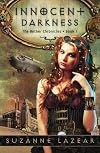
Arrrgh. So much potential. So very, very much. And I felt like most of it was wasted.
OK, there were certainly good points. The opening of the book is VERY strong--Noli is brilliant, adventurous, and fluctuates between confidence and teenage awkwardness in a way that really resonated with me. V looks to be a completely different kind of male lead--sort of Noli's sidekick, coming across as maybe a little shy, but practical and brilliant in his own right, as well as one of the few people willing to believe in a stircrazy teenage girl. They take a repaired hovercar for an illegal spin--crash spectacularly--and Noli gets hauled off to the police station.
I was, at this point, hooked. I was expecting Cinder-esque levels of extraordinarily beloved characters. Why, why, whyyyyy did it go downhill from there?
Granted, it is psuedo-historical fiction--the story is told in an alternate reality, but still one at such a time that girls are considered a bit second-class and a lot useless. Fine. I can work with that. But Noli keeps alternating between railing against this system (without actually fighting against it after the one thrilling disaster with the hovercar) and then acting like it's all perfectly normal and waltzing along to the beat of everyone else's drums. I admit that this aspect bothered me a lot. I wanted Noli to either stop whining, put on her big girl panties and DO something about it, or I wanted her to treat the subordination of women as a natural thing to be suffered, show more instead of constantly drawing attention to it like she plans to do something incredible. Which she didn't. She sat back and let the menfolk save her. And cried a lot.
For the rest of the story, Noli apologizes for being interesting in the beginning because it makes her a 'bad daughter' and a hoyden. I can only assume that Ms. Lazear meant for us to be discomfitted by this and how the world tries to fit Noli in a box... But Noli just LETS them. There's no fight at all. It's very hard to stomach.
V fares little better; by the end of the story he comes across as a sort of sexist prince charming, determined to protect Noli from everything from his world to his parents to herself and not ever stopping to ask how she feels about this. Not that she does anything to indicate she wants to be asked; she's content enough to be led around by the hand by one person after another. The biggest decision she makes in the course of the story is whether or not to guard her chastity. Oh hooray Noli. You're in fairy land, where you could be looking for your father, where you could be trying to learn about technology and aether and sparks, where you could try to culture faery plants to take back to earth--and you manage not to sleep with the beautiful young men literally throwing themselves at you. Inspiring.
If you want a consistently interesting character, that's Keveighn. He's this collection of bad habits and entirely contemptible in the beginning of the story, but you end up liking him by the end, if only because he's the only one in the story who refuses to do as he's expected. Keveighn proved full of all sorts of interesting opinions and inexplicable goodness and inopportune moments. He likes Noli for reasons that feel believable--she treats him like family, and he's been alone for a long time. The time they're together is actually a little heartwarming (until the queen shows up and basically orders Keveighn to rape her--then it gets creepy), but we know nothing will come of it because Noli's fussing about having feelings for Keveighn still makes it abundantly clear that she's only going to end up with V. Which is annoying because between the two love interests, Keveighn is the one who treats Noli like a person, instead of a doll to be guarded (ironic, considering why he brought her to the Otherworld). He's interested in her opinions, appreciates what she can do... In one of my favorite scenes, he notices that V hit Noli and gets really pissed off, demanding that she come with him. And it's not in a particularly Grr Me Must Protect Weak Female way--he lets her choose whether to come with him and backs off when she doesn't want to--he genuinely seems to hate the idea of Noli letting herself get slapped around. Noli's interactions with V tend to leave her crying and clinging to him, making him come across as stifling and her as a toddler. She was Keveighn's prisoner almost the entire time they were together and she still seemed more free than she does when she's with V.
The plot is pretty standard. Not bad, but very predictable. Doubly so in that the protagonist guiding us through all of this makes virtually no decisions of her own.
In conclusion: lots of potential; fell flat. If you're going to read it, read it for the walking contradiction of Keveighn, opening scenes with illegal skymobiles, and reasons to hate boarding schools. show less
OK, there were certainly good points. The opening of the book is VERY strong--Noli is brilliant, adventurous, and fluctuates between confidence and teenage awkwardness in a way that really resonated with me. V looks to be a completely different kind of male lead--sort of Noli's sidekick, coming across as maybe a little shy, but practical and brilliant in his own right, as well as one of the few people willing to believe in a stircrazy teenage girl. They take a repaired hovercar for an illegal spin--crash spectacularly--and Noli gets hauled off to the police station.
I was, at this point, hooked. I was expecting Cinder-esque levels of extraordinarily beloved characters. Why, why, whyyyyy did it go downhill from there?
Granted, it is psuedo-historical fiction--the story is told in an alternate reality, but still one at such a time that girls are considered a bit second-class and a lot useless. Fine. I can work with that. But Noli keeps alternating between railing against this system (without actually fighting against it after the one thrilling disaster with the hovercar) and then acting like it's all perfectly normal and waltzing along to the beat of everyone else's drums. I admit that this aspect bothered me a lot. I wanted Noli to either stop whining, put on her big girl panties and DO something about it, or I wanted her to treat the subordination of women as a natural thing to be suffered, show more instead of constantly drawing attention to it like she plans to do something incredible. Which she didn't. She sat back and let the menfolk save her. And cried a lot.
For the rest of the story, Noli apologizes for being interesting in the beginning because it makes her a 'bad daughter' and a hoyden. I can only assume that Ms. Lazear meant for us to be discomfitted by this and how the world tries to fit Noli in a box... But Noli just LETS them. There's no fight at all. It's very hard to stomach.
V fares little better; by the end of the story he comes across as a sort of sexist prince charming, determined to protect Noli from everything from his world to his parents to herself and not ever stopping to ask how she feels about this. Not that she does anything to indicate she wants to be asked; she's content enough to be led around by the hand by one person after another. The biggest decision she makes in the course of the story is whether or not to guard her chastity. Oh hooray Noli. You're in fairy land, where you could be looking for your father, where you could be trying to learn about technology and aether and sparks, where you could try to culture faery plants to take back to earth--and you manage not to sleep with the beautiful young men literally throwing themselves at you. Inspiring.
If you want a consistently interesting character, that's Keveighn. He's this collection of bad habits and entirely contemptible in the beginning of the story, but you end up liking him by the end, if only because he's the only one in the story who refuses to do as he's expected. Keveighn proved full of all sorts of interesting opinions and inexplicable goodness and inopportune moments. He likes Noli for reasons that feel believable--she treats him like family, and he's been alone for a long time. The time they're together is actually a little heartwarming (until the queen shows up and basically orders Keveighn to rape her--then it gets creepy), but we know nothing will come of it because Noli's fussing about having feelings for Keveighn still makes it abundantly clear that she's only going to end up with V. Which is annoying because between the two love interests, Keveighn is the one who treats Noli like a person, instead of a doll to be guarded (ironic, considering why he brought her to the Otherworld). He's interested in her opinions, appreciates what she can do... In one of my favorite scenes, he notices that V hit Noli and gets really pissed off, demanding that she come with him. And it's not in a particularly Grr Me Must Protect Weak Female way--he lets her choose whether to come with him and backs off when she doesn't want to--he genuinely seems to hate the idea of Noli letting herself get slapped around. Noli's interactions with V tend to leave her crying and clinging to him, making him come across as stifling and her as a toddler. She was Keveighn's prisoner almost the entire time they were together and she still seemed more free than she does when she's with V.
The plot is pretty standard. Not bad, but very predictable. Doubly so in that the protagonist guiding us through all of this makes virtually no decisions of her own.
In conclusion: lots of potential; fell flat. If you're going to read it, read it for the walking contradiction of Keveighn, opening scenes with illegal skymobiles, and reasons to hate boarding schools. show less
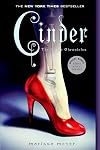
If you like fractured fairy tales with thriller twists, protagonists capable of independent thought (and occasional epicness), and a believable budding romance that pulls neither the 'best friends since forever' card nor the 'mysterious magnetic attraction' atrocity--you will like Cinder. If you happen to be interested in steampunk, sci-fi, and all manner of interesting tech... you will still like Cinder.
Granted, it is not the perfect book. Although there are several interesting, unpredictable (and occasionally devastating) plot twists, the story is still based on Cinderella and has a few inevitably predicable moments. Some of these plot points probably could have been handled better (mysteriously vanished princess that everyone knows about mentioned THAT early? Really?), but the plague, the Lunars, the potential of Cinder's gifts and her fast-paced, exciting narration more than makes up for this.
Cinder herself is a complex, believable, and utterly likeable heroine. In spite of the occasional hiccup where Ms. Meyer seems to strive to indicate that Cinder isn't perfect and Cinder will do something that comes across as a little out of character for the practical, self-conscious, survivor that she is, she is consistently enjoyable to have as a guide through the beautifully rendered world around her. By the end of the story she had won me over and I was completely on her side; she's far from the wishy-washy heroines we see in YA who we'd quite like to boot down the stairs. show more She's lovely.
The rest of the cast is also interesting--Iko in particular is adorable (and unexpectedly so!). Prince Kai is probably the first prince charming since Jonathan in Tamora Pierce's Lioness series to be believable and strongly likeable without coming across as fake or over the top. Cinder's adoptive family is also treated in an innovative way, with surprising instances where we can empathize with Adri and Pearl in spite of their flaws. The Lunar villains are delightfully loathesome, while the rest of the Lunar race proves to be neither plucky heroes in the shadows nor static victims--but complex people who often do things for selfish reasons. Very interesting and unusual.
Overall, a treat. I definitely need to pick up a copy of Scarlet to see what else Meyer can cook up! show less
Granted, it is not the perfect book. Although there are several interesting, unpredictable (and occasionally devastating) plot twists, the story is still based on Cinderella and has a few inevitably predicable moments. Some of these plot points probably could have been handled better (mysteriously vanished princess that everyone knows about mentioned THAT early? Really?), but the plague, the Lunars, the potential of Cinder's gifts and her fast-paced, exciting narration more than makes up for this.
Cinder herself is a complex, believable, and utterly likeable heroine. In spite of the occasional hiccup where Ms. Meyer seems to strive to indicate that Cinder isn't perfect and Cinder will do something that comes across as a little out of character for the practical, self-conscious, survivor that she is, she is consistently enjoyable to have as a guide through the beautifully rendered world around her. By the end of the story she had won me over and I was completely on her side; she's far from the wishy-washy heroines we see in YA who we'd quite like to boot down the stairs. show more She's lovely.
The rest of the cast is also interesting--Iko in particular is adorable (and unexpectedly so!). Prince Kai is probably the first prince charming since Jonathan in Tamora Pierce's Lioness series to be believable and strongly likeable without coming across as fake or over the top. Cinder's adoptive family is also treated in an innovative way, with surprising instances where we can empathize with Adri and Pearl in spite of their flaws. The Lunar villains are delightfully loathesome, while the rest of the Lunar race proves to be neither plucky heroes in the shadows nor static victims--but complex people who often do things for selfish reasons. Very interesting and unusual.
Overall, a treat. I definitely need to pick up a copy of Scarlet to see what else Meyer can cook up! show less
The premise of the book is not a terribly unusual one--a girl, feeling a bit out of place, runs into a boy who is very much out of place because... he's not human.
Yes well, we've heard that before. But this time the supernatural gentleman is an alien! And I assumed that this implied that this might be trying something new. Besides, the title was interesting and I can hardly fault anyone for using the girl-meets-supernatural-boy scenario when almost all my favorite romances are in the same boat.
I was sadly disappointed.
Daemon's being an alien does absolutely nothing new to the genre--his family disapproves. Katy isn't supposed to know. He's dangerous. She just can't stay away. CONFLICT ARISES OH GOD. And there appear to be just two types of very, very humanoid aliens in the entire galexy, both types of which are determined as starkly good or starkly evil based on their race. The bad guys aren't even particularly threatening or loathesome--they're just bad. Grr. Evil. We've been told so, just like we're told that the good aliens are all wonderful, when in fact everyone but Daemon's little sister acts like a complete tool.
Including Daemon. I take issue with this. I felt like his romantic scenes with Katy came off more as a cool guy torturing some unsuspecting girl--only he turns out to genuinely like her? What? When did they have any interaction that was not a pigtail-pulling bicker fest? Katy is not the worst heroine I've read, but Daemon's attraction to her comes off as show more entirely skin-deep because he sees her in a swimsuit and likes it. And Daemon himself comes across as a jerk.
Katy is not much more endearing. She allows herself to be manipulated with idiotic ease, and spends her time yelling at Daemon while the narration reminds us every few pages that wait, why is she so wildly attracted to this devilish young man?! She does exactly one useful thing in the course of the entire story, and then proceeds to be a wet blanket for the rest. Up until the ending, which feels very forced and isn't explained in any reassuring way or even left as a decent cliffhanger.
The most interesting character in the story was Dee--a sweetheart trying to rebel against her family and make friends with people who aren't extra-terrestrials. Yet another potential innovation! We all see the supernatural boy in YA romances these days, but what if the heroine is close friends with someone close to the boy? Does that not open up all manner of possibilities and heartwarming non-hormonal bonds? In the beginning the story actually seems to be going this route, focusing on her and Katy eking out a tentative new friendship, but then Dee pretty much drops off the map to make way for Daemon. She and Katy share about two chapters of dialogue and then they're magically best friends. Dee at least shows up for the finale; nice to know she didn't drop off the radar entirely. It was a shame.
So no. I'm not a fan of this book. Maybe it's not my genre or maybe I was too hard on it... I know that lots of people like the book. Fine. I felt that Ms. Armentrout had a spectacular premise and some promising characters. I had high expectations for an innovative story. It is perhaps because of these expectations that I was so bitterly disappointed when plot vanished in face of two unlikeable protagonists flirting unconvincingly and acting like life could not go on because of it. show less
Yes well, we've heard that before. But this time the supernatural gentleman is an alien! And I assumed that this implied that this might be trying something new. Besides, the title was interesting and I can hardly fault anyone for using the girl-meets-supernatural-boy scenario when almost all my favorite romances are in the same boat.
I was sadly disappointed.
Daemon's being an alien does absolutely nothing new to the genre--his family disapproves. Katy isn't supposed to know. He's dangerous. She just can't stay away. CONFLICT ARISES OH GOD. And there appear to be just two types of very, very humanoid aliens in the entire galexy, both types of which are determined as starkly good or starkly evil based on their race. The bad guys aren't even particularly threatening or loathesome--they're just bad. Grr. Evil. We've been told so, just like we're told that the good aliens are all wonderful, when in fact everyone but Daemon's little sister acts like a complete tool.
Including Daemon. I take issue with this. I felt like his romantic scenes with Katy came off more as a cool guy torturing some unsuspecting girl--only he turns out to genuinely like her? What? When did they have any interaction that was not a pigtail-pulling bicker fest? Katy is not the worst heroine I've read, but Daemon's attraction to her comes off as show more entirely skin-deep because he sees her in a swimsuit and likes it. And Daemon himself comes across as a jerk.
Katy is not much more endearing. She allows herself to be manipulated with idiotic ease, and spends her time yelling at Daemon while the narration reminds us every few pages that wait, why is she so wildly attracted to this devilish young man?! She does exactly one useful thing in the course of the entire story, and then proceeds to be a wet blanket for the rest. Up until the ending, which feels very forced and isn't explained in any reassuring way or even left as a decent cliffhanger.
The most interesting character in the story was Dee--a sweetheart trying to rebel against her family and make friends with people who aren't extra-terrestrials. Yet another potential innovation! We all see the supernatural boy in YA romances these days, but what if the heroine is close friends with someone close to the boy? Does that not open up all manner of possibilities and heartwarming non-hormonal bonds? In the beginning the story actually seems to be going this route, focusing on her and Katy eking out a tentative new friendship, but then Dee pretty much drops off the map to make way for Daemon. She and Katy share about two chapters of dialogue and then they're magically best friends. Dee at least shows up for the finale; nice to know she didn't drop off the radar entirely. It was a shame.
So no. I'm not a fan of this book. Maybe it's not my genre or maybe I was too hard on it... I know that lots of people like the book. Fine. I felt that Ms. Armentrout had a spectacular premise and some promising characters. I had high expectations for an innovative story. It is perhaps because of these expectations that I was so bitterly disappointed when plot vanished in face of two unlikeable protagonists flirting unconvincingly and acting like life could not go on because of it. show less
If I could give this book more stars, I would. Out of all the books I've ever read, this one at least hits the top ten. I loved it. I won't pretend it didn't have its problems becasue it did--Karou disappoints as a heroine for the first time; unlike in Daughter of Smoke and Bone, she decides to sit back and allow others to make her choices for her. We can clearly discern that what she is doing is unsavory (if not downright wrong), but at the same time, Laini Taylor does not write pitiful, needy heroines.
The entire time we watch Karou make bad choices, we are constantly reminded of why Karou is doing this and what stays her hand when her inner badass tries to rebel. And while I have read a lot of YA fiction in which the poor heroine just has no choice but to, you know, sigh, swoon, and mope until her hero sweeps her away (all while having problems that could EASILY be solved, were she less of a wet dishcloth), the first section of this novel presents Karou at her worst... and when I got far enough in to the story, I could genuinely understand Karou's decisions and empathize with her suffering. Didn't mean I wasn't tearing my hair out in frustration--maybe more so, in fact, because Karou's captivity feels real and absolute. It's infuriating, and it makes the ending of the novel all the more satisfying, especially because Karou takes a route and it opens up all sorts of unexplored possibilities.
I can't speak for everyone, but by the end of the novel, I had forgiven Karou show more for everything. She takes responsibility for her mistakes, and gives up entirely on trying to keep her head down. I was so relieved to see the old Karou come back that I would love the novel for this alone--she has every reason to grieve and needs to work through the tragedies that have come down on her when this novel starts--but Days of Blood and Starlight is so much more than that.
Unexpectedly, Akiva steps up as a protagonist in his own right. Where in Daughter of Smoke and Bone he was fascinating, sympathetic, and exciting, in this novel, he comes into his own and becomes truly heroic. He grows more sympathetic every time he appears, as we learn his and Karou's dreadful past and watch him grow into the profoundly GOOD person he'd forgotten how to be. I already liked Akiva before this book, but I never expected to come to like him as much as Karou, but Ms. Taylor pulls it off. Particularly as the reader tries to put emotional distance between them and the frustration that is Karou's mess.
The stage also broadens significantly--while it's a shame to leave behind the beautiful descriptions of Prague and its quirks, Karou and Akiva's tale is no mere love story. This novel pulls the reader from a mysterious love story into an epic quest on the part of both protagonists, one just as fraught with unexpected twists and turns as the prequel. It also sets the stage for another sequel that promises to raise the stakes yet again. The potential of Ms. Taylor's next book is staggering. show less
The entire time we watch Karou make bad choices, we are constantly reminded of why Karou is doing this and what stays her hand when her inner badass tries to rebel. And while I have read a lot of YA fiction in which the poor heroine just has no choice but to, you know, sigh, swoon, and mope until her hero sweeps her away (all while having problems that could EASILY be solved, were she less of a wet dishcloth), the first section of this novel presents Karou at her worst... and when I got far enough in to the story, I could genuinely understand Karou's decisions and empathize with her suffering. Didn't mean I wasn't tearing my hair out in frustration--maybe more so, in fact, because Karou's captivity feels real and absolute. It's infuriating, and it makes the ending of the novel all the more satisfying, especially because Karou takes a route and it opens up all sorts of unexplored possibilities.
I can't speak for everyone, but by the end of the novel, I had forgiven Karou show more for everything. She takes responsibility for her mistakes, and gives up entirely on trying to keep her head down. I was so relieved to see the old Karou come back that I would love the novel for this alone--she has every reason to grieve and needs to work through the tragedies that have come down on her when this novel starts--but Days of Blood and Starlight is so much more than that.
Unexpectedly, Akiva steps up as a protagonist in his own right. Where in Daughter of Smoke and Bone he was fascinating, sympathetic, and exciting, in this novel, he comes into his own and becomes truly heroic. He grows more sympathetic every time he appears, as we learn his and Karou's dreadful past and watch him grow into the profoundly GOOD person he'd forgotten how to be. I already liked Akiva before this book, but I never expected to come to like him as much as Karou, but Ms. Taylor pulls it off. Particularly as the reader tries to put emotional distance between them and the frustration that is Karou's mess.
The stage also broadens significantly--while it's a shame to leave behind the beautiful descriptions of Prague and its quirks, Karou and Akiva's tale is no mere love story. This novel pulls the reader from a mysterious love story into an epic quest on the part of both protagonists, one just as fraught with unexpected twists and turns as the prequel. It also sets the stage for another sequel that promises to raise the stakes yet again. The potential of Ms. Taylor's next book is staggering. show less
Oh boy. This book. It managed to find each of my weaknesses in turn. Karou is an appealingly strong-willed, capable, mysterious heroine (all the more so for the fact that she refuses to turn into a pile of addle-brained, self-sacrificing mush around the young men she has feelings for). She's an artist, a magician, and a warrior. She is as full of character as the beautiful city she describes. The other characters are extraordinary too; her family of chimaera are fascinating and quirky, her best friend is a riot, and Akiva is one of the most interesting, genuinely fascinating love interests I've ever read. The narration of Laini Taylor is exquisite, never dragging or becoming trite. And the emotional range of the novel touches on everything from the horrors of war, to heartwarming family moments, to a beautiful, tragically doomed love, to the immense satisfaction that is Karou shoving her contemptible ex through a window. There is mystery heaped upon mystery for the reader's enjoyment, and I was not able to predict a single outcome in advance; the reader is able to be as shocked and fascinated as Karou is as she navigates the world around her and the great many lies that ultimately lead to the best, most impossibly cruel cliffhanger ending I've read since The Knife of Never Letting Go.
It was exceptional. Its sequel managed to be more so. It deserved to be read over and over again and held aloft as a prime example of what young adult romance/adventures could and should be.
It was exceptional. Its sequel managed to be more so. It deserved to be read over and over again and held aloft as a prime example of what young adult romance/adventures could and should be.
Angelmaker was recommended to me by people I immensely respect and I expected to love it. It starts off well enough, introducing the usual mundane character (who we can all look forward to being horribly scarred by the events of the novel)--a few amusing passages, such as the hilarious episode with the cat--and proceeds to introduce us to the fact that Joe Spork's life is dull.
Very dull.
Exceptionally dull. Dull for about 250 pages, with brief diversions in the form of Edie Banister's glory days (didn't help that for some reason I didn't really get into Edie's tales. I'm all for gutsy heroines and clandestine spy missions involving elephants and genius inventors, but the tall tales seemed to fall flat. Perhaps Edie's character was too stoically British for me). I very much wished to stop reading the book. But I will grant the book's early passages at least this; there are a great deal of mysteries which just NAG at the reader until they pick the book up again, only to scowl at it vigorously for doing nothing but provide a window into Joe doing exceptionally little and throwing in a few new loose ends to boot.
But then the action hits--pretty much the second Mercer and Polly appear and dazzle the reader with quality mischief. All the loose ends are gathered up, and an epic adventure explodes out of NOWHERE. It comes as an extraordinary pleasant shock after the duldrum pages of the early novel. I can also say with certainty that it would easily stand alone without first show more boring the reader--but has more impact for it. Take from that what you will. Basically, the last part of the novel is incredibly good and worth every bit of the prior tedium. Angelmaker has become one of my favorite books and when I recover somewhat from the effort it took to get through it, I'm going to read it again because I want to see the little details feed into the ending and I want to understand them all better.
That said, dull early pages are not my only issue with this book. Yes, the ending is dramatically good and Mr. Harkaway has more imagination in his little finger than I've in my entire body, but while the ending makes up for the book's weaknesses, it cannot conceal them.
My first complaint is frivolous; I really quite liked Mercer and Polly and would have been much more pleased had they shown up on, roughly, page 15. Mercer is hilarious in the best sort of evil genius way, and Polly has enough personality for three sexy-toed young women. They were wonderful.
Next, while all the loose ends were tidied up by the spectacular finale, not all were entirely satisfying. I would have liked to know more about what happened to Frankie, what she truly thought about Edie and Michael, that sort of thing. I also kept waiting for the Ruskinites to do SOMETHING, to have tucked away some sort of master plan, or to receive some heart-wrenching gesture in their demise after so much of the novel was devoted to explaining them, making us wonder about their ultimate aim, contrasting their past and present behavior... and there's nothing. They just all die. The end. Very irritating.
Finally, there's Joe himself. All along he's a character caught between the world of his grandparents and his father, constantly reconsidering which one he should live in. In the end, both aspects of Joe are necessary in spectacular ways, but I never saw him meld the two convincingly. By the end, he appeared to choose Matthew's criminal lifestyle--and perhaps that's the message of the novel: Don't hide from adventure, do things with style, go down fighting, be practical about the fact that the world is nonsensical. Not a bad message, but it doesn't quite fit with how vital Joe's time as a clockmaker was, how enchanted he is by Ruskinite technology and Frankie's clockwork contraptions, and how important his grandfather was to him. I felt like his character was still incomplete by the end, which was disappointing after having watched his development for 500 odd pages.
Ultimately, a book not only worth reading, but that anyone who likes fantasy and has a bit of joy in their hearts should pick up and enjoy. However, it requires patience to read and its good points are so strong that its flaws become all the more frustrating. I love Angelmaker all the same and look forward to more of this author's work. show less
Very dull.
Exceptionally dull. Dull for about 250 pages, with brief diversions in the form of Edie Banister's glory days (didn't help that for some reason I didn't really get into Edie's tales. I'm all for gutsy heroines and clandestine spy missions involving elephants and genius inventors, but the tall tales seemed to fall flat. Perhaps Edie's character was too stoically British for me). I very much wished to stop reading the book. But I will grant the book's early passages at least this; there are a great deal of mysteries which just NAG at the reader until they pick the book up again, only to scowl at it vigorously for doing nothing but provide a window into Joe doing exceptionally little and throwing in a few new loose ends to boot.
But then the action hits--pretty much the second Mercer and Polly appear and dazzle the reader with quality mischief. All the loose ends are gathered up, and an epic adventure explodes out of NOWHERE. It comes as an extraordinary pleasant shock after the duldrum pages of the early novel. I can also say with certainty that it would easily stand alone without first show more boring the reader--but has more impact for it. Take from that what you will. Basically, the last part of the novel is incredibly good and worth every bit of the prior tedium. Angelmaker has become one of my favorite books and when I recover somewhat from the effort it took to get through it, I'm going to read it again because I want to see the little details feed into the ending and I want to understand them all better.
That said, dull early pages are not my only issue with this book. Yes, the ending is dramatically good and Mr. Harkaway has more imagination in his little finger than I've in my entire body, but while the ending makes up for the book's weaknesses, it cannot conceal them.
My first complaint is frivolous; I really quite liked Mercer and Polly and would have been much more pleased had they shown up on, roughly, page 15. Mercer is hilarious in the best sort of evil genius way, and Polly has enough personality for three sexy-toed young women. They were wonderful.
Next, while all the loose ends were tidied up by the spectacular finale, not all were entirely satisfying. I would have liked to know more about what happened to Frankie, what she truly thought about Edie and Michael, that sort of thing. I also kept waiting for the Ruskinites to do SOMETHING, to have tucked away some sort of master plan, or to receive some heart-wrenching gesture in their demise after so much of the novel was devoted to explaining them, making us wonder about their ultimate aim, contrasting their past and present behavior... and there's nothing. They just all die. The end. Very irritating.
Finally, there's Joe himself. All along he's a character caught between the world of his grandparents and his father, constantly reconsidering which one he should live in. In the end, both aspects of Joe are necessary in spectacular ways, but I never saw him meld the two convincingly. By the end, he appeared to choose Matthew's criminal lifestyle--and perhaps that's the message of the novel: Don't hide from adventure, do things with style, go down fighting, be practical about the fact that the world is nonsensical. Not a bad message, but it doesn't quite fit with how vital Joe's time as a clockmaker was, how enchanted he is by Ruskinite technology and Frankie's clockwork contraptions, and how important his grandfather was to him. I felt like his character was still incomplete by the end, which was disappointing after having watched his development for 500 odd pages.
Ultimately, a book not only worth reading, but that anyone who likes fantasy and has a bit of joy in their hearts should pick up and enjoy. However, it requires patience to read and its good points are so strong that its flaws become all the more frustrating. I love Angelmaker all the same and look forward to more of this author's work. show less