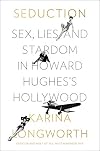
The first thing to know about this book is that it is everything I look for in a historical text: It reads like a novel, and it is exhaustively researched. This incredible history of the Classic Hollywood era examines the prices paid by the beautiful female faces that lit up the silver screen from the mid-1920s through the mid-1950s. Using Howard Hughes and the various women that cycled through his life as a lens (Billie Dove, Jean Harlow, Katherine Hepburn to name a few), Longworth takes a deep dive into the lives of women who for too long have been reduced to their movies and looks. What results is a stunning examination of the origins and effects of the Hollywood machine which is truly thought-provoking in an era of #metoo.
It is rare to find a non-fiction historical text as readable as this. Longworth has taken the time to imbue her subjects with humanity, and tells their stories in an intersecting narrative style that is unafraid of revealing a bit of emotion. The text is underpinned with a strong research method rooted in archival materials, period films, oral histories, and more, and Longworth points out these sourcing choices within the text. Historiographically, this book adds much to the literature on Classic Hollywood at the intersection of womens rights, labor rights, and feminism.
All personalities in this book - including Hughes - are laid bare, and Longworth seeks to paint accurate pictures of her subjects while also injecting copious observations from their show more contemporaries and press coverage from the era.
In short, this book has everything for many audiences - voracious readers in search of an engrossing book, historians of the 20th century, particularly pop culture and film, and readers interested in the deep legacy of #metoo across decades. show less
It is rare to find a non-fiction historical text as readable as this. Longworth has taken the time to imbue her subjects with humanity, and tells their stories in an intersecting narrative style that is unafraid of revealing a bit of emotion. The text is underpinned with a strong research method rooted in archival materials, period films, oral histories, and more, and Longworth points out these sourcing choices within the text. Historiographically, this book adds much to the literature on Classic Hollywood at the intersection of womens rights, labor rights, and feminism.
All personalities in this book - including Hughes - are laid bare, and Longworth seeks to paint accurate pictures of her subjects while also injecting copious observations from their show more contemporaries and press coverage from the era.
In short, this book has everything for many audiences - voracious readers in search of an engrossing book, historians of the 20th century, particularly pop culture and film, and readers interested in the deep legacy of #metoo across decades. show less
 This review was written for LibraryThing Early Reviewers.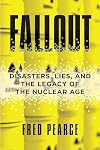
This is a well-researched tour through nuclear disasters throughout the world. Pearce travels to various disaster sites throughout the world - Chernobyl, Hiroshima and Nagasaki, the test sites, laboratories and storage facilities in the American west, Fukushima - and explores the landscapes and personalities for himself while also thinking about the larger societal and scientific implications of these disasters.
I read this book because of the subject matter. But it turned out to be a fairly even-handed exploration of a variety of disasters in the nuclear age informed by both historical research methodology and a long-form journalist's view of interviews and experiential reporting.
The result is an indictment of the secrecy and shoddy procedures surrounding military and civilian nuclear operations over the past 80 years while at the same time acknowledging the potential and possibility of nuclear power. This book isn't an outright rejection of nuclear energy, nor is it an endorsement. Rather it is an accessible and though-provoking addition to the literature around human and environmental impacts rendered by nuclear energy.
I read this book because of the subject matter. But it turned out to be a fairly even-handed exploration of a variety of disasters in the nuclear age informed by both historical research methodology and a long-form journalist's view of interviews and experiential reporting.
The result is an indictment of the secrecy and shoddy procedures surrounding military and civilian nuclear operations over the past 80 years while at the same time acknowledging the potential and possibility of nuclear power. This book isn't an outright rejection of nuclear energy, nor is it an endorsement. Rather it is an accessible and though-provoking addition to the literature around human and environmental impacts rendered by nuclear energy.
This review was written for LibraryThing Early Reviewers.