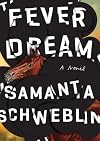
Amanda lies dying in a small town clinic but she doesn't know how she got there. Her guide to the answers is a young boy who is not her child. David sits close to her and prompts her with whispers in her ear to work her way through the events that led her to this place. Through their dialogue the story slowly unfolds piece by nerve-wracking piece.
Much like its namesake,
Much like its namesake,
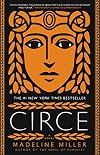
Circe was the February pick for the @badass.book.bitches and I have to say that it ticked a lot of boxes for me. The theme for the month was Kickass Women and Circe fit the bill.
Despite starting out life as a goddess, the daughter of the self-important Titan Helios, Circe always felt herself an outcast. Belittled by her mother and siblings and ignored by her father at whose feet she would sit, she was never enough. Not pretty enough, not smart enough, not potent enough... Until she found her power in witchcraft.
After being exiled to the island Aiaia (pronounced Ah-yaya), Circe finally has the time and space to nurture her natural talents and she becomes a formidable goddess in her own right. Away from her egotistical and capricious brethren, she blossoms into a strong, independent, fierce witch not to be fucked with.
Circe does not suffer fools lightly and to cross her is a bitter mistake. But she also warm and inquisitive and thoughtful. Miller writes her in such a way that this goddess is fully relatable and sympathetic. She weaves a story around our heroine which could have been quite slow and plodding (I mean, she's basically stuck on an island for the vast majority of this book), and she creates a true adventure replete with the curses, monsters, and heroes of Greek Mythology. The story encompasses many well known mythologies including Scylla, the monster created by Circe's jealousy; the birth of the Minotaur to Circe's sister Pasiphae; Circe's affairs with Hermes, show more Daedalus, and Odysseus.
Miller has written Circe as a strong woman in a patriarchal world. And she is not powerful show less
Despite starting out life as a goddess, the daughter of the self-important Titan Helios, Circe always felt herself an outcast. Belittled by her mother and siblings and ignored by her father at whose feet she would sit, she was never enough. Not pretty enough, not smart enough, not potent enough... Until she found her power in witchcraft.
After being exiled to the island Aiaia (pronounced Ah-yaya), Circe finally has the time and space to nurture her natural talents and she becomes a formidable goddess in her own right. Away from her egotistical and capricious brethren, she blossoms into a strong, independent, fierce witch not to be fucked with.
Circe does not suffer fools lightly and to cross her is a bitter mistake. But she also warm and inquisitive and thoughtful. Miller writes her in such a way that this goddess is fully relatable and sympathetic. She weaves a story around our heroine which could have been quite slow and plodding (I mean, she's basically stuck on an island for the vast majority of this book), and she creates a true adventure replete with the curses, monsters, and heroes of Greek Mythology. The story encompasses many well known mythologies including Scylla, the monster created by Circe's jealousy; the birth of the Minotaur to Circe's sister Pasiphae; Circe's affairs with Hermes, show more Daedalus, and Odysseus.
Miller has written Circe as a strong woman in a patriarchal world. And she is not powerful show less

DNF at 34%. It's actually a really well written, interesting, and highly philosophical book. But it is DENSE and I'm just not in the right head space for it at the moment.
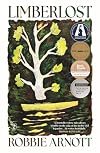
Let me start by saying that I am a huge fan of Robbie Arnott. I picked up Limberlost with specific expectations based on his previous work and while they were not fully met, I was enchanted with this nonetheless.
Limberlost is a simple coming-of-age story. We follow a teenaged Ned through a transformative summer on the family orchard. While his older brothers are away in the war, Ned is left home with his hard-working, stoic father and his equally staid older sister. He spends his days working on the orchard and trapping and hunting rabbits. He sells their pelts in town ostensibly to help the soldiers but secretly to raise money to buy himself a small boat which will give him a certain freedom and independence.
Ned is a quiet, serious young man who has a deep sense of connection to his environment. Limberlost, the name of the family orchard, is located in a river valley in Tasmania and Ned is well acquainted with the flora and fauna of his home. This relationship between man and nature is at the core of all of Arnott's writing and while it is certainly more subtle in this novel, it is still present.
Throughout the novel, Arnott flashes back and forwards in time giving us a sense of what inspires Ned and how this summer has shaped him into a man. While we witness Ned mature and evolve, we are also given insight into the changing landscape of Tasmania through the use and abuse of man.
This is the third novel I've read by Robbie Arnott and Limberlost is, by far, the most show more straightforward. The reasons that my expectations weren't met had nothing to do with being let down by the story or the characters, it was that I fell in love with his previous two books (The Rain Heron and Flames) due to the elements of magical realism that were stitched throughout. They felt at once sumptuous and ethereal. Limberlost has the same moments of stunning beauty but feels far more grounded a story.
Although I was far more smitten with Arnott's previous two books, I wouldn't hesitate to recommend this novel to anyone. It's a very sweet, heartfelt, and simple story. show less
Limberlost is a simple coming-of-age story. We follow a teenaged Ned through a transformative summer on the family orchard. While his older brothers are away in the war, Ned is left home with his hard-working, stoic father and his equally staid older sister. He spends his days working on the orchard and trapping and hunting rabbits. He sells their pelts in town ostensibly to help the soldiers but secretly to raise money to buy himself a small boat which will give him a certain freedom and independence.
Ned is a quiet, serious young man who has a deep sense of connection to his environment. Limberlost, the name of the family orchard, is located in a river valley in Tasmania and Ned is well acquainted with the flora and fauna of his home. This relationship between man and nature is at the core of all of Arnott's writing and while it is certainly more subtle in this novel, it is still present.
Throughout the novel, Arnott flashes back and forwards in time giving us a sense of what inspires Ned and how this summer has shaped him into a man. While we witness Ned mature and evolve, we are also given insight into the changing landscape of Tasmania through the use and abuse of man.
This is the third novel I've read by Robbie Arnott and Limberlost is, by far, the most show more straightforward. The reasons that my expectations weren't met had nothing to do with being let down by the story or the characters, it was that I fell in love with his previous two books (The Rain Heron and Flames) due to the elements of magical realism that were stitched throughout. They felt at once sumptuous and ethereal. Limberlost has the same moments of stunning beauty but feels far more grounded a story.
Although I was far more smitten with Arnott's previous two books, I wouldn't hesitate to recommend this novel to anyone. It's a very sweet, heartfelt, and simple story. show less
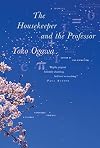
This is a beautiful novel about an unlikely but symbiotic friendship between a housekeeper who never finished school after becoming pregnant, a former mathematics professor whose short-term memory lasts only 80 minutes, and the housekeeper's young son, nicknamed Root for his flat head that reminds the professor of the square root symbol.
The book incorporates a lot of mathematical terminology and theories but does so in a very easy to understand manner. This is the professor's language, it is the way he sees the world, and sharing his knowledge is his passion. Reading this novel brought me back to my school days when I was in love with math. The simplicity of it, the black and white nature of working out a proof (at least at that level) was comforting to me at a time when so much else seemed muddled and bewildering.
The story itself is a simple one and gently paced. As the housekeeper works for the professor and Root spends his afternoons with them both, these three share themselves and their lives and begin to bond as much as they can given the professor's limitations. He pins notes to himself to remind him about his memory and the housekeeper and her son. He shares his love of numbers, he and Root share their love of baseball (stats and players galore), and the housekeeper/mother finds that she has a natural affinity and respect for numbers, as well.
Ogawa has embued the novel with a sense of tranquillity. The prose flows smoothly on course with just a few ripples over show more stones when something mildly dramatic occurs. It is a reminder to focus on the present, to live in the moment, and to appreciate what each person in your life brings to the table. There's not much more to say other than that I enjoyed spending the time that I did with these characters. show less
The book incorporates a lot of mathematical terminology and theories but does so in a very easy to understand manner. This is the professor's language, it is the way he sees the world, and sharing his knowledge is his passion. Reading this novel brought me back to my school days when I was in love with math. The simplicity of it, the black and white nature of working out a proof (at least at that level) was comforting to me at a time when so much else seemed muddled and bewildering.
The story itself is a simple one and gently paced. As the housekeeper works for the professor and Root spends his afternoons with them both, these three share themselves and their lives and begin to bond as much as they can given the professor's limitations. He pins notes to himself to remind him about his memory and the housekeeper and her son. He shares his love of numbers, he and Root share their love of baseball (stats and players galore), and the housekeeper/mother finds that she has a natural affinity and respect for numbers, as well.
Ogawa has embued the novel with a sense of tranquillity. The prose flows smoothly on course with just a few ripples over show more stones when something mildly dramatic occurs. It is a reminder to focus on the present, to live in the moment, and to appreciate what each person in your life brings to the table. There's not much more to say other than that I enjoyed spending the time that I did with these characters. show less
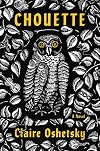
Chouette was recommended to me by a friend and fellow avid reader who knows that I occasionally enjoy stories that are "out there" in one way or another... And boy did this fit the bill.
Cellist Tiny becomes pregnant. Her husband is overjoyed. Not only is Tiny
Cellist Tiny becomes pregnant. Her husband is overjoyed. Not only is Tiny
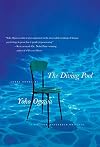
I finished this yesterday but needed a full day to digest. I've just been blown the fuck away by the three stories in this book. In a matter of mere pages Ogawa beckons you forward, envelops you in a distinct world which seems familiar enough on the surface, and then tilts it all on its axis just a single degree... Enough that the air is thick with palpable tension.
In the eponymous story an angry teenage girl is infatuated with her foster brother and secretly watches him from high in the bleachers as he dives. He is good and pure and everything that she is not. Her frustration and self-loathing are displaced into the subtle torment of an orphaned toddler.
In Pregnancy Diary a women living with her sister and brother-in-law keeps a dated diary throughout her sister's pregnancy. She details the morning sickness, the appetites, and the discomforts suffered by her sister in a clinical, detached way. The sister's pregnancy is reminiscent of the toothache in Dostoevsky's Notes from the Underground and the strain in the house is tangible. In response, she begins to make jam which her sister loves but with imported grapefruits which she knows might be bad for the unborn child.
The Dormitory introduces us to a bored housewife who helps her cousin get a room in her old dormitory house. There she reconnects with the manager who is missing both his arms and one leg. In the years since she left the building has fallen into disrepair and questions regarding a missing boy have left all show more the rooms but her cousin's empty.
The Diving Pool is beguiling and cruel in the same moment. It's prose is melodious and rhythmic but as if coming through a poorly tuned radio; There's a constant, scratchy static that runs through it. The protagonists are all average people, an angry teen, an observant sister, a lonely housewife, but they are just a step outside normal. I was never sure what I knew for certain or what was real. It all felt very dreamlike but as a reader I felt that I was there, substantial in the haze. Stunning and disturbing and absolutely remarkable. show less
In the eponymous story an angry teenage girl is infatuated with her foster brother and secretly watches him from high in the bleachers as he dives. He is good and pure and everything that she is not. Her frustration and self-loathing are displaced into the subtle torment of an orphaned toddler.
In Pregnancy Diary a women living with her sister and brother-in-law keeps a dated diary throughout her sister's pregnancy. She details the morning sickness, the appetites, and the discomforts suffered by her sister in a clinical, detached way. The sister's pregnancy is reminiscent of the toothache in Dostoevsky's Notes from the Underground and the strain in the house is tangible. In response, she begins to make jam which her sister loves but with imported grapefruits which she knows might be bad for the unborn child.
The Dormitory introduces us to a bored housewife who helps her cousin get a room in her old dormitory house. There she reconnects with the manager who is missing both his arms and one leg. In the years since she left the building has fallen into disrepair and questions regarding a missing boy have left all show more the rooms but her cousin's empty.
The Diving Pool is beguiling and cruel in the same moment. It's prose is melodious and rhythmic but as if coming through a poorly tuned radio; There's a constant, scratchy static that runs through it. The protagonists are all average people, an angry teen, an observant sister, a lonely housewife, but they are just a step outside normal. I was never sure what I knew for certain or what was real. It all felt very dreamlike but as a reader I felt that I was there, substantial in the haze. Stunning and disturbing and absolutely remarkable. show less
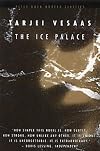
Siss and Unn are two very different 11 year old school girls. Siss is the center of her group at school and Unn, the new girl, is quiet and reserved. She stands aside at recess and doesn't join in with games even when invited. Siss is confused and intensely intrigued by her.
Unn finally breaches the invisible wall between them and invites Siss over to her house. Siss is beside herself with excitement and, once there, is overwhelmed by the intensity of her experience with Unn. So much so that she has to run off when Unn wants to tell her a secret.
When Unn goes missing the next day Siss is absolutely devastated by the magnitude of the loss despite having really only known her for one evening.
To begin with I was absolutely captivated. The writing is quite plain and almost economical. That's not to say it isn't beautiful and poetic, it absolutely is, but it isn't flowery or prolix. The writing seems to mirror the environment, Norway in winter, when the trees are bare and everything is blanketed by white.
It also helped to make the turbulent emotions of Siss more pronounced. By being sparing with his writing, he allowed her feelings to glow brighter. I felt that I had stepped directly back in time to that age when a friendship could be forged in an afternoon and when everything is seen in black and white.
So I was initially head over heels with this book. Unfortunately, that began to fade as time went on. Although the book is quite short, it felt tedious after a while and took show more effort to finish. It's possible that Vesaas intended to mirror the long, dark Norwegian winter in this book. It follows Siss in mourning her loss from winter through to spring and I honestly felt like I had spent an entire season with her. My current depression didn't help with this. I just felt drained by the end and was happy to close the it after the final page. Oddly, I'd still recommend it though I'll never revisit it. show less
Unn finally breaches the invisible wall between them and invites Siss over to her house. Siss is beside herself with excitement and, once there, is overwhelmed by the intensity of her experience with Unn. So much so that she has to run off when Unn wants to tell her a secret.
When Unn goes missing the next day Siss is absolutely devastated by the magnitude of the loss despite having really only known her for one evening.
To begin with I was absolutely captivated. The writing is quite plain and almost economical. That's not to say it isn't beautiful and poetic, it absolutely is, but it isn't flowery or prolix. The writing seems to mirror the environment, Norway in winter, when the trees are bare and everything is blanketed by white.
It also helped to make the turbulent emotions of Siss more pronounced. By being sparing with his writing, he allowed her feelings to glow brighter. I felt that I had stepped directly back in time to that age when a friendship could be forged in an afternoon and when everything is seen in black and white.
So I was initially head over heels with this book. Unfortunately, that began to fade as time went on. Although the book is quite short, it felt tedious after a while and took show more effort to finish. It's possible that Vesaas intended to mirror the long, dark Norwegian winter in this book. It follows Siss in mourning her loss from winter through to spring and I honestly felt like I had spent an entire season with her. My current depression didn't help with this. I just felt drained by the end and was happy to close the it after the final page. Oddly, I'd still recommend it though I'll never revisit it. show less
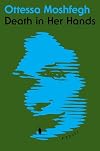
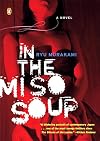
Compelling. Staggering. Shocking. Exquisite. Brutal. Harrowing. I can't find exactly the right words to describe this novel but those are some that come to mind. This was my first foray into the writing of Ryu Murakami (no relation) and it was an absolute mind fuck.
Our host through this story is Kenji, a 20 year old self-employed "nightlife" guide. Kenji has been hired by Frank, an overweight American tourist, to tour him around the sex clubs of Kabuki-cho, Tokyo's red light district. What starts off as a simple, if distasteful job, turns into something else entirely when Kenji begins to suspect that Frank is a liar and, perhaps, a murderer.
From the opening pages Kenji is charismatic. As he walks us through his Tokyo, shares his thoughts, and introduces us to the characters in his orbit, his disillusionment is tangible, his weariness knowable. The world that he inhabits is dark and lonely and his only light is Jun, his 16 year old girlfriend. There is something about Frank which seems to defy all of Kenji's expectations; his suspicions grow and the tension is palpable.
I can't say much more without spoilers. This book was absolutely
Our host through this story is Kenji, a 20 year old self-employed "nightlife" guide. Kenji has been hired by Frank, an overweight American tourist, to tour him around the sex clubs of Kabuki-cho, Tokyo's red light district. What starts off as a simple, if distasteful job, turns into something else entirely when Kenji begins to suspect that Frank is a liar and, perhaps, a murderer.
From the opening pages Kenji is charismatic. As he walks us through his Tokyo, shares his thoughts, and introduces us to the characters in his orbit, his disillusionment is tangible, his weariness knowable. The world that he inhabits is dark and lonely and his only light is Jun, his 16 year old girlfriend. There is something about Frank which seems to defy all of Kenji's expectations; his suspicions grow and the tension is palpable.
I can't say much more without spoilers. This book was absolutely
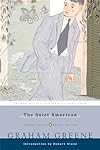
"I never knew a man who had better motives for all the trouble he caused."
These are the words of Thomas Fowler, an experienced and (rightfully) cynical British reporter, about Alden Pyle his new wide-eyed, and interminably idealistic, young American friend sent from Washington.
Fowler has been in Vietnam reporting on the First Indochina War for a couple of years. He remains steadfastly impartial throughout his time there. He prides himself on his ability to report facts and take no sides. Even when Pyle steals Phuong, Fowler's young Vietnamese girlfriend, he remains gentlemanly and as reasonable as possible. When Pyle's uniquely American idealism leads to lives being lost, however, Fowler must finally question the morality of his neutrality.
Graham Greene paints a vivid picture of Vietnam during the war. Fowler and Pyle represent the British and American Foreign Policy views expertly... One wanting to keep their distance, the other aiming to bring "democracy" and forge alliances. Phuong also perfectly represents the Vietnamese people as she is pulled to and fro between men who see her through their own lenses rather than as a fully formed individual with ideas and plans of her own.
While Greene starts off by making the point that this is a story and not an historical document, written in first person, it feels very much autobiographical. Greene did, in fact, report from there and held very similar sentiments to Fowler. The novel feels immediate and
These are the words of Thomas Fowler, an experienced and (rightfully) cynical British reporter, about Alden Pyle his new wide-eyed, and interminably idealistic, young American friend sent from Washington.
Fowler has been in Vietnam reporting on the First Indochina War for a couple of years. He remains steadfastly impartial throughout his time there. He prides himself on his ability to report facts and take no sides. Even when Pyle steals Phuong, Fowler's young Vietnamese girlfriend, he remains gentlemanly and as reasonable as possible. When Pyle's uniquely American idealism leads to lives being lost, however, Fowler must finally question the morality of his neutrality.
Graham Greene paints a vivid picture of Vietnam during the war. Fowler and Pyle represent the British and American Foreign Policy views expertly... One wanting to keep their distance, the other aiming to bring "democracy" and forge alliances. Phuong also perfectly represents the Vietnamese people as she is pulled to and fro between men who see her through their own lenses rather than as a fully formed individual with ideas and plans of her own.
While Greene starts off by making the point that this is a story and not an historical document, written in first person, it feels very much autobiographical. Greene did, in fact, report from there and held very similar sentiments to Fowler. The novel feels immediate and
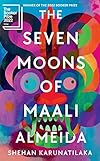
DNF 48% in and I'm done. Can't finish. Admittedly this could be me but if I just don't care who killed Maali by now, I can't imagine I ever will. Also, I don't currently have the bandwidth to keep track of all the political groups and history and characters in this story. But mostly it's because I'm just not invested in Maali's story. Ah well.
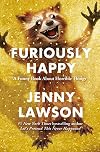
The best thing about this book is the cover featuring a seemingly coked up, overjoyed raccoon. And finding out that said raccoon exists in real life (taxidermied) and is named Rory ran a close second.
To be fair, I enjoyed that story. And there were absolutely a few moments where I chuckled out loud. But they were way too few and far between. Especially since it was clear that this was meant to be a funny book about serious subjects (depression, anxiety, trauma, physical and mental health issues).
Sadly after a few chapters of Lawson's aimless (pointless) stories it felt like I was stuck in a tiny club at a table in front of the stage where the authors was doing "relatable" and "intimate" confessional style stand-up while SCREAMING half the time and doing the
To be fair, I enjoyed that story. And there were absolutely a few moments where I chuckled out loud. But they were way too few and far between. Especially since it was clear that this was meant to be a funny book about serious subjects (depression, anxiety, trauma, physical and mental health issues).
Sadly after a few chapters of Lawson's aimless (pointless) stories it felt like I was stuck in a tiny club at a table in front of the stage where the authors was doing "relatable" and "intimate" confessional style stand-up while SCREAMING half the time and doing the
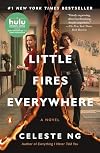
Little Yawns Everywhere
Hunh? Wha? Oh, right... A review. Sorry, I was half asleep when this book ended and my kindle asked that I rate it and add a review.
So, this is the second book I've read by Celeste Ng and I do believe it will be the last. It wasn't *terrible* but it just wasn't, well, anything to get excited about. I mean, I finished it and all but it took me way too long. Every time I put it down, there was nothing pulling me back to follow the story.
The characters (with the exception of Mia) were shallow and predictable. The Richardsons, each and every one, were pitiful stereotypes from 80s teen movies... Except that even stereotypical characters from John Hughes films are redeeming or interesting in some way. They are spoilt, selfish, entitled white people and don't we read enough about those in the papers every day?
There was only one single character with what could be described as an arc and even that wasn't fully explored. Ugh! So frustrating!
Mia's backstory was the only thing in this book that held my interest. Sadly it was only a very small portion of the whole. She was the only likable character for me and even then, she was *too*... Too sweet, too talented, too bohemian, too perfect to be believable.
In the end, I can credit this book for helping me cure my inability to get to sleep. Thanks for reading and good night!
Hunh? Wha? Oh, right... A review. Sorry, I was half asleep when this book ended and my kindle asked that I rate it and add a review.
So, this is the second book I've read by Celeste Ng and I do believe it will be the last. It wasn't *terrible* but it just wasn't, well, anything to get excited about. I mean, I finished it and all but it took me way too long. Every time I put it down, there was nothing pulling me back to follow the story.
The characters (with the exception of Mia) were shallow and predictable. The Richardsons, each and every one, were pitiful stereotypes from 80s teen movies... Except that even stereotypical characters from John Hughes films are redeeming or interesting in some way. They are spoilt, selfish, entitled white people and don't we read enough about those in the papers every day?
There was only one single character with what could be described as an arc and even that wasn't fully explored. Ugh! So frustrating!
Mia's backstory was the only thing in this book that held my interest. Sadly it was only a very small portion of the whole. She was the only likable character for me and even then, she was *too*... Too sweet, too talented, too bohemian, too perfect to be believable.
In the end, I can credit this book for helping me cure my inability to get to sleep. Thanks for reading and good night!
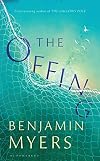
The Offing was one of 12 books that I committed to reading for a "12 Suggestions" challenge this year and it was a good one to kick things off with. It fell pretty much right in the middle for me.
Sixteen year old Robert is a coal miner's son like his father before him. Pretty much everyone from his town of Durham is connected to the mines in some way. WWII has just ended and he takes the decision to travel around England for a bit and see some of the country before his life goes underground as is expected.
He walks his way across the countryside stopping to do odd jobs for some food and sleeping wherever he can. When he reaches a seaside village he meets Dulcie, an older, no-nonsense, foul-mouthed, frank speaking, well travelled, well read, epicurean. She is unlike anyone he has ever known and he is at once intrigued and slightly confused by her.
Through a series of circumstances he spends the summer with her helping fix up a shed and learning about much about her and her past and even more about himself.
The story is simple and sweet and it really seemed more of an outline through which Myers could sketch his vivid landscapes of the English countryside. There are pages devoted just to the sounds that Robert hears when waking up in a meadow. This outline also allows Dulcie to expound on her philosophies (she's a bit of a rebel), tell stories that include interesting English trivia, and discuss poetry.
Unfortunately, at times it felt like that was all Myers was interested show more in and so the plot was loose and the characters (just the two of them) weren't particularly enthralling; to the contrary, despite Dulcie having so much promise, she came off as a caricature of the witty and wise older women.
It was an easy read and the factoids in the book were fun but I was never invested. And the ending was a bit too "perfect" and saccharine for my tastes. I know I'm in the minority here but oh well. But I definitely enjoyed it for what it was. A quick and easy read. show less
Sixteen year old Robert is a coal miner's son like his father before him. Pretty much everyone from his town of Durham is connected to the mines in some way. WWII has just ended and he takes the decision to travel around England for a bit and see some of the country before his life goes underground as is expected.
He walks his way across the countryside stopping to do odd jobs for some food and sleeping wherever he can. When he reaches a seaside village he meets Dulcie, an older, no-nonsense, foul-mouthed, frank speaking, well travelled, well read, epicurean. She is unlike anyone he has ever known and he is at once intrigued and slightly confused by her.
Through a series of circumstances he spends the summer with her helping fix up a shed and learning about much about her and her past and even more about himself.
The story is simple and sweet and it really seemed more of an outline through which Myers could sketch his vivid landscapes of the English countryside. There are pages devoted just to the sounds that Robert hears when waking up in a meadow. This outline also allows Dulcie to expound on her philosophies (she's a bit of a rebel), tell stories that include interesting English trivia, and discuss poetry.
Unfortunately, at times it felt like that was all Myers was interested show more in and so the plot was loose and the characters (just the two of them) weren't particularly enthralling; to the contrary, despite Dulcie having so much promise, she came off as a caricature of the witty and wise older women.
It was an easy read and the factoids in the book were fun but I was never invested. And the ending was a bit too "perfect" and saccharine for my tastes. I know I'm in the minority here but oh well. But I definitely enjoyed it for what it was. A quick and easy read. show less
The Devil in the White City: Murder, Magic, and Madness at the Fair That Changed America by Erik Larson

DNF
It is RARE for me not to finish a book. I actually can't remember the last time this happened. From the description I expected to love this but it was...
B O R I N G.
The events are all interesting in themselves but this was at least two different books. I'm genuinely unsure why Larson felt the need to conflate the building of the World's Fair with the machinations of serial killer HH Holmes other than they happened in the same time and place.
The two had literally nothing to do with one another (as I originally believed) and even the way the book is written (telling the two stories in alternating chapters) underscores that fact.
I suppose I have partly myself to blame because I assumed it was going to be written in a fictionalised manner but it felt more like a report... Super text book-y which gave me shivers remembering high school.
It was a huge let down and I'm kind of pissed that I wasted as much time as I did before giving up.
It is RARE for me not to finish a book. I actually can't remember the last time this happened. From the description I expected to love this but it was...
B O R I N G.
The events are all interesting in themselves but this was at least two different books. I'm genuinely unsure why Larson felt the need to conflate the building of the World's Fair with the machinations of serial killer HH Holmes other than they happened in the same time and place.
The two had literally nothing to do with one another (as I originally believed) and even the way the book is written (telling the two stories in alternating chapters) underscores that fact.
I suppose I have partly myself to blame because I assumed it was going to be written in a fictionalised manner but it felt more like a report... Super text book-y which gave me shivers remembering high school.
It was a huge let down and I'm kind of pissed that I wasted as much time as I did before giving up.
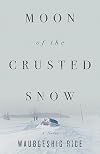
This was the last pick of the year for the @badass.book.bitches book club. The theme was "Wintery & Short" and this fit the bill.
Winter is coming to the Anishinaabe community in Northern Canada. Evan Whitesky has done his hunting and curing in the traditional way and he and his family are stocked up for winter. When the TV goes out it's not a big deal. They're used to that from time to time. When the phone lines are also down, it causes concern but they hope it will only be a few days. When a few days pass and the power is also out, it's time to take things more seriously.
Then two Anishinaabe members arrive back from university in the city on snowplows they tell stories of more power outages and of violence and looting beginning. It's time for the community to prepare for the worst.
When a sizeable white man shows up from the city with a small arsenal asking for refuge, the council agree to let him stay... But at what cost to the community?
It's a nice, tight little premise, an apocalyptic event in a small, remote community and Waubgeshig Rice incorporated the Anishinaabe language and traditions in a beautiful way. He paints a stark, honest but beautiful portrait of the very real struggles that the community face. Unfortunately, the plot oddly felt like an afterthought. It felt like Rice wanted to create his portrait but needed a frame on which to hang it... And the storyline was that frame.
Despite setting the stage for a lot of tension and conflict, nothing really exciting show more happens for most of the story. And when it finally does, it's so anti-climactic that it seems almost pointless.
This would have made for a decent short story but dragging it out to book length didn't work. But I give credit where it's due and I enjoyed getting to know a little bit about the community. show less
Winter is coming to the Anishinaabe community in Northern Canada. Evan Whitesky has done his hunting and curing in the traditional way and he and his family are stocked up for winter. When the TV goes out it's not a big deal. They're used to that from time to time. When the phone lines are also down, it causes concern but they hope it will only be a few days. When a few days pass and the power is also out, it's time to take things more seriously.
Then two Anishinaabe members arrive back from university in the city on snowplows they tell stories of more power outages and of violence and looting beginning. It's time for the community to prepare for the worst.
When a sizeable white man shows up from the city with a small arsenal asking for refuge, the council agree to let him stay... But at what cost to the community?
It's a nice, tight little premise, an apocalyptic event in a small, remote community and Waubgeshig Rice incorporated the Anishinaabe language and traditions in a beautiful way. He paints a stark, honest but beautiful portrait of the very real struggles that the community face. Unfortunately, the plot oddly felt like an afterthought. It felt like Rice wanted to create his portrait but needed a frame on which to hang it... And the storyline was that frame.
Despite setting the stage for a lot of tension and conflict, nothing really exciting show more happens for most of the story. And when it finally does, it's so anti-climactic that it seems almost pointless.
This would have made for a decent short story but dragging it out to book length didn't work. But I give credit where it's due and I enjoyed getting to know a little bit about the community. show less
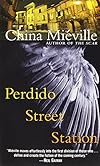
I had absolutely no idea what to expect going into this but I can promise that I didn't expect what I got. Both the title and the author were somewhere in the periphery for me... They sounded familiar but I actually knew nothing.
I wish I could fully describe the plot in a few sentences but that ain't happening. Isaac is an outlaw scientist who's in love with Lin, a Khepri artist (bug headed, human bodied woman), and he has been hired by Yagharek (Yag), a Garuda (human-sized bird creature) who has had his wings chopped off by his community in punishment for an unspeakable crime. Yag wants Isaac to find a way for him to fly again. In his efforts to do so, Isaac collects flying creatures of all sorts to study and manages to get his hands on an insect in the pupal stage. Not knowing what it is he feeds it and keeps it alive... Mistake. Meanwhile, Lin has taken a commission from Mr Motley, the drug lord of New Crobuzon, and is a dangerous spot. There's more, too, but I can't go into
I wish I could fully describe the plot in a few sentences but that ain't happening. Isaac is an outlaw scientist who's in love with Lin, a Khepri artist (bug headed, human bodied woman), and he has been hired by Yagharek (Yag), a Garuda (human-sized bird creature) who has had his wings chopped off by his community in punishment for an unspeakable crime. Yag wants Isaac to find a way for him to fly again. In his efforts to do so, Isaac collects flying creatures of all sorts to study and manages to get his hands on an insect in the pupal stage. Not knowing what it is he feeds it and keeps it alive... Mistake. Meanwhile, Lin has taken a commission from Mr Motley, the drug lord of New Crobuzon, and is a dangerous spot. There's more, too, but I can't go into
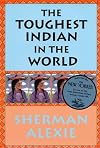
Junior is a 14-year old Native American living on the reservation with his family. His loving and supportive parents and grandmother are an exception to the rule on the "rez" and Junior starts to see his future as already written. With the encouragement of a teacher who sees his potential, Junior realises that he doesn't want to be stuck in the same poverty with the same people falling into despair and alcoholism. He makes a radical decision to switch to a school off the rez. Due to his thick glasses, skinny body, and big head, Junior is already a bit of an outsider but this decision will test the limits of his friendships and will turn him into the titular "part-time Indian" who feels he doesn't quite fit in on the rez or at the white school he attends.
Junior life is not an easy one but he navigates it with courage and a strong sense of humour and he finds his release through drawing. Filled with both heart-breaking and comical anecdotes, this semi-autobiographical novel by Coeur d'Alene Native American Sherman Alexie is powerful and poignant.
This was the @badass.book.bitches pick of the month for July and I'll admit that I wouldn't have picked it up otherwise. I did enjoy reading it but despite some 'adult' themes (poverty, racism, alcoholism, child abuse, death) I was always quite aware that it was a young adult novel. I find absolutely nothing wrong with reading YA literature as an adult but there are novels that bridge the gap a bit more. The writing here felt show more geared towards younger people and that left me feeling a little flat in places where I thought I'd have stronger emotions.
My rating is based on reading it as a YA novel as was intended. Overall it was a supremely easy read and I found myself very much rooting for Junior along the way. show less
Junior life is not an easy one but he navigates it with courage and a strong sense of humour and he finds his release through drawing. Filled with both heart-breaking and comical anecdotes, this semi-autobiographical novel by Coeur d'Alene Native American Sherman Alexie is powerful and poignant.
This was the @badass.book.bitches pick of the month for July and I'll admit that I wouldn't have picked it up otherwise. I did enjoy reading it but despite some 'adult' themes (poverty, racism, alcoholism, child abuse, death) I was always quite aware that it was a young adult novel. I find absolutely nothing wrong with reading YA literature as an adult but there are novels that bridge the gap a bit more. The writing here felt show more geared towards younger people and that left me feeling a little flat in places where I thought I'd have stronger emotions.
My rating is based on reading it as a YA novel as was intended. Overall it was a supremely easy read and I found myself very much rooting for Junior along the way. show less
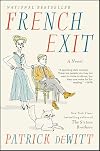
Frances, a particularly savage woman, is an aging widowed socialite who is losing everything. When bankruptcy hits, she takes what cash she can get and escapes to Paris with her 32 year old man-child son Malcolm and Little Frank, a cat who is apparently inhabited by the sprit of her shitty, amoral dead husband. Along the way, and despite every effort to avoid normal human interaction, they attract an assortment of oddball cohorts.
I don't believe that Frances is meant to be likable but I kinda fell in love with her. She's brutal, smart, wholly unaffected, and doesn't suffer fools. Basically Frances hasn't a single fuck left to give.
The writing and dialogue are quick, witty, and acerbic. The novel brought to mind an Oscar Wilde play and that can only ever be a good thing.
I don't believe that Frances is meant to be likable but I kinda fell in love with her. She's brutal, smart, wholly unaffected, and doesn't suffer fools. Basically Frances hasn't a single fuck left to give.
The writing and dialogue are quick, witty, and acerbic. The novel brought to mind an Oscar Wilde play and that can only ever be a good thing.
Eleanor Oliphant is Completely Fine: Debut Sunday Times Bestseller and Costa First Novel Book Award winner by Gail Honeyman
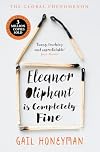
I was all over the place with how I felt about this one... Until I wasn't. When I picked it up I wasn't expecting anything exceptional but it had a fantastic rating on just about every site so I thought I'd give it a go.
The story follows Eleanor as she goes about her very simple life quite alone. Breakfast, bus, work, lunch, crossword, bus, supper, sleep, repeat. On Fridays she switches it up by picking up enough vodka to see her through her lovely weekend before starting all over again on Mondays.
Obviously throughout the novel we learn more about Eleanor, we watch her try new things, open herself slowly to new experiences and to other human beings, and uncover some dark history.
I don't really want to say much more because there's not actually that much more to say. And that's where the issue is.
At first I was surprised at how much I connected with the wholly uncharming, and frankly kinda unlikeable, Eleanor. I tend to root for the underdog and appreciate characters who are as confused by people as I am, but aside from that Eleanor is a very well written character in her own right.
Then I got a bit bored as I felt the story got bogged down in her almost incomprehensible inability to pick up on social cues despite having worked in a office with the same people for 6 years. Although she has clearly suffered trauma in her past, she is not meant to be autistic as far as I could tell. So that got a bit tiresome.
We start to get the hints that something quite horrible show more happened in her past which she is actively avoiding. That piqued my interest and I thought that perhaps the book would have more depth that I originally expected. But nope. It deals with some heavy, dark subject matter but does so in a pretty superficial way which then just pissed me right off.
So this was a confusing book for me. Honeyman started the novel off in quite a jaunty and funny fashion, moved into dark territory but only stayed on the sidelines, and never really honoured Eleanor's trauma with the gravity it deserved. It just didn't work for me. In the end show less
The story follows Eleanor as she goes about her very simple life quite alone. Breakfast, bus, work, lunch, crossword, bus, supper, sleep, repeat. On Fridays she switches it up by picking up enough vodka to see her through her lovely weekend before starting all over again on Mondays.
Obviously throughout the novel we learn more about Eleanor, we watch her try new things, open herself slowly to new experiences and to other human beings, and uncover some dark history.
I don't really want to say much more because there's not actually that much more to say. And that's where the issue is.
At first I was surprised at how much I connected with the wholly uncharming, and frankly kinda unlikeable, Eleanor. I tend to root for the underdog and appreciate characters who are as confused by people as I am, but aside from that Eleanor is a very well written character in her own right.
Then I got a bit bored as I felt the story got bogged down in her almost incomprehensible inability to pick up on social cues despite having worked in a office with the same people for 6 years. Although she has clearly suffered trauma in her past, she is not meant to be autistic as far as I could tell. So that got a bit tiresome.
We start to get the hints that something quite horrible show more happened in her past which she is actively avoiding. That piqued my interest and I thought that perhaps the book would have more depth that I originally expected. But nope. It deals with some heavy, dark subject matter but does so in a pretty superficial way which then just pissed me right off.
So this was a confusing book for me. Honeyman started the novel off in quite a jaunty and funny fashion, moved into dark territory but only stayed on the sidelines, and never really honoured Eleanor's trauma with the gravity it deserved. It just didn't work for me. In the end show less
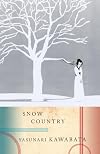
2.5
First published in 1948 and considered Kawabata's masterpiece, I felt like I should have liked Snow Country more than I did. A lot more. Because honestly, I didn't really like it. There's a "but" there, though.
Shimamura, a rich, spoiled, idle, married man, travels to a hot spring in Japan's remote Snow Country, so called because the winters are long and the snow isolates it for months on end. There he meets Komako, a young geisha, who falls head over heels for him despite the fact that she knows she should not. Shimamura visits the hot springs and Komako three times over the course of two years and we bear witness to their interactions.
He is cold and distant, much like the titular snow country. She is passionate and manic, given to bouts of heavy drinking, professing her feelings, pushing him away, leaving, and coming back. Over and over and over and over. And over.
And that's kind of it. It felt excruciatingly long which is pretty terrible given that it's only 175 pages.
Here comes the '"but"... The writing is, at times, heartbreakingly exquisite. The descriptions of the natural world, the mountains, sky, insects, weather are sublime. For example:
"It was a stern night landscape. The sound of the freezing of snow over the land seemed to roar deep into the earth. There was no moon. The stars, almost too many of them to be true, came forward so brightly that it was as if they were falling with the swiftness of the void."
I mean... GAH! So I kept reading to unearth these show more gems. There were enough that I finished it but honestly I'm glad it's over. show less
First published in 1948 and considered Kawabata's masterpiece, I felt like I should have liked Snow Country more than I did. A lot more. Because honestly, I didn't really like it. There's a "but" there, though.
Shimamura, a rich, spoiled, idle, married man, travels to a hot spring in Japan's remote Snow Country, so called because the winters are long and the snow isolates it for months on end. There he meets Komako, a young geisha, who falls head over heels for him despite the fact that she knows she should not. Shimamura visits the hot springs and Komako three times over the course of two years and we bear witness to their interactions.
He is cold and distant, much like the titular snow country. She is passionate and manic, given to bouts of heavy drinking, professing her feelings, pushing him away, leaving, and coming back. Over and over and over and over. And over.
And that's kind of it. It felt excruciatingly long which is pretty terrible given that it's only 175 pages.
Here comes the '"but"... The writing is, at times, heartbreakingly exquisite. The descriptions of the natural world, the mountains, sky, insects, weather are sublime. For example:
"It was a stern night landscape. The sound of the freezing of snow over the land seemed to roar deep into the earth. There was no moon. The stars, almost too many of them to be true, came forward so brightly that it was as if they were falling with the swiftness of the void."
I mean... GAH! So I kept reading to unearth these show more gems. There were enough that I finished it but honestly I'm glad it's over. show less
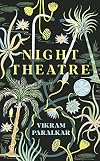
The intriguing premise is what drew me to this novel. Sadly, despite having all the elements for something exciting, philosophical, spooky, or moving it delivered nothing.
A wrongly disgraced surgeon has moved from the big city to a tiny clinic in a small rural village. He is cold and dispassionate where his patients are concerned and mostly disgusted with how his life has turned. He is short tempered and patronising with patients and his assistant at the clinic.
One night a family comes calling at the clinic needing his assistance. A teacher, his pregnant wife, and their young son have been brutally attacked and have, in fact, been killed. The wounds that they died from must be mended before sunrise when they are expected to be given new life.
Wow! That sounds amazing, right? Yeah. That's what I thought. But fml this was an absolute slog. I fell asleep half a dozen times while reading and the book isn't even very long. This really should have been a short story. Somehow the author managed to take a bunch of interesting elements and create an absolute snoozefest.
Honestly, reading this felt like coming out of anesthesia. I was groggy and irritable and just wanted to get out of there.
A wrongly disgraced surgeon has moved from the big city to a tiny clinic in a small rural village. He is cold and dispassionate where his patients are concerned and mostly disgusted with how his life has turned. He is short tempered and patronising with patients and his assistant at the clinic.
One night a family comes calling at the clinic needing his assistance. A teacher, his pregnant wife, and their young son have been brutally attacked and have, in fact, been killed. The wounds that they died from must be mended before sunrise when they are expected to be given new life.
Wow! That sounds amazing, right? Yeah. That's what I thought. But fml this was an absolute slog. I fell asleep half a dozen times while reading and the book isn't even very long. This really should have been a short story. Somehow the author managed to take a bunch of interesting elements and create an absolute snoozefest.
Honestly, reading this felt like coming out of anesthesia. I was groggy and irritable and just wanted to get out of there.
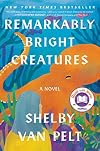
This, my friends, is an exceptionally sweet and heartwarming story. These are two adjectives that do not usually describe the books that I read and I must say that this could not have happened at a better time.
Tova is widow working the night shift cleaning at an Aquarium. She likes to keep busy and she's found that keeping things neat and tidy has helped her cope for the many, many years since her 18 year old son went missing off a boat without a clue as to what happened.
Each night Tova greets all of the inhabitants of the aquarium as she makes her rounds but when she finds Marcellus, the resident Giant Pacific Octopus, out of his tank and caught up in some wires in the break room she must earn his trust in order to disentangle him and get him back into the water. From this start, a great empathetic relationship builds between the two, and Tova silently agrees to keep the secret of Marcellous's midnight jaunts to herself.
Cameron is somewhat lost 30 year old who has grown up with his aunt after being dumped with her by his messed up mom. When his aunt gives him a box of his mother's belongings, he finds a man's school ring and a photo and sets off to find the father that he never knew.
The novel unfolds through these three characters with Marcellus having his own chapters devoted to his observations of humankind.
The mystery of the story does not need a Sherlock to discover. I knew exactly what would happen pretty much from the beginning but that did not dissuade me show more from finishing. On the contrary, I happily floated along with the ebbs and flows of the story. After the last few months of some harsh, violent, dark, serious, deep, or meh books, I needed this novel... Like a Giant Pacific Octopus needs water. show less
Tova is widow working the night shift cleaning at an Aquarium. She likes to keep busy and she's found that keeping things neat and tidy has helped her cope for the many, many years since her 18 year old son went missing off a boat without a clue as to what happened.
Each night Tova greets all of the inhabitants of the aquarium as she makes her rounds but when she finds Marcellus, the resident Giant Pacific Octopus, out of his tank and caught up in some wires in the break room she must earn his trust in order to disentangle him and get him back into the water. From this start, a great empathetic relationship builds between the two, and Tova silently agrees to keep the secret of Marcellous's midnight jaunts to herself.
Cameron is somewhat lost 30 year old who has grown up with his aunt after being dumped with her by his messed up mom. When his aunt gives him a box of his mother's belongings, he finds a man's school ring and a photo and sets off to find the father that he never knew.
The novel unfolds through these three characters with Marcellus having his own chapters devoted to his observations of humankind.
The mystery of the story does not need a Sherlock to discover. I knew exactly what would happen pretty much from the beginning but that did not dissuade me show more from finishing. On the contrary, I happily floated along with the ebbs and flows of the story. After the last few months of some harsh, violent, dark, serious, deep, or meh books, I needed this novel... Like a Giant Pacific Octopus needs water. show less

"I realized how avoidance was the most attention you could give something."
Our narrator, the titular Pizza Girl, is a confused, pregnant 18 year old. She spends her days driving through LA dropping off pizzas and trying not to think too much... Not about her dead alcoholic father, her supportive (coddling) Korean mother, and her overly attentive (bordering on smothering) boyfriend.
Her secret late night excursions to her dad's shed where she drinks beer and watches infomercials are her only escape until a customer calls in with desperation in her voice requesting a pepperoni pizza with pickles.
In this way Pizza Girl meets Jenny, a 30-something stay at home mom unlike anyone Pizza Girl has met before. Behind the front door on her large house with the neat lawn in her upscale neighbourhood, Jenny is a mess... But she's an
Our narrator, the titular Pizza Girl, is a confused, pregnant 18 year old. She spends her days driving through LA dropping off pizzas and trying not to think too much... Not about her dead alcoholic father, her supportive (coddling) Korean mother, and her overly attentive (bordering on smothering) boyfriend.
Her secret late night excursions to her dad's shed where she drinks beer and watches infomercials are her only escape until a customer calls in with desperation in her voice requesting a pepperoni pizza with pickles.
In this way Pizza Girl meets Jenny, a 30-something stay at home mom unlike anyone Pizza Girl has met before. Behind the front door on her large house with the neat lawn in her upscale neighbourhood, Jenny is a mess... But she's an
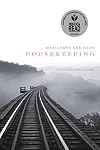
"That most moments were substantially the same did not detract at all from the possibility that the next moment might be utterly different. And so the ordinary demanded unblinking attention. Any tedious hour might be the last of its kind."
Housekeeping is the simple story of sisters Ruthie and Lucille and their atypical upbringing in a small lakeside Idaho town. Orphaned by their mother's suicide the sisters are raised by a succession of maternal relatives (grandmother, great aunts). The final guardian is their strange aunt Sylvie who has spent some years as a drifter and arrives back at her childhood home less than prepared to deal with two young ladies.
Narrated by Ruth as she recollects her youth with her sister and aunt in the remote town, the novel describes familiar scenes from childhood -- adventuring and exploring, feeling awkward and lonely, the openness of children to accept people and the painful, sometimes excruciating moments of learning one might be different. Robinson explores themes of loss, impermanence, and sisterhood through the eyes of Ruthie, Lucille, and Sylvie.
I say it's a simple story, and it is, but the novel is far from plain. The writing is extraordinary. There are paragraphs and pages that I had to re-read because they were so exquisite, delicate, layered. I absolutely luxuriated in the prose and I didn't want the story to end. When I turned the last page my heart hurt a little bit for it being over. I finished reading this two days ago and I show more still haven't fully let it go. It's a captivating novel which will stay with me and I'm sure I'll revisit it. Needless to say I highly recommend it. show less
Housekeeping is the simple story of sisters Ruthie and Lucille and their atypical upbringing in a small lakeside Idaho town. Orphaned by their mother's suicide the sisters are raised by a succession of maternal relatives (grandmother, great aunts). The final guardian is their strange aunt Sylvie who has spent some years as a drifter and arrives back at her childhood home less than prepared to deal with two young ladies.
Narrated by Ruth as she recollects her youth with her sister and aunt in the remote town, the novel describes familiar scenes from childhood -- adventuring and exploring, feeling awkward and lonely, the openness of children to accept people and the painful, sometimes excruciating moments of learning one might be different. Robinson explores themes of loss, impermanence, and sisterhood through the eyes of Ruthie, Lucille, and Sylvie.
I say it's a simple story, and it is, but the novel is far from plain. The writing is extraordinary. There are paragraphs and pages that I had to re-read because they were so exquisite, delicate, layered. I absolutely luxuriated in the prose and I didn't want the story to end. When I turned the last page my heart hurt a little bit for it being over. I finished reading this two days ago and I show more still haven't fully let it go. It's a captivating novel which will stay with me and I'm sure I'll revisit it. Needless to say I highly recommend it. show less
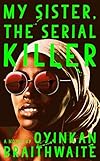
It's actually 3.5
This was a fun and easy read. It seems strange it say that about a a story of co-dependent sisters, one of whom is a serial killer. Korede's deadpan first person narrative of an older sister burdened with the task of cleaning up after Ayoola, her younger, much more beautiful sister, is on the mark and makes for some great chuckle-worthy moments.
The pacing is odd and never really hits an even stride. Despite this, the chapters are quick, short shots; glimpses into the present and past of the sisters. There is an interesting underlying theme of how women choose to walk through life in such a highly patriarchal environment but it is sadly never fully explored.
On the whole I really liked it, though, but it felt a little light despite some heavier subject matter. It's poolside reading but done very, very well and with a touch of the macabre. I'd definitely give Oyinkan Braithwaite another go with any new book.
This was a fun and easy read. It seems strange it say that about a a story of co-dependent sisters, one of whom is a serial killer. Korede's deadpan first person narrative of an older sister burdened with the task of cleaning up after Ayoola, her younger, much more beautiful sister, is on the mark and makes for some great chuckle-worthy moments.
The pacing is odd and never really hits an even stride. Despite this, the chapters are quick, short shots; glimpses into the present and past of the sisters. There is an interesting underlying theme of how women choose to walk through life in such a highly patriarchal environment but it is sadly never fully explored.
On the whole I really liked it, though, but it felt a little light despite some heavier subject matter. It's poolside reading but done very, very well and with a touch of the macabre. I'd definitely give Oyinkan Braithwaite another go with any new book.
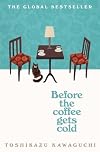
There is a tiny basement cafe in Tokyo which serves coffee, food, and the ability to travel back in time (with some strict rules attached). You must sit in a specific seat to begin the journey. The seat is usually occupied by a ghost and can only be taken when she goes to the toilet... Once per day. The experience begins when the coffee is poured. Once transported back to the past you cannot leave this seat. You can only meet other people who are already in the cafe at the time you travel back to. Most importantly, you must return to the present before the coffee gets cold. One last thing to know is that whatever happens, it won't change the present.
With all these highly specific rules in place and no tangible reward, most people don't even bother to take the trip. During the course of this book, however, a few do. Fumiko wants to speak with the man who left her, Kohtake wants to see her husband as he was before Alzheimer's took his memory, Hirai wants to see her estranged sister again, and Kei would like to meet a daughter she never got to know.
The entire novel takes place in the Funiculi Funicula cafe and the characters, staff and patrons alike, flow in and out of the story. The trouble is that I never came to care even a little bit for any of them. The story felt stilted and I felt far removed from it. The "heartwarming message" of overcoming loss also felt trite and corny. It's a real shame because, like other recent reads, the premise is an interesting one.
All that show more said, it was readable and I finished it. Ah well, they can't all be blockbusters. show less
With all these highly specific rules in place and no tangible reward, most people don't even bother to take the trip. During the course of this book, however, a few do. Fumiko wants to speak with the man who left her, Kohtake wants to see her husband as he was before Alzheimer's took his memory, Hirai wants to see her estranged sister again, and Kei would like to meet a daughter she never got to know.
The entire novel takes place in the Funiculi Funicula cafe and the characters, staff and patrons alike, flow in and out of the story. The trouble is that I never came to care even a little bit for any of them. The story felt stilted and I felt far removed from it. The "heartwarming message" of overcoming loss also felt trite and corny. It's a real shame because, like other recent reads, the premise is an interesting one.
All that show more said, it was readable and I finished it. Ah well, they can't all be blockbusters. show less
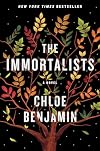
Middling. That's what this damn book is and it's so frustrating because with a premise like it has it could have been so much more.
In 1969 four young siblings living on the Lower East Side go see a fortune teller who tells them each individually the day that they will die. The book then follows each of the four in separate parts over the following decades and across the United States. We watch teenage Simon find himself and his sexuality in San Francisco in the 1980s. Then we follow Klara as she chases her dream of being a magician all the way to Las Vegas. We spend time with Daniel in upstate NY as he struggles with himself as an Army doctor whose job is to medically evaluate men and ship them off to war. And finally we watch stand-offish Varya who has committed herself thoroughly to her scientific research on longevity as she questions her world.
Each of these characters, and even their individual stories, had SO MUCH POTENTIAL. There was scope to really investigate fate vs free will but nope. None of the characters or their stories felt complex in any way. Maybe that's down to the way in which Benjamin split them; there's not enough time with any of them to build an attachment. Everything felt superficial and rushed.
Of the stories, one was overly predictible, one was lacklustre and frustrating, one was wholly unrealistic and downright preposterous, and the last was pathetic and depressing. And that last one was probably meant to be uplifting in the end. Let's not even show more start on the weird saccharine ending that doesn't relate to the story all. There were seemingly cloying attempts to elicit emotional reactions from the reader which pissed me off, too.
All that said, it was highly readable and I can see where people would be impressed with its ambition. It goes big and, to be fair, Benjamin does not fall on her face here. My main impetus in finishing wasn't the characters (who I found all pretty unlikeable on the whole) but was wanting to know if any escape their fate and/or how they die. Harsh but true.
So, yeah, middling. I'm not angry I read it but I won't remember it. show less
In 1969 four young siblings living on the Lower East Side go see a fortune teller who tells them each individually the day that they will die. The book then follows each of the four in separate parts over the following decades and across the United States. We watch teenage Simon find himself and his sexuality in San Francisco in the 1980s. Then we follow Klara as she chases her dream of being a magician all the way to Las Vegas. We spend time with Daniel in upstate NY as he struggles with himself as an Army doctor whose job is to medically evaluate men and ship them off to war. And finally we watch stand-offish Varya who has committed herself thoroughly to her scientific research on longevity as she questions her world.
Each of these characters, and even their individual stories, had SO MUCH POTENTIAL. There was scope to really investigate fate vs free will but nope. None of the characters or their stories felt complex in any way. Maybe that's down to the way in which Benjamin split them; there's not enough time with any of them to build an attachment. Everything felt superficial and rushed.
Of the stories, one was overly predictible, one was lacklustre and frustrating, one was wholly unrealistic and downright preposterous, and the last was pathetic and depressing. And that last one was probably meant to be uplifting in the end. Let's not even show more start on the weird saccharine ending that doesn't relate to the story all. There were seemingly cloying attempts to elicit emotional reactions from the reader which pissed me off, too.
All that said, it was highly readable and I can see where people would be impressed with its ambition. It goes big and, to be fair, Benjamin does not fall on her face here. My main impetus in finishing wasn't the characters (who I found all pretty unlikeable on the whole) but was wanting to know if any escape their fate and/or how they die. Harsh but true.
So, yeah, middling. I'm not angry I read it but I won't remember it. show less
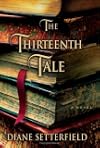
A gothic novel in the classic tradition done right. Think Wuthering Heights, Rebecca, and Jane Eyre (which even plays a cameo).
Margaret Lea is the child of a rare books seller and his wife. She watches the shop and reads. In her spare time she writes biographies which is how she comes to the attention of Vida Winter.
Miss Winter, a famous and reclusive author, has created intricate stories about herself for years, never telling the truth of her past. Now elderly and ailing she is ready to draw the curtains back and tell the truth to Miss Lea.
The story switches between Miss Lea's story (in the present) and the recounting of Miss Winter's story (in the past). While Miss Winter tells her story, Miss Lea also ventures out to verify the facts as best she can. The novel spans years and generations and uncovers dark secrets. I honestly can't share much more about the plot without spoilers and I wouldn't want to.
Admittedly it gets off to a bit of a slow start. There was nothing off-putting about the beginning but I was 20% in before I felt it pick up. But once it gets going (around when Vida and Margaret meet), it roars ahead full at speed.
There are twists and secrets abounding and with the close of each chapter, more questions need answers and always Miss Winter insists that we wait for the whole story to be told.
Having read this during October, in the midst of my annual Halloween Horror Movie Marathon, it took me longer to finish than it otherwise would have. This was show more definitely a page turner for me and that doesn't happen all that often. There were several times when I was loathe to close the book in order to get to movie watching!
If you like gothic suspense, then I'm reasonably sure this book will tick the boxes. It ticks enough of the boxes and it stays true to the classic style while bringing its own flavour. I was invested in the story and needed to know the secrets of Vida Winter and Angelfield. I'm happy to say that this was the @badass.book.bitches pick for October and I'm grateful again that there are cool women who read (or listen to) stuff with me. show less
Margaret Lea is the child of a rare books seller and his wife. She watches the shop and reads. In her spare time she writes biographies which is how she comes to the attention of Vida Winter.
Miss Winter, a famous and reclusive author, has created intricate stories about herself for years, never telling the truth of her past. Now elderly and ailing she is ready to draw the curtains back and tell the truth to Miss Lea.
The story switches between Miss Lea's story (in the present) and the recounting of Miss Winter's story (in the past). While Miss Winter tells her story, Miss Lea also ventures out to verify the facts as best she can. The novel spans years and generations and uncovers dark secrets. I honestly can't share much more about the plot without spoilers and I wouldn't want to.
Admittedly it gets off to a bit of a slow start. There was nothing off-putting about the beginning but I was 20% in before I felt it pick up. But once it gets going (around when Vida and Margaret meet), it roars ahead full at speed.
There are twists and secrets abounding and with the close of each chapter, more questions need answers and always Miss Winter insists that we wait for the whole story to be told.
Having read this during October, in the midst of my annual Halloween Horror Movie Marathon, it took me longer to finish than it otherwise would have. This was show more definitely a page turner for me and that doesn't happen all that often. There were several times when I was loathe to close the book in order to get to movie watching!
If you like gothic suspense, then I'm reasonably sure this book will tick the boxes. It ticks enough of the boxes and it stays true to the classic style while bringing its own flavour. I was invested in the story and needed to know the secrets of Vida Winter and Angelfield. I'm happy to say that this was the @badass.book.bitches pick for October and I'm grateful again that there are cool women who read (or listen to) stuff with me. show less