This self-described Cthulhu Western is a very traditional western hammered into a very traditional Cthulhu mythos mold to make something uniquely fun. The writer wears his tastes on his sleeve, writing a western based deeply in the Hollywood 1950s movie tradition: famous gunslingers, nefarious train companies running honest farmers off their land, and deadly natives. Add to that Deep Ones, Cthulhu magic, and seemingly deathless villains, and you get quite an adventure.
This does mean, of course, that many of the more nuanced views that have started to shape the American view of the west, particularly recognition of the terrible treatment of Native Americans and Black people, are absent. The Native Americans in this story are enemies, if ones on perhaps more equal terms with the protagonists than was common in the old western tradition, and the only black characters are nameless servants.
One rather interesting element is the addition of the Japanese character Shinobi, and the recurring equation of his Japanese-ness with the Native Americans by malevolent white characters--it adds a wrinkle to the treatment of race in this one that is worth thinking about.
Overall, there is little original ground tread here, but the author makes no bones about it: This is a product of his love of old western movies, and his interest in Lovecraft's malevolent world building. If you go into it looking for that, you won't be disappointed.
This does mean, of course, that many of the more nuanced views that have started to shape the American view of the west, particularly recognition of the terrible treatment of Native Americans and Black people, are absent. The Native Americans in this story are enemies, if ones on perhaps more equal terms with the protagonists than was common in the old western tradition, and the only black characters are nameless servants.
One rather interesting element is the addition of the Japanese character Shinobi, and the recurring equation of his Japanese-ness with the Native Americans by malevolent white characters--it adds a wrinkle to the treatment of race in this one that is worth thinking about.
Overall, there is little original ground tread here, but the author makes no bones about it: This is a product of his love of old western movies, and his interest in Lovecraft's malevolent world building. If you go into it looking for that, you won't be disappointed.
Windswept is a thoroughly pleasant, surprisingly original fantasy that is nevertheless not at all surprising in many ways. It will appeal to those who prefer internal conflict to external, but at times that focus away from external motivation can be confusing.
This was a solid, enjoyable YA fantasy. It evokes all the essentials of the genre, with a youngish it yearning for greatness, his irreverent and spunky girl Friday, and the father-figure mentor.
The story is original and engaging, with the world building all taking place in the background where it belongs. The characters are more than mere archetypes, they inhabit their roles with wit and reality that lots of fantasy can't claim.
The mystery and adventure were fun and satisfying, and surprisingly unpredictable.
I'd say this book's only evident problem was a tendency toward excessive traditionality bordering on cliche in the protagonists' characterization. The female protagonist draws unicorns and uses tantrums to get her way, and she is oh so emotional unpredictable (a lá the good old "girls! who can understand them?!" trope). The fatherless male protagonist is positively Dickensian, an outcast whose mother works her fingers to the bone as a cleaning lady, unable to afford ice cream or clothes.
Even so, I enjoyed it and highly recommend it to fantasy readers tired of grimdark antiheros.
The story is original and engaging, with the world building all taking place in the background where it belongs. The characters are more than mere archetypes, they inhabit their roles with wit and reality that lots of fantasy can't claim.
The mystery and adventure were fun and satisfying, and surprisingly unpredictable.
I'd say this book's only evident problem was a tendency toward excessive traditionality bordering on cliche in the protagonists' characterization. The female protagonist draws unicorns and uses tantrums to get her way, and she is oh so emotional unpredictable (a lá the good old "girls! who can understand them?!" trope). The fatherless male protagonist is positively Dickensian, an outcast whose mother works her fingers to the bone as a cleaning lady, unable to afford ice cream or clothes.
Even so, I enjoyed it and highly recommend it to fantasy readers tired of grimdark antiheros.
A beautiful ending to the Fionavar tapestry.
If you've come this far, then you can't stop. All threads are tied off, all endings are found. The hand of fate falters and change is allowed. Heroes live, and die, and triumph.
The striving is worth it, as striving should be.
If you've come this far, then you can't stop. All threads are tied off, all endings are found. The hand of fate falters and change is allowed. Heroes live, and die, and triumph.
The striving is worth it, as striving should be.

Shadow Magic is about as traditional a fantasy as you can get. Dark beings, thought vanquished long ago, reawaken and the kingdoms of men, Shee (ahem...), Wyrds, and more must find ancient artifacts and the chosen one to wield them before all is lost.
It's not all that original but there is something comforting in that. The characters are clearly drawn and pleasant, and the writing is smooth as glass. There is not a lot of surprise here, but quite a lot of warmth and fun.
I liked it. It isn't going to change the world, but it doesn't need to.
It's not all that original but there is something comforting in that. The characters are clearly drawn and pleasant, and the writing is smooth as glass. There is not a lot of surprise here, but quite a lot of warmth and fun.
I liked it. It isn't going to change the world, but it doesn't need to.

The Resurrection Fireplace by Hiroko Minagawa, Translation by Matt Trayvaud
In 18th Century London, a group of anatomy students and their professor get caught up in murder, fraud, and confusion as deception piles on deception in this whirlwind mystery.
This is far and away one of the most intricate, convoluted plots I've read in recent years. There are lies within lies, plots within plots, and crimes both real and imagined. The villains are revealed, then changed, and finally, when all is made clear, the light comes on and you realize the clues were there all along... Or were they?
It's a trip, and one well worth taking.
This is the rare Japanese novel that doesn't revel in its Japanese-ness. It does a wonderful job of evoking the grime, corruption and class heirarchy of Georgian London without exoticizing it, although there are certain times with the exposition of cultural norms can feel heavy for people familiar with the setting (as most Japanese audiences definitely aren't).
The overall pace is smooth and fast, and the characters are well-drawn. The misery of the underclass is played out without pandering, as well. I quite enjoyed the irreverence of the anatomy students at their grisly work, but there are definitely sections that might turn off the squeamish. The violence is not gratuitous, but anatomists in 1700s London dealt in rotting flesh and death. It's not pretty.
I will say that the last section, where everything was tied together, felt a bit rushed and entirely show more over-complicated, but it seems to fit the overall tone of the story well. I was genuinely taken by surprise by one or two turns, but it was not confusing at all.
Let me say one thing about the translation: This was masterful. I am a professional translator of Japanese to English, and the mere thought of some of the challenges this book brought (the use of original Middle English poetry?! Translated from Japanese?! Holy moly...) makes me dizzy. The language is natural, and the characters have clear voices, and the translation never gets in your face as "translation." It's outstanding. show less
In 18th Century London, a group of anatomy students and their professor get caught up in murder, fraud, and confusion as deception piles on deception in this whirlwind mystery.
This is far and away one of the most intricate, convoluted plots I've read in recent years. There are lies within lies, plots within plots, and crimes both real and imagined. The villains are revealed, then changed, and finally, when all is made clear, the light comes on and you realize the clues were there all along... Or were they?
It's a trip, and one well worth taking.
This is the rare Japanese novel that doesn't revel in its Japanese-ness. It does a wonderful job of evoking the grime, corruption and class heirarchy of Georgian London without exoticizing it, although there are certain times with the exposition of cultural norms can feel heavy for people familiar with the setting (as most Japanese audiences definitely aren't).
The overall pace is smooth and fast, and the characters are well-drawn. The misery of the underclass is played out without pandering, as well. I quite enjoyed the irreverence of the anatomy students at their grisly work, but there are definitely sections that might turn off the squeamish. The violence is not gratuitous, but anatomists in 1700s London dealt in rotting flesh and death. It's not pretty.
I will say that the last section, where everything was tied together, felt a bit rushed and entirely show more over-complicated, but it seems to fit the overall tone of the story well. I was genuinely taken by surprise by one or two turns, but it was not confusing at all.
Let me say one thing about the translation: This was masterful. I am a professional translator of Japanese to English, and the mere thought of some of the challenges this book brought (the use of original Middle English poetry?! Translated from Japanese?! Holy moly...) makes me dizzy. The language is natural, and the characters have clear voices, and the translation never gets in your face as "translation." It's outstanding. show less
Fun for lovers of random italics. Everyone else: nothing to see here.
What a long, strange trip it has been. I have been reading Stephen King for probably 30 years. When I was in Jr. High I used to sneak away from my mom at Wal-Mart to buy paperbacks, and hide them in my pockets until I could get to the privacy of my room. My mother was not a fan, you could say.
I loved those books. I loved the goriness, the crafty little turns of phrase, and the depiction of rurality that I recognized (being from rural Kansas, I guess there's not that much difference between little prairie towns and little New England towns). Over the years, I came to see what King himself called his "salami-making." These were fine, creepy yarns, sometimes even gutwrenchingly sad (Oh, Henry...). But they weren't "Litrachure." King had no pretensions of deep exploration of the human condition, he wrote scary stories to read in the dark.
But now, as I approach middle age, I'm starting to question that truism. Because there are stories like Hearts in Atlantis, or The Body, or this one, Revival, that seem to transcend the rough-ground spiciness of, say, Christine. It might just be the decades of life that have come to inform the writer's thinking. Or it might be the decades of life that have come to inform this reader. But somehow, I think King is tapping into a deeper vein these days.
Revival is at the same time a memoir of a life not wholly unlike Kings, a love letter to the origins of a certain brand of horror, and a look at what makes the first so good, and the last so show more bad.
For roughly the first half of the book, we read the story of Jamie's life as something not entirely unusual. There are the purely human pains of tragedy and disillusionment. There are also the more mundane growing pains of rough big brothers, feeling your way through first love, and addiction. There is little that could be called supernatural or ominous, apart from what Jamie himself alludes to in hindsight.
This is a slow burn. It builds a living character, a life of complexity and reality that other writers would rush through. But King does not rush here. He takes his time, because this weaving is what makes the latter half punch so hard.
In the latter half, the ominous shadow of Charles Daniel Jacobs (Charlie Daniels and the Devil in Georgia, huh?) grows heavy, and the threads of the weave begin to darken with the taint of Lovecraft, Derleth, and Machen (three names mentioned right at the top of the book...). For this book is as pure an expression of cosmic horror as any you'll find. Jacobs, the reverend of Jamie's youth, is desperate to tap into the powers that run the world behind the world, no matter the cost...
And the cost is great. Because this ending gathers up those threads of youth woven so slowly in the beginning of the book and brings them back to the end to come full circle. The joys of youth become the pain of age, now tainted with darkness from beyond the veil.
It's masterful.
And yet, there is still some salami here. Because King does what other cosmic horrors often avoided: he made the implicit explicit. He describes in detail what lays behind the veil, and in so doing removes much of its more lingering power. There is still dread here, but I can't help but think its was blunted by that choice.
I still think that this is one of the best expressions of King's strength, his characters, and leverages that strength to make a genuinely unsettling horror story. Revival is maybe the best of King, and a transcendence of the limits he placed on himself so long ago. show less
I loved those books. I loved the goriness, the crafty little turns of phrase, and the depiction of rurality that I recognized (being from rural Kansas, I guess there's not that much difference between little prairie towns and little New England towns). Over the years, I came to see what King himself called his "salami-making." These were fine, creepy yarns, sometimes even gutwrenchingly sad (Oh, Henry...). But they weren't "Litrachure." King had no pretensions of deep exploration of the human condition, he wrote scary stories to read in the dark.
But now, as I approach middle age, I'm starting to question that truism. Because there are stories like Hearts in Atlantis, or The Body, or this one, Revival, that seem to transcend the rough-ground spiciness of, say, Christine. It might just be the decades of life that have come to inform the writer's thinking. Or it might be the decades of life that have come to inform this reader. But somehow, I think King is tapping into a deeper vein these days.
Revival is at the same time a memoir of a life not wholly unlike Kings, a love letter to the origins of a certain brand of horror, and a look at what makes the first so good, and the last so show more bad.
For roughly the first half of the book, we read the story of Jamie's life as something not entirely unusual. There are the purely human pains of tragedy and disillusionment. There are also the more mundane growing pains of rough big brothers, feeling your way through first love, and addiction. There is little that could be called supernatural or ominous, apart from what Jamie himself alludes to in hindsight.
This is a slow burn. It builds a living character, a life of complexity and reality that other writers would rush through. But King does not rush here. He takes his time, because this weaving is what makes the latter half punch so hard.
In the latter half, the ominous shadow of Charles Daniel Jacobs (Charlie Daniels and the Devil in Georgia, huh?) grows heavy, and the threads of the weave begin to darken with the taint of Lovecraft, Derleth, and Machen (three names mentioned right at the top of the book...). For this book is as pure an expression of cosmic horror as any you'll find. Jacobs, the reverend of Jamie's youth, is desperate to tap into the powers that run the world behind the world, no matter the cost...
And the cost is great. Because this ending gathers up those threads of youth woven so slowly in the beginning of the book and brings them back to the end to come full circle. The joys of youth become the pain of age, now tainted with darkness from beyond the veil.
It's masterful.
And yet, there is still some salami here. Because King does what other cosmic horrors often avoided: he made the implicit explicit. He describes in detail what lays behind the veil, and in so doing removes much of its more lingering power. There is still dread here, but I can't help but think its was blunted by that choice.
I still think that this is one of the best expressions of King's strength, his characters, and leverages that strength to make a genuinely unsettling horror story. Revival is maybe the best of King, and a transcendence of the limits he placed on himself so long ago. show less
Competently written, unique, but dull as dishwater.
Hearthstone Cottage by Frazer Lee
Review of a NetGalley eArc.
Four friends travel to the Scottish Highlands for a post graduation holiday, and of course things go terribly wrong.
Mike, a party hard kind of guy, and his girlfriend Helen begin to drift apart. Their friends Alex and Kay seem to just be along for the ride, while Alex's sister Meggie, the vegetarian artist, haunts the fringes.
This felt like a very confused book from the beginning. It starts off like a pretty traditional "folk-horror" story, with legends of witches and creepy locals mocking the city kids, but then the growing fixation on Mike's drinking and weed smoking starts to feel like an 80s slasher morality story.
There is plenty of chilling atmosphere and gross-out horror to satisfy the horror feels, but I honestly felt so disgusted by Mike as a character that I just didn't care what happened to him. The tension eventually just became a sense of wanting to know how much of what was happening was actually in his head.
Then comes the end and you realize nothing at all had anything to do with what just happened, and the story falls apart.
So disappointing.
Review of a NetGalley eArc.
Four friends travel to the Scottish Highlands for a post graduation holiday, and of course things go terribly wrong.
Mike, a party hard kind of guy, and his girlfriend Helen begin to drift apart. Their friends Alex and Kay seem to just be along for the ride, while Alex's sister Meggie, the vegetarian artist, haunts the fringes.
This felt like a very confused book from the beginning. It starts off like a pretty traditional "folk-horror" story, with legends of witches and creepy locals mocking the city kids, but then the growing fixation on Mike's drinking and weed smoking starts to feel like an 80s slasher morality story.
There is plenty of chilling atmosphere and gross-out horror to satisfy the horror feels, but I honestly felt so disgusted by Mike as a character that I just didn't care what happened to him. The tension eventually just became a sense of wanting to know how much of what was happening was actually in his head.
Then comes the end and you realize nothing at all had anything to do with what just happened, and the story falls apart.
So disappointing.
The Three Impostors by Arthur Machen, Fiction, Fantasy, Horror, Fairy Tales, Folk Tales, Legends & Mythology by Arthur Machen
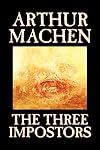
The Three Impostors by Arthur Machen
Machen is a titan of the weird fiction genre, and this is one of his less famous works. It's an episodic story, the result of serialization, with the framing work of two friends in London with differing views on mystery and spirituality getting wrapped up in a strange web of lies and stories involving magic, lurkers in the wild, and other staples of the old weird.
This is a perfectly diverting book, full of creepiness and period frumpery that was perfectly worth the time reading it. And since it's free on Project Gutenberg, anyone with the slightest urge can give it a try.
Machen is a titan of the weird fiction genre, and this is one of his less famous works. It's an episodic story, the result of serialization, with the framing work of two friends in London with differing views on mystery and spirituality getting wrapped up in a strange web of lies and stories involving magic, lurkers in the wild, and other staples of the old weird.
This is a perfectly diverting book, full of creepiness and period frumpery that was perfectly worth the time reading it. And since it's free on Project Gutenberg, anyone with the slightest urge can give it a try.
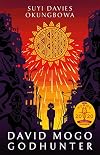
David Mogo, Godhunter by Suyi Davies Okungbowa
Review of a free Netgalley Review Copy.
David Mogo is a hunter of godlings, a cleaner of messes made by the minor deities running loose in Lagos, Nigeria after an event called the Fall, when Gods and Goddesses of Africa's pantheon(s) come to earth and start raising havoc. He himself is a demigod, the son of an unknown goddess who possesses strength, stamina, and an attitude to match.
His mentor, Papa Udi, is a wizard and a man of few words, and together they begin to take on stronger gods who plan to take over...The world! (Or maybe just Lagos. Or Nigeria? Plans change).
This was a very fun read. The action is meaty and fast, the overall story engaging, and the characters unique and convincing. But for me, and I think for a lot of readers like me (American fantasy fans) the novelty of the setting, and the richness of the language involved, is what is most appealing.
The story and pacing are not incredibly unusual for this kind of urban fantasy--a damaged protagonist possesses extraordinary powers and uses them to battle beings with even more extraordinary powers in a modern setting in a real place. But the details are so much more inviting in this book.
For one thing, despite being an actual demigod, David is immensely human. He is unsure and hesitant at times, but driven by compassion and a desire to do good. He is not your usual urban fantasy banterer, either. He is sincere, if emotionally conflicted, and it's refreshing.
The show more people around him are also complex and involved in their own stories, and things happen around the protagonist without him knowing, making the world seem that much more three-dimensional. And what a world!
I know almost nothing about Lagos, but this book brings the city to life in a way that only someone who truly loves it could. It is flawed (there is a shocking amount of feces mentioned) but vibrant, despite its fallen state in the book. I want to know so much more about the city and its people now.
The god characters are also a fun take. They appear to come from the Yoruba pantheon, based on the names, and their natures are both familiar (gods of war and birth are not uncommon in many pantheons) and new (their characters and expressions are unlike the more familiar European pantheons in many ways). I genuinely felt like I was experiencing something new every few pages, which has gotten to be a rare experience as I get older.
And then there are the languages!
This is where the book really shines. David, the protagonist and POV, uses fairly standard English. However, the characters around him use a variety of languages that you would actually encounter in Lagos. Papa Udi speaks Pidgin, which I imagine many American or European readers will find challenging. Some characters speak Yoruba, which David does not--so the words are left untranslated and an enigma. There are names of clothing and cars and places I have never heard of, and I find it almost thrilling to have that kind of linguistic adventurism in a book like this.
This is not a high-brow work of literature. This is not an essay about African culture. It's an urban fantasy, a fun afternoon-snack book, that still doesn't handhold its readers through linguistic challenge. I love it.
For those worried about that challenge, though, it's OK. The book is clear enough that you can get through it fine without puzzling over the Pidgin or translating the Yoruba. You can just sit back and enjoy the ride as David battle gods, gets to know his roots, and becomes an even bigger bad-ass.
Thank you to the publisher and to Suyi Davies Okungbowa for the chance to read this book! show less
Review of a free Netgalley Review Copy.
David Mogo is a hunter of godlings, a cleaner of messes made by the minor deities running loose in Lagos, Nigeria after an event called the Fall, when Gods and Goddesses of Africa's pantheon(s) come to earth and start raising havoc. He himself is a demigod, the son of an unknown goddess who possesses strength, stamina, and an attitude to match.
His mentor, Papa Udi, is a wizard and a man of few words, and together they begin to take on stronger gods who plan to take over...The world! (Or maybe just Lagos. Or Nigeria? Plans change).
This was a very fun read. The action is meaty and fast, the overall story engaging, and the characters unique and convincing. But for me, and I think for a lot of readers like me (American fantasy fans) the novelty of the setting, and the richness of the language involved, is what is most appealing.
The story and pacing are not incredibly unusual for this kind of urban fantasy--a damaged protagonist possesses extraordinary powers and uses them to battle beings with even more extraordinary powers in a modern setting in a real place. But the details are so much more inviting in this book.
For one thing, despite being an actual demigod, David is immensely human. He is unsure and hesitant at times, but driven by compassion and a desire to do good. He is not your usual urban fantasy banterer, either. He is sincere, if emotionally conflicted, and it's refreshing.
The show more people around him are also complex and involved in their own stories, and things happen around the protagonist without him knowing, making the world seem that much more three-dimensional. And what a world!
I know almost nothing about Lagos, but this book brings the city to life in a way that only someone who truly loves it could. It is flawed (there is a shocking amount of feces mentioned) but vibrant, despite its fallen state in the book. I want to know so much more about the city and its people now.
The god characters are also a fun take. They appear to come from the Yoruba pantheon, based on the names, and their natures are both familiar (gods of war and birth are not uncommon in many pantheons) and new (their characters and expressions are unlike the more familiar European pantheons in many ways). I genuinely felt like I was experiencing something new every few pages, which has gotten to be a rare experience as I get older.
And then there are the languages!
This is where the book really shines. David, the protagonist and POV, uses fairly standard English. However, the characters around him use a variety of languages that you would actually encounter in Lagos. Papa Udi speaks Pidgin, which I imagine many American or European readers will find challenging. Some characters speak Yoruba, which David does not--so the words are left untranslated and an enigma. There are names of clothing and cars and places I have never heard of, and I find it almost thrilling to have that kind of linguistic adventurism in a book like this.
This is not a high-brow work of literature. This is not an essay about African culture. It's an urban fantasy, a fun afternoon-snack book, that still doesn't handhold its readers through linguistic challenge. I love it.
For those worried about that challenge, though, it's OK. The book is clear enough that you can get through it fine without puzzling over the Pidgin or translating the Yoruba. You can just sit back and enjoy the ride as David battle gods, gets to know his roots, and becomes an even bigger bad-ass.
Thank you to the publisher and to Suyi Davies Okungbowa for the chance to read this book! show less
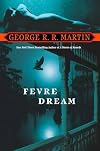
Fevre Dream by George. R. R. Martin
This book is almost as old as I am, so it seems almost silly to review it. However, I do have thoughts, so here goes.
This is a story of vampires of a sort - ageless blood drinking creatures who seem to have evolved independently of humanity, but not the traditionally supernatural type - and a riverboat captain's complicated relationship with them around the time of the American Civil War.
It is the kind of complex story you might expect from Martin, although it does bear some signs of immaturity of thought (for example, it's made clear that the vampires require human blood to function fully, but it also says that they evolved long before humans did. So... What did they eat?) but what really strikes me is the way it so evokes the time and place of its setting.
It is set in the American south, in the 1850s, and it confronts the evils of slavery in a way that I find somewhat uncomfortable. The parallels between vampiric preying on humanity in general, and the way a slave society preys upon the enslaved, are hammered home almost too bluntly. And there is that scene, that brutal, almost unforgivable scene, that I think might not be publishable in today's world. I wonder about this. I wonder if perhaps the wrapping of unnatural vampirism around this story is almost a cop-out. Because I think a story that deals with slavery needs more focus on the purely human evils of that institution, instead of muddying them with the inhuman evils of Julian show more Damon and is ilk.
I'm not sure. I'm really not. There is no veiled whitewashing of the institution, at all, but this kind of muddy presentation of the brutal viciousness of slavery, and the inhumanity it tries to force on the enslaved, reaches deep into places that many people don't want to reach, while at the same time giving readers an out, a chance to focus on the viciousness of the inhuman characters and ignore the evils of the human society around them.
It's a book worth reading, and thinking critically about, at any rate. show less
This book is almost as old as I am, so it seems almost silly to review it. However, I do have thoughts, so here goes.
This is a story of vampires of a sort - ageless blood drinking creatures who seem to have evolved independently of humanity, but not the traditionally supernatural type - and a riverboat captain's complicated relationship with them around the time of the American Civil War.
It is the kind of complex story you might expect from Martin, although it does bear some signs of immaturity of thought (for example, it's made clear that the vampires require human blood to function fully, but it also says that they evolved long before humans did. So... What did they eat?) but what really strikes me is the way it so evokes the time and place of its setting.
It is set in the American south, in the 1850s, and it confronts the evils of slavery in a way that I find somewhat uncomfortable. The parallels between vampiric preying on humanity in general, and the way a slave society preys upon the enslaved, are hammered home almost too bluntly. And there is that scene, that brutal, almost unforgivable scene, that I think might not be publishable in today's world. I wonder about this. I wonder if perhaps the wrapping of unnatural vampirism around this story is almost a cop-out. Because I think a story that deals with slavery needs more focus on the purely human evils of that institution, instead of muddying them with the inhuman evils of Julian show more Damon and is ilk.
I'm not sure. I'm really not. There is no veiled whitewashing of the institution, at all, but this kind of muddy presentation of the brutal viciousness of slavery, and the inhumanity it tries to force on the enslaved, reaches deep into places that many people don't want to reach, while at the same time giving readers an out, a chance to focus on the viciousness of the inhuman characters and ignore the evils of the human society around them.
It's a book worth reading, and thinking critically about, at any rate. show less

*Disclaimer: I received a review copy of this book from Netgalley.
Lesath by A.M. Kherbash is taut, eerie, and disconcerting. It's a modern creature feature of a book, which embraces tropes of Gothic literature, psychological horror and X-files style secrets to create a surreal journey through... What? A prison? An asylum? A mad scientist's laboratory? All three? It never becomes entirely clear.
Indeed, not a whole lot does become entirely clear. The protagonist, Greg, an aimless man living from his car apparently decides to investigate a mysterious old manor in the woods for his podcast. He ends up trapped inside and the only explanation he's given, that he is identical to an escaped inmate, might actually be true... Or it might be a delusion?
Things, of course, take a dark turn very quickly. People die. "Things" come out of ducts. More people die. And so it goes...
Many times reading this book, I was reminded of the greasy, oddly quiet scenery of horror games like Psycho-break or The most recent Resident Evil. Things are clearly bad. There is books on the walls, inexplicable mild and black ichor. You know something is coming. But lots of the scenes are just walking around checking doors and drawers.
This is my first criticism of the novel. There is a lot of compelling grotesquery and tension, but far too much of the book is taken up by sudden scenes of nothing much. The nature of the story, I think, is such that the reader is supposed to be confused by unexpected scene show more changes, as a way to emphasize the precarious nature of the protagonist's mental state. But often times, the breaks don't actually lead anywhere, and structurally seem to lose effect after the meeting of the book.
My other, and main criticism, is that a lot of the language used in the book simply didn't mean what it's supposed to mean. The author send to be struggling for an elevated register to evoke the Gothic tradition. The problems with this are twofold: first, sure this is a modern setting, the dialog is modern, and the clash between the elevated narrative and modern dialog is so great as to be almost comical. The second is that the register becomes so high that I dear many readers, and the author as well, don't be really understand the words.
Phrases like "after observing the prevalent silence..." Or "he expressed a contented sigh" or the extremely frequent use of "discern" (13 times in 159 pages!) Feel like thesaurus abuse, and indeed incorrect usage at times.
Which is not to say that the writing is poor, it isn't. It's often well phrased and interesting. The dialog can be snappy and fun, too. But it can also be a bit messy and overwrought. I think a bit of time with a developmental editor could make the creepy story at the core of this novel shine.
I burned though it because I did want to see what happened, and the ending was fittingly unsettling and slightly confusing. I did enjoy the book, and appreciate the chance to read it given by the author, A.M. Kherbash. show less
Lesath by A.M. Kherbash is taut, eerie, and disconcerting. It's a modern creature feature of a book, which embraces tropes of Gothic literature, psychological horror and X-files style secrets to create a surreal journey through... What? A prison? An asylum? A mad scientist's laboratory? All three? It never becomes entirely clear.
Indeed, not a whole lot does become entirely clear. The protagonist, Greg, an aimless man living from his car apparently decides to investigate a mysterious old manor in the woods for his podcast. He ends up trapped inside and the only explanation he's given, that he is identical to an escaped inmate, might actually be true... Or it might be a delusion?
Things, of course, take a dark turn very quickly. People die. "Things" come out of ducts. More people die. And so it goes...
Many times reading this book, I was reminded of the greasy, oddly quiet scenery of horror games like Psycho-break or The most recent Resident Evil. Things are clearly bad. There is books on the walls, inexplicable mild and black ichor. You know something is coming. But lots of the scenes are just walking around checking doors and drawers.
This is my first criticism of the novel. There is a lot of compelling grotesquery and tension, but far too much of the book is taken up by sudden scenes of nothing much. The nature of the story, I think, is such that the reader is supposed to be confused by unexpected scene show more changes, as a way to emphasize the precarious nature of the protagonist's mental state. But often times, the breaks don't actually lead anywhere, and structurally seem to lose effect after the meeting of the book.
My other, and main criticism, is that a lot of the language used in the book simply didn't mean what it's supposed to mean. The author send to be struggling for an elevated register to evoke the Gothic tradition. The problems with this are twofold: first, sure this is a modern setting, the dialog is modern, and the clash between the elevated narrative and modern dialog is so great as to be almost comical. The second is that the register becomes so high that I dear many readers, and the author as well, don't be really understand the words.
Phrases like "after observing the prevalent silence..." Or "he expressed a contented sigh" or the extremely frequent use of "discern" (13 times in 159 pages!) Feel like thesaurus abuse, and indeed incorrect usage at times.
Which is not to say that the writing is poor, it isn't. It's often well phrased and interesting. The dialog can be snappy and fun, too. But it can also be a bit messy and overwrought. I think a bit of time with a developmental editor could make the creepy story at the core of this novel shine.
I burned though it because I did want to see what happened, and the ending was fittingly unsettling and slightly confusing. I did enjoy the book, and appreciate the chance to read it given by the author, A.M. Kherbash. show less
This story is a deeply social SF, exploring the effects of hyper-advanced medical technology that makes humans essentially invulnerable to disease, and the social system that forces conformity to that technology. Three girls are so resistant to the restrictive nature of a "kind" society that they try to kill themselves, and this stuff the course of not only their futures but all of humanity.
This is a very thought provoking story, but I can see it causing some consternation in current society, with certain discussions of Naziism and politically correct ideas in lights that many people might not like. However, the base concepts of the cost of absolute safety and the choice between dangerous freedom and safe oppression is one that's always worth probing.
The translation by Alexander O. Smith is also excellent. It's smooth and natural, and never feels awkward.
This is a very thought provoking story, but I can see it causing some consternation in current society, with certain discussions of Naziism and politically correct ideas in lights that many people might not like. However, the base concepts of the cost of absolute safety and the choice between dangerous freedom and safe oppression is one that's always worth probing.
The translation by Alexander O. Smith is also excellent. It's smooth and natural, and never feels awkward.
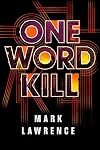
One Word Kill by Mark Lawrence. Review for Netgalley
A group of teen friends in 1986 united by their love of Dungeons & Dragons are pulled into a spiral of danger and adventure and growing pains. But in London, not Indiana. The comparisons to Stranger Things are inevitable, and perhaps even intentional, but although the heart of the story is often similar (misfit kids banding together to get through the pain of life, discover the joy of it, and also do crazy things together) it is altogether its own beast. It is, for one, a science fiction/time travel story, rather than a science fiction/cosmic horror story. Also, the adults are far less involved than in ST. But it still preserves that golden glow of love for a time, and an appreciation of the humanity of young people, that is the same.
The gentleness of this story, the warm heart it carries for its characters, is almost shocking coming from Lawrence's previous stories--Jorg Ancrath was many things, but sensitive to the joy and pain of simple life he was not. And yet the characters in One Word Kill most certainly are. They are kids, and they act like it, but they are also filled with love for one another that often defies words, but drives their actions.
Nick, our protagonist, and his friend Mia tricking the emotionally closed off Simon into learning to dance so he could go to a party; the friends banding together to protect each other against a homicidal bully without a second thought; the acceptance of each other's show more differences with natural grace. It's a story of love.
There is, of course, pain here as well. The children (and they are children) lose things that can never be regained, and it is handled well.
The writing is fluid and natural, as well. Lawrence has always been a strong writer of dialog, but I was actually surprised at how earnest and real these characters feel. So many voices in his previous works were trapped by sarcastic insincerity I had almost come to expect it from the author, but this book alone proves me wrong. It's a pleasant mistake to make.
One thing that perhaps I didn't like as much is the kind of universalizing of D&D as a magical gift to all weirdos and misfits of the 80s. As one of those weirdos, I have to say D&D never offered me anything like the emotional panacea that is implied here. I much preferred the stories in books to the ones that people tried to make me be part of. But that's a personal issue, and of course those who grew up with the monster manual in hand will likely feel differently.
But in summary, I enjoyed this book. I enjoyed watching the characters take their first fumbling steps out of childhood, I cringed at the pain they faced, and I am glad I got the chance to read Lawrence's latest work.
Thank you to the publisher and the author for giving me the chance to review One Word Kill! show less
A group of teen friends in 1986 united by their love of Dungeons & Dragons are pulled into a spiral of danger and adventure and growing pains. But in London, not Indiana. The comparisons to Stranger Things are inevitable, and perhaps even intentional, but although the heart of the story is often similar (misfit kids banding together to get through the pain of life, discover the joy of it, and also do crazy things together) it is altogether its own beast. It is, for one, a science fiction/time travel story, rather than a science fiction/cosmic horror story. Also, the adults are far less involved than in ST. But it still preserves that golden glow of love for a time, and an appreciation of the humanity of young people, that is the same.
The gentleness of this story, the warm heart it carries for its characters, is almost shocking coming from Lawrence's previous stories--Jorg Ancrath was many things, but sensitive to the joy and pain of simple life he was not. And yet the characters in One Word Kill most certainly are. They are kids, and they act like it, but they are also filled with love for one another that often defies words, but drives their actions.
Nick, our protagonist, and his friend Mia tricking the emotionally closed off Simon into learning to dance so he could go to a party; the friends banding together to protect each other against a homicidal bully without a second thought; the acceptance of each other's show more differences with natural grace. It's a story of love.
There is, of course, pain here as well. The children (and they are children) lose things that can never be regained, and it is handled well.
The writing is fluid and natural, as well. Lawrence has always been a strong writer of dialog, but I was actually surprised at how earnest and real these characters feel. So many voices in his previous works were trapped by sarcastic insincerity I had almost come to expect it from the author, but this book alone proves me wrong. It's a pleasant mistake to make.
One thing that perhaps I didn't like as much is the kind of universalizing of D&D as a magical gift to all weirdos and misfits of the 80s. As one of those weirdos, I have to say D&D never offered me anything like the emotional panacea that is implied here. I much preferred the stories in books to the ones that people tried to make me be part of. But that's a personal issue, and of course those who grew up with the monster manual in hand will likely feel differently.
But in summary, I enjoyed this book. I enjoyed watching the characters take their first fumbling steps out of childhood, I cringed at the pain they faced, and I am glad I got the chance to read Lawrence's latest work.
Thank you to the publisher and the author for giving me the chance to review One Word Kill! show less
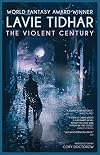
The Violent Century by Lavie Tidhar. Tachyon edition ARC reviewed for Netgalley.
Let's say there really were super heroes. That some event created people with powers far beyond any of the rest of us, all over the world. And then the world went to war. What would that be like? What would change? Would the men and women with these powers be human, like the rest of us?
This is the central idea of The Violent Century, the exploration of that great "what if". It asks the questions, explicitly, what makes a hero? What makes a man? I am not sure that it answers them, but it goes deep. It digs and gouges, searching for something. For meaning.
This book is more than another take on the "man behind the mask" trope. It is a paean and an elegy, a love letter to heroes, and a lament at the painful need for them, especially in this last century-the violent century.
Lavie Tidhar is Jewish. This is important. This is important because many of our greatest heroes were born of the Second World War, and were born of Jewish artists, some of whom themselves fought in this war. Stan Lee. Jack Kirby. Jerry Siegel and Joel Shuster. Jewish men in America who created heroes to fight enemies that seemed unstoppable. Some of these men actually appear in the novel, and speak of the need for heroes. This is not subtext. It is text. Europe needed Heroes. It got men and women, who might have been heroes of a sort. And millions died.
The heroes in this story are also men and women. They drink, the weep, show more they cry and fail and die. They have extraordinary power and extraordinary responsibility and still mess it up sometimes. But they try. And they go on, and sometimes the get to find a thing that might make a man. They find some love, perhaps. This might be an answer.
Then there is the structure. The Violent Century is not written like a Novel. It is a comic book with no pictures. The sentences are short. Broken. Sections are into scenes rather than chapters. Descriptions are vivid and dynamic. There are no quotation marks. The dialog runs into the narration because there are no speech balloons to mark it. Again, this is not subtext. It is text, explicit in the story. Eventually.
It is effective.
This book is haunting, and challenging, and exciting. I read it and I will read it again. I am grateful for the chance to review it for Netgalley, but I will buy the book and I will try to see if answers are to be found within, because I think I would like to know what makes a hero and what makes a man. show less
Let's say there really were super heroes. That some event created people with powers far beyond any of the rest of us, all over the world. And then the world went to war. What would that be like? What would change? Would the men and women with these powers be human, like the rest of us?
This is the central idea of The Violent Century, the exploration of that great "what if". It asks the questions, explicitly, what makes a hero? What makes a man? I am not sure that it answers them, but it goes deep. It digs and gouges, searching for something. For meaning.
This book is more than another take on the "man behind the mask" trope. It is a paean and an elegy, a love letter to heroes, and a lament at the painful need for them, especially in this last century-the violent century.
Lavie Tidhar is Jewish. This is important. This is important because many of our greatest heroes were born of the Second World War, and were born of Jewish artists, some of whom themselves fought in this war. Stan Lee. Jack Kirby. Jerry Siegel and Joel Shuster. Jewish men in America who created heroes to fight enemies that seemed unstoppable. Some of these men actually appear in the novel, and speak of the need for heroes. This is not subtext. It is text. Europe needed Heroes. It got men and women, who might have been heroes of a sort. And millions died.
The heroes in this story are also men and women. They drink, the weep, show more they cry and fail and die. They have extraordinary power and extraordinary responsibility and still mess it up sometimes. But they try. And they go on, and sometimes the get to find a thing that might make a man. They find some love, perhaps. This might be an answer.
Then there is the structure. The Violent Century is not written like a Novel. It is a comic book with no pictures. The sentences are short. Broken. Sections are into scenes rather than chapters. Descriptions are vivid and dynamic. There are no quotation marks. The dialog runs into the narration because there are no speech balloons to mark it. Again, this is not subtext. It is text, explicit in the story. Eventually.
It is effective.
This book is haunting, and challenging, and exciting. I read it and I will read it again. I am grateful for the chance to review it for Netgalley, but I will buy the book and I will try to see if answers are to be found within, because I think I would like to know what makes a hero and what makes a man. show less
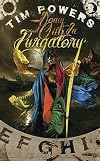
This is a fine little Tim Powers story, with regret and hope in equal measures. It takes the author's usual penchant for slightly misguided protagonists to the afterworld, with a man in search of revenge and lost love, but finding something perhaps a bit more realistic in the realm of the dead.
It was fun, and a nice way to spend an afternoon.
It was fun, and a nice way to spend an afternoon.
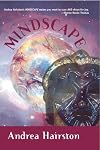
This surreal, intricately woven book deals with an earth that is fundamentally changed by the appearance of a phenomenon called the Barrier, a web of mysterious energy that divides the land into regions that can only be left via seasonal corridors through the Barrier, or under the guidance of mystics who can commune with the Barrier to open pathways through.
The zones thus divided have grown independently, with divergent cultures and technologies, and more than anything, values. And these values lead to conflict.
It is beyond me to summarize this book. It is a fever dream, a mesh of languages ranging from German to Igbo to variations of English and more, a refusal of mere plot, arc or story. It shifts in perception and reality and detail until it becomes less about what is happening, and more about the language itself. There is a beginning, and there is an end. There is a journey here, but the value is in each individual footstep along the way, rather than the destination.
It is a challenging read, and confusion is to be expected, but the value in engaging with the challenge cannot be denied.
The zones thus divided have grown independently, with divergent cultures and technologies, and more than anything, values. And these values lead to conflict.
It is beyond me to summarize this book. It is a fever dream, a mesh of languages ranging from German to Igbo to variations of English and more, a refusal of mere plot, arc or story. It shifts in perception and reality and detail until it becomes less about what is happening, and more about the language itself. There is a beginning, and there is an end. There is a journey here, but the value is in each individual footstep along the way, rather than the destination.
It is a challenging read, and confusion is to be expected, but the value in engaging with the challenge cannot be denied.
In the general realm of Warhammer 40k books, this is fairly high on the quality scale. It's not overly info-dumpy, it his back on the people per, and it achieved a good mix of action and plot movement.
I'd have liked some more warp grotesquery and grim darkness, actually, but as the backbone of the Horus Heresy this book does a good job of driving home the bitterness of betrayal.
I'd have liked some more warp grotesquery and grim darkness, actually, but as the backbone of the Horus Heresy this book does a good job of driving home the bitterness of betrayal.
This was a lovely story, treading the line between myth and fairytale, and a delight to read. It even has a moral!
The story takes place in an unnamed African country, where a young woman is given the powerful Stick of Chaos used by a Djombi deity to guide the vagaries of chance. The Djobmi has been lying down on the job, so another prods his progress by kicking off a series of events that include trickster spider gods, lovestruck poets, hidden treasure and gluttonous good-for-nothing husbands.
The writing is graceful and enjoyable, and the characters human and relatable. It's concentrated warmth in a story.
The story takes place in an unnamed African country, where a young woman is given the powerful Stick of Chaos used by a Djombi deity to guide the vagaries of chance. The Djobmi has been lying down on the job, so another prods his progress by kicking off a series of events that include trickster spider gods, lovestruck poets, hidden treasure and gluttonous good-for-nothing husbands.
The writing is graceful and enjoyable, and the characters human and relatable. It's concentrated warmth in a story.
Read in Japanese.
A hard hitting dark fantasy with incredible art and a relentlessly grim setting.
A hard hitting dark fantasy with incredible art and a relentlessly grim setting.
A deceptive book, that starts out as a story about hot-shot pilots fighting an alien menace that turns into a meditation on war, humanity, and what enmity between humans and nonhumans might actually look like.
Fun, well translated, and fast paced military SF.
Fun, well translated, and fast paced military SF.
This is a translation of a Japanese novel dealing with complex ideas of gender, sexuality, and the meaning of humanity. In the (near?) future, science has advanced to the point where full genetic manipulation is possible, and one group has used that knowledge to create a new human subspecies: The Rounds. The Rounds are "perfect hermaphrodites," with fully functioning genitalia from both biological sexes, and altered chemistry that makes them wholly hermaphroditic. They are limited to a single space station out near Jupiter, and strict laws keep them from coming into contact with "Monaural" society (the word used for non-Round humanity). This story is ostensibly about a terrorist attack aimed at them, and the people called on to protect the Rounds.
It is also about concepts of gender, and society, and the oftentimes violent resistance to change.
I hated this book.
I hated the failure of its ideas, I hated the clumsy treatment of a truly interesting topic, and I hated the crappy translation.
The topic of gender is so important, and so timely, that it truly does call for the kind of deep exploration that SF can often provide, but none of that thoughtfulness is on display here. The treatment of gender and physical sex and sexuality are so clumsy and so torturous that nothing of interest actually is said. There are attempts to imagine what it would be like to interact with humans who have no natural male/female awareness, but it's based on utterly bizarre hypotheticals.
Take, show more for example, the book's repeated insistence that the Rounds, who have no malefemale gendering at all, are always perceived by cis (het?) men and women as being the opposite gender--Cishet men see them as women, and cishet women see them as men. And thus, the "mono" humans quickly fall in love/lust with rounds they meet. This is... Nuts. At every level. The two women characters who run into a Round doctor instantly begin fantasizing about this "kind, romantic man" while the man sees that same character as a "strong, resolute woman." Androgyny exists, and this is not how others perceive androgynous people.
The book also tries to create a truly genderless society, but still uses gendered language for even the most basic ideas, like sex. Here's a quote:
"A Round couple can love as a man and be loved as a woman in a single act of intercourse." (p. 87)
or this bizarre exchange...
"...I’m afraid my staff only wanted to visit the special district out of curiosity. If you’d known that I doubt you would have complied.”
“Yes, I was quite aware. I am a man and a woman, after all.” (p. 96)
The first speaker is a Mono, explaining why his team members wanted to visit the special area where only Rounds are allowed to the second speaker, a Round doctor who let them in.
The second speaker's statement "I am a man and a woman, after all..." makes no sense in or out of context. It's made abundantly clear throughout the book that the Rounds are not men or women. They are bi-gendered, without any cultural, social, or physical tendency toward either. And, of course, what does it MEAN? How does that create awareness?
And then there's the almost total dismissal of the pure horror of Round existence. The Rounds are wholly artificial. Their bodies are not only hermaphroditic, they have been genetically modified to have hyper long lifespans, altered maturation rates, and immunity to all kinds of genetic diseases. However, they are forbidden to procreate freely, and their education is limited to science, math, and English (this is specifically stated several times. They only speak English. Because it's the future, and that's all Japan can imagine?) No history, no art, no culture. They live empty lives as pure scientific tools, designed for the exploration of deep space. It's slavery and eugenics in their purest forms, but the book never gets into that very serious issue at all.
And of course there's the translation. It's awful. I say this as a professional translator of Japanese to English: This was not professional level work. The dialog is clumsy and characterless, the word use is bizarre, and sometimes it's just flat-out wrong. Take, for example, the idea that the Rounds only ovulate after sexual stimulation. This is called in the book reflexive ovulation, which is a standard term apparently. However, the book calls normal human ovulation "voluntary ovulation." The scientific term is "spontaneous ovulation" because it happens on its own, without stimulation. It is not, in any way shape or form, voluntary... The translator simply didn't check, apparently?
Anyway, yes. Not a great book. Not worth the time. The only reason I kept at it was basically as a hate-read. show less
It is also about concepts of gender, and society, and the oftentimes violent resistance to change.
I hated this book.
I hated the failure of its ideas, I hated the clumsy treatment of a truly interesting topic, and I hated the crappy translation.
The topic of gender is so important, and so timely, that it truly does call for the kind of deep exploration that SF can often provide, but none of that thoughtfulness is on display here. The treatment of gender and physical sex and sexuality are so clumsy and so torturous that nothing of interest actually is said. There are attempts to imagine what it would be like to interact with humans who have no natural male/female awareness, but it's based on utterly bizarre hypotheticals.
Take, show more for example, the book's repeated insistence that the Rounds, who have no malefemale gendering at all, are always perceived by cis (het?) men and women as being the opposite gender--Cishet men see them as women, and cishet women see them as men. And thus, the "mono" humans quickly fall in love/lust with rounds they meet. This is... Nuts. At every level. The two women characters who run into a Round doctor instantly begin fantasizing about this "kind, romantic man" while the man sees that same character as a "strong, resolute woman." Androgyny exists, and this is not how others perceive androgynous people.
The book also tries to create a truly genderless society, but still uses gendered language for even the most basic ideas, like sex. Here's a quote:
"A Round couple can love as a man and be loved as a woman in a single act of intercourse." (p. 87)
or this bizarre exchange...
"...I’m afraid my staff only wanted to visit the special district out of curiosity. If you’d known that I doubt you would have complied.”
“Yes, I was quite aware. I am a man and a woman, after all.” (p. 96)
The first speaker is a Mono, explaining why his team members wanted to visit the special area where only Rounds are allowed to the second speaker, a Round doctor who let them in.
The second speaker's statement "I am a man and a woman, after all..." makes no sense in or out of context. It's made abundantly clear throughout the book that the Rounds are not men or women. They are bi-gendered, without any cultural, social, or physical tendency toward either. And, of course, what does it MEAN? How does that create awareness?
And then there's the almost total dismissal of the pure horror of Round existence. The Rounds are wholly artificial. Their bodies are not only hermaphroditic, they have been genetically modified to have hyper long lifespans, altered maturation rates, and immunity to all kinds of genetic diseases. However, they are forbidden to procreate freely, and their education is limited to science, math, and English (this is specifically stated several times. They only speak English. Because it's the future, and that's all Japan can imagine?) No history, no art, no culture. They live empty lives as pure scientific tools, designed for the exploration of deep space. It's slavery and eugenics in their purest forms, but the book never gets into that very serious issue at all.
And of course there's the translation. It's awful. I say this as a professional translator of Japanese to English: This was not professional level work. The dialog is clumsy and characterless, the word use is bizarre, and sometimes it's just flat-out wrong. Take, for example, the idea that the Rounds only ovulate after sexual stimulation. This is called in the book reflexive ovulation, which is a standard term apparently. However, the book calls normal human ovulation "voluntary ovulation." The scientific term is "spontaneous ovulation" because it happens on its own, without stimulation. It is not, in any way shape or form, voluntary... The translator simply didn't check, apparently?
Anyway, yes. Not a great book. Not worth the time. The only reason I kept at it was basically as a hate-read. show less
This is the continuing story of Latro, a Greek warrior who fought for the Romans and is blessed (or cursed?) by the gods. A head injury took from him his ability to make new memories (yes, like Memento) and so he must write down everything that happens to remember anything. At the same time, he is able to see the gods and demons that others follow on blind faith: although he does not know who they are, since he cannot remember their names.
One other element of the story is that the author claims that this is a translation of an ancient scroll written in broken Latin, full of mysterious abbreviations and illegible words... So a translation of a partially unreadable story written by someone with a severe brain injury. This conceit piles layer upon layer of mystery, creating the ultimate expression of one of Wolfe's favorite devices: the unreliable narrator. Here we can never be sure what is "really happening," and what's more, neither can the protagonist. There are, in fact, times when we as readers know more of what is happening than the MC since we can remember, but he cannot.
It's a fascinating story, but even without the convoluted depth, it's also just interesting. Soldier of Sidon takes Latro into Africa, through Egypt of the Ptolemies and south into Kush/Nubia (the borders are unclear, and the names change like water).
It's complex, and maddening, and fun, and exciting, and endlessly explorable. Just like the lands Latro stumbles through.
One other element of the story is that the author claims that this is a translation of an ancient scroll written in broken Latin, full of mysterious abbreviations and illegible words... So a translation of a partially unreadable story written by someone with a severe brain injury. This conceit piles layer upon layer of mystery, creating the ultimate expression of one of Wolfe's favorite devices: the unreliable narrator. Here we can never be sure what is "really happening," and what's more, neither can the protagonist. There are, in fact, times when we as readers know more of what is happening than the MC since we can remember, but he cannot.
It's a fascinating story, but even without the convoluted depth, it's also just interesting. Soldier of Sidon takes Latro into Africa, through Egypt of the Ptolemies and south into Kush/Nubia (the borders are unclear, and the names change like water).
It's complex, and maddening, and fun, and exciting, and endlessly explorable. Just like the lands Latro stumbles through.

While I'm not generally a manga fan, I do tend to pick the more "gritty" titles that make it big. Berserk, for example. So, the enormous success, and markedly dark tone, of this series drove me to pick up the first volume.
It was a good decision. The worldbuilding is interesting, the conflict original, and characters aren't immediately off putting.
It does suffer from "manga series disease," meaning that in the entire first volume we only get a basic introduction to the story and endless, tiresome exposition.
It was a good decision. The worldbuilding is interesting, the conflict original, and characters aren't immediately off putting.
It does suffer from "manga series disease," meaning that in the entire first volume we only get a basic introduction to the story and endless, tiresome exposition.
A classic weird western, this time with a post apocalypse flavor. Low brow, but a nice ride. Lots of guns, weird magic, and interdimesional time travel?
A fundamentally Japanese style of young adult fantasy. It's full of exposition in big lumps, but it's also sweet, and thrilling, and pleasant.
The translation is outstanding, as to be expected from A. O. Smith.
The translation is outstanding, as to be expected from A. O. Smith.
Another weird Western of a sort, but this one takes the essential tensions of the western genre, mixes them with some of the unpredictability of Mieville, and throws the mess in a broken blender. Fun, cool, tense, and original.
Not quite as fun as the first Shannow book, but still a rousing weird western adventure.