
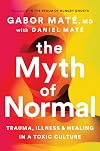
This book touched on the surface level of a lot of topics relating to trauma, and most of it can be summed up as childhood and generationally passed on. It was overall well written, and I plan on using it as a reference for the many studies cited.

This was alright for what it was getting at; the parts of fake stories of people learning of past lives took away from the somewhat science-y topics at the end of the book. I do like that they noted, "Is this real or just problem solving with your imagination? Does it matter if it works?" Because, like all things, some skepticism is natural and good!
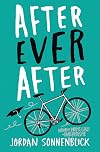
I cried. I loved seeing the change in Jeff from the first book to this one; though the way they talked was a little dated even in the year it was written. I don't think anyone said abbrevations aloud in 2010, but I still loved it!
Spoiiers below;
Now why would we do that to Thad. I was expecting him to be okay, but like the other best Sonnenblick book (Midnight Driver), he decided it was the perfect time to break my heart.
Spoiiers below;
Now why would we do that to Thad. I was expecting him to be okay, but like the other best Sonnenblick book (Midnight Driver), he decided it was the perfect time to break my heart.
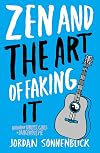
Good book! Again, not the right age for this (curse my TBR backlog being years long), but I think the conclusion was too quick; the protag never really apologizes, and just gets forgiven. I'd like to see him give the sorry, and then let it breathe before he's forgiven.
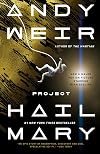
I wish the ending was a little longer; but it was really good! It was vague enough that I still felt disconnected from earth; but clear enough that I knew what happened.
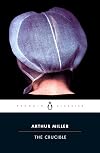
I don't have much to say, other than it was good! It's a play, so a lot of the storytelling is just in parentheses - but the concerning message is unfortunately still relevant even now.
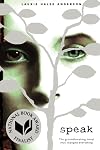
A very good, very respectful story of assault. Read this in middle school, and it still holds up years later. I think Speak is a good place to start talking about the topic with kids; and I'm glad that I can say that from both perspectives (student and adult). While it does show it's age in pop culture and the lack of real internet, and few choice words, I still really enjoyed it. It was probably one of the defining works for who I was in middle and high school.
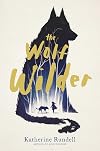
The book overall was an okay read; the ending falls apart because the pacing is just too fast. I feel like I couldn't get a good understanding of Feo; is she supposed to be a socially unaware child, or a cunning YA protagonist? It was a bit fantastical, but for the intended audience (8-12 y/os) it's nothing too dramatic.
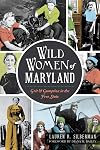
For the blurb in the beginning, I expected a lot more WOC to be mentioned. There was a surprising amount of pro-confederate women highlighted - and, of course, that's to be expected in a book about Maryland. I was disappointed though, that there were so few women of color, and no indigenous women highlighted, especially in the early years of the state. It was good, but it could be better.
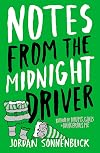
I enjoyed this book better than Drums, Girls, and Dangerous, but the highlight was the very end like the first book from Sonnenblick. I find teenage boys insufferable, but once they learn to be considerate, they're alright. Like the first, I'm sure I'm not the intended audience (i am no longer in middle/high school, and I am not a know it all boy), but this was pretty alright. There are some dated words in this book, though, which threw me for a bit of a loop.
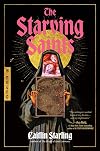
A high 4.5/5. The story itself was slow and repeated over itself often as new information was shared, which I think aided in what was happening, so I thought was actually a positive rather than feeling like the author doesn't trust the reader enough. The characters themselves are good, I liked the dynamics and how firm and shifting they were all the while. Definitely going to be a reread kind of book in the future.
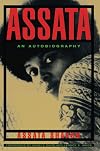
My first autobiography, so it was a new format, but I enjoyed the read. There was a lot of writing choices that were intentional but weren't explictly commented on, and Assata's voice and poems are very clear.
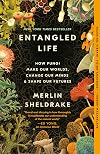
I really loved this book! It was a lot more science-heavy than i am used to, but overall it was a very cohesive book. Sometimes I did just have to jump over sentences that were explaining too many concepts at once, and then go back once I understood what the point was. This has updated my understanding on the world and has been coming to mind when I do anything socially.
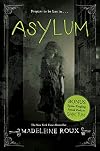
2.4/5. Started out really good, with an uncovering of a former asylum's history (that is more common than you'd hope), but the ending really fell flat. The surprise ghost/mind control plot twist came out of nowhere and didn't connect to the beginning of the book. Honestly does a disservice to the real history of asylums. But the main trio were nice characters, aside from some odd choices from Jordan that seemed just to get Dan and Abby alone time.
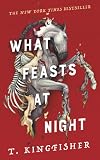
4.4/5. Wishes it was longer, and the resolution was a little spaced out a bit, but I really enjoyed it. The characters are a highlight, and the historical and folkloric accuracy is spot on (at least, from someone who was not alive in the 1800s.
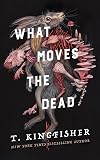
Very delightful! I'm Very Normal about mushrooms and never read poes original work; I liked gothic movies and TV series, and turns out I also like gothic horror books too! Easton being GNC is a nice touch, my only wish being it was longer and more of a slow burn so I had more to read. The imagery and observations through Easton were very character forward; and I found that the aha! moments were shared as I realized them too.
Probably something I'll reread in the future (and absolutely reading the rest of the Sworn Soldier series!)
Probably something I'll reread in the future (and absolutely reading the rest of the Sworn Soldier series!)
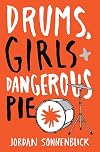
A decent book; I remember enjoying it when I was younger, but it just isn't the book for me anymore. The dialogue being italicized and thoughts being quotations was an interesting choice, but isn't my favorite way of doing reading.
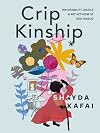
It was an insightful read! The pitfall of flowery academic language is present, which isn't really what I was expecting, but it is easy to get adjusted to.
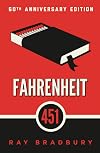
A (still) relevant commentary on critical thought, reading, and the value of knowledge. Along with Guy, thoughts and reality are tangled and messy, and the ending is hopefully vague.
Rebuilding New Orleans: Immigrant Laborers and Street Food Vendors in the Post-Katrina Era by Sarah Fouts
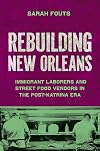
Focused on the real experiences of people Fouts met in New Orleans and how food connected people, mainly Immigrant, Black, and LGBTQ communities. It's a grounded read, and it gives important political and historical context to the city and surrounding areas.
Queer Migration Politics: Activist Rhetoric and Coalitional Possibilities (Feminist Media Studies) by Karma R. Chavez
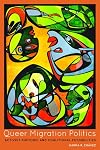
Written for academia, but after reading through twice, it is very digestible! A lot of circling back to topics and concepts, which helped a lot in fleshing out what it means in the tangible.
This book was gifted to the award winners of my university's LGBTQ Lavender Graduation; it's not something I would normally pick up but very valuable to read.
This book was gifted to the award winners of my university's LGBTQ Lavender Graduation; it's not something I would normally pick up but very valuable to read.
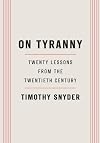
Short, very topical, and a good book to keep in your pocket for when you need motivation to build community.