
3.5*
Brody Taylor puts his elite white hat status on the line by accepting a pentest challenge posted on an anonymous, deep-web hacker board. When he finds a link between the site he’s trying to hack and a series of brutal rapes and murders, he teams with PI Jenny Price to stop a sociopath. But Brody must protect his real-life identity or risk dire consequences.
Sutherland’s talent at weaving secondary plots into the main story produces an appealing read, and his deftly rendered protagonist prompts an emotional connection with the reader. However, some of the supporting cast come across as caricatures. McCarthy’s sexism is over the top, Jenny’s rapid disclosure of investigation details to a civilian is tough to swallow and the backstory on minor characters, such as Cortez, stalls the action.
The novel’s structure and balance is sound, but a few unbelievable scenarios, such as a beat-up car parked for a long period in a wealthy neighborhood, deflects from the plot. Sutherland is skilled on the subject matter, which creates an engaging story, but superfluous technical details delays the suspense and there are numerous typos.
An entertaining read with a protagonist worth following.
Brody Taylor puts his elite white hat status on the line by accepting a pentest challenge posted on an anonymous, deep-web hacker board. When he finds a link between the site he’s trying to hack and a series of brutal rapes and murders, he teams with PI Jenny Price to stop a sociopath. But Brody must protect his real-life identity or risk dire consequences.
Sutherland’s talent at weaving secondary plots into the main story produces an appealing read, and his deftly rendered protagonist prompts an emotional connection with the reader. However, some of the supporting cast come across as caricatures. McCarthy’s sexism is over the top, Jenny’s rapid disclosure of investigation details to a civilian is tough to swallow and the backstory on minor characters, such as Cortez, stalls the action.
The novel’s structure and balance is sound, but a few unbelievable scenarios, such as a beat-up car parked for a long period in a wealthy neighborhood, deflects from the plot. Sutherland is skilled on the subject matter, which creates an engaging story, but superfluous technical details delays the suspense and there are numerous typos.
An entertaining read with a protagonist worth following.
Dropped words and grammar errors in a published novel are a pet peeve. A Long Hard Look did suffer this setback. Some examples are: “... programmer, the she’d...” (should be that); “...a sort screwy sense.”(missing of); “...as I pulled door open.”(missing the).
Written in first-person narrative, this is not a classic noir hard-boiled novel with a stereotypical detective. The protagonist, Phil Brennan, is a well-written character with lots of personality, some great one-liners and human flaws. Phil is an endearing coward, which is nice to see since it’s real. Normal people don’t run into the face of danger. Phil also exhibits self-effacing humour. The antagonist does sway into a cliché, and the setting is tough to determine, although it appears to be set in modern day in Chicago.
Canfield’s voice is strong throughout the novel, and the plot is well-structured. This is a light read, and the touches of humour heighten the entertainment factor.
I reviewed this ARC from Story Cartel and would recommend this book. Good job.
Written in first-person narrative, this is not a classic noir hard-boiled novel with a stereotypical detective. The protagonist, Phil Brennan, is a well-written character with lots of personality, some great one-liners and human flaws. Phil is an endearing coward, which is nice to see since it’s real. Normal people don’t run into the face of danger. Phil also exhibits self-effacing humour. The antagonist does sway into a cliché, and the setting is tough to determine, although it appears to be set in modern day in Chicago.
Canfield’s voice is strong throughout the novel, and the plot is well-structured. This is a light read, and the touches of humour heighten the entertainment factor.
I reviewed this ARC from Story Cartel and would recommend this book. Good job.

The Human Forged by Anthony J. Melchiorri may be classified as Sci-fi because it’s set in 2094, but the story is a wonderful combination of mystery, thriller and suspense.
Melchiorri opens strong with a vividly described setting in Estonia. The futuristic concepts and advancements in technology are well researched and believable. They are easy to digest and don’t deflect from the plot’s suspense. Melchiorri’s eye for detail and continuity creates a well-structured novel with excellent pacing that balances the action, suspense and revelations.
My only complaint is that the ending felt rushed. Melchiorri ties together the plotlines with a satisfactory conclusion but some of the final dialogue felt forced, and the “moral lesson” felt didactic.
Melchiorri opens strong with a vividly described setting in Estonia. The futuristic concepts and advancements in technology are well researched and believable. They are easy to digest and don’t deflect from the plot’s suspense. Melchiorri’s eye for detail and continuity creates a well-structured novel with excellent pacing that balances the action, suspense and revelations.
My only complaint is that the ending felt rushed. Melchiorri ties together the plotlines with a satisfactory conclusion but some of the final dialogue felt forced, and the “moral lesson” felt didactic.

This novella is written 1st person singular narrative through the eyes of the protagonist, James Gallowbraid. The story opens with Gallowbraid’s release from a California prison where he served seven years for stagecoach robberies. Set shortly after the Civil War, 32-year-old Gallowbraid recounts his past to the reader as he settles into a sparsely populated Mission community that isn’t all that it seems.
Hirsch’s research is excellent, and his voice consistent and appropriate for the period. The protagonist is a well-developed, humorous character. Hirsch’s descriptive narrative is admirable, and the prose is almost poetic. Based on the genre, the impressive vocabulary may distract from the plot in places. For example, “It was as certain as the spread of ague.” The word fever would have moved the story along at a brisker rate. Overall, the pacing and structure is good, which is commendable when dealing with a limited length. I would have liked the main conflict to enter earlier. More history regarding the strange antagonist would have set up the turning point to flow into the climax, but the stylist decision is understandable - the narrating character didn’t know the backstory.
If you are a fan of Westerns with a psychological twist, Orphan Elixir is a novel I would recommend.
Hirsch’s research is excellent, and his voice consistent and appropriate for the period. The protagonist is a well-developed, humorous character. Hirsch’s descriptive narrative is admirable, and the prose is almost poetic. Based on the genre, the impressive vocabulary may distract from the plot in places. For example, “It was as certain as the spread of ague.” The word fever would have moved the story along at a brisker rate. Overall, the pacing and structure is good, which is commendable when dealing with a limited length. I would have liked the main conflict to enter earlier. More history regarding the strange antagonist would have set up the turning point to flow into the climax, but the stylist decision is understandable - the narrating character didn’t know the backstory.
If you are a fan of Westerns with a psychological twist, Orphan Elixir is a novel I would recommend.
Good story, atrocious proofreading.
Typos, missed words and subject-verb agreement errors are a pet peeve when reading. Some examples are, “How can she not here this?” Should be hear. “He crossed him arms...” Should be his. “Each woman had their own...” Should be her. “I tried to knob on the door.” Should be the. More than twenty of these stood out. If this does not bother you, Three Little Lies by Melissa Wolff is a good story.
A YA suspense, the plot opens in Virginia in the summer, and the story is told through the POV of the protagonist, Amber, a troubled fifteen-year-old. Her best friend, Madison, disappeared, Amber suffered a horrendous accident and her family situation is bad. Forced to live with her half-sister, Rebecca, Amber meets Ethan Hunter the son of the Mayor. Wolff was able to create a realistic character in Amber and to develop her personality to engage the reader. For the most part, all of the characters were unique. However, there is a conflict with Amber’s future brother-in-law, Jacob, which wasn’t developed and had no resolution.
The pacing of the novel was good, disclosing revelations at a steady rate. One issue was Madison’s first diary entry. It revealed to the reader what Amber’s best friend had been up to prior to her disappearance. This may have been intentional, but the protagonist’s understanding of the event didn’t resonate until later in the story.
Melissa Wolff has an impressive grasp of teenagers and stayed true to show more her characters. Keeping in mind the impulsiveness of the age, most of the happenstances were believable. The plot is imaginative and the writing is good. A qualified proofreader would help this author shine. show less
Typos, missed words and subject-verb agreement errors are a pet peeve when reading. Some examples are, “How can she not here this?” Should be hear. “He crossed him arms...” Should be his. “Each woman had their own...” Should be her. “I tried to knob on the door.” Should be the. More than twenty of these stood out. If this does not bother you, Three Little Lies by Melissa Wolff is a good story.
A YA suspense, the plot opens in Virginia in the summer, and the story is told through the POV of the protagonist, Amber, a troubled fifteen-year-old. Her best friend, Madison, disappeared, Amber suffered a horrendous accident and her family situation is bad. Forced to live with her half-sister, Rebecca, Amber meets Ethan Hunter the son of the Mayor. Wolff was able to create a realistic character in Amber and to develop her personality to engage the reader. For the most part, all of the characters were unique. However, there is a conflict with Amber’s future brother-in-law, Jacob, which wasn’t developed and had no resolution.
The pacing of the novel was good, disclosing revelations at a steady rate. One issue was Madison’s first diary entry. It revealed to the reader what Amber’s best friend had been up to prior to her disappearance. This may have been intentional, but the protagonist’s understanding of the event didn’t resonate until later in the story.
Melissa Wolff has an impressive grasp of teenagers and stayed true to show more her characters. Keeping in mind the impulsiveness of the age, most of the happenstances were believable. The plot is imaginative and the writing is good. A qualified proofreader would help this author shine. show less
I didn’t like this book at all. This is the second Harlan Coben I read and it will be the last. It’s preposterous to think that a woman who was forced to work in a low-end strip club would “miss” the misery after reclaiming her life and independence. Apparently Coben suffers from the idiotic male fantasy that women who are forced into striping at dives enjoy what they do. The ridiculous attitude continues with the protagonist’s husband who is a judgmental, chauvinistic pig. His behaviour around his mother (who suffers from Alzheimer’s) is nauseating. On top of the unrealistic characters doing unbelievable things, the police are incompetent morons and the plot lines are absurd.
This is the first Harlan Coben novel I've read. I was a tiny bit disappointed. Although written well enough, I had issues around the lack of foreshadowing. Reading along, you feel that it's going in one direction and it suddenly shifts. The ending seemed out of the blue. Yes, it tied everything together but it felt a bit forced.
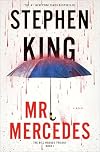
There is no rule forcing an author to stick to a genre. Mr. Mercedes is not a horror, it’s a mystery. I suspect that some King fans will be disappointed. However, this isn’t the first time that Mr. King has deviated from the genre that made him famous. In 2005, he published The Colorado Kid, which you’d be hard pressed to classify as “horror”.
Mr. Mercedes trots along at a solid pace and the cast of characters is typical King, well developed and unique. As with most of his books, it is 3rd person narrative, although it primarily follows the protagonist, retired police detective Bill Hodges. There were a couple of places in the novel where the POV was awkwardly constructed, but I typically find this true in King’s novels. Mr. King also took literary license by altering actual inventions to fit his creative vision. He owns this in the Author’s Notes. Doing this in horror or fantasy is fine, but when writing a "hard-boiled detective book" as he calls Mr. Mercedes, accuracy is a necessary evil and part of the challenge for writer's in the genre. I did find myself eye-rolling a couple of times.
A good read and fun addition to your King library.
Mr. Mercedes trots along at a solid pace and the cast of characters is typical King, well developed and unique. As with most of his books, it is 3rd person narrative, although it primarily follows the protagonist, retired police detective Bill Hodges. There were a couple of places in the novel where the POV was awkwardly constructed, but I typically find this true in King’s novels. Mr. King also took literary license by altering actual inventions to fit his creative vision. He owns this in the Author’s Notes. Doing this in horror or fantasy is fine, but when writing a "hard-boiled detective book" as he calls Mr. Mercedes, accuracy is a necessary evil and part of the challenge for writer's in the genre. I did find myself eye-rolling a couple of times.
A good read and fun addition to your King library.
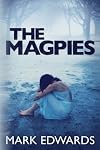
3.5*-- There were typos and grammatical errors, the gratuitous sex didn't fit with the book's genre or premise and secondary plotlines weren’t fully formed.
The Magpies by Mark Edwards is a story of a hopeful young couple who buy a flat outside London. Their happiness comes to a grinding halt when their sociopathic neighbours instigate a game of harassment that quickly escalates from a nuisance to a threat.
Edwards portrayed Jamie well by gradually developing his protagonist's personality to support his ending. He did a realistic job of showing Jamie’s psychological reaction to the events he faced by illustrating the character’s stages of grief as he struggled with his circumstances.
The fact that Kirsten had the same dream as a cameo character she’d never met was a miss. It shifted the genre from psychological thriller to supernatural, which didn’t support the plot. There were episodes of redundancy that dragged the pace, and the secondary characters’ roles were weak. Paul was an important addition to show the level of threat and the abandonment issues Jamie faced, but Edwards’ emphasis on irrelevant points left the storyline dangling. Again, it shifted to supernatural but Edwards abruptly abandoned the direction, leaving the preceding passages disjointed. The buildings’ other tenants were a confusing addition. Removing superfluous details and focusing on their role would have tightened the suspense.
Overall, an easy to digest read.
The Magpies by Mark Edwards is a story of a hopeful young couple who buy a flat outside London. Their happiness comes to a grinding halt when their sociopathic neighbours instigate a game of harassment that quickly escalates from a nuisance to a threat.
Edwards portrayed Jamie well by gradually developing his protagonist's personality to support his ending. He did a realistic job of showing Jamie’s psychological reaction to the events he faced by illustrating the character’s stages of grief as he struggled with his circumstances.
The fact that Kirsten had the same dream as a cameo character she’d never met was a miss. It shifted the genre from psychological thriller to supernatural, which didn’t support the plot. There were episodes of redundancy that dragged the pace, and the secondary characters’ roles were weak. Paul was an important addition to show the level of threat and the abandonment issues Jamie faced, but Edwards’ emphasis on irrelevant points left the storyline dangling. Again, it shifted to supernatural but Edwards abruptly abandoned the direction, leaving the preceding passages disjointed. The buildings’ other tenants were a confusing addition. Removing superfluous details and focusing on their role would have tightened the suspense.
Overall, an easy to digest read.
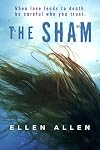
3.5*
The premise of Ellen Allen’s novel, The Sham is good and the twist is believable. There was sufficient foreshadowing woven into the story to keep the reader engaged. Overall, the writing was quite strong with only minor typos and one incident of POV switching. Allen did a solid job developing Emily, the protagonist, and the descriptive settings were well done.
I would have enjoyed seeing Emily’s back story further developed because I found the novel disjointed, forcing me to backtrack to see if I missed something. Adding to some of the confusion was that two supporting characters have similar names–Becca & Rebecca–and Becca speaks in questions. Although this was a stylist approach by Allen to illustrate the personality, it made the writing hard to digest in places.
The novel begins with the ending, which is always a fun approach that keeps the reader guessing. However, there seemed to be a continuity issue. As I read along, I had trouble imagining when the beginning could have occurred given the circumstances surrounding the end.
For a debut novel, The Sham has the bones. I do feel it would have benefited from some structural tweaks, which is something I’m confident Allen will master.
The premise of Ellen Allen’s novel, The Sham is good and the twist is believable. There was sufficient foreshadowing woven into the story to keep the reader engaged. Overall, the writing was quite strong with only minor typos and one incident of POV switching. Allen did a solid job developing Emily, the protagonist, and the descriptive settings were well done.
I would have enjoyed seeing Emily’s back story further developed because I found the novel disjointed, forcing me to backtrack to see if I missed something. Adding to some of the confusion was that two supporting characters have similar names–Becca & Rebecca–and Becca speaks in questions. Although this was a stylist approach by Allen to illustrate the personality, it made the writing hard to digest in places.
The novel begins with the ending, which is always a fun approach that keeps the reader guessing. However, there seemed to be a continuity issue. As I read along, I had trouble imagining when the beginning could have occurred given the circumstances surrounding the end.
For a debut novel, The Sham has the bones. I do feel it would have benefited from some structural tweaks, which is something I’m confident Allen will master.
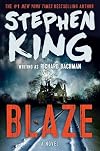
A different type of novel with an honest forward from King regarding his reasons for releasing it. It's tough not to emphasize with the main character, and the strength of Blaze made this an enjoyable read. Although it shifts from past to present, it's done in such a way that the structure and pacing is solid.
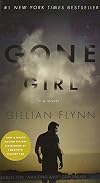
What a disappointing read.
First, there were formatting errors (missing paragraph breaks), typos blase (missing accent) & dropped words on edge of town (missing the), every girl was supposed to this girl (missing be).
Gone Girl is poorly paced and structured. The table of contents titles Part Three: “Boy Gets Girl Back”. You haven’t read the first chapter and have been told the ending. This “telling” pattern of writing was ubiquitous. Instead of developing effective foreshadowing, the author tells the reader what’s coming, which made the pace drag due to predictability. By page 25, the author has announces that Amy likes mind games, eliminating any opportunity for a mid-point revelation.
I found the characters predictable, one-dimensional caricatures. Flynn portrays husband Nick Dunn as a fool during the beginning of the book, abruptly switches to describing him as a selfish jerk, and concludes by turning him into a victim. Considering the book is written 1st person through Nick’s and Amy’s POVs, the flashes of insight were unbelievable.
The plot was also unbelievable. When Nick contacts the police regarding his missing wife, she hasn’t been gone for two days. There is little reason to suspect foul play. It is absurd to think that any police division would assign detectives to the case and involve expensive forensic specialists. This was just one of many things that made no sense. Portraying the police as incompetent was a lazy way to avoid using show more creativity to drive forward the plot.
I expected much more and wouldn't recommend this book. show less
First, there were formatting errors (missing paragraph breaks), typos blase (missing accent) & dropped words on edge of town (missing the), every girl was supposed to this girl (missing be).
Gone Girl is poorly paced and structured. The table of contents titles Part Three: “Boy Gets Girl Back”. You haven’t read the first chapter and have been told the ending. This “telling” pattern of writing was ubiquitous. Instead of developing effective foreshadowing, the author tells the reader what’s coming, which made the pace drag due to predictability. By page 25, the author has announces that Amy likes mind games, eliminating any opportunity for a mid-point revelation.
I found the characters predictable, one-dimensional caricatures. Flynn portrays husband Nick Dunn as a fool during the beginning of the book, abruptly switches to describing him as a selfish jerk, and concludes by turning him into a victim. Considering the book is written 1st person through Nick’s and Amy’s POVs, the flashes of insight were unbelievable.
The plot was also unbelievable. When Nick contacts the police regarding his missing wife, she hasn’t been gone for two days. There is little reason to suspect foul play. It is absurd to think that any police division would assign detectives to the case and involve expensive forensic specialists. This was just one of many things that made no sense. Portraying the police as incompetent was a lazy way to avoid using show more creativity to drive forward the plot.
I expected much more and wouldn't recommend this book. show less
Hirsch is a talented writer, there is no question about that. His protagonist, Pete Silone, is well-developed, his writing is strong and his descriptive narrative and dialogue is well executed. Set in Gilchrist, Kentucky the scenes are vividly described and the topical research is good. Many aspects of Kentucky Bestiary are reminiscent of James Lee Burke.
My issue lies in the structure of this novel. A little more than half way through, Hirsch shifts from mystery/crime genre to fantasy horror. Although his foreshadowing tried to set the stage for this transformation, it was too sudden and disjointed. At the end of this bizarre horror chapter, Hirsch abruptly returns to the mystery/crime aspect of the story. Having enjoyed the beginning of the novel and, the situations surrounding meth distribution, I found the voyage into horror absurd. That is not to say that Hirsch’s writing wasn’t imaginative. It simply did not fit with the plot line.
My issue lies in the structure of this novel. A little more than half way through, Hirsch shifts from mystery/crime genre to fantasy horror. Although his foreshadowing tried to set the stage for this transformation, it was too sudden and disjointed. At the end of this bizarre horror chapter, Hirsch abruptly returns to the mystery/crime aspect of the story. Having enjoyed the beginning of the novel and, the situations surrounding meth distribution, I found the voyage into horror absurd. That is not to say that Hirsch’s writing wasn’t imaginative. It simply did not fit with the plot line.
The topical content of Last Straw by David Rheem Jarrett is good. Many people can relate to the desperation surrounding the loss of financial security when the market tanks. The overall plot is interesting and Jarrett did a decent job developing his main character, Thomas Pickering.
There are issues with Jarrett’s supporting characters, Mike Kingman and Tess Brogan. It was tough to swallow that an educated and ambitious officer, such as Kingman, would frequently present himself as an unprofessional, hormonal adolescent. This secondary storyline dragged the pacing and took away from the suspense.
Although the novel appears to be written in 3rd person subjective narrative, in a number of places, Jarrett switches from one character’s POV to another mid-scene. This interfered with reading ease, as did multiple grammatical and spelling errors.
There are issues with Jarrett’s supporting characters, Mike Kingman and Tess Brogan. It was tough to swallow that an educated and ambitious officer, such as Kingman, would frequently present himself as an unprofessional, hormonal adolescent. This secondary storyline dragged the pacing and took away from the suspense.
Although the novel appears to be written in 3rd person subjective narrative, in a number of places, Jarrett switches from one character’s POV to another mid-scene. This interfered with reading ease, as did multiple grammatical and spelling errors.
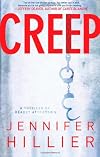
There is a dropped word on the second page: “... he was going react to...” Disappointing for a novel published by a division of Simon & Schuster.
Creep by Jennifer Hillier is the story of Sheila, a psychology professor at Seattle's Puget Sound University. After accepting Morris’s proposal of marriage, Sheila ends a three-month sexual relationship with her teaching assistant. In this debut novel, I suspect Hillier’s intention was to portray the protagonist as a flawed person overcoming adversity. Instead, Sheila appears selfish because the character wasn’t fully developed.
As the story progresses, we’re introduced to Sheila’s therapist friend, Annie. Rather than leaving the women as friends, Hillier put these characters into a client-therapist relationship. Later, Annie discloses to an outside party what Sheila shared in therapy. This was an unnecessary complication. Had the relationship between the two been friendship, rather than professional, it would have created more conflict and suspense while avoiding an unrealistic breach of confidence.
Hillier’s voice and writing style is strong for a debut author, and the plot is fairly well structured. However, her use of “kill room” and its description is identical to Dexter. Hillier does nothing to justify the similarity. The pacing takes a major hit when, fifty pages before the end, a cameo character utters a line that tells the reader what the final twist will be. There was no value add for having this show more “foreshadowing”, and it ruined the last fifty pages of the book.
This is a light and entertaining read, but if you’re looking for a thriller, Creep lacks originality and falls short of the key elements for that genre. show less
Creep by Jennifer Hillier is the story of Sheila, a psychology professor at Seattle's Puget Sound University. After accepting Morris’s proposal of marriage, Sheila ends a three-month sexual relationship with her teaching assistant. In this debut novel, I suspect Hillier’s intention was to portray the protagonist as a flawed person overcoming adversity. Instead, Sheila appears selfish because the character wasn’t fully developed.
As the story progresses, we’re introduced to Sheila’s therapist friend, Annie. Rather than leaving the women as friends, Hillier put these characters into a client-therapist relationship. Later, Annie discloses to an outside party what Sheila shared in therapy. This was an unnecessary complication. Had the relationship between the two been friendship, rather than professional, it would have created more conflict and suspense while avoiding an unrealistic breach of confidence.
Hillier’s voice and writing style is strong for a debut author, and the plot is fairly well structured. However, her use of “kill room” and its description is identical to Dexter. Hillier does nothing to justify the similarity. The pacing takes a major hit when, fifty pages before the end, a cameo character utters a line that tells the reader what the final twist will be. There was no value add for having this show more “foreshadowing”, and it ruined the last fifty pages of the book.
This is a light and entertaining read, but if you’re looking for a thriller, Creep lacks originality and falls short of the key elements for that genre. show less

I was on the fence on rating this novel 3.5 or 4. I settled on 4 because Ty Patterson tells a great story. He’s imaginative and his writing is good. Although the subject is not unique, it is topical in nature and the research supports the storyline.
The Warrior is an action/adventure with a side of espionage. We meet Major Zeb Carter on a Congo recon mission where he witnesses horrific events that the US Government later tries to cover up. Although Zeb is a stereotypical hero, Patterson handles the beginning descriptive narrative well. The opening scene bonds the reader to the protagonist through moral outrage. The plot moves to New York where numerous supporting characters emerge. These characters felt under developed. In some cases, they fit with the story premise but it was tough to relate to them, visualize their physical attributes or understand their interpersonal relationships. As a reader, I didn’t feel an emotional connection to any of them, although a couple had great potential.
The distribution of action scenes across the novel is good, resulting in a well paced story. However, the prolonged outcome prose between is choppy, and the declarative writing style feels like actor directions in a screenplay. This is a debut novel, and I hope that in the next we see a smoother transition so these passages flow better.
If you’re a fan of action/hero books, I’d recommend The Warrior and will look forward to Patterson’s next novel.
The Warrior is an action/adventure with a side of espionage. We meet Major Zeb Carter on a Congo recon mission where he witnesses horrific events that the US Government later tries to cover up. Although Zeb is a stereotypical hero, Patterson handles the beginning descriptive narrative well. The opening scene bonds the reader to the protagonist through moral outrage. The plot moves to New York where numerous supporting characters emerge. These characters felt under developed. In some cases, they fit with the story premise but it was tough to relate to them, visualize their physical attributes or understand their interpersonal relationships. As a reader, I didn’t feel an emotional connection to any of them, although a couple had great potential.
The distribution of action scenes across the novel is good, resulting in a well paced story. However, the prolonged outcome prose between is choppy, and the declarative writing style feels like actor directions in a screenplay. This is a debut novel, and I hope that in the next we see a smoother transition so these passages flow better.
If you’re a fan of action/hero books, I’d recommend The Warrior and will look forward to Patterson’s next novel.
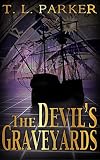
The Devil’s Graveyard is an ambitious debut novel. The story opens with Henry Mansfield returning home to discover his wife has left him. Broken hearted, Henry throws himself into his work at D.I.R.E, an exploration company he developed with his childhood friend and partner Ray Hoffman. When a health issue forces Henry to consider retirement, he’s faced with the reality that Hoffman is not to be trusted.
The research behind this techno-thriller is good, and Parker has managed to create a believable plot that is rich with history and well described settings. Due to a huge cast of characters placed in settings that jump around in time, the first 3rd of the book is difficult to follow. The story would have been easier to digest had the book opened with current circumstances, allowing the reader to grasp the context behind the leaps in time. That slight restructuring technique would have enabled a smoother introduction of the many characters while highlighting the premise of the plot.
An impressive first novel that I would recommend.
The research behind this techno-thriller is good, and Parker has managed to create a believable plot that is rich with history and well described settings. Due to a huge cast of characters placed in settings that jump around in time, the first 3rd of the book is difficult to follow. The story would have been easier to digest had the book opened with current circumstances, allowing the reader to grasp the context behind the leaps in time. That slight restructuring technique would have enabled a smoother introduction of the many characters while highlighting the premise of the plot.
An impressive first novel that I would recommend.
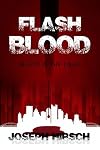
4.5*
Dan Maple meets Thaddeus Smith at a Veteran rehabilitation centre. When Smith disappears, Maple hires PI James Arklow to find him. The peculiarities surrounding why Maple wants to locate the missing man is bizarre, but the generous fee entices the semi-retired PI to put his writing aspirations on hold. When James Bender, a PI wannabe, offers Arklow his services in exchange for a short apprenticeship, we find ourselves caught up in a unique partnership. The well-constructed relationship between the protagonist and sidekick allows the reader to bond with both on a personal level. Hirsch has done an outstanding job with both these characters. His secondary characters are solid additions to his cast, and the pacing and introduction of characters is excellent.
Flash Blood unravels against a rich backdrop of beautifully described settings in Cincinnati, Pittsburgh and Las Vegas. The descriptive narrative skilfully illustrates settings as dark as Leavenworth Prison and as airy as a snow-capped mountain chalet in Nevada.
Hirsch’s solid research and talent at creating emotional characters and vividly portrayed settings complement his imaginative plot. Although Flash Blood crosses horror and mystery genres, Hirsch’s plotline and premise is well structured. My only issue was the last scene. The characters' behaviour contradicted what Hirsch had shown to the reader throughout the novel. Cutting that final conflict wouldn’t have hindered the summation of the story.
Flash show more Blood by Joseph Hirsch is an unorthodox mystery with a dash of traditional horror that I would recommend to mystery-thriller buffs. show less
Dan Maple meets Thaddeus Smith at a Veteran rehabilitation centre. When Smith disappears, Maple hires PI James Arklow to find him. The peculiarities surrounding why Maple wants to locate the missing man is bizarre, but the generous fee entices the semi-retired PI to put his writing aspirations on hold. When James Bender, a PI wannabe, offers Arklow his services in exchange for a short apprenticeship, we find ourselves caught up in a unique partnership. The well-constructed relationship between the protagonist and sidekick allows the reader to bond with both on a personal level. Hirsch has done an outstanding job with both these characters. His secondary characters are solid additions to his cast, and the pacing and introduction of characters is excellent.
Flash Blood unravels against a rich backdrop of beautifully described settings in Cincinnati, Pittsburgh and Las Vegas. The descriptive narrative skilfully illustrates settings as dark as Leavenworth Prison and as airy as a snow-capped mountain chalet in Nevada.
Hirsch’s solid research and talent at creating emotional characters and vividly portrayed settings complement his imaginative plot. Although Flash Blood crosses horror and mystery genres, Hirsch’s plotline and premise is well structured. My only issue was the last scene. The characters' behaviour contradicted what Hirsch had shown to the reader throughout the novel. Cutting that final conflict wouldn’t have hindered the summation of the story.
Flash show more Blood by Joseph Hirsch is an unorthodox mystery with a dash of traditional horror that I would recommend to mystery-thriller buffs. show less
A Night Inn Hell by John RK Powell is a story set in 1898 at a country inn outside Wales. Peter and Stella Stokes are struggling financially to keep their inn due to the difficulty visitors have in navigating dangerous roads in order to reach them. A police officer approaches Peter with a tempting financial proposition, which could allow the Stokes to continue the life they love. Unfortunately, Peter must agree to compromise his moral integrity and keep secrets from his wife.
This is an ambitious effort by a young author, and the plot is an interesting concept. There are technical issues with the structure and pacing that compromises the reading ease. The balance between action, dialogue and narrative is uneven, which drags the pace of the story. I was unable to determine a clear antagonist. Jack the Ripper plays an original role but that plotline stalls while less interesting ones receive more attention. Although Powell strongly renders the protagonists, Peter & Stella, the supporting characters are weak in places. Part of the issue is colloquialisms that don’t suit the period, such as “You two make me sick” and “She was about to blow that out of the water.” The lack of contractions in the writing style contributes to stiff dialogue that feels robotic in places.
This is a good first effort by a young author. I would encourage the use of a qualified proof reader and editor in the future. There were over twenty typos and an editor could have tightened up the show more scenes to create suspense and made the foreshadowing more subtle to support revelations. show less
This is an ambitious effort by a young author, and the plot is an interesting concept. There are technical issues with the structure and pacing that compromises the reading ease. The balance between action, dialogue and narrative is uneven, which drags the pace of the story. I was unable to determine a clear antagonist. Jack the Ripper plays an original role but that plotline stalls while less interesting ones receive more attention. Although Powell strongly renders the protagonists, Peter & Stella, the supporting characters are weak in places. Part of the issue is colloquialisms that don’t suit the period, such as “You two make me sick” and “She was about to blow that out of the water.” The lack of contractions in the writing style contributes to stiff dialogue that feels robotic in places.
This is a good first effort by a young author. I would encourage the use of a qualified proof reader and editor in the future. There were over twenty typos and an editor could have tightened up the show more scenes to create suspense and made the foreshadowing more subtle to support revelations. show less
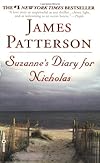
Hated it. Sorry... way to mushy and boo-hoo for my taste. That is not to say it wasn't well-written. Patterson can write. It's simply not a genre I enjoy or was expecting from him.
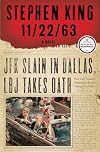
I'm a King addict. The research on this novel is spot-on. Interesting the way he managed to take actual facts and roll them into something that is educational as well as great make-believe.
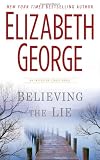
I enjoy multiple POVs in a book as it allows the reader to glimpse into the minds of all the characters, rather than focusing solely on the protagonist's point of view. I also like series that feature strong secondary characters. This delivered on both.
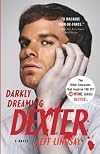
Admit I watched the TV series before reading the books. Lindsay's humour is dry, which I like, and I was pleased to discover that the books deviate from the TV series.
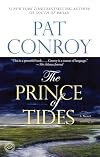
This is one of my summer classics because I re-read it every summer. Conroy's descriptive passages are amazing.
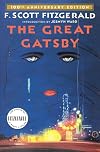
Read it at least once a year, you'll be surprised by how much more you take away.
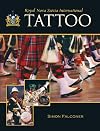
spectacular photography and well written copy. A lovely coffee table book that people actually pick up and read.

Deadly Thyme is a mystery set in a quaint Britain village that follows the investigation into the abduction and imprisonment of a ten-year-old girl.
Although the first few pages of the novel disclose why the girl was taken and where she is, this did not deflect from the mystery because the antagonist’s true name is not revealed. You are kept guessing who it might be, and there are a number of suspects woven into the plot.
Nolan managed the multiple point of views well, allowing the reader a peek into key characters’ perspectives by clearly illustrating their unique thought patterns. She managed to show the antagonist without giving enough clues to easily surmise the identity. However, there were two short passages where the story switched to omniscient narrator, which felt a bit disjointed. Nevertheless, the characters were all described very well – unique quirks and all. Spots of humour brought interesting insights into each character’s personality, effectively creating a diverse cast. I found some of the dialogue stiff in places, felt like overkill to include British slang and regional dialect, but the descriptions of the settings were imaginative and well-researched.
I would recommend this novel to mystery buffs and would read another book by this author.
Although the first few pages of the novel disclose why the girl was taken and where she is, this did not deflect from the mystery because the antagonist’s true name is not revealed. You are kept guessing who it might be, and there are a number of suspects woven into the plot.
Nolan managed the multiple point of views well, allowing the reader a peek into key characters’ perspectives by clearly illustrating their unique thought patterns. She managed to show the antagonist without giving enough clues to easily surmise the identity. However, there were two short passages where the story switched to omniscient narrator, which felt a bit disjointed. Nevertheless, the characters were all described very well – unique quirks and all. Spots of humour brought interesting insights into each character’s personality, effectively creating a diverse cast. I found some of the dialogue stiff in places, felt like overkill to include British slang and regional dialect, but the descriptions of the settings were imaginative and well-researched.
I would recommend this novel to mystery buffs and would read another book by this author.
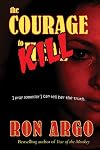
This would have been a 4 star rating if not for several grammatical and spelling errors – “There demeanor rigid, like prisoners” - and awkward bits that would have benefited from copy proofing – “She might not should have.” Verb tense shifting within single sentences was jarring – “He said hi to Richie and ask if he made pictures today”, “Max Cullen only look bored waving him over”. If this is not something that personally bothers you while reading a book, The Courage to Kill is an entertaining read.
Set in San Diego, the plot rotates around a disturbed young woman accused of murdering her father. She has no recollection of the crime. She did, however, loath her father due to recovered memories of childhood sexual abuse. An investigative reporter, Myers, covers the story and becomes caught between professional reporting and personal feelings toward the accused and events.
Recovered-memory therapy remains a controversial subject that uses unproven interviewing techniques, often by a questionably educated therapist. Argo does a good job of showing the impact of RMT in layman’s terms, without the writing being instructional. His research is strong, and it adds to the suspense of the plot. His characters are interesting and well developed. For the most part, his dialogue is strong. There are parts that feel as if he wrote them in a rush, and Argo occasionally loses his voice.
This is a typical “whodunit” that has a strong mystery component.
Set in San Diego, the plot rotates around a disturbed young woman accused of murdering her father. She has no recollection of the crime. She did, however, loath her father due to recovered memories of childhood sexual abuse. An investigative reporter, Myers, covers the story and becomes caught between professional reporting and personal feelings toward the accused and events.
Recovered-memory therapy remains a controversial subject that uses unproven interviewing techniques, often by a questionably educated therapist. Argo does a good job of showing the impact of RMT in layman’s terms, without the writing being instructional. His research is strong, and it adds to the suspense of the plot. His characters are interesting and well developed. For the most part, his dialogue is strong. There are parts that feel as if he wrote them in a rush, and Argo occasionally loses his voice.
This is a typical “whodunit” that has a strong mystery component.