
Reisehandbuch von Karl Baedeker mit 14 Planen und 102 Zeichnungen. 22 Auflage
Interesting early references to Western and Soviet Zones
Interesting early references to Western and Soviet Zones

by Jr. Jerome S. Legge,
Manya Strunsky, better known under her maiden name of Manya Gordon, was a social activist and a respected writer on political and social issues.
Born in Kiev around 1882, she and her family immigrated to New York City in 1896. In her early years, she was educated at home; she later attended history and drama classes at Columbia University.
As a young woman, she was active in the American branch of the Russian Socialist Revolutionary Party, advocating the overthrow of the czar. More important, she became involved in the effort to bring Jews from czarist Russia to the United States during the peak years of Eastern European Jewish immigration. Once the immigrants were on American soil, Strunsky helped them to become settled and find employment.
After the Bolshevik Revolution in 1917, she wrote a number of articles about the new communist nation for such prestigious journals as Harper’s Magazine, the North American Review, and the Forum. In later years, she was a literary critic for the Saturday Review of Literature.
She married journalist Simeon Strunsky, a member of the editorial board of the New York Times. The couple had two children, Robert and Frances.
Strunsky’s scholarly reputation (or, more accurately, notoriety) largely rested on two major works that she published toward the end of her life. Workers Before and After Lenin (1941) is a highly readable account of the economic conditions prior to and following the Russian Revolution. Strunsky’s show more sympathies for the aims of the communists are obvious; however, the book is empirical and objective, and she spares no harsh criticism of Lenin and Stalin’s repressive tactics. Her second book, How to Tell Progress from Reaction, was published in 1944.
She died in New Canaan, Connecticut, on December 28, 1945.
SELECTED WORKS BY MANYA GORDON STRUNSKY
How to Tell Progress from Reaction (1944); Workers Before and After Lenin (1941).
Bibliography
AJYB, 48:501; Obituary. NYTimes, December 29, 1945.
More on: Communism, Economics, Immigration, Socialism, Journalism, Non-Fiction show less
Manya Strunsky, better known under her maiden name of Manya Gordon, was a social activist and a respected writer on political and social issues.
Born in Kiev around 1882, she and her family immigrated to New York City in 1896. In her early years, she was educated at home; she later attended history and drama classes at Columbia University.
As a young woman, she was active in the American branch of the Russian Socialist Revolutionary Party, advocating the overthrow of the czar. More important, she became involved in the effort to bring Jews from czarist Russia to the United States during the peak years of Eastern European Jewish immigration. Once the immigrants were on American soil, Strunsky helped them to become settled and find employment.
After the Bolshevik Revolution in 1917, she wrote a number of articles about the new communist nation for such prestigious journals as Harper’s Magazine, the North American Review, and the Forum. In later years, she was a literary critic for the Saturday Review of Literature.
She married journalist Simeon Strunsky, a member of the editorial board of the New York Times. The couple had two children, Robert and Frances.
Strunsky’s scholarly reputation (or, more accurately, notoriety) largely rested on two major works that she published toward the end of her life. Workers Before and After Lenin (1941) is a highly readable account of the economic conditions prior to and following the Russian Revolution. Strunsky’s show more sympathies for the aims of the communists are obvious; however, the book is empirical and objective, and she spares no harsh criticism of Lenin and Stalin’s repressive tactics. Her second book, How to Tell Progress from Reaction, was published in 1944.
She died in New Canaan, Connecticut, on December 28, 1945.
SELECTED WORKS BY MANYA GORDON STRUNSKY
How to Tell Progress from Reaction (1944); Workers Before and After Lenin (1941).
Bibliography
AJYB, 48:501; Obituary. NYTimes, December 29, 1945.
More on: Communism, Economics, Immigration, Socialism, Journalism, Non-Fiction show less

A gem for those who are interested in regional Russian traditional cooking and the intersections between Jewish, Middle Eastern and Southern Russian cuisines. Included are recipes, times and proportions for the traditional "obed" for between 250-300 people.

One of 48 copies printed for compilers of the iconic cookbook. sugned and dedicated by "Betty Crocker". This copy showcased on "Antiques Roadshow" July, 2011.
http://zagarins.net/jg/jg21/index.html
Arnolds Spekke. Baltijas jūra senajās kartēs, Zelta Ābele
Vieni krāj grāmatas, monētas, gleznas. Citi - tauriņus un porcelānu. Profesors A. Spekke, kā grāmatas mūs apciemo laiku pa laikam ļoti glītajos Zelta Ābeles izdevumos, var lepoties ar vērtīgu seno karšu un to reprodukciju kolekciju. Tādēļ arī viņa jaunākā grāmata par senajām kartēm un to, kā sveštautieši skatījuši un iztēlojuši mūsu zemi un tās kontūras, nenāk kā pārsteigums. A. Spekki vienmēr interesējusi kartografija. Šo mīlestību labi varēja manīt viņa "Dzintara ceļos". Pārsteigums ir cits - nopietnā zinātnieka nopietnais darbs tik interesanti uzrakstīts, ka lasās viegli un saistīgi kā Vollesa kriminālromāns vai romāns par jūŗas laupītājiem! Autora stils, rakstot par cilvēkiem, kuŗi domāja, ka zemes virsa ir sfairiska, laimīgi izvēlēts. Stāstus par to, kā kādreiz vilka platuma un garuma gradu līnijas, autors savij ar leģendām, anekdotiem un citātiem.
Gandrīz kā Manceļa sprediķi var lasīt, ko un kā rietumu ģeografi rakstīja par mūsu zemi laikā, kad Jeruzālemi uzskatīja par pasaules centru, paradīzi iztēloja kaut kur austrumos un elli - zemes iekšienē. (Viens otrs vēl tagad aizstāv šo uzskatu!) Tā par Daugavu vecas kartes paskaidrojumos lasām: "izcēlusies Krievijā, pēc ļoti gaŗas tecēšanas, izgājusi cauri arī Lietuvai un Livonijai, tā beidzot, divu jūdžu atstatumā no show more Rīgas, pazūd Livonijas jūŗas līcī un Belt'as jūrā. " (Cik daudz mēs starplaikā esam mācījušies, liecina rakstiņš nesenā trimdas izdevumā, kas mudina neaizmirst "latviešu zemi Dzintarjūras krastos, kuŗu apskalo Baltijas jūŗa.")
Pieskaŗoties Livonijas iedzīvotāju parašām un ticējumiem, autors citē Livonijas humānistu eksotiku: "Viņi godina arī dažus redzamus garus, kuŗus prūšu valodā sauc par Gultky; viņi domā, ka tie dzīvo māju iekšienē vai malku grēdās. Viņi tos uzmanīgi baro ar visāda veida barību, kuŗu tie zagšus paņem no citu klētīm. Kāda aizgājēja apglabāšanas gadījumā, viņi rīko lielas svinības un dzīro ap aizgājēju; viņi to aicina dzert, lejot daļu viņam virsū, tad viņi to liek kapā, un lai viņam palīdzētu, tie dod tam līdzi cirvi, drusku dzēriena un ēdiena, arī dažus naudas gabalus, lai tam būtu ceļam, un tad viņi visi sauc: ej uz citu pasauli, lai dotu pavēles vāciešiem (Teutons), kā tie pavēlējuši tev un tavējiem."
Grāmatā daudz attēlu - senās kartes. Gan tādas, kas jāskatās ar kreisajiem sāniem augšā, gan ar apakšu augšā. Visvērtīgākais liekas Olava Magna ikonografiskās kartes izgriezums, kas sniedz dzīvu ieskatu par tā laika (1539. gada) dzīves un dzīves izpratnes veidu Ziemeļeiropā.
Protams, grāmata par kartografiju nebūs tik populāra, lai to lasītu, braucot uz jaunatnes dienām vai laika kavēklim, bet tiem, kas nākotni sapņodami, pagātni cienī, glītais izdevums sagādās prieku. Ir lasīti daudzi sausu speciālistu vēstījumi speciālistiem. A. Spekkes darbs ir dzīvs, tuvs. Īsts zinātnieks nebaidās kļūt "nezinātnisks," un rezultātā grāmata, ko negribas nolikt neizlasītu.
L. Zandbergs show less
Arnolds Spekke. Baltijas jūra senajās kartēs, Zelta Ābele
Vieni krāj grāmatas, monētas, gleznas. Citi - tauriņus un porcelānu. Profesors A. Spekke, kā grāmatas mūs apciemo laiku pa laikam ļoti glītajos Zelta Ābeles izdevumos, var lepoties ar vērtīgu seno karšu un to reprodukciju kolekciju. Tādēļ arī viņa jaunākā grāmata par senajām kartēm un to, kā sveštautieši skatījuši un iztēlojuši mūsu zemi un tās kontūras, nenāk kā pārsteigums. A. Spekki vienmēr interesējusi kartografija. Šo mīlestību labi varēja manīt viņa "Dzintara ceļos". Pārsteigums ir cits - nopietnā zinātnieka nopietnais darbs tik interesanti uzrakstīts, ka lasās viegli un saistīgi kā Vollesa kriminālromāns vai romāns par jūŗas laupītājiem! Autora stils, rakstot par cilvēkiem, kuŗi domāja, ka zemes virsa ir sfairiska, laimīgi izvēlēts. Stāstus par to, kā kādreiz vilka platuma un garuma gradu līnijas, autors savij ar leģendām, anekdotiem un citātiem.
Gandrīz kā Manceļa sprediķi var lasīt, ko un kā rietumu ģeografi rakstīja par mūsu zemi laikā, kad Jeruzālemi uzskatīja par pasaules centru, paradīzi iztēloja kaut kur austrumos un elli - zemes iekšienē. (Viens otrs vēl tagad aizstāv šo uzskatu!) Tā par Daugavu vecas kartes paskaidrojumos lasām: "izcēlusies Krievijā, pēc ļoti gaŗas tecēšanas, izgājusi cauri arī Lietuvai un Livonijai, tā beidzot, divu jūdžu atstatumā no show more Rīgas, pazūd Livonijas jūŗas līcī un Belt'as jūrā. " (Cik daudz mēs starplaikā esam mācījušies, liecina rakstiņš nesenā trimdas izdevumā, kas mudina neaizmirst "latviešu zemi Dzintarjūras krastos, kuŗu apskalo Baltijas jūŗa.")
Pieskaŗoties Livonijas iedzīvotāju parašām un ticējumiem, autors citē Livonijas humānistu eksotiku: "Viņi godina arī dažus redzamus garus, kuŗus prūšu valodā sauc par Gultky; viņi domā, ka tie dzīvo māju iekšienē vai malku grēdās. Viņi tos uzmanīgi baro ar visāda veida barību, kuŗu tie zagšus paņem no citu klētīm. Kāda aizgājēja apglabāšanas gadījumā, viņi rīko lielas svinības un dzīro ap aizgājēju; viņi to aicina dzert, lejot daļu viņam virsū, tad viņi to liek kapā, un lai viņam palīdzētu, tie dod tam līdzi cirvi, drusku dzēriena un ēdiena, arī dažus naudas gabalus, lai tam būtu ceļam, un tad viņi visi sauc: ej uz citu pasauli, lai dotu pavēles vāciešiem (Teutons), kā tie pavēlējuši tev un tavējiem."
Grāmatā daudz attēlu - senās kartes. Gan tādas, kas jāskatās ar kreisajiem sāniem augšā, gan ar apakšu augšā. Visvērtīgākais liekas Olava Magna ikonografiskās kartes izgriezums, kas sniedz dzīvu ieskatu par tā laika (1539. gada) dzīves un dzīves izpratnes veidu Ziemeļeiropā.
Protams, grāmata par kartografiju nebūs tik populāra, lai to lasītu, braucot uz jaunatnes dienām vai laika kavēklim, bet tiem, kas nākotni sapņodami, pagātni cienī, glītais izdevums sagādās prieku. Ir lasīti daudzi sausu speciālistu vēstījumi speciālistiem. A. Spekkes darbs ir dzīvs, tuvs. Īsts zinātnieks nebaidās kļūt "nezinātnisks," un rezultātā grāmata, ko negribas nolikt neizlasītu.
L. Zandbergs show less
Yiddish Cuisine: A Gourmet Approach to Jewish Cooking by Sternberg, Robert published by Jason Aronson, Inc. Paperback by Robert Sternberg

Very useable, thoughtful basic ashkie recipes that turn out right. Carrot soup is excellent.
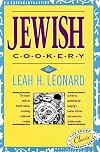
May be a translation, of sorts of the following:
Franko Lukež & Branko Lovrić, Cucina Istriana, Petko (Pula, 1994)
Has groovy, 3-color fold-out cardboard map on the reverse of recipe index.
Franko Lukež & Branko Lovrić, Cucina Istriana, Petko (Pula, 1994)
Has groovy, 3-color fold-out cardboard map on the reverse of recipe index.
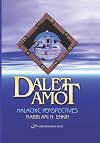
I disliked this book rather intensely. It was the worst combination of halachic know-it-all-ism with the 15 second attention span of a diabetic at a Viennese table. Don't waste your time at this second-rate smörgåsbord of Jewish traditions and customs: go to better and more expansive sources.
 This review was written for LibraryThing Early Reviewers.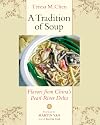
This book is not only an excellent introduction to the unique cooking of Canton and, specifically, the Pearl River Region, it is a fine starting point for learning about the relationship between traditional Chinese medicine (TCM) and food. The recipes are clear and the ingredients well explained and illustrated. The only negative is that the Chinese characters are often the unsimplified ones used in the non-Mainland community. But this is a picky detail - for novice and more advanced cook and student of Chinese culture and cooking, this book is a treasure. Bonus points because the book talks about the cooking in the California river deltas, specifically Locke.
This review was written for LibraryThing Early Reviewers.
This is an interesting addition to Jewish cookbooks, mostly as it addresses contemporary British Jewish cooking - a fairly underexposed topic. The book includes Jewish standbys, such as cheesecake and salt beef (corned beef to us on this side of the pond), but also has some interesting more British standbys, including variations on fried fish (more of an English Jewish shabbat standard), easy trifle (though I'm not entirely sure where one readily gets kosher jelly rolls in the interior US), and an old favorite, Kedergee. An added plus is the Yiddish-English glossary - worth looking at for the British pronunciations of old favorites, if nothing else. The graphics are retro-chick cute and it would make a nice gift.
This review was written for LibraryThing Early Reviewers.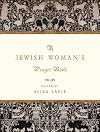
A compelling collection of Jewish women's private devotions compiled by a political scientist at Bar-Ilan University. An expanded translation of 2005's Tefillat Nashim, this work focuses on events of importance in the lifecycle of Jewish women, as well as the major holidays. Most texts are in Hebrew and English, with the occasional addition of a Yiddish text. The sources for the prayers are not exclusively Ashkenazi - Sephardic communities and traditions are well represented.
There have been books of Jewish women's prayers and devotions for several centuries. However, these were often little known outside of their communities of origin, published privately, or in limited distribution (with some exceptions, such as Fanny Neuda's devotional book). "A Jewish Woman's Prayer Book" attempts to address this question, as well as including some humanistic and universal prayers alongside more traditional and/or conservative wording. it is accessible to scholars and layfolk alike and the bibliography is an excellent starting point for researchers wishing to go further with the topic. The book should be in general release by Nov. 2008 and would be a good choice for both individual and institutional purchases.
- S. Larson Lewis 3 NOV 2008
There have been books of Jewish women's prayers and devotions for several centuries. However, these were often little known outside of their communities of origin, published privately, or in limited distribution (with some exceptions, such as Fanny Neuda's devotional book). "A Jewish Woman's Prayer Book" attempts to address this question, as well as including some humanistic and universal prayers alongside more traditional and/or conservative wording. it is accessible to scholars and layfolk alike and the bibliography is an excellent starting point for researchers wishing to go further with the topic. The book should be in general release by Nov. 2008 and would be a good choice for both individual and institutional purchases.
- S. Larson Lewis 3 NOV 2008
Text is available electronically at: http://ibiblio.org/hyperwar/ATO/USGM/EWA.html
Another classic "treyfe" Jewish cookbook, this time from Louisiana. "Jewish gems" and recipes for lobster, crab and pork cheek to cheek reflect on the life and culture of reform Jews in the South.
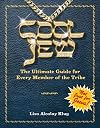
This book is basically "The Preppy Handbook' meets "The Jewish Catalogue III". Generally well-researched and designed to amuse as well as engender pride in the would-be "Jewster", it tends towards an overly hipper-than-thou field guide, rather than a how-to or descriptive analysis. The sections on Kabbalah and "Frumsters" were particularly funny and provocative. Hated the washed out typesetting and color scheme, but that is a detail. If you are looking for a in the moment overview of the Tribe with tongue firmly in cheek, this book is a good place to start.
This review was written for LibraryThing Early Reviewers.
Jacob Freedman Liturgy Research Foundation, 1974. Hard Cover. Book Condition: Very Good. Dust Jacket Condition: Very Good. with a commentary, interpretative translation, introduction, notes, references and bibliography and illustrations in color from rare medieval Haggadah manuscripts. Blue cloth over boards. Gilt on spine. Not price clipped. White dj shows some soiling. DJ in gaylord cover. 14/12/07 $395 - $400 this cond abebooks . 5 dealers MA, CT, NY

Berlin and its environs; handbook for travellers, by Karl Baedeker, with 5 maps and 23 plans by Karl Baedeker

Value 11/07 ca. $160 bdkr.com
Nov 17, 2007German

Das Generalgouvernement Reisehandbüch von Karl Baedeker mit 5 Karten und 6 Stadtplänen by Karl Baedeker

Definitely on the creepy/ghoulish side, this book is a travel guide to those parts of Poland not directly annexed into Germany proper - or "Greater Germany". The edition was published at the invitation (read "command") of the Nazi Governor-General, Hans Frank. There are 3 editions of this book existing from 1943; one edition is undated. They are differentiated by the maps included.
Book Description: W. van Hoeve, 1949. Unknown Binding. Book Condition: GOOD. USED Paperback ~ Good copy with tight binding, clean and crisp pages, clean cover with slight suggestion of dust dulling to edges and some biro marks to front. OCLC(OCoLC)ocm19367241 Commissioning organisation: by S. van der Molen ; adapted for the use of Engl "Good": a copy that has been read but remains in clean condition. All pages are intact. The spine may show signs of wea
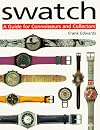
Exc. $35 as such 11/11/07. Book Description: London: Apple, 1999, 1999. Hardcover. Book Condition: As New. Dust Jacket Condition: As New. hbk, 4to. 159 illustr in color ISBN 1850768269 excellent as new.

Chop Suey : A Collection of Simplified Chinese Recipes Adapted for the American Home by Mei-Mei Ling

10/07 - $14-45 this cond. Chop Suey [], Honolulu, HI, 1953. First edition xiii, [1], 34 pp. Text illustrations. 14 cm. x 22 cm. Original yellow pictorial wrappers Light cover stain, some page corners dog-eared, else VG+ The recipes are far more exotic than the title suggests. Yes, there are recipes for chop suey and egg foo young, but there are also preparations using such unusual ingredients as pig's feet and watercress. A fairly early and serious attempt to adapt Chinese cuisine to American kitchens.
Meat and How I Cook It: One hundred eighty-eight recipes selected from thousands submitted by high school girls in by National Meat Story Contest: National Live Stock a
10/07 $8-15 G/VG Soft Cover. Very Good/Very Good. No Edition Stated. National Champion, Miss Pearl Graves of Lemoore, California, a high school student with cute bobbed hair, graces the front page of this charming booklet which contains 188 recipes submitted to the National Meat Story Contest by high school students. Illustrated with drawings showing where on the animal the various cuts of meat are located. Contains recipes for beef, veal ,lamb, pork, ham, sauage, brains, heads, hearts, kidneys, liver, pig's feet, sweetbreads and tongue. Most of them look pretty good too, as well as workable in the modern kitchen -- at least until you reach the section on entrails! What we love are the "unusual and unique" recipes -- for chili con carne, chop suey, Indian curry and tamale pie! 57 pages, plus index.
Minneapolis, MN: The Sisterhood of Temple Israel, 1974. Spiral bound softcover, 101107 - $45 worse condition. VG/E. 244 pages, Index. Light scuffing on cover, some yellow stains on back cover, light creasing at corners, pages clean. From Appetizers to Potpourri, this book is a treasury of Jewish recipes to enjoy every day and especially on holidays. Some examples: Potato Knishes, Keshy Yena (Casserole), Challah, Passover Blintzes + much more.. Soft Cover. Good/No Jacket. 8vo - over 7¾" - 9¾" tall.

Well-written, unusually clear and engaging. 1st work of fiction by and about the Bene Israel of India.

(bio of author): http://www.brown.edu/Research/Breaking_Ground/results.php?d=1&first=Ida%20Th...
IDA THALLON HILL (Mrs. Bert Hodge Hill) died on December 14, 1954, at sea, on her way home to Athens
IDA THALLON HILL (Mrs. Bert Hodge Hill) died on December 14, 1954, at sea, on her way home to Athens