How to Read Nonfiction Like a Professor: A Smart, Irreverent Guide to Biography, History, Journalism, Blogs, and Everything in Between by Thomas C. Foster
I’m particular about the nonfiction books I read. While serving as a high school librarian years ago, I read Thomas Foster’s Twenty-five Books That Shaped America. I enjoyed that one, so I bought this one to see what he had to say about nonfiction.
After an introduction on “Why Critical Reading Matters,” he begins by describing the parts of nonfiction books and the types of nonfiction, then provides a more in-depth look at the kinds of nonfiction book available and evaluate them. Knowing how to appraise them is important because, as Foster points out, no one has time to read a bad book. Nonfiction offers many wonderful things we should explore. But we also need to understand, as he says, “It’s just that…
we can’t always trust what nonfiction offers.”
He ends the book by discussing the internet, social media, and the false information peddled since writing was invented. He provides solid advice for ferreting the inaccuracies, whether due to laziness, mischief-making, or deliberate misrepresentation. Use your critical thinking skills, he urges readers, and actively engage with what you are reading. While his advice isn’t new, it’s solid and has stood the test of time. We all need reminding to be vigilant now and again, especially during our current information overload.
Foster was a long-time English professor, and he developed a way of communicating designed to hold the attention of college students, some of whom were forced to take his classes. His show more communication-style works; at least, it did for me. He’s funny and picks his examples carefully to hold the interest of today’s readers. For instance, he uses books about Donald Trump to illustrate political writing that is good, mediocre, and poor.
If I could, I’d make this required reading for everyone over sixteen in America. I believe it would aid our public discourse. And heaven knows, we could use that right now. I’ve even seen scholars on YouTube who could improve their rhetoric by reading this book. We all need occasional reminders that our words matter. show less
After an introduction on “Why Critical Reading Matters,” he begins by describing the parts of nonfiction books and the types of nonfiction, then provides a more in-depth look at the kinds of nonfiction book available and evaluate them. Knowing how to appraise them is important because, as Foster points out, no one has time to read a bad book. Nonfiction offers many wonderful things we should explore. But we also need to understand, as he says, “It’s just that…
we can’t always trust what nonfiction offers.”
He ends the book by discussing the internet, social media, and the false information peddled since writing was invented. He provides solid advice for ferreting the inaccuracies, whether due to laziness, mischief-making, or deliberate misrepresentation. Use your critical thinking skills, he urges readers, and actively engage with what you are reading. While his advice isn’t new, it’s solid and has stood the test of time. We all need reminding to be vigilant now and again, especially during our current information overload.
Foster was a long-time English professor, and he developed a way of communicating designed to hold the attention of college students, some of whom were forced to take his classes. His show more communication-style works; at least, it did for me. He’s funny and picks his examples carefully to hold the interest of today’s readers. For instance, he uses books about Donald Trump to illustrate political writing that is good, mediocre, and poor.
If I could, I’d make this required reading for everyone over sixteen in America. I believe it would aid our public discourse. And heaven knows, we could use that right now. I’ve even seen scholars on YouTube who could improve their rhetoric by reading this book. We all need occasional reminders that our words matter. show less
I’ve never been to China. After reading the first book in Peter Hessler’s trilogy that chronicles his experiences as an American living in China on the cusp of the 21st century, I now understand that China is so massive geographically that there is no one China. A common history binds the culture, but the social conventions and language can differ depending on where you are.
River Town is about the two years Hessler taught English in Fuling, a remote city in Sichuan in the mountainous center of the nation. As part of the earliest cadre of Peace Corps volunteers to enter China in the 1990s, Hessler was assigned to a small teacher’s college. Most of his students were peasants’ children, and the opportunity to teach school was an honorable advancement for them.
The students were diligent and well-behaved, but Hessler and his fellow volunteer, Adam, made plenty of missteps inside and outside the classroom. The pair learn the local Chinese dialect, make friends in town, and feel like they belong there. But unfolding events prove their confidence and comfort are premature.
I enjoyed this peek into Chinese society in the 1990s. With the newly opened economy, the country only recently allowed outside influences in, and the clash between the cultures was very real. But so was the humanity both sides displayed.
Hessler covers too much ground to examine in a short review. He was there while the nation built the Three Gorges Dam and lamented the imminent loss of the area’s show more beautiful landscapes. But he celebrates the kindnesses and honesty of the residents while denigrating the government propaganda that kept them under control. River Town is a wonderful book for anyone who genuinely enjoys a “slice of life” look at a particular place and time. show less
River Town is about the two years Hessler taught English in Fuling, a remote city in Sichuan in the mountainous center of the nation. As part of the earliest cadre of Peace Corps volunteers to enter China in the 1990s, Hessler was assigned to a small teacher’s college. Most of his students were peasants’ children, and the opportunity to teach school was an honorable advancement for them.
The students were diligent and well-behaved, but Hessler and his fellow volunteer, Adam, made plenty of missteps inside and outside the classroom. The pair learn the local Chinese dialect, make friends in town, and feel like they belong there. But unfolding events prove their confidence and comfort are premature.
I enjoyed this peek into Chinese society in the 1990s. With the newly opened economy, the country only recently allowed outside influences in, and the clash between the cultures was very real. But so was the humanity both sides displayed.
Hessler covers too much ground to examine in a short review. He was there while the nation built the Three Gorges Dam and lamented the imminent loss of the area’s show more beautiful landscapes. But he celebrates the kindnesses and honesty of the residents while denigrating the government propaganda that kept them under control. River Town is a wonderful book for anyone who genuinely enjoys a “slice of life” look at a particular place and time. show less
Since I know nothing about engineering and have around a five percent interest in the topic, I wasn’t sure I would enjoy this book. But I should have known better. It’s written by David McCullough.
I’ve only seen the Brooklyn Bridge once in my life. I was on a tour boat putting around the East River. I thought it was impressive, even though the Manhattan skyline beyond it dwarfs the towers. But in my wildest dreams, I never imagined constructing it was such a feat.
As with most of McCullough’s books, this is about much more than the ostensible subject. Sure, the bridge is the hinge the story hangs upon, but the book is about determination and the extraordinary individuals who made it all happen.
Most of the book focuses on the chief engineer, Washington Roebling, and the intelligence and effort demanded of him despite formidable obstacles placed in his path, beginning with the unfortunate death of his father, the bridge designer John Roebling. I was impressed and humbled to read of the younger Washington’s trials and perseverance.
That’s the thing about the books I’ve read by McCullough. If I had to put my finger on one thing that makes me admire his books, they make me wish to stand a little straighter and try a little harder. Parts of the book describe technical details. I skimmed past those. This book is great for history lovers, engineering fans, and anyone who loves a great story
I’ve only seen the Brooklyn Bridge once in my life. I was on a tour boat putting around the East River. I thought it was impressive, even though the Manhattan skyline beyond it dwarfs the towers. But in my wildest dreams, I never imagined constructing it was such a feat.
As with most of McCullough’s books, this is about much more than the ostensible subject. Sure, the bridge is the hinge the story hangs upon, but the book is about determination and the extraordinary individuals who made it all happen.
Most of the book focuses on the chief engineer, Washington Roebling, and the intelligence and effort demanded of him despite formidable obstacles placed in his path, beginning with the unfortunate death of his father, the bridge designer John Roebling. I was impressed and humbled to read of the younger Washington’s trials and perseverance.
That’s the thing about the books I’ve read by McCullough. If I had to put my finger on one thing that makes me admire his books, they make me wish to stand a little straighter and try a little harder. Parts of the book describe technical details. I skimmed past those. This book is great for history lovers, engineering fans, and anyone who loves a great story
I grew up in the United States in the 1960s and 1970s. For me, World History was Euro-centric. I picked up this book to fill a few enormous holes in my understanding of global history. The book delivered much more than I ever expected to learn.
Genghis Khan was much more than a Mongol conqueror from centuries gone by. In the hands of scholar and traveler Jack Weatherford, he was a flesh and blood human being from incredibly humble origins who, through determination, grit, and intelligence, united the separate tribes of the northern Asian Steppes to create an Empire the likes of which the world had never seen.
Every part of this book was a surprise to me. The intelligence of Genghis was astounding. His ideas for an ideal were some of the most impressive I’ve ever come across. He wanted the ordinary people to have a chance to succeed. Unlike many leaders today who give lip service to that idea, Genghis Khan instituted policies to ensure it.
Weatherford goes on to talk about how his Empire continued to grow but then disintegrated under the leadership of his descendants. For a little over a hundred years after his death, they ruled most of modern China, Russia, the Middle East, Mongolia, and Siberia. But, unfortunately, their impressive accomplishments were checkered with dismal failures and poor decisions.
But I was astounded by the changes the Mongols brought about. They introduced innovations that really did change the world forever, and mostly for the better. Some of their show more ideas, still largely untried, would make for a fair and more equitable world. Genghis Khan and the Making of the Modern World is one of the best history books I have ever read. I recommend it to everyone interested in the history of politics and military exploits. show less
Genghis Khan was much more than a Mongol conqueror from centuries gone by. In the hands of scholar and traveler Jack Weatherford, he was a flesh and blood human being from incredibly humble origins who, through determination, grit, and intelligence, united the separate tribes of the northern Asian Steppes to create an Empire the likes of which the world had never seen.
Every part of this book was a surprise to me. The intelligence of Genghis was astounding. His ideas for an ideal were some of the most impressive I’ve ever come across. He wanted the ordinary people to have a chance to succeed. Unlike many leaders today who give lip service to that idea, Genghis Khan instituted policies to ensure it.
Weatherford goes on to talk about how his Empire continued to grow but then disintegrated under the leadership of his descendants. For a little over a hundred years after his death, they ruled most of modern China, Russia, the Middle East, Mongolia, and Siberia. But, unfortunately, their impressive accomplishments were checkered with dismal failures and poor decisions.
But I was astounded by the changes the Mongols brought about. They introduced innovations that really did change the world forever, and mostly for the better. Some of their show more ideas, still largely untried, would make for a fair and more equitable world. Genghis Khan and the Making of the Modern World is one of the best history books I have ever read. I recommend it to everyone interested in the history of politics and military exploits. show less
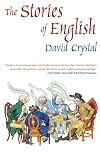
David Crystal has audaciously performed a feat I would never have attempted in my wildest dreams. He has traced the evolution of the English language from its earliest beginnings with the arrival of the Anglo-Saxons in Great Britain, through its developing dialects, the influences of Latin and Norman French (not to be confused with Parisian French), and the evolution of Old English. He continues through developments in Middle English and finishes at the dawn of the 21st century with the many different English versions worldwide.
The work is breathtaking in its scope. Is it thorough and well-researched? Absolutely! Is it easy to read? Well, for me, at least, no. No, it’s not.
I’m not a linguist and don’t want to become one. So, I skimmed over the bits I didn’t understand. But even so, reading the chapters on Middle English, I found myself mostly lost. What I did get was that during that period of around 300 years, the residents of Britain weren’t language snobs. Sometimes people from different regions had trouble understanding one another, and sometimes they made fun of one another. Still, no one felt one version of English was superior.
That attitude changed from the 16th through the 18th centuries when the inhabitants of London and the surrounding area began to claim ownership of the language, and prescriptivists like Samuel Johnson set out to standardize it. Crystal views this as a tragic situation that was doomed from the start. And rightly so, in his show more opinion.
Crystal is a descriptivist, not a prescriptivist. He feels languages should evolve naturally with certain basic grammar rules so that we can easily understand one another. But pronunciation guides and picky grammatical rules draw his ire. In particular, he hates the objections to split infinitives and ending sentences with prepositions. Because of this, I found him a pleasure to hang out with. (See what I did there?) I’d recommend this to those curious about our language and those who wish to better understand how languages change and grow. show less
The work is breathtaking in its scope. Is it thorough and well-researched? Absolutely! Is it easy to read? Well, for me, at least, no. No, it’s not.
I’m not a linguist and don’t want to become one. So, I skimmed over the bits I didn’t understand. But even so, reading the chapters on Middle English, I found myself mostly lost. What I did get was that during that period of around 300 years, the residents of Britain weren’t language snobs. Sometimes people from different regions had trouble understanding one another, and sometimes they made fun of one another. Still, no one felt one version of English was superior.
That attitude changed from the 16th through the 18th centuries when the inhabitants of London and the surrounding area began to claim ownership of the language, and prescriptivists like Samuel Johnson set out to standardize it. Crystal views this as a tragic situation that was doomed from the start. And rightly so, in his show more opinion.
Crystal is a descriptivist, not a prescriptivist. He feels languages should evolve naturally with certain basic grammar rules so that we can easily understand one another. But pronunciation guides and picky grammatical rules draw his ire. In particular, he hates the objections to split infinitives and ending sentences with prepositions. Because of this, I found him a pleasure to hang out with. (See what I did there?) I’d recommend this to those curious about our language and those who wish to better understand how languages change and grow. show less
Braiding Sweetgrass: Indigenous Wisdom, Scientific Knowledge and the Teachings of Plants by Robin Wall Kimmerer
Where to start with a book like this? Robin Wall Kimmerer has created a mesmerizing blend of folktale, indigenous spirituality, her love for the natural world, and the wonder of plants. As I’ve noted elsewhere, along with others, this book is undoubtedly not just an informative read. It’s an experience.
Kimmerer puts you in her shoes, helping you see the marvels and the gifts that nature offers us at every turn. And when you begin to understand the gratitude you owe the natural world, she points out the damage our pompous attitudes and actions have inflicted on it.
She doesn’t offer a list of things we can do to make things right. After trying for years to give back as much or more than she takes, she admits living in the modern world makes it challenging to walk lightly. But she offers inspiring examples of giving back through our conscious attention and gratitude.
If you’re looking for lists of plants and recipes for medicines and tonics, you’ll be disappointed in this book. While Kimmerer talks about using plants for many things, this book is much deeper than that. We are being stalked by a monster of our own creation, which she equates with her people’s stories of the Wendigo. And while this may sound quaint, it’s not. The Wendigo is real, and it may do us in yet.
I give this book five stars. Like all good books, it gets under your skin. After reading it, you can’t see the world the same way again. This book is a gift. But it’s also a warning. If only show more everyone could see the world through her eyes for a while. In reading this book, you can. show less
Kimmerer puts you in her shoes, helping you see the marvels and the gifts that nature offers us at every turn. And when you begin to understand the gratitude you owe the natural world, she points out the damage our pompous attitudes and actions have inflicted on it.
She doesn’t offer a list of things we can do to make things right. After trying for years to give back as much or more than she takes, she admits living in the modern world makes it challenging to walk lightly. But she offers inspiring examples of giving back through our conscious attention and gratitude.
If you’re looking for lists of plants and recipes for medicines and tonics, you’ll be disappointed in this book. While Kimmerer talks about using plants for many things, this book is much deeper than that. We are being stalked by a monster of our own creation, which she equates with her people’s stories of the Wendigo. And while this may sound quaint, it’s not. The Wendigo is real, and it may do us in yet.
I give this book five stars. Like all good books, it gets under your skin. After reading it, you can’t see the world the same way again. This book is a gift. But it’s also a warning. If only show more everyone could see the world through her eyes for a while. In reading this book, you can. show less
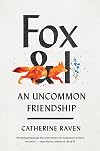
I can relate to Catherine Raven in many ways. I understand what it’s like to feel inept at social relationships and appreciate nature’s beauty. But our similarities end there. She’s brave, independent, and open in ways I can’t imagine. Adjusting to her writing style may take a while, but it’s worth it.
In Fox and I, Raven recounts how, after acquiring a Ph.D. in biology and buying a small plot of land far from the nearest town, she set up a private wilderness camp in a small cottage she had built there. Her life up to that point is impressive enough to me. After a neglected childhood, she left home at 15 and never returned after age 16. Instead, she headed west and began working odd jobs, winding up as a backcountry ranger in several national parks.
Her life, though busy and challenging, was also lonely. But while she was living on her plot of land, attempting to manage it responsibly that honored the other creatures living there, she began to receive visits from a scrawny, local fox. After they became comfortable in one another’s company, she began reading to him, providing him with homemade remedies for mange, taking walks, and playing games together.
While this may sound like something out of a fairytale, it wasn’t. Raven worried about her wild friend’s health and suffered when she was away from him for too long. She also regretted hurting his feelings on occasion. And she worried about how her relationship with a wild creature would be perceived by her show more students and peers in the scientific community.
I became immersed in her world as she weaved the verbal cocoon around her story. It wasn’t a cozy world, and Raven sugarcoats none of it. She tells you initially that she knew the relationship would be brief. But, in the end, you join her in awe at the natural world. You see life and death for what they are, tiny fragments of an incredible whole. And you find yourself questioning what matters in the end. It was a beautiful book I would recommend to anyone who loves animals and nature. show less
In Fox and I, Raven recounts how, after acquiring a Ph.D. in biology and buying a small plot of land far from the nearest town, she set up a private wilderness camp in a small cottage she had built there. Her life up to that point is impressive enough to me. After a neglected childhood, she left home at 15 and never returned after age 16. Instead, she headed west and began working odd jobs, winding up as a backcountry ranger in several national parks.
Her life, though busy and challenging, was also lonely. But while she was living on her plot of land, attempting to manage it responsibly that honored the other creatures living there, she began to receive visits from a scrawny, local fox. After they became comfortable in one another’s company, she began reading to him, providing him with homemade remedies for mange, taking walks, and playing games together.
While this may sound like something out of a fairytale, it wasn’t. Raven worried about her wild friend’s health and suffered when she was away from him for too long. She also regretted hurting his feelings on occasion. And she worried about how her relationship with a wild creature would be perceived by her show more students and peers in the scientific community.
I became immersed in her world as she weaved the verbal cocoon around her story. It wasn’t a cozy world, and Raven sugarcoats none of it. She tells you initially that she knew the relationship would be brief. But, in the end, you join her in awe at the natural world. You see life and death for what they are, tiny fragments of an incredible whole. And you find yourself questioning what matters in the end. It was a beautiful book I would recommend to anyone who loves animals and nature. show less
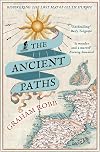
If you’re looking for stories with details on iron age life and the magical acts performed by Druids, you will be disappointed with this book. Graham Robb doesn’t promise what he can’t deliver.
But if you are curious about what we now know about the mythological and practical maps that the Celts used to map Gaul, Britain, and Ireland, he can help you out. And he knows what he’s talking about because he first realized that hints at the Iron Age Celtic world still exist in the landscape of these places today.
Using solar routes, longitude and latitudes, and Celtic myths, Robb draws up places either long disappeared or buried beneath more recent history. Taken together, they provide maps of a world long gone. The Celtic world he has discovered is based on myth, yes. But more importantly, it’s based on math, including a geometry different from the Euclidean geometry of the classic world.
While I sometimes found this book difficult to follow, the glimpses I got were fascinating. The ancient Celts weren’t the unsophisticated, hairy brutes the Romans portrayed them to be. They were different, but in their own way, just as intelligent as the Romans who defeated them.
I recommend this book to anyone genuinely curious about ancient Celtic cultures. While they didn’t leave written accounts to satisfy our curiosity, what Graham Robb teases out of the rubble provides a tantalizing peek and much fodder for the imagination. I'd give this book 3.5 stars if I could. It's a good show more book, though sometimes hard to follow. show less
But if you are curious about what we now know about the mythological and practical maps that the Celts used to map Gaul, Britain, and Ireland, he can help you out. And he knows what he’s talking about because he first realized that hints at the Iron Age Celtic world still exist in the landscape of these places today.
Using solar routes, longitude and latitudes, and Celtic myths, Robb draws up places either long disappeared or buried beneath more recent history. Taken together, they provide maps of a world long gone. The Celtic world he has discovered is based on myth, yes. But more importantly, it’s based on math, including a geometry different from the Euclidean geometry of the classic world.
While I sometimes found this book difficult to follow, the glimpses I got were fascinating. The ancient Celts weren’t the unsophisticated, hairy brutes the Romans portrayed them to be. They were different, but in their own way, just as intelligent as the Romans who defeated them.
I recommend this book to anyone genuinely curious about ancient Celtic cultures. While they didn’t leave written accounts to satisfy our curiosity, what Graham Robb teases out of the rubble provides a tantalizing peek and much fodder for the imagination. I'd give this book 3.5 stars if I could. It's a good show more book, though sometimes hard to follow. show less
The Book of Eels: Our Enduring Fascination with the Most Mysterious Creature in the Natural World by Patrik Svensson
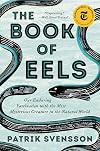
Wow. By this book’s ending, I felt a bit gutted, like one of the fish (they are fish) that Patrik Svensson writes about in this incredible work.
How to describe it? Nature writing would define it, and like the best nature writing, Svensson’s a bit philosophical about the facts and statistics he shares. He ties thousands of years of historical documentation of the study of eels with his own experiences of catching them with his dad while growing up in Sweden.
The book also shares how the study of eels influenced Sigmund Freud in his development of psychoanalytic theory, and he shares the beauty and grace of Rachel Carson’s depiction of them in her first book. The fascination of eels for many, Carson included, stems from how confounding they have proven for efforts to pin them down and study them.
But Svensson does more than help us appreciate the slippery and hidden nature of the eel. By the time I finished this book, I felt that the eel was at the heart of the mystery of life. And one thing is certain. We are wiping them out. The parallels between them and humans are clear.
The Book of Eels is a gift to anyone who loves reading about the natural world. Whether you enjoy fishing for them, eating them, or appreciating them as overlooked wonders of the natural world, there is something in this book for you. I highly recommend this book.
How to describe it? Nature writing would define it, and like the best nature writing, Svensson’s a bit philosophical about the facts and statistics he shares. He ties thousands of years of historical documentation of the study of eels with his own experiences of catching them with his dad while growing up in Sweden.
The book also shares how the study of eels influenced Sigmund Freud in his development of psychoanalytic theory, and he shares the beauty and grace of Rachel Carson’s depiction of them in her first book. The fascination of eels for many, Carson included, stems from how confounding they have proven for efforts to pin them down and study them.
But Svensson does more than help us appreciate the slippery and hidden nature of the eel. By the time I finished this book, I felt that the eel was at the heart of the mystery of life. And one thing is certain. We are wiping them out. The parallels between them and humans are clear.
The Book of Eels is a gift to anyone who loves reading about the natural world. Whether you enjoy fishing for them, eating them, or appreciating them as overlooked wonders of the natural world, there is something in this book for you. I highly recommend this book.
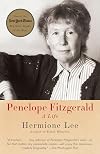
I’m embarrassed to admit that I had never heard of Penelope Fitzgerald before researching my most recent book, Library Lin’s Biographies, Autobiographies, and Memoirs. A few years ago, I watched the movie, The Bookshop, and loved it. But I was unaware the film was based on a book or who had written it.
Hermione Lee has a reputation as an excellent biographer. Penelope Fitzgerald: A Life is the first of her biographies I have read. If this book indicates her skill, I will go out of my way to read others.
Once you got past the lengthy section on Fitzgerald’s illustrious family, what was so compelling about the book was the sense you get of knowing the subject. Even though Lee sometimes expresses frustration with Fitzgerald’s secretiveness, she makes you feel like you know her intimately. After all, we can live with people for years and know little about what goes on in their minds.
Fitzgerald lived an unusual life, encompassing privilege, education, poverty, and hard work. Her father’s role as editor at Punch and her esteemed uncles’ involvements with Oxford and the Enigma project during World War II opened some doors for her. As did her education at Oxford. But her husband’s difficulty dealing with the aftermath as a World War II soldier led to his heavy drinking, which drove his family to near-destitution. Penelope was forced to work hard to keep the family afloat.
The family’s poverty led to unforgettable experiences, such as living in an old barge on the show more river Thames, which was fodder for Fitzgerald’s future novels. The barge, for example, led to her novel, Offshore. Lee did such a masterful job explaining what may have influenced Fitzgerald and the brilliance of her works (which included biographies and novels) that I am determined to read them all at some point in my life. And that is the highest compliment I can give a biographer. Lee has inspired me to read more on her subject. show less
Hermione Lee has a reputation as an excellent biographer. Penelope Fitzgerald: A Life is the first of her biographies I have read. If this book indicates her skill, I will go out of my way to read others.
Once you got past the lengthy section on Fitzgerald’s illustrious family, what was so compelling about the book was the sense you get of knowing the subject. Even though Lee sometimes expresses frustration with Fitzgerald’s secretiveness, she makes you feel like you know her intimately. After all, we can live with people for years and know little about what goes on in their minds.
Fitzgerald lived an unusual life, encompassing privilege, education, poverty, and hard work. Her father’s role as editor at Punch and her esteemed uncles’ involvements with Oxford and the Enigma project during World War II opened some doors for her. As did her education at Oxford. But her husband’s difficulty dealing with the aftermath as a World War II soldier led to his heavy drinking, which drove his family to near-destitution. Penelope was forced to work hard to keep the family afloat.
The family’s poverty led to unforgettable experiences, such as living in an old barge on the show more river Thames, which was fodder for Fitzgerald’s future novels. The barge, for example, led to her novel, Offshore. Lee did such a masterful job explaining what may have influenced Fitzgerald and the brilliance of her works (which included biographies and novels) that I am determined to read them all at some point in my life. And that is the highest compliment I can give a biographer. Lee has inspired me to read more on her subject. show less
The title of God: A Human History is quite correct. While at the end of the book, religious scholar Reza Aslan speculates on the nature of God. Instead, this book is more about how humans may have perceived divinity from their earliest days.
In examining evidence from prehistoric cultures, we see how ideas of divinity may have first developed and how they shaped cultures for hundreds of thousands of years. But, surprisingly, scholars now believe it was religion that caused the Agricultural Revolution. Aslan explains how findings at Göbekli Tepe led to that startling conclusion.
While he touches on the Hindu, Buddhist, and Taoist beliefs, the book focuses on how our concept of one God--the monotheistic deity of Judaism, Christianity, and Islam, developed. He shows, step-by-step, how these lines of thought developed. Rather than being a natural outcome of revelation, many decisions that shape our current conception of God were of political origin.
I was surprised to learn how the minor Canaanite God Yahweh became the one God of the Hebrew people. It was interesting to see how a concept from a small and relatively insignificant tribe grew to influence many people’s conception of God today.
The book was an enjoyable foray into the religious thought of these past half a million years. I’ve always wanted to know what motivated our ancestors and how they lived. While this book doesn’t provide concrete answers because they don’t exist, it does give a sweeping view of the show more possibilities. show less
In examining evidence from prehistoric cultures, we see how ideas of divinity may have first developed and how they shaped cultures for hundreds of thousands of years. But, surprisingly, scholars now believe it was religion that caused the Agricultural Revolution. Aslan explains how findings at Göbekli Tepe led to that startling conclusion.
While he touches on the Hindu, Buddhist, and Taoist beliefs, the book focuses on how our concept of one God--the monotheistic deity of Judaism, Christianity, and Islam, developed. He shows, step-by-step, how these lines of thought developed. Rather than being a natural outcome of revelation, many decisions that shape our current conception of God were of political origin.
I was surprised to learn how the minor Canaanite God Yahweh became the one God of the Hebrew people. It was interesting to see how a concept from a small and relatively insignificant tribe grew to influence many people’s conception of God today.
The book was an enjoyable foray into the religious thought of these past half a million years. I’ve always wanted to know what motivated our ancestors and how they lived. While this book doesn’t provide concrete answers because they don’t exist, it does give a sweeping view of the show more possibilities. show less
Patience and Fortitude: Wherein a Colorful Cast of Determined Book Collectors, Dealers, and Librarians Go About the Quixotic Task of Preserving a Legacy by Nicholas A. Basbanes
I love books. I really do. And I love bookstores and libraries and book people in general. So, it makes sense that I would love this book.
Nicholas Basbanes also wrote A Gentle Madness, a book I stumbled upon in my public library a few years ago and fell in love with. So, I picked this one up and read it with glee. It’s over 20 years old and reading it for me was like a trip to my professional past as a librarian. The arguments librarians, their administrators, and the public had decades ago brought back so much angst for me.
I’m happy to say that some of these questions have been settled, sort of. Back then, some people saw the future of libraries in digital materials. They were ready to turn print lose to perish or thrive entirely in the wild. However, most people now realize that the demand for print books isn’t going away soon.
But libraries aren’t the only thing Basbanes discusses in this book. He talks about the people who collect rare books and the people who sell them. I don’t live with the kind of money he’s talking about, so I don’t keep up with the rare book market. But that doesn’t mean I don’t find it captivating as any self-respecting bibliophile would.
I admit to gushing a bit in this review. While reading about all these private, academic, and extensive public book collections was like a fairytale for me. It felt like reading Victoria magazine as a newlywed, setting up housekeeping, and dreaming of the possibilities. While I’ll never have show more room to store 50,000 volumes in my house, Basbanes has me dreaming of how that would look. And that’s almost as good as actually having it. show less
Nicholas Basbanes also wrote A Gentle Madness, a book I stumbled upon in my public library a few years ago and fell in love with. So, I picked this one up and read it with glee. It’s over 20 years old and reading it for me was like a trip to my professional past as a librarian. The arguments librarians, their administrators, and the public had decades ago brought back so much angst for me.
I’m happy to say that some of these questions have been settled, sort of. Back then, some people saw the future of libraries in digital materials. They were ready to turn print lose to perish or thrive entirely in the wild. However, most people now realize that the demand for print books isn’t going away soon.
But libraries aren’t the only thing Basbanes discusses in this book. He talks about the people who collect rare books and the people who sell them. I don’t live with the kind of money he’s talking about, so I don’t keep up with the rare book market. But that doesn’t mean I don’t find it captivating as any self-respecting bibliophile would.
I admit to gushing a bit in this review. While reading about all these private, academic, and extensive public book collections was like a fairytale for me. It felt like reading Victoria magazine as a newlywed, setting up housekeeping, and dreaming of the possibilities. While I’ll never have show more room to store 50,000 volumes in my house, Basbanes has me dreaming of how that would look. And that’s almost as good as actually having it. show less
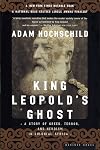
Before reading this book, my knowledge of African history was scanty. I have read a few books on North Africa, but none on the history of the sub-Saharan continent. Adam Hochschild’s book, King Leopold’s Ghost, proved to be a startling introduction.
First off, the book has a reputation for brutality. Before I began, people warned me to prepare myself. I don’t think anything could prepare someone for the horrors perpetrated on the people native to Africa by the European colonizers. The term “colonize” sounds so innocuous that it masks the violence of the process.
Hochschild highlights King Leopold II, king of the small and relatively new country of Belgium. Leopold’s bottomless well of greed and ruthless ambition caused him to gain control, underhandedly, of the massive area of central Africa called the Congo. He didn’t share this wealth with his country. So, the people of Belgium didn’t even profit from any of his activities using slavery to gain riches from the sale of ivory and rubber at the beginning. This changed after the king died.
To make it clear that terror and exploitation are not unique to Leopold or Belgium, Hochschild talks about violence perpetrated by Africans on other Africans before the Europeans arrived. He also touches on inhumanity demonstrated by other countries worldwide, but primarily by Europeans in their colonization of Africa and theft of its natural resources. He takes pains to discuss the complicity of the United States in show more similar outrages within its borders.
People have told me that Hochschild cherry-picked his facts and that this book presents an unfair view of the place and the period. I find this difficult to believe. He provides his sources, and the sheer number of damning statistics, facts, and anecdotes cannot be denied. Though the story sickened me, I cannot discount it, and I am glad I read it. We need to know history, no matter how horrible it may have been. Looking at historical darkness in the heart of Africa should prompt us to search for traces of that darkness in ourselves because that’s the only way to ever rid ourselves of it. show less
First off, the book has a reputation for brutality. Before I began, people warned me to prepare myself. I don’t think anything could prepare someone for the horrors perpetrated on the people native to Africa by the European colonizers. The term “colonize” sounds so innocuous that it masks the violence of the process.
Hochschild highlights King Leopold II, king of the small and relatively new country of Belgium. Leopold’s bottomless well of greed and ruthless ambition caused him to gain control, underhandedly, of the massive area of central Africa called the Congo. He didn’t share this wealth with his country. So, the people of Belgium didn’t even profit from any of his activities using slavery to gain riches from the sale of ivory and rubber at the beginning. This changed after the king died.
To make it clear that terror and exploitation are not unique to Leopold or Belgium, Hochschild talks about violence perpetrated by Africans on other Africans before the Europeans arrived. He also touches on inhumanity demonstrated by other countries worldwide, but primarily by Europeans in their colonization of Africa and theft of its natural resources. He takes pains to discuss the complicity of the United States in show more similar outrages within its borders.
People have told me that Hochschild cherry-picked his facts and that this book presents an unfair view of the place and the period. I find this difficult to believe. He provides his sources, and the sheer number of damning statistics, facts, and anecdotes cannot be denied. Though the story sickened me, I cannot discount it, and I am glad I read it. We need to know history, no matter how horrible it may have been. Looking at historical darkness in the heart of Africa should prompt us to search for traces of that darkness in ourselves because that’s the only way to ever rid ourselves of it. show less
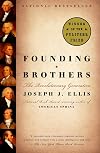
Before reading this book, my internal snapshot of what the founders of the U.S.A. did was a fuzzy but stable picture. Most of these images came from what I was taught in school and my trips to places like Mount Vernon and Monticello. I had inklings that my picture was neither accurate nor complete. But reading this book made many fuzzy sections much clearer.
Part of growing up is learning that things are seldom straightforward. People are complicated; therefore, the situations they find themselves in are anything but tidy. I have never encountered a book that makes that fact as evident as this one does.
Historian Joseph J. Ellis writes not as much about the founders themselves as about the situations that developed our national mythos. Starting with the infamous duel between Aaron Burr and Alexander Hamilton, Ellis examined what happened and why it happened. He presents past interactions that led to this deadly confrontation and the character traits (and flaws) of both men. Finally, he speculates on the outcome of the duel for the nation and posterity.
From this dramatic start, he moves on to the complicated arguments over the Constitution and whether the federal government or the states should be more powerful. The economic interests of the south, especially in Virginia, had an outsized influence on the outcome, which resulted in some issues remaining unsolved. He covers crucial issues ranging from slavery, George Washington’s legacy as President, and the battle between show more the Republicans like Madison and Jefferson (who generally favored individual independence and states’ rights) and the Federalists like Washington and Adams, who saw the need for a strong national government and a united effort.
I was surprised to find myself pleasantly swept up in the questions Ellis explores. He made it possible to grasp the issues with minimal effort. I tip my hat to him as a historian and a writer. My eyes tend to cross when learning about politics, government, and law, but he did a masterful job of making it understandable and interesting. If you want to increase your understanding of the revolutionary period, I’d pick another book to start learning. It would be an excellent choice once you have a grip on the events and the issues at stake. show less
Part of growing up is learning that things are seldom straightforward. People are complicated; therefore, the situations they find themselves in are anything but tidy. I have never encountered a book that makes that fact as evident as this one does.
Historian Joseph J. Ellis writes not as much about the founders themselves as about the situations that developed our national mythos. Starting with the infamous duel between Aaron Burr and Alexander Hamilton, Ellis examined what happened and why it happened. He presents past interactions that led to this deadly confrontation and the character traits (and flaws) of both men. Finally, he speculates on the outcome of the duel for the nation and posterity.
From this dramatic start, he moves on to the complicated arguments over the Constitution and whether the federal government or the states should be more powerful. The economic interests of the south, especially in Virginia, had an outsized influence on the outcome, which resulted in some issues remaining unsolved. He covers crucial issues ranging from slavery, George Washington’s legacy as President, and the battle between show more the Republicans like Madison and Jefferson (who generally favored individual independence and states’ rights) and the Federalists like Washington and Adams, who saw the need for a strong national government and a united effort.
I was surprised to find myself pleasantly swept up in the questions Ellis explores. He made it possible to grasp the issues with minimal effort. I tip my hat to him as a historian and a writer. My eyes tend to cross when learning about politics, government, and law, but he did a masterful job of making it understandable and interesting. If you want to increase your understanding of the revolutionary period, I’d pick another book to start learning. It would be an excellent choice once you have a grip on the events and the issues at stake. show less
Desert Queen: The Extraordinary Life of Gertrude Bell: Adventurer, Adviser to Kings, Ally of Lawrence of Arabia by Janet Wallach
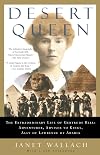
Gertrude Bell was amazing. In a day when women were expected to be “politely educated,” married, and subservient, Bell was single, Oxford-educated, a mountain climber, and a desert explorer.
After teaching herself Arabic, she braved the deserts of pre-World War I Mesopotamia and Arabia with a few servants and her guns. She dined with sheiks and caliphs who normally would not discourse with a woman. She even earned their respect.
During and after the Great War, she was a champion of self-government by Arab people. She worked with her friend, Lawrence of Arabia, to further the Arab voice in the region. Ultimately, their efforts led to a newly formed country of Iraq with an Arab, Faisal I, on the throne.
While her story is amazing, Wallach doesn’t present her as Wonder Woman. Rather, Bell is described as a human with flaws who wants to be a Person, to be someone of consequence. She succeeds in some areas, like politics, more than others, like romance.
I found the book fascinating and truly difficult to put down. Learning from the books I read is important to me. Here I learned a lot about Arab culture and the history of Western interference in the modern Middle East. While I doubt I would have been friends with Bell if I had known her, I found much to admire and astonish. The end of Bell's life was disappointing and surprising.
After teaching herself Arabic, she braved the deserts of pre-World War I Mesopotamia and Arabia with a few servants and her guns. She dined with sheiks and caliphs who normally would not discourse with a woman. She even earned their respect.
During and after the Great War, she was a champion of self-government by Arab people. She worked with her friend, Lawrence of Arabia, to further the Arab voice in the region. Ultimately, their efforts led to a newly formed country of Iraq with an Arab, Faisal I, on the throne.
While her story is amazing, Wallach doesn’t present her as Wonder Woman. Rather, Bell is described as a human with flaws who wants to be a Person, to be someone of consequence. She succeeds in some areas, like politics, more than others, like romance.
I found the book fascinating and truly difficult to put down. Learning from the books I read is important to me. Here I learned a lot about Arab culture and the history of Western interference in the modern Middle East. While I doubt I would have been friends with Bell if I had known her, I found much to admire and astonish. The end of Bell's life was disappointing and surprising.
From Scratch: Adventures in Harvesting, Hunting, Fishing, and Foraging on a Fragile Planet by David Moscow
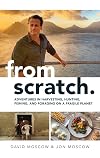
What a treat to read! In a whirlwind trip around the world, David Moscow gives us a peek at the sometimes delightful and sometimes distressing stories behind the foods we eat. He also introduces us to lesser-known vittles we could cultivate and consume.
The author is an actor with a notable role in movies such as Big, where he played the young Tom Hanks. He and his father wrote this book as a companion to his television series From Scratch. In each episode, he goes to different outstanding restaurants and interviews the chefs about their dishes specializing in local ingredients. After that, Moscow goes on a scavenger hunt to locate these ingredients to bring back to cook, prepare, and enjoy together.
The idea is interesting on its own. But Moscow kicks it up a notch by providing the local history that impacts food availability and quality, providing a fascinating glimpse at the past and our possible future. For instance, he travels to Kenya, where he must kill a goat (using traditional methods), and to Italy’s Amalfi Coast to harvest the perfect wheat (with a scythe) to prepare pizza crust.
The stories can sometimes be tense, even poignant, as when he gets ready to kill a wild boar in Texas. At other times, his experiences made me laugh out loud, as when he was harvesting scallops in Iceland. But one thing is for sure; the book was never dull. Butter smoked with sheep dung, anyone?
I’d recommend this book to anyone who cares about our planet. While Moscow respects local show more cuisines and eats meat, he’s also conscious of what he’s doing, and the killing never seems easy. His fascination and respect for a wide variety of potatoes in Peru match that for chanterelle mushrooms in the state of Washington. It’s also a gratifying look at different cultures’ cooking traditions. I really enjoyed it. show less
The author is an actor with a notable role in movies such as Big, where he played the young Tom Hanks. He and his father wrote this book as a companion to his television series From Scratch. In each episode, he goes to different outstanding restaurants and interviews the chefs about their dishes specializing in local ingredients. After that, Moscow goes on a scavenger hunt to locate these ingredients to bring back to cook, prepare, and enjoy together.
The idea is interesting on its own. But Moscow kicks it up a notch by providing the local history that impacts food availability and quality, providing a fascinating glimpse at the past and our possible future. For instance, he travels to Kenya, where he must kill a goat (using traditional methods), and to Italy’s Amalfi Coast to harvest the perfect wheat (with a scythe) to prepare pizza crust.
The stories can sometimes be tense, even poignant, as when he gets ready to kill a wild boar in Texas. At other times, his experiences made me laugh out loud, as when he was harvesting scallops in Iceland. But one thing is for sure; the book was never dull. Butter smoked with sheep dung, anyone?
I’d recommend this book to anyone who cares about our planet. While Moscow respects local show more cuisines and eats meat, he’s also conscious of what he’s doing, and the killing never seems easy. His fascination and respect for a wide variety of potatoes in Peru match that for chanterelle mushrooms in the state of Washington. It’s also a gratifying look at different cultures’ cooking traditions. I really enjoyed it. show less
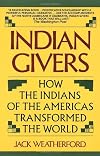
What a joy to read! I found unfamiliar stories on every page. Indian Givers, published in 1988, was written by scholar Jack Weatherford. While some of the information may be outdated and superseded by new research and discoveries, the premise of this book, that Native American people gave us an untold wealth of valuable ideas, products, food, and technologies, is still sound.
Weatherford begins the book with an Indian man living in the Bolivian Andes who spends almost every miserable day eking out a living in the nearly-spent tin mines there. From this granular image, the focus sweeps back to reveal how the European discovery of the metals available in the Americas changed the geopolitical structures of the entire globe.
The book explores far beyond the impact of material goods. It discusses how capitalism, corporations, the Industrial Revolution, population growth worldwide, democracy, architecture, and transportation were all directly the result of the contributions of the first Americans.
You would think the world sings their praises every day for all the gifts they’ve brought us, but no. We all know by now how these people, living successful, productive lives before the Europeans landed on their shores, were beaten, enslaved, and killed in massive numbers and apparently without a thought. So instead of receiving thanks, they had their lands confiscated, were confined to reservations, and were forced to adopt the European-American culture. And they’ve been show more marginalized elsewhere.
While this book is well worth a read for its stunning history, I found it most useful because it further increased my respect for these people who cultivated two continents before us. The book was so well-written that I flew through it, eager to turn each page to see what came next. I was planning to write Jack Weatherford a fan letter, but I see he has moved to Mongolia after writing a book about Genghis Khan. I hope he’s still writing. show less
Weatherford begins the book with an Indian man living in the Bolivian Andes who spends almost every miserable day eking out a living in the nearly-spent tin mines there. From this granular image, the focus sweeps back to reveal how the European discovery of the metals available in the Americas changed the geopolitical structures of the entire globe.
The book explores far beyond the impact of material goods. It discusses how capitalism, corporations, the Industrial Revolution, population growth worldwide, democracy, architecture, and transportation were all directly the result of the contributions of the first Americans.
You would think the world sings their praises every day for all the gifts they’ve brought us, but no. We all know by now how these people, living successful, productive lives before the Europeans landed on their shores, were beaten, enslaved, and killed in massive numbers and apparently without a thought. So instead of receiving thanks, they had their lands confiscated, were confined to reservations, and were forced to adopt the European-American culture. And they’ve been show more marginalized elsewhere.
While this book is well worth a read for its stunning history, I found it most useful because it further increased my respect for these people who cultivated two continents before us. The book was so well-written that I flew through it, eager to turn each page to see what came next. I was planning to write Jack Weatherford a fan letter, but I see he has moved to Mongolia after writing a book about Genghis Khan. I hope he’s still writing. show less
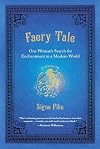
Book editor Signe Pike was unhappy with working a corporate daily grind. Things come to a head when her father dies, leaving Signe confused about her ambivalent relationship with him and intensely grieving. She wants to recapture her childhood’s happy times, which felt magical.
After a trip to Mexico lures her into thinking that nature spirits might exist and desperately wanting to find proof that will restore the enchantment of her childhood, Signe books a trip to England, the Isle of Man, Ireland, and Scotland. In the U.K., she meets a quirky cast of characters, some famous, like artist Brian Froud. She finds an assortment of believers and unbelievers everywhere she goes. Some of her experiences seem psychic, while others are inexplicable.
While she admits she doesn’t find proof, she does find reasons to cling to hope. Questioning whether or not her experiences are merely her imagination, she wonders if that makes them any less real. And she does find beguiling evidence.
I enjoyed this book. Signe is a “normal” person (whatever that may be) who does seem a bit self-conscious about her quest. She pleads with us to understand she’s not crazy. But she didn’t come across to me as odd at all. Deep down inside, don’t most of us want mystery and magic in our lives?
By turns funny, sad, and poignant, the book may not convince everyone that faery folk exist. But Signe Pike’s quest makes for enjoyable reading. Finding definitive answers may be in her future, but show more that’s not the book’s point to me. The point is to find a passion for pursuing. We all need meaning in our lives and can all use a little help finding it. I recommend this book to anyone with an open mind and heart. show less
After a trip to Mexico lures her into thinking that nature spirits might exist and desperately wanting to find proof that will restore the enchantment of her childhood, Signe books a trip to England, the Isle of Man, Ireland, and Scotland. In the U.K., she meets a quirky cast of characters, some famous, like artist Brian Froud. She finds an assortment of believers and unbelievers everywhere she goes. Some of her experiences seem psychic, while others are inexplicable.
While she admits she doesn’t find proof, she does find reasons to cling to hope. Questioning whether or not her experiences are merely her imagination, she wonders if that makes them any less real. And she does find beguiling evidence.
I enjoyed this book. Signe is a “normal” person (whatever that may be) who does seem a bit self-conscious about her quest. She pleads with us to understand she’s not crazy. But she didn’t come across to me as odd at all. Deep down inside, don’t most of us want mystery and magic in our lives?
By turns funny, sad, and poignant, the book may not convince everyone that faery folk exist. But Signe Pike’s quest makes for enjoyable reading. Finding definitive answers may be in her future, but show more that’s not the book’s point to me. The point is to find a passion for pursuing. We all need meaning in our lives and can all use a little help finding it. I recommend this book to anyone with an open mind and heart. show less
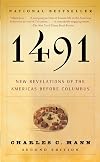
Charles C. Mann clarifies North, Central, and South America's misty history by examining the continents' past landscapes, archeological records, and legends.
While this book was published almost two decades ago, there was a lot of information here that was new to me. Mann doesn't do most of his research from a desk. Instead, he travels to the places he discusses and talks to local residents and experts.
I appreciate his honesty in discussing the disagreements between the experts on topics like whether the Amazon basin ever had advanced civilizations. He explains the debates and why they matter. In doing so, he clarifies that archeologists, like everyone else, sometimes allow their values to color their conclusions. My only wish was that he had skipped around a little less geographically. Switching from North to South to Central America caused occasional mental whiplash.
While the stories cover a dizzying amount of material, the quantity is not unreasonable considering he's covering tens of thousands of years and that the acreage covers two massive continents. Mann weaves in stories that provide entertainment and humor. Whoever knew "Squanto," the friend of the Pilgrims, introduced himself to them as, roughly translated, "The Wrath of God." Things have always been more complicated than we are led to believe from a distance.
I enjoyed this book. It's densely packed with information, and this was generally welcome for someone interested in history. I'm sure since Mann wrote this show more book, scientists and historians have discovered many new artifacts, so I would love to see it updated. I'd recommend it to anyone interested in indigenous cultures or early American history. show less
While this book was published almost two decades ago, there was a lot of information here that was new to me. Mann doesn't do most of his research from a desk. Instead, he travels to the places he discusses and talks to local residents and experts.
I appreciate his honesty in discussing the disagreements between the experts on topics like whether the Amazon basin ever had advanced civilizations. He explains the debates and why they matter. In doing so, he clarifies that archeologists, like everyone else, sometimes allow their values to color their conclusions. My only wish was that he had skipped around a little less geographically. Switching from North to South to Central America caused occasional mental whiplash.
While the stories cover a dizzying amount of material, the quantity is not unreasonable considering he's covering tens of thousands of years and that the acreage covers two massive continents. Mann weaves in stories that provide entertainment and humor. Whoever knew "Squanto," the friend of the Pilgrims, introduced himself to them as, roughly translated, "The Wrath of God." Things have always been more complicated than we are led to believe from a distance.
I enjoyed this book. It's densely packed with information, and this was generally welcome for someone interested in history. I'm sure since Mann wrote this show more book, scientists and historians have discovered many new artifacts, so I would love to see it updated. I'd recommend it to anyone interested in indigenous cultures or early American history. show less
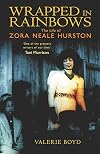
I’ve always loved to read about strong female characters. And even though Zora Neale Hurston was a real human being, she was also a character. She was everything I admire in a person; she was tough, strong, determined, and cared about what mattered in life.
Nothing about Hurston was average. Raised in the all-Black Florida town of Eatonville until her mother died when Hurston was 13, she was forced to take care of herself after age 15. Nevertheless, she managed to survive and earned high school and college diplomas. The latter is from Barnard, an all-White college, after she attended the esteemed Howard University in D.C. All this is unusual and impressive for the time. She was a respected member of the Harlem Renaissance. But the most notable thing about Hurston was her intellect. She was a genius.
Valerie Boyd took the facts of Hurston’s life, digging deep and wide, to uncover a complex woman. Like any of us, Hurston wasn’t perfect. In a fit of temper, she almost killed her stepmother. Boyd also discloses that once in her career, she was guilty of plagiarism. And she spent most of her life lying about her age.
But the good far outweighed the bad. Hurston was fearless. She toured the American South, Jamaica and Haiti, alone, collecting material from the Black populations for valued contributions to anthropology. While studying conjure in New Orleans and Haiti, she delved deep into Hoodoo and Voodoo. Her contributions have been unparalleled. Then there are her novels, show more like Jonah’s Goardvine, Moses, Man of the Mountain, and Their Eyes Were Watching God. She was also heavily involved in theater.
Boyd’s writing style keeps the pages turning. I enjoyed every chapter. Zora Neale Huston was an irrepressible woman who should serve as an inspiration for anyone, male or female, young or old. I enjoyed the work every bit as much as a novel. Because of this, I recommend it to everyone. show less
Nothing about Hurston was average. Raised in the all-Black Florida town of Eatonville until her mother died when Hurston was 13, she was forced to take care of herself after age 15. Nevertheless, she managed to survive and earned high school and college diplomas. The latter is from Barnard, an all-White college, after she attended the esteemed Howard University in D.C. All this is unusual and impressive for the time. She was a respected member of the Harlem Renaissance. But the most notable thing about Hurston was her intellect. She was a genius.
Valerie Boyd took the facts of Hurston’s life, digging deep and wide, to uncover a complex woman. Like any of us, Hurston wasn’t perfect. In a fit of temper, she almost killed her stepmother. Boyd also discloses that once in her career, she was guilty of plagiarism. And she spent most of her life lying about her age.
But the good far outweighed the bad. Hurston was fearless. She toured the American South, Jamaica and Haiti, alone, collecting material from the Black populations for valued contributions to anthropology. While studying conjure in New Orleans and Haiti, she delved deep into Hoodoo and Voodoo. Her contributions have been unparalleled. Then there are her novels, show more like Jonah’s Goardvine, Moses, Man of the Mountain, and Their Eyes Were Watching God. She was also heavily involved in theater.
Boyd’s writing style keeps the pages turning. I enjoyed every chapter. Zora Neale Huston was an irrepressible woman who should serve as an inspiration for anyone, male or female, young or old. I enjoyed the work every bit as much as a novel. Because of this, I recommend it to everyone. show less
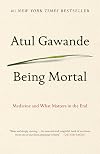
After watching both my grandmothers, several aunts, and an uncle die from dementia, I’m concerned about end-of-life care because the solution of warehousing mentally and physically impaired older adults is not an adequate solution. The family can continue to work while knowing their elders are “safe.” But it does nothing to increase the quality of life that the safety allows.
No one reaches age 60 without encountering cancers, heart attacks, and other disabling diseases in loved ones or yourself. For instance, I’ve lost a father, several uncles, and several aunts to cancer alone. Their ends are agonizing to watch.
In Being Mortal, surgeon Atul Gawande confronts these and other issues of aging and fatal diseases with directness and honesty. He explains why the western health industry has wound up in its current state. But he, like many others, is troubled by the system’s inadequacies and unintentional cruelty towards those it aims to help.
In this book, he offers many refreshing examples of alternatives, like adding animals, children, and gardens to the elderly’s environment. He suggests letting those living out their final years make bad decisions for their lives. After all, they deserve the dignity of choosing how to live as they grow increasingly infirm. The biggest fear most have is losing their independence in daily life. He also explains why he is a big fan of hospice.
This book is well-written, clear, and full of stories that most of us can relate to. Some show more of his real-life examples are horrible to contemplate, like the stage IV lung cancer detected in the mother of a newborn baby. The book was published in 2014, so some of it is likely outdated. I would love for Gawande to revise it. Nevertheless, I highly recommend it to anyone who will face end-of-life choices one day, and that includes us all. show less
No one reaches age 60 without encountering cancers, heart attacks, and other disabling diseases in loved ones or yourself. For instance, I’ve lost a father, several uncles, and several aunts to cancer alone. Their ends are agonizing to watch.
In Being Mortal, surgeon Atul Gawande confronts these and other issues of aging and fatal diseases with directness and honesty. He explains why the western health industry has wound up in its current state. But he, like many others, is troubled by the system’s inadequacies and unintentional cruelty towards those it aims to help.
In this book, he offers many refreshing examples of alternatives, like adding animals, children, and gardens to the elderly’s environment. He suggests letting those living out their final years make bad decisions for their lives. After all, they deserve the dignity of choosing how to live as they grow increasingly infirm. The biggest fear most have is losing their independence in daily life. He also explains why he is a big fan of hospice.
This book is well-written, clear, and full of stories that most of us can relate to. Some show more of his real-life examples are horrible to contemplate, like the stage IV lung cancer detected in the mother of a newborn baby. The book was published in 2014, so some of it is likely outdated. I would love for Gawande to revise it. Nevertheless, I highly recommend it to anyone who will face end-of-life choices one day, and that includes us all. show less
Sun Dancing: Life in a Medieval Irish Monastery and How Celtic Spirituality Influenced the World by Geoffrey Moorhouse
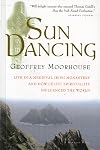
Like many introverts, I’ve always thought a secluded, monkish lifestyle would be preferable to the loud people-stew in which public school immersed me. When I was learning world history in school, I admired the monks in the scriptoriums. I’ve seen Ireland in films that assure me the mainland and its islands are stunning. Few of these landscapes compare to the sheer rock faces sweeping out of the North Atlantic Ocean on Skellig Michael.
Moorhouse examines the medieval monastery on this remote rock in an uncommon format. Since we know little to nothing about the individuals who lived and worshiped there for hundreds of years, Moorhouse uses his research to develop seven stories. The first is set in 588 (or thereabouts), when the first monks landed on the island. They continue throughout the centuries, ending in 1222 when he estimates the inhabitants abandoned the island permanently. His stories are surreal. The strangeness of their outlook only matched the hardships the monks faced. To a person in the 21st century, they seem pretty odd.
In the second half of the book, Moorhouse explains the research he used to create the stories in short essays. He bases everything on his findings about Viking raids, monastery practices, and Irish culture at the time. The result is a fascinating mosaic that helps readers immerse themselves in the time and the place. As a result, he convinced me that my years of romanticizing this life were misguided.
While it’s not your typical history show more book, I would highly recommend Sun Dancing to anyone interested in the history of Ireland, Celtic Christianity, or Medieval history. show less
Moorhouse examines the medieval monastery on this remote rock in an uncommon format. Since we know little to nothing about the individuals who lived and worshiped there for hundreds of years, Moorhouse uses his research to develop seven stories. The first is set in 588 (or thereabouts), when the first monks landed on the island. They continue throughout the centuries, ending in 1222 when he estimates the inhabitants abandoned the island permanently. His stories are surreal. The strangeness of their outlook only matched the hardships the monks faced. To a person in the 21st century, they seem pretty odd.
In the second half of the book, Moorhouse explains the research he used to create the stories in short essays. He bases everything on his findings about Viking raids, monastery practices, and Irish culture at the time. The result is a fascinating mosaic that helps readers immerse themselves in the time and the place. As a result, he convinced me that my years of romanticizing this life were misguided.
While it’s not your typical history show more book, I would highly recommend Sun Dancing to anyone interested in the history of Ireland, Celtic Christianity, or Medieval history. show less
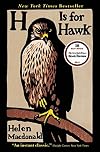
Who isn’t fascinated by hawks and other large and lethal birds? Helen Macdonald has been all her life. Her sympathetic and understanding parents supported her obsession with hawking lessons and books, including The Goshawk by T. H. White.
In H is for Hawk, Macdonald shares the year after her beloved father, a photojournalist, dies unexpectedly. In her grief, she feels compelled to raise and train a goshawk herself. Having a vague notion that it will somehow give meaning to her life, she adopts a young hawk and names her Mabel.
She shares the joys and the terrors of raising one of these winged predators, while comparing and contrasting her experiences with those of T.H. White, perhaps best-known today as the author of The Once and Future King. The White she introduces us to is neither magical nor particularly kind. But he’s human, and he, too, was determined to train his adopted hawk.
While she doesn’t try to make the harsh realities of raising one of these birds pretty, she does make it fascinating. And her writing itself is beautiful enough to cushion the unsavory details of the goshawk’s bloody habits. But, ultimately, she understands that her fascination with the hawk, like White’s, is a coming to terms with death: the death of small animals, her father’s, and eventually her own.
Macdonald contemplates the lure of the past and the snobbish aspects of falconry and hawking. And she ultimately determines that other people are not our problem; they are, in fact, show more our salvation from ourselves. By becoming decent people and sharing ourselves with others, we learn what life is all about. Hawks will be hawks, and people should be people, after all.
I loved this book. This one has been my favorite of the twenty or so books I’ve read this year. Macdonald and I have little in common on the surface, but she’s so honest and clear about how she feels that I am drawn to her. Who hasn’t been through grief so intense it blocks out sanity and leaves us clinging to whatever in our lives makes sense? I’d recommend this book to anyone who enjoys beautiful writing. It’s not a manual on hawks or how to train them. But if you’re interested in either topic, there is plenty to keep the pages turning. show less
In H is for Hawk, Macdonald shares the year after her beloved father, a photojournalist, dies unexpectedly. In her grief, she feels compelled to raise and train a goshawk herself. Having a vague notion that it will somehow give meaning to her life, she adopts a young hawk and names her Mabel.
She shares the joys and the terrors of raising one of these winged predators, while comparing and contrasting her experiences with those of T.H. White, perhaps best-known today as the author of The Once and Future King. The White she introduces us to is neither magical nor particularly kind. But he’s human, and he, too, was determined to train his adopted hawk.
While she doesn’t try to make the harsh realities of raising one of these birds pretty, she does make it fascinating. And her writing itself is beautiful enough to cushion the unsavory details of the goshawk’s bloody habits. But, ultimately, she understands that her fascination with the hawk, like White’s, is a coming to terms with death: the death of small animals, her father’s, and eventually her own.
Macdonald contemplates the lure of the past and the snobbish aspects of falconry and hawking. And she ultimately determines that other people are not our problem; they are, in fact, show more our salvation from ourselves. By becoming decent people and sharing ourselves with others, we learn what life is all about. Hawks will be hawks, and people should be people, after all.
I loved this book. This one has been my favorite of the twenty or so books I’ve read this year. Macdonald and I have little in common on the surface, but she’s so honest and clear about how she feels that I am drawn to her. Who hasn’t been through grief so intense it blocks out sanity and leaves us clinging to whatever in our lives makes sense? I’d recommend this book to anyone who enjoys beautiful writing. It’s not a manual on hawks or how to train them. But if you’re interested in either topic, there is plenty to keep the pages turning. show less

Let me plainly state that I am neither an economist nor a person who ever reads about economics. Econ 101 was one of the few classes in college that I came close to failing. None of it past the first lecture on the syllabus made any sense.
But I want to understand economics. And I do grasp that it’s one of the most important drivers of contemporary civilization. That’s why I read The Affluent Society by 20th-century progressive economics theorist John Kenneth Galbraith.
The first half of the book was a bit confusing for me. In it, Galbraith reviews economic history from the past two hundred years. Since I have so little background knowledge in this arena, I struggled to follow what he was getting at, and no doubt, a lot of what he said went over my head.
However, when he started getting into the division between the conservative and liberal ideas about the economy, mainly after World War II, I found myself on much better footing. So while there is no doubt a lot of this man’s wisdom ultimately failed to penetrate my inhospitable brain, here’s what I did get from his book. Keep in mind that things have changed a lot since 1976, when the book I read was published.
First, most people have basic needs met in an affluent society like ours. Since our economy depended on production (especially before we began sending so many manufacturing jobs to cheaper labor in foreign countries), the manufacturing of wants to fill production demands was crucial. With our government’s show more help, American businesses have been ingenious and wildly successful at manufacturing these artificial wants.
Second, there is a divide between personal needs and public needs. Since our private needs were largely met by the mid-20th century, surplus monies could have been spent on shared needs, like infrastructure, schools, police protection, and healthcare. However, these areas were chronically underfunded, even then, due to campaigns to convince citizens that taking care of public concerns was ripping them off instead of helping them out. With more significant funds spent for public services for everyone, individuals lost private money through taxes that could have been spent on alternative, private pleasures like fancier cars, clothes, and entertainment.
Finally, while most of us suffer from poor funding for things like schools and highways, the poor are the big losers. Galbraith spends a great deal of time explaining that it’s not possible, and never has been, that everyone will be able to hold down a job to increase our production. The elderly, the disabled, and the mentally ill are often incapable. And he admits that every society contains a few people who refuse to work, whether from laziness or whatever reason unknown to the rest of us. But he asks, is forcing these people to work for a living helping business at all? He argues that it’s not; it’s more expensive to force people to work at jobs due to their lack of output and absenteeism. Instead, he argues that it’s better to pay a living through negative taxes (like the earned-income credit) to keep such people and their children from homelessness and starvation.
He dispassionately outlines the differences from the conservative perspective and makes a case for his own liberal view. However, he also acknowledges the missteps and wrong turns common among liberal thinkers and politicians of his day.
It was an enlightening but disturbing book for me. I would recommend it to anyone like me who wants a clearer understanding of the principle drivers of the insanely gigantic and intricate economic system we are all entangled in today. show less
But I want to understand economics. And I do grasp that it’s one of the most important drivers of contemporary civilization. That’s why I read The Affluent Society by 20th-century progressive economics theorist John Kenneth Galbraith.
The first half of the book was a bit confusing for me. In it, Galbraith reviews economic history from the past two hundred years. Since I have so little background knowledge in this arena, I struggled to follow what he was getting at, and no doubt, a lot of what he said went over my head.
However, when he started getting into the division between the conservative and liberal ideas about the economy, mainly after World War II, I found myself on much better footing. So while there is no doubt a lot of this man’s wisdom ultimately failed to penetrate my inhospitable brain, here’s what I did get from his book. Keep in mind that things have changed a lot since 1976, when the book I read was published.
First, most people have basic needs met in an affluent society like ours. Since our economy depended on production (especially before we began sending so many manufacturing jobs to cheaper labor in foreign countries), the manufacturing of wants to fill production demands was crucial. With our government’s show more help, American businesses have been ingenious and wildly successful at manufacturing these artificial wants.
Second, there is a divide between personal needs and public needs. Since our private needs were largely met by the mid-20th century, surplus monies could have been spent on shared needs, like infrastructure, schools, police protection, and healthcare. However, these areas were chronically underfunded, even then, due to campaigns to convince citizens that taking care of public concerns was ripping them off instead of helping them out. With more significant funds spent for public services for everyone, individuals lost private money through taxes that could have been spent on alternative, private pleasures like fancier cars, clothes, and entertainment.
Finally, while most of us suffer from poor funding for things like schools and highways, the poor are the big losers. Galbraith spends a great deal of time explaining that it’s not possible, and never has been, that everyone will be able to hold down a job to increase our production. The elderly, the disabled, and the mentally ill are often incapable. And he admits that every society contains a few people who refuse to work, whether from laziness or whatever reason unknown to the rest of us. But he asks, is forcing these people to work for a living helping business at all? He argues that it’s not; it’s more expensive to force people to work at jobs due to their lack of output and absenteeism. Instead, he argues that it’s better to pay a living through negative taxes (like the earned-income credit) to keep such people and their children from homelessness and starvation.
He dispassionately outlines the differences from the conservative perspective and makes a case for his own liberal view. However, he also acknowledges the missteps and wrong turns common among liberal thinkers and politicians of his day.
It was an enlightening but disturbing book for me. I would recommend it to anyone like me who wants a clearer understanding of the principle drivers of the insanely gigantic and intricate economic system we are all entangled in today. show less
I collected and wrote this book. I am proud of it.
The Central Branch at the Los Angeles Public Library caught fire on April 29, 1986. Before the fire was extinguished seven hours later, 400,000 books were completely destroyed and 700,000 more significantly damaged. The city was devastated to lose these and other treasures the historic library contained. And pressure mounted to discover what or who caused the fire. The fire department investigation led to a handsome, young actor-wanna-be with an unfortunate habit of lying named Harry Peake. But was Peake responsible?
Susan Orlean turns the horrific fire and its frustrating investigation into a tribute to the library, and by extension, to libraries everywhere. First, she reminisces fondly about using a public library with her mother and wonder at all the things she could explore and borrow for free. From there, she explores the Los Angeles library system in particular. She covers its history, the colorful individuals who ran it, and the people who continue to run it today.
For those who work in libraries, her information will reassure them that their situation is not unique and that their services are valuable. Working in a public library is, by turns, aggravating and enchanting. Anyone who wants to help others can find unlimited opportunities, but sometimes the work is heartbreaking and dismaying.
Orlean, a former writer at the New Yorker, is a fabulous wordsmith. The book is a joy to read. She does capture what is great about libraries. Near the end of the book, she states, show more “All the things that are wrong in the world seem conquered by a library’s simple unspoken promise: Here I am, please tell me your story; here is my story, please listen.” By the end of the book, my chest felt tight with emotion. She had managed to capture what I find so spectacular about libraries, and she reassured me they will always be needed.
The mystery of whether or not Harry Peake set the fire was never settled. If he was even at the library that day, he was just one of many individuals the library serves. They all have a unique story to tell. This book would be an excellent book for anyone who loves libraries. But I also think it should be required reading for anyone who makes decisions for them. Most people are unaware of the breadth of work and good they do for the communities they serve. This book will help anyone who reads it understand. show less
Susan Orlean turns the horrific fire and its frustrating investigation into a tribute to the library, and by extension, to libraries everywhere. First, she reminisces fondly about using a public library with her mother and wonder at all the things she could explore and borrow for free. From there, she explores the Los Angeles library system in particular. She covers its history, the colorful individuals who ran it, and the people who continue to run it today.
For those who work in libraries, her information will reassure them that their situation is not unique and that their services are valuable. Working in a public library is, by turns, aggravating and enchanting. Anyone who wants to help others can find unlimited opportunities, but sometimes the work is heartbreaking and dismaying.
Orlean, a former writer at the New Yorker, is a fabulous wordsmith. The book is a joy to read. She does capture what is great about libraries. Near the end of the book, she states, show more “All the things that are wrong in the world seem conquered by a library’s simple unspoken promise: Here I am, please tell me your story; here is my story, please listen.” By the end of the book, my chest felt tight with emotion. She had managed to capture what I find so spectacular about libraries, and she reassured me they will always be needed.
The mystery of whether or not Harry Peake set the fire was never settled. If he was even at the library that day, he was just one of many individuals the library serves. They all have a unique story to tell. This book would be an excellent book for anyone who loves libraries. But I also think it should be required reading for anyone who makes decisions for them. Most people are unaware of the breadth of work and good they do for the communities they serve. This book will help anyone who reads it understand. show less
When people think of Teddy Roosevelt they may think of his adventures with the Rough Riders, his two terms as U.S. president, or his famous saying, “Speak softly and carry a big stick.” But most of us don’t think of him as an Amazonian explorer. Yet he was. Fulfilling an ambition from his childhood, in his mid-50s, he traversed an entire, thousand-mile river, placing it on South American maps. It was to be the last of his extraordinary accomplishments.
Candice Milliard does a masterful job of capturing the former president, who still looms larger-than-life. While her portrayal of Roosevelt isn’t one of a noble superhero, she does manage to capture much in his character and behaviour that were great.
But even if Roosevelt had been absent, it would still make a story worth telling. Milliard introduces readers to South American luminaries such as Candido Rondon, Roosevelt’s co-leader in the expedition and considered one of the greatest of 20th-century explorers. She describes the deadly native Indian tribes that shadowed the trip. The jungle itself becomes a living, suffocating character in Milliard’s narrative.
This is a first-rate adventure story for anyone who loves to read about difficult journeys and heroic deeds. There are plenty of those. There are also sordid stories born of human weakness. I recommend it to anyone who loves history, is interested in the Amazonian Rainforest, or who just loves a good story.
Candice Milliard does a masterful job of capturing the former president, who still looms larger-than-life. While her portrayal of Roosevelt isn’t one of a noble superhero, she does manage to capture much in his character and behaviour that were great.
But even if Roosevelt had been absent, it would still make a story worth telling. Milliard introduces readers to South American luminaries such as Candido Rondon, Roosevelt’s co-leader in the expedition and considered one of the greatest of 20th-century explorers. She describes the deadly native Indian tribes that shadowed the trip. The jungle itself becomes a living, suffocating character in Milliard’s narrative.
This is a first-rate adventure story for anyone who loves to read about difficult journeys and heroic deeds. There are plenty of those. There are also sordid stories born of human weakness. I recommend it to anyone who loves history, is interested in the Amazonian Rainforest, or who just loves a good story.
Steve Martin comes across as a sophisticated, but goofy guy who just happens to be a genius at comedy. But in reading his memoir about the years leading up to and during his stand-up comedy career, that’s definitely not the way he sees himself.
Martin comes from a humble mid-twentieth-century family. He got his first job at Disneyland at age 10 and rode his bicycle to and from work every day. While he was obsessed from a young age with show business, it didn’t really come naturally to him. He worked hard for the bits that were to later make him famous. He recounts his life while sharing the inspiration for some of his most famous gags.
As his album title Comedy Isn’t Pretty asserts, his astronomical career was due to a mixed bag of luck, dogged hard work, and deep thought. The timing he’s so celebrated for was developed by study and laser focus.
If you’re thinking of reading this book for non-stop laughter, you’d be better off buying one of his albums or watching his old SNL skits or movies. This book is about his actual experiences growing up, both the good and the bad.
While the book is a quick and easy read, it leans more toward musings on what life is really all about in the end. For Martin, it seems to be about relationships and integrity. I’m a bigger fan for having read it.
Martin comes from a humble mid-twentieth-century family. He got his first job at Disneyland at age 10 and rode his bicycle to and from work every day. While he was obsessed from a young age with show business, it didn’t really come naturally to him. He worked hard for the bits that were to later make him famous. He recounts his life while sharing the inspiration for some of his most famous gags.
As his album title Comedy Isn’t Pretty asserts, his astronomical career was due to a mixed bag of luck, dogged hard work, and deep thought. The timing he’s so celebrated for was developed by study and laser focus.
If you’re thinking of reading this book for non-stop laughter, you’d be better off buying one of his albums or watching his old SNL skits or movies. This book is about his actual experiences growing up, both the good and the bad.
While the book is a quick and easy read, it leans more toward musings on what life is really all about in the end. For Martin, it seems to be about relationships and integrity. I’m a bigger fan for having read it.
Do you think hurricanes are just “bad thunderstorms?” Eric Jay Dolin demonstrates they are more like natural war machines delivering amazingly destructive force. For my entire life, I’ve lived over a hundred miles inland from Virginia’s coast, and I’ve had multiple experiences of floods and power outages from the remnants of these storms sweeping across my region. So I’ve always felt I understood their tremendous power first-hand.
After reading A Furious Sky: The Five-Hundred-Year History of America's Hurricanes, I now understand how wrong I was. Eric Jay Dolin does a masterful job of explaining why these monsters form. He explains why it’s difficult to predict when and where they will land. The engaging accounts of the science behind the storms and the individuals who put their lives in danger to learn more about them were eye-opening.
But most astounding to me were Dolin’s narratives of individuals whose lives were changed and sometimes lost forever over the calamitous hours they found themselves in a hurricane’s path. While some of these stories are amusing, many more are tragic, and all are engrossing.
Dolin provides ample paintings, drawings, maps, and photographs to illustrate his well-researched facts and data. His writing is clear and compelling. When events call for assessments, he doesn’t hesitate to out those who performed poorly. Likewise, he is quick to praise those who deserve it through their heroic efforts to save themselves and others.
I show more recommend A Furious Sky to anyone interested in meteorology, history, or disaster stories. show less
After reading A Furious Sky: The Five-Hundred-Year History of America's Hurricanes, I now understand how wrong I was. Eric Jay Dolin does a masterful job of explaining why these monsters form. He explains why it’s difficult to predict when and where they will land. The engaging accounts of the science behind the storms and the individuals who put their lives in danger to learn more about them were eye-opening.
But most astounding to me were Dolin’s narratives of individuals whose lives were changed and sometimes lost forever over the calamitous hours they found themselves in a hurricane’s path. While some of these stories are amusing, many more are tragic, and all are engrossing.
Dolin provides ample paintings, drawings, maps, and photographs to illustrate his well-researched facts and data. His writing is clear and compelling. When events call for assessments, he doesn’t hesitate to out those who performed poorly. Likewise, he is quick to praise those who deserve it through their heroic efforts to save themselves and others.
I show more recommend A Furious Sky to anyone interested in meteorology, history, or disaster stories. show less
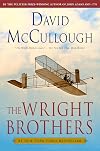
The Wright Brothers is the third book I’ve completed by David McCullough. It’s also my favorite. I enjoyed John Adams and 1776, but The Wright Brothers helped me understand what was so compelling about Wilbur and Orville Wright.
McCullough does a wonderful job telling their stories and capturing their personalities. He conveys what motivated them and what was most important to them with their family of origin being near the top. Both men were products of their time and place. The world was ready for the first airplane and the brothers had the resources and the freedom to study and experiment until it was created.
The events caused me to wonder about fate and destiny. The two brothers’ lives, characters, and interests dovetailed and formed the perfect ingredients required to conquer the long-sought goal of mechanical flight. Both men were highly intelligent, had minds for engineering (even without college degrees), and had solid business instincts that helped them crack the requirements for human flight and spread the word and profit from their efforts.
Of course, there is a dark side to humans conquering the air, and McCullough hints at what’s to come, alluding to H. G. Wells's prediction of death falling from the sky in the form of bombs. Wells was writing at the same time the Wrights first took to the skies in Kitty Hawk, North Carolina.
Most books generally have something I wish was different. But with this one, it’s hard to find fault. The pacing, the stories, show more and the characters are all superb. If I can enjoy a book about engineering, anyone can. show less
McCullough does a wonderful job telling their stories and capturing their personalities. He conveys what motivated them and what was most important to them with their family of origin being near the top. Both men were products of their time and place. The world was ready for the first airplane and the brothers had the resources and the freedom to study and experiment until it was created.
The events caused me to wonder about fate and destiny. The two brothers’ lives, characters, and interests dovetailed and formed the perfect ingredients required to conquer the long-sought goal of mechanical flight. Both men were highly intelligent, had minds for engineering (even without college degrees), and had solid business instincts that helped them crack the requirements for human flight and spread the word and profit from their efforts.
Of course, there is a dark side to humans conquering the air, and McCullough hints at what’s to come, alluding to H. G. Wells's prediction of death falling from the sky in the form of bombs. Wells was writing at the same time the Wrights first took to the skies in Kitty Hawk, North Carolina.
Most books generally have something I wish was different. But with this one, it’s hard to find fault. The pacing, the stories, show more and the characters are all superb. If I can enjoy a book about engineering, anyone can. show less