When I was younger, I read A Fault in Our Stars every year because I felt obliged somehow to have a yearly dose of existentialism. I didn't think of it in those terms but somehow each year it felt unambiguous that it was the right time to do so and yet haven't done it in years.
I think this will be that book for me now and I wonder when I will feel compelled to read it again in the future.
I'll admit, as one author put it, short stories thrust the knife in and then leave it your chest still quivering. That is as true in this book as any short story, but I'm also not sure my heart could take it being more drawn out
I think this will be that book for me now and I wonder when I will feel compelled to read it again in the future.
I'll admit, as one author put it, short stories thrust the knife in and then leave it your chest still quivering. That is as true in this book as any short story, but I'm also not sure my heart could take it being more drawn out
I was reminded as always why I don't like short books, but this one was the right length for the story it would tell. Apparently it's a tribute to Things: A story of the sixties (and with the wikipedia summary, seemingly pretty close to a modern re-skin)
I was nodding hard to a lot of it, and the fact that it seems to relatable to me, and specific, but I also think widely relatable points to broader themes of the globalist flattening of (western) culture and so on. And since it paints a pretty bleak picture, where at best, there's the cynical (say pragmatic) acceptance of aesthetics, and by the end, both are q consumer of social media, and one of its technocratic elite professinals who can craft an especially aesthetic, timely, urbanely-edgy-german B&B, playing the game of paying influencers, and buying followers to make it successful. Just play the game to keep going.
But I'm taken by the title Things, of the book it's based on. Things was never the way to be happy or what to focus on, so (in what I imagine that book is like), if you set up the third person narrator to focus on only that, it *does* seem empty.
And here, the narrator is concerned on the things, the specific cultural.exports and brands which we've become experts in (genmatcha tea to specific monsterra plants), the social media gaze of it all which says "the other people are having more fun, better intimacy, more fulfilling jobs and more relaxing vacations". If that is the only focus, how can it not be show more vacuous, it's ignoring all the family, their relationship, just the flitting friends
I decided to focus on the happier contrapositive, viewing only this myopic dinner subset of life is pretty soul crushing because these parts were never "the point" show less
I was nodding hard to a lot of it, and the fact that it seems to relatable to me, and specific, but I also think widely relatable points to broader themes of the globalist flattening of (western) culture and so on. And since it paints a pretty bleak picture, where at best, there's the cynical (say pragmatic) acceptance of aesthetics, and by the end, both are q consumer of social media, and one of its technocratic elite professinals who can craft an especially aesthetic, timely, urbanely-edgy-german B&B, playing the game of paying influencers, and buying followers to make it successful. Just play the game to keep going.
But I'm taken by the title Things, of the book it's based on. Things was never the way to be happy or what to focus on, so (in what I imagine that book is like), if you set up the third person narrator to focus on only that, it *does* seem empty.
And here, the narrator is concerned on the things, the specific cultural.exports and brands which we've become experts in (genmatcha tea to specific monsterra plants), the social media gaze of it all which says "the other people are having more fun, better intimacy, more fulfilling jobs and more relaxing vacations". If that is the only focus, how can it not be show more vacuous, it's ignoring all the family, their relationship, just the flitting friends
I decided to focus on the happier contrapositive, viewing only this myopic dinner subset of life is pretty soul crushing because these parts were never "the point" show less
Maybe You Should Talk to Someone: A Therapist, HER Therapist, and Our Lives Revealed by Lori Gottlieb
I got this from a book-tuber as a memoir for people who want to re-try memoirs and see if they like it, and I think this is pretty good for that. As the reviewer says, good for nosy bitches :-), compulsively readable, tragi-comedically funny, and makes you want to go to therapy.
On the downside, it's hard not to feel voyeuristic, I like fiction more anyway and I wish this was a fiction book instead. She's not interviewing people who go into it looking to be written about, at best, after respecting and enjoying the therapist-client relationship, they agreed to be in the book. But for at least one person, if the chronology is accurate, the patient is dead so can't agree (although she would be the most likely to agree, so maybe her husband did). There's also a feeling, as Bo Burnam said, "A little bit of everything all of the time" as you bounce between these different lives
And in general, it actually felt too cinematic. I was reminded of Sherlock Holme's books where, unlike a real life crime scene, everything the reader knows about the crime scene has to be explicitly mention in the book. So the challenge is to hide the clues such that the reader reads it, disregards it, and then at reveal, is amazed. Gottlieb is many good things, but she is not a subtle writer and she doesn't have that sort of deft hand. It's not that it's required for this book, but it leads to a lot of very heavy-handed internal monologue with an extremely apparent payoff (a patient doesn't use the show more tissue box, then at a critical revelation, does), and I somehow wanted more subtlety.
It's also emotionally jarring to go from her internal monologue with Wendall (her therapist) where nothing is certain, she's working through foundational things, and then with her patients, there's a veneer of absolute confidence. I know therapists are people too, but it comes across at best a little preachy ("the research says" with no citation), and at worst a little self satisfied. I didn't love how it's not self help but is certainly not uninterested in giving life advice.
Which is to say it's a complicated book which, for better or worse, 'uses' real people. But for all that, it has the authenticity that can only come from real life and a worldliness which can only come from seeing many people's most secret thougths show less
On the downside, it's hard not to feel voyeuristic, I like fiction more anyway and I wish this was a fiction book instead. She's not interviewing people who go into it looking to be written about, at best, after respecting and enjoying the therapist-client relationship, they agreed to be in the book. But for at least one person, if the chronology is accurate, the patient is dead so can't agree (although she would be the most likely to agree, so maybe her husband did). There's also a feeling, as Bo Burnam said, "A little bit of everything all of the time" as you bounce between these different lives
And in general, it actually felt too cinematic. I was reminded of Sherlock Holme's books where, unlike a real life crime scene, everything the reader knows about the crime scene has to be explicitly mention in the book. So the challenge is to hide the clues such that the reader reads it, disregards it, and then at reveal, is amazed. Gottlieb is many good things, but she is not a subtle writer and she doesn't have that sort of deft hand. It's not that it's required for this book, but it leads to a lot of very heavy-handed internal monologue with an extremely apparent payoff (a patient doesn't use the show more tissue box, then at a critical revelation, does), and I somehow wanted more subtlety.
It's also emotionally jarring to go from her internal monologue with Wendall (her therapist) where nothing is certain, she's working through foundational things, and then with her patients, there's a veneer of absolute confidence. I know therapists are people too, but it comes across at best a little preachy ("the research says" with no citation), and at worst a little self satisfied. I didn't love how it's not self help but is certainly not uninterested in giving life advice.
Which is to say it's a complicated book which, for better or worse, 'uses' real people. But for all that, it has the authenticity that can only come from real life and a worldliness which can only come from seeing many people's most secret thougths show less
I think more about me than the actual book, I see why this is one of the more popular discworld's. It was somehow a struggle at the end to finish (not that it wasn't satisfying). Lots of Pratchett's wit, good one-liner's, and double entendres. Very early spoiler but it involves time travel and, of course, Practhett does it amazingly well. It is useful for the plot and a little mysterious, but he neither gets caught up in logic loops, or just pretends it isn't a strange thing.
Maybe it's hard because for most other books I rate highly, I can imagine rereading it to get into a certain mood or to feel a certain emotion. This is neither as fun/happy-inducing as a 'calorie-less' book, or as weighty and emotionally resonant as other books (and which I have felt with other discworld books). So I probably won't reread it
Maybe it's hard because for most other books I rate highly, I can imagine rereading it to get into a certain mood or to feel a certain emotion. This is neither as fun/happy-inducing as a 'calorie-less' book, or as weighty and emotionally resonant as other books (and which I have felt with other discworld books). So I probably won't reread it
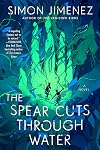
I like long books but, to be honest, this would have been better as a novella. It felt stretched out, I got about 90% and then put it down for a while. There are some beautiful moments (slight spoilers) -- I liked when it flashed into another perspective a lot (although it stopped happening by the end), the story-within-the-story was nice (until it just started really breaking the 3rd wall hard in the last 3 pages), I even liked how god-hood was feeling the rhythm of the world
But I'm not sure there was that much character growth, certainly nothing unpredictable. The 3 terrors are dispatched relatively easily. As a small point, at the end it goes through bullet points blinking through the future family to meet the stand-in character (it even calls it 'bullet points'), and there was simply no emotional weight to it. As a contrast, pachinko goes through family history but it's amazing to see how the threads combine and how choices in the beginning ripple out. This has none of that.
I was going to read more by him but apparently I read Vanished birds and have zero recollection of it, and also gave it 3 stars. I think he's just not for me
But I'm not sure there was that much character growth, certainly nothing unpredictable. The 3 terrors are dispatched relatively easily. As a small point, at the end it goes through bullet points blinking through the future family to meet the stand-in character (it even calls it 'bullet points'), and there was simply no emotional weight to it. As a contrast, pachinko goes through family history but it's amazing to see how the threads combine and how choices in the beginning ripple out. This has none of that.
I was going to read more by him but apparently I read Vanished birds and have zero recollection of it, and also gave it 3 stars. I think he's just not for me
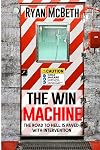
I'm always wary of reviewing (negatively) a small indie book because a small number of reviews can have a big impact. Before I'm critical, I think, for a debut novel (by someone who isn't a fulltime novelist), this is pretty good. It's a quick read, might as well try it.
But while I did finish it, it was only ok, and fell apart at the end, before really falling flat in the last chapter. Many of the characters are a little one sided with a lot of words spent on showing the main protagonist is interpersonally very nice (if not on a worldwide level). So lots of words on him getting his security guards cake, the work-from-home of his employees, etc. Before I get to the end, it has some long interludes of techno-babble and some psuedo-philosophical takes on what it would mean to have a 100% perfect titular 'win machine). I know just enough quantum computing to find this pretty grating. If anything, having it be not 100% perfect but still reliable would make it messier and more interesting bc they'd be operating under uncertainty not just blindly following a 'video game'
And then for the end (spoilers ahead). They pull a deus ex machina, kill lots of chinese but the rest of the world gets better and no one cares about china. He has to put a dig in the UN's number of 5 million dead as opposed to the US' 2 million, as if that makes it better. No talk on nuclear fallout.
When, at the very end, it cut to the protagonist planning on buying 51% condo to usurp his annoying condo show more president (which he doesn't live at anymore!), I almost stopped reading the book in disgust with only 10 pages left.
I can pretend this is McBeth's indictment on a callous sociopath who is happy he at least has his grain futures and 1 billion, and who now has to deal with some angst when someone says "You created a monster", but it doesn't read that way. Instead, the whole book sets up him as a pragmatic "regular guy" who we're meant to be ultimately sympathetic to, and his editor asked him to put a single last line (in a chapter of him worrying about his REM cycle!) to show some internal guilt because otherwise it's even more gross show less
But while I did finish it, it was only ok, and fell apart at the end, before really falling flat in the last chapter. Many of the characters are a little one sided with a lot of words spent on showing the main protagonist is interpersonally very nice (if not on a worldwide level). So lots of words on him getting his security guards cake, the work-from-home of his employees, etc. Before I get to the end, it has some long interludes of techno-babble and some psuedo-philosophical takes on what it would mean to have a 100% perfect titular 'win machine). I know just enough quantum computing to find this pretty grating. If anything, having it be not 100% perfect but still reliable would make it messier and more interesting bc they'd be operating under uncertainty not just blindly following a 'video game'
And then for the end (spoilers ahead). They pull a deus ex machina, kill lots of chinese but the rest of the world gets better and no one cares about china. He has to put a dig in the UN's number of 5 million dead as opposed to the US' 2 million, as if that makes it better. No talk on nuclear fallout.
When, at the very end, it cut to the protagonist planning on buying 51% condo to usurp his annoying condo show more president (which he doesn't live at anymore!), I almost stopped reading the book in disgust with only 10 pages left.
I can pretend this is McBeth's indictment on a callous sociopath who is happy he at least has his grain futures and 1 billion, and who now has to deal with some angst when someone says "You created a monster", but it doesn't read that way. Instead, the whole book sets up him as a pragmatic "regular guy" who we're meant to be ultimately sympathetic to, and his editor asked him to put a single last line (in a chapter of him worrying about his REM cycle!) to show some internal guilt because otherwise it's even more gross show less
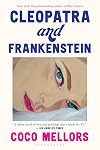
It was nice, I think. There's a lot to admire, I liked how Mellers would pick out random conversations around her. I also found it charming how poetic so many of the character's dialogue is but in a matter of fact way. I liked seeing how one relationship rippled out, and in a happier book that could have been enough. This was not -- that but I appreciate that it pulled it's punches (A Little Life being always seared into my mind as alternative), especially where the younger sister's sugar daddy was ultimately kind (as compared to say, Eleanor's off screen old man). I also found the contrast with Eleanor's grounded "fierce love" tragic when put in such stark comparison to the other character's parents (as made explicitly at the end).
Also, for whatever the last few pages try to hide, its amazing how sympathetic Mellor's artistic eye is towards :
- Cocaine use being unremarkable and unreproachful (more so than alcohol even which gets a lot of text time)
- Age gaps in relationships being neither here nor there (it's just hard to engage this book if you think everyone agrees those relationships are impossible)
- Everyone is constantly talking about how everyone else looks
- They're lonely in a romantic sense but incredibly well supported by friends (although I understand being truly alone isn't fun to write. Eleanor is the exception but she doesn't air her loneliness of friendship, only desire for Frank)
Also, for whatever the last few pages try to hide, its amazing how sympathetic Mellor's artistic eye is towards :
- Cocaine use being unremarkable and unreproachful (more so than alcohol even which gets a lot of text time)
- Age gaps in relationships being neither here nor there (it's just hard to engage this book if you think everyone agrees those relationships are impossible)
- Everyone is constantly talking about how everyone else looks
- They're lonely in a romantic sense but incredibly well supported by friends (although I understand being truly alone isn't fun to write. Eleanor is the exception but she doesn't air her loneliness of friendship, only desire for Frank)
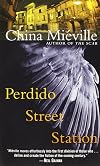
It was fine, Mieville is an incredibly creative author and the city felt dynamic, and messy, and interesting. It is more about me than the book but I was in the mood for awe-inspiring and that is not what I think it was meant to give. I honestly would have been happier with a slice of life rather than the high-stakes 'heist' that it became, although it was still entertaining. For the messy ending, it was ok, although I wouldn't have minded a slightly happier one. If anything, it wasn't as dramatic as it could have been with a confrontation, just friends who then left abruptly and permanently
He does have a way with words, the vocabulary is unpretentious but evocative ("slake moths" is an amazing word)
He does have a way with words, the vocabulary is unpretentious but evocative ("slake moths" is an amazing word)
Babel: Or the Necessity of Violence: An Arcane History of the Oxford Translators' Revolution by R. F. Kuang
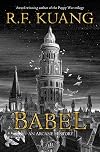
This book is many things, some good, some bad but one thing it is not is subtle. At first it was only somewhat annoying because the protagonists were unambiguously perfect - brilliant although from an unprivileged background, trying to succeed while pushed back by unambiguously evil englishmen. And I thought how a more nuanced villain could actually make it more effective
Skip thorough the middle, I don't mind the on the nose didactic nature of the learning at points (although have a high tolerance for it) and they mature fast. Maybe not that much character development
But there's a definite turn (spoilers ahead) once he kills his father. And I was with the escalation at points. Maybe I'm just weak and can't stomach suffering even though I know it has happened and is happening in the world, even in fiction. But it was too much, it reminded me of A Little Life, and that's not a good thing. That book was haunting, this book was too much. It turns out I don't want to listen to the inner monologue of a martyr the moments before they die, convincing their friends to kill themselves too. I don't want to hear a professor give historical accounts of why death is good (or that she's the one who says the last word to the people who robin convinced). I don't want to hear them (sadly I did audiobooks so I did hear it) say "I don't want to die", kill themselves, and then hear that no one actually chickened out. I guess no one wants it, that's the point
Skip thorough the middle, I don't mind the on the nose didactic nature of the learning at points (although have a high tolerance for it) and they mature fast. Maybe not that much character development
But there's a definite turn (spoilers ahead) once he kills his father. And I was with the escalation at points. Maybe I'm just weak and can't stomach suffering even though I know it has happened and is happening in the world, even in fiction. But it was too much, it reminded me of A Little Life, and that's not a good thing. That book was haunting, this book was too much. It turns out I don't want to listen to the inner monologue of a martyr the moments before they die, convincing their friends to kill themselves too. I don't want to hear a professor give historical accounts of why death is good (or that she's the one who says the last word to the people who robin convinced). I don't want to hear them (sadly I did audiobooks so I did hear it) say "I don't want to die", kill themselves, and then hear that no one actually chickened out. I guess no one wants it, that's the point
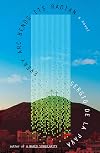
I really like De La Pava's work, especially Lost empress but also naked singularity (haven't been able to get a copy of personae). I dunno about this one - it's short enough I'd normally read in a short time but ended up taking a month, maybe it's better in a shorter sitting
The hard boiled detective part was fun enough, at times it was very magical realism in how some parts are detailed and other parts just time-skip and you can't overthink it (he puts up hidden cameras??).
But when it turns in the last 20%, I just lost everything. Partly I just don't like horror and you can have a horrifically dastardly villain without gore. But also I think De La Pava starts to speak too much like a lawyer and it just becomes annoying. In other books, it became so pretentious it almost goes full circle, and out through the other side into hilarious+tragic+solemn+philosophical+sincere all at the same time; thoughtful in a way where it seems like the characters (and the author) forget there's another way of speaking and they just want to articulate clearly. I remember particularly the ends of Naked Singularity (didn't love that one but it was transcendent) and of Lost Empress (which I did love) where it felt like a crescendo building.
This wasn't that for me. Maybe it just kept going too long. Maybe the others were offset by the mundane setting, while this was fantastical (in an honestly uninteresting way and unwarranted). Maybe I just prefer vaguely happy endings.
I always feel bad leaving show more a negative rating on a new book - he's a great author and it has lines which floor me. I think it shows how difficult writing is, that it can have all the ingredients which De La Pava has been uniquely good at producing, and I left less happy than I had hoped. I also think he was under his own constraints I don't understand, maybe it was all allegorical in a way I need to reread to understand. Will read whatever he writes next with enthusiasm show less
The hard boiled detective part was fun enough, at times it was very magical realism in how some parts are detailed and other parts just time-skip and you can't overthink it (he puts up hidden cameras??).
But when it turns in the last 20%, I just lost everything. Partly I just don't like horror and you can have a horrifically dastardly villain without gore. But also I think De La Pava starts to speak too much like a lawyer and it just becomes annoying. In other books, it became so pretentious it almost goes full circle, and out through the other side into hilarious+tragic+solemn+philosophical+sincere all at the same time; thoughtful in a way where it seems like the characters (and the author) forget there's another way of speaking and they just want to articulate clearly. I remember particularly the ends of Naked Singularity (didn't love that one but it was transcendent) and of Lost Empress (which I did love) where it felt like a crescendo building.
This wasn't that for me. Maybe it just kept going too long. Maybe the others were offset by the mundane setting, while this was fantastical (in an honestly uninteresting way and unwarranted). Maybe I just prefer vaguely happy endings.
I always feel bad leaving show more a negative rating on a new book - he's a great author and it has lines which floor me. I think it shows how difficult writing is, that it can have all the ingredients which De La Pava has been uniquely good at producing, and I left less happy than I had hoped. I also think he was under his own constraints I don't understand, maybe it was all allegorical in a way I need to reread to understand. Will read whatever he writes next with enthusiasm show less
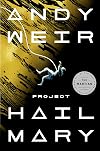
Pretty fun and a good length. I don't remember the Martian that well but it seemed a little more focused on the jargon, maybe my tolerance just increased but this one felt like a better balance, more character driven. Directed evolution with unforseen consequences was great
Very purposefully it gave imperfect closure on earth and that's ok. I would have liked an addendum with some earth news but it's not what Weir would like to right, if only someone like kim Stanley Robinson had riffed on it
There are times the protagonist is a little too folksy and sarcastic in a way I rolled my eyes, but it was a good story
Very purposefully it gave imperfect closure on earth and that's ok. I would have liked an addendum with some earth news but it's not what Weir would like to right, if only someone like kim Stanley Robinson had riffed on it
There are times the protagonist is a little too folksy and sarcastic in a way I rolled my eyes, but it was a good story

This book has pretty high highs, but really stumbles at the end. I mostly want to be positive, it's incredibly creative, has some nerdy allusions (the monster group dimensions) which are fun, and does a lot while being short. But the ending is annoying (spoilers - no one has told the main evils to sleep), it feels like it wanted to give lessons about continuously exploring but it doesn't work. Also could be the gell-man affect but calling the wizard a "10X wizard" calling all west coasts 'californian' west coasts (of good vibes), and calling out Miyazaki movies at the end made me sad and annoyed. I read his newsletter and respect/enjoy it but silicon valley feels like a cult sometimes. Even in a book set ten thousand years in the future they think their media is immortal compared to everything before and after. I felt it strongly with his other books too and most of the way through this one I didn't feel it. But it came strongly at the end
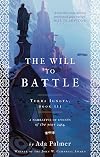
An amazingly cerebral work. Surprisingly dense, possibly because of other life circymstances but this took me multiple months to read (via audiobook). I think partly because it's not an easy read, Palmer likes to think about poli-sci and history (and brings to bear what is obviously a life full of leanring). But when I sat down and read it, I was sucked in and deliriously happy.
I'll be curious how they treat the final word but I appreciate the gravity they treat going to war, it makes me realize how bellicostic so much other media I read is (and I don't watch very war-full books).
I do think this book is better without Bridger, because He made everything too meaningless without stakes. On the other hand, I can't let go of how JEDD mason could just be a crazy person raised by Madame. We know the world there has (god-like) miracles, and the 'proven' god wanted to save JEDD mason. But who knows, he could have just trusted Mycroft saying it so.
And the world where Mason is just hallucinating makes everything else pretty meaningless
I'll be curious how they treat the final word but I appreciate the gravity they treat going to war, it makes me realize how bellicostic so much other media I read is (and I don't watch very war-full books).
I do think this book is better without Bridger, because He made everything too meaningless without stakes. On the other hand, I can't let go of how JEDD mason could just be a crazy person raised by Madame. We know the world there has (god-like) miracles, and the 'proven' god wanted to save JEDD mason. But who knows, he could have just trusted Mycroft saying it so.
And the world where Mason is just hallucinating makes everything else pretty meaningless
I got 70% of the way through this book and then dropped it for months because life was hard and it's a book you have to be in a certain mood for
Reminds me a lot of the last few books in enders game, where all the setup gets to talking about the people and the religion. I actually would have preferred more interpersonal and less religious, but it could have been worse. Very lyrical, not so many characters I can't keep track and some great quotes
Immediately bought the 3rd book audiobook but we'll see when I read it
Just innovative unlike other books I've read
Reminds me a lot of the last few books in enders game, where all the setup gets to talking about the people and the religion. I actually would have preferred more interpersonal and less religious, but it could have been worse. Very lyrical, not so many characters I can't keep track and some great quotes
Immediately bought the 3rd book audiobook but we'll see when I read it
Just innovative unlike other books I've read
It's fine. I'm not pining for the third book like some and even though it's 'just' republishing and modifying an older story, it still works. I listened to it in basically one sitting and the beginning reminded me of The slow regard (which I really loved) where it was slice of life with immortals dancing through mortals to their own rules. I really liked the interaction between young kids acting solemnly and bast the font of all knowledge (compared to him with kvothe where he's the child). But towards the end, it wasn't ethereal and calming, but it was also only kinda plot focused. Probably won't read again but I'll read slow regard again to remember it
I should say I am a big fan of Cory's work and follow a lot of other climate authors (Kim Stanley Robinson, newest Neal Stephenson) so was very interested in Cory's take, especially compared to Walkaway which I really loved.
[spoilers]
I think the complexity and gray area with which Doctorow can articulate each sides foibles and strengths (GND, MAGA, bitcoin) is often very pointed and nuanced, sometimes really hits you over the head (one character is all on with bitcoin, until one flotilla speaker is very on the nose and then she goes back to GND. Right after the main character thinks about the fear of the MAGA crowd, not as just stereotypes, they hold everyone at gunpoint).
I also admit, I am a little tired of (this sounds meaner than I quite mean it), Cory's prototypical awkward nerd who meets his manic pixie dream girl (but street smart, highly political, and extremely forward with intimacy). I feel like I'm rereading Pirate Cinema and Makers again and could almost swear similar language was used in Pirate Cinema.
To finish off the complaints, like Pirate Cinema, there's again the young barely-adult guy who loses his entire support system (leaves home, or everyone dies) and then finds a new found family in political organizing. It starts to feel like he just needs someone to hug, has nothing to lose, and is just bouncing around trying to feel cool, less insecure, and loved. It's amazing that the people take him in, and it doesn't come across as insincere, but in the show more space of a few chapters he keeps getting pummeled, almost killed, and there's very little reflection - just goes to sleep, the chapter ends, and the main plot continues until another heart wrenching change. Under the background of (teenage) moral certainty there's also just a quiet desperation to not be alone which was hard to read sometimes. I would have loved a slice-of-life part of doing the work, but maybe it's not good for a popular book.
I kinda of missed some of the novella's in Unauthorized bread which had a definite scope, here it waffled between one town and large scale consequences.
But overall I enjoyed it and read it a few sittings. I was extremely unprepared for the part about his parents dieing in the same bed and 8 year old him being unable to even get them out of bed. And it makes me want to voluenteer - there's so much to do show less
[spoilers]
I think the complexity and gray area with which Doctorow can articulate each sides foibles and strengths (GND, MAGA, bitcoin) is often very pointed and nuanced, sometimes really hits you over the head (one character is all on with bitcoin, until one flotilla speaker is very on the nose and then she goes back to GND. Right after the main character thinks about the fear of the MAGA crowd, not as just stereotypes, they hold everyone at gunpoint).
I also admit, I am a little tired of (this sounds meaner than I quite mean it), Cory's prototypical awkward nerd who meets his manic pixie dream girl (but street smart, highly political, and extremely forward with intimacy). I feel like I'm rereading Pirate Cinema and Makers again and could almost swear similar language was used in Pirate Cinema.
To finish off the complaints, like Pirate Cinema, there's again the young barely-adult guy who loses his entire support system (leaves home, or everyone dies) and then finds a new found family in political organizing. It starts to feel like he just needs someone to hug, has nothing to lose, and is just bouncing around trying to feel cool, less insecure, and loved. It's amazing that the people take him in, and it doesn't come across as insincere, but in the show more space of a few chapters he keeps getting pummeled, almost killed, and there's very little reflection - just goes to sleep, the chapter ends, and the main plot continues until another heart wrenching change. Under the background of (teenage) moral certainty there's also just a quiet desperation to not be alone which was hard to read sometimes. I would have loved a slice-of-life part of doing the work, but maybe it's not good for a popular book.
I kinda of missed some of the novella's in Unauthorized bread which had a definite scope, here it waffled between one town and large scale consequences.
But overall I enjoyed it and read it a few sittings. I was extremely unprepared for the part about his parents dieing in the same bed and 8 year old him being unable to even get them out of bed. And it makes me want to voluenteer - there's so much to do show less
I really like cory doctorow's book (I've read it all, every book he's published, his daily newsletter now, boing boing for a while). This review might involve spoilers for a lot of those books
I think it's interesting to see how his work and other science fiction writes work changes, like kim stanley robinson getting more fatalist as he realizes the enormity of the systematic change needed to stop a climate catastrophe and neal stephenson getting more like a jazz musician, effortlessly riffing with no editor-induced page limit, but without the poeticism (or at least clockwork-dense packed plots) of his other works.
The progression of walkaway to radicalized to attack surface to this book, is a big jump. And I can't believe pirate cinema and Makers was only a decade ago, I miss reading those earlier books because they were more optimistic, younger (I was much younger then too), and they pressed against the constraints of 'the' system as hard as possible without feeling guilty about it or worrying abut it. I wonder if the teenage protagonist of Pirate cinema or the 20-30s year olds Makers would make the decisions that Martin does when they grew older to his age. It's the farthest thing from the 'first days of a better nation' in walkway.
Radicalized was a clarion call (I still think about the ending about the insurance chapter - maybe violence is the answer. So raw!) but this book and attack surface are more morally focused, more morally fraught, able to be okay with extreme show more moral relativism, and about dealing with the cards as they are dealt without rocking the boat too much. They're hyperaware of the broader world around them so every decision has to be backed up with a moral resolution (maybe the other books' protagonists are young, myopic, and selfish).
They're very focused on comfort, about enjoying the finer things in life. Masha notices very much about how power walks and talks in Afghanistan. Here there is a lot of talk about 'pieces' of art - expensive jewlery from hidden-gem masters, a deluge of good food, alcohol for days, CEO's who paint, corrupt bankers' husbands who sculpt, and a world in which everyone from the DHS agents onward appreciates and approves of this art. I wondered if it was making fun of them, for papering over messy corrupt lives with art, but I think it was serious.
It's also older in how there's so much casual death, not just in the mafiosa killings but of everyone just aging out. Hyperaware of retiring and finally getting the years off.
(major spoilers)
I dunno, I don't want saccharine endings but between attack surface's ending of masha 'victoriously' holding to her morals against her friends' pleas for help (she could have helped with her other skills), and this book of him unquestionginly riding out on 300 million of crypto assets (both old school crypto and new school crypto) with some veneer of moral relativism of donating to charity, warning other tax cheats, but telling the IRS so they can learn the soon-to-be-obsolete tricks, I guess I just wanted to be inspired again show less
I think it's interesting to see how his work and other science fiction writes work changes, like kim stanley robinson getting more fatalist as he realizes the enormity of the systematic change needed to stop a climate catastrophe and neal stephenson getting more like a jazz musician, effortlessly riffing with no editor-induced page limit, but without the poeticism (or at least clockwork-dense packed plots) of his other works.
The progression of walkaway to radicalized to attack surface to this book, is a big jump. And I can't believe pirate cinema and Makers was only a decade ago, I miss reading those earlier books because they were more optimistic, younger (I was much younger then too), and they pressed against the constraints of 'the' system as hard as possible without feeling guilty about it or worrying abut it. I wonder if the teenage protagonist of Pirate cinema or the 20-30s year olds Makers would make the decisions that Martin does when they grew older to his age. It's the farthest thing from the 'first days of a better nation' in walkway.
Radicalized was a clarion call (I still think about the ending about the insurance chapter - maybe violence is the answer. So raw!) but this book and attack surface are more morally focused, more morally fraught, able to be okay with extreme show more moral relativism, and about dealing with the cards as they are dealt without rocking the boat too much. They're hyperaware of the broader world around them so every decision has to be backed up with a moral resolution (maybe the other books' protagonists are young, myopic, and selfish).
They're very focused on comfort, about enjoying the finer things in life. Masha notices very much about how power walks and talks in Afghanistan. Here there is a lot of talk about 'pieces' of art - expensive jewlery from hidden-gem masters, a deluge of good food, alcohol for days, CEO's who paint, corrupt bankers' husbands who sculpt, and a world in which everyone from the DHS agents onward appreciates and approves of this art. I wondered if it was making fun of them, for papering over messy corrupt lives with art, but I think it was serious.
It's also older in how there's so much casual death, not just in the mafiosa killings but of everyone just aging out. Hyperaware of retiring and finally getting the years off.
(major spoilers)
I dunno, I don't want saccharine endings but between attack surface's ending of masha 'victoriously' holding to her morals against her friends' pleas for help (she could have helped with her other skills), and this book of him unquestionginly riding out on 300 million of crypto assets (both old school crypto and new school crypto) with some veneer of moral relativism of donating to charity, warning other tax cheats, but telling the IRS so they can learn the soon-to-be-obsolete tricks, I guess I just wanted to be inspired again show less
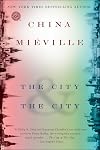
I was ok for the first 3/4 but the last 1/4 I kept waiting for it to all come together, but it fizzled out. So much cool world building but, as an example, such a huge fuss is made about how this is the only place where artifacts were commingled, but it was never used anyway. When the main antagonist uses the artifact gun (although uses is a strong word), a knife would have worked equally. Oricini was the big question but it was nothing. I was looking forward to a cat and mouse game between breach and oricini, maybe where they both have the ancient tech, but breach are just beurocrats and oricini is imagination. Maybe breach works now but 1k years ago, how did they pretend to be all knowing without spy tech - just informants.
Their point where breach can magically appear is just they walk half in both cities? Unseeing wasn't phrases as that absolute, people still notice, just don't focus on it
One review said how it's like we dont consider all the modern day slavery which makes our world go, or homeless people who some people avoid making eye contact, but it's not a satisfying allegory. Is breach politicians who know it's bad but force the separation?
As an example of turning a city into a character (if you don't question how it works), it's fine, and it's not that long, but the ending didn't justify the rest
Their point where breach can magically appear is just they walk half in both cities? Unseeing wasn't phrases as that absolute, people still notice, just don't focus on it
One review said how it's like we dont consider all the modern day slavery which makes our world go, or homeless people who some people avoid making eye contact, but it's not a satisfying allegory. Is breach politicians who know it's bad but force the separation?
As an example of turning a city into a character (if you don't question how it works), it's fine, and it's not that long, but the ending didn't justify the rest
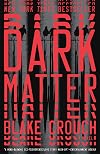
A pretty fun thriller which also tried to talk about life, without being too preachy (maybe a little at the end). Sort of fun to think about all the different words and some nice mexican standoff aspects which I didn't expect
But I've never met a book which called out so much for chapters to feature multiple perspectives. Like we got a single unbroken narration but the whole point was that the middle, there is no difference between a Jason who branched off 2 days ago and the narrator, the narrator just happened to be the one who thought of the jail thing at the very end and the author 'happened' to follow the ultimate victor. But it leads to this sort of main character syndrome of circular reasoning, where the love between our protagonist and Daniela is somehow the best one, even though there's a Jason who is arbitrarily similar to this one.
I get it makes a nicer ending where we don't have to think about what the other Jasons have to do, now that they left. But imagine if there was a chapter where it followed Jason 24's path, or whatever. It could have been so heart wrenching (although maybe just needlessly sad), but it could have explored how contingently each person's story is written
But I've never met a book which called out so much for chapters to feature multiple perspectives. Like we got a single unbroken narration but the whole point was that the middle, there is no difference between a Jason who branched off 2 days ago and the narrator, the narrator just happened to be the one who thought of the jail thing at the very end and the author 'happened' to follow the ultimate victor. But it leads to this sort of main character syndrome of circular reasoning, where the love between our protagonist and Daniela is somehow the best one, even though there's a Jason who is arbitrarily similar to this one.
I get it makes a nicer ending where we don't have to think about what the other Jasons have to do, now that they left. But imagine if there was a chapter where it followed Jason 24's path, or whatever. It could have been so heart wrenching (although maybe just needlessly sad), but it could have explored how contingently each person's story is written

Phew! I even prefer long books but that was a lot. I like Liu's books and there aren't many authors I'd put at least 100 hours into. When they are great they are particularly great. I have trouble with books involving too much political intrigue and family dynasties because I can't keep track of them, and this often verged on too much but it was manageable.
I also do like neat endings after all the time put into it, and the last few hours are nice if a little sudden. It felt like there was the cast of characters he wanted to end with and too many were alive right before the ending.
My main problem with it is that it's painted with a very uneven brush. Other authors take care to paint people as equally compassionate instead of just straight right and wrong. But the leuuku just became increasingly, cartonishly, evil (spoilers), feeding human baby flesh the the slaves, burning hundreds alive. It's not an anti hero just ridiculously evil. Some people are treated very compassionately (although not often with much growth), but they just repeatedly pit increasingly elaborate inventions against the same garinafins. And since it has to be a close victory to keep things interesting, they always almost lose before pushing through to win. In the end there's the point about how the broader Leuuku are given blanket pardons, which is a more difficult choice given the atrocities, I guess.
And same for the technology. Especially in the first books what I liked was it was couched in show more 'realism' but felt clever and unexpected with using electricity. But the last few books, he wanted to keep it as realistic so they just started inventing hype- modern innovations left and right out of the blue. It got to the point that just a few people single handedly invented roller coasters, automaton robots, automatous self organizing fliers, huge Gundam made of bone, ultrasonic weapons, the phonograph, programming languages, and OCR. Besides the earlier light bulbs and flying blimps. It's not that they aren't fun but I already know they can exist so it starts to feel monotonous. And even though they're inspired by the Leuuku or the natural world, it becomes so contrived. Like other stories which combine magic and technology at least have that magical innovation so it's unexpected. But I know the phonograph can work, so seeing them construct it with bones starts to fill silly and reinvented instead of novel. I know the end point bc I live in it right now.
But overall seeing Jia's internal strife was interesting and thinking back to Kuni Garu's rise to power it was crazy to think of how the world came. Aphorphisms like 'teeth on the board' stuck with me. I have a hard time with the idea that this world is finished show less
I also do like neat endings after all the time put into it, and the last few hours are nice if a little sudden. It felt like there was the cast of characters he wanted to end with and too many were alive right before the ending.
My main problem with it is that it's painted with a very uneven brush. Other authors take care to paint people as equally compassionate instead of just straight right and wrong. But the leuuku just became increasingly, cartonishly, evil (spoilers), feeding human baby flesh the the slaves, burning hundreds alive. It's not an anti hero just ridiculously evil. Some people are treated very compassionately (although not often with much growth), but they just repeatedly pit increasingly elaborate inventions against the same garinafins. And since it has to be a close victory to keep things interesting, they always almost lose before pushing through to win. In the end there's the point about how the broader Leuuku are given blanket pardons, which is a more difficult choice given the atrocities, I guess.
And same for the technology. Especially in the first books what I liked was it was couched in show more 'realism' but felt clever and unexpected with using electricity. But the last few books, he wanted to keep it as realistic so they just started inventing hype- modern innovations left and right out of the blue. It got to the point that just a few people single handedly invented roller coasters, automaton robots, automatous self organizing fliers, huge Gundam made of bone, ultrasonic weapons, the phonograph, programming languages, and OCR. Besides the earlier light bulbs and flying blimps. It's not that they aren't fun but I already know they can exist so it starts to feel monotonous. And even though they're inspired by the Leuuku or the natural world, it becomes so contrived. Like other stories which combine magic and technology at least have that magical innovation so it's unexpected. But I know the phonograph can work, so seeing them construct it with bones starts to fill silly and reinvented instead of novel. I know the end point bc I live in it right now.
But overall seeing Jia's internal strife was interesting and thinking back to Kuni Garu's rise to power it was crazy to think of how the world came. Aphorphisms like 'teeth on the board' stuck with me. I have a hard time with the idea that this world is finished show less
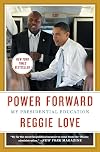
I don't read much fiction, much less biographies, but he was more honest than I think obama's memoir could be. Mostly just a short read
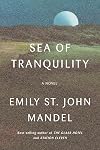
I've really enjoyed St. John Mandel's previous books, they have this ethereal quality I particularly enjoy. I feel less great about this one, partly bc Covid is still recent enough (ongoing I guess), so that it isn't helpful or cathartic to read someone else go through it, just feels sad. Partly because, while I haven't read too many of them, I've always found time travel books faintly annoying. I think it might be fun for authors to write, because it's a way of entangling storylines together, while also wrapping into a bow (or more like an ouroboros 'boa' :-) ), but I just found it unsatisfying. Everything becomes a tautology: "why did he visit Vincent?" "because he visited it before". "Why did his sister come back to save him" "because she already did so, so he could become a violinist". Even besides the philosophy-bait of whether this ruins free will, I just don't enjoy it. See also https://www.youtube.com/watch?v=d3zTfXvYZ9s .
However it was still ethereal and a one-afternoon sort of book.
However it was still ethereal and a one-afternoon sort of book.
I don't really like short stories because they're like this, as someone I read somewhere said, 'they put the knife in and pull it out, you don't even realize they stabbed you'.
And yet, maybe this wouldn't make sense as a long story. I like the idea of "I'd prefer not to", and how it was Bartleby's meekness which was so convincing him. But seeing him curled up in the prison, unwilling to eat, on a hunger strike, made me rather sad
And yet, maybe this wouldn't make sense as a long story. I like the idea of "I'd prefer not to", and how it was Bartleby's meekness which was so convincing him. But seeing him curled up in the prison, unwilling to eat, on a hunger strike, made me rather sad
A good book, the sort of book that only a well established author could write. I don't think this works as a debut book. But as the 3rd of the 3 californias, it does work. I understand it's no fun to make the utopia one too idyllic, although I think Kim went somewhat far the other way. I also understand that utopia isn't something you just have, but something you have to constantly fight for, and I enjoyed the slice-of-life aspect of it a lot (I've had a hard time finding this type of novel in traditional printed books)
I also found the love story one of the best I've read. I really felt his love for Ramona and so many words I thought 'yes, it felt just like that'. But I'm unsure what to make of the rattle-snake hill part. All the work they did was largely from his grandfather being famous (which, if the point is that these battles are being fought constantly in small towns' boads, defeats the purpose for me). And in the end, only the grandfather dying made it happen. Uninspiring and depressing. It is interesting to read this and compare to Ministry of the Future, and see how he fleshed out the ideas.
Finally, I just found it a lot the way that Kim's (and the grandfather's) version of utopia is just california in the 70's/80's. It's not that those are bad times, but biking everywhere with no gasoline usage is easier when it's not freezing (or really most places not CA)
I also found the love story one of the best I've read. I really felt his love for Ramona and so many words I thought 'yes, it felt just like that'. But I'm unsure what to make of the rattle-snake hill part. All the work they did was largely from his grandfather being famous (which, if the point is that these battles are being fought constantly in small towns' boads, defeats the purpose for me). And in the end, only the grandfather dying made it happen. Uninspiring and depressing. It is interesting to read this and compare to Ministry of the Future, and see how he fleshed out the ideas.
Finally, I just found it a lot the way that Kim's (and the grandfather's) version of utopia is just california in the 70's/80's. It's not that those are bad times, but biking everywhere with no gasoline usage is easier when it's not freezing (or really most places not CA)
A good book. I found it in a free library, took it home, and read it over a 5 hour period. Apparently I've also read Lock in, although don't remember it. It's a pretty exceptional debut novel (and he's gone on to show how good he is).
It's hard to not compare it to Enders' game. Bringing in older protagonists is a nice touch since they're so well developed. And the world-building is very cool. But the 2nd and 3rd book of the Ender trilogy is incomparable to the first (and I read somewhere that Scott Card wrote Enders' game as a way of preluding the 2nd/3rd). I hope future Old Man's War books also treat aliens with such compassion, as it hinted he would.
I don't know what I expected from the ending but it was a little saccharine and a little too fast. It seemed to be setting up future books to focus in on the Ghost Bridages, although I admit I find them a lot less interesting than the aliens.
And although it was acknowledged, the squashing and killing of other species I don't think was treated that well. If everyone who feels guilt is just following orders until they climb the ranks, and all of them die, then no one will ever question it
It's hard to not compare it to Enders' game. Bringing in older protagonists is a nice touch since they're so well developed. And the world-building is very cool. But the 2nd and 3rd book of the Ender trilogy is incomparable to the first (and I read somewhere that Scott Card wrote Enders' game as a way of preluding the 2nd/3rd). I hope future Old Man's War books also treat aliens with such compassion, as it hinted he would.
I don't know what I expected from the ending but it was a little saccharine and a little too fast. It seemed to be setting up future books to focus in on the Ghost Bridages, although I admit I find them a lot less interesting than the aliens.
And although it was acknowledged, the squashing and killing of other species I don't think was treated that well. If everyone who feels guilt is just following orders until they climb the ranks, and all of them die, then no one will ever question it
My first reading of delillo. Very unfortunately, I got the abridged audiobook so I both didn't get to appreciate the whole book, and had it very neatly spoiled the whole way through. I downloaded the unabridged audiobook but it'll be a while until I want to read it again. But what I did get from it, I liked. It felt pretty scattered (abridged :-( ) but he has great gritty self-reflective prose. Hearing about the art, and about the nuclear waste, it did feel somehow american in a way I haven't read in a while. The characters felt very real, unforced, and not constrained by plot. The end with the internet I didn't really understand
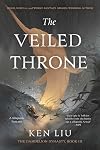
Edit: I feel bad bc I'm the only current review here. The other 2 books are great and there is probably going to be a great payoff in book 4. This one was just disappointing after waiting so long for it
It was alright, it's been a while since i read the first two books but I remembered liking them more. I heard that Liu wrote this and the sequel as one complete book but it would be a crazy length so it was split up. It felt like that, the first half is exposition with some major plot points started. Then maybe 60% through it shifts to another plot point which was made to be tidy enough to fit in 40% while still leaving hanging threads for the next book. So even though it's long, it both felt too short since so much was left, and dragged because it took something which felt like a side-plot and made it 40% of the book
Also I read that Liu's whole idea about this 'silkpunk' style was to make the engineers the heroes. And what I remembered of the last book it worked, when they figured out electricity it felt urgent and genius and like a sense of accomplishment. For this cooking scene 40%, it felt way too easy. All these inventions -- pressure bots, automatons, lenses, *roller coasters* came together out of a hat. There was no sense of invention just that we know that these inventions are possible so why not bring them there. And the antagonist was just so unrepentantly, cartoonishly evil, it just felt silly.
I liked the gods talking to each-other I guess. Not to belabor it but show more it has the aspect of political dramas/game of thrones where there are a lot of named characters and complicated relationships, which I can never remember so goes over my head. And the engineer side and underdog charm wasn't here either. Solidly ok show less
It was alright, it's been a while since i read the first two books but I remembered liking them more. I heard that Liu wrote this and the sequel as one complete book but it would be a crazy length so it was split up. It felt like that, the first half is exposition with some major plot points started. Then maybe 60% through it shifts to another plot point which was made to be tidy enough to fit in 40% while still leaving hanging threads for the next book. So even though it's long, it both felt too short since so much was left, and dragged because it took something which felt like a side-plot and made it 40% of the book
Also I read that Liu's whole idea about this 'silkpunk' style was to make the engineers the heroes. And what I remembered of the last book it worked, when they figured out electricity it felt urgent and genius and like a sense of accomplishment. For this cooking scene 40%, it felt way too easy. All these inventions -- pressure bots, automatons, lenses, *roller coasters* came together out of a hat. There was no sense of invention just that we know that these inventions are possible so why not bring them there. And the antagonist was just so unrepentantly, cartoonishly evil, it just felt silly.
I liked the gods talking to each-other I guess. Not to belabor it but show more it has the aspect of political dramas/game of thrones where there are a lot of named characters and complicated relationships, which I can never remember so goes over my head. And the engineer side and underdog charm wasn't here either. Solidly ok show less

Always good I wish they were in audiobooks. He does his niche so perfectly and is such a attentive viewer of people
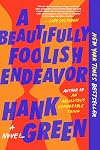
Really great, read in audiobook and the extra end with Cory doctorow (who is one of my favorite authors) really pushed It over the edge. Both of them write these sort of moralistic stories where they're trying to give their opinion about a (technology) topic. It was interesting at the end where Hank comes at it as a social media user, beneficiary, and content creator while Cory comes at it more theoretically and from policy. I lean towards Cory's trust busting ideas but maybe there's no political will
Either way I think the allegory about social media is well taken and doesn't feel too onerous or belaboured. It's not that the current social media heads are the worst possible,they just shouldn't be in that position of power. The allegorical ending of everyone paying $10 to buy the company and then stop it felt mostly silly and it was funny to end with Carl's brother just hanging out watching
But more than the social media part, the main focus, I liked hearing about Hanks thoughts about interpersonal and personal issues and motivation separate from social media. His part about want and how meditation removes the want to become happy but effective people use the want and aren't happy, rang very true for me. It's also in line with many of my own thoughts on meditation. And even hearing about Andy's way of generating ideas, gathering (and maybe repeating) others ideas, felt like it was just Hanks thoughts.
Finally he isn't unique or uniquely good about it but the random elements show more of irreverence (whimsy ;) ) are fun to read show less
Either way I think the allegory about social media is well taken and doesn't feel too onerous or belaboured. It's not that the current social media heads are the worst possible,they just shouldn't be in that position of power. The allegorical ending of everyone paying $10 to buy the company and then stop it felt mostly silly and it was funny to end with Carl's brother just hanging out watching
But more than the social media part, the main focus, I liked hearing about Hanks thoughts about interpersonal and personal issues and motivation separate from social media. His part about want and how meditation removes the want to become happy but effective people use the want and aren't happy, rang very true for me. It's also in line with many of my own thoughts on meditation. And even hearing about Andy's way of generating ideas, gathering (and maybe repeating) others ideas, felt like it was just Hanks thoughts.
Finally he isn't unique or uniquely good about it but the random elements show more of irreverence (whimsy ;) ) are fun to read show less
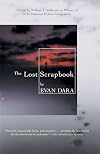
I don't know if this is a favorite or just 5 stars but it was very good
Like other commenters, this is a hard book to comment, at times it seems almost cliche'd noncomformist literature, if that makes any sense. Like JR it deals with the modern problem of being surrounded by people. But it is pretty unique in that there is no protagonist, none at all. The first 3/4 reads almost like a set of very short short stories, but while I don't like short stories (just long enough to be emotionally invested, not long enough for any closure or growth), these are so short that I do like them. Whoever dara is, they are a very attentive person to their own and other's inner thoughts
I was almost going to stop reading and then there's one part in the middle which goes "why I work on presenting an appearance of unrufflable affability" and "but I do know that these concerns, and the words that compose these concerns, sound, as well, as if they had been taken from others — lifted wholesale;" which really struck me. It ends up that I think this is thought by a big tabacco apologist/spokes person (but who can be sure, that's the whole point!)
And then it ends in one of my own nightmares, a company poisoning the groundwater. In this world where corporations are recognized as people, they have so many strengths. Hundreds/thousands of people all working towards the same goal, much more money than any one person, excuses that each cog is "just doing there job", and CEO's who lobby for rules to show more change, and then say "I'm just following the law" and "I have a duty to my shareholders to maximize profit". Individual people have none of that and, most of all, have no time or energy after working a 9-5 job. That's what I see this book as a response to.
Also I think it was prescient into how we treat other people nowadays. There's such a commodification of 'no filter' 'warts and all' mentality where people put anything and everything online, for more engagment but it's all shallow faults. This is a much more unflinching, more honest look at everyone just trying to do the best they can
(I have nothing more to say than this, but at the time Dara might have been thinking of changing the radio dial hearing each person's thought, now with TikTok/similar, everyone is so used to flipping through others' perspectives for 30 seconds at a time) show less
Like other commenters, this is a hard book to comment, at times it seems almost cliche'd noncomformist literature, if that makes any sense. Like JR it deals with the modern problem of being surrounded by people. But it is pretty unique in that there is no protagonist, none at all. The first 3/4 reads almost like a set of very short short stories, but while I don't like short stories (just long enough to be emotionally invested, not long enough for any closure or growth), these are so short that I do like them. Whoever dara is, they are a very attentive person to their own and other's inner thoughts
I was almost going to stop reading and then there's one part in the middle which goes "why I work on presenting an appearance of unrufflable affability" and "but I do know that these concerns, and the words that compose these concerns, sound, as well, as if they had been taken from others — lifted wholesale;" which really struck me. It ends up that I think this is thought by a big tabacco apologist/spokes person (but who can be sure, that's the whole point!)
And then it ends in one of my own nightmares, a company poisoning the groundwater. In this world where corporations are recognized as people, they have so many strengths. Hundreds/thousands of people all working towards the same goal, much more money than any one person, excuses that each cog is "just doing there job", and CEO's who lobby for rules to show more change, and then say "I'm just following the law" and "I have a duty to my shareholders to maximize profit". Individual people have none of that and, most of all, have no time or energy after working a 9-5 job. That's what I see this book as a response to.
Also I think it was prescient into how we treat other people nowadays. There's such a commodification of 'no filter' 'warts and all' mentality where people put anything and everything online, for more engagment but it's all shallow faults. This is a much more unflinching, more honest look at everyone just trying to do the best they can
(I have nothing more to say than this, but at the time Dara might have been thinking of changing the radio dial hearing each person's thought, now with TikTok/similar, everyone is so used to flipping through others' perspectives for 30 seconds at a time) show less