
Sangen hyvä johdanto brittifutiksen saloihin historian, yhteiskunnan ja monen muun näkökulman kautta. Pidemmän linjan fanit, kuten minä, löytävät varmasti myös ainakin jotain uutta tietoa, mutta erityisesti tätä voisi suositella uteliaille ja kenties myös niille, joille Sundelin itse kirjaa ehdottaa: puolisoille, jotka eivät koko hömpötystä ymmärrä.
Kirja on helppolukuinen ja varsin kompakti, joten sen saa ahmaistua nopeasti. Sundelinin hyvät suhteet näkyvät runsaana määränä haastatteluja mielenkiintoisilta hahmoilta niin Englannista kuin Suomestakin. Esimerkiksi Englannin kentillä pelanneiden haastatteluissa on mielenkiintoisia yksityiskohtia.
Onkin harmi, miten huonosti kirja on toimitettu. Kirja on päivitetty painos, mutta silti siinä on monta kohtaa, jotka eivät enää painosaikaan pitäneet paikkaansa. Esimerkiksi Evertonin pääsponsori on vaihtunut jo kahdesti sen jälkeen kun Chang sponsoroi seuraa. Toisin sanoen päivitys on jäänyt puolitiehen. Selkeitä rakennevirheitäkin löytyy, jossa esimerkiksi sama asia sanotaan kahdessa lauseessa peräkkäin tyyliin "Asiaan liittyy X, Y ja Z. Lisäksi asiaan liittyy X ja Y." Hassuimpana mokana viimeisellä sivulla, joka sisältää kirjallisuusviitteitä, sivun loppu on latinaa. Täyteteksti on siis jäänyt poistamatta.
Olisin halunnut antaa neljä tähteä kirjalle, mutta minusta kirjan läpi lukeminen ennen sen painamista on jokseenkin minimivaatimus, olipa se miten päivitetty painos show more hyvänsä. show less
Kirja on helppolukuinen ja varsin kompakti, joten sen saa ahmaistua nopeasti. Sundelinin hyvät suhteet näkyvät runsaana määränä haastatteluja mielenkiintoisilta hahmoilta niin Englannista kuin Suomestakin. Esimerkiksi Englannin kentillä pelanneiden haastatteluissa on mielenkiintoisia yksityiskohtia.
Onkin harmi, miten huonosti kirja on toimitettu. Kirja on päivitetty painos, mutta silti siinä on monta kohtaa, jotka eivät enää painosaikaan pitäneet paikkaansa. Esimerkiksi Evertonin pääsponsori on vaihtunut jo kahdesti sen jälkeen kun Chang sponsoroi seuraa. Toisin sanoen päivitys on jäänyt puolitiehen. Selkeitä rakennevirheitäkin löytyy, jossa esimerkiksi sama asia sanotaan kahdessa lauseessa peräkkäin tyyliin "Asiaan liittyy X, Y ja Z. Lisäksi asiaan liittyy X ja Y." Hassuimpana mokana viimeisellä sivulla, joka sisältää kirjallisuusviitteitä, sivun loppu on latinaa. Täyteteksti on siis jäänyt poistamatta.
Olisin halunnut antaa neljä tähteä kirjalle, mutta minusta kirjan läpi lukeminen ennen sen painamista on jokseenkin minimivaatimus, olipa se miten päivitetty painos show more hyvänsä. show less
Dec 31, 2020Finnish

Tämä on siis Valtaojan Tieto-Finlandia-voittaja vuosimallia 2002. Ehkä odotukset olivat liian korkealla edellisen kirjan (Kaiken käsikirja) jälkeen. Tai sitten kirjan paikoin jo hieman vanhentuneet tiedot häiritsivät liikaa, mutta ihan samalla tasolle ei ylletty. Kaiken käsikirja piti lukea melkein putkeen, tämän kanssa ei niin kiire ollut. Valtaoja on mielestäni myös näiden kirjojen välissä kehittynyt kirjoittajana. Ei tämä huono ole, mutta ei myöskään sellainen aarreaitta kuin vertailukohteeni. Olisi ehkä kolahtanut kovempaa uutena.
Valtaoja kyllä käsittelee aihetta (elämä maailmankaikkeudessa) monipuolisesti. Tämän luettuaan on perillä siitä, mikä käsitys tutkijoilla asiasta oli reilu kymmenen vuotta sitten. Lopun konferenssiraportti oli silti ehkä kirjan parasta antia, kun Valtaoja irrottelee vähän enemmän. Vähän kun välillä osa luvuista jahkaili jo liikaakin - erityisesti silloin kun itselleni asia oli jo tuttua. Kaiken käsikirjassa Valtaoja kykeni tällaisinakin hetkinä pitämään kirjan viihdyttävämpänä.
Horjuin pitkään kolmosen ja nelosen välillä. Jos voisin antaa puolikkaan, niin arvosana olisi 3,5
Valtaoja kyllä käsittelee aihetta (elämä maailmankaikkeudessa) monipuolisesti. Tämän luettuaan on perillä siitä, mikä käsitys tutkijoilla asiasta oli reilu kymmenen vuotta sitten. Lopun konferenssiraportti oli silti ehkä kirjan parasta antia, kun Valtaoja irrottelee vähän enemmän. Vähän kun välillä osa luvuista jahkaili jo liikaakin - erityisesti silloin kun itselleni asia oli jo tuttua. Kaiken käsikirjassa Valtaoja kykeni tällaisinakin hetkinä pitämään kirjan viihdyttävämpänä.
Horjuin pitkään kolmosen ja nelosen välillä. Jos voisin antaa puolikkaan, niin arvosana olisi 3,5

The Norwegian ambassador for Thailand has been found in a brothel with a knife sticking from his back. No clues, no motives and a potentially very awkard situation for the politicians back home. Hole is sent to investigate with strict orders to keep the case out of publicity. With the help of some Thai police he unravels a lot more than anyone bargained for.
I wasn't too impressed with the first Harry Hole book by Jo Nesbøs (Flaggermusmannen). But this second book is much better and it is much easier to see why he is such a popular author. The first book had hints about it but this improved on them while getting rid of some of the weaknesses. Even though he did still spend a lot of time explaining all sorts of trivia, it somehow felt less forced or artificially added.
The biggest improvement, however, was simply structure. Whereas the first book felt like a tourist trip with a theme this was much more like a detective story. Even the way Nesbø took the reader along blind-siding and tricking him was much better.
The only problem I had with the book was that it was hard to keep track of some of the characters so I ended up going back checking who is who. Especially the Thai policemen felt lacking in personality, except for the one that wasn't really a Thai.
I wasn't too impressed with the first Harry Hole book by Jo Nesbøs (Flaggermusmannen). But this second book is much better and it is much easier to see why he is such a popular author. The first book had hints about it but this improved on them while getting rid of some of the weaknesses. Even though he did still spend a lot of time explaining all sorts of trivia, it somehow felt less forced or artificially added.
The biggest improvement, however, was simply structure. Whereas the first book felt like a tourist trip with a theme this was much more like a detective story. Even the way Nesbø took the reader along blind-siding and tricking him was much better.
The only problem I had with the book was that it was hard to keep track of some of the characters so I ended up going back checking who is who. Especially the Thai policemen felt lacking in personality, except for the one that wasn't really a Thai.

I have read a few interviews and reviews of other Nesbo books so I was expecting a certain type of book. It is, however, pretty apparent that this book is still a learning experience since about half of the book is not quite what I expected. The more familiar themes started popping up later.
This book isn't yet worth the reputation that the Harry Hole books have but it shows promise. I will definitely read more but I don't know if one really needs to start with this. Unless the events are pointed to in later books?
I realised next day what the real problem with the book was for me: about half the book felt more like a tourist guide to Australia, or list of places where Nesbo visited while in Australia (he, after all, wrote this book during his vacation there). Just to emphasize this the characters go to great lengths to explain things that have no relevance to the story. It's interesting for a while but ultimately just makes the book longer without adding anything. If I want to read a book about Australia, I much rather read it by someone like Bill Bryson (whose book on Australia is brilliant).
On the other hand this realisation makes the other Harry Hole books more appealing. At least I hope there's less of this stuff in the books that are located in Norway and more of the good stuff that the second part of the book is about.
This book isn't yet worth the reputation that the Harry Hole books have but it shows promise. I will definitely read more but I don't know if one really needs to start with this. Unless the events are pointed to in later books?
I realised next day what the real problem with the book was for me: about half the book felt more like a tourist guide to Australia, or list of places where Nesbo visited while in Australia (he, after all, wrote this book during his vacation there). Just to emphasize this the characters go to great lengths to explain things that have no relevance to the story. It's interesting for a while but ultimately just makes the book longer without adding anything. If I want to read a book about Australia, I much rather read it by someone like Bill Bryson (whose book on Australia is brilliant).
On the other hand this realisation makes the other Harry Hole books more appealing. At least I hope there's less of this stuff in the books that are located in Norway and more of the good stuff that the second part of the book is about.

The definitive book on rock god Pete Townshend. There are probably better books on The Who if someone wants to read on the band specically. This book is about it's creative leader and guitarist Townshend and his colourful life and the demons he has fought.
Townshend tells in the book that his original script had some one thousand pages, with this clocking at roughly 500. I still think a bit of editing could have been done. It's not very complimentary to say that the most interesting part of his life ended in the late 70's (and I'm sure he disagrees) but from an outsider's point of view this is the case. So it took me quite a while to get the book finished . The latter part of the book is not poorly written or any such thing, I just don't find the stories about this or that musical or album that I haven't even listened to very interesting.
This book is not a band book. It has it's share of drugs, alcohol, women and generally doing stupid things, but that's what The Who was about and after all that's what Townshend is known for. However, this book is more about a troubled yet brilliant mind who has struggled with his demons all his life. He was traumatised as a child, clearly is an addictive personality and he can be a real bastard. I actually found it staggering that he thanked almost everyone else, but not Karen Townshend who he was married to for a quarter of a century and gave him three children! Townshend does not go easy on himself, he admits his problems and bad show more behaviour, although as everyone, sometimes tries to find excuses. For instance after one point on he seems quite indifferent to his infidelity. Yet he does not glorify the band life or his exploits either.
So if you are a fan of The Who or Pete Townshend, read this book. If you are interested in a complex yet brilliant artist, read this book. If you just want to read a band book about drugs and rock'n roll, skim the first half through. Or buy something else. show less
Townshend tells in the book that his original script had some one thousand pages, with this clocking at roughly 500. I still think a bit of editing could have been done. It's not very complimentary to say that the most interesting part of his life ended in the late 70's (and I'm sure he disagrees) but from an outsider's point of view this is the case. So it took me quite a while to get the book finished . The latter part of the book is not poorly written or any such thing, I just don't find the stories about this or that musical or album that I haven't even listened to very interesting.
This book is not a band book. It has it's share of drugs, alcohol, women and generally doing stupid things, but that's what The Who was about and after all that's what Townshend is known for. However, this book is more about a troubled yet brilliant mind who has struggled with his demons all his life. He was traumatised as a child, clearly is an addictive personality and he can be a real bastard. I actually found it staggering that he thanked almost everyone else, but not Karen Townshend who he was married to for a quarter of a century and gave him three children! Townshend does not go easy on himself, he admits his problems and bad show more behaviour, although as everyone, sometimes tries to find excuses. For instance after one point on he seems quite indifferent to his infidelity. Yet he does not glorify the band life or his exploits either.
So if you are a fan of The Who or Pete Townshend, read this book. If you are interested in a complex yet brilliant artist, read this book. If you just want to read a band book about drugs and rock'n roll, skim the first half through. Or buy something else. show less

This book is based on tapes found by a German researcher made by eavesdropping German prisoners of war by the British. Some times just ad hoc discussions but often initiated by spies. The intent was to gather intelligence but the tapes give an insight into the minds of the soldier.
It starts interestingly enough and I was captivated up until maybe half-way. Unfortunately the very dry scientific style added with lots of repetition made the book rather boring to read after that so I actually quit at the point where it started discussing how the research was conducted.
The first part of the book is well worth reading, though. It gives a good insight into the minds of soldiers doing horrible things. Not only the "normal" warfare but the more gruesome atrocities done by German soldiers. It tries to explain how ordinary men could murder innocent civilians and how they coped with it. But it also tries to explain how the soldiers handled the war and how they saw their part in it. War is, after all, the most brutal and most disconnected thing from your normal civilian life that anyone can participate in. It is hard to really understand this, partly because there is always a gulf between soldiers and civilians: we can't possibly fully understand how it was, so most who have been in war don't really try to explain it. Of course this is also caused by the traumas that front-line soldiers have faced. It is impossible to be in the front line and not see things that would severely show more traumatise anyone. Soldiers might have to face them for years. How can anyone stay sane under such conditions?
So the book takes a scientific approach to the tapes and using modern psychology tries to explain these and many other things. It's not an easy read for more than one reason but if war and it's psychology interests, the book is well worth a read. show less
It starts interestingly enough and I was captivated up until maybe half-way. Unfortunately the very dry scientific style added with lots of repetition made the book rather boring to read after that so I actually quit at the point where it started discussing how the research was conducted.
The first part of the book is well worth reading, though. It gives a good insight into the minds of soldiers doing horrible things. Not only the "normal" warfare but the more gruesome atrocities done by German soldiers. It tries to explain how ordinary men could murder innocent civilians and how they coped with it. But it also tries to explain how the soldiers handled the war and how they saw their part in it. War is, after all, the most brutal and most disconnected thing from your normal civilian life that anyone can participate in. It is hard to really understand this, partly because there is always a gulf between soldiers and civilians: we can't possibly fully understand how it was, so most who have been in war don't really try to explain it. Of course this is also caused by the traumas that front-line soldiers have faced. It is impossible to be in the front line and not see things that would severely show more traumatise anyone. Soldiers might have to face them for years. How can anyone stay sane under such conditions?
So the book takes a scientific approach to the tapes and using modern psychology tries to explain these and many other things. It's not an easy read for more than one reason but if war and it's psychology interests, the book is well worth a read. show less

Tätä aihetta tuskin pystyy tätä perusteellisemmin käsittelemään. Kivimäki käy todella perusteellisesti läpi aihealueen kaikki puolet. Tämä on sekä kirjan vahvuus että heikkous. Itselläni kirjan lukeminen kesti melkoisen kauan, koska muutamat luvut eivät itseäni juurikaan kiinnostaneet. Toisaalta nekin luvut puolustivat paikkaansa taustoittamalla asioita. Kirja on kuitenkin ennen muuta tieteellinen tutkimus aiheesta, joten tämä on tarpeellista.
Kirjassa käydään läpi paitsi mielensä murtaneet, myös ajan psykologiset virtaukset, hoitomenetelmät kuin suhtautuminen. Erityisen mielenkiintoiseksi kirjan tekee kuitenkin pohdinta siitä, miksi osa miehistä murtui, mutta suurin osa kesti sodan epäinhimillisyyden. Kivimäki vetoaa niin isänmaallisuuteen, josta hänen mukaansa jermut loivat oman versionsa kuin erityisesti pienryhmädynamiikkaan ja erityisesti toveruuteen, joka kovissa oloissa syntyi. Kivimäen havainnon mukaan sotilaat, jotka jäivät ryhmän ulkopuoliseksi olivat erityisen alttiita myös traumatisoitumaan. Tässä on mielenkiintoinen yhtymä toiseen sotilaiden henkistä tilaa kuvaavaan kirjaan, Soldaten: On Fighting, Killing, and Dying. Tämä kirja selittää osin samoilla perusteilla miten saksalaiset sotilaat pystyivät tekemään hirmutekoja. Kivimäki mielestäni kuitenkin onnistuu paremmin porautumaan sotilaan ajatusmaailmaan, vaikka, toisin kuin Neitzelin kirjassa, se ei ole pääasia (heh).
Kirjassa on runsaasti mielenkiintoisia show more löydöksiä ja johtopäätöksiä ja osin mielenkiintoisia tietoja ajan psykologiasta, mutta pitkästyttävimmillään Kivimäki kirjoittaa pitkät luvut suomalaisen sota-ajan psykologian taustoja. Aihe on syytä käsitellä, jotta valittu linja on ymmärrettävissä, mutta valitettavasti se ei tee luvuista yhtään mielenkiintoisempia. Kivimäki selvästi kuitenkin ymmärtää päälinjoja ja miksi mielensä murtaneita käsiteltiin, kuten käsiteltiin, vaikkakin joitakin ylilyöntejäkin tapahtui. Toisaalta PTSD:tä ei psykologiassa vielä tunnettu, toisaalta psykologia oli vielä varsin kehittymätöntä. Lääkehoitoa oli vähän, ja lääkkeet rajuja. Sähköshokit ja Cardizolilla aiheutetut kohtaukset olivat tärkeimmät hoitotoimenpiteet kovan työnteon ohessa. Toisaalta paria psykologia lukuunottamatta Suomessa ei juurikaan menty niihin äärimmäisyyksiin, mitä esimerkiksi Saksassa tapahtui. Täällä ensisijaisesti potilaat pyrittiin hoitamaan kuntoon ja vain harvat lähetettiin enää takaisin rintamalle.
Suurin ongelma ajan käsityksissä oli se, että sotilaan murtumisen täytyi johtua vajaa-älyisyydestä tai hengen heikkoudesta, poislukien poikkeuksellisen traumaattiset tilanteet tai fyysiset päävammat. Tämä asenne näkyi aina 90-luvulle asti, jolloin jopa Veteraanien Veljesliitto ei päässyt yksimielisyyteen korvausasioissa. Tämä on sikälikin hämmentävää, että varmasti veteraanit itsekin tiesivät, että jopa ns. selvinneet miehet kärsivät vakavista ongelmista pitkään sodan jälkeen.
Kaiken kaikkiaan, kirja on hyvinkin yleispätevä teos taistelutilanteen stressiin ja psykologisiin tekijöihin, jotka vaikuttavat siihen, murtuvatko vai kestävätkö sotilaat. Sen ohessa saadaan kattava katsaus tilanteeseen Suomessa, ajan asenteisiin, psykologiaan ja muihin käsiteltävään aiheeseen liittyviin asioihin. Jos aihe kiinnostaa, niin tästä kirjasta kannattaa aloittaa. show less
Kirjassa käydään läpi paitsi mielensä murtaneet, myös ajan psykologiset virtaukset, hoitomenetelmät kuin suhtautuminen. Erityisen mielenkiintoiseksi kirjan tekee kuitenkin pohdinta siitä, miksi osa miehistä murtui, mutta suurin osa kesti sodan epäinhimillisyyden. Kivimäki vetoaa niin isänmaallisuuteen, josta hänen mukaansa jermut loivat oman versionsa kuin erityisesti pienryhmädynamiikkaan ja erityisesti toveruuteen, joka kovissa oloissa syntyi. Kivimäen havainnon mukaan sotilaat, jotka jäivät ryhmän ulkopuoliseksi olivat erityisen alttiita myös traumatisoitumaan. Tässä on mielenkiintoinen yhtymä toiseen sotilaiden henkistä tilaa kuvaavaan kirjaan, Soldaten: On Fighting, Killing, and Dying. Tämä kirja selittää osin samoilla perusteilla miten saksalaiset sotilaat pystyivät tekemään hirmutekoja. Kivimäki mielestäni kuitenkin onnistuu paremmin porautumaan sotilaan ajatusmaailmaan, vaikka, toisin kuin Neitzelin kirjassa, se ei ole pääasia (heh).
Kirjassa on runsaasti mielenkiintoisia show more löydöksiä ja johtopäätöksiä ja osin mielenkiintoisia tietoja ajan psykologiasta, mutta pitkästyttävimmillään Kivimäki kirjoittaa pitkät luvut suomalaisen sota-ajan psykologian taustoja. Aihe on syytä käsitellä, jotta valittu linja on ymmärrettävissä, mutta valitettavasti se ei tee luvuista yhtään mielenkiintoisempia. Kivimäki selvästi kuitenkin ymmärtää päälinjoja ja miksi mielensä murtaneita käsiteltiin, kuten käsiteltiin, vaikkakin joitakin ylilyöntejäkin tapahtui. Toisaalta PTSD:tä ei psykologiassa vielä tunnettu, toisaalta psykologia oli vielä varsin kehittymätöntä. Lääkehoitoa oli vähän, ja lääkkeet rajuja. Sähköshokit ja Cardizolilla aiheutetut kohtaukset olivat tärkeimmät hoitotoimenpiteet kovan työnteon ohessa. Toisaalta paria psykologia lukuunottamatta Suomessa ei juurikaan menty niihin äärimmäisyyksiin, mitä esimerkiksi Saksassa tapahtui. Täällä ensisijaisesti potilaat pyrittiin hoitamaan kuntoon ja vain harvat lähetettiin enää takaisin rintamalle.
Suurin ongelma ajan käsityksissä oli se, että sotilaan murtumisen täytyi johtua vajaa-älyisyydestä tai hengen heikkoudesta, poislukien poikkeuksellisen traumaattiset tilanteet tai fyysiset päävammat. Tämä asenne näkyi aina 90-luvulle asti, jolloin jopa Veteraanien Veljesliitto ei päässyt yksimielisyyteen korvausasioissa. Tämä on sikälikin hämmentävää, että varmasti veteraanit itsekin tiesivät, että jopa ns. selvinneet miehet kärsivät vakavista ongelmista pitkään sodan jälkeen.
Kaiken kaikkiaan, kirja on hyvinkin yleispätevä teos taistelutilanteen stressiin ja psykologisiin tekijöihin, jotka vaikuttavat siihen, murtuvatko vai kestävätkö sotilaat. Sen ohessa saadaan kattava katsaus tilanteeseen Suomessa, ajan asenteisiin, psykologiaan ja muihin käsiteltävään aiheeseen liittyviin asioihin. Jos aihe kiinnostaa, niin tästä kirjasta kannattaa aloittaa. show less
Feb 17, 2014Finnish

Tämä on ensimmäinen lukemani Valtaoja, ja se taisi tehdä minusta fanin. Kirjassa Valtaoja onnistuu selittämään monimutkaisetkin asiat yksinkertaisiksi säilyttäen humoristisen otteen. Kaiken lisäksi minulla on näköjään aika pitkälle sama maailmankatsomus ja jaamme kiinnostuksen mm. scifiin. Mitään suoraan ristiriitaista omaan maailmankuvaani en löytänyt. Tämä saattaa toki hieman vaikuttaa objektiiviseen arvosanaani...
Yleissivistys helpottaa kirjan lukemista enkä itsekään ihan kaikkia viittauksia tajunnut, mutta vähemmälläkin kirjan ajatukset hahmottuvat. Tämän kirjan voisi antaa vastaukseksi moneenkin vaikeaan kysymykseen.
Valtaoja ei yritäkään kaikenkattavaa selitystä, mutta tarkastelee monia asioita uusista näkökulmista. Näin varsinkin luvussa ihmisen historiasta. Hän saa ajattelemaan itselleni tuttujakin asioita uudella tavalla.
Jos itse olen jonain päivänä edes puoliksi niin sivistynyt kuin Esko Valtaoja, olen onnistunut jossakin.
Yleissivistys helpottaa kirjan lukemista enkä itsekään ihan kaikkia viittauksia tajunnut, mutta vähemmälläkin kirjan ajatukset hahmottuvat. Tämän kirjan voisi antaa vastaukseksi moneenkin vaikeaan kysymykseen.
Valtaoja ei yritäkään kaikenkattavaa selitystä, mutta tarkastelee monia asioita uusista näkökulmista. Näin varsinkin luvussa ihmisen historiasta. Hän saa ajattelemaan itselleni tuttujakin asioita uudella tavalla.
Jos itse olen jonain päivänä edes puoliksi niin sivistynyt kuin Esko Valtaoja, olen onnistunut jossakin.

Anekdoottikirja, mutta turhan moni anekdootti ei ole kovinkaan kiinnostava. Ilmeisesti materiaalia ei ollut riittävästi tämän kokoiseenkaan kirjaan. Jokin järjestys olisi ollut paikallaan, nyt ne oli vain lajiteltu satunnaiseen järjestykseen. Lisäksi sinä-tyyli välillä häiritsee.
Jun 29, 2009Finnish
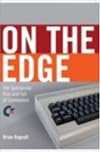
A brilliant book that pretty much makes other books about Commodore redundant. This book is so comprehensive that it's hard to think of what might be missing. This is a book about a very peculiar company and some brilliant people doing brilliant stuff. Commodore did some brilliant stuff, like the sound and video chips on the Commodore 64. I hadn't even realised that the CPU of C64 was actually the same as in VIC-20, C64 just had those chips and more memory, but it was on a totally different level performance and price wise to anything on the market at the time. The sound chip, SID, was way better than anything else in anything affordable to normal consumers even though it was a rush-job (like most of the stuff done at Commodore during their peak). The result was a chip that has produced some of the most memorable game music ever and is used to this day.
I also didn't know Amiga wasn't actually a Commodore product at first but the way it was built was reminescant of the way Commodore built some of it's products (PET, VIC-20, C64): by going far beyond what anyone else had ever done. Amiga, at the time of it's release, was an amazing home computer offering unrivalled price and performance. It's too bad Commodore marketing messed the North American market completely and effectively killed the product there. European sales were not enough to keep Commodore afloat in the end. What made Commodore a success at first was the combined price cutting by Tramiel who always wanted to show more sell at far lower prices than the competition and the engineers who didn't like compromises and were brilliant at what they did. To make such important products required both.
But first and foremost this book is about people. The odd, the brilliant, the obsessed people that made Commodore what it was. From founder and CEO Jack Tramiel who was not a very nice person and ruined a lot of lives but after whose dismissal by majority shareholder Irving Gould Commodore went downhill fast and would have folded a lot earlier without Amiga to the brilliant engineers like Chuck Peddle who created the computer section of Commodore and was then destroyed by Tramiel and the engineers who created C64, Robert Russell and Bob Yannes and many others. These guys were motivated to the point of obsession, brilliant at what they did and some very eccentric, none more so than Bil Herd, a brilliant hardware guy and alcoholic. The stories of some of the antics they made are just brilliant, like how and why Herd punched a hole in the wall of his office.
For someone who spent way too much of his youth playing with the C64 this book is a goldmine of information. For instance, the reason why the 1541 floppy disk was so ridiculously slow is revealed. Commodore was a major factor in bringing computers to home. Much more so than IBM and Commodore easily out-sold companies like Apple during the critical years when the home-market was created (the first three true home computers were TRS-80, Commodore PET and Apple II and the Apple sold way less than the other two). So this book is also a valuable tale of how the computer arrived to our homes. Everyone might have an IBM PC clone now but in the 80's it looked for a while like the future might be in Commodore machines but for some shocking marketing decisions. The whole computer business seems to have changed from brilliant engineers doing brilliant, ground-breaking work to the business-driven model of today where products are changed just enough to make people want to buy it.
The only little thing I was left hoping for was some sort of timeline of the events listed in the book, including the things competition did that was mentioned in the book. Sometimes it was hard to follow the order of the events because things happened in parallel so you might be tossed back several years with a new chapter. Another thing is, of course, that since this book is largely the voice of the engineers that made this happen, the opinions might be a bit lop-sided but this really only bothered me on a few occasions.
For me some of the best gaming experiences ever were with C64 and it's the reason I now work in the computer industry even though I never did do much programming on it. But I, like countless others, were drawn into the computing industry by Commodore. So their legacy is still strong even though the company folded in 1994. This book brings back many memories and also makes you wonder have we lost something while gaining computers with computing powers completely unthinkable 25 years ago.
A company that created PET, VIC-20, C64 and Amiga (they made it a success by creating a cheaper version which made it affordable to many more than the original Amiga 1000) deserves it's history to be told. This book does it and brilliantly. A must-read for anyone who has ever owned one of Commodore's computers. show less
I also didn't know Amiga wasn't actually a Commodore product at first but the way it was built was reminescant of the way Commodore built some of it's products (PET, VIC-20, C64): by going far beyond what anyone else had ever done. Amiga, at the time of it's release, was an amazing home computer offering unrivalled price and performance. It's too bad Commodore marketing messed the North American market completely and effectively killed the product there. European sales were not enough to keep Commodore afloat in the end. What made Commodore a success at first was the combined price cutting by Tramiel who always wanted to show more sell at far lower prices than the competition and the engineers who didn't like compromises and were brilliant at what they did. To make such important products required both.
But first and foremost this book is about people. The odd, the brilliant, the obsessed people that made Commodore what it was. From founder and CEO Jack Tramiel who was not a very nice person and ruined a lot of lives but after whose dismissal by majority shareholder Irving Gould Commodore went downhill fast and would have folded a lot earlier without Amiga to the brilliant engineers like Chuck Peddle who created the computer section of Commodore and was then destroyed by Tramiel and the engineers who created C64, Robert Russell and Bob Yannes and many others. These guys were motivated to the point of obsession, brilliant at what they did and some very eccentric, none more so than Bil Herd, a brilliant hardware guy and alcoholic. The stories of some of the antics they made are just brilliant, like how and why Herd punched a hole in the wall of his office.
For someone who spent way too much of his youth playing with the C64 this book is a goldmine of information. For instance, the reason why the 1541 floppy disk was so ridiculously slow is revealed. Commodore was a major factor in bringing computers to home. Much more so than IBM and Commodore easily out-sold companies like Apple during the critical years when the home-market was created (the first three true home computers were TRS-80, Commodore PET and Apple II and the Apple sold way less than the other two). So this book is also a valuable tale of how the computer arrived to our homes. Everyone might have an IBM PC clone now but in the 80's it looked for a while like the future might be in Commodore machines but for some shocking marketing decisions. The whole computer business seems to have changed from brilliant engineers doing brilliant, ground-breaking work to the business-driven model of today where products are changed just enough to make people want to buy it.
The only little thing I was left hoping for was some sort of timeline of the events listed in the book, including the things competition did that was mentioned in the book. Sometimes it was hard to follow the order of the events because things happened in parallel so you might be tossed back several years with a new chapter. Another thing is, of course, that since this book is largely the voice of the engineers that made this happen, the opinions might be a bit lop-sided but this really only bothered me on a few occasions.
For me some of the best gaming experiences ever were with C64 and it's the reason I now work in the computer industry even though I never did do much programming on it. But I, like countless others, were drawn into the computing industry by Commodore. So their legacy is still strong even though the company folded in 1994. This book brings back many memories and also makes you wonder have we lost something while gaining computers with computing powers completely unthinkable 25 years ago.
A company that created PET, VIC-20, C64 and Amiga (they made it a success by creating a cheaper version which made it affordable to many more than the original Amiga 1000) deserves it's history to be told. This book does it and brilliantly. A must-read for anyone who has ever owned one of Commodore's computers. show less
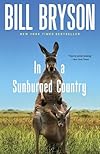
I bought this book on recommendation before visiting Australia. I recommend anyone else going there doing the same. This book is worth reading even if you are not.
Bryson's book is hilarious and usually tells stuff that you really don't need to know. Yet you also get so many ideas on places to visit and things to see and do (assuming you don't die of laughter) that even as a travel guide this book takes some beating. The only trouble might be that you get worried about the local fauna. I got a genuine fear of box jellyfish after reading this book...
Overall, highly recommended.
Bryson's book is hilarious and usually tells stuff that you really don't need to know. Yet you also get so many ideas on places to visit and things to see and do (assuming you don't die of laughter) that even as a travel guide this book takes some beating. The only trouble might be that you get worried about the local fauna. I got a genuine fear of box jellyfish after reading this book...
Overall, highly recommended.

The story of Linus Torvalds, the creator of the Linux Operating System.
Obviously the main problem with a book like this is how to make a nerds life sound interesting? The book manages this to an extent, but I feel that the non-nerd community of the world might find this book boring at times. Linus might do something else that's up there with Linux one day and after that the part about Linux can be condensed making it much easier to read.
This is a must-read for people interested in Linux or computers in general. For others this does offer an insight into the mind of one of the great nerds of today. It gives an insight of what the people who have created the computer revolution are and what makes them tick. But as far as biographies go, there are better available.
Obviously the main problem with a book like this is how to make a nerds life sound interesting? The book manages this to an extent, but I feel that the non-nerd community of the world might find this book boring at times. Linus might do something else that's up there with Linux one day and after that the part about Linux can be condensed making it much easier to read.
This is a must-read for people interested in Linux or computers in general. For others this does offer an insight into the mind of one of the great nerds of today. It gives an insight of what the people who have created the computer revolution are and what makes them tick. But as far as biographies go, there are better available.