⭐️⭐️⭐️ (3/5)
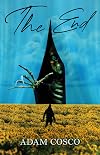
The End by Adam Cosco is a dark, unsettling blend of horror, suspense, and science fiction that explores grief, faith, and the idea of what may exist beyond death.
One of the book’s strongest elements is Cosco’s writing style. His descriptions are vivid and immersive, making it easy to picture the settings and sink into the atmosphere. The opening chapters are especially gripping, escalating quickly and pulling the reader into a mystery that feels eerie and emotionally charged from the start.
As the story unfolds, the novel leans heavily into themes of technology, artificial intelligence, and a cult-like belief system centered on death as liberation. While the suspense remains present and the stakes grow increasingly disturbing, the genre blend may not work for every reader. The sci-fi and AI elements become more prominent than expected, which shifted the tone in a direction I personally found less engaging.
The emotional core of the story—grief, guilt, and the desire to hold on to lost loved ones—is compelling, and there are moments that are genuinely touching amid the darkness. The ending does provide a sense of resolution, though it also leaves certain elements intentionally ambiguous. This may feel thought-provoking to some readers, but others may wish for clearer answers.
Overall, The End is a well-written and ambitious novel that will likely appeal to readers who enjoy dark, cerebral stories that blur the line between the supernatural and show more technology. While it wasn’t entirely my personal taste, I can still appreciate its atmosphere, tension, and willingness to take bold narrative risks. show less
The End by Adam Cosco is a dark, unsettling blend of horror, suspense, and science fiction that explores grief, faith, and the idea of what may exist beyond death.
One of the book’s strongest elements is Cosco’s writing style. His descriptions are vivid and immersive, making it easy to picture the settings and sink into the atmosphere. The opening chapters are especially gripping, escalating quickly and pulling the reader into a mystery that feels eerie and emotionally charged from the start.
As the story unfolds, the novel leans heavily into themes of technology, artificial intelligence, and a cult-like belief system centered on death as liberation. While the suspense remains present and the stakes grow increasingly disturbing, the genre blend may not work for every reader. The sci-fi and AI elements become more prominent than expected, which shifted the tone in a direction I personally found less engaging.
The emotional core of the story—grief, guilt, and the desire to hold on to lost loved ones—is compelling, and there are moments that are genuinely touching amid the darkness. The ending does provide a sense of resolution, though it also leaves certain elements intentionally ambiguous. This may feel thought-provoking to some readers, but others may wish for clearer answers.
Overall, The End is a well-written and ambitious novel that will likely appeal to readers who enjoy dark, cerebral stories that blur the line between the supernatural and show more technology. While it wasn’t entirely my personal taste, I can still appreciate its atmosphere, tension, and willingness to take bold narrative risks. show less
 This review was written for LibraryThing Early Reviewers.
Mika in Real Life: A Good Morning America Book Club Pick—A Charming and Humorous Romance by Emiko Jean
3.5 Stars No major spoilers, but do not read if you want to go into the book blindly.
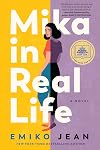
Mika in Real Life is a quick, contemporary read that delivers exactly what it promises: a light, heartfelt story centered on family drama with a touch of romance. While it doesn’t break new ground in terms of plot or complexity, it works well as an easy, engaging escape.
One of the book’s strongest points is its pacing. The story moves quickly and smoothly without feeling rushed. This isn’t a slow burn — it jumps right into the action and maintains momentum throughout, making it an effortless page-turner. The overall vibe is hopeful and heartfelt, and the final chapter packed an emotional punch that genuinely brought happy tears to my eyes. Predictable or not, the ending felt satisfying and well resolved.
That said, the biggest challenge for me was the protagonist. Mika is intentionally written as a hot mess, but she was frustrating and difficult to relate to. What bothered me wasn’t her choice to place Penny for adoption, but her desperation to gain Penny’s approval by staging and faking a life that wasn’t hers. Her lack of honesty from the beginning felt like a choice that was obviously bound to unravel, and it was hard to watch her repeatedly fail to recognize how those decisions would affect everyone involved. Personally, if I were Penny, that betrayal would have been incredibly hard to move past.
The plot is also very predictable from start to finish. Most of the conflicts show more lack high stakes, which makes certain moments feel somewhat anti-climactic. You can see where things are headed fairly early on, and while that removes tension, it doesn’t completely take away from the emotional payoff.
Where the book shines is in its themes of motherhood and family. I really appreciated the way Penny changed Mika’s life for the better in ways Mika never expected. Watching Mika’s motivation shift from desperation to a genuine desire to improve herself — and seeing her ultimately respect Penny’s boundaries — was one of the most rewarding aspects of the story.
Overall, this book feels like a Hallmark movie in novel form: simple, comforting, a little cheesy, but still emotionally satisfying. I’d recommend it to readers looking for a light, fast-paced read with family drama, relationships, and romance that doesn’t overwhelm. It works especially well as a palate cleanser between heavier books.
Content note: There is a brief, non-graphic reference to sexual assault, which sensitive readers may want to be aware of.
If you’re in the mood for something easy, breezy, and heartfelt — just don’t expect surprises — Mika in Real Life delivers. show less
Mika in Real Life is a quick, contemporary read that delivers exactly what it promises: a light, heartfelt story centered on family drama with a touch of romance. While it doesn’t break new ground in terms of plot or complexity, it works well as an easy, engaging escape.
One of the book’s strongest points is its pacing. The story moves quickly and smoothly without feeling rushed. This isn’t a slow burn — it jumps right into the action and maintains momentum throughout, making it an effortless page-turner. The overall vibe is hopeful and heartfelt, and the final chapter packed an emotional punch that genuinely brought happy tears to my eyes. Predictable or not, the ending felt satisfying and well resolved.
That said, the biggest challenge for me was the protagonist. Mika is intentionally written as a hot mess, but she was frustrating and difficult to relate to. What bothered me wasn’t her choice to place Penny for adoption, but her desperation to gain Penny’s approval by staging and faking a life that wasn’t hers. Her lack of honesty from the beginning felt like a choice that was obviously bound to unravel, and it was hard to watch her repeatedly fail to recognize how those decisions would affect everyone involved. Personally, if I were Penny, that betrayal would have been incredibly hard to move past.
The plot is also very predictable from start to finish. Most of the conflicts show more lack high stakes, which makes certain moments feel somewhat anti-climactic. You can see where things are headed fairly early on, and while that removes tension, it doesn’t completely take away from the emotional payoff.
Where the book shines is in its themes of motherhood and family. I really appreciated the way Penny changed Mika’s life for the better in ways Mika never expected. Watching Mika’s motivation shift from desperation to a genuine desire to improve herself — and seeing her ultimately respect Penny’s boundaries — was one of the most rewarding aspects of the story.
Overall, this book feels like a Hallmark movie in novel form: simple, comforting, a little cheesy, but still emotionally satisfying. I’d recommend it to readers looking for a light, fast-paced read with family drama, relationships, and romance that doesn’t overwhelm. It works especially well as a palate cleanser between heavier books.
Content note: There is a brief, non-graphic reference to sexual assault, which sensitive readers may want to be aware of.
If you’re in the mood for something easy, breezy, and heartfelt — just don’t expect surprises — Mika in Real Life delivers. show less
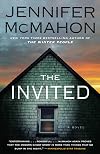
The Invited turned out to be a surprisingly fast-paced and engaging haunted house story with a cozy, atmospheric edge. While the haunting elements were subtle, they were well earned, giving the book a steady undercurrent of tension without ever tipping into heavy horror. The mystery surrounding Hattie was by far the most gripping part for me — her story kept me turning pages way past my bedtime. The characters felt natural in their interactions and development, even if I didn’t form a deep emotional connection with any of them. Overall, the pacing and blend of mystery, light supernatural elements, and haunted witch lore made for a very satisfying read.
What held this from being a full 5-star book for me was the ending. It felt rushed, as if the story reached its climax before fully exploring all the rich backstory and subtle creepiness it had been building toward. I wanted more — more eerie moments for Helen and Nate, more unsettling encounters for Olive, and definitely more depth in the twist itself. It wasn’t entirely predictable, which I appreciated, but it wasn’t developed enough to feel fully earned. Even with that, I’d absolutely recommend The Invited to fans of haunted house tales, witchy lore, and readers who prefer a lighter, cozier ghost story over something gruesome or terrifying. My 4-star rating reflects just how enjoyable the journey was, even if the destination felt a bit abrupt.
What held this from being a full 5-star book for me was the ending. It felt rushed, as if the story reached its climax before fully exploring all the rich backstory and subtle creepiness it had been building toward. I wanted more — more eerie moments for Helen and Nate, more unsettling encounters for Olive, and definitely more depth in the twist itself. It wasn’t entirely predictable, which I appreciated, but it wasn’t developed enough to feel fully earned. Even with that, I’d absolutely recommend The Invited to fans of haunted house tales, witchy lore, and readers who prefer a lighter, cozier ghost story over something gruesome or terrifying. My 4-star rating reflects just how enjoyable the journey was, even if the destination felt a bit abrupt.
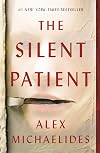
The Silent Patient was a fast-paced, tightly written psychological thriller that kept my attention from start to finish. The writing style was clean and addictive, and the steady psychological tension made even the quieter scenes feel charged. For a shorter book, the character development was just enough — not overly detailed but sufficient to keep me invested in everyone’s motivations and secrets. I also enjoyed the smaller twists sprinkled throughout, which kept the story moving without ever feeling bogged down. Overall, it delivered exactly what thriller fans tend to look for: suspense, atmosphere, and a constant sense that something is just slightly off.
Where the book fell short for me was the ending. While I didn’t predict the twist, it didn’t feel fully earned — almost as if there weren’t enough clues (if any) to naturally build toward the reveal. The final pages felt rushed, like the twist arrived before the groundwork had been laid, leaving me feeling a bit cheated. I found the characters interesting but didn’t deeply connect with any of them, which made the abruptness of the ending stand out even more. Still, the story held my interest the entire way through, and I’d definitely recommend it to fans of psychological thrillers and anyone who loves a big, unexpected twist — for better or worse. My 4-star rating comes down entirely to that ending, which just didn’t flow with the rest of an otherwise compelling book.
Where the book fell short for me was the ending. While I didn’t predict the twist, it didn’t feel fully earned — almost as if there weren’t enough clues (if any) to naturally build toward the reveal. The final pages felt rushed, like the twist arrived before the groundwork had been laid, leaving me feeling a bit cheated. I found the characters interesting but didn’t deeply connect with any of them, which made the abruptness of the ending stand out even more. Still, the story held my interest the entire way through, and I’d definitely recommend it to fans of psychological thrillers and anyone who loves a big, unexpected twist — for better or worse. My 4-star rating comes down entirely to that ending, which just didn’t flow with the rest of an otherwise compelling book.
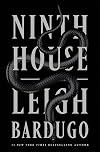
The Ninth House was a dark, gritty, and atmospheric read that delivered exactly what it promised in terms of world-building: secret societies, unsettling magic, and a moody dark academia backdrop. I enjoyed the unique magic system and the eerie, immersive setting, especially the way the story leaned into grisly details and the more sinister side of Yale’s societies. The pacing was mostly slow burn with a few intense, fast-paced moments scattered throughout, which worked well for the tone. It’s definitely not a “Harry Potter but darker” type of book — the themes feel heavier, messier, and much more adult. For readers who enjoy slow, atmospheric builds and don’t mind darker, sometimes gruesome scenes, the vibe alone might be worth it.
Where the book struggled for me was the characters — specifically Alex, who I just couldn’t connect with. Her constant negativity and smart-ass attitude pulled me out of the story, and because she’s the center of everything, that affected my overall enjoyment. Ironically, the one character I found genuinely interesting, Darlington, appears too little for my liking. I kept wishing for more interactions between him and Alex, which I think could have helped me warm up to her. Because of that disconnect, the mystery felt flat at times and the story lost momentum. In the end, it wasn’t a bad book — just one that didn’t fully click with me, landing at 3.5 stars. Honestly, if Darlington had been more present, this easily could show more have been a 4.5-star read for me. show less
Where the book struggled for me was the characters — specifically Alex, who I just couldn’t connect with. Her constant negativity and smart-ass attitude pulled me out of the story, and because she’s the center of everything, that affected my overall enjoyment. Ironically, the one character I found genuinely interesting, Darlington, appears too little for my liking. I kept wishing for more interactions between him and Alex, which I think could have helped me warm up to her. Because of that disconnect, the mystery felt flat at times and the story lost momentum. In the end, it wasn’t a bad book — just one that didn’t fully click with me, landing at 3.5 stars. Honestly, if Darlington had been more present, this easily could show more have been a 4.5-star read for me. show less