
Je suis habituellement hermétique à la philosophie : les livres de philosophie me tombent des mains, même ceux qu'ont m'assure être les meilleurs.
J'ai dévoré Un Corps à soi. La manière dont Camille Froidevaux-Metterie tisse les fils du substrat philosophique, de l'action politique et de l'expérience de la féminité (que je ne connais bien sûr qu'indirectement) a produit pour moi immédiatement du sens et des enjeux, expliquant et rendant nécessaires les outils théoriques, philosophiques, qui les sous-tendent et les expliquent.
L'autrice parvient ainsi à rendre éminemment accessible tout un corpus de textes philosophiques encore peu connus en France, et en démontre la valeur pour éclairer les luttes sociales et politiques en cours, dont beaucoup, si ce n'est toutes, touchent au corps des femmes.
Je conseille régulièrement ce livre à mes connaissances, et c'est un livre que je ferai lire à mes enfants dès qu'ils en auront l'âge.
J'ai dévoré Un Corps à soi. La manière dont Camille Froidevaux-Metterie tisse les fils du substrat philosophique, de l'action politique et de l'expérience de la féminité (que je ne connais bien sûr qu'indirectement) a produit pour moi immédiatement du sens et des enjeux, expliquant et rendant nécessaires les outils théoriques, philosophiques, qui les sous-tendent et les expliquent.
L'autrice parvient ainsi à rendre éminemment accessible tout un corpus de textes philosophiques encore peu connus en France, et en démontre la valeur pour éclairer les luttes sociales et politiques en cours, dont beaucoup, si ce n'est toutes, touchent au corps des femmes.
Je conseille régulièrement ce livre à mes connaissances, et c'est un livre que je ferai lire à mes enfants dès qu'ils en auront l'âge.
Jan 3, 2023French
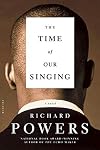
One of the blurbs at the end of my edition says "The best black novel since Beloved has just been written, and the author is white".
This more or less sums up my feelings about this book. I read the whole thing assuming that the author was black. I was, and am still, very enthusiastic about it. Through a series of back and forth between two generations, this book explores a variety of experiences of being an outsider in America, from the post-war years to the contemporary. The basic premise is to follow two brothers, born in the 60s from a former German Jewish physicist and an African-American woman, united by a common love – and practice – of music and the project to raise post-race children in a still heavily racist society.
Now, I feel a bit embarrassed about this. Is what I read a good account of the kind of ostracism and discrimination black people faced and still face, or a white person's reconstruction of it which happens to fit my own representation of a situation I never experienced (I am a white person in Europe)? I actually looked up for instance of cultural appropriation criticism about this book, but did not find anything.
This aside, it is an extremely rich book and a fantastic travel through these years, both for American society and the music world. It is also one of the very few books where I would have welcomed a companion. It should definitely have a playlist, to get a glimpse of the extraordinary musical universe which defines most of the show more protagonists. A more usual companion would also be useful, since the book very often alludes to people and events that are landmarks in US black history, but may be difficult to piece out for a European like me. Names I can look up on Wikipedia, but I was able to understand a mention to the Attica Prison riot only because I happen to have read Paul Auster's 1, 2, 3, 4. I am sure I missed many other events which have an influence on the story. show less
This more or less sums up my feelings about this book. I read the whole thing assuming that the author was black. I was, and am still, very enthusiastic about it. Through a series of back and forth between two generations, this book explores a variety of experiences of being an outsider in America, from the post-war years to the contemporary. The basic premise is to follow two brothers, born in the 60s from a former German Jewish physicist and an African-American woman, united by a common love – and practice – of music and the project to raise post-race children in a still heavily racist society.
Now, I feel a bit embarrassed about this. Is what I read a good account of the kind of ostracism and discrimination black people faced and still face, or a white person's reconstruction of it which happens to fit my own representation of a situation I never experienced (I am a white person in Europe)? I actually looked up for instance of cultural appropriation criticism about this book, but did not find anything.
This aside, it is an extremely rich book and a fantastic travel through these years, both for American society and the music world. It is also one of the very few books where I would have welcomed a companion. It should definitely have a playlist, to get a glimpse of the extraordinary musical universe which defines most of the show more protagonists. A more usual companion would also be useful, since the book very often alludes to people and events that are landmarks in US black history, but may be difficult to piece out for a European like me. Names I can look up on Wikipedia, but I was able to understand a mention to the Attica Prison riot only because I happen to have read Paul Auster's 1, 2, 3, 4. I am sure I missed many other events which have an influence on the story. show less
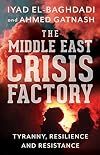
Part essay and part testimony, this book paints with a broad brush the last 50 years of the Middle-East region. It aims to show that the fact that most countries there are de facto dictatorships is not a fatality, and that the Arab Spring was the harbinger of a momentous move towards a wholesale political change in the region.
The book starts by dispelling common misconceptions about the MENA region, which cloud the images that most Westerners (including yours truly) have about the region, such as the idea that many current conflicts stem from millennia-old hatred or improperly-drawn borders. It proceeds to show how dictators have prospered since the independence of the region, on the ground of a poorly-prepared population under colonial rule and succeeding narratives of independence, development and then war on terror – every time at the expense of peoples’ agency and political rights.
The authors argue that each of these contracts (you abandon your political agency and I will make you free from the colonizer, improve your standard of living, protect you from terrorists) have been broken. Most of the current regimes exist only thanks to the support of an external power: the US, Russia, Iran; the standards of living are stagnating in most countries due to the end of the oil boon, and people of MENA are primary victims of terrorist strikes. Hence a deep legitimacy crisis.
So far, this crisis has been limited by the stability provided by what the authors call “the show more vicious triangle”: dictatorship, terror and foreign intervention. Dictators thrive on terrorism and foreign intervention, which re-legitimate their claim that they are the defenders of their population and sovereignty. The oppression endured under dictatorships provide resentment and despair that drive people to radical action and terrorism, while foreign interventions provide both the target and the motivation. Terrorist activity provides a rationale for foreign intervention, and dictators are perceived as having the necessary ruthlessness to deal with the terrorist threat, leading many Western countries to backs regimes with an appalling human rights record.
For the authors, the solution of this self-reinforcing spiral is to change our focus from the political regimes to the civil societies underneath. These bear little resemblance to those of 50 years ago. The regions achieved high levels of literacy, and the Internet, especially social networks, provide an educated young generation with both the idea that their lot should be better than unemployment in a corrupt system and the means to communication and coordinate outside a space tightly controlled by dictators. These aspirations, which expressed themselves in the Arab Spring, are still there despite the authoritarian backlash. After the murder of Jamal Khasshogi revealed that the Saudi strongman MBS was not the liberal strongman he pretended to be, local autocracies are running out of options, except increasing pressure on populations that have become more and more resilient to it.
The authors end with a set of recommendations on how to deal with autocracies: target leaders (think Magnisky sanctions) rather than populations (stop travel and impots bans), with goal of empowering the civil society and the idea that meaningful change will come only from within.
This book often makes for an uncomfortable reading to Westerners. While the authors do not dwell very long on the problematic legacy of the colonial era, they do show that Western countries consistently support directly and indirectly political regimes that are in complete contradiction with our stated core values. The result is that we are seen as ready to sacrifice these values and actual lives in the region for the (mostly empty) promise of more security in our own countries – which is both indefensible and a strategic mistake, since the said regimes are terror enablers.
There is probably a lot to be said on how the broad view the authors take fails to capture the complexity of local situations: actual long-held grievances here, a still sizeable support for a strongman regime there, etc. I believe however that this broad view is one of the most illuminating I have read about the region and its prospects. One should also read it for the testimony it represents. One of the authors went through oppression, exile, and is now under protection because some of these dictators want him dead. Between the lines, you can read the trajectory of a man who could have become a radical opponent of Western values, and is now one of its staunchest advocates – including in reminding us of our own lack of consistency. show less
The book starts by dispelling common misconceptions about the MENA region, which cloud the images that most Westerners (including yours truly) have about the region, such as the idea that many current conflicts stem from millennia-old hatred or improperly-drawn borders. It proceeds to show how dictators have prospered since the independence of the region, on the ground of a poorly-prepared population under colonial rule and succeeding narratives of independence, development and then war on terror – every time at the expense of peoples’ agency and political rights.
The authors argue that each of these contracts (you abandon your political agency and I will make you free from the colonizer, improve your standard of living, protect you from terrorists) have been broken. Most of the current regimes exist only thanks to the support of an external power: the US, Russia, Iran; the standards of living are stagnating in most countries due to the end of the oil boon, and people of MENA are primary victims of terrorist strikes. Hence a deep legitimacy crisis.
So far, this crisis has been limited by the stability provided by what the authors call “the show more vicious triangle”: dictatorship, terror and foreign intervention. Dictators thrive on terrorism and foreign intervention, which re-legitimate their claim that they are the defenders of their population and sovereignty. The oppression endured under dictatorships provide resentment and despair that drive people to radical action and terrorism, while foreign interventions provide both the target and the motivation. Terrorist activity provides a rationale for foreign intervention, and dictators are perceived as having the necessary ruthlessness to deal with the terrorist threat, leading many Western countries to backs regimes with an appalling human rights record.
For the authors, the solution of this self-reinforcing spiral is to change our focus from the political regimes to the civil societies underneath. These bear little resemblance to those of 50 years ago. The regions achieved high levels of literacy, and the Internet, especially social networks, provide an educated young generation with both the idea that their lot should be better than unemployment in a corrupt system and the means to communication and coordinate outside a space tightly controlled by dictators. These aspirations, which expressed themselves in the Arab Spring, are still there despite the authoritarian backlash. After the murder of Jamal Khasshogi revealed that the Saudi strongman MBS was not the liberal strongman he pretended to be, local autocracies are running out of options, except increasing pressure on populations that have become more and more resilient to it.
The authors end with a set of recommendations on how to deal with autocracies: target leaders (think Magnisky sanctions) rather than populations (stop travel and impots bans), with goal of empowering the civil society and the idea that meaningful change will come only from within.
This book often makes for an uncomfortable reading to Westerners. While the authors do not dwell very long on the problematic legacy of the colonial era, they do show that Western countries consistently support directly and indirectly political regimes that are in complete contradiction with our stated core values. The result is that we are seen as ready to sacrifice these values and actual lives in the region for the (mostly empty) promise of more security in our own countries – which is both indefensible and a strategic mistake, since the said regimes are terror enablers.
There is probably a lot to be said on how the broad view the authors take fails to capture the complexity of local situations: actual long-held grievances here, a still sizeable support for a strongman regime there, etc. I believe however that this broad view is one of the most illuminating I have read about the region and its prospects. One should also read it for the testimony it represents. One of the authors went through oppression, exile, and is now under protection because some of these dictators want him dead. Between the lines, you can read the trajectory of a man who could have become a radical opponent of Western values, and is now one of its staunchest advocates – including in reminding us of our own lack of consistency. show less
Où va l'argent des pauvres: Fantasmes politiques, réalités sociologiques (Essais Payot) (French Edition) by Denis Colombi

Avec cet essai, Denis Colombi s'attaque à une représentation sociale profondément ancrée : notre image de ce que sont et font les pauvres. À rebours d'une représentation ancienne, qui voit dans les pauvres des victimes de leur propre paresse et mauvais penchants, l'auteur montre que de nombreux choix qui paraissent absurdes quand on dispose soi-même d'un revenu confortable prennent sens quand on a peu d'argent.
Par exemple, dépenser en début de mois tout son argent pour acheter pâtes, pommes de terre, biscuits et autre denrées non périssables permet de s'assurer qu'on aura au moins à manger pour quelque temps. Cela évite les tentations, et prémunit contre le risque qu'un prélèvement imprévu, régularisation ou autre fasse qu'il n'y ait plus sur le compte bancaire de quoi acheter à manger.
Ce livre fait partie des quelques-uns qui m'ont efficacement fait réfléchir sur mes propres perceptions, et pointé un écart entre mes idées politiques et mes représentations effectives des personnes concernées. Un livre efficace, qui méritait bien sa lecture, et bien plus d'une heure de peine pour l'auteur.
Il n'y a qu'un seul point sur lequel je suis un peu resté sur ma faim, celui d'un portrait social des pauvres en France. L'auteur a fait le choix de ne pas en proposer dans son ouvrage, probablement pour ne pas surcharger de statistiques et de figures un ouvrage qui ne les convoque (à bon escient) qu'en support du raisonnement. Pour autant, certains show more chiffres donnés interpellent : ainsi, l'auteur rappelle qu'en France, seuls 26% des pauvres une année l'ont été au moins deux ans sur les trois qui précèdent l'enquête. Ce chiffre suggère qu'il y a de nombreux aller-retour vers et hors de la pauvreté, à rebours de l'image d'un état dont il serait très difficile de sortir – ce qui signifie aussi que la part de la population concernée par les contraintes et mécanismes décrit par l'auteur est potentiellement beaucoup plus importante que les personnes pauvres à un instant donné.
Il s'agit pour moi d'un excellent ouvrage de vulgarisation sociologique, dans ce que les deux termes ont de meilleur. Je ne peux m'empêcher de relever que l'auteur, alors qu'il en avait l'occasion, a eu la classe de relever ce que les disciplines connexes, à commencer par l'économie, ont bien compris du problème sans s'appesantir sur leurs erreurs en la matière. show less
Par exemple, dépenser en début de mois tout son argent pour acheter pâtes, pommes de terre, biscuits et autre denrées non périssables permet de s'assurer qu'on aura au moins à manger pour quelque temps. Cela évite les tentations, et prémunit contre le risque qu'un prélèvement imprévu, régularisation ou autre fasse qu'il n'y ait plus sur le compte bancaire de quoi acheter à manger.
Ce livre fait partie des quelques-uns qui m'ont efficacement fait réfléchir sur mes propres perceptions, et pointé un écart entre mes idées politiques et mes représentations effectives des personnes concernées. Un livre efficace, qui méritait bien sa lecture, et bien plus d'une heure de peine pour l'auteur.
Il n'y a qu'un seul point sur lequel je suis un peu resté sur ma faim, celui d'un portrait social des pauvres en France. L'auteur a fait le choix de ne pas en proposer dans son ouvrage, probablement pour ne pas surcharger de statistiques et de figures un ouvrage qui ne les convoque (à bon escient) qu'en support du raisonnement. Pour autant, certains show more chiffres donnés interpellent : ainsi, l'auteur rappelle qu'en France, seuls 26% des pauvres une année l'ont été au moins deux ans sur les trois qui précèdent l'enquête. Ce chiffre suggère qu'il y a de nombreux aller-retour vers et hors de la pauvreté, à rebours de l'image d'un état dont il serait très difficile de sortir – ce qui signifie aussi que la part de la population concernée par les contraintes et mécanismes décrit par l'auteur est potentiellement beaucoup plus importante que les personnes pauvres à un instant donné.
Il s'agit pour moi d'un excellent ouvrage de vulgarisation sociologique, dans ce que les deux termes ont de meilleur. Je ne peux m'empêcher de relever que l'auteur, alors qu'il en avait l'occasion, a eu la classe de relever ce que les disciplines connexes, à commencer par l'économie, ont bien compris du problème sans s'appesantir sur leurs erreurs en la matière. show less
Dec 21, 2020French
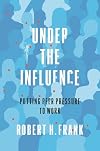
This book is about how strongly other people's behaviour shapes our own, and why this is key for public policy. The author moves clearly and steadily from core research findings in behavioural lab and field experiments to historical episodes where societies reach then tipping points when a given behaviour flips rapidly from frowned upon to widely accepted, or the converse (think indoor smoking or sexual revolution). The key of these tipping points lies in behavioural contagion: as long as we don't observe a given behaviour, we tend to think that it is scarce, even if it is in fact widespread but concealed. Once we recognize the true extent of the behaviour, we change our own (and our acceptance of it) accordingly. At the level of a society, such changes can be extremely fast.
This, the author argues, should be a prime topic for public policy. As he repeatedly argues, there is solid evidence that being in contact with more smokers increases significantly one's odds to start smoking (and regretting it). The damage thus caused by the sheer presence of other smokers actually dwarfs the damage due to second-hand smoke. The book documents several other issues of this kind before culminating with what the author calls *the mother of all cognitive illusions*.
In a nutshell, it is the idea that higher taxes on the affluent will make them worse off. In the face of it, it is a no-brainer: more taxes means less money to spend on what I want. The trick lies in the fact that above a show more certain threshold (that a majority of households do reach in rich countries), we are driven willy-nilly to consuming position goods, that is good that do not provide us with much higher benefits than cheaper ones, but do improve our standings or prospects relative to others. Housing is a prime example. McMansions from the top lead people across a broad range of revenue to aspire to larger dwellings (which are more expensive to maintain and less environmentally friendly). It is often difficult to escape this: even if you recognize that some neighbourhoods are way overprices, you may still want to buy a house there because schools are better. So do other households, leading to a damaging bidding war that profits only to house sellers. In this example, a tax on house prices whose proceeds would go to funding better schools everywhere would have the effect of leaving everyone better off: it would cool down bidding wars, and decrease price differences between neighbourhoods. At a society level, a steeply progressive and comprehensive income tax would have the same effect: the richest would still drive luxury cars, a bit less overpriced, and there would be much more money for infrastructures and public services, leaving everyone better off.
The core argument is not new in itself: people have long pointed at how wasteful keeping up with the Joneses can be(ancient writers already nailed it). What is interesting here is that the author does not link this behaviour with some fundamental flaw of human nature, such as greed or envy, but on rational motives: we are influenced by the behaviour of others because of build-in reactions that allowed our species to survive without claws, furs or fast legs. Even in modern societies, such behaviours are not bugs, they are features that enable social interactions.
Compared to other popular books in the field, starting with *Nudge*, this book is a change of pace. Where most books deal with narrowly-defined issues and carefully crafted experiments, this one deals with society-wide issues, and equally far-ranging policies. It thus provides an answer to the (in my opinion unfair) idea that behavioural insights are limited to small-scale issues and unfit for the big challenges of our age. show less
This, the author argues, should be a prime topic for public policy. As he repeatedly argues, there is solid evidence that being in contact with more smokers increases significantly one's odds to start smoking (and regretting it). The damage thus caused by the sheer presence of other smokers actually dwarfs the damage due to second-hand smoke. The book documents several other issues of this kind before culminating with what the author calls *the mother of all cognitive illusions*.
In a nutshell, it is the idea that higher taxes on the affluent will make them worse off. In the face of it, it is a no-brainer: more taxes means less money to spend on what I want. The trick lies in the fact that above a show more certain threshold (that a majority of households do reach in rich countries), we are driven willy-nilly to consuming position goods, that is good that do not provide us with much higher benefits than cheaper ones, but do improve our standings or prospects relative to others. Housing is a prime example. McMansions from the top lead people across a broad range of revenue to aspire to larger dwellings (which are more expensive to maintain and less environmentally friendly). It is often difficult to escape this: even if you recognize that some neighbourhoods are way overprices, you may still want to buy a house there because schools are better. So do other households, leading to a damaging bidding war that profits only to house sellers. In this example, a tax on house prices whose proceeds would go to funding better schools everywhere would have the effect of leaving everyone better off: it would cool down bidding wars, and decrease price differences between neighbourhoods. At a society level, a steeply progressive and comprehensive income tax would have the same effect: the richest would still drive luxury cars, a bit less overpriced, and there would be much more money for infrastructures and public services, leaving everyone better off.
The core argument is not new in itself: people have long pointed at how wasteful keeping up with the Joneses can be(ancient writers already nailed it). What is interesting here is that the author does not link this behaviour with some fundamental flaw of human nature, such as greed or envy, but on rational motives: we are influenced by the behaviour of others because of build-in reactions that allowed our species to survive without claws, furs or fast legs. Even in modern societies, such behaviours are not bugs, they are features that enable social interactions.
Compared to other popular books in the field, starting with *Nudge*, this book is a change of pace. Where most books deal with narrowly-defined issues and carefully crafted experiments, this one deals with society-wide issues, and equally far-ranging policies. It thus provides an answer to the (in my opinion unfair) idea that behavioural insights are limited to small-scale issues and unfit for the big challenges of our age. show less
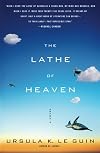
The premise of the book is the appearance in a near-dystopian future of a man whose dreams can alter reality, retroactively, even on a dramatic scale. Being a decent man, he is crushed by the responsibility, and has to seek help with a good but ambitious psychologist.
Ethics, responsibility and dream are at the centre of this book, which reminds me of Zelazny's *The Dream Master*, published five years earlier. In my eyes, it shows that Le Guinn can write a story on this kind of conceptual premise as well as the grand masters of the genre, Zelazny being a case in point. Of course, she adds her personal touch, with more complex, human, ambiguous characters than is usual is the SciFi genre. Another distinctive trait in my opinion is the way she closes the story, neither with a complete obliteration, nor with a Tolkien-like eucatastrophe.
Though I really liked the book, I found that the aliens addition was neither really necessary to the plot, nor a very successful attempt in the genre. The idea of physiologically very different aliens settling on Earth as managers and traders strikes me as odd, especially when communication with them appears to be a constant challenge.
On the whole, a good and enjoyable read, but not her best work in my opinion.
Ethics, responsibility and dream are at the centre of this book, which reminds me of Zelazny's *The Dream Master*, published five years earlier. In my eyes, it shows that Le Guinn can write a story on this kind of conceptual premise as well as the grand masters of the genre, Zelazny being a case in point. Of course, she adds her personal touch, with more complex, human, ambiguous characters than is usual is the SciFi genre. Another distinctive trait in my opinion is the way she closes the story, neither with a complete obliteration, nor with a Tolkien-like eucatastrophe.
Though I really liked the book, I found that the aliens addition was neither really necessary to the plot, nor a very successful attempt in the genre. The idea of physiologically very different aliens settling on Earth as managers and traders strikes me as odd, especially when communication with them appears to be a constant challenge.
On the whole, a good and enjoyable read, but not her best work in my opinion.
The Inner Level: How More Equal Societies Reduce Stress, Restore Sanity and Improve Everyone's Well-being by Kate Pickett
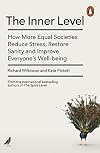
The book main point is simple: wealth and income inequality have corrosive effect on societies, and lie at the root of the most pressing problems, such as declining health, despair death or the lack of action in the face of climate change.
The authors set forth to document how outcomes in various fields, from suicide rates to education, subjective well-being, environmental compliance, cultural or political participation are all better in more equal societies. The core insight behind this regularity is that the human psyche is geared to act on either a cooperate/reciprocate set of values, or a compete/aggressive one. When income inequalities get larger, many more of our opportunities to cooperate become limited to people around our own level - hence a stronger desire to increase, status and defend against people coming up from below. This results in increased anxiety, wasteful conspicuous consumption, drugs and alcohol abuse to cope with anxiety, and a dereliction of public trust and institutions.
It is a well-known fact that cross-country comparisons are always tricky beasts. Every country-wide metric has blind spots and very different distributions of a phenomenon (income, mental health) can return similar levels of a given metric. In the literature I happen to be familiar with - subjective well-being - results are much less clear-cut than what the authors make. Subjective well-being is indeed very high in the poster countries for income equality (Scandinavian show more countries), but also in countries with much higher levels of inequality, especially among emerging countries. Among the latter, economic inequality is seen by people lower in the income distribution not as a reflection on their personal worth, but as a sign of the opportunities open to them to improve their lives. Even restricting to developed countries, happiness inequality actually declined during the last decade, along a large increase of income inequality (see https://ourworldindata.org/happiness-and-life-satisfaction#happiness-inequality). I strongly suspect the same holds in the other areas the authors touch.
Even if the evidence on each point is less consistent than the authors would have, the book still piles up an impressive amount of it. A hint of a negative relation between inequality and a crucial social outcome is interesting. When the same hint crops up everywhere in social life, if becomes close to a stylized fact, and an important one. All the more when it chimes with other works such as Thomas Piketty's Capital or Julia Cagé's The Price of Democracy, among others. I would thus advise to pay strong attention to this book, which also happens to be extremely accessible for laypeople. show less
The authors set forth to document how outcomes in various fields, from suicide rates to education, subjective well-being, environmental compliance, cultural or political participation are all better in more equal societies. The core insight behind this regularity is that the human psyche is geared to act on either a cooperate/reciprocate set of values, or a compete/aggressive one. When income inequalities get larger, many more of our opportunities to cooperate become limited to people around our own level - hence a stronger desire to increase, status and defend against people coming up from below. This results in increased anxiety, wasteful conspicuous consumption, drugs and alcohol abuse to cope with anxiety, and a dereliction of public trust and institutions.
It is a well-known fact that cross-country comparisons are always tricky beasts. Every country-wide metric has blind spots and very different distributions of a phenomenon (income, mental health) can return similar levels of a given metric. In the literature I happen to be familiar with - subjective well-being - results are much less clear-cut than what the authors make. Subjective well-being is indeed very high in the poster countries for income equality (Scandinavian show more countries), but also in countries with much higher levels of inequality, especially among emerging countries. Among the latter, economic inequality is seen by people lower in the income distribution not as a reflection on their personal worth, but as a sign of the opportunities open to them to improve their lives. Even restricting to developed countries, happiness inequality actually declined during the last decade, along a large increase of income inequality (see https://ourworldindata.org/happiness-and-life-satisfaction#happiness-inequality). I strongly suspect the same holds in the other areas the authors touch.
Even if the evidence on each point is less consistent than the authors would have, the book still piles up an impressive amount of it. A hint of a negative relation between inequality and a crucial social outcome is interesting. When the same hint crops up everywhere in social life, if becomes close to a stylized fact, and an important one. All the more when it chimes with other works such as Thomas Piketty's Capital or Julia Cagé's The Price of Democracy, among others. I would thus advise to pay strong attention to this book, which also happens to be extremely accessible for laypeople. show less

This book was led to my by my son's preschool teatcher, following a remark on my part on how kids' pose for their classroom photos were much more heavily gendered for lower-income a minotiry kids (I live in Paris, France, in a mixed neighbourhood).
Although the research has been conducted a while ago, the results were indeed illuminating about male kids' behaviour and challenges in constructing their gender identity in a society that conveys mixed signals on the traditional elements on masculine identity.
A great feat of this book is to present what is first and foremost a research report in an emineltely readeable way, without sacrificing rigour in the description of the protocols. The authors are aware, and signal, places where their own subjectivity may have influenced the selection and reading of the interviews, and an extensive use of verbatims allows the reader to get a grasp of what was said by the children in their own words.
I also appreciated very much the fine balance that the authors manage to strike between a clear delineation of the social pressures the teenagers face, and the degree of agency the same teenagers deploy in response to these pressures.
All round, a very interesting resarch work that manages to be widely accessible.
Although the research has been conducted a while ago, the results were indeed illuminating about male kids' behaviour and challenges in constructing their gender identity in a society that conveys mixed signals on the traditional elements on masculine identity.
A great feat of this book is to present what is first and foremost a research report in an emineltely readeable way, without sacrificing rigour in the description of the protocols. The authors are aware, and signal, places where their own subjectivity may have influenced the selection and reading of the interviews, and an extensive use of verbatims allows the reader to get a grasp of what was said by the children in their own words.
I also appreciated very much the fine balance that the authors manage to strike between a clear delineation of the social pressures the teenagers face, and the degree of agency the same teenagers deploy in response to these pressures.
All round, a very interesting resarch work that manages to be widely accessible.
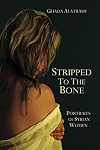
This collection of short stories is always touching, sometimes heart-wrenching. It harps on the themes of womanhood in a country torn first between tradition and modernity, then by war and the difficult choice of exile for those who could.
I felts the author better on the latter theme, which she has experienced. Probably the ongoing war in something too raw, too fresh to enter literature.In the theme of womanhood, I felt like the author wanted to make a repeated point on the sensuality of women. I regretted however that she used the same formulas over and over to make this point, using the same images and metaphors, as if she was at a loss for words.
My feeling is that this stories are a great, heart-touching material but I found that the style could have fewer rough edges.
I felts the author better on the latter theme, which she has experienced. Probably the ongoing war in something too raw, too fresh to enter literature.In the theme of womanhood, I felt like the author wanted to make a repeated point on the sensuality of women. I regretted however that she used the same formulas over and over to make this point, using the same images and metaphors, as if she was at a loss for words.
My feeling is that this stories are a great, heart-touching material but I found that the style could have fewer rough edges.
 This review was written for LibraryThing Early Reviewers.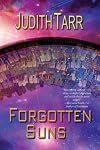
I read Forgotten Suns like someone who thouroughly enjoys a family recipe at a family dinner. Most of the ingredients are known: the teenage focus character, the family mentor, the age-old hero, the evil government agency as an opponent. Many tropes flow through the book: the contact between psi and science, worldgates (hello Hyperion), the Thing From Below, psi-gifted humans finally breeding their own counterpower (K. Dick's Ubik, Dune), event the sentient Ship has an air of déjà-vu. And yet, I found the book very enjoyable.
The narratives include enough backstory to make thge universe credible, without taking any unecessary pain to show off own many different alien species ou strange words the author can imagine. Of course, there is also the twist of having female characters as focus (and of muslim culture at that) and a large female cast in usually male roles (military, science team lead and so on).
In short, this book brings a fresh cast to a classic frame. And this is no mean feat.
The narratives include enough backstory to make thge universe credible, without taking any unecessary pain to show off own many different alien species ou strange words the author can imagine. Of course, there is also the twist of having female characters as focus (and of muslim culture at that) and a large female cast in usually male roles (military, science team lead and so on).
In short, this book brings a fresh cast to a classic frame. And this is no mean feat.
This review was written for LibraryThing Early Reviewers.
Even though I forced myself to read it in full, I quite never got the hang of this book. At times, I felt that it tried towards the fragmented, multi-poiny-of-view vision that one can experience in Tony Morrison's *Love*. But then, why impose to the reader the effort to figure out each time which character is the current focus? And contrary to this expectations, the different narratives do not have enough intersections to allow me to represent a full picture of what was (or has been, since there are multiple hints of a backstory) happening.
The crossfire between the Nouveau Roman-like slices on internal monologue and this fragmented narration whose point I did not see (fragmented narration is useful if things happen at many places or if you want to give several accounts of the same events), I failed to understand where this book was trying to get me to. And ended up wondering if it were anything else than an exercise of style.
The crossfire between the Nouveau Roman-like slices on internal monologue and this fragmented narration whose point I did not see (fragmented narration is useful if things happen at many places or if you want to give several accounts of the same events), I failed to understand where this book was trying to get me to. And ended up wondering if it were anything else than an exercise of style.
This review was written for LibraryThing Early Reviewers.Shit Doesn't Just Happen: Titanic, Kegworth, Custer, Schoolhouse, Donner, Tulips, Apollo 13: The Gift of Failure (Volume 1) by Bob Mayer
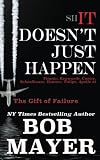
While I agree with the general message of the book (imagining events that could lead to a catastrophe and assessing the potential damage of such events is my job description), I feel the book somewhat under-delivers.
Firstly, I felt the author devotes too much time convincing the reader to read the book. If I am ten pages into a book, it means that I intend to read it. A long description of the author's credentials seems of little use at that point.
I felt that the very American-centric tone of the book was somewhat at odds with its general message: has the author considered he may address a general audience? In this context, I had to look up a converter for imperial units (reminder: everyone in the world out there uses the metric system), also look up some acronyms (AWOL?) and events (understandably, the Battle of Little Bighorn is little more than a footnote in history textbooks in French school). In the same vein, I found strange that a book that advocates attention to details may present glaring typos ("it's" for "its", "mean" for "men", "747" for "737").
I also feel that the “Rule of seven” that the author use to analyze is somewhat arbitrary. To take an example, recent research shows that had the Titanic rammed the iceberg head-on instead of trying to avoid it, the ship would have been capable of reaching its port. This possibility is not present in the author’s account. In my own field, I feel the analysis of the recent financial crisis somewhat misleading. show more This leads me to the suspicion that each case would have benefited from more in-depth research.
On the whole, the book’s premise is good, but I had expected a more watertight work. show less
Firstly, I felt the author devotes too much time convincing the reader to read the book. If I am ten pages into a book, it means that I intend to read it. A long description of the author's credentials seems of little use at that point.
I felt that the very American-centric tone of the book was somewhat at odds with its general message: has the author considered he may address a general audience? In this context, I had to look up a converter for imperial units (reminder: everyone in the world out there uses the metric system), also look up some acronyms (AWOL?) and events (understandably, the Battle of Little Bighorn is little more than a footnote in history textbooks in French school). In the same vein, I found strange that a book that advocates attention to details may present glaring typos ("it's" for "its", "mean" for "men", "747" for "737").
I also feel that the “Rule of seven” that the author use to analyze is somewhat arbitrary. To take an example, recent research shows that had the Titanic rammed the iceberg head-on instead of trying to avoid it, the ship would have been capable of reaching its port. This possibility is not present in the author’s account. In my own field, I feel the analysis of the recent financial crisis somewhat misleading. show more This leads me to the suspicion that each case would have benefited from more in-depth research.
On the whole, the book’s premise is good, but I had expected a more watertight work. show less
This review was written for LibraryThing Early Reviewers.
L'idée générale a sans doute fait au départ une bonne nouvelle : une histoire de sabre dans un Japon fantastique. Elle ne suffit toutefois pas à tenir la distance du livre. Les épisodes 'en trouvent expédiés, et les personnages manquent de profondeur.
Je n'ai pas réussi à accrocher à ce Japon fantasmé. Là où je pensais que la connaissance qu'a l'auteur du Japon historique donnerai du poids et de crédibilité au cadre, j'ai plutôt trouvé que les allusions en soulignaient l'artificialité. Contrairement au pseudo-Japon de Lian Hearn (Le Silence du rossignol), les écarts à l'histoire ou au réalisme ne sont pas ici mis au service de l'histoire. Un exemple : pourquoi avoir déplacé Bizen et son fléau d'armes vers Hokkaïdo (Yeso à l'époque), alors que l'île était alors à peine peuplée et que les mers à pirates ne manquaient pas, que ce soit la Mer Intérieure ou la Mer de Chine ?
Certaines allusions semblent également rapportées d'un peu loin. Dans le passage sur le village flottant vivant de la proximité des baleines, comment ne pas songer au passage similaire dans l'Ultime rivage de Le Guinn ? En à peu près le même volume toutefois, Le Guinn me donne une impression beaucoup plus claire de son village que ne m'en inspirent les pages de Thomas Day, sans doute par ce qu'au rebours des personnages de Le Guinn, le narrateur est ici complètement centré sur lui-même, sans empathie avec ce qui l'entoure.
En termes de structure, si l'idée des show more récits imbriqués rompt opportunément la linéarité d'une trajectoire du héros qui avance (trop) vite, l'auteur ne tire pas parti de la diversité des narrateurs. Qu'il s'agisse d'une souillon, d'une tisserande, d'un génial excentrique ou d'une geisha cultivée, les récits utilisent le même ton et le même vocabulaire, celui d'un narrateur qui ne se met pas en peine de retranscrire les différences de niveau de langage.
Mon impression d'ensemble est d'avoir lu un récit que j'aurais sans doute apprécié étant adolescent, mais dont je perçois maintenant les faiblesses. show less
Je n'ai pas réussi à accrocher à ce Japon fantasmé. Là où je pensais que la connaissance qu'a l'auteur du Japon historique donnerai du poids et de crédibilité au cadre, j'ai plutôt trouvé que les allusions en soulignaient l'artificialité. Contrairement au pseudo-Japon de Lian Hearn (Le Silence du rossignol), les écarts à l'histoire ou au réalisme ne sont pas ici mis au service de l'histoire. Un exemple : pourquoi avoir déplacé Bizen et son fléau d'armes vers Hokkaïdo (Yeso à l'époque), alors que l'île était alors à peine peuplée et que les mers à pirates ne manquaient pas, que ce soit la Mer Intérieure ou la Mer de Chine ?
Certaines allusions semblent également rapportées d'un peu loin. Dans le passage sur le village flottant vivant de la proximité des baleines, comment ne pas songer au passage similaire dans l'Ultime rivage de Le Guinn ? En à peu près le même volume toutefois, Le Guinn me donne une impression beaucoup plus claire de son village que ne m'en inspirent les pages de Thomas Day, sans doute par ce qu'au rebours des personnages de Le Guinn, le narrateur est ici complètement centré sur lui-même, sans empathie avec ce qui l'entoure.
En termes de structure, si l'idée des show more récits imbriqués rompt opportunément la linéarité d'une trajectoire du héros qui avance (trop) vite, l'auteur ne tire pas parti de la diversité des narrateurs. Qu'il s'agisse d'une souillon, d'une tisserande, d'un génial excentrique ou d'une geisha cultivée, les récits utilisent le même ton et le même vocabulaire, celui d'un narrateur qui ne se met pas en peine de retranscrire les différences de niveau de langage.
Mon impression d'ensemble est d'avoir lu un récit que j'aurais sans doute apprécié étant adolescent, mais dont je perçois maintenant les faiblesses. show less
1

Smart est l'ouvrage le plus intelligent que j'ai lu au sujet d'Internet à ce jour. Là où missionnaires comme contempteurs du digital regardent Internet au travers des écrans à portée de leurs yeux, Frédéric Martel est allé voir sur le terrain par qui sont faits et utilisés les outils de l'Internet actuel. Il en revient avec une thèse au rebours du village global ou du monde plat. Smart démontre qu'il n'existe pas un Internet mondial, abolissant les barrières culturelles, mais des Internets, dont les frontières recoupent bien souvent des frontières bien physiques.
Suite de la recension :
http://www.leconomiste-notes.fr/dotclear2/index.php/post/2014/08/20/Note-de-lect...
Suite de la recension :
http://www.leconomiste-notes.fr/dotclear2/index.php/post/2014/08/20/Note-de-lect...
Aug 20, 2014French
The Second Machine Age: Work, Progress, and Prosperity in a Time of Brilliant Technologies by Erik Brynjolfsson
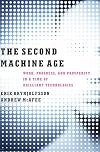
The Second Machine Age is a great book to understand how technology will make rapid inroads into areas previously thought as a human preserve. From chess to driving to personal assistant, computers prove increasingly capable of complex tasks, and the exponential increase of computing power means that future breakthrough will be even more impressive and come much sooner than our linear-biased minds expect.
The book shows that this evolution has deep consequences on the very fabric of society, in the amount ("bounty") and distribution ("spread") of economic outcomes. Left to its own devices, current technological progress increases production at a fast pace, but inequality of outcomes at an even faster pace, leading to grim prospects for middle-income jobs.
The authors, however, do not subscribe to the view that such a future is unavoidable (see Tyler Cowen's Average is over) and present an array of measure that enable the majority of us not to race against the machines (title of their previous book on the subject), but with them.
Overall, it is a deep, well-researched book. Readers of Race against the machine will not find lots of new elements, but the exposition of the material is better structured.
In my opinion, this book should be complemented by another one, dealing with how technology affects and is affected by culture (norms, representation, social relations) and not just economic outcomes.
The book shows that this evolution has deep consequences on the very fabric of society, in the amount ("bounty") and distribution ("spread") of economic outcomes. Left to its own devices, current technological progress increases production at a fast pace, but inequality of outcomes at an even faster pace, leading to grim prospects for middle-income jobs.
The authors, however, do not subscribe to the view that such a future is unavoidable (see Tyler Cowen's Average is over) and present an array of measure that enable the majority of us not to race against the machines (title of their previous book on the subject), but with them.
Overall, it is a deep, well-researched book. Readers of Race against the machine will not find lots of new elements, but the exposition of the material is better structured.
In my opinion, this book should be complemented by another one, dealing with how technology affects and is affected by culture (norms, representation, social relations) and not just economic outcomes.
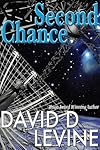
Second Chance is good for exactly the same reasons the short stories of Space Magic are. So I will not repeat me and direct the reader to my previous critic:
http://www.librarything.com/work/5509436/reviews/92861598
Second Chance is essentially the story of a man who lost part of his memory and ends up with people with whom things have been complicated during the period he cannot remember. The book mixes that with a dose of mystery novel. The result is an enjoyable read, though, in my humble opinion, slighlty inferior to the short stories of Space Magic.
Contrary to other reviewers, I am not put off by the end: at that point, the author has obviously said what he set out to say, and has no appetite for embarking in a classic space colonization story.
I find however strange that he takes so long for the hero to find out what is wrong with him being revied when the author makes that obvious to the reader at the first meeting with a crew member. We are supposed to see through Chaz's eyes, and the guy is smart. How come we, average reader, are so much more perceptive than he is? This could be an illustration of the capacity to bling oneself to the painfully obvious, but the author does not seem to hint at that flaw in the character.
This should not put you off: this is a good and well-written story, which looks into human soul by taking an unusual point of view. I only whish it were longer, not to go beyond the end, but to flesh out other characters in the story.
http://www.librarything.com/work/5509436/reviews/92861598
Second Chance is essentially the story of a man who lost part of his memory and ends up with people with whom things have been complicated during the period he cannot remember. The book mixes that with a dose of mystery novel. The result is an enjoyable read, though, in my humble opinion, slighlty inferior to the short stories of Space Magic.
Contrary to other reviewers, I am not put off by the end: at that point, the author has obviously said what he set out to say, and has no appetite for embarking in a classic space colonization story.
I find however strange that he takes so long for the hero to find out what is wrong with him being revied when the author makes that obvious to the reader at the first meeting with a crew member. We are supposed to see through Chaz's eyes, and the guy is smart. How come we, average reader, are so much more perceptive than he is? This could be an illustration of the capacity to bling oneself to the painfully obvious, but the author does not seem to hint at that flaw in the character.
This should not put you off: this is a good and well-written story, which looks into human soul by taking an unusual point of view. I only whish it were longer, not to go beyond the end, but to flesh out other characters in the story.
This review was written for LibraryThing Early Reviewers.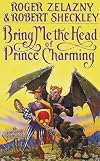
Fun and wel written, but in my opinion a significant notch under the classic Zelazny (Lord of Light, Amber, Changeling).
I feel it is fun to see Zelazny and Sheckley trying their hand at writing Pratchett style. They do not, however manage to get that over-the-top-and-then-some quality of Discworld novels.
I feel it is fun to see Zelazny and Sheckley trying their hand at writing Pratchett style. They do not, however manage to get that over-the-top-and-then-some quality of Discworld novels.
In short:
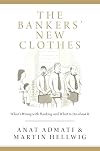
- The Bankers' New Clothes is a useful book in that it makes clearly the case for higher equity requirements for banks. This does seem a much more sensible path than separating ill-defined activities.
- The book does however fail to account for the difference between US and EU financial systems. As a consequence, significant costs of higher equity requirements are overlooked. The criticism of risk-weighted assets is unconvincing.
As a result, I do recommend writing this. But I also recommend to keep in mind that the author are less knowledgeable about the inner functions of the banking system and less clear-eyed than they think they are. For an European, the US centrism and EU-bashing gets irritating after a while.
Full review: http://bs-initiative.org/index.php/documents-de-travail/item/130-reaction-to-%E2...
- The Bankers' New Clothes is a useful book in that it makes clearly the case for higher equity requirements for banks. This does seem a much more sensible path than separating ill-defined activities.
- The book does however fail to account for the difference between US and EU financial systems. As a consequence, significant costs of higher equity requirements are overlooked. The criticism of risk-weighted assets is unconvincing.
As a result, I do recommend writing this. But I also recommend to keep in mind that the author are less knowledgeable about the inner functions of the banking system and less clear-eyed than they think they are. For an European, the US centrism and EU-bashing gets irritating after a while.
Full review: http://bs-initiative.org/index.php/documents-de-travail/item/130-reaction-to-%E2...
Launching The Innovation Renaissance: A New Path to Bring Smart Ideas to Market Fast (TED Books) by Alex Tabarrok

Tabarrok argues convincingly that a large part of the current stagnation in innovation is due to the conjunction on three factors: a mindbogglingly inefficient patent system, a broken education system and barriers to the flow of people and ideas.
The book is a mine of example of no-nonsense reforms that can generate huge gains in ideas and income. Simpler, narrower and shorter patents, simpler regulation, better-paid ans more accountable teachers are some of the key points.
The book is short, it is worth reading in its entirety without the need to sum it up any further here.
I have one point of dissent however. Tabarrok dismisses Humanities as having little or no contribution to innovation (at least much smaller than science). In the current circumstances, I disagree with that. More often than not, a innovative solution exist,n but people just don't want to change their habits, or are simply afraid of change. More deeply, the rise of overweight-related illnesses and expenses show how rewarding it would be to better understand how people make everyday detrimental choices, and to nudge them towards better decision-making processes. No pill or gizmo is going to achieve that: there is where the humanities are most needed.
The book is a mine of example of no-nonsense reforms that can generate huge gains in ideas and income. Simpler, narrower and shorter patents, simpler regulation, better-paid ans more accountable teachers are some of the key points.
The book is short, it is worth reading in its entirety without the need to sum it up any further here.
I have one point of dissent however. Tabarrok dismisses Humanities as having little or no contribution to innovation (at least much smaller than science). In the current circumstances, I disagree with that. More often than not, a innovative solution exist,n but people just don't want to change their habits, or are simply afraid of change. More deeply, the rise of overweight-related illnesses and expenses show how rewarding it would be to better understand how people make everyday detrimental choices, and to nudge them towards better decision-making processes. No pill or gizmo is going to achieve that: there is where the humanities are most needed.

Reading this anthology was an envoyable experience. Perhaps all the more so because I am not familiar with the genre.
Thinking back to the stories is however a bit disappointing. plots are often too predictable. A case in point is a story involving time-travel, which leads to an obvious grandfather paradox ... which is simply brushed aside as if it did not matter.
While the idea of a shared-world anthology is good, I think I would have appreciated Limbus to be more than a mere set-up. The stories do not really work together, except for a few (and narratively irrelevant) cameos. The project would have been more ambitious (and the result hopefully more interesting) if that stories had been more closely entwined with each other.
Other readers have underlined some typos and grammar issues. I would like to add that the ebook version does not display well on my device. Upon inspection, it appears to be poorly coded. I have strong feelings against publishers who do not take ebooks as seriouly physical ones.
All in all, a quick and enjoyable read, but not much more.
Thinking back to the stories is however a bit disappointing. plots are often too predictable. A case in point is a story involving time-travel, which leads to an obvious grandfather paradox ... which is simply brushed aside as if it did not matter.
While the idea of a shared-world anthology is good, I think I would have appreciated Limbus to be more than a mere set-up. The stories do not really work together, except for a few (and narratively irrelevant) cameos. The project would have been more ambitious (and the result hopefully more interesting) if that stories had been more closely entwined with each other.
Other readers have underlined some typos and grammar issues. I would like to add that the ebook version does not display well on my device. Upon inspection, it appears to be poorly coded. I have strong feelings against publishers who do not take ebooks as seriouly physical ones.
All in all, a quick and enjoyable read, but not much more.
This review was written for LibraryThing Early Reviewers.
Ce dernier tome est aussi accrocheur que les trois premiers. Je me suis attaché aux personnage, et ait eu du mal à le poser lors des cent dernières pages.
J'ai cependant trouvé qu'il y avait un certain déséquilibre, avec une mise en place très longue et une fin expédiée qui ressemble un peu à un aveu d'impuissance. La relation par un tiers des derniers événements se serait comprise dans un format plus ramassé. Je la trouve dommage quand l'auteur a consacré de longs développements à des éléments qui, finalement ne font guère avancer le récit (étrangers, Madaren). Cela donne l'impression que l'auteur a voulu coller ses Huit Îles au Japon de la fin du 16e indépendamment de l'économie du récit.
Elle laisse également en suspens de nombreux éléments qu'elle avait pourtant mis en avant, comme la situation et l'avenir, à la fin du récit, des familles de la Tribu.
Enfin, le système des noms (traduction directe en japonais des lieux ou des caractères des personnes, p. ex. Terayama = montagne du temple) amuse le nipponophone amateur, mais finit par être lassant à la longue, surtout quand il donne des indications claires sur la suite du récit ou le caractère d'un personnage dès son introduction.
En bref, une lecture agréable, mais qui aurait à mon sens mérité d'être plus condensée.
J'ai cependant trouvé qu'il y avait un certain déséquilibre, avec une mise en place très longue et une fin expédiée qui ressemble un peu à un aveu d'impuissance. La relation par un tiers des derniers événements se serait comprise dans un format plus ramassé. Je la trouve dommage quand l'auteur a consacré de longs développements à des éléments qui, finalement ne font guère avancer le récit (étrangers, Madaren). Cela donne l'impression que l'auteur a voulu coller ses Huit Îles au Japon de la fin du 16e indépendamment de l'économie du récit.
Elle laisse également en suspens de nombreux éléments qu'elle avait pourtant mis en avant, comme la situation et l'avenir, à la fin du récit, des familles de la Tribu.
Enfin, le système des noms (traduction directe en japonais des lieux ou des caractères des personnes, p. ex. Terayama = montagne du temple) amuse le nipponophone amateur, mais finit par être lassant à la longue, surtout quand il donne des indications claires sur la suite du récit ou le caractère d'un personnage dès son introduction.
En bref, une lecture agréable, mais qui aurait à mon sens mérité d'être plus condensée.
This book is a remarkable collection of essays on the topic of copyright, or rather the sheer madness the US copyright framework has become. Having somewhat studied the question as a scholar, I was familiar with most of the economic arguments against the current copyright regime. I did found them in the book, accurately represented in understandable terms.
What I was less familiar with was the legal aspect of it. What I read in this book appalled me. I did know that the US copyright enforcement regime was dysfunctional. I was not aware, however, that a mere suspicion of copyright infringement could get you detained and your property seized without any meaningful right to defend yourself. And that’s the bright side of it, if you happen to be a US citizen.
This book is thus a thoroughly researched, reasonable and articulate plea for a much-needed, in-depth reform of US copyright law – and why SOPA should never have been considered in the first place.
I would recommend it as a must-read to any US citizen, for some fundamental elements of the US system, such as freedom of speech, are indeed badly hurt by the copyright enforcement.
Did I say US citizen? I did, and that is this book’s weak point. It deals only with the US and on purely US terms.
While several essays rightly underscore that in an interconnected world, geographical frontiers and jurisdiction limitation loose most of their meaning, a focus on the US system would have been understandable. Comparative law is a show more tricky business, especially when it comes to copyright and the difference between Anglo-Saxon Copyright and Continental Droit d’Auteur with its moral rights part. I could also have borne with the incessant references to the Founders and the exceptional quality of the US system. It is the way these things work.
What I felt superfluous however was that perfectly valid, pragmatic and potentially consensual points are hammered down with pointless Democrat-bashing. Granted, DMCA was passed by a Democrat administration, but PRO-IP was signed into law by George W. Bush. The idea that Hollywood-backed Democrats are the main culprits of the absurd growth of copyright enforcement strikes me as rather shabby. Form what I saw it is a continuous trend that enjoys wide bipartisan support. All the copyright extension laws did past muster with a nearly-unanimous vote.
If that means that in the current climate, you cannot treat such an important topic without targeting a specific political audience (conservative and libertarian), and doing so by bashing a straw man, the US democracy is in a sad shape indeed.
Another highly debatable part of this book is the last chapter. I would say that while making some interesting (and in fact well-known) points, it embodied part of what makes even moderate conservatives the laughing stock of the rest of the world. I read this chapter as absurd and inconsistent. Absurdity starts when the author advocates a unilateral withdrawal of the US from the Berne Convention, arguing that only the domestic market matters. Reality check: is the author aware that a large part of US copyright-protected products earn more abroad than in the domestic market, and would not be profitable without an easy access to that market? Moreover, on the same chapter, the author (rightly) says that consumer’s interest should be paramount. I fail to see how withdrawing access to all the cultural goods and services produced abroad could do anything but harm the US consumer. This internally inconsistent and inconsistent with the point repeatedly made by other authors in this book, that with the Internet, borders should not matter.
On the whole, this is a very good collection of essays, especially if you live in the US and lean Libertarian or Conservative. It is regrettable, however, that the book should be so full of uselessly partisan arguments and that it occasionally veers in ridiculous US exceptionallism when dealing with a topic that matters for an interconnedted world. show less
What I was less familiar with was the legal aspect of it. What I read in this book appalled me. I did know that the US copyright enforcement regime was dysfunctional. I was not aware, however, that a mere suspicion of copyright infringement could get you detained and your property seized without any meaningful right to defend yourself. And that’s the bright side of it, if you happen to be a US citizen.
This book is thus a thoroughly researched, reasonable and articulate plea for a much-needed, in-depth reform of US copyright law – and why SOPA should never have been considered in the first place.
I would recommend it as a must-read to any US citizen, for some fundamental elements of the US system, such as freedom of speech, are indeed badly hurt by the copyright enforcement.
Did I say US citizen? I did, and that is this book’s weak point. It deals only with the US and on purely US terms.
While several essays rightly underscore that in an interconnected world, geographical frontiers and jurisdiction limitation loose most of their meaning, a focus on the US system would have been understandable. Comparative law is a show more tricky business, especially when it comes to copyright and the difference between Anglo-Saxon Copyright and Continental Droit d’Auteur with its moral rights part. I could also have borne with the incessant references to the Founders and the exceptional quality of the US system. It is the way these things work.
What I felt superfluous however was that perfectly valid, pragmatic and potentially consensual points are hammered down with pointless Democrat-bashing. Granted, DMCA was passed by a Democrat administration, but PRO-IP was signed into law by George W. Bush. The idea that Hollywood-backed Democrats are the main culprits of the absurd growth of copyright enforcement strikes me as rather shabby. Form what I saw it is a continuous trend that enjoys wide bipartisan support. All the copyright extension laws did past muster with a nearly-unanimous vote.
If that means that in the current climate, you cannot treat such an important topic without targeting a specific political audience (conservative and libertarian), and doing so by bashing a straw man, the US democracy is in a sad shape indeed.
Another highly debatable part of this book is the last chapter. I would say that while making some interesting (and in fact well-known) points, it embodied part of what makes even moderate conservatives the laughing stock of the rest of the world. I read this chapter as absurd and inconsistent. Absurdity starts when the author advocates a unilateral withdrawal of the US from the Berne Convention, arguing that only the domestic market matters. Reality check: is the author aware that a large part of US copyright-protected products earn more abroad than in the domestic market, and would not be profitable without an easy access to that market? Moreover, on the same chapter, the author (rightly) says that consumer’s interest should be paramount. I fail to see how withdrawing access to all the cultural goods and services produced abroad could do anything but harm the US consumer. This internally inconsistent and inconsistent with the point repeatedly made by other authors in this book, that with the Internet, borders should not matter.
On the whole, this is a very good collection of essays, especially if you live in the US and lean Libertarian or Conservative. It is regrettable, however, that the book should be so full of uselessly partisan arguments and that it occasionally veers in ridiculous US exceptionallism when dealing with a topic that matters for an interconnedted world. show less
For anyone interested in the economic aspect of the art and entertainment industries, this book is an absolute must-read.
The author combines a seasoned economic approach with an in-depth knowledge of these industries.
The core approach of this book is the toolbox of industrial organization. The authors starts by asking what form of contractual (including implicit contracts) exist between players, and show hos these forms reflect the specificities of the sector and shape the incentives of artists, producers and other professionals. Doing so, it covers an impressive amount of ground, to the point it is almost comprehensive with respect to the US arts and entertainment sector (non-US situations my differ, especially in terms of regulation, by the same insights generally apply).
Although the reasoning is sound and up-to-date with research, the book is fully non-technical, which makes it a good introduction to the domain for the economist and non-economist alike.
The fact that only a chapter on the digitalization of contents could be added to it in 2012 in order to keep it abreast with current issues is a testimony of the quality of this work.
The author combines a seasoned economic approach with an in-depth knowledge of these industries.
The core approach of this book is the toolbox of industrial organization. The authors starts by asking what form of contractual (including implicit contracts) exist between players, and show hos these forms reflect the specificities of the sector and shape the incentives of artists, producers and other professionals. Doing so, it covers an impressive amount of ground, to the point it is almost comprehensive with respect to the US arts and entertainment sector (non-US situations my differ, especially in terms of regulation, by the same insights generally apply).
Although the reasoning is sound and up-to-date with research, the book is fully non-technical, which makes it a good introduction to the domain for the economist and non-economist alike.
The fact that only a chapter on the digitalization of contents could be added to it in 2012 in order to keep it abreast with current issues is a testimony of the quality of this work.

Let’s first say that I have not read such a good book of short stories for a long time.
As underlined by the previous reviews, Levine masters the tropes of a wide range of genres, from quasi-hard Sci-Fi to pure Fantasy, and lots of things in the middle. This collection covers a lot of ground, which allows each story to be unique, while echoing with the others.
What Levine brings to these genres, and what makes each of these stories gripping is that the characters are more deeply human, with flesh, fears and joys, that is the case in the usual productions of the genre. While the fantastic element is most of the time useful, these stories are driven by deep human feeling. Thus, they escape the twin pitfalls of the cold illustration of a thesis or the colourful but flat exploration of a fantasy world.
My only regret is the introduction, which advises the reader to start with the award-winning “Tk’Tk’Tk” story. I beg to disagree. I find this to be the less interesting part of the book. While in each other story, the fantastic of SciFi element brings something important to the story, aliens and planet are just completely useless here. This story’s setting is so obviously a depiction of late XIXth or early XXth century China or Japan that I fail to understand why Levine chose to bring aliens in the picture. Actually, I fail to understand it as anything but a jab at SciFi fans who would not have read the same story if set in a credible historical setting, which would show more make it a not-so-clever play with the rules of the genre.
[Edit : I asked the author - @daviddlevine - on Twitter, and he indicated I was over-interpreting. The story is about being a stranger in a strange land. My disliking this particular story it is a matter of personal taste. Bonus points to David D. Levine for engaging with reader that openly.]
The previous paragraph notwithstanding, I warmly recommend the book to anyone who is moved by such authors as Bradbury of Le Guinn. show less
As underlined by the previous reviews, Levine masters the tropes of a wide range of genres, from quasi-hard Sci-Fi to pure Fantasy, and lots of things in the middle. This collection covers a lot of ground, which allows each story to be unique, while echoing with the others.
What Levine brings to these genres, and what makes each of these stories gripping is that the characters are more deeply human, with flesh, fears and joys, that is the case in the usual productions of the genre. While the fantastic element is most of the time useful, these stories are driven by deep human feeling. Thus, they escape the twin pitfalls of the cold illustration of a thesis or the colourful but flat exploration of a fantasy world.
My only regret is the introduction, which advises the reader to start with the award-winning “Tk’Tk’Tk” story. I beg to disagree. I find this to be the less interesting part of the book. While in each other story, the fantastic of SciFi element brings something important to the story, aliens and planet are just completely useless here. This story’s setting is so obviously a depiction of late XIXth or early XXth century China or Japan that I fail to understand why Levine chose to bring aliens in the picture. Actually, I fail to understand it as anything but a jab at SciFi fans who would not have read the same story if set in a credible historical setting, which would show more make it a not-so-clever play with the rules of the genre.
[Edit : I asked the author - @daviddlevine - on Twitter, and he indicated I was over-interpreting. The story is about being a stranger in a strange land. My disliking this particular story it is a matter of personal taste. Bonus points to David D. Levine for engaging with reader that openly.]
The previous paragraph notwithstanding, I warmly recommend the book to anyone who is moved by such authors as Bradbury of Le Guinn. show less
This review was written for LibraryThing Early Reviewers.
Pas le meilleur Balzac. Écrit probablement assez tard, le court récit tente essentiellement de rétablir une continuité entre d'autres parties de la Comédie Humaine, en particulier en expliquant l'écart de fortune entre le Rastignac du Père Goriot et celui qu'on voit plus tard (par exemple dans Les Illusions perdues).
L'idée de la description d'une manoeuvre financière à l'époque est bonne, mais ce programme est trop ambitieux pour le format. Il a été plus pleinement et beaucoup plus clairement réalisé dans l'Argent, de Zola.
L'idée de la description d'une manoeuvre financière à l'époque est bonne, mais ce programme est trop ambitieux pour le format. Il a été plus pleinement et beaucoup plus clairement réalisé dans l'Argent, de Zola.

Vale of Stars is a gripping story. Following quite likeable characters over several generations, it unfolds a family and world saga on the theme of difference, segregation and assimilation. It is a very enjoyable reading for SciFi fans.
However, I have the feeling that I would not advise this book for hard SciFi fans. Several elements in the story do not seem to add up, and failed to convince me altogether.
I will say more of the story-wide examples below, in the spoilers section, but let me illustrate that with small-scales examples taken from the beginning of the story. At some point, aboard a spaceship, young children throw stones at some other child while at school. Parent to a pre-schooled three-years old, this gave me pause. Stones large enough to be thrown and create significant damage in a school? In a city environment? Worse, on a spaceship? On the same note, the child has access, a little while later, to the kitchenette of her crèche. Where I live, any crèche sloppy enough to allow that would be closed without further notice. I imagine even more so on a spaceship.
These small examples reflect what I feel is a largest flaw of the book: elements come and go as needed for the plot, without being always consistent with the larger picture of the environment of society they are occurring in.
*** WARNING: SPOILERS AHEAD ***
Perhaps the thing that bothered me most in this story was Earth. I could not bring myself to believe in a realistic evolution of Earth society that show more would lead socialists to self-deportation. I happen to live in Europe, and nearly half the countries here (e.g. France) are ruled by socialist or social-democrat parties, without it causing a stir. An evolution towards a globe-wide rejection of socialism needs a credible explanation. This problem is compounded with the absence of further references to the home planet. Granted, Shippies may be willing to completely forget about it. But what about Argians? Either they are also socialist exiles, and their reception of Shippies is at odds with that, or they come from more common stock, and they should have been less welcoming at first and keep to keep some contact with Earth.
With EE being the first colonized planet out of the solar system, Earth itself should have been interested in the result, and have sent some message or probe (not much for a technology able to propel a large ship at half the speed of light). Or even more colonist, given the speed of technological progress – going from one-tenth of the speed of light to one half in fifty years entails a staggering pace of technological progress.
Another point that stood me at strange is the development of genetic engineering (or lack thereof). I find hard to believe that a science able to create a large-scale, hugely complicated mutation may not be at the same time able to cure most of the genetic defects affecting the Shippies.
More generally, the belief systems of the different groups of people do not strike me as very consistent. We are told that Shippies are descended from socialists. Fine, but socialists have never been coy about allowing abortion of foetuses with life-threatening defects: the individual is balanced against the common good. The anti-abortion stance comes rather from religious groups, which is at odds with the colonists’ background. In fact, throughout the book, society is depicted as a simple-minded mob, blindly following a few strong-minded individuals.
My gut feeling is that the author overextended himself. In order to maintain (successfully) a breath-taking pace, he had to leave out most of the Whys and Hows which would have made the whole picture more credible. I feel there is much promise in this book, if the author can be given the opportunity to develop in a larger format, a series encompassing several books. show less
However, I have the feeling that I would not advise this book for hard SciFi fans. Several elements in the story do not seem to add up, and failed to convince me altogether.
I will say more of the story-wide examples below, in the spoilers section, but let me illustrate that with small-scales examples taken from the beginning of the story. At some point, aboard a spaceship, young children throw stones at some other child while at school. Parent to a pre-schooled three-years old, this gave me pause. Stones large enough to be thrown and create significant damage in a school? In a city environment? Worse, on a spaceship? On the same note, the child has access, a little while later, to the kitchenette of her crèche. Where I live, any crèche sloppy enough to allow that would be closed without further notice. I imagine even more so on a spaceship.
These small examples reflect what I feel is a largest flaw of the book: elements come and go as needed for the plot, without being always consistent with the larger picture of the environment of society they are occurring in.
*** WARNING: SPOILERS AHEAD ***
Perhaps the thing that bothered me most in this story was Earth. I could not bring myself to believe in a realistic evolution of Earth society that show more would lead socialists to self-deportation. I happen to live in Europe, and nearly half the countries here (e.g. France) are ruled by socialist or social-democrat parties, without it causing a stir. An evolution towards a globe-wide rejection of socialism needs a credible explanation. This problem is compounded with the absence of further references to the home planet. Granted, Shippies may be willing to completely forget about it. But what about Argians? Either they are also socialist exiles, and their reception of Shippies is at odds with that, or they come from more common stock, and they should have been less welcoming at first and keep to keep some contact with Earth.
With EE being the first colonized planet out of the solar system, Earth itself should have been interested in the result, and have sent some message or probe (not much for a technology able to propel a large ship at half the speed of light). Or even more colonist, given the speed of technological progress – going from one-tenth of the speed of light to one half in fifty years entails a staggering pace of technological progress.
Another point that stood me at strange is the development of genetic engineering (or lack thereof). I find hard to believe that a science able to create a large-scale, hugely complicated mutation may not be at the same time able to cure most of the genetic defects affecting the Shippies.
More generally, the belief systems of the different groups of people do not strike me as very consistent. We are told that Shippies are descended from socialists. Fine, but socialists have never been coy about allowing abortion of foetuses with life-threatening defects: the individual is balanced against the common good. The anti-abortion stance comes rather from religious groups, which is at odds with the colonists’ background. In fact, throughout the book, society is depicted as a simple-minded mob, blindly following a few strong-minded individuals.
My gut feeling is that the author overextended himself. In order to maintain (successfully) a breath-taking pace, he had to leave out most of the Whys and Hows which would have made the whole picture more credible. I feel there is much promise in this book, if the author can be given the opportunity to develop in a larger format, a series encompassing several books. show less
This review was written for LibraryThing Early Reviewers.
Il s'agit d'un des ouvrages fondateurs de l'économie de la culture dans sa forme moderne. Il présente en effet, de manière accessible au non-économiste, la manière dont les outils de l'économie peuvent s'appliquer aux activités culturelles, et identifie les points de résistance à cette approche.
Il constitue également un programme de recherche en la matière. C'est sans doute à ce dernier titre qu'il est aujourd'hui un peu dépassé par les avancées du domaine, témoignage de l'influence qu'il a pu exercer dans le choix des sujets et des approches.
Critique détaillée : http://www.inaglobal.fr/economie/note-de-lecture/david-throsby/economics-and-cul...
In English: http://www.inaglobal.fr/en/economics/note-de-lecture/david-throsby/economics-and...
Il constitue également un programme de recherche en la matière. C'est sans doute à ce dernier titre qu'il est aujourd'hui un peu dépassé par les avancées du domaine, témoignage de l'influence qu'il a pu exercer dans le choix des sujets et des approches.
Critique détaillée : http://www.inaglobal.fr/economie/note-de-lecture/david-throsby/economics-and-cul...
In English: http://www.inaglobal.fr/en/economics/note-de-lecture/david-throsby/economics-and...
Sep 19, 2012French

Cet ouvrage, dans la lignée d'un Pop Internationalism, tente de montrer que la mondialisation n'est pas source des maux économiques, mais leur révélateur, mettant en évidence les faiblesses structurelles des économies qu'elle touche. Inutile, dès lors, de lui faire un mauvais procès ou, pire, de tenter un repli frileux sur des frontières nationales ou régionales (Europe).
Si cet élément mérite qu'on le démontre et le répète sans relâche, je suis moins convaincu par le cadre d'analyse de l'auteur, qui puise plus dans une boîte à outils néo-marxiste que dans la littérature économique contemporaine. Cela donne une vision pauvre des capacités d'action des citoyens face à ces changements, tous les leviers semblant, à en croire l'auteur, entre les mains des États ou d'instances supranationales, et surtout le mal endémique des analyses marxisantes, une incompréhension complète des marchés financiers, tant de leur fonctionnement que de leur impact sur les économies.
C'est dommage, car l'entreprise mériterait d'être réalisée dans un cadre plus solide.
Note de lecture complète : http://www.leconomiste-notes.fr/dotclear2/index.php/post/2007/10/31/63-vou
Si cet élément mérite qu'on le démontre et le répète sans relâche, je suis moins convaincu par le cadre d'analyse de l'auteur, qui puise plus dans une boîte à outils néo-marxiste que dans la littérature économique contemporaine. Cela donne une vision pauvre des capacités d'action des citoyens face à ces changements, tous les leviers semblant, à en croire l'auteur, entre les mains des États ou d'instances supranationales, et surtout le mal endémique des analyses marxisantes, une incompréhension complète des marchés financiers, tant de leur fonctionnement que de leur impact sur les économies.
C'est dommage, car l'entreprise mériterait d'être réalisée dans un cadre plus solide.
Note de lecture complète : http://www.leconomiste-notes.fr/dotclear2/index.php/post/2007/10/31/63-vou
Sep 3, 2012French

Stephen Baxter short stories in this collection show a deep mastery in the rules of the genre. Each of them explores the theme of a contact with a beginning or an end that only Science-Fiction can envision.
Reading this boook, I thus had the impression of reading one of the (very good) anthologies I so much enjoyed reading ten years ago (short stories from the 40's to the late 80's). Baxter's stories sport the same qualities. The same drawbacks, too: in a sense, I felt them too classic for a contemporary reader.
To take an example, the idea of a conscience at the heat end of the universe is a fascinating idea. But after Lem's Solaris, you cannot just assume that it will be even slightly fathomable by a human mind.
More generally, I found that these stories were, as many classic SciFi short stories are, mainly the illustration of a good idea or a strange concept. This makes them a bit dry when compared with works that go into the depth of either the human part of the story (Le Guinn, Guibson) or the radical strangeness of the encounter (Lem).
Thus, these stories are indeed an enjoyable read, respect (mainly - there are some unwilling historical implausibility, such as Nazi scientists understanding anything about nuclear technology, then abjured as "Jew science") the canons of the genre. I had however the feeling to read something written before the major works - Solaris, Martians Go Home, The Left hand of Darkness, Neuromancer) that challenged those canons.
But perhaps that show more is just me feeling that hard science-fiction is just too dry as a genre. show less
Reading this boook, I thus had the impression of reading one of the (very good) anthologies I so much enjoyed reading ten years ago (short stories from the 40's to the late 80's). Baxter's stories sport the same qualities. The same drawbacks, too: in a sense, I felt them too classic for a contemporary reader.
To take an example, the idea of a conscience at the heat end of the universe is a fascinating idea. But after Lem's Solaris, you cannot just assume that it will be even slightly fathomable by a human mind.
More generally, I found that these stories were, as many classic SciFi short stories are, mainly the illustration of a good idea or a strange concept. This makes them a bit dry when compared with works that go into the depth of either the human part of the story (Le Guinn, Guibson) or the radical strangeness of the encounter (Lem).
Thus, these stories are indeed an enjoyable read, respect (mainly - there are some unwilling historical implausibility, such as Nazi scientists understanding anything about nuclear technology, then abjured as "Jew science") the canons of the genre. I had however the feeling to read something written before the major works - Solaris, Martians Go Home, The Left hand of Darkness, Neuromancer) that challenged those canons.
But perhaps that show more is just me feeling that hard science-fiction is just too dry as a genre. show less
This review was written for LibraryThing Early Reviewers.Race Against The Machine: How the Digital Revolution is Accelerating Innovation, Driving Productivity, and Irreversibly Transforming Employment and the Economy by Erik Brynjolfsson

C'est souvent avec beaucoup d'irritation que j'entends tant les arguments néo-luddites qui rendent le progrès technique responsable du chômage que ceux qui peignent un avenir de fin du travail. J'avais donc une certaine méfiance en achetant cet ouvrage. En fait, si une ambition des auteurs est bien de montrer en quoi le remplacement d'humains par des machines joue un rôle dans la stagnation du salaire médian et dans le niveau de chômage, c'est pour ensuite mieux faire la peau aux arguments luddites. Ils démontrent en effet qu'il ne s'agit que d'un épisode transitoire, déjà rencontré dans les précédentes révolutions industrielles, qui plus que l'effet de la technologie met en lumière la démission des États dans leurs fonctions essentielles au cours des dix dernières années.
Comme d'autres ouvrages de ce type, courts, clairs et compacts, cet ouvrage se lit bien et vite. Les auteurs jouent régulièrement sur le rejet presque instinctif des arguments luddites (ou inversement sur l'adhésion intuitive à ces arguments) pour prendre leur lecteur à contre-pied. Règle du genre, les arguments sont plus souvent supportés par des anecdotes que par des données ou des éléments théoriques précis. Des liens dans le texte permettent toutefois au lecteur curieux de creuser plus avant.
En tout état de cause, je recommande la lecture de cet ouvrage. Elle permet en effet de s'armer contre les arguments plus ou moins pernicieux de rejet de la technologie. La show more description fine de ses effets néfastes permet en effet de mettre en évidence le caractère potentiellement transitoire de ces effets, et la compréhension de ses mécanismes de répliquer en montrant les directions d'un progrès plutôt que ceux d'une régression.
Critique complète : http://www.leconomiste-notes.fr/dotclear2/index.php/post/2011/12/01/Note-de-lect... show less
Comme d'autres ouvrages de ce type, courts, clairs et compacts, cet ouvrage se lit bien et vite. Les auteurs jouent régulièrement sur le rejet presque instinctif des arguments luddites (ou inversement sur l'adhésion intuitive à ces arguments) pour prendre leur lecteur à contre-pied. Règle du genre, les arguments sont plus souvent supportés par des anecdotes que par des données ou des éléments théoriques précis. Des liens dans le texte permettent toutefois au lecteur curieux de creuser plus avant.
En tout état de cause, je recommande la lecture de cet ouvrage. Elle permet en effet de s'armer contre les arguments plus ou moins pernicieux de rejet de la technologie. La show more description fine de ses effets néfastes permet en effet de mettre en évidence le caractère potentiellement transitoire de ces effets, et la compréhension de ses mécanismes de répliquer en montrant les directions d'un progrès plutôt que ceux d'une régression.
Critique complète : http://www.leconomiste-notes.fr/dotclear2/index.php/post/2011/12/01/Note-de-lect... show less