This book is about the heartwarming and unlikely friendship of two animals - a hippo named Owen and a tortoise named Mzee. When baby Owen was orphaned and stranded after a tsunami, he was taken to a wildlife reserve where he quickly and unexpectedly bonded with Mzee - a tortoise over 100 years old! Even though Mzee is a reptile and Owen is a mammal, they are inseparable and have even developed their own form of communication. Clearly written text and beautiful photographs combine to tell a wonderful story of friendship.
In a classroom, this could be used in a science unit on animals. It would be a good example of how animal behavior can vary within a species. In addition, it would foster class conversations about friendship and how love can cross any barrier.
In a classroom, this could be used in a science unit on animals. It would be a good example of how animal behavior can vary within a species. In addition, it would foster class conversations about friendship and how love can cross any barrier.
Bomb: The Race to Build--and Steal--the World's Most Dangerous Weapon (Newbery Honor Book) by Steve Sheinkin
This informational book by Steve Sheinkin chronicles the evolution of the atomic bomb, from the discovery of fission to the bombings of Hiroshima and Nagasaki. This book is expertly written in a way that will keep you on the edge of your seat. In addition, it raises important questions and wonderings about the implications of these powerful weapons.
In a classroom, this would be an excellent alternative to a textbook about WWII. It is factual, and written in a way that is very engaging. With additional texts it could make a comprehensive history unit. Additionally, the book provides many points of view and would lead perfectly to discussions about war, democracy, and morality. This book would be a fantastic addition to any classroom.
In a classroom, this would be an excellent alternative to a textbook about WWII. It is factual, and written in a way that is very engaging. With additional texts it could make a comprehensive history unit. Additionally, the book provides many points of view and would lead perfectly to discussions about war, democracy, and morality. This book would be a fantastic addition to any classroom.
This book is about a young boy named M.C. Higgins who lives on Sarah's mountain in rural Ohio with his family. The mountain is named for his great-grandmother who escaped there from slavery. Since then, it has belonged to his family, and one day it will be his. However, strip mining on the other side of the mountain is creating a dangerous spoil above their house, causing M.C. to worry about whether or not it is safe to stay. When a man M.C. calls the dude comes with his tape recorder to hear his mother sing, M.C. hopes that it will make her famous so they can leave. He is torn between two sides of himself (wanting to leave, but not wanting to give up his ancestral home), and must struggle to make sense of his world. This is an engaging story that highlights family, friendship, and the struggles of growing up.
In a classroom, this could be used for independent reading or in a literature circle. The themes of family and friendship could lead to rich discussions, in addition to issues like strip mining and prejudice.
In a classroom, this could be used for independent reading or in a literature circle. The themes of family and friendship could lead to rich discussions, in addition to issues like strip mining and prejudice.
Black Potatoes tells the story of the potato famine that plagued Ireland for the better part of five years (1845-1850). The personal stories and historical facts give the reader a clear presentation of the politics, hardships, sorrows, and devastation of the time. In addition, pencil drawings from the period give a visual depiction of what is being described. This is a moving account of one of the most difficult times in Ireland's history, and it reminds the reader of the importance of opening our eyes to the needy around us. When we do this, we empathize and are moved to make changes.
In a classroom, this would be a wonderful book for a social studies unit where world history is the focus. It might inspire some students to research more about the famine, or to connect it to similar events in world history. Most importantly, it could spark conversation about religious and racial prejudice and the responsibility we have in helping other fellow human beings in need.
In a classroom, this would be a wonderful book for a social studies unit where world history is the focus. It might inspire some students to research more about the famine, or to connect it to similar events in world history. Most importantly, it could spark conversation about religious and racial prejudice and the responsibility we have in helping other fellow human beings in need.
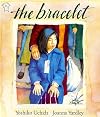
The Bracelet is about a girl named Emi and her family who are taken to internment camps during WWII because they are Japanese-American. Before they leave, Emi's best friend comes by and gives her a bracelet to remember her by. Even though she is scared, Emi thinks the gift will help her cope. However, when she loses it, she realizes she doesn't need the bracelet to remember her friend - she has all her memories in her heart. Beautiful illustrations accompany this touching story and convey the sadness and hurt many Japanese-Americans felt during this time.
In a classroom, this book would be great for a social studies unit on WWII. Many students are unaware of the injustices Japanese-Americans faced in our country during this time, and reading this book would be a wonderful way to introduce it. The text opens up opportunity to discuss concepts of social justice, racism, democracy, and freedom.
In a classroom, this book would be great for a social studies unit on WWII. Many students are unaware of the injustices Japanese-Americans faced in our country during this time, and reading this book would be a wonderful way to introduce it. The text opens up opportunity to discuss concepts of social justice, racism, democracy, and freedom.
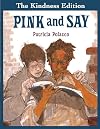
This book by Patricia Polacco was a story passed down through her family from her great-great-grandfather who fought in the Civil War. Wounded and left in a field for dead, Sheldon was found and saved by another Union soldier named Pinkus who brought him to his mother's house to recover. However, they risk being caught by marauding Confederate soldiers and make plans to leave. Polacco's beautiful illustrations convey the hardships and sorrows of war in a sensitive way. A beautiful story of friendship, this text leaves readers to think long and hard about this time in our nation's history and the cruel injustices faced by many.
In a classroom, this text would fit in perfectly with a social studies unit on the civil war. The story powerfully conveys how love, friendship, and understanding can occur no matter the difference or obstacle. In addition, this book can lead to important class discussions about social justice, literacy, and democracy.
In a classroom, this text would fit in perfectly with a social studies unit on the civil war. The story powerfully conveys how love, friendship, and understanding can occur no matter the difference or obstacle. In addition, this book can lead to important class discussions about social justice, literacy, and democracy.
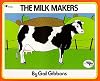
This informational book by Gail Gibbons walks readers through the process of making milk - from cow to kitchen table. The illustrations very clearly point out and label important parts, which very nicely complements the simple language and definitions in the text. An additional page at the end includes various dairy products made with milk.
In a classroom, this book could be used in a science unit on agriculture or cows. It provides a great introduction for younger readers, and can lead to further exploration of the topic. This book would be a perfect lead-in to a field trip to a dairy farm - there are many in our area!
In a classroom, this book could be used in a science unit on agriculture or cows. It provides a great introduction for younger readers, and can lead to further exploration of the topic. This book would be a perfect lead-in to a field trip to a dairy farm - there are many in our area!
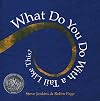
This informational text by Steve Jenkins talks about various animals and their unique body parts. Different tails, noses, eyes, feet, etc. help these animals survive in their environments. The cut-paper collage illustrations combine nicely with the question and answer set-up of the text. The additional information included about each animal in the back of the book provides a nice extension for curious readers.
This text would be perfect for a young elementary classroom introducing a science unit on animals. The question-answer format would get students actively thinking and making predictions about the material. Also, the additional information in the back could help students get started on individual or group inquiry projects.
This text would be perfect for a young elementary classroom introducing a science unit on animals. The question-answer format would get students actively thinking and making predictions about the material. Also, the additional information in the back could help students get started on individual or group inquiry projects.
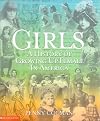
This informational text by Penny Colman chronicles the way women and girls have lived and been treated in America since before the earliest settlers arrived up to the 21st century. She includes entries from diaries, excerpts from magazines and newspapers, and historical events. Through the hardships, sorrows, injustices, joys, and triumphs, it is clear that women have had an integral part in our nation's history and have indeed come a long way in the struggle for equality.
In a classroom, this book could be used as a resource for social studies units focused on basically any period in American history. It gives a distinctly feminine point of view, which is important since it is often ignored or glossed over. This book would be especially empowering to older elementary girls and important for boys to read in order to be aware and understanding of the female experience. Some of the language and vocabulary used could make this book a challenging read, but with some additional support, it would be very accessible.
In a classroom, this book could be used as a resource for social studies units focused on basically any period in American history. It gives a distinctly feminine point of view, which is important since it is often ignored or glossed over. This book would be especially empowering to older elementary girls and important for boys to read in order to be aware and understanding of the female experience. Some of the language and vocabulary used could make this book a challenging read, but with some additional support, it would be very accessible.
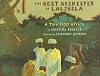
This book is about a girl named Almaz who dreams of being the best beekeeper in all of Lalibela, Ethiopia. When all the men tell her she can't and that she should learn women's work, she decides to do it anyway. With perseverance and ingenuity, she reaches her goal and proves them wrong. This story is beautifully told and illustrated, and opens an insightful window into another place and culture.
In a classroom, this would be perfect for a read-aloud and could lead to important discussions about gender and issues of gender equality. This would also fit in perfectly with a study of Africa and its peoples in addition to many other books by Cristina Kessler.
In a classroom, this would be perfect for a read-aloud and could lead to important discussions about gender and issues of gender equality. This would also fit in perfectly with a study of Africa and its peoples in addition to many other books by Cristina Kessler.
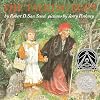
This book is a beautifully illustrated and colorful retelling of a Creole folktale by Robert D. San Souci and Jerry Pinkney. The story centers around a good-natured, obedient, and sweet girl named Blanche and her unkind, lazy, and greedy sister Rose and their mother (who favors Rose and forces Blanche to do all the work). One day, Blanche meets a mysterious woman in the woods who takes her to her house where strange and wonderful things occur. When Blanche returns with beautiful treasures and rewards, her jealous mother sends Rose to bring back some for themselves. However, Rose's cruel nature backfires. This whimsical story is told in a fun and exciting way that will entertain readers of all ages.
In a classroom, this book could be used during a unit on folktales or an illustrator study on Pinkney. The settings of "way long ago" and the "mystical forest," and the clear moral of the story are indicative elements of a folktale. The beautiful illustrations and magical text combine to make an engaging book that would be perfect for read-alouds. The clear delineation between good and bad might appeal particularly to young children.
In a classroom, this book could be used during a unit on folktales or an illustrator study on Pinkney. The settings of "way long ago" and the "mystical forest," and the clear moral of the story are indicative elements of a folktale. The beautiful illustrations and magical text combine to make an engaging book that would be perfect for read-alouds. The clear delineation between good and bad might appeal particularly to young children.
The Voice That Challenged a Nation: Marian Anderson and the Struggle for Equal Rights by Russell Freedman
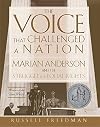
The Voice that Challenged a Nation is a fantastic biography of Marian Anderson, the first female African American opera singer to achieve fame and success in Europe and the United States. Her success, however, did not protect her from the harsh racism that was still abundant in the US for the majority of her life. She handled it all with grace, charisma, and intelligence, but most of all with the professionalism and beauty of a true artist. Hers is an inspiring story that will have you cheering for her from the very first page - not only for her, but for the equal treatment of all.
This book would be perfect for a social studies unit on civil rights, especially focusing on the events leading up to the movement itself. In addition, it would bring greater understanding to a music classroom studying the genre of opera. Important discussions about equality and what it really means to live in a democracy would easily be brought to a class through this book.
This book would be perfect for a social studies unit on civil rights, especially focusing on the events leading up to the movement itself. In addition, it would bring greater understanding to a music classroom studying the genre of opera. Important discussions about equality and what it really means to live in a democracy would easily be brought to a class through this book.
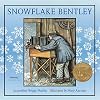
Snowflake Bentley is a picture book biography about Wilson Bentley, who loved snowflakes, but could not capture their beauty or convince people that they were all unique until his parents purchased him a special camera as a young man. People often misunderstood him and thought that he was strange, but nothing deterred him from his love of and natural curiosity about snowflakes. Mary Azarian's wood-cut illustrations beautifully portray the text outlining Bentley's life and love of nature.
In the classroom, this book would be great for the winter months, especially in a science lesson/unit about snow. Maybe students could even inspect or photograph snowflakes for themselves. This book would also demonstrate the value of all kinds of different interests and people.
In the classroom, this book would be great for the winter months, especially in a science lesson/unit about snow. Maybe students could even inspect or photograph snowflakes for themselves. This book would also demonstrate the value of all kinds of different interests and people.
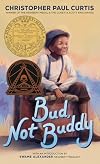
Christopher Paul Curtis' Newbery Medal winning book "Bud, Not Buddy" is about the exciting adventures of an orphan named Bud in 1930s Michigan. Bud braves a horrible foster family, a haunted shed, hoovervilles, and even a vampire on his quest to find Herman E. Calloway - a jazz musician he believes is his father - all with wit, never-ending optimism, and a sense of humor that is sure to make you laugh out loud.
In a classroom, this book would fit in perfectly with a social studies unit on the great depression. The book is historically accurate and depicts hoovervilles, the music of the era, and many of the injustices African Americans faced during that time. History is depicted in a fun and exciting way, while still being informative and eye-opening.
In a classroom, this book would fit in perfectly with a social studies unit on the great depression. The book is historically accurate and depicts hoovervilles, the music of the era, and many of the injustices African Americans faced during that time. History is depicted in a fun and exciting way, while still being informative and eye-opening.
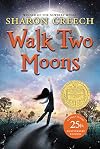
Walk Two Moons is about a girl named Salamanca Tree Hiddle and the cross-country trek she embarks on with her grandparents Hiddle. Along the way, she tells them the story of her friend Phoebe Winterbottom and the mysterious disappearance of her mother. As she recounts the story over days of driving from state to state, she finds that Phoebe's quest mirrors her own in many ways. This coming of age story deals with many themes like family, fear, first love, and death, and leaves the reader to think long and hard about what it is like to "walk two moons in someone else's moccasins".
In a classroom, this book could lead to rich discussions about false assumptions. "Don't judge a man until you've walked two moons in his moccasins" is an important lesson for students (and adults!) to learn. In addition, students might have the opportunity to approach often avoided but very important topics like death (which is handled in a very sensitive and thought-provoking way).
In a classroom, this book could lead to rich discussions about false assumptions. "Don't judge a man until you've walked two moons in his moccasins" is an important lesson for students (and adults!) to learn. In addition, students might have the opportunity to approach often avoided but very important topics like death (which is handled in a very sensitive and thought-provoking way).
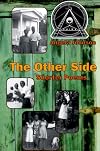
Angela Johnson's book, "The Other Side: Shorter Poems", reminisces on her childhood in Shorter, Alabama through various vignettes. The reader meets childhood friends, community members and family members through the insightful memories of the author. Strong images and poignant observations are woven through each poem, leaving the reader with a clear sense of the author's voice and the emotions she feels about the town she grew up in and the memories it holds. The black and white photographs at the beginning and end of the book give the reader images to match to the text, and the overall effect leaves a long-lasting impression.
In the classroom, this would be an excellent mentor text for free verse poetry and voice in writing. In addition, it could spark important classroom conversations about issues such as war and racism, as the book touches on them in a sensitive yet real way. Students would find the book enjoyable because the poems are accessible and relatable, no matter your background.
In the classroom, this would be an excellent mentor text for free verse poetry and voice in writing. In addition, it could spark important classroom conversations about issues such as war and racism, as the book touches on them in a sensitive yet real way. Students would find the book enjoyable because the poems are accessible and relatable, no matter your background.
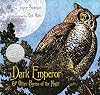
"Dark Emperor and Other Poems of he Night" is a beautiful book of poetry about the night and the fascinating creatures that thrive in it. Rick Allen's wooden block print engravings beautifully illustrate the images Joyce Sidman evokes. The artwork in the opening pages depicts sunset, and gradually moves through the book to sunrise on the end pages. The result is a satisfying collaboration of text and illustration through a night in the woods. Sidman employs metaphor, personification, repetition, alliteration, rhyme, and form (including concrete in the title poem) throughout the book's various poems in a way that is fun to read and delightful to listen to. In addition, Sidman includes brief informational blurbs about the focal character in each poem, giving the reader better insight and understanding of the text.
In a classroom, this book we be a perfect mentor text in a poetry unit. It could be used to teach descriptive language, imagery, metaphor, personification, alliteration, and more. Sidman's poems are masterfully written and could be quite inspiring to students learning poetry. This book could also be used in a science unit. The exploration of the forest and the nocturnal life inhabiting it would pair nicely with a unit on ecosystems or animal life. The informational blurbs for each poem could spark further exploration of the plant and animal life represented. Overall, this book would be a great resource for any classroom.
In a classroom, this book we be a perfect mentor text in a poetry unit. It could be used to teach descriptive language, imagery, metaphor, personification, alliteration, and more. Sidman's poems are masterfully written and could be quite inspiring to students learning poetry. This book could also be used in a science unit. The exploration of the forest and the nocturnal life inhabiting it would pair nicely with a unit on ecosystems or animal life. The informational blurbs for each poem could spark further exploration of the plant and animal life represented. Overall, this book would be a great resource for any classroom.
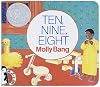
Ten, Nine, Eight is a counting book centered around a little girl and her father. They count backwards as they go through their bedtime routine and get ready for sleep. The illustrations are beautiful and heartwarming, showing a loving relationship between father and daughter.
In a classroom, students learn to count backwards by actively pointing out the number of items in the picture. Additionally, the book can extend to start a discussion about bedtime routines.
In a classroom, students learn to count backwards by actively pointing out the number of items in the picture. Additionally, the book can extend to start a discussion about bedtime routines.
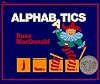
Alphabatics is a fun and creative way of introducing or reinforcing the alphabet to young readers. The letters tumble, somersault, and transform to become part of the picture that represents them. Some letters seem like a little bit of a stretch, but with some imagination it's not a problem. A very young reader might be confused by the concept, but it depends on the child.
This book provides a fresh and unique way of looking at a concept that might seem old to some students. Students could reinforce the concept in an imaginative way by creating their own pictures from letters.
This book provides a fresh and unique way of looking at a concept that might seem old to some students. Students could reinforce the concept in an imaginative way by creating their own pictures from letters.
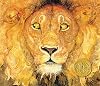
Jerry Pinkney's wordless telling of the fable The Lion & the Mouse gives a glimpse into the gorgeous landscape of the African Serengeti. The reader is allowed the opportunity to narrate the classic and oft-heard story for herself, with the guidance of clear, realistic, and vibrant pencil and watercolor illustrations. The onomatopoeia scattered throughout the book adds to the reader's perception of the setting. The overall effect is visually stunning and thematically satisfying. This book transcends age limits and is a great read for all.
A fun project might be to introduce the fable of The Lion & the Mouse and then read Pinkney's wordless version. Students could then take other fables and attempt to tell the story using only pictures. In general, it would be a wonderful story to introduce during a unit on fables or during an illustrator study.
A fun project might be to introduce the fable of The Lion & the Mouse and then read Pinkney's wordless version. Students could then take other fables and attempt to tell the story using only pictures. In general, it would be a wonderful story to introduce during a unit on fables or during an illustrator study.
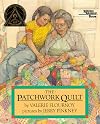
The Patchwork Quilt tells the story of a girl named Tanya and her special relationship with her grandmother. They begin to make a patchwork quilt together, and the experience bonds the entire family over the course of a year. The gorgeous watercolor illustrations by Pinkney portray scenes from the story in a beautiful and heartwarming way.
This book would be a great read-aloud, and it would be a nice starting place for conversations about family relationships. It might also inspire students to want to make a patchwork quilt that represents the classroom community.
This book would be a great read-aloud, and it would be a nice starting place for conversations about family relationships. It might also inspire students to want to make a patchwork quilt that represents the classroom community.

This wordless picture book tells a fantastical story about a boy who makes friends with a cloud atop the empire state building. The cloud then takes the boy to Sector 7, where clouds come in and out after getting directions detailing their shape and kind. The fun and detailed illustrations allow the reader to narrate the story for herself and provide a clear picture and direction for the plot. Amusing and imaginative, this is a read that is sure to please.
A wordless book like Sector 7 provides a great opportunity to teach students how to read pictures. In addition, it could be the starting point for a creative writing project, where students narrate their own text to accompany the illustrations. This book is versatile and can serve students well at any grade level.
A wordless book like Sector 7 provides a great opportunity to teach students how to read pictures. In addition, it could be the starting point for a creative writing project, where students narrate their own text to accompany the illustrations. This book is versatile and can serve students well at any grade level.
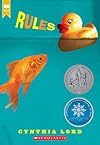
Rules is an excellent book about a girl named Catharine and her family - which includes her younger brother with autism, David. The family dynamics and the struggles Catharine faces are portrayed in a very real way that is sometimes humorous, and sometimes heartbreaking. She wants very badly to become friends with her new next-door neighbor, but having a brother with autism that people often don't understand (or don't care to) makes things complicated. Things are further complicated when she meets and befriends Jason, a boy in a wheelchair who cannot speak, at David's therapy clinic. Lord's portrayal of families and people who struggle with disability is accurate and moving. Anyone, adult or child, who reads this will have their perspective widened, and will hopefully gain greater understanding and empathy for those with disabilities.
This book provides a wonderful opportunity for children to discuss their ideas, understandings/misunderstandings, experiences, fears, or joys about various disabilities. Hopefully through reading and discussion, children will gain greater understanding about disabled people and some of their struggles. Additionally, some students will be provided with the rare opportunity to see themselves or their family represented in a book.
This book provides a wonderful opportunity for children to discuss their ideas, understandings/misunderstandings, experiences, fears, or joys about various disabilities. Hopefully through reading and discussion, children will gain greater understanding about disabled people and some of their struggles. Additionally, some students will be provided with the rare opportunity to see themselves or their family represented in a book.
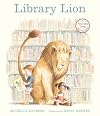
Library Lion is a charming story about a lion who finds himself in a library and loves it so much he decides to come back day after day. One day, he roars discontentedly after story time has ended, breaking the rules in the process. He is almost kicked out, but is allowed to stay as long as he promises to be good and follow the rules. Over time, he becomes a big help to everyone in the library, until one day Miss Merriweather (the librarian) falls and needs help. The humorous and emotionally telling illustrations enhance this amusing story that highlights the fact that sometimes it's ok to break the rules.
This would be a fantastic read-aloud book for younger children and could be used to teach that sometimes rules are flexible (especially for children who are focused on strict adherence to the rules in all situations). In addition, the book provides the opportunity to teach students about libraries (circulation desks, encyclopedias, general library rules, etc.).
This would be a fantastic read-aloud book for younger children and could be used to teach that sometimes rules are flexible (especially for children who are focused on strict adherence to the rules in all situations). In addition, the book provides the opportunity to teach students about libraries (circulation desks, encyclopedias, general library rules, etc.).
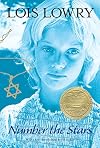
Number the Stars is a beautiful story about a girl named Annemarie and her friend Ellen during WWII in Denmark. It follows the timeline of the Nazi occupation there and their growing hostility toward the Jewish people. The plot describes Annemarie's family and their attempt to successfully smuggle Ellen and her family to neutral Sweden. The true history of the way the Danish people took their Jewish citizens into their homes, arms, and hearts is as beautiful as it is inspirational. Expertly written, this book is a must read for adults and children alike.
This would fit in beautifully in a WWII unit narrowing in on stories and books about the holocaust. Many of the true elements of the story could spark further interest in and research on this time in Denmark's history. In addition, Number the Stars could start a discussion about creating a world that (as Lowry quotes in her afterword) has an ideal for human decency that is not narrow-minded or prejudiced.
This would fit in beautifully in a WWII unit narrowing in on stories and books about the holocaust. Many of the true elements of the story could spark further interest in and research on this time in Denmark's history. In addition, Number the Stars could start a discussion about creating a world that (as Lowry quotes in her afterword) has an ideal for human decency that is not narrow-minded or prejudiced.
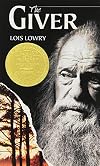
The Giver is an amazing story about a boy named Jonas who lives in a seemingly utopian society called the community. War, famine, and poverty have been eradicated, but so have colors, music, generational family, and true, deep emotions. When Jonas is chosen as the new receiver and begins to understand this and the lack of choice and difference in the community, he is faced with a decision. This book provokes the reader to think long and hard about the implications of living with choice, love, and beauty, even if it comes with tragedy and sadness.
The Giver can be used to teach a variety of things, including how important it is to celebrate our differences and share in our sorrows. It is a wonderful piece to spark discussion about society and democracy in the classroom.
The Giver can be used to teach a variety of things, including how important it is to celebrate our differences and share in our sorrows. It is a wonderful piece to spark discussion about society and democracy in the classroom.
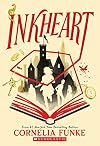
Inkheart is a fantastic story about a girl named Meggie and her father Mo. They embark on a dangerous and exciting adventure after a mysterious character named Dustfinger shows up at their house one night. At first Meggie is sheltered by her father from important information about what is going on - much to her chagrin. She eventually finds out it has something to do with her father's ability to read characters directly from the pages of a book to their world with his magical voice. Written originally in German, the translation of this book is smooth and natural. The characters are compelling and the storyline leaves the reader wanting more - not to mention the fact that the story puts a heavy emphasis on a love (almost reverence) of books and reading!
Since it is such a long book, it might be better used for independent reading (especially if there is a student in class who loves fantasy) or simply as a suggestion/example in a lesson on the fantasy genre. In addition, it would be used well either as a mentor text or in a mini-lesson on setting and character description.
Since it is such a long book, it might be better used for independent reading (especially if there is a student in class who loves fantasy) or simply as a suggestion/example in a lesson on the fantasy genre. In addition, it would be used well either as a mentor text or in a mini-lesson on setting and character description.
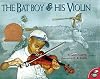
This story juxtaposes classical music and baseball to portray the beautiful relationship between a boy named Reginald and his father. Set in a time when segregation and racial prejudice were part of everyday life, the story portrays some of the real hardships endured by African Americans. However, the overarching theme of family and unconditional love is highlighted by what happens when Reginald's father promises him he can have his violin recital in their large living room (instead of the church basement) if he does a good job as the Duke's bat boy. The gorgeous watercolor illustrations combine perfectly with the text to create a truly special story.
This book could be used to teach about the Negro Leagues and more broadly about a time in our nation's history when not all were treated as equals. It could help to open up important discussions about racial prejudice. In addition, it would tie in perfectly with a musical unit about string instruments and classical composers like those mentioned in the text (Tchaikovsky, Mozart, Schubert, etc.).
This book could be used to teach about the Negro Leagues and more broadly about a time in our nation's history when not all were treated as equals. It could help to open up important discussions about racial prejudice. In addition, it would tie in perfectly with a musical unit about string instruments and classical composers like those mentioned in the text (Tchaikovsky, Mozart, Schubert, etc.).
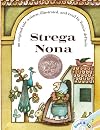
The humorous tale of Strega Nona and Big Anthony is wonderfully retold and illustrated by Tomie de Paola. Big Anthony goes to work for Strega Nona (which means grandma witch) in return for money, food, and a place to sleep. One night, he spies on Strega Nona using her magic pasta pot, but misses one key step in her ritual. When she goes on a short trip, Big Anthony decides to use the pot against her instructions, and what results is almost disastrous. Strega Nona saves the day upon her return, but Big Anthony is left with the consequences of breaking her rule. De Paola's charming and rustic looking illustrations are the perfect accompaniment for this traditional tale. Students reading this independently may need help reading Italian words like "Calabria," "si," and "grazie."
In the classroom, this book could be used to teach about traditional literature or would fit nicely into a cultural unit about Italy. An explanation of the Catholic influence in Italy would help students to understand the references to the priest, nuns, and the convent. In addition, this book (if not a tad bit didactically) teaches the importance of awareness and following instructions.
In the classroom, this book could be used to teach about traditional literature or would fit nicely into a cultural unit about Italy. An explanation of the Catholic influence in Italy would help students to understand the references to the priest, nuns, and the convent. In addition, this book (if not a tad bit didactically) teaches the importance of awareness and following instructions.
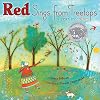
Red Sings From Treetops combines beautiful artwork with fantastic, image-evoking poetry to present the concepts of colors and seasons. The reader follows a charming-looking character and his dog (both wearing crowns) through the seasons and the colors that make them come alive. Multimedia illustrations perfectly compliment the varied descriptions in the poetry - the result is a very aesthetically pleasing product.
In a younger classroom, this book could be used to introduce concepts of colors and seasons and would make a great read-aloud. For older students, it would be a fantastic mentor text in a poetry unit. A mini-lesson on metaphors and imagery would put this text to use perfectly.
In a younger classroom, this book could be used to introduce concepts of colors and seasons and would make a great read-aloud. For older students, it would be a fantastic mentor text in a poetry unit. A mini-lesson on metaphors and imagery would put this text to use perfectly.