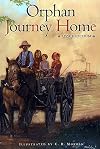
Orphan Journey Home is a great book. The author first wrote the story as a newspaper series. She had to make the story short with a cliff hanger at the end of each piece (article). When it came time for her to actually publish the book she expanded some on the book and included some things that previous newspaper readers had questioned her about.
Orphan Journey Home is about four children who loose their parents on a trip east to Kentucky back to live with their grandmother. Their father writes them a safe passage letter to try and keep them from the bondage of that time. Along the way they face different encounters of people and the times. The children arrive home to find their grandmother struggling to hold on just as they were along their journey.
This is an interesting book that shows a little into the life of how it was for families during those times. It is also great to show the trials children faced after they lost their parents as many did. It would be a good book to introduce with western passage material. It also highlights a little of the promises that really never happen for those who heard such great things about moving west.
All in all it is a fun, short, and informative read.
Orphan Journey Home is about four children who loose their parents on a trip east to Kentucky back to live with their grandmother. Their father writes them a safe passage letter to try and keep them from the bondage of that time. Along the way they face different encounters of people and the times. The children arrive home to find their grandmother struggling to hold on just as they were along their journey.
This is an interesting book that shows a little into the life of how it was for families during those times. It is also great to show the trials children faced after they lost their parents as many did. It would be a good book to introduce with western passage material. It also highlights a little of the promises that really never happen for those who heard such great things about moving west.
All in all it is a fun, short, and informative read.
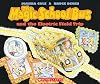
This book is about Ms. Frizzle’s class going on a field trop to explore electricity. Ms. Frizzle’s class looks into electrons, atoms, and how electric currents are created. The class explores the town’s power plant then moves throughout the town’s power plant then through the town venturing through electrical lines, light bulbs, and even vacuum cleaners. The students arrive back in Mr. Frizzle’s classroom safe and sound.
This book is extremely over whelming. You truly have to read the book once by actually reading then go back and read all the side notes and diagrams. I also had a hard time getting into the book. I have seen so many Magic School Bus videos that the book moves way to slow fore me. I fell that for children trying to understand all of this at once would be too much.
This book would be extremely helpful while teaching children about electricity. There is a lot of information within this book. You could even break this book down into the different objects it talks about such as a power plant, light bulb, and electric motor. Each of these could be a small lesson. There are also vivid illustrations to go along with the text which would be very helpful.
This book is extremely over whelming. You truly have to read the book once by actually reading then go back and read all the side notes and diagrams. I also had a hard time getting into the book. I have seen so many Magic School Bus videos that the book moves way to slow fore me. I fell that for children trying to understand all of this at once would be too much.
This book would be extremely helpful while teaching children about electricity. There is a lot of information within this book. You could even break this book down into the different objects it talks about such as a power plant, light bulb, and electric motor. Each of these could be a small lesson. There are also vivid illustrations to go along with the text which would be very helpful.
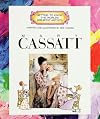
This book is about the life of Mary Cassatt. As a young girl Mary became very interested in paintings while her family lived in Pairs, France for a few years. Mary was very content on painting and moved back to France at the age of 22. Mary felt after years of art school that the best way to learn about painting was to copy famous paintings. Mary successfully got three of her painting into the Pairs Salon. Shortly after Mary was approached by one of the Impressionist Edgar Degas and Mary agreed to join their movement. Degas impacted Mary’s paintings in a very large way. Mary became know as one of America’s great artist.
This book was intriguing. It did not just show the artwork of Mary Cassatt, it also expresses the work of Degas and other Impressionist, which influenced her. The book also showed little cartoon clips of Mary’s life that would help intrigue the interest of a younger audiences. I really enjoyed being able to look at this book and see Mary’s work first hand instead of having to explore other sources to understand the book.
I could use this book to help students explore different types of artist. The book includes Mary Cassatt’s artwork so students could look at the works and expand on them and how they relate to Impressionist styles. I could also use this book to help show students the path that Mary helped lay for other female artist. Students could view both male and female artwork and the difference between the two. This book along has show more multiple uses. show less
This book was intriguing. It did not just show the artwork of Mary Cassatt, it also expresses the work of Degas and other Impressionist, which influenced her. The book also showed little cartoon clips of Mary’s life that would help intrigue the interest of a younger audiences. I really enjoyed being able to look at this book and see Mary’s work first hand instead of having to explore other sources to understand the book.
I could use this book to help students explore different types of artist. The book includes Mary Cassatt’s artwork so students could look at the works and expand on them and how they relate to Impressionist styles. I could also use this book to help show students the path that Mary helped lay for other female artist. Students could view both male and female artwork and the difference between the two. This book along has show more multiple uses. show less
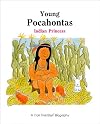
Young Pocahontas is a biography about the Powhatan Indian girl named Pocahontas. Pocahontas is twelve when the first English settlers came to America. Pocahontas saves the life of English settler John Smith. She becomes friends with John, and helps the Jamestown colony survive the winter. John soon returns the England. Pocahontas is captured by the white settlers and ends up falling in love with John Rolfe they were married. John and Pocahontas have a son, Thomas, and visit England. Before Pocahontas and her new family return to America she becomes sick and dies.
This book is a small, young reader type of biography. The characters pictures are some what cartoon, like. This book was nicely summarized highlighting only main points. I like how they include her age. I think this could really help students see that by even age 12 you can impact someone’s life.
This book would be great when discussing the pilgrims coming to America. I could break down the book down to the different people who influenced the pilgrims’ arrival in America. You could use this book to help to lead up to a Thanksgiving discussion. I could use the book to show how the Indians befriended the pilgrims. You could use this book different was depending on what I were teaching at the time.
This book is a small, young reader type of biography. The characters pictures are some what cartoon, like. This book was nicely summarized highlighting only main points. I like how they include her age. I think this could really help students see that by even age 12 you can impact someone’s life.
This book would be great when discussing the pilgrims coming to America. I could break down the book down to the different people who influenced the pilgrims’ arrival in America. You could use this book to help to lead up to a Thanksgiving discussion. I could use the book to show how the Indians befriended the pilgrims. You could use this book different was depending on what I were teaching at the time.
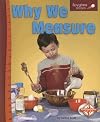
Why We Measure is a book about all the different reasons people measure. The book also talks about the different ways people measure, as well as the things that are measured. The book explains what can happen when people either forget to measure or measure incorrectly. The book uses examples such as measuring height, length, volume, and even speed. There are all types of explanations as to what will go wrong is you do not measure correctly.
I think this is a neat book. It explains things at a young child’s level. It gives an illustration for every detail it explains. I also enjoy the dictionary in the back of the book. This book also includes a fun facts section, a index, and a learn more section which is great for furthering education. I also enjoy how this book explores other measuring units not just length, width, and height.
There would be numerous uses for this book with a classroom. You could first off begin by showing students the different parts of a book such as the title page, contents, index, and glossary. You could then actually use the book for the reason in which it was wrote, to explain why we measure. You can read the book as a whole and explore measurements, or you could even break the book down into the different ways to measure and expand on them individually. You could use this book many different ways.
I think this is a neat book. It explains things at a young child’s level. It gives an illustration for every detail it explains. I also enjoy the dictionary in the back of the book. This book also includes a fun facts section, a index, and a learn more section which is great for furthering education. I also enjoy how this book explores other measuring units not just length, width, and height.
There would be numerous uses for this book with a classroom. You could first off begin by showing students the different parts of a book such as the title page, contents, index, and glossary. You could then actually use the book for the reason in which it was wrote, to explain why we measure. You can read the book as a whole and explore measurements, or you could even break the book down into the different ways to measure and expand on them individually. You could use this book many different ways.

Hollis is a foster child who moves into a new home with an elderly lady, Josie. Josie is losing her memory and so Hollis takes care of her. As the days go by Hollis continues to remember events from her previous foster homes as she looks at the pictures she has drawn of different events that have happened at the homes. But she has run away from each of the previous homes. One family that Hollis really cared for and wanted to become part of was the Regan home. But as usual something happens and Hollis runs away. Hollis realize that the Social Services are about to find out about Josie and then they will take her away and put Josie in a home. They run away to the Regan’s summer home and the Regan’s son finds them and the story ends with Josie going to live with her cousin and Hollis going to live with the Regans.
In enjoyed this book. It kept your attention from one page to the next. From the things and events that Josie and Hollis could get into on a daily bases. It also showed what a young girl can do if she puts her mind to the situation.
This would be a good book to use when you are studying families. It shows that even though you think things are one way if you look deeper into the situation you may see it differently. As when Hollis looked back at her pictures she sees that some of the things that she had felt about the Regan family were not actually how she had drawn them. This would be a good book for children who are foster children. It might encourage show more students to illustrate how they feel in pictures as well as words. show less
In enjoyed this book. It kept your attention from one page to the next. From the things and events that Josie and Hollis could get into on a daily bases. It also showed what a young girl can do if she puts her mind to the situation.
This would be a good book to use when you are studying families. It shows that even though you think things are one way if you look deeper into the situation you may see it differently. As when Hollis looked back at her pictures she sees that some of the things that she had felt about the Regan family were not actually how she had drawn them. This would be a good book for children who are foster children. It might encourage show more students to illustrate how they feel in pictures as well as words. show less
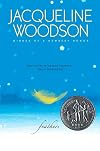
Frannie realizes that she is no longer the baby of the family, her mother is expecting another child. Then a white boy moves into Frannie’s school which is an all back school and the kids name him Jesus. Jesus become Frannie’s friend and stops the school bully from bulling him. While all of this is going on Frannie is trying to decide what Ms. Johnson, the teacher, is trying to get her students to understand about a poem she read to them. Finally Frannie realizes that hope is like a feather you have it for a while and then it is gone.
I enjoyed the book but it was a slow reading book. It did not keep your attention as well as I thought it would. You could understand Frannie’s problem with the poem. But in the same instance even though Jesus Boy seemed to be an important part of the story he seemed to be left out of the story and came back in at odd times.
I would use this book so that students so can get the understanding of what if feels like to move into a new school that is different from where you came. It could show them that not everyone has to be the same each person is different and even though it has always been this or that way things can change. And most important of all to hold on to hope but really the moment is like a feather and it will float away.
I enjoyed the book but it was a slow reading book. It did not keep your attention as well as I thought it would. You could understand Frannie’s problem with the poem. But in the same instance even though Jesus Boy seemed to be an important part of the story he seemed to be left out of the story and came back in at odd times.
I would use this book so that students so can get the understanding of what if feels like to move into a new school that is different from where you came. It could show them that not everyone has to be the same each person is different and even though it has always been this or that way things can change. And most important of all to hold on to hope but really the moment is like a feather and it will float away.
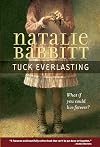
Tuck Everlasting is a book about a young girl who is tired of being treated a certain way by her family and gets the idea to run away. Winnie, the young girl goes off into the woods early one morning and stumbles onto a boy drinking from a spring. Winnie soon finds out that if you drink from the spring you will be forever trapped at that age. The young boy and his family the Tucks had mistakenly drunk from that spring years ago and have been hiding ever since. The Tucks take Winnie and promises to return her the next day, after they explain to her about the spring and why she must never tell anyone. Winnie’s family is convinced by a bad business man that Winnie has been kidnapped and after a couple of agreements he says he will bring her home to her family. The mother in the Tuck family kills the bad businessman when he comes to take back Winnie. The mother goes to jail and Winnie is returned to her family. Winnie feels she must help the mother escape and so on night the Tuck family and Winnie do just that. The Tucks escape town and are never found again and Winnie is returned to her family.
I feel this is an interesting book. I found myself getting some what wrapped up in it wondering what would happen next. The first part of the book was very descriptive and maybe over exaggerated. I also was a little confused when it switched from the Tuck family description to Winnie’s description of the land and what was going on. I was happy that Winnie used her bottle of the show more spring water to preserve the toad’s life. I was hoping that the book would tell whether or not she ever drank from the spring but it did not. I did find the answer though in the epilogue so I am satisfied with that.
I could use this book in my classroom to help students understand fantasy stories. It would also work good to have students throughout the book explain where they would go with what they were already presented what choices would they make. This is a neat book and the element of something magical would probably interest the children as just a book to read with out having to assign it. show less
I feel this is an interesting book. I found myself getting some what wrapped up in it wondering what would happen next. The first part of the book was very descriptive and maybe over exaggerated. I also was a little confused when it switched from the Tuck family description to Winnie’s description of the land and what was going on. I was happy that Winnie used her bottle of the show more spring water to preserve the toad’s life. I was hoping that the book would tell whether or not she ever drank from the spring but it did not. I did find the answer though in the epilogue so I am satisfied with that.
I could use this book in my classroom to help students understand fantasy stories. It would also work good to have students throughout the book explain where they would go with what they were already presented what choices would they make. This is a neat book and the element of something magical would probably interest the children as just a book to read with out having to assign it. show less
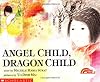
Angle Child, Dragon Child is a book about a young Vietnamese girl who comes to America. Hoa called Ut at home has to deal with being picked on by the other students who make fun of how she dresses and speaks. A little boy named Raymond throws snow and he and Hoa get into trouble. The two children must talk to each other when they do Raymond learns that Hoa had to leave her mother behind in Vietnam since she has so many siblings. Hoa’s school then learns of her story and helps to raise the money to bring Hoa’s mother to America.
I enjoyed this book. When I began reading it I really did not know half the story. The further into the book you read the more the story unravels. I think this is a beat twist on a story about a Vietnamese family coming to America. I really enjoyed how it dealt with once Hoa arrived at school instead of just dealing with her journey to America.
I would use this book to help students see and understand the different battles families face once they have moved to a new country. I would also use this book when looking into Vietnamese culture as to the types of clothing they wear, the foods they eat, and their values. I feel it would be neat to pair children into groups and have them take turns telling and writing each others stories like Hoa and Raymond did.
I enjoyed this book. When I began reading it I really did not know half the story. The further into the book you read the more the story unravels. I think this is a beat twist on a story about a Vietnamese family coming to America. I really enjoyed how it dealt with once Hoa arrived at school instead of just dealing with her journey to America.
I would use this book to help students see and understand the different battles families face once they have moved to a new country. I would also use this book when looking into Vietnamese culture as to the types of clothing they wear, the foods they eat, and their values. I feel it would be neat to pair children into groups and have them take turns telling and writing each others stories like Hoa and Raymond did.
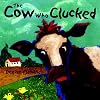
The Cow who Clucked is about a cow’s adventure to fin her moo. One morning cow wakes up to realize that she is clucking instead of mooing. Cow travels around the farm talking to the other animals such as pig, bee, and mouse in search of her moo. Cow finally finds her moo whenever she see hen. Hen gets her cluck back and cow gets her moo.
This book seemed a little repetitive to me after cow met each animal she would say “cluck, cluck” the animal would reply then cow says “it is not you who has my moo”. I somewhat got bored with this. I know younger students would not though (reader response). I do think that the children would find satisfaction in helping cow find her moo.
I feel that children will really enjoy the interactive part of this book. I could use this book while working with animals and their sounds. I could also use this book to help show children that it is always good to be nice to friends and family because you never know what might be wrong. I could use this book to help with student interactions within a group. As we know student interaction is always great.
This book seemed a little repetitive to me after cow met each animal she would say “cluck, cluck” the animal would reply then cow says “it is not you who has my moo”. I somewhat got bored with this. I know younger students would not though (reader response). I do think that the children would find satisfaction in helping cow find her moo.
I feel that children will really enjoy the interactive part of this book. I could use this book while working with animals and their sounds. I could also use this book to help show children that it is always good to be nice to friends and family because you never know what might be wrong. I could use this book to help with student interactions within a group. As we know student interaction is always great.
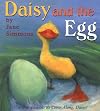
Daisy and the Egg is about a little duckling Daisy who experienced the hatching of her little cousins and brother. Daisy visited Aunt Buttercup’s nest where she was sitting on her eggs as will as Daisy’s Mama’s single egg. Daisy’s little cousins hatched first, but Mama Duck’s little egg would not hatch. Daisy’s momma soon gives up on the egg, but not Daisy. Daisy believes the egg will hatch so she stays behind to sit on the egg and it finally does.
This is a cute little book about a duckling experiencing the entrance into life as well as the strength of believing. This book also has pretty illustrations. They appear to be painted to be illustrations. I also enjoy that the little duckling are not the same color which shows each one is unique. It is over all a cute book.
This book has different teaching potential. This book could be used to how hard work and determination pay off in the end. I also feel this book could be used to show unique abilities in the different colored ducklings. I think with even older children you could use this book for painting in art. There are different blending of colors, different brush strokes and patterns. I think you could also use this book when you have a student having a little baby brother or sister.
This is a cute little book about a duckling experiencing the entrance into life as well as the strength of believing. This book also has pretty illustrations. They appear to be painted to be illustrations. I also enjoy that the little duckling are not the same color which shows each one is unique. It is over all a cute book.
This book has different teaching potential. This book could be used to how hard work and determination pay off in the end. I also feel this book could be used to show unique abilities in the different colored ducklings. I think with even older children you could use this book for painting in art. There are different blending of colors, different brush strokes and patterns. I think you could also use this book when you have a student having a little baby brother or sister.
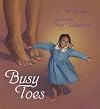
The book Busy Toes show different and unique things a person’s toes can do. All the toes are small darker complexion. The book talks about big and little toes, doggy tummy rubbing toes, and testing toes. There are cute illustrations that help you understand what your toes are doing.
I enjoyed this book it is extremely cute. The illustrations are really good. The illustrations curve around creating perfect little toes and feet. I think this would be an even better book if the subjects in the book were not all darker complexion. I feel if they were not all darker complexioned it could have better use within a classroom.
This book would be great to show younger children what all they can do with their toes. It would be good to use this book with a body part unit. I feel as I stated earlier that the darker complexioned of all the subjects might hinder its ability in a classroom.
I enjoyed this book it is extremely cute. The illustrations are really good. The illustrations curve around creating perfect little toes and feet. I think this would be an even better book if the subjects in the book were not all darker complexion. I feel if they were not all darker complexioned it could have better use within a classroom.
This book would be great to show younger children what all they can do with their toes. It would be good to use this book with a body part unit. I feel as I stated earlier that the darker complexioned of all the subjects might hinder its ability in a classroom.
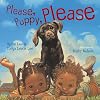
This book tells a cute short story about two little children’s adventure with their new puppy. The puppy goes outside, finds a hole in the fence, and escapes. The children chase after him to discover he has found a mud puddle. The children give him a bath once they have caught him. After the puppy has had its bath and is all dry the children begin to play.
This is an adorable book with very few words. I think the illustrations are extremely cute. The book is really told through the illustrations due to the lack of words, your imagination really gets a chance to explore. Children could really follow and interact with this book.
This book would be a great book for children to learn about the responsibly of a pet puppy. It could be used as a great interaction book. For little older children you could use the illustrations and have the children create a story. I would also use this book as a sit down and enjoy a few minutes of reading and imagination time.
This is an adorable book with very few words. I think the illustrations are extremely cute. The book is really told through the illustrations due to the lack of words, your imagination really gets a chance to explore. Children could really follow and interact with this book.
This book would be a great book for children to learn about the responsibly of a pet puppy. It could be used as a great interaction book. For little older children you could use the illustrations and have the children create a story. I would also use this book as a sit down and enjoy a few minutes of reading and imagination time.
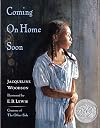
Coming On Home soon is about a young African American girl whose mother leaves to go north to help clean trains since all the men are off at war. Ada Ruth, the young girl stays with her grandma. Ada Ruth is kept busy by her grandma as they both await the letter and money her momma is supposed to be sending. A stray kitten shows up and even though grandma says they should not keep it she allows Ada Ruth to. Ada Ruth and her grandma is some what concerned that their might not be a letter after all, but just in time there is and it says momma is coming on home soon.
This is a cute little book about how one young girl patiently awaits her mothers return. As you read this book you can not help but to get wrapped up in it, yet in the most peaceful way. The illustrations of her grandma and the snow are quite calming. I like where they place the words on the pages and sometimes it is just two or three words, yet it says just enough.
This book would be good to use to show how women both white and African American stepped up to do men’s’ work while they were off fighting a war. It could be used to show how after the slave days that African Americans stepped up to help the United States when they needed it. This book also could be used to show off they book it self from it’s illustrations to its uniqueness.
This is a cute little book about how one young girl patiently awaits her mothers return. As you read this book you can not help but to get wrapped up in it, yet in the most peaceful way. The illustrations of her grandma and the snow are quite calming. I like where they place the words on the pages and sometimes it is just two or three words, yet it says just enough.
This book would be good to use to show how women both white and African American stepped up to do men’s’ work while they were off fighting a war. It could be used to show how after the slave days that African Americans stepped up to help the United States when they needed it. This book also could be used to show off they book it self from it’s illustrations to its uniqueness.
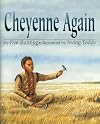
A young little boy who is ten years old is taken from his Cheyenne family to go to an Indian boarding school. Once their boy arrives at the boarding school his hair is cut off. He has to shed his Native American wardrobe for an ugly gray suit. The little boy attempts to escape, but is caught and brought back. Once he arrives back he is chained. The young boy draws a picture of two Indian warriors and his mind escapes to being Cheyenne again.
I enjoyed this book. The pictures in this book really helped tell the story; they were extremely descriptive in their own right. I found it rather interesting that the young boy’s parents or his father agreed to send him to the boarding school. I think it helps to show that some Native Americans were in some ways excepting to the different ways of the whites. I think they book really has a unique ending, it leaves me wondering what it was like once he really became Cheyenne again.
I would use this book while studying the time in history when Native Americans were sent off the boarding schools to be taught the ways of the white people. I think it would be interesting to see what children think would have happen if the white children were forced to live with the Native Americans. I think this book could even be used in a immigration unit to show students how sometimes a immigration is not just going to a new country it is also learning the ways of a different culture.
I enjoyed this book. The pictures in this book really helped tell the story; they were extremely descriptive in their own right. I found it rather interesting that the young boy’s parents or his father agreed to send him to the boarding school. I think it helps to show that some Native Americans were in some ways excepting to the different ways of the whites. I think they book really has a unique ending, it leaves me wondering what it was like once he really became Cheyenne again.
I would use this book while studying the time in history when Native Americans were sent off the boarding schools to be taught the ways of the white people. I think it would be interesting to see what children think would have happen if the white children were forced to live with the Native Americans. I think this book could even be used in a immigration unit to show students how sometimes a immigration is not just going to a new country it is also learning the ways of a different culture.
My Diary from Here to There/Mi diario de aqui hasta alla (Pura Belpre Honor Book Author (Awards)) by Amada Irma Perez
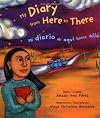
My Diary form Here to There is about a young girl form Mexico who’s family decides to move to the United States in search of a job for her Papa. Amada is afraid of the things she is leaving in Mexico and what she will face once she reaches the United States. My Diary from Here to There talks about how her father goes to the United States since he was born there, in search of a job, while they stay with family until he is able to send them green cards. Once they receive there green cards they will be able to live in the United States. Amada, her mama, and five brothers finally are able to go to the United States and be with her Papa.
I think this is a neat book. The illustrations are peaceful and flowing alone they tell a story. Students are always told how hard it is for immigrants to come to the United States and this really brings it down to their level. I have one issue though with this book. I do not like how the book ends once she arrives in the United States and meets her Papa. It tells how she feels getting there, yet not once she is here. I think students really need to understand that aspect of an immigrant’s life, because it is the part they are most effective in. I think this book would be great to have a sequel to. It would really help students to see both parts of the journey. The book is a good book though.
I could use this book in my classroom if we were studying about immigration. It would be a good book to show a reason why people come to the United show more States. It would help students to explore how someone their age felt. I could even let them keep journals and pretend that they are immigrants to integrate social studies and writing. I could also use this book to explore family values of Hispanic families, where Amada’s relatives take them in while they are waiting for their green cards. show less
I think this is a neat book. The illustrations are peaceful and flowing alone they tell a story. Students are always told how hard it is for immigrants to come to the United States and this really brings it down to their level. I have one issue though with this book. I do not like how the book ends once she arrives in the United States and meets her Papa. It tells how she feels getting there, yet not once she is here. I think students really need to understand that aspect of an immigrant’s life, because it is the part they are most effective in. I think this book would be great to have a sequel to. It would really help students to see both parts of the journey. The book is a good book though.
I could use this book in my classroom if we were studying about immigration. It would be a good book to show a reason why people come to the United show more States. It would help students to explore how someone their age felt. I could even let them keep journals and pretend that they are immigrants to integrate social studies and writing. I could also use this book to explore family values of Hispanic families, where Amada’s relatives take them in while they are waiting for their green cards. show less
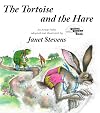
The Tortoise and the Hare is a book about a tortoise who is constantly teased by a hare. The hare makes fun of the tortoise. Hare teases tortoise about how slow he eats breakfast and says by the time he finishes it will be time fore dinner. The hare talks tortoise into racing him. The hare has the belief that he is going to beat tortoise so he takes frequent breaks. Hare takes one too many breaks and looses the race to tortoise.
I really enjoyed The Tortoise and the Hare. It always makes me smile when the underdog comes out on top. As for this particular edition or The Tortoise and the Hare I think it is great. The illustrations are very good in my opinion. They look as if they were colored with map pencils yet they are extremely bright. I feel this edition would be good for children because it gives examples of how hare teases tortoise and looses in the end.
This book could be used for different teaching purposes. First I could use it to introduce different types of animals. Second I could use this book to read to my classroom to help instruct them about trying and never giving up. I can show children no matter the issue you should always try your hardest. Third I could read this book to an older classroom during a unit on fables and classics. There are many different uses for this book in any classroom.
I really enjoyed The Tortoise and the Hare. It always makes me smile when the underdog comes out on top. As for this particular edition or The Tortoise and the Hare I think it is great. The illustrations are very good in my opinion. They look as if they were colored with map pencils yet they are extremely bright. I feel this edition would be good for children because it gives examples of how hare teases tortoise and looses in the end.
This book could be used for different teaching purposes. First I could use it to introduce different types of animals. Second I could use this book to read to my classroom to help instruct them about trying and never giving up. I can show children no matter the issue you should always try your hardest. Third I could read this book to an older classroom during a unit on fables and classics. There are many different uses for this book in any classroom.
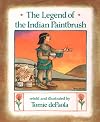
The Legend of the Indian Paintbrush is a story about a Native America boy named Little Gopher. Little Gopher goes on his Dream-Vision to become a man. He is informed that he will not a warrior like the other boys, he has another gift. Little Gopher obeys his Dream-Vision and paints instead of riding off with the warriors. One evening Little Gopher is called on hill to paint the sunset. After he finishes he leaves his paint brush and the next morning the whole his side is cover with Indian Paintbrushes. He is finally know in his village for something just ask his Dream-Vision said.
I enjoyed the book. It was a different take on how the Indian Paintbrushes were created. This book was copyrighted the year I was born and you can tell that by the illustrations. The illustrations are painted using squares and triangles where today’s painting use softer shapes like circles. I did enjoy how this book shows that the little boy is patient to what his Dream-Vision told him even though it took along time for the vision to come true.
I could use this book to introduce American Wildflowers. I could also use it to introduce Native American culture a story telling. This book integrates a different view on how things were create which can help children to open up their minds and explore new avenues. Even though this book is older it is still unique and educate able in its own right.
I enjoyed the book. It was a different take on how the Indian Paintbrushes were created. This book was copyrighted the year I was born and you can tell that by the illustrations. The illustrations are painted using squares and triangles where today’s painting use softer shapes like circles. I did enjoy how this book shows that the little boy is patient to what his Dream-Vision told him even though it took along time for the vision to come true.
I could use this book to introduce American Wildflowers. I could also use it to introduce Native American culture a story telling. This book integrates a different view on how things were create which can help children to open up their minds and explore new avenues. Even though this book is older it is still unique and educate able in its own right.
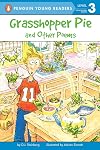
Grasshopper Pie and Other Poems is a book filled with narrative poems. These poems are surrounded by colorful illustrations to help bring the poems to life. These poems are exciting and funny to read. The Legend of Billy Ray Brown is about a boy who is born upside down. It takes a different turn on being born upside down and goes through out his life as a upside down little boy.
I feel this book would be enjoyable to younger children to for reading poetry. It is easier to read since the poetry is in story format. I really was able to get caught up in the poems and had I not know that it was a book of poetry I would not have guessed it. Most of the poems do not rhyme so it really feels like you are reading a story.
I feel I could use this in my classroom to teach children to about poetry. As you read each story you see the plot, setting, and characters just like you would in a narrative story book. Not only could I use this book as a type of introduction to poetry there are cute little pieces that children would enjoy reading on their own personal time.
I feel this book would be enjoyable to younger children to for reading poetry. It is easier to read since the poetry is in story format. I really was able to get caught up in the poems and had I not know that it was a book of poetry I would not have guessed it. Most of the poems do not rhyme so it really feels like you are reading a story.
I feel I could use this in my classroom to teach children to about poetry. As you read each story you see the plot, setting, and characters just like you would in a narrative story book. Not only could I use this book as a type of introduction to poetry there are cute little pieces that children would enjoy reading on their own personal time.
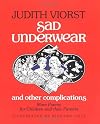
The book Sad Underwear and other complications, there are numerous poems for children and their parents. There are different areas and topics discussed through out the book. First Day of School is one of the poems. First Day of School talks about loosing your lunch and the teacher being mean and other issues that many small children may be faced with. First Day of School would be a good book for kindergarten and first graders.
I feel this book is really set up for children around at least the third grade level. Most of the poems are very descriptive and contain experience that older children would know more about facing such as multiplication and the 50 states. Yet some poems such as First Day of School are appropriate for children of a younger age group. I do believe though with the help of an adult or parent in the home setting with more time for explanations this book could be used for different ages.
I feel that this is good book to introduce children to poetry. It would work good in a classroom due to its different view points and subject areas. I could read a couple poems to older children and have them use this book as a referral tool for information about other poems. I could also just go pick up this book when something is brought up before the class to give them a different take on the area. There are many different uses for this book.
I feel this book is really set up for children around at least the third grade level. Most of the poems are very descriptive and contain experience that older children would know more about facing such as multiplication and the 50 states. Yet some poems such as First Day of School are appropriate for children of a younger age group. I do believe though with the help of an adult or parent in the home setting with more time for explanations this book could be used for different ages.
I feel that this is good book to introduce children to poetry. It would work good in a classroom due to its different view points and subject areas. I could read a couple poems to older children and have them use this book as a referral tool for information about other poems. I could also just go pick up this book when something is brought up before the class to give them a different take on the area. There are many different uses for this book.
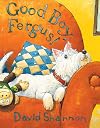
This book is about a little boy and his dog named, Fergus. The little boy takes on the daily chores such as walking and feeding Fergus, The little boy has to deal with Fergus chasing after things such as a motorcycle. The boy though has his own touch that he adds to things Fergus’s dog food. It is a cute story about a young child and his dog.
I feel this book shows a small insight as to how to take care of a pet dog. Yet it still leaves some to be learned. The book could have given more examples of things that dogs do, but it did explore some things. The pictures are extremely large and you sometimes have to double check as to which way you read along the pages. I really do feel though that with younger audiences will receive a great reader’s response.
I would use this book to help children learn to deal with having and taking care of a new pet. It would be great if the classroom had its own pet. I could also use this book when talking about animals and exploring them on a one on one basis. I can also read this book for a Friday treat and just a laugh.
I feel this book shows a small insight as to how to take care of a pet dog. Yet it still leaves some to be learned. The book could have given more examples of things that dogs do, but it did explore some things. The pictures are extremely large and you sometimes have to double check as to which way you read along the pages. I really do feel though that with younger audiences will receive a great reader’s response.
I would use this book to help children learn to deal with having and taking care of a new pet. It would be great if the classroom had its own pet. I could also use this book when talking about animals and exploring them on a one on one basis. I can also read this book for a Friday treat and just a laugh.
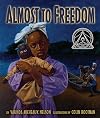
This story takes a new turn on the life of slavery as a child and the escape of those children via the Underground Railroad. The story is told from the point of view of a young slave girl’s doll. The book talks about the dolls creation and bringing to life of the doll. Then the doll speaks about being by the young girl’s side as she works in the field, when she sleeps, and even when the young girl gets whipped. The doll also speaks about the night the girl and her mother meet up with the father and escape to become part of the Underground Railroad. Somehow the doll manages to get left behind midway through the escape. After awhile another little girl who is also escaping comes along and finds the doll. The girl takes the doll with her so that the young doll in the end has a home.
When I began reading the book, I had to re-read the first page because I was not expecting the story to be told by a doll. Once I started again I was grabbed into the story and some what became concerned if the family would be able to be reunited and escape to freedom. The story does an amazing job with dialect and the usage of words that were familiar to slaves. The book even includes a dictionary of these words to help young readers know what the story is speaking about.
I would use this book in an African American slavery section. Many young girls could relate to having a doll, even young boys could relate to having something such as a car. I think I could also use this story to explore show more the history of the Underground Railroad. Also with the dictionary and the usage of words would help to transfer children back to that time, and help them to understand that different cultures and different times through out history there were and still are different words and usages. There are many uses for this book in a classroom. show less
When I began reading the book, I had to re-read the first page because I was not expecting the story to be told by a doll. Once I started again I was grabbed into the story and some what became concerned if the family would be able to be reunited and escape to freedom. The story does an amazing job with dialect and the usage of words that were familiar to slaves. The book even includes a dictionary of these words to help young readers know what the story is speaking about.
I would use this book in an African American slavery section. Many young girls could relate to having a doll, even young boys could relate to having something such as a car. I think I could also use this story to explore show more the history of the Underground Railroad. Also with the dictionary and the usage of words would help to transfer children back to that time, and help them to understand that different cultures and different times through out history there were and still are different words and usages. There are many uses for this book in a classroom. show less
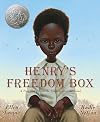
Henry is a young slave who is sold away from his family. Henry finds love and marries a young slave girl. Henry and his wife establish a family. One day while Henry is at work his family is sold off, and Henry becomes very depressed. Henry wants to find the freedom so bad that he has a white friend box him up and mail him to Philadelphia. The book shows in expectable detail for young children the pain Henry faces while in the box on his way to Philadelphia.
I was unable to really and truly divulge myself into this story. I could not feel as if I was present in the setting. The story seemed short; I feel that it could have included more details about his life once he arrived in Philadelphia instead of ending once he arrived. I understand picture books are short, yet I feel this left me as an adult somewhat wondering. I think maybe with those added details I might have been pulled in a little better.
This story would make a good book to read during an African American unit. I believe that the children could learn from this book about the circumstances that some African Americans faced to escape to a place of freedom and refuge. I could also use a crate/box like Henry was mailed in to let the children get a feel of what it would be like to stuck for days. Also with this being a true story that explaining to children that this really happen to a young man whose dream was to be happy and sometimes you can not give up on a dream no matter how long it takes to achieve it.
I was unable to really and truly divulge myself into this story. I could not feel as if I was present in the setting. The story seemed short; I feel that it could have included more details about his life once he arrived in Philadelphia instead of ending once he arrived. I understand picture books are short, yet I feel this left me as an adult somewhat wondering. I think maybe with those added details I might have been pulled in a little better.
This story would make a good book to read during an African American unit. I believe that the children could learn from this book about the circumstances that some African Americans faced to escape to a place of freedom and refuge. I could also use a crate/box like Henry was mailed in to let the children get a feel of what it would be like to stuck for days. Also with this being a true story that explaining to children that this really happen to a young man whose dream was to be happy and sometimes you can not give up on a dream no matter how long it takes to achieve it.
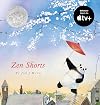
This book is filled with "Zen Shorts" short stories that help teach the Zen/Buddist principle. A panda bear named lands in the backyard of three siblings Karl, Addy, and Michael. Over the next few days the three children each go to visit Stillwater. First Addy takes Stillwater a small cake as a gift; Stillwater informs her of his "Uncle Ry" who is a giving man and even gave to a robber. The next child to visit Stillwater is Michael. Stillwater and Michael both climb a tree and discuss what their alternatives are for getting down. Stillwater then tells Michael of "The Farmer's Luck" a story that states the value of luck is only in the eyes of the person affected. Last, Karl visits Stillwater and is so distracted with anger that he doesn't realize that great day he and Stillwater are having. Stillwater informs him of the tale "A Heavy Load" and teaches Karl a lesson of looking at life. Each child learns a something new and a way to look at life from an unexpected new friend.
As I read the book I began to open my eyes to the different views of the world and the things in it. I believe I was impacted most by the "Zen Short", "A Heavy Load", when the old monk simply says, "You are still carrying the lady and I set her down awhile back." It really shows how we sometimes hold on to things when we really should let go of them. There are much greater things in the world than being stuck in anger or the past.
This book would be a great tool for stepping into a different cultural. show more It shows the simple, short Zens that young children can find the meanings in. I think you could also break the story down and only use the "Zen Shorts" that are affecting your classroom at that time such as anger, bad views, or even unwillingness to share. Even if you did not have these problems in your classroom and a child was struggling with a issue at home it can still be used outside of your classrom. show less
As I read the book I began to open my eyes to the different views of the world and the things in it. I believe I was impacted most by the "Zen Short", "A Heavy Load", when the old monk simply says, "You are still carrying the lady and I set her down awhile back." It really shows how we sometimes hold on to things when we really should let go of them. There are much greater things in the world than being stuck in anger or the past.
This book would be a great tool for stepping into a different cultural. show more It shows the simple, short Zens that young children can find the meanings in. I think you could also break the story down and only use the "Zen Shorts" that are affecting your classroom at that time such as anger, bad views, or even unwillingness to share. Even if you did not have these problems in your classroom and a child was struggling with a issue at home it can still be used outside of your classrom. show less