
Okay so the first 90 pages of Pride and Prejudice are honestly a bit of a drag , lots of people talking about marriage and money and not a whole lot happening. But if you stick with it, it genuinely gets good. Like, really good.
Elizabeth and Darcy are such well-written characters , the way they talk, the way they think, the way they constantly misjudge each other , it's way more entertaining than you'd expect from a 200-year-old book.
Austen has this dry, witty style that sneaks up on you. Also, do yourself a favour and watch the 1995 BBC adaptation after — Colin Firth and Jennifer Ehle just get the characters in a way the 2005 movie doesn't even come close to.
Elizabeth and Darcy are such well-written characters , the way they talk, the way they think, the way they constantly misjudge each other , it's way more entertaining than you'd expect from a 200-year-old book.
Austen has this dry, witty style that sneaks up on you. Also, do yourself a favour and watch the 1995 BBC adaptation after — Colin Firth and Jennifer Ehle just get the characters in a way the 2005 movie doesn't even come close to.
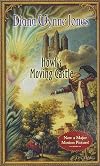
I wish I had read this before watching the movie, if only because the differences between the two versions of Howl are so striking to me. The movie makes the story simpler and more romantic, and it shows the relationship between Howl and Sophie in a much more developed way — something I really appreciated.
What I enjoyed most while reading was getting to know the characters on a deeper level: their family backgrounds, their work, and even the conflicts of the side characters, which added a lot of texture to the story.
That said, I do feel the book could have been longer — the ending felt a little rushed. Overall, while I found the book more engaging from a storytelling perspective, and perhaps more suitable for younger readers, I think the movie edges it out. The film carries an emotional depth and a certain profoundness that the book doesn't quite reach.
What I enjoyed most while reading was getting to know the characters on a deeper level: their family backgrounds, their work, and even the conflicts of the side characters, which added a lot of texture to the story.
That said, I do feel the book could have been longer — the ending felt a little rushed. Overall, while I found the book more engaging from a storytelling perspective, and perhaps more suitable for younger readers, I think the movie edges it out. The film carries an emotional depth and a certain profoundness that the book doesn't quite reach.
After reading this book, I was left with one powerful idea: I can do anything with my brain, even the things I had already given up on, like public speaking, memorizing, and expressing my ideas clearly.
Those struggles are not fixed realities. They are limits I created for myself, and as long as I believe in them, they will keep me exactly where I am.
Ben Carson makes a compelling case that the right mindset, the right learning methods, the right community, and, above all, the right list of priorities (with God at the top) are what it takes to become the best version of yourself, achieve your dreams, and transform your lifestyle.
So stop making excuses. You are the one who designs your limits.
Read this book if you want a genuine push to stop settling and start growing.
Those struggles are not fixed realities. They are limits I created for myself, and as long as I believe in them, they will keep me exactly where I am.
Ben Carson makes a compelling case that the right mindset, the right learning methods, the right community, and, above all, the right list of priorities (with God at the top) are what it takes to become the best version of yourself, achieve your dreams, and transform your lifestyle.
So stop making excuses. You are the one who designs your limits.
Read this book if you want a genuine push to stop settling and start growing.
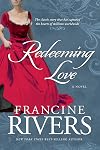
Francine Rivers doesn't shy away from the darkness of Angel's world, but she balances it with so much warmth, through Michael, the Altman family, and the Axle family.
One of the book's greatest strengths is how well the author helps you understand every character's choices, even Angel's, even her mother's. You don't judge them; you understand them. That's rare.
Michael is the kind of husband most of us have only dreamed about: patient, forgiving, kind, relentless in his love. Which made me wonder: does a female version of Michael exist in literature? A woman who is equally perfect in her forgiveness and grace? If you know a book with a character like that, please leave it in the comments — I'm genuinely curious.
P.S.
At first, I gave it 5 stars — I was biased. The next day I gave it 4, and now I'm giving it 3 stars. Why? I don't think this is really a Christian book anymore. Don't get me wrong, this book isn't explicit, but it does have intense scenes where you just know what happens, and even thinking about it feels wrong. There are also some weird or obscene scenes that I think were just not necessary at all: I know Sarah has a dark past, but did she really have to do it with her father? That, to me, is going too far, and I feel like the author did her too dirty.
I also didn't enjoy the final meeting — like when I
I really loved the forgiveness lesson, but it could have been less intense for a Christian book.