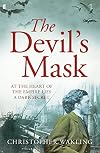
This superb novel is about the lengths people will go to in order to conceal their wrongdoings. At its heart is the cargo of the ship Belsize which has just docked in Bristol port.
Inigo Bright qualified as an attorney to work in Bristol just six months before the story starts. He belongs to a merchant family; his three brothers work for his father’s company. His father definitely looks down on Inigo for abandoning the family business. Sometimes the company funds whole ships and sometimes only buys a share in a ship. This is the case in the most recent voyage of the Belsize. While the action is focussed on the Belsize and its investors, it takes place all over Bristol and, briefly, in Bath. The shareholders in the last voyage were only interested in making a profit and didn’t care how it was done.
Adam Carthy the lawyer who Inigo works for, has been asked to audit the Dock accounts to establish which ships and companies have failed to pay their customs dues over the past few years. Very quickly, Inigo becomes aware that there was something not right about the Belsize’s last voyage. At the same time mutilated bodies of three black people are found still with manacles attached to them. This is surprising as slavery was abolished some time ago in Britain. Then a black seaman – Blue – steps in to help Inigo. He was on the last voyage of the Belsize and tells him that some slaves were carried in a concealed deck. At this point Carthy is kidnapped and Inigo is warned show more off any further investigation. Soon after that, Inigo and Blue go to Bath to interview one of the ship’s officers. Only they are taken and kept in prison by a corrupt Bristol judge.
Eventually the truth emerges about the illegal slavery, but Inigo is stripped of hiss right to work as an attorney in Bristol. Carthy’s kidnapper turns out to have been his own father who also kept one of the illegally imported slaves in the same dungeon under his house.
This is a good story, well told. I keeps your attention right to the very end as the twists and turns are surprising. A humorous, and recurrent theme in the novel is the problem Inigo has in controlling his unruly hair. show less
Inigo Bright qualified as an attorney to work in Bristol just six months before the story starts. He belongs to a merchant family; his three brothers work for his father’s company. His father definitely looks down on Inigo for abandoning the family business. Sometimes the company funds whole ships and sometimes only buys a share in a ship. This is the case in the most recent voyage of the Belsize. While the action is focussed on the Belsize and its investors, it takes place all over Bristol and, briefly, in Bath. The shareholders in the last voyage were only interested in making a profit and didn’t care how it was done.
Adam Carthy the lawyer who Inigo works for, has been asked to audit the Dock accounts to establish which ships and companies have failed to pay their customs dues over the past few years. Very quickly, Inigo becomes aware that there was something not right about the Belsize’s last voyage. At the same time mutilated bodies of three black people are found still with manacles attached to them. This is surprising as slavery was abolished some time ago in Britain. Then a black seaman – Blue – steps in to help Inigo. He was on the last voyage of the Belsize and tells him that some slaves were carried in a concealed deck. At this point Carthy is kidnapped and Inigo is warned show more off any further investigation. Soon after that, Inigo and Blue go to Bath to interview one of the ship’s officers. Only they are taken and kept in prison by a corrupt Bristol judge.
Eventually the truth emerges about the illegal slavery, but Inigo is stripped of hiss right to work as an attorney in Bristol. Carthy’s kidnapper turns out to have been his own father who also kept one of the illegally imported slaves in the same dungeon under his house.
This is a good story, well told. I keeps your attention right to the very end as the twists and turns are surprising. A humorous, and recurrent theme in the novel is the problem Inigo has in controlling his unruly hair. show less
 This review was written for LibraryThing Early Reviewers.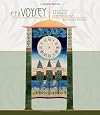
This is not so much a book as a work of art between boards. More than that, the gorgeous illustration of a clock case on the front cover seduces you into opening the book. And you are hooked!
CFA Voysey was born in 1857. His father was an Anglican clergymen whose unorthodox views led to him being defrocked. Voysey’s grandfather – Anneiley – however, was an engineer-architect who built bridges, lighthouses and churches.
When he left school he trained in the office of Pollard Seddon between 1874 and 1879 and worked as an assistant for a further year. Seddon had close links with the Pre-Raphaelites, William Morris and Burne-Jones. Voysey then spent a year working with George Devey who used his deep knowledge of the vernacular in his designs.
In 1881 Voysey set up his own practice in 1881 by which time he had established two key principles for his designs. The first was that there should be no features about a building that are not necessary for convenience, construction or propriety. The second was that all ornament should consist of the essential construction of the building. In 1885 he married Mary Maria Evens and designed a house for them to live in. Only he couldn’t afford to build it. Nevertheless, he published the plans in 1888. Shortly after, Michael Lakin, a cement manufacturer, asked him to modify the design to fit his requirements for small houses for his workers.
Designing 14 South Parade led Voysey to believe that the architect must abandon any attempt at show more a preconceived style and design. Each house should be designed afresh based on the client’s fundamental needs. Voysey rose in importance in the early 1890s partly through his vigorous use of the press where he published photographs and drawings of his work.
By 1897 The Studio described him as not only a dreamer but as a practical and experienced architect ‘who will give you first a sanitary, substantial and comfortable house and in doing so …. [will] manage to make it a really artistic building at the same time.’ He looked to the house as being ‘the most peaceful, restful, simple servant we possess.’ Within the house he wanted to banish all small ornaments and to design furniture that used simple decoration to enhance the appearance of the whole item. He also looked to nature for colour combinations. Nevertheless, he used many visual puns in his designs. In houses these could include unexpected features such as grotesque masks or wickedly cheerful demonic profiles.
His last house commission was in 1911. The fashion had changed to the Georgian Revival. At the outbreak of the First World War he had three houses in an early stage of design that were never built.
In 1909 he turned down the offer of the Directorship of the Decorative Art Department in the Glasgow School of Art. This did not come out of the blue because he had joined the Art Workers Guild in 1884. In turn this led to the foundation of the Arts and Crafts Exhibition Society. In turn, this movement developed into Art Nouveau.
From then on, things did not go well for Voysey. His father died in 1912. His marriage broke up in 1917 and by April 1918 he described himself as being ‘within measurable distance of the workhouse’. From then on he intermittently continued his design work for wallpapers and textiles. In the 1930s he designed some Alice in Wonderland wallpapers.
His prestige as architect and designer was, nevertheless, clear. In 1924 he was elected Head of the Art Workers Guild. In 1927 The Architect and Building News devoted a five-part series to his lifetime and accomplishments. Architecture Review sponsored an exhibition of his work in 1931. His last honour was the award of the prestigious Gold Medal by the RIBA in 1940.
The dense text of this book is most informative while still being eminently readable. Nearly all the illustrations have an extensive caption that expands on the main text. (Wendy Hitchbrough published a longer and more detailed account of his life in CFA Voysey in 1997.)
It is the illustrations that make this book come alive. 65 of the 89 are of his work. They are presented at such a scale in such vivid colour that they tell the reader a great deal about Voysey’s designs. Nearly all of them are drawn from the RIBA Library. The beautiful studio portrait facing the first page of Chapter One sets the incredibly high standard of the show less
CFA Voysey was born in 1857. His father was an Anglican clergymen whose unorthodox views led to him being defrocked. Voysey’s grandfather – Anneiley – however, was an engineer-architect who built bridges, lighthouses and churches.
When he left school he trained in the office of Pollard Seddon between 1874 and 1879 and worked as an assistant for a further year. Seddon had close links with the Pre-Raphaelites, William Morris and Burne-Jones. Voysey then spent a year working with George Devey who used his deep knowledge of the vernacular in his designs.
In 1881 Voysey set up his own practice in 1881 by which time he had established two key principles for his designs. The first was that there should be no features about a building that are not necessary for convenience, construction or propriety. The second was that all ornament should consist of the essential construction of the building. In 1885 he married Mary Maria Evens and designed a house for them to live in. Only he couldn’t afford to build it. Nevertheless, he published the plans in 1888. Shortly after, Michael Lakin, a cement manufacturer, asked him to modify the design to fit his requirements for small houses for his workers.
Designing 14 South Parade led Voysey to believe that the architect must abandon any attempt at show more a preconceived style and design. Each house should be designed afresh based on the client’s fundamental needs. Voysey rose in importance in the early 1890s partly through his vigorous use of the press where he published photographs and drawings of his work.
By 1897 The Studio described him as not only a dreamer but as a practical and experienced architect ‘who will give you first a sanitary, substantial and comfortable house and in doing so …. [will] manage to make it a really artistic building at the same time.’ He looked to the house as being ‘the most peaceful, restful, simple servant we possess.’ Within the house he wanted to banish all small ornaments and to design furniture that used simple decoration to enhance the appearance of the whole item. He also looked to nature for colour combinations. Nevertheless, he used many visual puns in his designs. In houses these could include unexpected features such as grotesque masks or wickedly cheerful demonic profiles.
His last house commission was in 1911. The fashion had changed to the Georgian Revival. At the outbreak of the First World War he had three houses in an early stage of design that were never built.
In 1909 he turned down the offer of the Directorship of the Decorative Art Department in the Glasgow School of Art. This did not come out of the blue because he had joined the Art Workers Guild in 1884. In turn this led to the foundation of the Arts and Crafts Exhibition Society. In turn, this movement developed into Art Nouveau.
From then on, things did not go well for Voysey. His father died in 1912. His marriage broke up in 1917 and by April 1918 he described himself as being ‘within measurable distance of the workhouse’. From then on he intermittently continued his design work for wallpapers and textiles. In the 1930s he designed some Alice in Wonderland wallpapers.
His prestige as architect and designer was, nevertheless, clear. In 1924 he was elected Head of the Art Workers Guild. In 1927 The Architect and Building News devoted a five-part series to his lifetime and accomplishments. Architecture Review sponsored an exhibition of his work in 1931. His last honour was the award of the prestigious Gold Medal by the RIBA in 1940.
The dense text of this book is most informative while still being eminently readable. Nearly all the illustrations have an extensive caption that expands on the main text. (Wendy Hitchbrough published a longer and more detailed account of his life in CFA Voysey in 1997.)
It is the illustrations that make this book come alive. 65 of the 89 are of his work. They are presented at such a scale in such vivid colour that they tell the reader a great deal about Voysey’s designs. Nearly all of them are drawn from the RIBA Library. The beautiful studio portrait facing the first page of Chapter One sets the incredibly high standard of the show less
This review was written for LibraryThing Early Reviewers.
The novel is set in an adobe pueblo village in Texas during the 1590s. The village is placed on top of a mesa with its fields down below. The men are away hunting for meat to store for the winter. The Querechos, a tribe who do not farm, raid the village in the dead of the night. No one is hurt, but all the stored food is stolen. And Mitsa, a woman, is taken. One of the sentries – ShoHona – is found just alive, but scalped.
Zia, the wife of one of the absent hunters, sees a fire belonging to the raiders in the distance. She and other women and some of the older boys creep up on them. The men are taking turns to rape Mitsa. Zia manages to give her a drug to supply the men with. At dawn all the men are killed, Mitsa rescued and the stolen food recovered.
On return to the village they discover a troop of Spanish soldiers demanding supplies aggressively. Fortunately their captain, Diego, arrives and calls them off when Zia says they have no stores because of drought.
Meanwhile TapanAshke, Zia’s husband, kills an elk but is attacked by strangers and then falls down a short cliff. Injured, he makes his way back to the hunting campo to discover that all but six of the group have been killed and all the meat stolen. He is rescued by hunters from Acoma, a neighbouring village,. In time his wounds heal and he can go home.
At his home village the hunters return without some of their number. Zia believes that TapanAshke has been killed and is badly affected by her grief. ShoHona show more slowly recovers from being scalped and helps the boys in the village make bows aand arrows and how to shoot them He also teaches them hunting. But he starts to have absence spells which Zia and Mitsa worry about.
In Acoma, TapanAshka is still not quite strong enough to walk all the way home. He constantly thinks about Zia. Then thee Spaniards arrived. Following the village’s refusal to supply 200 men, there was a skirmish. The Spanish captain was so angered by the way the villagers threw the dead Spanish soldiers over a cliff that he ordered all surviving men to be kept as slaves for 220 years. He made examples of some of them, including TapanAshka, by chopping off one of their feet. The whole village, including the maimed, is marched off. TapanAshka and the village medicine woman manage to escape and she more or less heals his stump.
Back home, Zia’s brother-in-law Soshue, has been paying her unwanted attentions. He accuses her of witchcraft but she successfully defends herself. He is executed.
Later in the year the village suffers severely from a food shortage. They reluctantly decide to go to the Spanish mission at Oke in the hope of help. Diego Ortiz, the Spanish captain who had earlier helped them, meets them and helps them reach the mission. He takes Zia, her baby son TyoPe and her grandmother to live in his house. The rest of the village is given an area to live in away from the village. Zia’s sister HaNa spurns her for living with the Spaniard.
Diego insists on Zia going to church and converting to Christianity. They don’t make love for a long time. And then, after he has been away for several days, they do make love.
Measles strikes the villagers camp and kills many of them. Zia and TyoPe also catch it, but survive thanks to a special medicine her grandmother makes.
Meanwhile TapanAshka has managed to get back to the village. He is surprised to find it empty and showing signs of a planned departure. He sustains himself and then stores supplies in a secret cave in case of trouble.
Zia, talking to the people in the village, learns how brutally the people of Acoma were treated by her Diego. The next time he is away, she and TyoPe together with her sister HaNa and ShoHona escape. They find a cave near their home village to live in and hide from the Spaniards. Diego and two soldiers as well as his hunting dogs appear.
To find out how the story ends most satisfactorily you will need to read this book. It is easy to read and well-written. I enjoyed it and think you will. show less
Zia, the wife of one of the absent hunters, sees a fire belonging to the raiders in the distance. She and other women and some of the older boys creep up on them. The men are taking turns to rape Mitsa. Zia manages to give her a drug to supply the men with. At dawn all the men are killed, Mitsa rescued and the stolen food recovered.
On return to the village they discover a troop of Spanish soldiers demanding supplies aggressively. Fortunately their captain, Diego, arrives and calls them off when Zia says they have no stores because of drought.
Meanwhile TapanAshke, Zia’s husband, kills an elk but is attacked by strangers and then falls down a short cliff. Injured, he makes his way back to the hunting campo to discover that all but six of the group have been killed and all the meat stolen. He is rescued by hunters from Acoma, a neighbouring village,. In time his wounds heal and he can go home.
At his home village the hunters return without some of their number. Zia believes that TapanAshke has been killed and is badly affected by her grief. ShoHona show more slowly recovers from being scalped and helps the boys in the village make bows aand arrows and how to shoot them He also teaches them hunting. But he starts to have absence spells which Zia and Mitsa worry about.
In Acoma, TapanAshka is still not quite strong enough to walk all the way home. He constantly thinks about Zia. Then thee Spaniards arrived. Following the village’s refusal to supply 200 men, there was a skirmish. The Spanish captain was so angered by the way the villagers threw the dead Spanish soldiers over a cliff that he ordered all surviving men to be kept as slaves for 220 years. He made examples of some of them, including TapanAshka, by chopping off one of their feet. The whole village, including the maimed, is marched off. TapanAshka and the village medicine woman manage to escape and she more or less heals his stump.
Back home, Zia’s brother-in-law Soshue, has been paying her unwanted attentions. He accuses her of witchcraft but she successfully defends herself. He is executed.
Later in the year the village suffers severely from a food shortage. They reluctantly decide to go to the Spanish mission at Oke in the hope of help. Diego Ortiz, the Spanish captain who had earlier helped them, meets them and helps them reach the mission. He takes Zia, her baby son TyoPe and her grandmother to live in his house. The rest of the village is given an area to live in away from the village. Zia’s sister HaNa spurns her for living with the Spaniard.
Diego insists on Zia going to church and converting to Christianity. They don’t make love for a long time. And then, after he has been away for several days, they do make love.
Measles strikes the villagers camp and kills many of them. Zia and TyoPe also catch it, but survive thanks to a special medicine her grandmother makes.
Meanwhile TapanAshka has managed to get back to the village. He is surprised to find it empty and showing signs of a planned departure. He sustains himself and then stores supplies in a secret cave in case of trouble.
Zia, talking to the people in the village, learns how brutally the people of Acoma were treated by her Diego. The next time he is away, she and TyoPe together with her sister HaNa and ShoHona escape. They find a cave near their home village to live in and hide from the Spaniards. Diego and two soldiers as well as his hunting dogs appear.
To find out how the story ends most satisfactorily you will need to read this book. It is easy to read and well-written. I enjoyed it and think you will. show less
This review was written for LibraryThing Member Giveaways.
This is a fascinating collection of poems and translations. From start to finish it held my attention. In fact, I could not put it down until I reached the Notes at the end. And then I wished it were twice as long. The collection begins with Album, a poem about looking through albums of family photos, and about how the narrator sees himself as a ghost within them. A very strange idea, that, a living ghost. Or are the other figures in the album dead? And so placing him apart from them, as we normally view ghosts – representations of the dead to the living. Only this reverses that perception.
Signs on a white field is about how the sun’s heat begins to melt ice on the surface of a lake. The poem starts by describing the surface of the lake as containing some unevennesses, about how
….a sudden frost
has caught some turbulence in the water
and made it solid; frozen in its distress
to a scar, or a skin-graft
As the sun works its warming work the poet hears the lake ‘talking to itself.’
And then it comes.
The detonating crack, like a dropped plank,
as if the whole lake has snapped in two
and the world will follow.
But all that happens
is a huge release of sound in a boom
that rolls under the ice for miles.
By Clachan Bridge is a weird poem about a girl who has a cleft lip or palate. She used to cut fish up by the bridge to see how they worked inside.
by morning’s end, her nails
were black red, her hands
all sequined silver.
She dissected all sorts of animals. You show more wonder whether she is addicted to the cutting up or exploring the variations in anatomy. Later, she claimed that she had sex with the blacksmith’s son. Her belly grew for a year, and she said she had a stone baby.
And how I said her wrists
bangled with scars
and those hands flittering
at her throat,
to the plectrum of bone
she’d hung there.
The Plague Year starts with what I can only describe as the annual cycle of the birth and rebirth of plants, trees, etc.
I am dying
so slowly you’d hardly notice. What is there left
to trust but this green world and its god,
always returning to life?
And then the poem moves onto explore the nature of inner city pollution.
My past stretches from here to there, and back,
leaving me somewhere in the middle
of Shepherd’s Bush Green with the winos of ’78.
A great year; I remember it well. Hints of petrol,
urine, plane trees; a finish so long you could
sleep out under it. Same face, different names.
Everything is different. Everything is the same.
About time explores the idea of feeling oneself aging while watching life events occur (parents’ death; break up of marriage; children suddenly adults). The result is
The skin loosening
from my legs and arms
and this heart going
like there’s no tomorrow.
Fall from Grace, on the other hand, is about shame. He describes his life replacing
Love and trust with nothing, no
light shining back at me, just shame
….
My life a mix of dull disgraces
and watery acclaim, my daughters know
I cannot look into their clean faces;
what shines back at me is shame.
In another poem, the smell of cologne is used to mask the smell of a dead mouse and reminds the person in Going to Ground of thee one used to mask the smell of a friend in hospital with AIDS whose toes and fingers had started to rot and go brown.
In A Gift a woman comes to the poet ‘in a dress of true love …. made of flowers’; Her hair was similarly garlanded.
And she was holding out
A philtre of water lovage,
red chamomile and ladies’ seal
in a cup, for me to drink.
Imagine being in a hotel or B & B. A naked woman leaves your room. In Venery he sees
The whole scut
of her bottom
disappearing
down the half-flight
carpet stair
to the bathroom.
If you want to find out about horrible ways to die, Law of the Island offers one. A man is lashed to a timber and thrown into the sea so that he will float head up.
Over his mouth and eyes
they tied two live mackerel
with twine, and pushed him
out from the rocks.
They waited
For a gannet
to read that flex of silver
from a hundred feet up,
close its wings
and plummet-dive.
And then comes Kalighat which describes the sacrificial beheading of a goat.
The blood
comes out of his neck
in little gulps.
Robertson returns to the idea that everything, even love, is born and dies in a beautiful poem called Lesson. Ambush is about the immense patience of a fox waiting for the moment when a lake’s surface will freeze over and trap duck’s feet in the ice so they can’t escape.
Death strikes again in Grave Goods. The poem starts with ambitions.
He wanted to outlive the grim husbandry
of battle order, outrun
the breath of the damned
…..
to reach a place
of peace and honour,
fresh running water,
a morning of porcelain and lavender
combed by light, folded and smoothed over.
He came instead to a closed silence.
Robertson goes on to describe a grave containing the artefacts of hunting and fishing, a red ochre covered woman seated with a child on her lap, a man wearing a crown of antlers and, between the two, ‘a young child laid down/ into the wing of a swan.’
In 1075AD Adam of Bremen witnessed The great mid-winter sacrifice, Uppsala. He saw a tall tree ‘thick with gifts’. It was ‘decked simply with the dead’. There were nine animals
and nine
that aren’t animals but hang there just the same,
black-faced, bletted, barely
recognizable as men.
And blood soaked the ground under the tree.
During dinner is about how Hawthorn should never be brought into the house because it brings death and bad luck with it.
It was Christ’s crown and the faeries’ bed,
I said to my hostess …..
But ‘Ladies Meat’ is another name
because it smells of sex and it smells of death.
…..
For years I was only able to smell one and
now I can only smell the other!
and so she left the table.
Widow’s Walk is about isolation and loneliness.
Trying to escape myself,
but there’s always
someone
wanting to sew my shadow back.
…
I felt like going in,
there and then,
like a widow
toppling forward at the grave,
going in after myself.
In Hammersmith Winter he remembers as a boy watching snow fall outside.
But you’re not there, now, to lead me back
to bed. None of you are. Look at the snow,
I said, to whoever might be near. I’m cold
Would you hold me. Hold me. Let me go.
This is a collection of poems that needs, calls out for, reading and reading again. It’s no good borrowing it. Buy your own. show less
Signs on a white field is about how the sun’s heat begins to melt ice on the surface of a lake. The poem starts by describing the surface of the lake as containing some unevennesses, about how
….a sudden frost
has caught some turbulence in the water
and made it solid; frozen in its distress
to a scar, or a skin-graft
As the sun works its warming work the poet hears the lake ‘talking to itself.’
And then it comes.
The detonating crack, like a dropped plank,
as if the whole lake has snapped in two
and the world will follow.
But all that happens
is a huge release of sound in a boom
that rolls under the ice for miles.
By Clachan Bridge is a weird poem about a girl who has a cleft lip or palate. She used to cut fish up by the bridge to see how they worked inside.
by morning’s end, her nails
were black red, her hands
all sequined silver.
She dissected all sorts of animals. You show more wonder whether she is addicted to the cutting up or exploring the variations in anatomy. Later, she claimed that she had sex with the blacksmith’s son. Her belly grew for a year, and she said she had a stone baby.
And how I said her wrists
bangled with scars
and those hands flittering
at her throat,
to the plectrum of bone
she’d hung there.
The Plague Year starts with what I can only describe as the annual cycle of the birth and rebirth of plants, trees, etc.
I am dying
so slowly you’d hardly notice. What is there left
to trust but this green world and its god,
always returning to life?
And then the poem moves onto explore the nature of inner city pollution.
My past stretches from here to there, and back,
leaving me somewhere in the middle
of Shepherd’s Bush Green with the winos of ’78.
A great year; I remember it well. Hints of petrol,
urine, plane trees; a finish so long you could
sleep out under it. Same face, different names.
Everything is different. Everything is the same.
About time explores the idea of feeling oneself aging while watching life events occur (parents’ death; break up of marriage; children suddenly adults). The result is
The skin loosening
from my legs and arms
and this heart going
like there’s no tomorrow.
Fall from Grace, on the other hand, is about shame. He describes his life replacing
Love and trust with nothing, no
light shining back at me, just shame
….
My life a mix of dull disgraces
and watery acclaim, my daughters know
I cannot look into their clean faces;
what shines back at me is shame.
In another poem, the smell of cologne is used to mask the smell of a dead mouse and reminds the person in Going to Ground of thee one used to mask the smell of a friend in hospital with AIDS whose toes and fingers had started to rot and go brown.
In A Gift a woman comes to the poet ‘in a dress of true love …. made of flowers’; Her hair was similarly garlanded.
And she was holding out
A philtre of water lovage,
red chamomile and ladies’ seal
in a cup, for me to drink.
Imagine being in a hotel or B & B. A naked woman leaves your room. In Venery he sees
The whole scut
of her bottom
disappearing
down the half-flight
carpet stair
to the bathroom.
If you want to find out about horrible ways to die, Law of the Island offers one. A man is lashed to a timber and thrown into the sea so that he will float head up.
Over his mouth and eyes
they tied two live mackerel
with twine, and pushed him
out from the rocks.
They waited
For a gannet
to read that flex of silver
from a hundred feet up,
close its wings
and plummet-dive.
And then comes Kalighat which describes the sacrificial beheading of a goat.
The blood
comes out of his neck
in little gulps.
Robertson returns to the idea that everything, even love, is born and dies in a beautiful poem called Lesson. Ambush is about the immense patience of a fox waiting for the moment when a lake’s surface will freeze over and trap duck’s feet in the ice so they can’t escape.
Death strikes again in Grave Goods. The poem starts with ambitions.
He wanted to outlive the grim husbandry
of battle order, outrun
the breath of the damned
…..
to reach a place
of peace and honour,
fresh running water,
a morning of porcelain and lavender
combed by light, folded and smoothed over.
He came instead to a closed silence.
Robertson goes on to describe a grave containing the artefacts of hunting and fishing, a red ochre covered woman seated with a child on her lap, a man wearing a crown of antlers and, between the two, ‘a young child laid down/ into the wing of a swan.’
In 1075AD Adam of Bremen witnessed The great mid-winter sacrifice, Uppsala. He saw a tall tree ‘thick with gifts’. It was ‘decked simply with the dead’. There were nine animals
and nine
that aren’t animals but hang there just the same,
black-faced, bletted, barely
recognizable as men.
And blood soaked the ground under the tree.
During dinner is about how Hawthorn should never be brought into the house because it brings death and bad luck with it.
It was Christ’s crown and the faeries’ bed,
I said to my hostess …..
But ‘Ladies Meat’ is another name
because it smells of sex and it smells of death.
…..
For years I was only able to smell one and
now I can only smell the other!
and so she left the table.
Widow’s Walk is about isolation and loneliness.
Trying to escape myself,
but there’s always
someone
wanting to sew my shadow back.
…
I felt like going in,
there and then,
like a widow
toppling forward at the grave,
going in after myself.
In Hammersmith Winter he remembers as a boy watching snow fall outside.
But you’re not there, now, to lead me back
to bed. None of you are. Look at the snow,
I said, to whoever might be near. I’m cold
Would you hold me. Hold me. Let me go.
This is a collection of poems that needs, calls out for, reading and reading again. It’s no good borrowing it. Buy your own. show less

There are three stories in this collection, the first two of which are linked. They are all set in the Deep South of America.
In Afternoon Tea Josie, aged 6, has a doll as a present from her wealthy father. She is playing with Cleo, also aged 6, her slave half-sister dressed in a sacking dress. When a black servant, Bibi, comes in to serve tea, the mother deliberately makes her spill the tea. She shouts at her and then beats her. He, however, sweeps up the two young girls and takes them to his room where he sits them on his knees. It is clear that he has been having an affair with Bibi and that his wife is aware of it.
We return to the same family fifteen years later in The Color of the Rose. Cleo is now a house slave who has annoyed her mistress. As punishment she is made to hoe over the rose garden. She continues to work the rose garden all summer long after she has completed her housework because she found that she enjoyed the work. It was certainly preferable to emptying spittoons and ‘night jars’. She is, nevertheless, worried that she will be sunburned as black as the field hands because of her exposure. She loves the colour of the roses which are mainly red, but her favourites are yellow.
Josie’s mother is determined to get her married off. One morning Cleo is told to get flowers for a corsage and two buds to put in her hair. Because a gentleman is calling for her later in the day.
Cleo does this and takes a yellow bud for herself. In her room in the evening show more she put it in her hair and studied herself in the mirror. She knew there would be no gentleman caller for her. She crushed the rose and blew out the light.
Summer heat on the other hand is set on a small farm in the great depression of the 1930s. A mother and daughter, Etta, 24, attempt to manage the farm following the death of the husband out in the fields. Etta had taken charge of the kitchen and cooking when she was 15. Her mother effectively did nothing about the house or on the farm. All she liked was listening to President Roosevelt and hymns on the radio. She hated Etta listening to anything else, especially modern music.
Then, one day, a man passes by asking for work in return for a roof and food. Etta gives him the work her father used to do, a bed in the barn and meals on the kitchen step. In time, she made a pot of coffee for them to share after supper. He told her about the places he’d been and things he’d done. As is only to be expected, mthey fall in love and made love in the barn in the dead of the night.
Etta’s brother Earl appears on the farm at heir mother’s request. He takes the man away with him to the nearby town where he lives. Etta is heartbroken.
Several weeks later he reappears. When Etta sees him she runs down the road. He carried a present for them of a 40 lb block of ice. Her brother had got to know him and had found him work.
After supper, he and Etta went indoors and listened to the radio and danced quietly.
These are three very different stories. The third is about family closeness and distrust of outsiders, while the first two are about slavery and the bad treatment of slaves. All three are eminently readable. show less
In Afternoon Tea Josie, aged 6, has a doll as a present from her wealthy father. She is playing with Cleo, also aged 6, her slave half-sister dressed in a sacking dress. When a black servant, Bibi, comes in to serve tea, the mother deliberately makes her spill the tea. She shouts at her and then beats her. He, however, sweeps up the two young girls and takes them to his room where he sits them on his knees. It is clear that he has been having an affair with Bibi and that his wife is aware of it.
We return to the same family fifteen years later in The Color of the Rose. Cleo is now a house slave who has annoyed her mistress. As punishment she is made to hoe over the rose garden. She continues to work the rose garden all summer long after she has completed her housework because she found that she enjoyed the work. It was certainly preferable to emptying spittoons and ‘night jars’. She is, nevertheless, worried that she will be sunburned as black as the field hands because of her exposure. She loves the colour of the roses which are mainly red, but her favourites are yellow.
Josie’s mother is determined to get her married off. One morning Cleo is told to get flowers for a corsage and two buds to put in her hair. Because a gentleman is calling for her later in the day.
Cleo does this and takes a yellow bud for herself. In her room in the evening show more she put it in her hair and studied herself in the mirror. She knew there would be no gentleman caller for her. She crushed the rose and blew out the light.
Summer heat on the other hand is set on a small farm in the great depression of the 1930s. A mother and daughter, Etta, 24, attempt to manage the farm following the death of the husband out in the fields. Etta had taken charge of the kitchen and cooking when she was 15. Her mother effectively did nothing about the house or on the farm. All she liked was listening to President Roosevelt and hymns on the radio. She hated Etta listening to anything else, especially modern music.
Then, one day, a man passes by asking for work in return for a roof and food. Etta gives him the work her father used to do, a bed in the barn and meals on the kitchen step. In time, she made a pot of coffee for them to share after supper. He told her about the places he’d been and things he’d done. As is only to be expected, mthey fall in love and made love in the barn in the dead of the night.
Etta’s brother Earl appears on the farm at heir mother’s request. He takes the man away with him to the nearby town where he lives. Etta is heartbroken.
Several weeks later he reappears. When Etta sees him she runs down the road. He carried a present for them of a 40 lb block of ice. Her brother had got to know him and had found him work.
After supper, he and Etta went indoors and listened to the radio and danced quietly.
These are three very different stories. The third is about family closeness and distrust of outsiders, while the first two are about slavery and the bad treatment of slaves. All three are eminently readable. show less

The heroine of this novel was christened Mabel but, by the time she was a teenager, had decided to call herself Dr Hackenbush. It is as a jazz singer playing the baritone ukulele that we meet her and her band at the beginning of the story. A fight breaks out and the venue where they regularly play is smashed beyond recognition. As a consequence it has go close for repairs and so Hackenbush and the band lose the regular money they get from playing there. Shortly afterwards, her car breaks down and needs expensive repairs. She has no money and so can neither buy a new baritone ukulele or get her car repaired. So there she is, an unemployed pedestrian.
Through an agency she finds work as a temp in a lawyer’s office. The senior partners are typical male chauvinist pigs. However, the girls in the office look after each other. There are any number of entertaining adventures in the middle section of the novel describing her entrapment in the office. During her stay there her father dies and she visits his house and relatives there.
Towards the end of her time in the office a bar offers her a chance to sing. Her office colleagues hear her and arrange for the office senior to hear her. It turns out that Paula was herself a famous jazz singer in the city when she performed under a different name when she as younger. Hearing Hackenbush makes her realise what she’s been missing all these years. She resigns and takes up singing again. Then Hackenbush’s aunt buys her a brand new show more baritone ukulele and the money she has saved up while working as a temp allows her to get her car repaired. She prepares to get the old band back together so they can perform again. She and Paula, her senior in the office, agree to divide the city between hem, so they get equal shares of the money for jazz singers.
This is a good, well-written story with satisfying end. It’s a pity its not longer. Will Dr Hackenbush make any further appearances in the literary world? I do hope so. show less
Through an agency she finds work as a temp in a lawyer’s office. The senior partners are typical male chauvinist pigs. However, the girls in the office look after each other. There are any number of entertaining adventures in the middle section of the novel describing her entrapment in the office. During her stay there her father dies and she visits his house and relatives there.
Towards the end of her time in the office a bar offers her a chance to sing. Her office colleagues hear her and arrange for the office senior to hear her. It turns out that Paula was herself a famous jazz singer in the city when she performed under a different name when she as younger. Hearing Hackenbush makes her realise what she’s been missing all these years. She resigns and takes up singing again. Then Hackenbush’s aunt buys her a brand new show more baritone ukulele and the money she has saved up while working as a temp allows her to get her car repaired. She prepares to get the old band back together so they can perform again. She and Paula, her senior in the office, agree to divide the city between hem, so they get equal shares of the money for jazz singers.
This is a good, well-written story with satisfying end. It’s a pity its not longer. Will Dr Hackenbush make any further appearances in the literary world? I do hope so. show less

There is nothing more satisfying than reading a love story in which boy meets girl, they fall in love, are parted by adverse circumstances, fight to get back together and, in the ends do, indeed, get back together in the closing pages. This is just such a novel. And, for sci-fi fans, it is set in some far distant future when our lovers travel between currently unoccupied planets.
Calista inherits a cargo spaceship from her father and carries whatever cargo she can under contract. She loads a large crate, heavily sealed with Imperial seals (Why does there always have to be an Empire?) and takes off for her target planet. Before doing so, she has scanned the crate and established that it is not what it claims to be on the manifest. So she opens it up and finds a large egg at the centre. While she watches, it hatches and a small bipedal creature emerges. Within minutes it has grown to adult size. Her size. It looks a bit like a man with two penises.
After a while she realises she is receiving messages telepathically transmitted from Asher, the creature’s name. It tells her that he is a member of the Phoenicae. Like a duckling he has imprinted himself on her and is her slave forever, which is the characteristic of Phoenicae. In no time at all, Asher has learned that Calista wonders what making love to him would be like. And, of course, she learns shortly afterwards.
Calista and Asher are in the cockpit when they are hailed by a passing trader which is captained by her show more ex-husband, Nate. Whatever they call themselves in the novel, we would recognise Nate and his evil crew as a bunch of space pirates. Nate tries to soft soap her and tale possession of her cargo. She has good reason for not trusting him, a the last time they met she stripped the skin off one half of his face and removed one of his eyes. So we know she is not entirely defenceless. While Nate and his crew try to board her ship, Asher is in the cargo hold. Calista straps herself in and hits the button to escape at incredible speed. Once clear of danger, she goes back to the cargo hold to find Asher very badly injured from being thrown about and dying. He tells her to set light to him and to scrape his ashes together afterwards. He is reborn, more closely imprinted on Calista than ever.
They decide to visit a planet where they are certain they can get an egg about the same size as the original that was loaded in the crate. There are some strange and particularly dangerous, roving defence mechanisms. Nevertheless, they find and retrieve an egg and start loading it on the space ship. But then Nate and his crew board Calista’s ship and capture both them and the egg.
Nate threatens to torture Calista and gets one of his crew to torture Asher. He sells her to the son of the Imperial Governor of a planet. And Asher to the governor’s wife. The son, Leighton, is sadistic to the point of occasionally killing his partners. Nate drugged Calista in order to deliver her. When she wakes she is shackled hand and foot to a table with Leighton in the room beside her. She excites him by telling him how and what she did to Nate’s face. When they learn that Nate is on his way to check on his delivery and collect his money, Calista escapes from the table and she and Leighton tie Nate to it. Leighton then delights in doing to Nate what Calista did before, with addition measures of his own.
She and Leighton attend a party thrown by his father. The height of the evening is to be Asher. Any member of the audience can do what they like with or to him, providing they leave him alive. His execution will be the climax of the entertainment. Perfect for Leighton. From a privileged position in the audience, sitting with the sadist son, Calista is able to communicate with Asher. They plan a surprising escape.
On their way out from the planet they arrange a mass escape of hundreds of slaves kept in inhuman conditions in foul compounds.
And the rest, the satisfying rest, you can guess at for yourselves. This is a well-written, fast-moving love story set in space. show less
Calista inherits a cargo spaceship from her father and carries whatever cargo she can under contract. She loads a large crate, heavily sealed with Imperial seals (Why does there always have to be an Empire?) and takes off for her target planet. Before doing so, she has scanned the crate and established that it is not what it claims to be on the manifest. So she opens it up and finds a large egg at the centre. While she watches, it hatches and a small bipedal creature emerges. Within minutes it has grown to adult size. Her size. It looks a bit like a man with two penises.
After a while she realises she is receiving messages telepathically transmitted from Asher, the creature’s name. It tells her that he is a member of the Phoenicae. Like a duckling he has imprinted himself on her and is her slave forever, which is the characteristic of Phoenicae. In no time at all, Asher has learned that Calista wonders what making love to him would be like. And, of course, she learns shortly afterwards.
Calista and Asher are in the cockpit when they are hailed by a passing trader which is captained by her show more ex-husband, Nate. Whatever they call themselves in the novel, we would recognise Nate and his evil crew as a bunch of space pirates. Nate tries to soft soap her and tale possession of her cargo. She has good reason for not trusting him, a the last time they met she stripped the skin off one half of his face and removed one of his eyes. So we know she is not entirely defenceless. While Nate and his crew try to board her ship, Asher is in the cargo hold. Calista straps herself in and hits the button to escape at incredible speed. Once clear of danger, she goes back to the cargo hold to find Asher very badly injured from being thrown about and dying. He tells her to set light to him and to scrape his ashes together afterwards. He is reborn, more closely imprinted on Calista than ever.
They decide to visit a planet where they are certain they can get an egg about the same size as the original that was loaded in the crate. There are some strange and particularly dangerous, roving defence mechanisms. Nevertheless, they find and retrieve an egg and start loading it on the space ship. But then Nate and his crew board Calista’s ship and capture both them and the egg.
Nate threatens to torture Calista and gets one of his crew to torture Asher. He sells her to the son of the Imperial Governor of a planet. And Asher to the governor’s wife. The son, Leighton, is sadistic to the point of occasionally killing his partners. Nate drugged Calista in order to deliver her. When she wakes she is shackled hand and foot to a table with Leighton in the room beside her. She excites him by telling him how and what she did to Nate’s face. When they learn that Nate is on his way to check on his delivery and collect his money, Calista escapes from the table and she and Leighton tie Nate to it. Leighton then delights in doing to Nate what Calista did before, with addition measures of his own.
She and Leighton attend a party thrown by his father. The height of the evening is to be Asher. Any member of the audience can do what they like with or to him, providing they leave him alive. His execution will be the climax of the entertainment. Perfect for Leighton. From a privileged position in the audience, sitting with the sadist son, Calista is able to communicate with Asher. They plan a surprising escape.
On their way out from the planet they arrange a mass escape of hundreds of slaves kept in inhuman conditions in foul compounds.
And the rest, the satisfying rest, you can guess at for yourselves. This is a well-written, fast-moving love story set in space. show less
The focus of this novel is a plot of forty acres of land which a small Evangelical community has bought and the church they have built there. The first ever service is to be conducted by their regular priest, Mary Farnworth. To make the service memorable, a teenage girl is to be confirmed by Bishop Talesbury (rather than the proper diocesan Bishop Rice). Talesbury preaches a hellfire and brimstone sermon rather than one appropriate to the occasion, which rather shocks his congregation. During communion, Mary Farnworth drops the chalice and spills the wine. She scurries off to the vestry. After the service she is found dead. There are nom signs of forced entry or violence. Later, forensic examination establishes that she died from the poison of the South American Poison Dart Frog.
Lottie Albright, Deputy Sheriff, and her twin sister Josie were present during the service. They call in the sheriff. Later the same day coroner says he can find no information about her next-of-kin. Lottie and Josie let themselves into Mary’s office using her keys. Mary has been a social worker for 19 years and, even though they can find huge amounts of social worker papers, they can find nothing relating to Mary at all. While there, Sheriff Irwin Deal of an adjacent county bursts in and, using pretty violent language and behaviour, he arrests them. Josie uses her Blackberry to video his behaviour. They use their obligatory phone call from the jail to contact their sheriff and Lottie’s show more husband. Josie manages to download her video onto YouTube. Next morning the magistrate frees them immediately and reprimands Sheriff Deal severely. Josie’s husband serves Deal with a write charging him with, among other things, wrongful arrest.
Lottie and her sheriff search Mary’s home and again find nothing about her personal life or about next-of-kin. In fact, all they find out about is her social work. There isn’t even anything about her work as a priest. Nor are there any educational certificates. Lottie contacts her Bishop Rice only to discover that his office knows nothing about either Mary or Bishop Talesbury.
Lottie spends some time each week at the local library collecting peoples’ memories of the area. Chip Ferguson a fairly old, single cowboy has spent his life chasing money and is now probably the wealthiest man in the area. Then Edna Mavey, an old woman, calls in. Over a number of sessions both at the library and using a tape records at home, she tells her story. Her first husband, who lived in Iowa, was a mean man who was cruel to his animals, her and their two children, a boy and girl. She did what she could to protect them. At one point she takes the children to her sister’s house and stays there for a while. Her husband tempts her back. Almost immediately he has her committed to a lunatic asylum where she stays for three and a half years. Her sister and the children write to her from time to time. In the end she manages to walk out of the hospital and catch a bus to Kansas where she starts a new life for herself. She tells her sister to tell the children that she has died but to carry on letting her know what they are doing by letter. She leans that her son died in Vietnam and that her daughter went off the rails and lost contact with her sister. Meanwhile, she has bigamously married a Kansas man and had a son with him. Neither son nor long-dead husband know anything about the first family.
Meanwhile, Lottie has received threatening letters and phone calls. Her husband’s crops are ploughed up and one of his cows is killed cruelly. Her sister and husband are helping the local people get an election to deprive Sheriff Deal of his post. And they are successful. He is also heavily fined for wrongfully arresting the pair of them.
Then Sheriff Deal and Bishop Talesbury are seen at the church. It turns out that Bishop Talesbury has a valid deed of ownership to the land, and, hence, their church. Chip Ferguson unsuccessfully tries to buy the land from Talesbury. Shortly after, he is found dead in his car, having been killed by a dart tipped with poison from an African poison dart frog.
Edna, becoming increasingly frail, has a stroke and has to be put in a nursing home. Before she goes she tells Lottie that Mary Farnsworth was her long lost daughter.
The climax of the story comes when ex-sheriff Deal holes out in the church and threatens to kill Lottie’s husband. She and her sister arrive, she tries to shoot Deal but misses. Then Bishop Talesbury creeps in at the back and, using a blowpipe and curare tipped arrow, darts Deal.
If you think this is the end, you are in for a big surprise! There is an amazing conclusion to this fast-paced well-written novel. I look forward to reading more Lottie Albright Mysteries. show less
Lottie Albright, Deputy Sheriff, and her twin sister Josie were present during the service. They call in the sheriff. Later the same day coroner says he can find no information about her next-of-kin. Lottie and Josie let themselves into Mary’s office using her keys. Mary has been a social worker for 19 years and, even though they can find huge amounts of social worker papers, they can find nothing relating to Mary at all. While there, Sheriff Irwin Deal of an adjacent county bursts in and, using pretty violent language and behaviour, he arrests them. Josie uses her Blackberry to video his behaviour. They use their obligatory phone call from the jail to contact their sheriff and Lottie’s show more husband. Josie manages to download her video onto YouTube. Next morning the magistrate frees them immediately and reprimands Sheriff Deal severely. Josie’s husband serves Deal with a write charging him with, among other things, wrongful arrest.
Lottie and her sheriff search Mary’s home and again find nothing about her personal life or about next-of-kin. In fact, all they find out about is her social work. There isn’t even anything about her work as a priest. Nor are there any educational certificates. Lottie contacts her Bishop Rice only to discover that his office knows nothing about either Mary or Bishop Talesbury.
Lottie spends some time each week at the local library collecting peoples’ memories of the area. Chip Ferguson a fairly old, single cowboy has spent his life chasing money and is now probably the wealthiest man in the area. Then Edna Mavey, an old woman, calls in. Over a number of sessions both at the library and using a tape records at home, she tells her story. Her first husband, who lived in Iowa, was a mean man who was cruel to his animals, her and their two children, a boy and girl. She did what she could to protect them. At one point she takes the children to her sister’s house and stays there for a while. Her husband tempts her back. Almost immediately he has her committed to a lunatic asylum where she stays for three and a half years. Her sister and the children write to her from time to time. In the end she manages to walk out of the hospital and catch a bus to Kansas where she starts a new life for herself. She tells her sister to tell the children that she has died but to carry on letting her know what they are doing by letter. She leans that her son died in Vietnam and that her daughter went off the rails and lost contact with her sister. Meanwhile, she has bigamously married a Kansas man and had a son with him. Neither son nor long-dead husband know anything about the first family.
Meanwhile, Lottie has received threatening letters and phone calls. Her husband’s crops are ploughed up and one of his cows is killed cruelly. Her sister and husband are helping the local people get an election to deprive Sheriff Deal of his post. And they are successful. He is also heavily fined for wrongfully arresting the pair of them.
Then Sheriff Deal and Bishop Talesbury are seen at the church. It turns out that Bishop Talesbury has a valid deed of ownership to the land, and, hence, their church. Chip Ferguson unsuccessfully tries to buy the land from Talesbury. Shortly after, he is found dead in his car, having been killed by a dart tipped with poison from an African poison dart frog.
Edna, becoming increasingly frail, has a stroke and has to be put in a nursing home. Before she goes she tells Lottie that Mary Farnsworth was her long lost daughter.
The climax of the story comes when ex-sheriff Deal holes out in the church and threatens to kill Lottie’s husband. She and her sister arrive, she tries to shoot Deal but misses. Then Bishop Talesbury creeps in at the back and, using a blowpipe and curare tipped arrow, darts Deal.
If you think this is the end, you are in for a big surprise! There is an amazing conclusion to this fast-paced well-written novel. I look forward to reading more Lottie Albright Mysteries. show less

This is a love story between Zacch, who is 18, and Joanna, who is almost 16. Zacch is the local boy who likes nothing better than surfing and painting but has to serve in his parents’ store every day it is open. He is, though, pretty free to do what he wants and has a shack at the back of his parent’s house. Joanna and her parents are on a fortnight’s holiday from Colorado and are staying in the camp site near the beach.
Zacch and Joanna fall deeply in love and start to kiss, cuddle and explore one another’s bodies as teenagers do. But Joanna’s Christian conscience steps in before they go too far. Nevertheless, she allows Zacch to paint a nude portrait of her lying on his bed. He also paints a self-portrait for her to remember him by. Even though they have rather taken to Zacch, her parents start to rein them in, controlling what they do and how far they go from the camp site. It is really her mother who mis worried about Joanna becoming pregnant.
The second week of Joanna’s holiday is spent with them having to stay in sight of her parents most of the time except for one occasion when they bare allowed to go out for a meal and a movie. Otherwise they have to stay as a family.
The back of the novel then breaks. It becomes a Christian diatribe with a bit of a story interwoven. Inside a week Zacch is converted to intense religious belief and Joanna baptises him in the sea. The pair want to get married as soon as they can, hey have fallen so deeply in love with show more each other. Her parents, however, don’t even want to talk about this. In fact, they rather hope everything will die down after they return to Colorado.
In the end Zaacch and Joanna’s father have a heart-to-heart conversation. They agree that if Zacch can find a way to come and live in Colorado, then her father, using Old Testament precedent, will formally betroth her to him and not allow her to see any other man for a year. At the end of that time, when she is 17, they can marry.
Zacch applies to art colleges in Colorado but gets turned down by them all. However, the best college has a scholarship programme and are so impressed with him and his work that he wins one for the four years of the course. On the day of the interview, when he gets the news, he is in Colorado. He goes to Joanna’s house to tell her and her family the good news. It is also her birthday. Her father formally betroths them for a year. The condition attached to the betrothal is that there must be no sexual contact of any kind. Kissing and cuddling only are allowed.
The more I read of the second half of this novel, the angrier I became. Writers are told again and again that the golden rule of successful writing is to ‘show not tell’. The second half of this novel tells the reader how to run their life. It is a piece of what can only be described as Purity Movement Propaganda. Not only are abortion and gay marriage justified as totally wrong and immoral using quotes from Old Testament sources from a society at least 2,500 years old. (And societies that old are not our normal moral models.) In any case, in a free society, both topics are surely matters for individual consciences. Joanna’s father has taken complete control of her life. He dictates what and when she can do things, almost as though she is his slave. And surely at her age it is time that parents should start to withdraw control and be prepared to act as safety nets catching and comforting teenagers when things go wrong.
I breathed a sigh of relief for the couple when Joanna moved into Zacch’s apartment on the day before her 17th birthday and their wedding. I felt as though her life aas an independent person could finally begin within the intense love she and Zacch had for each other. show less
Zacch and Joanna fall deeply in love and start to kiss, cuddle and explore one another’s bodies as teenagers do. But Joanna’s Christian conscience steps in before they go too far. Nevertheless, she allows Zacch to paint a nude portrait of her lying on his bed. He also paints a self-portrait for her to remember him by. Even though they have rather taken to Zacch, her parents start to rein them in, controlling what they do and how far they go from the camp site. It is really her mother who mis worried about Joanna becoming pregnant.
The second week of Joanna’s holiday is spent with them having to stay in sight of her parents most of the time except for one occasion when they bare allowed to go out for a meal and a movie. Otherwise they have to stay as a family.
The back of the novel then breaks. It becomes a Christian diatribe with a bit of a story interwoven. Inside a week Zacch is converted to intense religious belief and Joanna baptises him in the sea. The pair want to get married as soon as they can, hey have fallen so deeply in love with show more each other. Her parents, however, don’t even want to talk about this. In fact, they rather hope everything will die down after they return to Colorado.
In the end Zaacch and Joanna’s father have a heart-to-heart conversation. They agree that if Zacch can find a way to come and live in Colorado, then her father, using Old Testament precedent, will formally betroth her to him and not allow her to see any other man for a year. At the end of that time, when she is 17, they can marry.
Zacch applies to art colleges in Colorado but gets turned down by them all. However, the best college has a scholarship programme and are so impressed with him and his work that he wins one for the four years of the course. On the day of the interview, when he gets the news, he is in Colorado. He goes to Joanna’s house to tell her and her family the good news. It is also her birthday. Her father formally betroths them for a year. The condition attached to the betrothal is that there must be no sexual contact of any kind. Kissing and cuddling only are allowed.
The more I read of the second half of this novel, the angrier I became. Writers are told again and again that the golden rule of successful writing is to ‘show not tell’. The second half of this novel tells the reader how to run their life. It is a piece of what can only be described as Purity Movement Propaganda. Not only are abortion and gay marriage justified as totally wrong and immoral using quotes from Old Testament sources from a society at least 2,500 years old. (And societies that old are not our normal moral models.) In any case, in a free society, both topics are surely matters for individual consciences. Joanna’s father has taken complete control of her life. He dictates what and when she can do things, almost as though she is his slave. And surely at her age it is time that parents should start to withdraw control and be prepared to act as safety nets catching and comforting teenagers when things go wrong.
I breathed a sigh of relief for the couple when Joanna moved into Zacch’s apartment on the day before her 17th birthday and their wedding. I felt as though her life aas an independent person could finally begin within the intense love she and Zacch had for each other. show less
Not another novel about the Great War! you might say. Yes. It does have mud, horses, men and machines sunk deep in the mud. And bodies, gas and tanks. But this one is very different.
The story starts in York Station in 1914 shortly before the war begins, which provides us with introductions to the characters we will be following through the rest of the book. Nice move, I thought. Once war breaks out, the drivers, firemen, porters, office clerks, signalmen, and policemen hesitate to join up because of their responsibilities to keep the trains running. Then their way to join up is cleared through the creation of a railway ‘pals’ battalion. When Det Sgt Jim Stringer joins up, he knows nearly everybody in the battalion. And their domestic histories and police records.
After initial training they are sent to build a railway the length of Spurn Head. Once the line is completed, they unload ships at the far end of the point. One night, thanks to the kindness of an officer, they all get blind drunk. Next morning, a man who was sent up to join them the evening before is found drowned beside the track. An MP investigates and is convinced that one of the company has murdered him. Only he can’t work out who it is. After some time he suspects Jim Stringer, but he can’t prove anything.
Shortly afterwards they go to France and forget about the murdered man and the investigation. They are shocked by their experiences when they are employed as trench diggers. Soon after, when an show more officer discovers that they are all railwaymen, they are redeployed to build and operate narrow-gauge railways supplying ammunition to artillery batteries. Supplies are brought in to them on standard gauge railways. They unload and store the supplies until they are needed. Part of their work is laying narrow-gauge (2 foot) lines to the batteries. These change every few days as the military situation changes.
At one point, Stringer and a fireman are driving their engine and train towards a battery. The signalman indicates that it is safe to progress. Hardly have they moved forward than a German shell lands more or less on top of them. The fireman is killed and Jim Stringer is badly wounded by shrapnel. He is found holding a German rifle which he reached when he was blown up. The fireman was killed by a German bullet. The MP again investigates the accident and decides that Stringer is a murderer. It turns out, however, that the signalman had disobeyed instructions from further up the line. He should not have allowed them to progress. The signalman is the older brother of a pair of twins in the battalion who only talk to each other.
When Jim is in hospital in Yorkshire he slowly recovers from his wounds. The MP comes to visit him and arranges to meet him on the moors. Before the MP can shoot Jim, he is shot by the older brother of the twins.
This is a really good read which is difficult to put down. show less
The story starts in York Station in 1914 shortly before the war begins, which provides us with introductions to the characters we will be following through the rest of the book. Nice move, I thought. Once war breaks out, the drivers, firemen, porters, office clerks, signalmen, and policemen hesitate to join up because of their responsibilities to keep the trains running. Then their way to join up is cleared through the creation of a railway ‘pals’ battalion. When Det Sgt Jim Stringer joins up, he knows nearly everybody in the battalion. And their domestic histories and police records.
After initial training they are sent to build a railway the length of Spurn Head. Once the line is completed, they unload ships at the far end of the point. One night, thanks to the kindness of an officer, they all get blind drunk. Next morning, a man who was sent up to join them the evening before is found drowned beside the track. An MP investigates and is convinced that one of the company has murdered him. Only he can’t work out who it is. After some time he suspects Jim Stringer, but he can’t prove anything.
Shortly afterwards they go to France and forget about the murdered man and the investigation. They are shocked by their experiences when they are employed as trench diggers. Soon after, when an show more officer discovers that they are all railwaymen, they are redeployed to build and operate narrow-gauge railways supplying ammunition to artillery batteries. Supplies are brought in to them on standard gauge railways. They unload and store the supplies until they are needed. Part of their work is laying narrow-gauge (2 foot) lines to the batteries. These change every few days as the military situation changes.
At one point, Stringer and a fireman are driving their engine and train towards a battery. The signalman indicates that it is safe to progress. Hardly have they moved forward than a German shell lands more or less on top of them. The fireman is killed and Jim Stringer is badly wounded by shrapnel. He is found holding a German rifle which he reached when he was blown up. The fireman was killed by a German bullet. The MP again investigates the accident and decides that Stringer is a murderer. It turns out, however, that the signalman had disobeyed instructions from further up the line. He should not have allowed them to progress. The signalman is the older brother of a pair of twins in the battalion who only talk to each other.
When Jim is in hospital in Yorkshire he slowly recovers from his wounds. The MP comes to visit him and arranges to meet him on the moors. Before the MP can shoot Jim, he is shot by the older brother of the twins.
This is a really good read which is difficult to put down. show less
This review was written for LibraryThing Early Reviewers.
This is a book about the American Civil War. At its heart is a short story, Pillar of Fire by Shelby Foote that describes how a detachment of Union soldiers set fire to a Confederate house, having given the occupants ten minutes warning. The Captain had cold-bloodedly and scientifically developed a most efficient method for totally destroying houses by firing them.
Nell Dickerson is Shelby Foote’s niece. He encouraged her to explore and photograph the remains of houses that were built and occupied during the Civil War. Her beautiful photographs bear witness to the aspirations of the builders of those houses a century and a half ago. Now, her photographs starkly record that many of them are covered by vegetation while others have half fallen down.
As Nell Dickerson says in her Afterword we should honour our past; protect our history; respect our ancestors and preserve our own past culture. In the context of the Civil War, that doesn’t just mean preserving battlefields and documents, it also means preserving the houses the soldiers and their families lived in and which lay at the centre of the land they farmed. They won’t survive for a lot longer. And when they have gone, who will be to blame for their loss? YOU, dear reader.
Nell Dickerson is Shelby Foote’s niece. He encouraged her to explore and photograph the remains of houses that were built and occupied during the Civil War. Her beautiful photographs bear witness to the aspirations of the builders of those houses a century and a half ago. Now, her photographs starkly record that many of them are covered by vegetation while others have half fallen down.
As Nell Dickerson says in her Afterword we should honour our past; protect our history; respect our ancestors and preserve our own past culture. In the context of the Civil War, that doesn’t just mean preserving battlefields and documents, it also means preserving the houses the soldiers and their families lived in and which lay at the centre of the land they farmed. They won’t survive for a lot longer. And when they have gone, who will be to blame for their loss? YOU, dear reader.
This review was written for LibraryThing Early Reviewers.
This is a sort of letter from one lover to another, except that they parted some time ago under difficult circumstances: she called the police who incarcerated him.
The story begins with David, whose parents and all their friends are avid communists. He regards their view of society as more or less normal until, as a teenager, he meets Jade and her family. They have a completely relaxed, attitude to society. More or less: if I let you do your thing, you let me do mine. They were well into drugs and explored them as a family. David became so attached to their ways that he ended up living with them. And in Jade’s bed. To start with they slept in her single bed, but later her mother bought them a double bed. Eventually her father decided that David and Jade’s relationship was getting too intense and they agreed that David would keep away from Jade and the house for thirty days. David struggled with this and, eventually, set fire to a pile of newspapers in the porch of their house. Everyone inside is so drugged up that he has to go inside to rescue them.
He is committed to a psychiatric hospital where he spends three years. When he is released he goes back to his parents’ house. He is required to make no attempt whatsoever to contact Jade or her family; to attend the local university; to get a job; to see a psychiatrist twice a week and to visit his parole officer at regular intervals. After a time he manages to move into a flat of his own. But then he decides to find show more Jade. So he starts to ring all the people he can find with her surname. Finally, he finds her mother and leans that she has divorced Hugh and that the family is spread out all over America. They start to correspond, writing long letters to each other, though Ann doesn’t let slip anything about Jade.
He breaks parole and goes to New York where he stays in a hotel. Then he knocks on Ann’s door and, after some conversation, they go out together for a meal. He spends the night on her couch, even though she offers him her bed. They spend the next day together as well and seem to enjoy one another’s company. The next day, David sees Jade’s father in the street. He is with his new girlfriend. Hugh starts to cross the road to reach David but gets run over by a taxi and dies.
He and Ann view the corpse. The children all gather at Ann’s flat for the funeral. Afterwards, in the gathering at the flat, David is forced by one of the children to leave. He meets Jade just arriving in New York. They have a meal and then go to his hotel where they continue talking. They are reacquainting themselves with their old love for one another. Eventually they make love again and again and again during the night. They leave New York and go to live in the house she shares with other university students. While she is at university, he works at various jobs.
Their life is pretty good until Jade finds out that her father died because he didn’t look before crossing the road to confront David. She blames him for this and locks him out of the house. She informs the police that he is being a nuisance. They remove him and find out that he has broken parole. So he goes back to the psychiatric hospital he was in before. He spends some time there during which Jade marries a Frenchman and goes to France and his father dies. He also has sex with two women and fails to form a relationship with a third. Eventually his mother has no more money for the hospital and so he is committed to a State run one. There he is visited by Ann, Jade’s mother, who manages to get him released.
And so he writes this book for Jade telling of their joint lives. It’s a really good read with quite a few unexpected twists. I can thoroughly recommend it. show less
The story begins with David, whose parents and all their friends are avid communists. He regards their view of society as more or less normal until, as a teenager, he meets Jade and her family. They have a completely relaxed, attitude to society. More or less: if I let you do your thing, you let me do mine. They were well into drugs and explored them as a family. David became so attached to their ways that he ended up living with them. And in Jade’s bed. To start with they slept in her single bed, but later her mother bought them a double bed. Eventually her father decided that David and Jade’s relationship was getting too intense and they agreed that David would keep away from Jade and the house for thirty days. David struggled with this and, eventually, set fire to a pile of newspapers in the porch of their house. Everyone inside is so drugged up that he has to go inside to rescue them.
He is committed to a psychiatric hospital where he spends three years. When he is released he goes back to his parents’ house. He is required to make no attempt whatsoever to contact Jade or her family; to attend the local university; to get a job; to see a psychiatrist twice a week and to visit his parole officer at regular intervals. After a time he manages to move into a flat of his own. But then he decides to find show more Jade. So he starts to ring all the people he can find with her surname. Finally, he finds her mother and leans that she has divorced Hugh and that the family is spread out all over America. They start to correspond, writing long letters to each other, though Ann doesn’t let slip anything about Jade.
He breaks parole and goes to New York where he stays in a hotel. Then he knocks on Ann’s door and, after some conversation, they go out together for a meal. He spends the night on her couch, even though she offers him her bed. They spend the next day together as well and seem to enjoy one another’s company. The next day, David sees Jade’s father in the street. He is with his new girlfriend. Hugh starts to cross the road to reach David but gets run over by a taxi and dies.
He and Ann view the corpse. The children all gather at Ann’s flat for the funeral. Afterwards, in the gathering at the flat, David is forced by one of the children to leave. He meets Jade just arriving in New York. They have a meal and then go to his hotel where they continue talking. They are reacquainting themselves with their old love for one another. Eventually they make love again and again and again during the night. They leave New York and go to live in the house she shares with other university students. While she is at university, he works at various jobs.
Their life is pretty good until Jade finds out that her father died because he didn’t look before crossing the road to confront David. She blames him for this and locks him out of the house. She informs the police that he is being a nuisance. They remove him and find out that he has broken parole. So he goes back to the psychiatric hospital he was in before. He spends some time there during which Jade marries a Frenchman and goes to France and his father dies. He also has sex with two women and fails to form a relationship with a third. Eventually his mother has no more money for the hospital and so he is committed to a State run one. There he is visited by Ann, Jade’s mother, who manages to get him released.
And so he writes this book for Jade telling of their joint lives. It’s a really good read with quite a few unexpected twists. I can thoroughly recommend it. show less
This review was written for LibraryThing Early Reviewers.
This is a superb novel which describes some of the difficulties for professionals in Soviet Russia in the dying years of Stalin's regime. Beautifully written. Fear runs through this novel from beginning to end. Love sustains the two main characters when their world threatens to crumble round their ears and take their lives.

Gift from Brian H Gill, 1978
Gift from Mother, 2000, because the book was too big and heavy for her. And she wasn't really interested in Russian history.
Most houses have at least one reference book in it – a dictionary – even if it is just a minute pocket one that obsolete secretaries and typists used to carry in their handbags or baskets to quietly check their boss’s spelling. It went with the job. But there are so many different types of dictionaries. I, for one, have straight English dictionaries ranging from a wonderful late 19th century two-volume one that defines a velocipede but not a bicycle, right the way up to the 1979 Compact Oxford English Dictionary that has to be read with a magnifying glass (provided). And more recent dictionaries that include larger or smaller sections devoted to a Thesaurus.
However, dictionaries cover a multitude of subjects: Quotations, Music, Opera, History, Art and Artists, Literature, Archaeology, Biography (as in the Dictionary of National Biography) and more technical subjects such as those used by crossword solvers or Scrabble players. Poets, of course, have recourse to several Rhyming Dictionaries. My bias towards the humanities shows clearly here. I am sure there are scientific dictionaries, but I have never had cause to try and find any of them.
The point is that whatever our interests we all need a reference work at some point or other in our lives. Some people will never turn a reference page once they have left school. Others will be forever buried in the never ending possibilities that these books offer.
I think A Compendium of Kisses should be classified as a work of show more reference. In its 219 pages it provides a seemingly endless collection of quotations about, and commentaries on, kissing. It is divided into four sections: The Anatomy of a Kiss; The Nature and Geography of a Kiss; The History of Kissing; and Cultural Kisses. These cover every aspect of kissing that you could imagine and many that you never thought were possible. This book is fascinating to dip into and wander in the pages from time to time, a true reference book. Fortunately, it is not as long as Martin Von Kemp’s Opus Historicum de Osculis (roughly translated as a History of Kissing). It was published in Frankfurt in 1680 and consists of over 1,000 pages of excerpts to form an encyclopaedic work on the subject. This is an entertaining and informative book. show less
However, dictionaries cover a multitude of subjects: Quotations, Music, Opera, History, Art and Artists, Literature, Archaeology, Biography (as in the Dictionary of National Biography) and more technical subjects such as those used by crossword solvers or Scrabble players. Poets, of course, have recourse to several Rhyming Dictionaries. My bias towards the humanities shows clearly here. I am sure there are scientific dictionaries, but I have never had cause to try and find any of them.
The point is that whatever our interests we all need a reference work at some point or other in our lives. Some people will never turn a reference page once they have left school. Others will be forever buried in the never ending possibilities that these books offer.
I think A Compendium of Kisses should be classified as a work of show more reference. In its 219 pages it provides a seemingly endless collection of quotations about, and commentaries on, kissing. It is divided into four sections: The Anatomy of a Kiss; The Nature and Geography of a Kiss; The History of Kissing; and Cultural Kisses. These cover every aspect of kissing that you could imagine and many that you never thought were possible. This book is fascinating to dip into and wander in the pages from time to time, a true reference book. Fortunately, it is not as long as Martin Von Kemp’s Opus Historicum de Osculis (roughly translated as a History of Kissing). It was published in Frankfurt in 1680 and consists of over 1,000 pages of excerpts to form an encyclopaedic work on the subject. This is an entertaining and informative book. show less

Following the Bolshevik Revolution of 1917 in Russia and the greatly exaggerated achievements of the new communist regime in the mid-late 1920s, people around the world admired Communism. Communist Parties sprang up around the world, including in the USA. They attracted people who wanted to improve their living and working conditions. In the USA a number of newspapers and radio stations developed which were sympathetic to communism. Many also expressed this by joining the International Brigades on the side of the Republicans in the Spanish Civil War (1936 – 1939).
In the late 1930s Woody Guthrie had a live radio show in Los Angeles in which he composed and sang left wing songs, He also had a regular column, called Woody Sez, in a left wing newspaper.
Ass pat of Roosevelt’s New Deal, several large building programmes were undertaken to employ the unemployed. One such project was The Grand Coulee Dam which started in 1933 and was completed in 1941. Towards the end of the construction period a film was made which showed what had been achieved. Guthrie was commissioned to compose and sing songs for the sound track. While the film was never completed, Guthrie revised and recorded several of the songs in 1944 and 1947.
In 1940 Guthrie, Pete Seeger and others performed at a benefit concert in New York for John Steinbeck. This is said to have been the spark leading to the revival of American folk song. Up to now Guthrie’s songs had been strongly anti-capitalist. Like many show more anti-capitalists he revised his views of communism following the Hitler-Stalin pact of 1940.
Alan Lomax promoted the work of several ringers in the 1940s. As a result, Guthrie won a commercial radio contract which paid well. But, after only a month, he left New York to return to Los Angeles.
During 1941 Guthrie was heavily involved with a group of singers called The Almanacs. They formed the hub of an American folk revival. Guthrie was concerned to stop their songs becoming too wordy and sermonising. At the same time he wrote some very strong anti-Hitler songs that were very popular. The group quickly won influential left-wing cultural followers in large measure because some of their songs supported trade unions.
Following Pearl Harbour in December 1941, Almanac found a new audience with their songs which bolstered the anti-fascist/anti-Japanese war effort. They were catapulted into the national spotlight when they became the resident musicians on the programme called This is War. They also won a recording contract with Decca and a management contract. Because of the strong political content of some of their songs, people began reporting them to the House Un-American Activities Committee. They said the songs were seditious. As a result they lost their recording and broadcasting contracts.
During 1942 Guthrie began to focus on pro-USA, anti-fascist songs and, at the same time, began a large scale rewriting of his songs. By late 1942 he had about 60 songs which went under the title of War Songs are Work Songs. He poured hate and violence into them. The opening of a second front against Germany became an obsession for Guthrie. As a result, he joined the Merchant Martine. Between June 1943 and June 1944 he completed three tours across the Atlantic. His ship was torpedoed twice, on the first and third voyages. Because of the amount of free time on board ship he was able to do a huge amount of writing and singing. Between the second and third voyages he wrote a ballad-opera called The Martins and the Coys. He was unable to find a producer in the USA, but the BBC in London broadcast it.
After his third voyage he won a prestigious slot on New York’s WNEW radio station. His first broadcast was on 3rd December 1944. Guthrie openly back Roosevelt’s campaign for a fourth Presidential term. The losers began to single out communism as a scare tactic. Guthrie was considered too left-wing and so lost his radio programme in February 1945. His seaman’s papers were withdrawn following an unsubstantiated accusation of belonging to the Communist Party. Shortly after, he was drafted into the army.
Following the dropping of the Atom Bombs on Japan in August 1945, Guthrie became an anti-war, anti-A-bomb activist.
During 1946 the trade unions became extremely militant and several held long-lasting strikes. Guthrie fought for the cause of non-unionised singers who were paid pittances. He was particularly interested in securing proper payment for radical singers like himself. Pete Seeger also fought for this cause. They and others formed People Songs. They wrote and sang songs of labour and encouraged people to send them similar songs that they had heard. As a result a library of about 20,000 songs was created. The trade unions weren’t interested in their activities but the FBI were. By the end of 1946 militant trade unions were damned for communist interference in their affairs. Guthrie was disillusioned by the crumbling of the militant labour movement. By late 1947 the House Committee of Un-American Affairs was revived.
During the late 1930s Guthrie was sensitised by racism. Between then and the end of the war he learned how much the development of white songs owed to Negro singing. He memorialised racist miscarriages of justice in song and championed anti-racism. It is in this context that his album of 12 songs about the execution of Sacco and Vanzetti on trumped up charges in 1927 was written. Guthrie thought it was one of the best albums he had ever written but it was not released until 1964 because of its attitude to authority.
In 1949 Paul Robeson was due to perform at an outdoor concert but was unable to because of police tactics. Shortly after he managed to perform at Peekskill. Guthrie was there and witnessed the police tactics personally. In the months following he wrote 21 songs. The following year he supported the integrationist presidential campaign of Stetson Kennedy. In 1951 he and his family spent time at Kennedy’s house in Florida. Kennedy was forced to go to London by the Ku Klux Klan which burned his house.
By 1952 the entire radical wing of American folk music was under siege by the anti-communist movement. But Guthrie was increasingly debilitated by advancing Huntington’s disease. In September he bought a plot of land in Topanga, California for his family to live on. He was unable to play but could still write music. In 1951-2 Jack Eliot had become a virtual member of Guthrie’s household and learned to sing Guthrie’s songs exactly like Guthrie. He went to Europe between 1955 and 1961 where he raised people’s consciousness of Guthrie’s music through live performances and influential recordings.
In March 1956 there was a tribute concert for Woody Guthrie in New York. Two months later he was admitted to a psychiatric hospital in New York. People continued to write and meet him.
The folk revival of 1963-4 spread his music worldwide. His achievements were widely acknowledged and his music was played on TV and radio shows.
He was celebrated for his musical achievements but damned for his radicalism. In the course of his life he wrote about 3,000 songs of which only a limited number are vigorous protest songs.
This book is well worth reading to explore the radical background to Guthrie’s music. show less
In the late 1930s Woody Guthrie had a live radio show in Los Angeles in which he composed and sang left wing songs, He also had a regular column, called Woody Sez, in a left wing newspaper.
Ass pat of Roosevelt’s New Deal, several large building programmes were undertaken to employ the unemployed. One such project was The Grand Coulee Dam which started in 1933 and was completed in 1941. Towards the end of the construction period a film was made which showed what had been achieved. Guthrie was commissioned to compose and sing songs for the sound track. While the film was never completed, Guthrie revised and recorded several of the songs in 1944 and 1947.
In 1940 Guthrie, Pete Seeger and others performed at a benefit concert in New York for John Steinbeck. This is said to have been the spark leading to the revival of American folk song. Up to now Guthrie’s songs had been strongly anti-capitalist. Like many show more anti-capitalists he revised his views of communism following the Hitler-Stalin pact of 1940.
Alan Lomax promoted the work of several ringers in the 1940s. As a result, Guthrie won a commercial radio contract which paid well. But, after only a month, he left New York to return to Los Angeles.
During 1941 Guthrie was heavily involved with a group of singers called The Almanacs. They formed the hub of an American folk revival. Guthrie was concerned to stop their songs becoming too wordy and sermonising. At the same time he wrote some very strong anti-Hitler songs that were very popular. The group quickly won influential left-wing cultural followers in large measure because some of their songs supported trade unions.
Following Pearl Harbour in December 1941, Almanac found a new audience with their songs which bolstered the anti-fascist/anti-Japanese war effort. They were catapulted into the national spotlight when they became the resident musicians on the programme called This is War. They also won a recording contract with Decca and a management contract. Because of the strong political content of some of their songs, people began reporting them to the House Un-American Activities Committee. They said the songs were seditious. As a result they lost their recording and broadcasting contracts.
During 1942 Guthrie began to focus on pro-USA, anti-fascist songs and, at the same time, began a large scale rewriting of his songs. By late 1942 he had about 60 songs which went under the title of War Songs are Work Songs. He poured hate and violence into them. The opening of a second front against Germany became an obsession for Guthrie. As a result, he joined the Merchant Martine. Between June 1943 and June 1944 he completed three tours across the Atlantic. His ship was torpedoed twice, on the first and third voyages. Because of the amount of free time on board ship he was able to do a huge amount of writing and singing. Between the second and third voyages he wrote a ballad-opera called The Martins and the Coys. He was unable to find a producer in the USA, but the BBC in London broadcast it.
After his third voyage he won a prestigious slot on New York’s WNEW radio station. His first broadcast was on 3rd December 1944. Guthrie openly back Roosevelt’s campaign for a fourth Presidential term. The losers began to single out communism as a scare tactic. Guthrie was considered too left-wing and so lost his radio programme in February 1945. His seaman’s papers were withdrawn following an unsubstantiated accusation of belonging to the Communist Party. Shortly after, he was drafted into the army.
Following the dropping of the Atom Bombs on Japan in August 1945, Guthrie became an anti-war, anti-A-bomb activist.
During 1946 the trade unions became extremely militant and several held long-lasting strikes. Guthrie fought for the cause of non-unionised singers who were paid pittances. He was particularly interested in securing proper payment for radical singers like himself. Pete Seeger also fought for this cause. They and others formed People Songs. They wrote and sang songs of labour and encouraged people to send them similar songs that they had heard. As a result a library of about 20,000 songs was created. The trade unions weren’t interested in their activities but the FBI were. By the end of 1946 militant trade unions were damned for communist interference in their affairs. Guthrie was disillusioned by the crumbling of the militant labour movement. By late 1947 the House Committee of Un-American Affairs was revived.
During the late 1930s Guthrie was sensitised by racism. Between then and the end of the war he learned how much the development of white songs owed to Negro singing. He memorialised racist miscarriages of justice in song and championed anti-racism. It is in this context that his album of 12 songs about the execution of Sacco and Vanzetti on trumped up charges in 1927 was written. Guthrie thought it was one of the best albums he had ever written but it was not released until 1964 because of its attitude to authority.
In 1949 Paul Robeson was due to perform at an outdoor concert but was unable to because of police tactics. Shortly after he managed to perform at Peekskill. Guthrie was there and witnessed the police tactics personally. In the months following he wrote 21 songs. The following year he supported the integrationist presidential campaign of Stetson Kennedy. In 1951 he and his family spent time at Kennedy’s house in Florida. Kennedy was forced to go to London by the Ku Klux Klan which burned his house.
By 1952 the entire radical wing of American folk music was under siege by the anti-communist movement. But Guthrie was increasingly debilitated by advancing Huntington’s disease. In September he bought a plot of land in Topanga, California for his family to live on. He was unable to play but could still write music. In 1951-2 Jack Eliot had become a virtual member of Guthrie’s household and learned to sing Guthrie’s songs exactly like Guthrie. He went to Europe between 1955 and 1961 where he raised people’s consciousness of Guthrie’s music through live performances and influential recordings.
In March 1956 there was a tribute concert for Woody Guthrie in New York. Two months later he was admitted to a psychiatric hospital in New York. People continued to write and meet him.
The folk revival of 1963-4 spread his music worldwide. His achievements were widely acknowledged and his music was played on TV and radio shows.
He was celebrated for his musical achievements but damned for his radicalism. In the course of his life he wrote about 3,000 songs of which only a limited number are vigorous protest songs.
This book is well worth reading to explore the radical background to Guthrie’s music. show less

This is a love story between two people whose parents have adversely affected their lives. King David Flaherty works backstage at a couple of Chicago theatres. He works extremely hard – so hard, in fact, that he often fails to pay his paycheques into the bank. As a result, he forgets to pay his ex-wife. She colludes with her ex-mother-in-law to block his access to their son. His father is the problem. He encourages King David to do what he did, which was to leave school as soon as possible to work in the theatre. He used his position to find a post for his son, and, years later, is still doing just that.
Nadine, on the other hand, was told a decade ago by her father, a Baptist Minister in a small town, that her mother had died. There was a elaborate funeral service for her. He demanded that Nadine act as her mother used to do; as his puppet and spy on the community. Eventually, Nadine leaves home and goes to Chicago where she finds work as a waitress in Liz Otters which is heavily used by backstage workers. This is where she meets King Dave who has well- deserved reputation as a womaniser.
Nadine, a virgin, refuses to succumb to his advances. That is, until her father arrives and publicly denounces her in the restaurant and then demands that she return to him. He will forgive the fact that she is a whore in front of everyone else.
Things start to come good for these two. First, Nadine discovers that her father lied about her mother’s death. She left him because he show more was having an affair. And she is very much alive and working as a well-known fashion designer in Chicago. She and Nadine sort things out between themselves.
Nadine tells King Dave that he needs to escape from under his father’s influence. He successfully applies to work in an independent theatre at a job that requires fewer and more predictable hours every week. She and his mother also sort out his ex-wife who now allows him free access to hiss son who has fallen in love with Nadine.
Nadine and her mother take their revenge on her father when he reluctantly marries his former lover. Nadine and King Dave decide to …
Well, how else could a romance end?
This is a well-written, funny novel that keeps your aattention from page one to the end. show less
Nadine, on the other hand, was told a decade ago by her father, a Baptist Minister in a small town, that her mother had died. There was a elaborate funeral service for her. He demanded that Nadine act as her mother used to do; as his puppet and spy on the community. Eventually, Nadine leaves home and goes to Chicago where she finds work as a waitress in Liz Otters which is heavily used by backstage workers. This is where she meets King Dave who has well- deserved reputation as a womaniser.
Nadine, a virgin, refuses to succumb to his advances. That is, until her father arrives and publicly denounces her in the restaurant and then demands that she return to him. He will forgive the fact that she is a whore in front of everyone else.
Things start to come good for these two. First, Nadine discovers that her father lied about her mother’s death. She left him because he show more was having an affair. And she is very much alive and working as a well-known fashion designer in Chicago. She and Nadine sort things out between themselves.
Nadine tells King Dave that he needs to escape from under his father’s influence. He successfully applies to work in an independent theatre at a job that requires fewer and more predictable hours every week. She and his mother also sort out his ex-wife who now allows him free access to hiss son who has fallen in love with Nadine.
Nadine and her mother take their revenge on her father when he reluctantly marries his former lover. Nadine and King Dave decide to …
Well, how else could a romance end?
This is a well-written, funny novel that keeps your aattention from page one to the end. show less
This review was written for LibraryThing Early Reviewers.
This is an excellent introduction to writing fiction which is divided into five sections: The Basics, Craft, Research, Marketing Your Work, and The Writing Life. There are 36 chapters, each written by a different hand, so this is very much a collaborative effort drawn together by a pair of very skilful editors. It takes you through the whole process of writing a novel or short story from blank page to finished article either on the book shelf or in the magazine. Wherever you look, you find interesting ides like never thinking of Writer’s Block again: think of it as the much more positive and opportunistic Writing Gap.
What makes this book different from any other on Creative Writing? It covers the same ground as them and just as thoroughly. What really makes it stand head and shoulders above just about everything else I’ve read in this line is the writing itself. To start with, there is no jargon, no business-speak or any other crap like that. When a writer wants to say spade, that is the word they use. So, no flummery. Precise English. Very few words wasted. It’s a model of concision.
To be frank, I picked it up with dread in my heart, but was seduced by the beautiful use of crisp, clear language.
As I went through, I did wonder whether the Research section was a bit light on resources to use. Speciality museums. Reference Libraries. Project Gutenberg. Some of the on-line University teaching collections. All these may lead you in surprising directions. I know, I show more know, I’m allowing people to distract themselves. But as it says in this section, it is better to be over-informed than under-informed.
I did wonder whether the last section on The Writer’s Life was really needed, but on reflection, it puts my own writing practices in context. I never go out without my little black notebook and pen. You never know what you’re going to see or (over)hear. So, yes, let’s leave it in.
I did miss a short and very select Bibliography, but there are some in-text references. If you are a beginner writer, this is your book just as if you are beginner poet you would turn to Stephen Dobyn’s Best words, best order. show less
What makes this book different from any other on Creative Writing? It covers the same ground as them and just as thoroughly. What really makes it stand head and shoulders above just about everything else I’ve read in this line is the writing itself. To start with, there is no jargon, no business-speak or any other crap like that. When a writer wants to say spade, that is the word they use. So, no flummery. Precise English. Very few words wasted. It’s a model of concision.
To be frank, I picked it up with dread in my heart, but was seduced by the beautiful use of crisp, clear language.
As I went through, I did wonder whether the Research section was a bit light on resources to use. Speciality museums. Reference Libraries. Project Gutenberg. Some of the on-line University teaching collections. All these may lead you in surprising directions. I know, I show more know, I’m allowing people to distract themselves. But as it says in this section, it is better to be over-informed than under-informed.
I did wonder whether the last section on The Writer’s Life was really needed, but on reflection, it puts my own writing practices in context. I never go out without my little black notebook and pen. You never know what you’re going to see or (over)hear. So, yes, let’s leave it in.
I did miss a short and very select Bibliography, but there are some in-text references. If you are a beginner writer, this is your book just as if you are beginner poet you would turn to Stephen Dobyn’s Best words, best order. show less
This review was written for LibraryThing Early Reviewers.
This is science fiction written on a large scale. It goes from the familiar to the outer, unexplored, reaches of the universe where people can buy the odd unexplored planet to live on. It is, nevertheless, totally internally consistent and the people who act across this incredible canvas are as believable as you and me.
The story starts in a weaving factory run by a huge company called BAC. As you might expect, you find this concern operating on Textile Planet. Marla, our heroine, is the supervisor of a weaving shed with about 10 weavers working under her. On the first day we meet her, she is required to produce fabrics for a stunning fashion show that very night. But half her weavers have been taken by someone superior to her for another urgent job. In the end she storms off to confront the directors in a board meeting. They come down to her shed just as a weaver is taken to hospital after catching her hand in the loom. The directors don’t think there is much wrong. Then a loom starts to smoke. Marla hits an alarm and the factory fire brigade arrives and the sprinkler system starts to work. Also robot mannequins join in the fun. The directors don’t know what to do or say. Marla’s anger at the way she and her workers have been treated winds up and up and up. In the end she presses an alarm button that brings the armed police in. She is marked as the riot leader and a rookie shoots her with his xanthan gun. It wounds but doesn’t kill.
Next thing she knows she’s show more in hospital. All wrapped up and being treated by robots. She can remember nothing. When she remembers her name, she is rewarded by being given a real male orderly, Charney. When she remembers who she worked for, she is suddenly given the best of everything. She meets a Dr Ivovna who interrogates her in an attempt to get her to remember everything. To start with Marla is suspended in a cold mineral solution until she remembers suitable details when it becomes warm. OK. This is Skinner’s Rats and Pavlov’s Dogs. But it probably works quite well. Anyway, we end up with Marla having remembered everything and having told it all to Dr Ivovna, including, at the end, her anger. At this point she is discharged. So Dr Ivovna takes her home and makes sure she goes into her flat. She expects Marla to be back to work the next morning.
But Marla has some money stashed away for just this sort of occasion. She collects it and sets off on the train to the terminus by the pad where spaceships take off for all parts of the universe. Not having all the paperwork, she ends up in the hands of a tout who forges her papers, gives her a new name and tickets for the furthest planet anyone would go to. It was also used as a convict dump. Her first stop to change ship is the planet Buxton. There she meets Charney who tells her that the firm she worked for on Textile Planet was conducting experiments to see how much people could take before they cracked up. They agree to meet up the next day. When she sees his picture on a news screen that describes his murder, she panics and gets on the first ship she can. It carries illegal cargo as well as a huge bunch of convicts. So, in time honoured fashion, she signs on as assistant cook.
She gets Ansonia and finds it easy to get all sorts of work. She sometimes gives it up after a day or two weeks until she signs up to be a data inputter. Meko is in charge of the job. They become very friendly. It turns out that they are shoving data into a huge system in case it could be useful and be sold to all comers. It turns out that Dr Ivovna has come to Meko with a contract to find Marla. So Marla, using money she has saved from the job, buys a planet - XKJ10 – on the outskirts of the known universe and escapes.
When she gets there she discovers that it is a desert planet. She is just able to survive and notices that there some ant-like creatures on the planet. Then in a huge electrical storm all her shelter and supplies are destroyed. She comes to faced by a man with a three foot long beard. It turns out that he was dumped by his spaceship four or five years before when they needed to jettison cargo. In that time he has learned to communicate with the ants. Then some great space hooligan arrives and tries to buy the planet from Marla. They decide that he must have found the matter/anti-matter divide and wants to exploit it for tourism purposes. They turn down all his offers and, with help from a couple of friends, build a hotel and general store on the plant which turn out to be popular.
Marla decides that she needs to get back to the Textile Planet to rescue a good friend of hers. When she gets to the Textile Planet, things have changed and the truth about everything that has happened since the beginning of the book emerges. It’s the last thirty to forty pages that turn the previously carefully constructed story on its head. Brilliant surprise! show less
The story starts in a weaving factory run by a huge company called BAC. As you might expect, you find this concern operating on Textile Planet. Marla, our heroine, is the supervisor of a weaving shed with about 10 weavers working under her. On the first day we meet her, she is required to produce fabrics for a stunning fashion show that very night. But half her weavers have been taken by someone superior to her for another urgent job. In the end she storms off to confront the directors in a board meeting. They come down to her shed just as a weaver is taken to hospital after catching her hand in the loom. The directors don’t think there is much wrong. Then a loom starts to smoke. Marla hits an alarm and the factory fire brigade arrives and the sprinkler system starts to work. Also robot mannequins join in the fun. The directors don’t know what to do or say. Marla’s anger at the way she and her workers have been treated winds up and up and up. In the end she presses an alarm button that brings the armed police in. She is marked as the riot leader and a rookie shoots her with his xanthan gun. It wounds but doesn’t kill.
Next thing she knows she’s show more in hospital. All wrapped up and being treated by robots. She can remember nothing. When she remembers her name, she is rewarded by being given a real male orderly, Charney. When she remembers who she worked for, she is suddenly given the best of everything. She meets a Dr Ivovna who interrogates her in an attempt to get her to remember everything. To start with Marla is suspended in a cold mineral solution until she remembers suitable details when it becomes warm. OK. This is Skinner’s Rats and Pavlov’s Dogs. But it probably works quite well. Anyway, we end up with Marla having remembered everything and having told it all to Dr Ivovna, including, at the end, her anger. At this point she is discharged. So Dr Ivovna takes her home and makes sure she goes into her flat. She expects Marla to be back to work the next morning.
But Marla has some money stashed away for just this sort of occasion. She collects it and sets off on the train to the terminus by the pad where spaceships take off for all parts of the universe. Not having all the paperwork, she ends up in the hands of a tout who forges her papers, gives her a new name and tickets for the furthest planet anyone would go to. It was also used as a convict dump. Her first stop to change ship is the planet Buxton. There she meets Charney who tells her that the firm she worked for on Textile Planet was conducting experiments to see how much people could take before they cracked up. They agree to meet up the next day. When she sees his picture on a news screen that describes his murder, she panics and gets on the first ship she can. It carries illegal cargo as well as a huge bunch of convicts. So, in time honoured fashion, she signs on as assistant cook.
She gets Ansonia and finds it easy to get all sorts of work. She sometimes gives it up after a day or two weeks until she signs up to be a data inputter. Meko is in charge of the job. They become very friendly. It turns out that they are shoving data into a huge system in case it could be useful and be sold to all comers. It turns out that Dr Ivovna has come to Meko with a contract to find Marla. So Marla, using money she has saved from the job, buys a planet - XKJ10 – on the outskirts of the known universe and escapes.
When she gets there she discovers that it is a desert planet. She is just able to survive and notices that there some ant-like creatures on the planet. Then in a huge electrical storm all her shelter and supplies are destroyed. She comes to faced by a man with a three foot long beard. It turns out that he was dumped by his spaceship four or five years before when they needed to jettison cargo. In that time he has learned to communicate with the ants. Then some great space hooligan arrives and tries to buy the planet from Marla. They decide that he must have found the matter/anti-matter divide and wants to exploit it for tourism purposes. They turn down all his offers and, with help from a couple of friends, build a hotel and general store on the plant which turn out to be popular.
Marla decides that she needs to get back to the Textile Planet to rescue a good friend of hers. When she gets to the Textile Planet, things have changed and the truth about everything that has happened since the beginning of the book emerges. It’s the last thirty to forty pages that turn the previously carefully constructed story on its head. Brilliant surprise! show less
This review was written for LibraryThing Early Reviewers.
This a well-written book which is a good read. We follow the life of Pierce at university through conversations and events linked to several of his friends. There are, mainly in the second half of the novel, a number of flashbacks linked to the present. The key is the gift of a copy of Tao Te Ching by Lao Tsu to Pierce by Jennifer when they were at high school together. It and a photograph of Jennifer goes everywhere with Pierce.
The novel opens with Angie, who clearly adores Pierce, coming to study with him in his room, but really all she wants is a bit of physical contact with him. He refuses and she goes off in tears.
Later Brian, a friend from a wealthy family, says that women are only to be seen as a source of sex. [You wonder how someone with that attitude can survive in today’s society.] He steals the Tao to force Pierce to go out with him that night to get laid. Pierce gets the book back by saying he had been given it by a friend who had died of cancer.
He and another friend, Phil, had invented their own game of creating a utopian world on an island. They search for a perfect society which has to be democratic and have no suffering in it. [I am amazed that the author does not take this opportunity to refer to Thomas More’s Utopia here.] Phil is cross with Pierce because when Angie left him she came to his room and spent two hours in tears.
After about a year at university, Pierce registers that Jennifer is very happy without him and decides to stop writing to show more her – not that he has been a particularly strong correspondent. Nevertheless, he felt privileged to have known her. In the meantime his father has been taken seriously ill and died of cancer. Pierce has done a lot to help him out but, once he has died, fails to attend the funeral. Part of the reason in not writing to Jennifer is that he doesn’t want his troubles to intrude on her happiness.
Nevertheless, shortly before his final exams, he goes to Jennifer’s university town. He wanders round and, by chance, meets Sean, an old school friend, in a coffee shop. Sean had been studying at Harvard when he decided to drop out and work as a travelling salesman for his father. At school he was timid, but is now an exploiter of all the people he has contact with. Sean later asks him if there is any real reason that a person should be good. They go to a party where Sean disappears with several women. Pierce leaves and wanders round on the beach where he falls asleep.
When he wakes he starts to read more of the Tao and meets Roger who is reading Kant’s Critique of Reason. They spend the day together until Roger goes off. And the Tao goes missing.
Suddenly Jennifer is standing beside him. They talk about his father’s illness and funeral. And why he didn’t attend. They decide to have their own private funeral ceremony on the beach. Pierce goes back to his university where the novel started.
This novel intermittently explores ideas of morality which made it a more interesting read for this reader. show less
The novel opens with Angie, who clearly adores Pierce, coming to study with him in his room, but really all she wants is a bit of physical contact with him. He refuses and she goes off in tears.
Later Brian, a friend from a wealthy family, says that women are only to be seen as a source of sex. [You wonder how someone with that attitude can survive in today’s society.] He steals the Tao to force Pierce to go out with him that night to get laid. Pierce gets the book back by saying he had been given it by a friend who had died of cancer.
He and another friend, Phil, had invented their own game of creating a utopian world on an island. They search for a perfect society which has to be democratic and have no suffering in it. [I am amazed that the author does not take this opportunity to refer to Thomas More’s Utopia here.] Phil is cross with Pierce because when Angie left him she came to his room and spent two hours in tears.
After about a year at university, Pierce registers that Jennifer is very happy without him and decides to stop writing to show more her – not that he has been a particularly strong correspondent. Nevertheless, he felt privileged to have known her. In the meantime his father has been taken seriously ill and died of cancer. Pierce has done a lot to help him out but, once he has died, fails to attend the funeral. Part of the reason in not writing to Jennifer is that he doesn’t want his troubles to intrude on her happiness.
Nevertheless, shortly before his final exams, he goes to Jennifer’s university town. He wanders round and, by chance, meets Sean, an old school friend, in a coffee shop. Sean had been studying at Harvard when he decided to drop out and work as a travelling salesman for his father. At school he was timid, but is now an exploiter of all the people he has contact with. Sean later asks him if there is any real reason that a person should be good. They go to a party where Sean disappears with several women. Pierce leaves and wanders round on the beach where he falls asleep.
When he wakes he starts to read more of the Tao and meets Roger who is reading Kant’s Critique of Reason. They spend the day together until Roger goes off. And the Tao goes missing.
Suddenly Jennifer is standing beside him. They talk about his father’s illness and funeral. And why he didn’t attend. They decide to have their own private funeral ceremony on the beach. Pierce goes back to his university where the novel started.
This novel intermittently explores ideas of morality which made it a more interesting read for this reader. show less
This review was written for LibraryThing Member Giveaways.

Ivan Turgenev (1818 – 1883) wrote Mumu in 1854. He is a major 19th century Russian write who was broadly contemporary with Dostoevsky. The story was translated into English by Constance Garnett. Max Bollinger remarks that there were only a few minor changes that needed to be made to her translation. He says that ‘the elegance, wit and idiomatic composition of Garnett’s work is of the highest calibre.’
The story is focused on the exercise of power by the female owner of an estate (the Mistress) run by serfs who she owned. Gerasim, a tall, deaf and dumb peasant has been brought to her town house to work as the porter. He falls in love with Tatyana, a pretty wardrobe maid. The mistress decides that Tatyana ought to marry Kapiton, a drunken shoemaker on her estate. Gerasim is persuaded by the steward to take the situation quietly. After Kapiton and Tatyana have been married for a while, Kapiton becomes a hopeless drunk. The couple are therefore sent to live and work on a distant farm.
One day Gerasim rescued a puppy that was drowning in the river. He took it home, cared for her and called her Mumu. By the time the dog was 8 months old it was a handsome Spaniel. It went everywhere with Gerasim. She only barked with good reason and never went into the Mistress’s house.
One day the Mistress sees the dog in the garden in front of the house and orders it brought in. But, once in the house, Mumu won’t come near her. In fact, she growls at the Mistress. At this, the show more Mistress is very upset and orders the dog taken out. That night she sleeps poorly and complains that she was kept awake by dogs barking. She says the only dog on the premises should be the proper watchdog. All others must go.
Gerasim locks himself and Mumu into his room while the steward and footmen try to persuade him to part with her. In the end a footman steals Mumu and sells her at a market. Gerasim is distraught. But a few nights later Mumu comes back to him.
The Mistress hears a dog bark in the night and calls for the doctor to treat her. She complains that everyone is against her. She orders the steward and, later, her oldest female companion, to solve the dog problem.
The steward tells Gerasim that the dog has to be killed. Gerasim says he’ll do it. The steward tells the Mistress the dog has been killed as ordered. Meanwhile, Gerasim has dressed himself in his best clothes. He walks to the river with Mumu. He rows himself and the dog upstream for half a mile and then drowns the dog.
Gerasim was never seen at the house again because he walked back to his home village. There he found a soldier’s wife living in his hut. He immediately joins the villagers in their harvest. He never keeps a dog again.
The Mistress was furious that Gerasim had gone. She also claimed that she had never ordered that the dog be killed. She died soon afterwards and her relatives freed all the serfs.
This is a brilliant, absorbing and surprising story which profits greatly from the way Max Bollinger reads it. show less
The story is focused on the exercise of power by the female owner of an estate (the Mistress) run by serfs who she owned. Gerasim, a tall, deaf and dumb peasant has been brought to her town house to work as the porter. He falls in love with Tatyana, a pretty wardrobe maid. The mistress decides that Tatyana ought to marry Kapiton, a drunken shoemaker on her estate. Gerasim is persuaded by the steward to take the situation quietly. After Kapiton and Tatyana have been married for a while, Kapiton becomes a hopeless drunk. The couple are therefore sent to live and work on a distant farm.
One day Gerasim rescued a puppy that was drowning in the river. He took it home, cared for her and called her Mumu. By the time the dog was 8 months old it was a handsome Spaniel. It went everywhere with Gerasim. She only barked with good reason and never went into the Mistress’s house.
One day the Mistress sees the dog in the garden in front of the house and orders it brought in. But, once in the house, Mumu won’t come near her. In fact, she growls at the Mistress. At this, the show more Mistress is very upset and orders the dog taken out. That night she sleeps poorly and complains that she was kept awake by dogs barking. She says the only dog on the premises should be the proper watchdog. All others must go.
Gerasim locks himself and Mumu into his room while the steward and footmen try to persuade him to part with her. In the end a footman steals Mumu and sells her at a market. Gerasim is distraught. But a few nights later Mumu comes back to him.
The Mistress hears a dog bark in the night and calls for the doctor to treat her. She complains that everyone is against her. She orders the steward and, later, her oldest female companion, to solve the dog problem.
The steward tells Gerasim that the dog has to be killed. Gerasim says he’ll do it. The steward tells the Mistress the dog has been killed as ordered. Meanwhile, Gerasim has dressed himself in his best clothes. He walks to the river with Mumu. He rows himself and the dog upstream for half a mile and then drowns the dog.
Gerasim was never seen at the house again because he walked back to his home village. There he found a soldier’s wife living in his hut. He immediately joins the villagers in their harvest. He never keeps a dog again.
The Mistress was furious that Gerasim had gone. She also claimed that she had never ordered that the dog be killed. She died soon afterwards and her relatives freed all the serfs.
This is a brilliant, absorbing and surprising story which profits greatly from the way Max Bollinger reads it. show less
This review was written for LibraryThing Early Reviewers.
I am not ordinarily a ,lover of fantasy fiction, but this novel is rather different. While it does not overtly say so, it seems to be set in northern France and southern England. But I could be wrong. It is set in the twentieth century between 1939 and 1960. However, the place is unrecognizable to the modern eye because the author has carried the Norman conquest of the area in the late 11th century forward to the present and assumes that that rule still continues today. So we have castles, defended towns and lots of armoured soldiers. There are inns aplenty and young people running amok. The country is ruled by dukes and their courtiers.
However, running parallel to this society are the Wizards who spend many years in apprenticeship followed by seven years of practicing their skills on long journeys during which they must remain completely pure. Once that has been completed they pass on to become full wizards.
That is the background to this story. The real story concerns a wizard who has a son by a serving girl in a north French inn. When she dies he adopts the son and brings him up himself in his castle. In time, he apprentices him to learn the wizard’s craft. In the mean time the wizard has another son by a passing actress with whom he has been having a long running affair.
In time Orlan, his first son, is sent to Storm Port. He is taken under the wing of the Mayor and her weak husband. He runs riot with the young of the town. Eventually the Mayor – who trained as show more a wizard – tries to abduct Orland and kill him. The Wizard of the story appears and, in an epic battle with the Mayor, kills her.
Orlan then leaves his father and goes wandering. He stays with a lesser wizard for a time and then lives with a woman called Alen. They have a daughter and, when Alen is having their second child, she dies because no one can, not even her father-in-law, can help her.
The wizard and his son finally come to terms with one another.
This is a superb novel, beautifully written. Once you have started it, you won’t want to put it down. show less
However, running parallel to this society are the Wizards who spend many years in apprenticeship followed by seven years of practicing their skills on long journeys during which they must remain completely pure. Once that has been completed they pass on to become full wizards.
That is the background to this story. The real story concerns a wizard who has a son by a serving girl in a north French inn. When she dies he adopts the son and brings him up himself in his castle. In time, he apprentices him to learn the wizard’s craft. In the mean time the wizard has another son by a passing actress with whom he has been having a long running affair.
In time Orlan, his first son, is sent to Storm Port. He is taken under the wing of the Mayor and her weak husband. He runs riot with the young of the town. Eventually the Mayor – who trained as show more a wizard – tries to abduct Orland and kill him. The Wizard of the story appears and, in an epic battle with the Mayor, kills her.
Orlan then leaves his father and goes wandering. He stays with a lesser wizard for a time and then lives with a woman called Alen. They have a daughter and, when Alen is having their second child, she dies because no one can, not even her father-in-law, can help her.
The wizard and his son finally come to terms with one another.
This is a superb novel, beautifully written. Once you have started it, you won’t want to put it down. show less
This is a stupendous biography of the most important Tudor king. We learn about his upbringing as the spare heir while his older brother Arthur was being groomed in how to administer the country. When he died, having married Katherine of Aragon, Henry had to step into his shoes. This book is mainl;y about the training he received in religion, languages, jousting and horsemanship. And politics, though he would have had that training seep hrough his pores simply by living in the court.
This is well worth reading to get all the intricacies of Tudor court politics well laid out. Normally this aspect of his biography is rather confusing. Not so here. OK. You have tio handle a few strange names, but Starkey always makes clear who he is talking about. Which is a refreshing change.
If you want to learn about Henry VIII's reign this is the book to lay the foundation of your knowledge with.
This is well worth reading to get all the intricacies of Tudor court politics well laid out. Normally this aspect of his biography is rather confusing. Not so here. OK. You have tio handle a few strange names, but Starkey always makes clear who he is talking about. Which is a refreshing change.
If you want to learn about Henry VIII's reign this is the book to lay the foundation of your knowledge with.

Eight short stories are collected in this volume. On the whole, they deserve their place, though Taylor’s More Minimalist Fiction would have benefited from much tighter editing.
The first story, Kittycat Riley’s Last Stand, is an absorbing sci-fi story which combines a believable future world with the hunt for an escaped mental hospital patient. Our hero, T J Riley, a Special Intelligence operative, returns home to die. On a previous deployment someone administered a drug to him that causes the body to deteriorate over time, brain first. If he stops taking the drug, he will die. As a result, he had been put in a mental hospital from which he escaped. He returned to his home planet to die. After landing two SI officers unsuccessfully try to kill him leaving him free to die having NOT taken the drug at a time and place of his choosing.
The second story, Not Quite a Prince concerns an 11th century wizard in Normandy/England who protected the life of a prince. The wizard and his son attend a royal visit and see the adult prince in procession. They are pleased to be recognised briefly.
Road Kill is a surreal story about how a worker in a mental hospital has an affair with a woman and then his co-worker. They all go to a rave deep in the desert and suddenly he’s dead and waiting to be resurrected. It’s very much on the weird side of normal but very well written.
In Sunday Mornings a pair of gar men have a relationship in which they get their sex from other men. Clive show more meets Stephen, his partner’s lover, in a café. Shortly after Theo’s mother arrives with her friend Sinead, who writes gay erotica. After an argument, Theo’s mother leaves. Clive and Stephen decide on a date in bed. Sinead asks for a detailed report.
In I Mike and Morgan are a gay couple who part following an argument. Morgan seeks therapy to get rid of his homosexuality. Unfortunately things go badly wrong. He ends up as a multiple personality, one of whom is still the old Morgan who loves Mike.
The last two, very short, stories are gems, both about modern behaviour. This is an interesting journal whose future issues I look forward to seeing. show less
The first story, Kittycat Riley’s Last Stand, is an absorbing sci-fi story which combines a believable future world with the hunt for an escaped mental hospital patient. Our hero, T J Riley, a Special Intelligence operative, returns home to die. On a previous deployment someone administered a drug to him that causes the body to deteriorate over time, brain first. If he stops taking the drug, he will die. As a result, he had been put in a mental hospital from which he escaped. He returned to his home planet to die. After landing two SI officers unsuccessfully try to kill him leaving him free to die having NOT taken the drug at a time and place of his choosing.
The second story, Not Quite a Prince concerns an 11th century wizard in Normandy/England who protected the life of a prince. The wizard and his son attend a royal visit and see the adult prince in procession. They are pleased to be recognised briefly.
Road Kill is a surreal story about how a worker in a mental hospital has an affair with a woman and then his co-worker. They all go to a rave deep in the desert and suddenly he’s dead and waiting to be resurrected. It’s very much on the weird side of normal but very well written.
In Sunday Mornings a pair of gar men have a relationship in which they get their sex from other men. Clive show more meets Stephen, his partner’s lover, in a café. Shortly after Theo’s mother arrives with her friend Sinead, who writes gay erotica. After an argument, Theo’s mother leaves. Clive and Stephen decide on a date in bed. Sinead asks for a detailed report.
In I Mike and Morgan are a gay couple who part following an argument. Morgan seeks therapy to get rid of his homosexuality. Unfortunately things go badly wrong. He ends up as a multiple personality, one of whom is still the old Morgan who loves Mike.
The last two, very short, stories are gems, both about modern behaviour. This is an interesting journal whose future issues I look forward to seeing. show less
The whole of this book is devoted to describing a series of detailed investigations into King Arthur’s Round Table when it was taken down from the wall of the Great Hall in Winchester in 1976. The table itself is made of oak and is 18 feet in diameter. Today it hangs on the wall but, when first made was, indeed, a table with twelve legs.
The construction techniques used in its making are analysed. There are layers of construction which reflect the table’s history. Using tree-ring dating (dendrochronology) it is possible to identify the number of trees used in making the table and roughly when they were felled and then left for seasoning before being used for the table. Radio-carbon dating is applied independently to the timbers and the differences between the two sets of dates reconciled. The whole table was X-rayed and it was found that there was no underpainting of the picture which is visible today and which was applied in 1789. The X-rays reveal that at one point the table probably had leather stretched across the surface and pinned down at the edges. This might well have carried the first illustration which has never been described. All we are left with is the picture that first appeared in the early 16th century in the relatively early years of the reign of Henry VIII. It was painted over areas of rotten wood, which suggests that the table had already been hanging on the wall for some time and had suffered from rain coming in through the windows. The 16th show more century painting was carefully repainted exactly in 1789. The actual painting and X-rays are used for that as well as detailed descriptions and drawings that have survived since the 16th century. And one of the contributors explores in minute detail descriptions of the table and early examples of chivalrous organisations in England (such as the Order of the Garter) in order to see if the table can be dated that way.
In the end, after minutely, fascinating accounts of a whole series of investigations into the table approximate answers are provided for dating its construction, it’s conversion to a wall hanging and then its final decoration.
Contrary to first impressions, this is an easily read, easily followed, clearly written book about an important artefact in England’s cultural and historical heritage. show less
The construction techniques used in its making are analysed. There are layers of construction which reflect the table’s history. Using tree-ring dating (dendrochronology) it is possible to identify the number of trees used in making the table and roughly when they were felled and then left for seasoning before being used for the table. Radio-carbon dating is applied independently to the timbers and the differences between the two sets of dates reconciled. The whole table was X-rayed and it was found that there was no underpainting of the picture which is visible today and which was applied in 1789. The X-rays reveal that at one point the table probably had leather stretched across the surface and pinned down at the edges. This might well have carried the first illustration which has never been described. All we are left with is the picture that first appeared in the early 16th century in the relatively early years of the reign of Henry VIII. It was painted over areas of rotten wood, which suggests that the table had already been hanging on the wall for some time and had suffered from rain coming in through the windows. The 16th show more century painting was carefully repainted exactly in 1789. The actual painting and X-rays are used for that as well as detailed descriptions and drawings that have survived since the 16th century. And one of the contributors explores in minute detail descriptions of the table and early examples of chivalrous organisations in England (such as the Order of the Garter) in order to see if the table can be dated that way.
In the end, after minutely, fascinating accounts of a whole series of investigations into the table approximate answers are provided for dating its construction, it’s conversion to a wall hanging and then its final decoration.
Contrary to first impressions, this is an easily read, easily followed, clearly written book about an important artefact in England’s cultural and historical heritage. show less

This book starts in 1941 with Nazi troops robbing the amber from the Amber Room of a Russian palaces.
Cut to about 2050. The world is no longer broken up into states as we understand them. They are probably closer to the Greek idea of the City State, the polis. London is one such. To a large extent it is under the control of The Company which doesn’t advertise the full extent of its interests. It started off as a contractor for services that people didn’t like to do – like rubbish collection, sweeping streets, but has now reached much further into society. It has developed the means to replace parts of people and extending their lives. It can also implant thought transmitters into the brain. But it is important to remember that a) the Company doesn’t control everything and b) is feared by those who it doesn’t employ. This has the makings of a dystopia like Brave New World.
The story consists of three quests. The first is to recover a stolen Russian icon. The second is to find Shyla, Contractor Jaared Sen’s niece who has disappeared. The third is to find and recover the stolen amber from the Amber Room in 1941.
The Russian icon is recovered almost immediately, but they are immediately robbed of it themselves. It does not make a reappearance until towards the end.
A pathologist contacts Jaared because she has two deaths that puzzle her. Both are young girls who are Indian and who are dressed in simple cotton shifts arranged apparently ritually. Their stomachs show more are empty and no cause of death can be identified. A third body is found and analysis reveals that she has been administered a poison that has a very short life before breaking down into innocuous substances.
A bookseller and his friends are contacted secretly and given the task of finding the amber. They have no choice in the matter. They try to find out who is behind the request and the bookshop is burned to the ground. After this warning they focus seriously on their quest. Eventually they get a lead to a well-protected country house. They break in but find nothing. They are, however, warned off and told that the amber was there but has now moved on. They should give up the search because they will never find it.
Meanwhile Jaared’s private detective assistant Skeet disappears. She has been instrumental in helping him in the search for Shyla. Eventually he, too, ends up in a country house. Jaared is caught by guards and put into a prison cell. He discovers he shares it with Skeet and Shyla. Both women have been starved, Shyla to the point of serious malnutrition. When a guard comes in he overpowers him and takes on the principle people in the house, killing them.
Skeet and Shyla are taken to hospital to recover from their ordeal. Jaared is promoted not only because of his success in solving the mystery of the disappearance of Shyla and Skeet but also the strange bodies that were appearing in the morgue. He also revealed a network of corrupt officers within the Company. When Skeet is released from hospital they spend a happy fortnight together.
This is a compelling story very well written. I am glad to see that more Jaared Sen books are in the pipeline. show less
Cut to about 2050. The world is no longer broken up into states as we understand them. They are probably closer to the Greek idea of the City State, the polis. London is one such. To a large extent it is under the control of The Company which doesn’t advertise the full extent of its interests. It started off as a contractor for services that people didn’t like to do – like rubbish collection, sweeping streets, but has now reached much further into society. It has developed the means to replace parts of people and extending their lives. It can also implant thought transmitters into the brain. But it is important to remember that a) the Company doesn’t control everything and b) is feared by those who it doesn’t employ. This has the makings of a dystopia like Brave New World.
The story consists of three quests. The first is to recover a stolen Russian icon. The second is to find Shyla, Contractor Jaared Sen’s niece who has disappeared. The third is to find and recover the stolen amber from the Amber Room in 1941.
The Russian icon is recovered almost immediately, but they are immediately robbed of it themselves. It does not make a reappearance until towards the end.
A pathologist contacts Jaared because she has two deaths that puzzle her. Both are young girls who are Indian and who are dressed in simple cotton shifts arranged apparently ritually. Their stomachs show more are empty and no cause of death can be identified. A third body is found and analysis reveals that she has been administered a poison that has a very short life before breaking down into innocuous substances.
A bookseller and his friends are contacted secretly and given the task of finding the amber. They have no choice in the matter. They try to find out who is behind the request and the bookshop is burned to the ground. After this warning they focus seriously on their quest. Eventually they get a lead to a well-protected country house. They break in but find nothing. They are, however, warned off and told that the amber was there but has now moved on. They should give up the search because they will never find it.
Meanwhile Jaared’s private detective assistant Skeet disappears. She has been instrumental in helping him in the search for Shyla. Eventually he, too, ends up in a country house. Jaared is caught by guards and put into a prison cell. He discovers he shares it with Skeet and Shyla. Both women have been starved, Shyla to the point of serious malnutrition. When a guard comes in he overpowers him and takes on the principle people in the house, killing them.
Skeet and Shyla are taken to hospital to recover from their ordeal. Jaared is promoted not only because of his success in solving the mystery of the disappearance of Shyla and Skeet but also the strange bodies that were appearing in the morgue. He also revealed a network of corrupt officers within the Company. When Skeet is released from hospital they spend a happy fortnight together.
This is a compelling story very well written. I am glad to see that more Jaared Sen books are in the pipeline. show less
This review was written for LibraryThing Member Giveaways.

This is a brilliant collection of poems. Many of them are witty, if not downright funny. You will come away enriched by reading this book.
