
It's too bad Lindsay isn't more well known. A prolific writer with an excellent study of Charles Dickens.

Rosalie died tragically in a canoe accident on the Lieutenant River. I don't know whether or not Joyce mentioned the Lieutenant in Finnegans Wake, but I do know Colie's study is well worth the effort. She was an expert on cultural matters of early Europe. She hasn't many competitors in the area of 'Paradox' etc. - so says Douglas Bush and Frank J. Warnke.

A descendant of the Siltsills of the West Country. From Bur-lee and the nasty little hump-back.
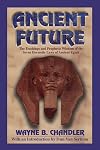
Is Tehuti real or imaginary? Chandler attempts to open our eyes on the subject of narrow Western scholarship along the lines of Martin Bernal's BLACK ATHENE, etc.

How can a book be bad when it has this stuff in it:
'Jesus Fucking Christ!' she gasped (and this in an era when the expressive verb/noun FUCK did not, like a barnyard orchid, like a meat bubble, like a saline lollypop, did not bloom, as it does today, upon the lips of every maiden in the land).
or this:
So effectively did he chide her about it that a vaguely guilty gloom arrived in her eyes, its cold feet shuffling in the dampness there. He wrung sniffles out of her, and when she was appropriately unhappy, he comforted her. He held her tightly in protective arms, built a castle around her, dug a moat, raised the drawbridge. Only her mama had ever held her like that, cooing in her ear. He petted her with poodle-petting hands, hands so soft they could get splinters from eating with chopsticks. He cuddled her as if she were an infant. He insulated her bare wires. And she, Sissy, who had slept in the excesses of every season, uncared for and without a care, snuggled down deeply in Julian's paternal tenderness and let herself be coddled.
'Jesus Fucking Christ!' she gasped (and this in an era when the expressive verb/noun FUCK did not, like a barnyard orchid, like a meat bubble, like a saline lollypop, did not bloom, as it does today, upon the lips of every maiden in the land).
or this:
So effectively did he chide her about it that a vaguely guilty gloom arrived in her eyes, its cold feet shuffling in the dampness there. He wrung sniffles out of her, and when she was appropriately unhappy, he comforted her. He held her tightly in protective arms, built a castle around her, dug a moat, raised the drawbridge. Only her mama had ever held her like that, cooing in her ear. He petted her with poodle-petting hands, hands so soft they could get splinters from eating with chopsticks. He cuddled her as if she were an infant. He insulated her bare wires. And she, Sissy, who had slept in the excesses of every season, uncared for and without a care, snuggled down deeply in Julian's paternal tenderness and let herself be coddled.

I've been to a lot of racetracks in my 62 years. As a matter of fact, one of my first jobs was at the Detroit Race Course. My uncle Jerry, a trainer, introduced me to the mysteries of the turf, etc., so I can speak with some authority when I say that I am almost 100% certain that the betters that I have crossed paths with never, or hardly ever ponied up to make their wagers with their heads swimming with Kierkegaardian logic-chopping, and if they were familiar with Talmudic analysis then I'm a monkey's uncle. Not to mention that the only pil-pul-ing they did had to do with taking their morning after headache away as they counted the imaginary bills on their bedroom dresser.
Suffice it to say, that our author is hardly the typical racetrack yahoo, no matter how much he might protest, otherwise. Hell, he can split hairs with the hair-splittingest Thomist. He can out quibble the quibblingest renegade Jesuit in search of a Heavenly Tri-fecta, or even one at Santa Anita. Here's an example from p. 210, our author in full trot:
So now I study my three possible winners, and focussing first on the one I know I'd like to see win, disclaim personal interest in ATTACHMENT, the horse who comes from behind. Is this ostentatious disclaimer a trick of the mind, a pirouette around the long held belief that my intelligence and abilities were for so long misunderstood? And is the rejection thus as much of an attachment as embracing the animal would be? That is, has it led me to oppose a show more horse out of the same biases that attract me to it? Have I actually disengaged, seen this horse (and myself) for what it is, or through overcompensation short-shrifted the animal.
I 'm not sure . . .
Maimonides was hardly more self-knowing. Pascal never made a shrewder wager.
The RACETRACK MEDITATION is just one of many fine chapters in DIGGING DEEPER by Peter Weissman. It shows our author at the peak of his form. It matters little whether the track is fast or slow, the reader knows with certainty that if he places his bet on our memoirist he will be cashing his ticket at the window almost every time. show less
Suffice it to say, that our author is hardly the typical racetrack yahoo, no matter how much he might protest, otherwise. Hell, he can split hairs with the hair-splittingest Thomist. He can out quibble the quibblingest renegade Jesuit in search of a Heavenly Tri-fecta, or even one at Santa Anita. Here's an example from p. 210, our author in full trot:
So now I study my three possible winners, and focussing first on the one I know I'd like to see win, disclaim personal interest in ATTACHMENT, the horse who comes from behind. Is this ostentatious disclaimer a trick of the mind, a pirouette around the long held belief that my intelligence and abilities were for so long misunderstood? And is the rejection thus as much of an attachment as embracing the animal would be? That is, has it led me to oppose a show more horse out of the same biases that attract me to it? Have I actually disengaged, seen this horse (and myself) for what it is, or through overcompensation short-shrifted the animal.
I 'm not sure . . .
Maimonides was hardly more self-knowing. Pascal never made a shrewder wager.
The RACETRACK MEDITATION is just one of many fine chapters in DIGGING DEEPER by Peter Weissman. It shows our author at the peak of his form. It matters little whether the track is fast or slow, the reader knows with certainty that if he places his bet on our memoirist he will be cashing his ticket at the window almost every time. show less


A.E. Coppard born 1878 at Folkstone, Kent, the son of a tailor and a housemaid. Left school at the age of 9 to work as an errand boy for a Jewish trousers maker in Whitechapel during the period of the Ripper murders. There is no foundation for the rumor that he subsequently became a navvy and survived on raw cabbage; actually he worked as a clerk at Brighton and Oxford, and adopted professional sprinting as a hobby. At present, however, according to WHO'S WHO his recreation is 'resting.'
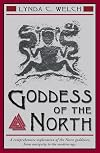
Some valuable information but too touchy feely for my taste. She just doesn't have Jean Markale's touch. He can get personal without the sappyness.

Here you can study the poet Beddoes. Beddoes' grotesque is thus an inseparable part of a less aesthetic and more existential approach than, say, Byron's, an approach which naturally ensured that he would never be, like Byron, a popular poet. For Beddoes, we are plunged into a world which, in spite of all the violence and irony, is still a world of morally significant choices:
I KNOW THE MOMENT: 'TIS A DREADFUL ONE,
WHICH IN THE LIFE OF EVERY ONE COMES ONCE;
WHEN FOR THE FRIGHTED HESITATING SOUL
HIGH HEAVEN AND LURING SIN WITH PROMISES
BID AND CONTEND.
This is the Duke talking himself into murdering Wolfram, and it is clear that Beddoes understands what some philosophers of resolute decision and Augenblick (a brief period of time, a moment) have not understood: that most resolute decisions are perverse and that a philosophy founded on the conception of resolute decision is off its head. The real resolute decision decision is much more likely to be a refusal to act rather than an action, like Wolfram's renunciation of revenge. This is a point that we shall find more fully developed in Shelley, from whom Beddoes partly derived it.
As Eliot (T.S.) says, the moment of death is every moment, and that absurdity is the only visible form of the meaning of life. It is Beddoes, as far as English Literature is concerned, who brings us most directly into contact with the conception of the absurd in a way that permits of compassion but excludes self-pity.
I KNOW THE MOMENT: 'TIS A DREADFUL ONE,
WHICH IN THE LIFE OF EVERY ONE COMES ONCE;
WHEN FOR THE FRIGHTED HESITATING SOUL
HIGH HEAVEN AND LURING SIN WITH PROMISES
BID AND CONTEND.
This is the Duke talking himself into murdering Wolfram, and it is clear that Beddoes understands what some philosophers of resolute decision and Augenblick (a brief period of time, a moment) have not understood: that most resolute decisions are perverse and that a philosophy founded on the conception of resolute decision is off its head. The real resolute decision decision is much more likely to be a refusal to act rather than an action, like Wolfram's renunciation of revenge. This is a point that we shall find more fully developed in Shelley, from whom Beddoes partly derived it.
As Eliot (T.S.) says, the moment of death is every moment, and that absurdity is the only visible form of the meaning of life. It is Beddoes, as far as English Literature is concerned, who brings us most directly into contact with the conception of the absurd in a way that permits of compassion but excludes self-pity.

An attempt by Louise Varese (1947) to render into English Baudelaire's poetic prose. Not to put too fine a point on it, with this we have Varese's Baudelaire.
In his biography of B. Lewis Piaget Shanks, Tommy Shanks' brother one supposes, calls PS 'the final expression of the poet's vision of the world, of his melancholia, his idealism, his desperate desire to flee from the prison of his subjectivity, his furious longing to find some escape from the ugliness of modern life. We are inclined to think if Shanks is even half right about this, he may be on to something.
In his biography of B. Lewis Piaget Shanks, Tommy Shanks' brother one supposes, calls PS 'the final expression of the poet's vision of the world, of his melancholia, his idealism, his desperate desire to flee from the prison of his subjectivity, his furious longing to find some escape from the ugliness of modern life. We are inclined to think if Shanks is even half right about this, he may be on to something.

Ernest William Hornung was born in England in 1866 and is now chiefly remembered as the creator of Raffles. He married Arthur Conan Doyle's sister in 1893, and by all accounts the two writers got along famously. STINGAREE, also told from the criminal's point of view was published in 1905, and THE CRIME DOCTOR in 1914. Hornung died in 1921.
RAFFLES came out in 1899. Raffles was actually something more than a rank amateur. He was invited to the parties ,doesn't that say something? He was also one of the finest cricketeers in England. He was a Gentleman. His public school education and his cut glass accent made him doubly dangerous when he was on the prowl. But Raffles was careful to stay within the bounds of 'cricket.' In his essay George Orwell is enlightening on this subject (RAFFLES AND MISS BLANDISH). For the true cricketeer form is te thing. It was 'cricket to score 4 elegant runs an inning than 100 vulgar ones.
RAFFLES came out in 1899. Raffles was actually something more than a rank amateur. He was invited to the parties ,doesn't that say something? He was also one of the finest cricketeers in England. He was a Gentleman. His public school education and his cut glass accent made him doubly dangerous when he was on the prowl. But Raffles was careful to stay within the bounds of 'cricket.' In his essay George Orwell is enlightening on this subject (RAFFLES AND MISS BLANDISH). For the true cricketeer form is te thing. It was 'cricket to score 4 elegant runs an inning than 100 vulgar ones.

Tolstoy wondered why we paid such heed to millionaires and generals and not our poets and moralists - Herman Melville not least among the latter.
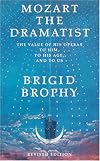

'Bosie' was a blighter by any estimation. Poor old Oscar was not fortunate in his choice of companions. Dear old 'Bosie' left him in the lurch at just about every turn. And he turned out, 'Bosie' did, a terrible stick-in-the-mud in the end. Oscar gave himself away way too cheaply. Read his writings from The Reading Gaol for more details, etc.
De PROFUNDIS
De PROFUNDIS

He knew about as much as anyone else. He almost cut the mustard with the decidedly discerning Cecil's - who even snooted at Churchill, Balfour, and of course looked down their noses at HGW.

I've enjoyed many of old Harold's books. He also held 'Orlando's' hand when she had nothing better to do.

TOCQUEVILLE WAS LIKE THE GUY IN NASRUDIN'S FABLE, THE GUY LOOKING FOR THE LOST KEYS UNDER THE LIGHTED AREAS. NOT ALL BAD THOUGH.


Not quite smart enough to really benefit by this fine study. But it wasn't a total loss for me. I'm really bad with puzzles and all that sort of thing. John Michell, though he's no longer with us, and the HBHG bunch can get the most out of these exercises.

After Oscar Wilde was let out of Reading Gaol he wandered through Europe a spent force, pretty much. His books were sold to pay off his debts, and he didn't have the maniacal energy of his earlier days for writing, et cetera. He would wander into a new town, calling himself Sebastaian Melmoth, and the first things he would request was plenty of cigarettes and a copy of Flaubert's ST. ANTHONY. He was a devotee of French literature.
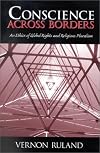
Vern was one of my teachers in college. A first-rate scholar with a heart. A rare combination in that business. Vern is also a fine poet. He is one of those who just to come in contact, is an education.He was always willing to take time for those of us who had little to offer him in return. The mark of a great man, in my estimation.

There's a nice edition on the internet. Stanford University Press. With an introduction by Mrs. Humphry Ward, granddaughter of Dr. Arnold of Rugby and niece of the poet & scholar, et cetera, Matthew Arnold.
To the novel. Part One. Gilbert Markham narrates a great domestic mix-up, during which he knocks his rival off his horse and generally makes a shambles of his attempted romance with Helen Graham of Wildfell Hall. He gets jilted for his efforts.
Part Two. Helen's diaries. She ends up marrying a blighter with less character than Felix Carbury, if that is possible. It's a disaster as husband Arthur and his cronies are every bit as riotous as King Lear and his men. Remember when Lear foolishly divided up his Kingdom and put his own security in jeopardy. He is a plague on Helen's house. She tries to flee but he prevents her. So far, so bad.
Part Three. Arthur dies hard. Helen is now wealthy. Gilbert comes back, fearing Helen is somewhat out of his reach. He tiptoes around looking like a sheep with a secret sorrow. Not to worry. They get together in the end and make a good Dickensian home for little Arthur.
To the novel. Part One. Gilbert Markham narrates a great domestic mix-up, during which he knocks his rival off his horse and generally makes a shambles of his attempted romance with Helen Graham of Wildfell Hall. He gets jilted for his efforts.
Part Two. Helen's diaries. She ends up marrying a blighter with less character than Felix Carbury, if that is possible. It's a disaster as husband Arthur and his cronies are every bit as riotous as King Lear and his men. Remember when Lear foolishly divided up his Kingdom and put his own security in jeopardy. He is a plague on Helen's house. She tries to flee but he prevents her. So far, so bad.
Part Three. Arthur dies hard. Helen is now wealthy. Gilbert comes back, fearing Helen is somewhat out of his reach. He tiptoes around looking like a sheep with a secret sorrow. Not to worry. They get together in the end and make a good Dickensian home for little Arthur.
Markale is a poet. Beautiful and I'm only reading him in English.

Zounds what a tangle. It would take a team of Robert Graves' to sort out all of this information. Books like this and THE SIRIUS MYSTERY make me feel that I should have stuck with my childhood football watching buddies. Puts too much strain on my poor little brain.

Auden is that rare bird who is a first-rate poet and a first-rate critic. Anything he turned his hand to was of the first-rate. He had Johnsonian common sense and the 'fancy' of the most romantic of the Romantics. It is the rarest pleasure to pick up anything by Auden. He could make the most unprepossessing cur look like a showdog.
With an epigraph featuring some lines from one of my favorite poets Robert Frost I felt that I at least should give this book a try. It was worth it. Hetty Fallowes and two young Yorkshire women are getting ready to go off to college, as we say here in the States. Summertime, 1946, it was a slim time for certain elements in the war-fatigued country. They were not nearly as bad off as Eurona in VENUS AND THE VOTERS, but slim were the pick-ins nonetheless.
Hetty, I will concentrate on her third of the story, was a bookish young maiden. She was not really on the same page intellectually with her hard-scrabble family. An old story. Hetty's mother was of course fiercely proud of her and fiercely jealous of her; it was Hetty's independance, such as it was that, caused this deep divide in her otherwise loving mother. Her father was supportive but not very helpful. Hetty was fortunate that a dying Josephine Dixon left Hetty, and her maid, a 100 pounds a piece. The rest went to a home for small dogs in Harrow.
Hetty thought a few weeks in the Lake District would put her mind straight. Things were going well till she received a letter from her mother. I won't spoil things with too many details, but I will supply two important letters that I hope will not give away too much of the story.
The letter to Hetty:
My darling - I have had a letter from him and, of course, or so one hopes, so have you. In the letter he even suggested bringing her, HERE! For coffee! (Does he know how little show more coffee . . . ) Your father was wonderful. . . 'Coming here today? Get your coat on Kitty, we are going out to lunch.'
And, do you know, we did! We went to the Lobster Inn . . .I was touched . . . He's never taken me out since . . . While we were out, he and Brenda, I can hardly write her name - did come around.
Hetty's mother goes on about a Eustace, a recent 'love interest' for Hetty.
The letter wraps up with:
I shall write tomorrow again, but this is just to say I think of you all the time and send you my very great sympathy, darling. It's really dreadful being a woman, isn't it?
Mummy.
This goes over like a lead balloon with Hetty:
Dear Mother,
I've just read your letter. I am sorry, but I cant be doing with it. How DARE you think that I care about that pathetic Eustace. Cant you see beyond your own silly bloody head and your ghastly friends' silly bloody heads in the Lonsdale Cafe? I only kept seeing him because I knew he made YOU feel good, being the type you used to know before the first war, a real old left-over creep. None of my friends would go near him. Poor Brenda, he's all she'll ever get. Of course he was soppy over you. All these vaguely homosexual men go for old women. He was terrible. Pa thought so but he didnt want to upset you since he cant offer romance himself, or anything else because of the war, which you never even noticed going on. That's the only reason Pa and I put up with him - you feeling so thrilled by him.
And how DARE you tell your friends! . . . Everything I tell you is immediately all over town. Why is Pa so peculiar? Because you have no real fidelity to him and he can therefor tell you nothing. Because he has had to give his married life to the Lonsdale and the vicar -and YOU, Ma. There. I have told you.
You and your imaginary illnesses and psychosomatic complaints. Your ignorance. Your patronising of women's education. Your fear of me being a 'bluestocking', when you dont know the meaning of the word. You dont know what my education means to me. Its first purpose is to get me away from you. Do you think I want to end up like you? Unable to do anything but bake cakes - cakes you are too obsequious to let even your friends buy?
I'm staying on here. Sorry about the calendar. You'll have to turn the page over. From 'The Wilderness' to the Sea of Galilee, Sudden Storm'. You dont even know where the Sea of Galilee is, which country, it's in. I'm going away on Saturday instead of coming home. I'm going for the weekend with a man I've met here. He has his own castle. I'll send you a post card.
Dont ever write to me like that again about my private life.
Yrs. Hester Falowes
You must read the book to see what follows Fallowes' letter.
The story of the other two young women is also very interesting. show less
Hetty, I will concentrate on her third of the story, was a bookish young maiden. She was not really on the same page intellectually with her hard-scrabble family. An old story. Hetty's mother was of course fiercely proud of her and fiercely jealous of her; it was Hetty's independance, such as it was that, caused this deep divide in her otherwise loving mother. Her father was supportive but not very helpful. Hetty was fortunate that a dying Josephine Dixon left Hetty, and her maid, a 100 pounds a piece. The rest went to a home for small dogs in Harrow.
Hetty thought a few weeks in the Lake District would put her mind straight. Things were going well till she received a letter from her mother. I won't spoil things with too many details, but I will supply two important letters that I hope will not give away too much of the story.
The letter to Hetty:
My darling - I have had a letter from him and, of course, or so one hopes, so have you. In the letter he even suggested bringing her, HERE! For coffee! (Does he know how little show more coffee . . . ) Your father was wonderful. . . 'Coming here today? Get your coat on Kitty, we are going out to lunch.'
And, do you know, we did! We went to the Lobster Inn . . .I was touched . . . He's never taken me out since . . . While we were out, he and Brenda, I can hardly write her name - did come around.
Hetty's mother goes on about a Eustace, a recent 'love interest' for Hetty.
The letter wraps up with:
I shall write tomorrow again, but this is just to say I think of you all the time and send you my very great sympathy, darling. It's really dreadful being a woman, isn't it?
Mummy.
This goes over like a lead balloon with Hetty:
Dear Mother,
I've just read your letter. I am sorry, but I cant be doing with it. How DARE you think that I care about that pathetic Eustace. Cant you see beyond your own silly bloody head and your ghastly friends' silly bloody heads in the Lonsdale Cafe? I only kept seeing him because I knew he made YOU feel good, being the type you used to know before the first war, a real old left-over creep. None of my friends would go near him. Poor Brenda, he's all she'll ever get. Of course he was soppy over you. All these vaguely homosexual men go for old women. He was terrible. Pa thought so but he didnt want to upset you since he cant offer romance himself, or anything else because of the war, which you never even noticed going on. That's the only reason Pa and I put up with him - you feeling so thrilled by him.
And how DARE you tell your friends! . . . Everything I tell you is immediately all over town. Why is Pa so peculiar? Because you have no real fidelity to him and he can therefor tell you nothing. Because he has had to give his married life to the Lonsdale and the vicar -and YOU, Ma. There. I have told you.
You and your imaginary illnesses and psychosomatic complaints. Your ignorance. Your patronising of women's education. Your fear of me being a 'bluestocking', when you dont know the meaning of the word. You dont know what my education means to me. Its first purpose is to get me away from you. Do you think I want to end up like you? Unable to do anything but bake cakes - cakes you are too obsequious to let even your friends buy?
I'm staying on here. Sorry about the calendar. You'll have to turn the page over. From 'The Wilderness' to the Sea of Galilee, Sudden Storm'. You dont even know where the Sea of Galilee is, which country, it's in. I'm going away on Saturday instead of coming home. I'm going for the weekend with a man I've met here. He has his own castle. I'll send you a post card.
Dont ever write to me like that again about my private life.
Yrs. Hester Falowes
You must read the book to see what follows Fallowes' letter.
The story of the other two young women is also very interesting. show less

Some good articles by Chesterton, G.B.S., Lionel Trilling, Angus Wilson, George Levine, Pam Morris, and an introduction and an afterthought by Harold Bloom, himself. Bloom has dozens of critical editions, etc. on everyone from Atwood to Zola. Most of the contributers are reliable, though every now and again an element like Mai Chin slips in between the cracks. A little looking into the matter digs out that Chins' parents are high-profile at Yale where the autocratic Bloom holds court. Oh well, Slick Willy Clinton and Michael Milken changed the rules forever and we must take our medicine, as Vanessa Bell would have it.

The essay on Dickens is worth it alone. Wilson prose style crackles throughout. Very exciting when either he or Mencken get up on their literary high-horse.
D.H. Lawrence made off with Weekly's wife and he responded with all the potency of his name.