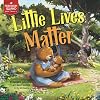
This book has an inspiring story that both cherishes life and encourages children to not be limited by others expectations. It follows the life of a little bear without an arm and a mother who repeatedly expresses her love of him. While its naming scheme is a little on the nose it allows children to engage with their parents on these topics as they grow. The artwork is charming and gives the story a feeling of a far off magical forest. Its water paint design is executed well and helps develop the story with images for kids to looks at.
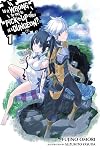
This story at its core is amazing. It starts slower and uses a lot of typical troupes and the power system is not exactly new. However, the world is clearly defined and is built on a unique premise. Personally I find its theme exploring the true roots of a hero inspiring. It takes an atypical approach to a hero tale, Belle aims to be a hero not because of glory or power, only to fulfill a dream he shared with his grandfather. While the unnecessary sexual exploitation does distract from its story it is minimal. While it uses a pretty simple plot, the characters keep you cheering on Belle to keep working hard. The social challenges faced with being in a world occupied by gods presents itself with an interesting way to deal with power imbalances within the world as well. The artwork in between chapters and the character profiles are well crafted and help immerse and build familiarity with the characters. I would avoid giving this book to a
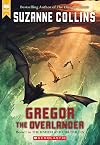
Gregor the Overlander is an incredible book. While I feel it often gets overshadowed by Suzann Collins' other work, the Hunger Games, it has a very unique story. It focuses on the idea of how to operate within a broken home and still be a good brother while also the idea of incorporating others within your family. While it can be difficult to incorporate prophecies into books without forcing the plot to create conveniences, Collins makes it very captivating with twists and turns to what the text meant. The story also does a great job with exploring how to handle people who are very different from yourself, especially when you feel alone and scared. The cover art is also amazing, it is what originally attracted me to the series while the characterwork developed a bond with the story that has had me reread it throughout my life. Overall, it is very wholesome and a natural feel in how these kids would interact with one another and how they help address the issues each of them have.
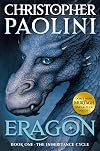
Eragon is an incredible example of cliche troupes done well. The tone the book sets from the very beginning is one of a normal rural farmers entering into a world of wonder. The book has well written dialog that you could expect to find in a small rural town, with all of the politics that come with it. The main character, on the cusp of manhood, struggles to undergo a shift in perspective from a future farmer to a person out of legends and it is made more difficult with a mentor shrouded in mystery. I feel the author, Christopher Paolini, overused the direct rejection of answers when Eragon and Brom were traveling to Tierm, it overstated the secretive nature I believe he was going for. I first read this book in 8th grade while attending a rural grade school, preparing to enter a high school with a class size 50x bigger and the story resonated with me during that transition period. It was easy to read and gave me perspective on the views others might have or the expectations they would place upon me. I also connected with Eragon when he viewed Arya for the first time. My first high school crush felt like love at first sight and the difference in our upbringing made the barrier feel like an insurmountable obstacle. I found out later that the author was only a few years my senior and had written the book at the age of 16! You never would have guessed with the way he tackled problems of loss, responsibility, and the evil that is present within the world. Eragon lost his role show more model and was forced to leave behind everything he knew and managed his grief only through focusing on vengeance, which ultimately was a fruitless endeavor. Poalini wrote it in such a way to make it believable and not just a way to move the plot while leaving foreshadowing behind. show less
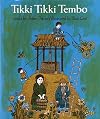
Tikki Tikki Tembo is an adaptation of a Chinese folktale detailing the naming tradition of China. It is a fun book to read and can be a fun way to introduce foreign folklore into a child's life. However, without the cultural understanding American kids are less likely to make the connections a Chinese child would make. It includes a traditional Chinese art style to expand on its origins in China. The name of the book is all I remembered from when I read it in 2nd grade and while I remembered liking it, the only thing I can say for its teaching capability is a small part about listening to your parents. When I read this to my daughter who is the same age I was, she did not find it enjoyable at all and could not really see the point of the story besides not giving your child a funny name.
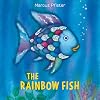
Rainbow Fish is a story centered around the purpose of sharing. Although this is the primary theme the shiny fish wrestles with through their development through the book, it is not the only one. It also displayed what happens when you are arrogant and set yourself above others. The use of sharing the shiny scales helps kids understand how sharing can be scary at first but you will be more happy around friends then hoarding nice things for yourself. I remember in school we did a project with this book where we all created fish with scales of one color, our favorite color, and shared our scales with the other kids so we all ended up with rainbow fish.
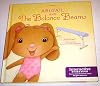
Abigail and the Balance Beam is a fun story to read with your child. It explores the theme of growing up and the perceptions kids can have of adults. The main character Abigail goes through the story wishing to grow up, however its discovered at the end it is more focused around a desire for perfection that she equates to adulthood. It has a nice lesson that growing up is more about improving than perfection. This book is good for a lot of different kinds of children, but I feel only very relevant to a small group of children who are very orderly and struggle with a perfectionist type of attitude. I also wish the book did not have Abigail outstanding at every other event as I feel it takes away from the message that you do not have to be perfect and to just aim to grow.
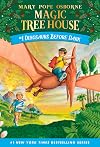
Magic Tree House Dinosaurs Before Dark by Mary Pope Osborn was overall a great book for early readers. It incorporates learning about dinosaurs while also sticking with a simple plot to help young readers develop their skill with reading. My memories of this book were very different from my latest reading however. While I feel this book is very short now, I remember enjoying the length of them as a child. Its plot is very straightforward, allowing children to connect to it while learning to recognize the twists that can happen. I do think the theme is not ideal. While encouraging kids to embrace their imagination it also blurs the line on acceptable uses of breaking the rules.